Commercial Roofing in Midlothian
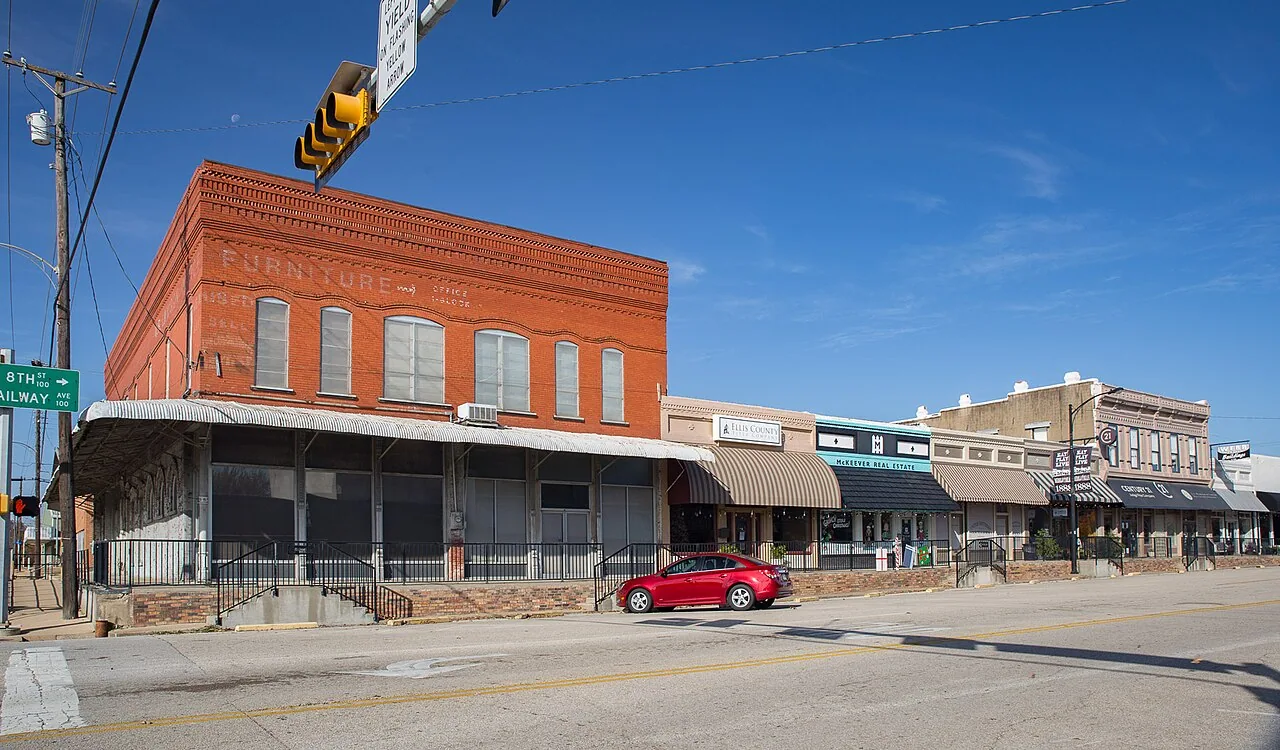
Midlothian
Commercial roof maintenance in Midlothian, TX: scheduled inspections, drain clearing, TPO seam and flashing repairs and a running history of every finding on your roof.
The cheapest roof repair is the one you catch early. A maintenance program for a Midlothian commercial building means someone walks the roof on a schedule, clears the drains, checks the seams and flashing and fixes small problems before they turn into leaks. It also means keeping a record of what was found and fixed, so you can see how the roof is holding up over time and plan for the next big expense.
We also run maintenance programs for buildings in Mansfield and Cedar Hill, and each roof gets its own plan.
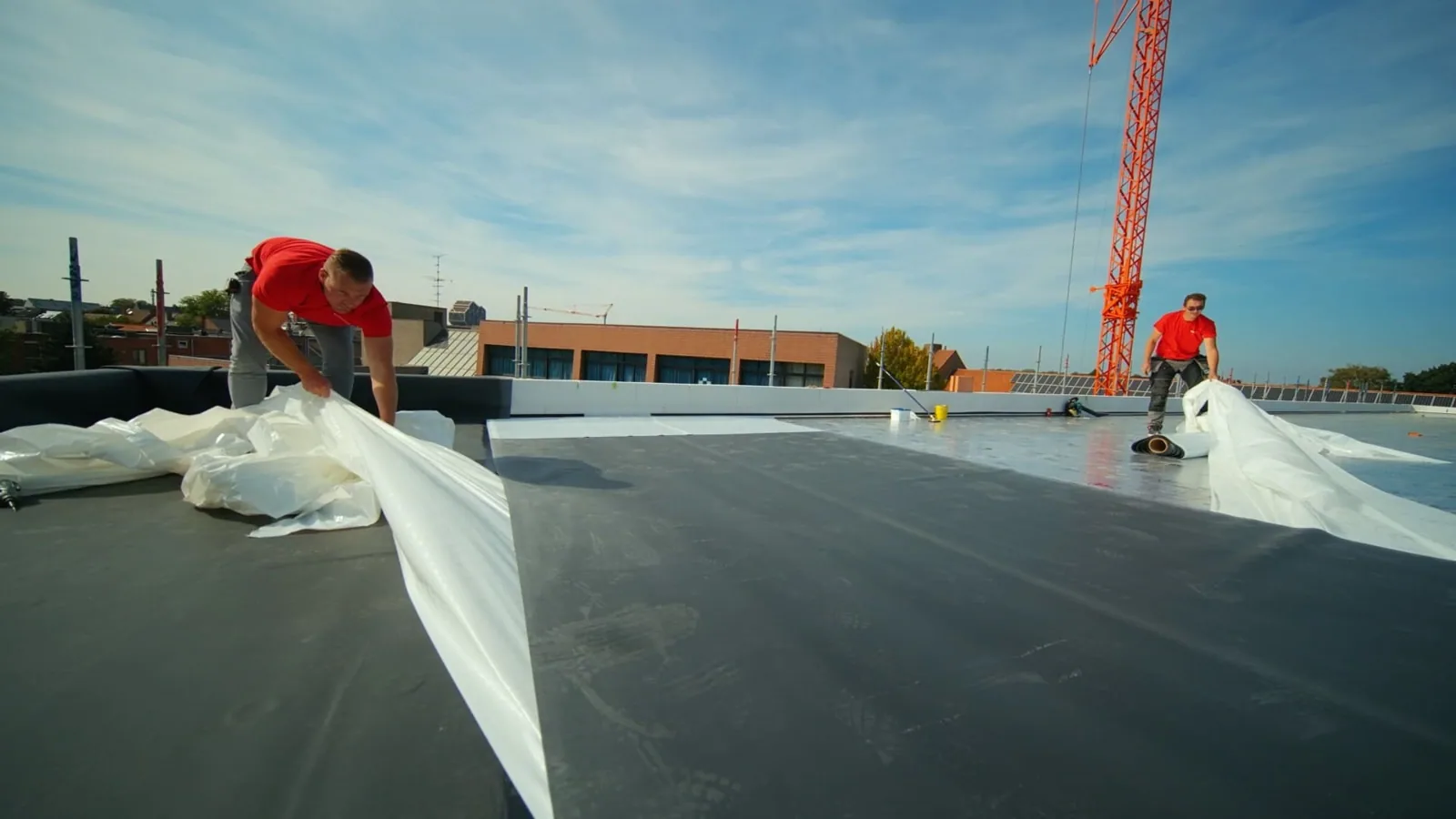
What we look for on each visit
On a maintenance visit, we walk the whole roof, not just the problem areas. We clear drains, scuppers and gutters. We check seams, flashing at walls and curbs, edge metal, penetrations and any old patches. We look for punctures from foot traffic, debris left behind by other trades and early signs of trouble like small blisters, loose fasteners or sealant that has dried out.
A preventive roof maintenance visit separates what we observed from what we fixed. Small items like clearing a drain or resealing a pitch pan we can usually handle on the spot. Bigger items, like a failed seam or a section of loose flashing, go on a list with a photo, a location and a price, so you can approve them before we do the work.
We also note things that are fine today but worth watching, such as a seam that is starting to lift or an area that holds water after rain. Those go on the watch list for the next visit.
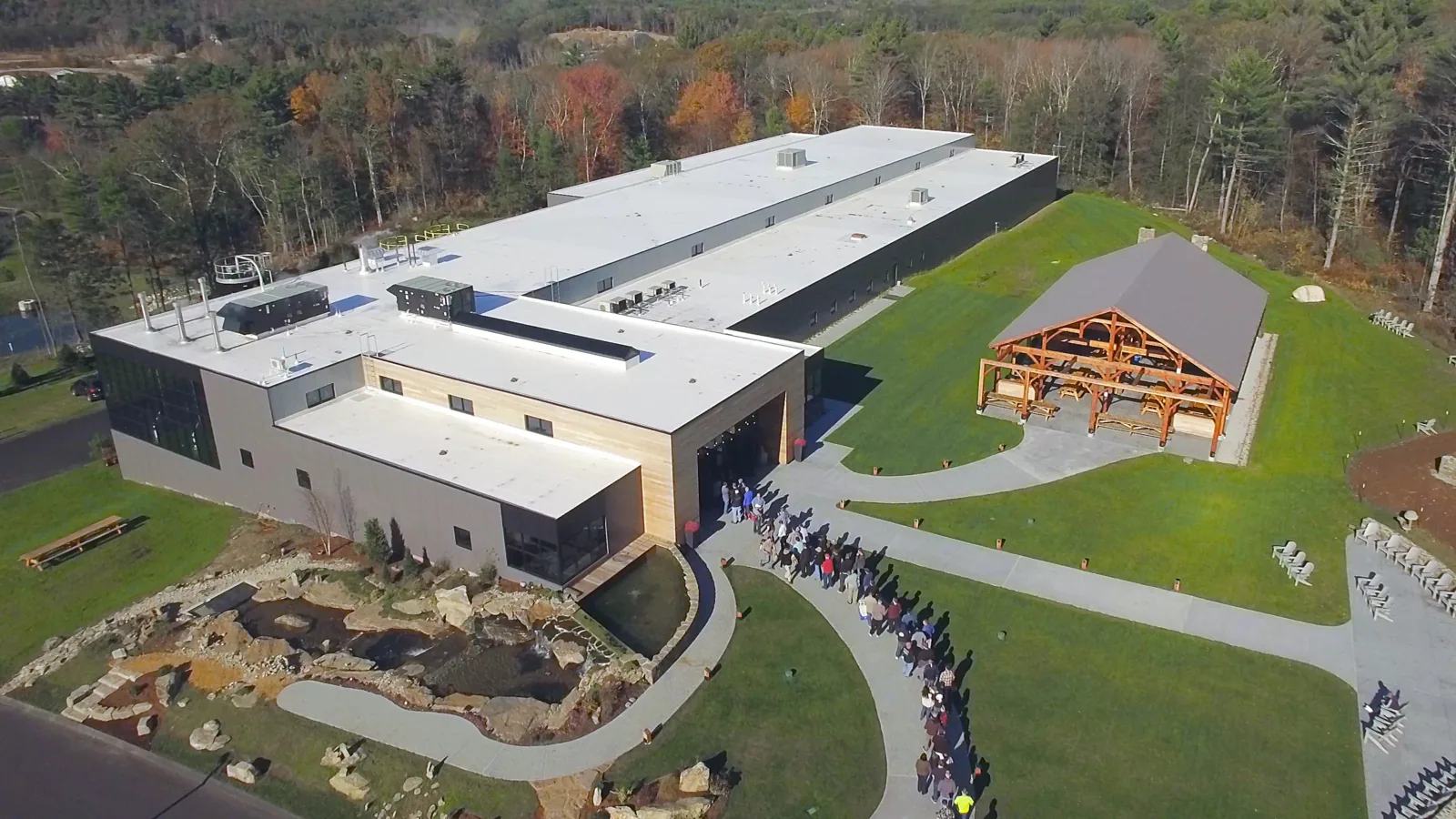
Repairing the TPO
When a maintenance visit turns up a repair, the materials have to match the roof. We confirm the membrane at each repair spot and check its condition. Past patches may be a different product, so we check those too.
For TPO roofing, we clean the existing membrane, heat-weld a patch or cover strip and probe the weld after it cools. If the TPO around the repair is weathered or dirty enough that it will not take a good weld, we cut back to sound membrane first. EPDM, PVC and modified bitumen roofs each get their own repair method.
Nearby seams get checked whenever we make a repair. A seam starting to lift next to a patch is easier and cheaper to fix now than after it starts leaking.
Checking what's under the membrane
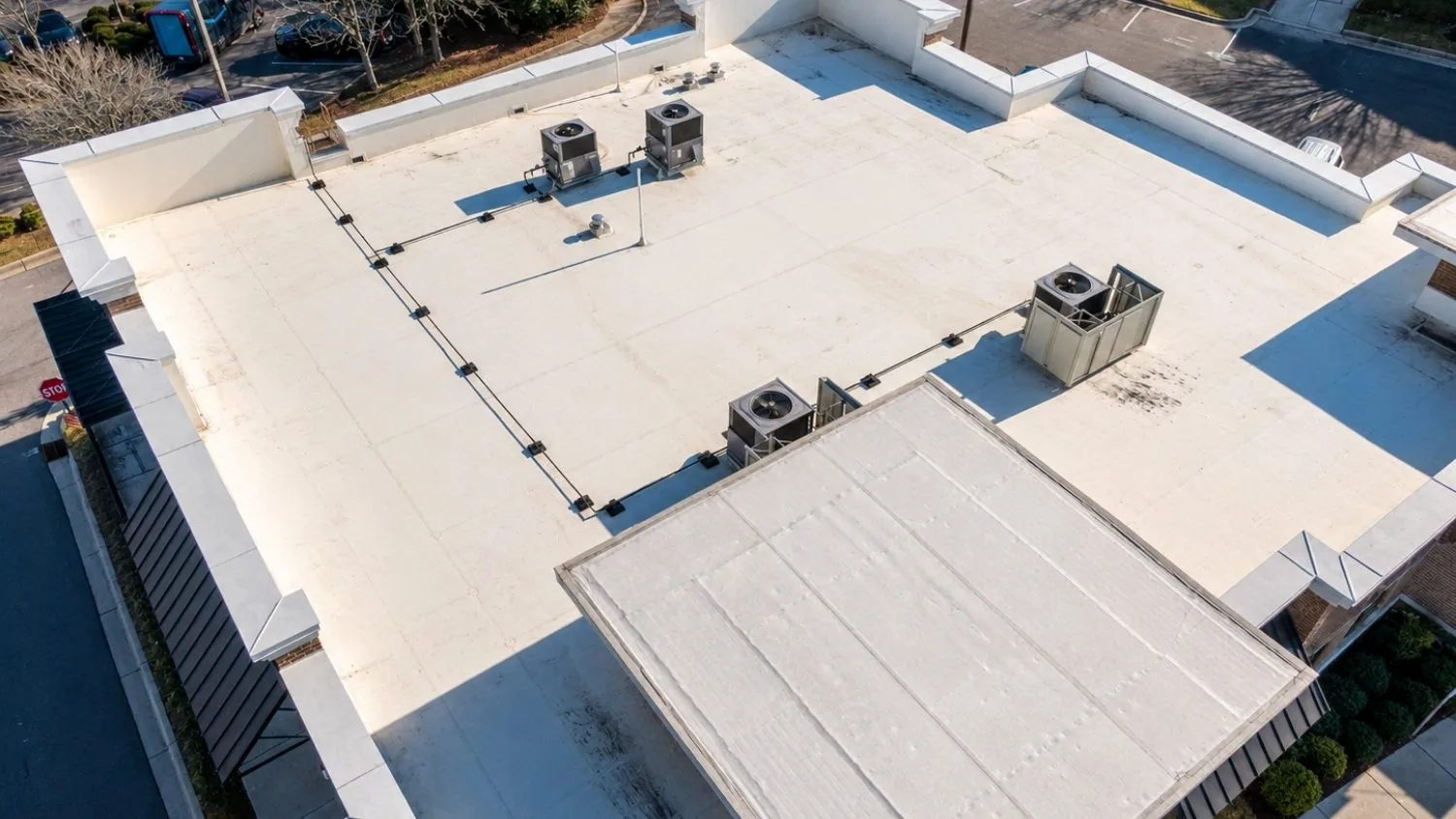
Maintenance visits are a good time to catch wet insulation before it spreads. If we find soft spots or blisters or get high moisture readings, we recommend a core cut to check. Wet insulation loses its R-value and can rust the deck, so it is worth replacing early.
On a flex industrial building, we coordinate core cuts and openings with the property manager and the tenants below. Flex buildings often have several tenants with different uses, from offices to light manufacturing, and each may need notice.
A dry core at one spot tells us about that spot. If other areas look suspect, we note them for testing. If we find more damage once the roof is open, we photograph it and talk with you before closing it up.
Scheduling repairs in the right order
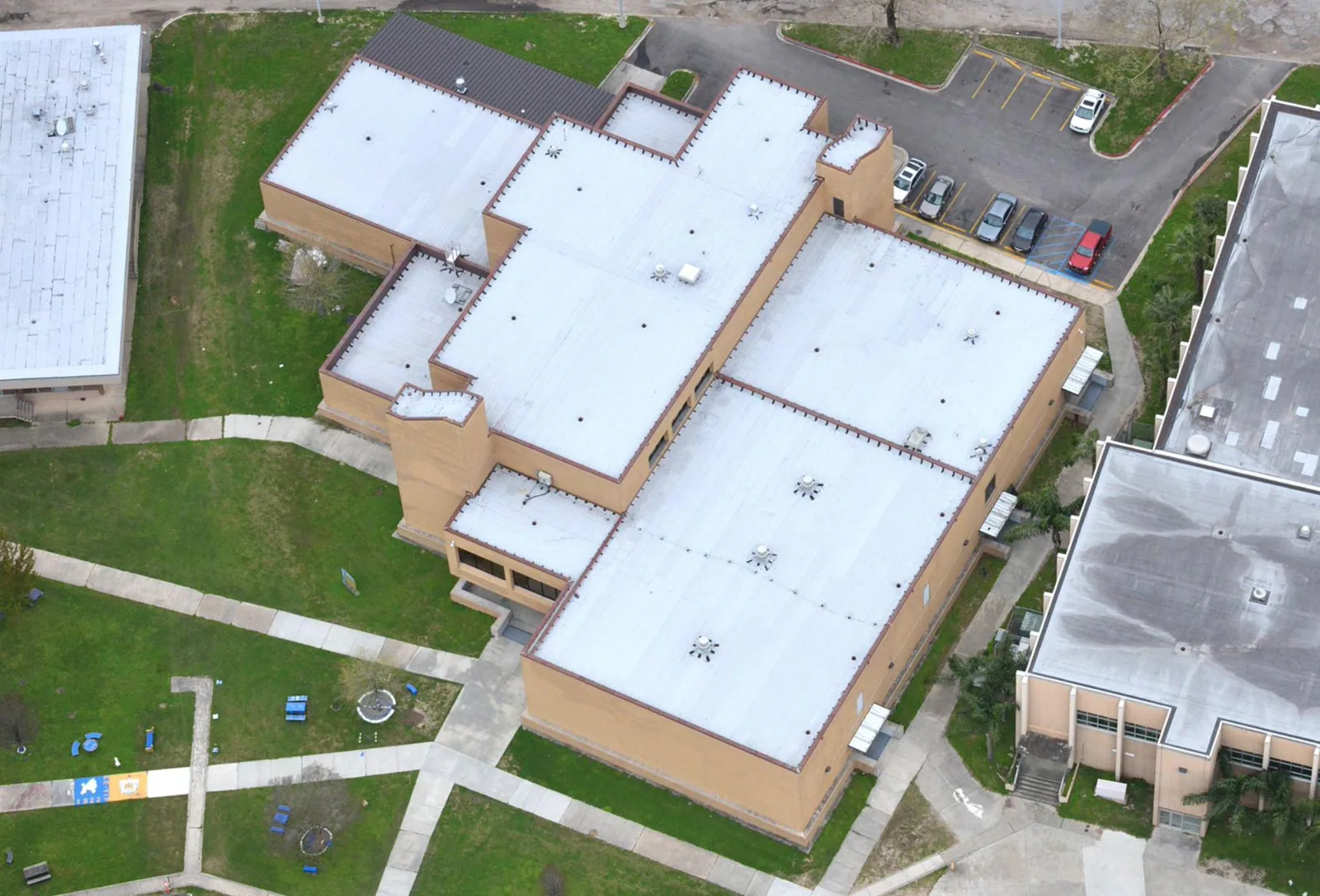
When a maintenance visit turns up several repairs, we put them in order. Wet insulation and damaged deck come first. Then failed seams and flashing nearby. Then we prep the existing membrane and make the permanent repair. If something keeps the new material from bonding, we deal with it and list it separately.
We confirm roof access, parking and work hours with the property manager for each visit. Multi-tenant buildings often have different rules for different suites, and we follow them. If an HVAC contractor or plumber needs to fix a curb or drain before we can finish a repair, we list that task and coordinate with them.
Most programs include visits in spring and fall, plus a check after any major storm. Spring catches winter damage and gets drains ready for heavy rain. Fall catches summer heat damage and clears leaves before winter. After a hailstorm or high wind, a quick check can catch damage before it becomes a leak.
We report each item as it is done, so you always know what was fixed and what is still open.
When you call about a Midlothian building, tell us how big the roof is, how old it is, what system you think is on it and whether it has leaked recently. Send any past repair records or warranty paperwork. Some manufacturer warranties require regular maintenance, and our records can help you show that it was done. We will walk the roof, give you a baseline report and recommend a maintenance schedule that fits the building.
A running history of your roof
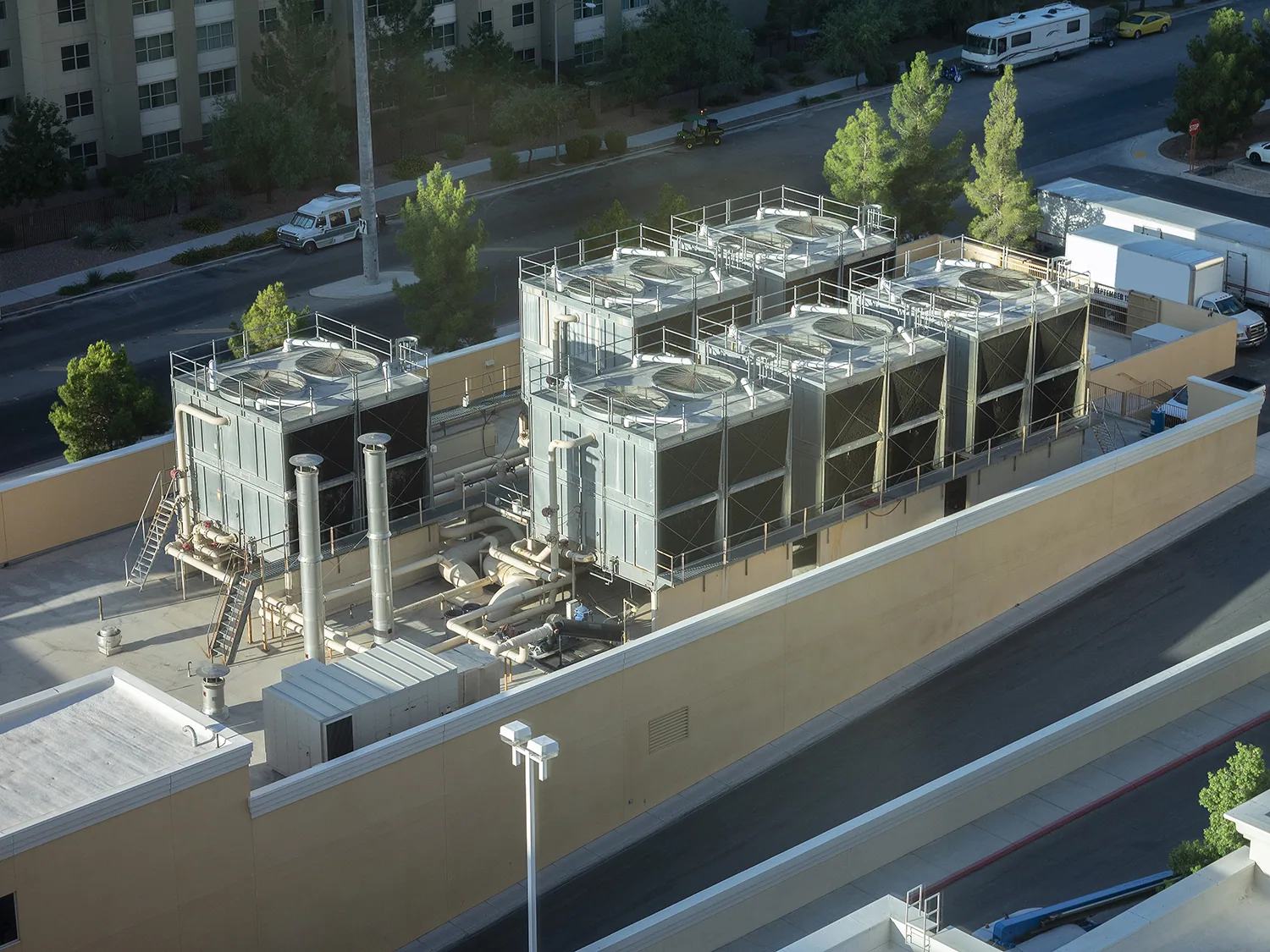
Every visit adds to your roof's roof asset history. It records what we found, what we fixed, what we are watching and when. Photos are tied to locations on the roof plan, so you can compare the same seam or drain from one visit to the next.
Over a few years, that history tells you a lot. You can see which areas keep needing repairs and which are holding up. You can see whether the roof is aging evenly or whether one section is wearing out faster. That helps you budget for a recover or replacement before it becomes an emergency.
If we put down a temporary patch, the history says so and tracks when the permanent repair went in. Routine maintenance and repairs are logged separately, so nobody mistakes clearing a drain for fixing one.
Common Questions
Does a maintenance visit include repairs?
Small items like clearing drains or resealing a pitch pan are usually handled on the spot. Bigger repairs are listed with a photo, location and price so you can approve them first.
How do you match repairs to our existing roof?
We confirm the membrane at each repair and check its condition. On TPO, we clean the sheet, weld the patch and probe it once it cools, cutting back to sound membrane if needed.
What happens if you find wet insulation during maintenance?
We recommend a core cut to confirm it. Wet insulation is replaced before the repair is closed up, and we photograph and discuss anything unexpected before going further.
Who do you coordinate maintenance visits with?
The property manager. They tell us about access, tenant rules and work hours, and we coordinate with any other trade that needs to be involved.
What records make maintenance worth it later?
A running history with photos tied to locations, showing what was found, fixed and watched on each visit. That helps with budgeting, warranties and spotting trends.
Set up roof maintenance for your Midlothian building
Tell us about the building and its roof. We'll do a baseline inspection, recommend a maintenance schedule and keep a clear record of everything we find and fix.
- Mansfield properties through their own maintenance and material findings
- Cedar Hill premises with individually defined repair boundaries
- roof maintenance assignment separating observed conditions from delivered detail repairs
- TPO maintenance repairs following identified sheet and suitable connection material
- flex industrial building with a located maintenance and supporting layer assignment
- roof asset history locating Midlothian maintenance findings and completed corrections