
Roof Asset Management in Arlington, TX
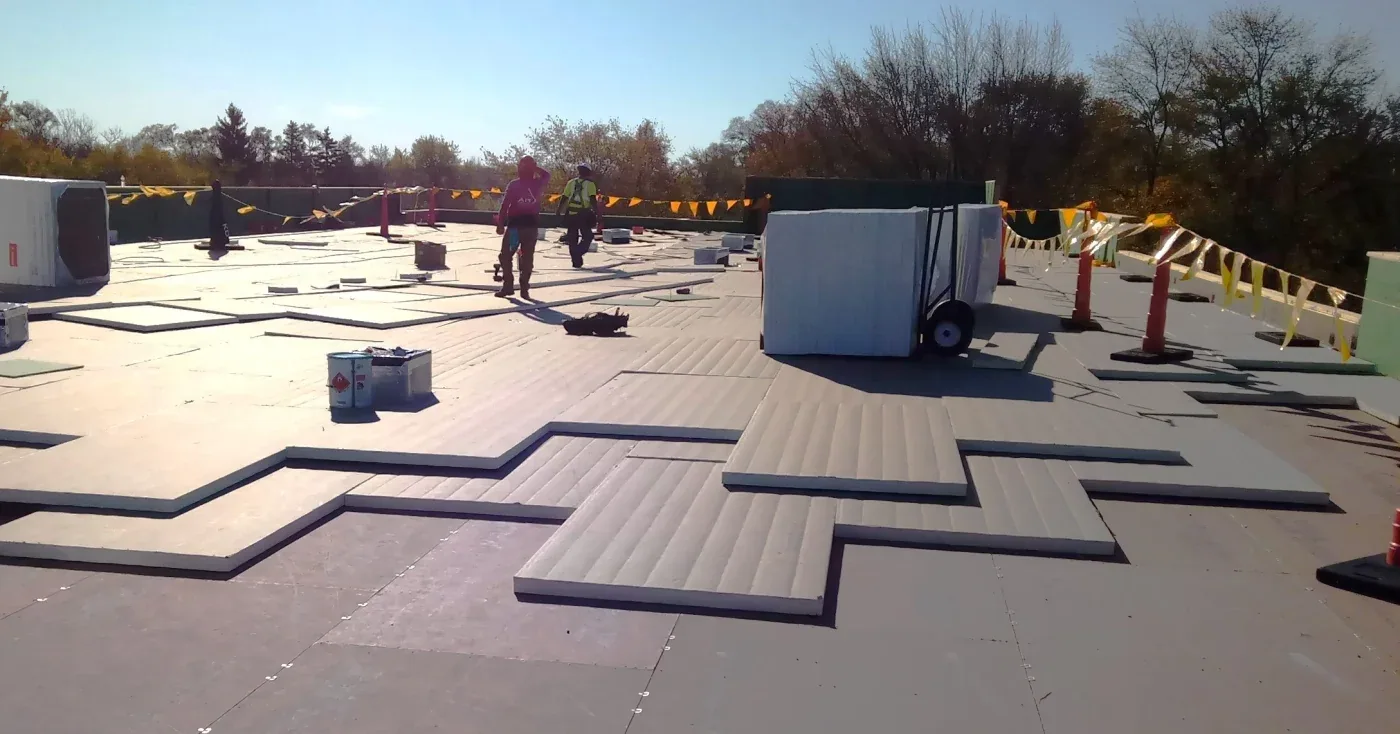
Roof Asset Management
Organize Arlington roof condition, repairs, warranties and replacement priorities into a useful building record with clear next actions and budget choices.
November 24, 2020 brought an EF-2 tornado to Arlington. A past storm date can help organize a building's repair history, but it cannot tell an owner what remains sound today. Roof asset management starts by putting the present roof beside the available records: which areas were repaired, what those repairs involved, and what the next inspection actually finds. A paid invoice and a dry ceiling are useful information. Neither alone establishes the condition of the concealed assembly.
For portfolios spanning Great Southwest Industrial District and South Cooper Street Corridor, record the roof condition and next action by building.
Commercial Roofing Services Arlington helps owners turn scattered roof information into building decisions. The useful result is a roof record with identifiable areas, known conditions, practical actions and unresolved questions. Some buildings need a targeted correction and continued observation. Others need investigation before a capital figure can be trusted. The record should make that difference visible without treating every older roof as a replacement project.
Roof record: enough detail to use
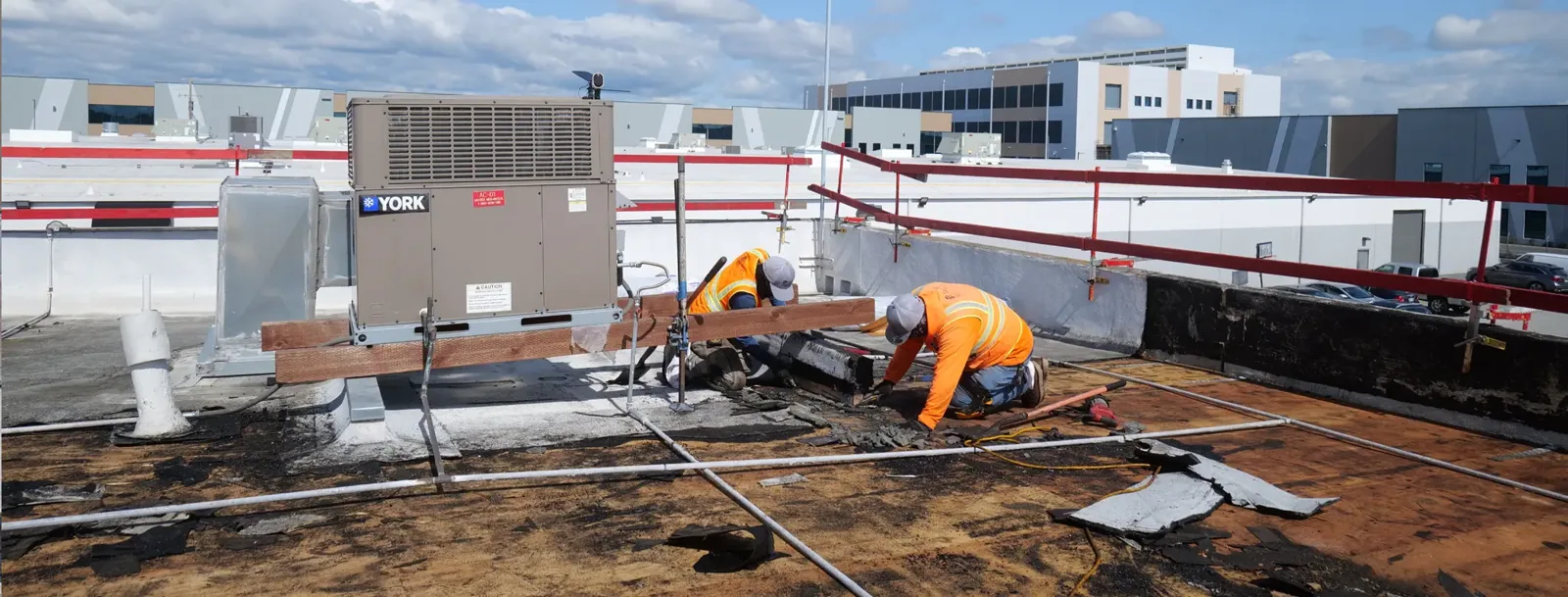
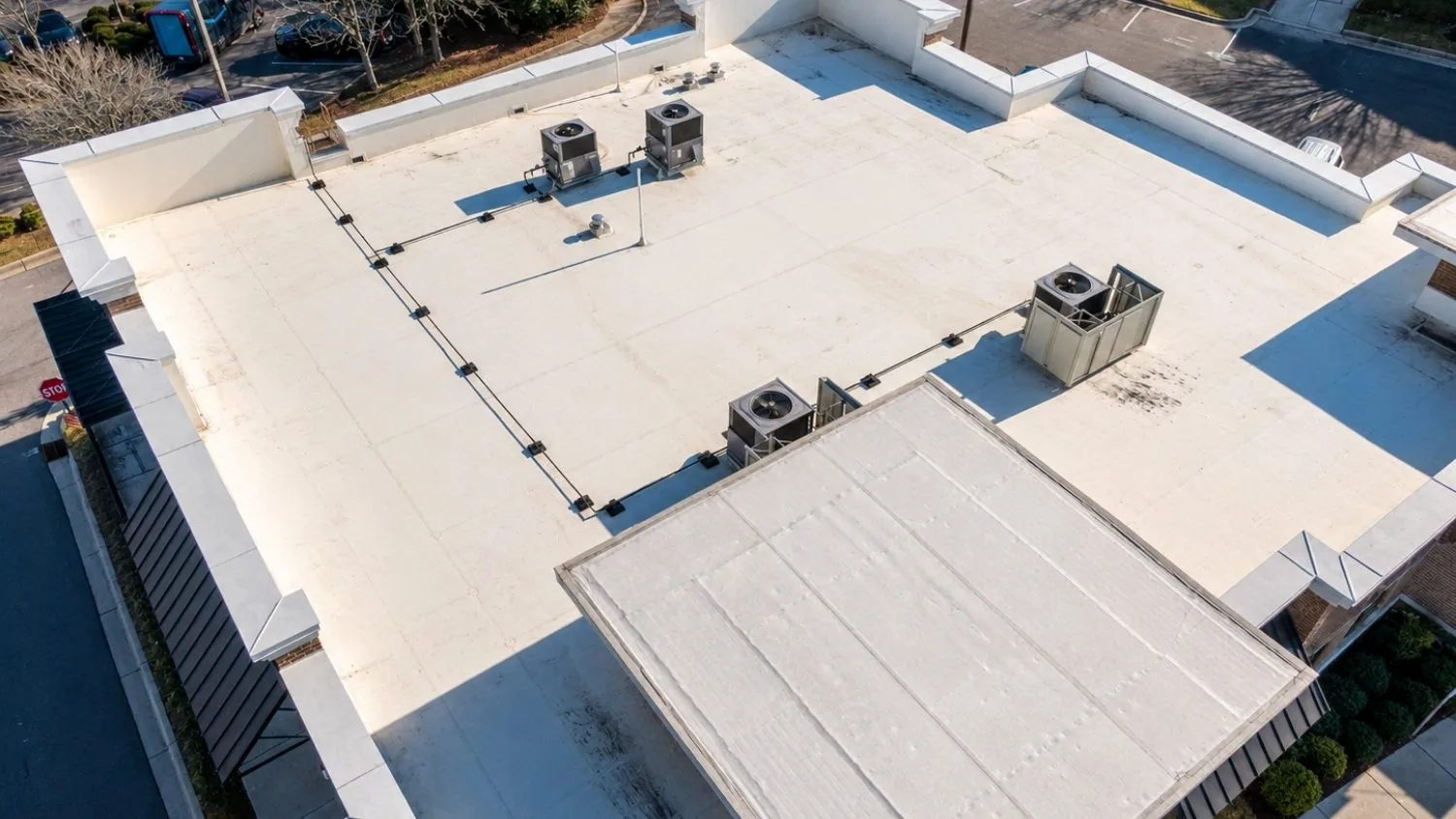
Start with a plan that someone unfamiliar with the building can follow. Mark roof sections, changes in height, drains, rooftop equipment and the limits of earlier work. Attach available installation records, repair invoices and warranty documents to the corresponding area. When an invoice says only roof repair, retain that description as incomplete. Do not assign a membrane type, wet area or repaired seam to it without supporting detail.
Condition photographs need dates and recognizable locations. A close photograph of a split is hard to use six months later if nobody can find it again. Pair the detail with a wider view and a location reference. Notes should distinguish visible damage from a suspected cause, and they should identify where safe access or concealed construction prevented inspection. These limits keep a useful record from becoming a false statement that every part of the roof was examined.
Field review: turn observations into actions
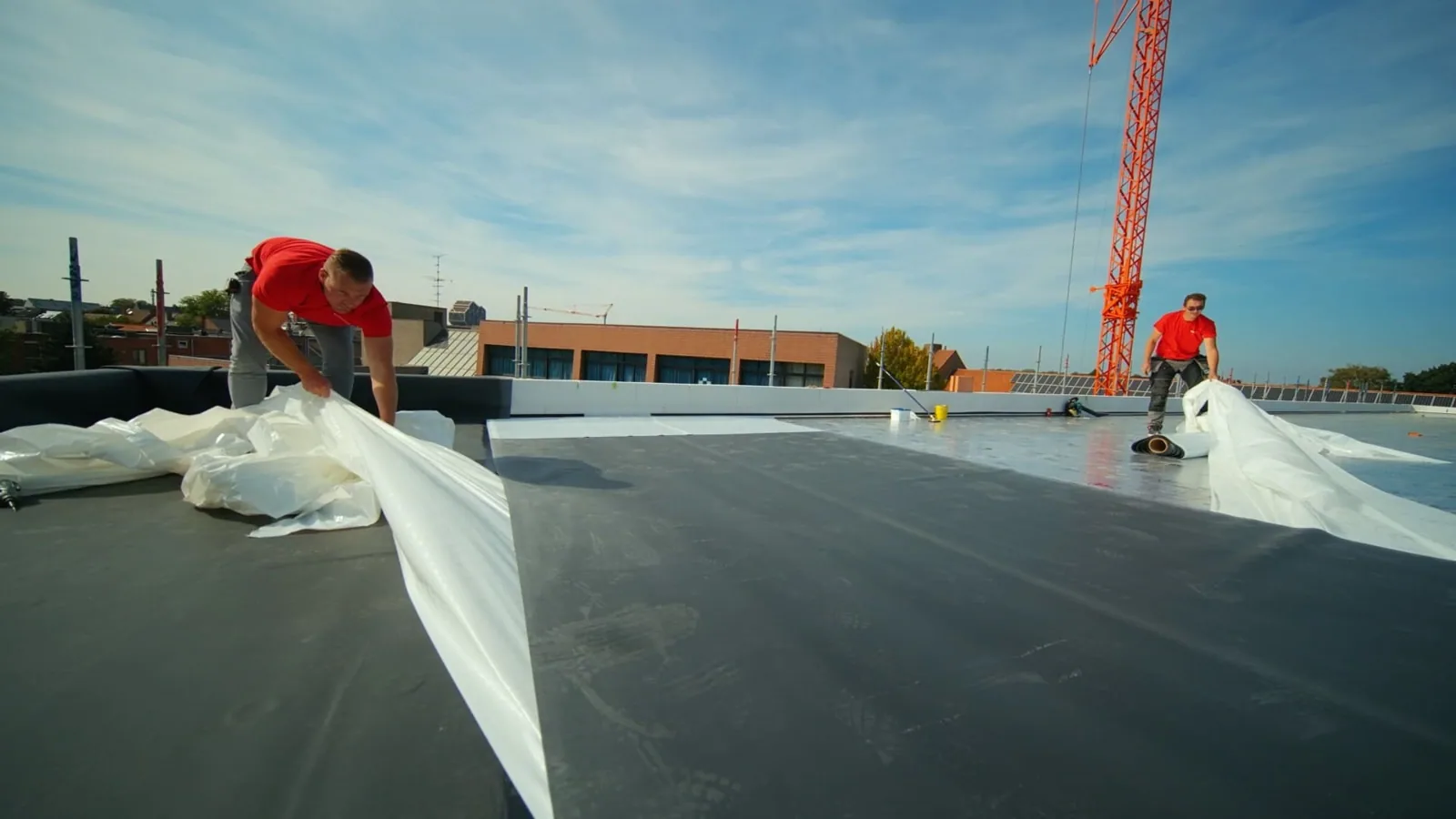
An inspection should connect each finding to the work it might require. Loose edge metal raises questions about attachment and the support receiving it. A separated membrane seam calls for examination of the adjoining material and a compatible repair detail. Water remaining near a drain may involve blockage, the connection at the outlet or roof geometry. Those findings need different next steps even when they appear on the same roof.
A commercial roof inspection provides the starting condition record. If hidden moisture could change the scope, a planned infrared moisture survey may help target further investigation where its method is suitable. Report the survey's limitations and confirm conditions as needed. A surface image should not be used to certify that the insulation is dry everywhere or that the deck beneath it can receive new work.
Priorities: protection before improvement
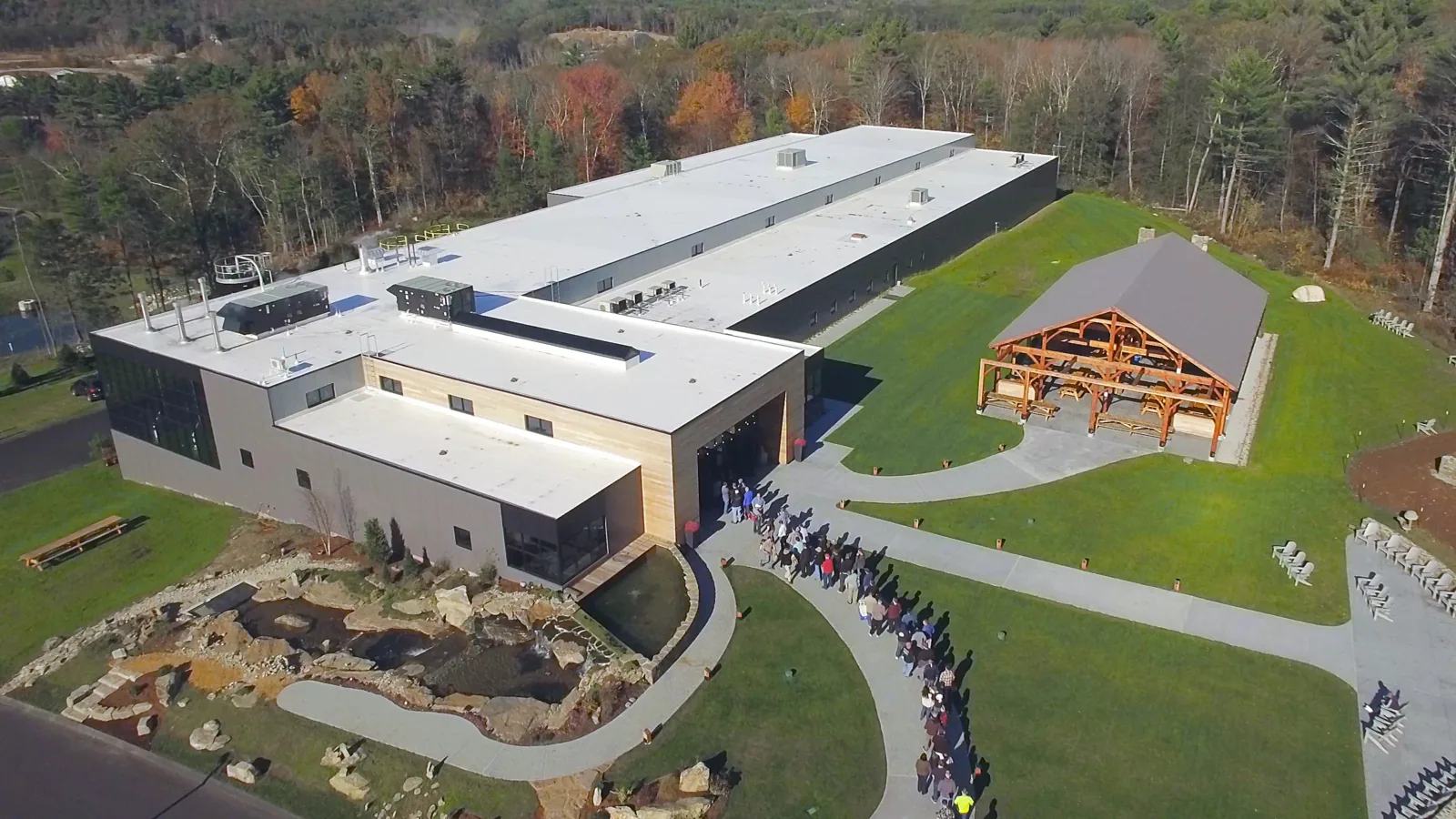
Separate an active leak or loose component from a future improvement. The first may require prompt protection and a permanent correction plan. The second may remain useful to schedule with other building work. A priority list should explain the likely consequence of delay and the evidence behind it. It should also state what remains unknown, rather than assigning a precise remaining life to an assembly that has not been adequately investigated.
For an owner, the difference matters when several requests compete for money. A serviceable area with a small repair need should not disappear beneath a large replacement allowance. An area with repeated unresolved entry should not keep receiving the same patch merely because the patch fits this month's budget. Roof capital planning develops the longer-term alternatives, while the asset record preserves the conditions and assumptions that make those alternatives reasonable.
Arlington buildings: separate records
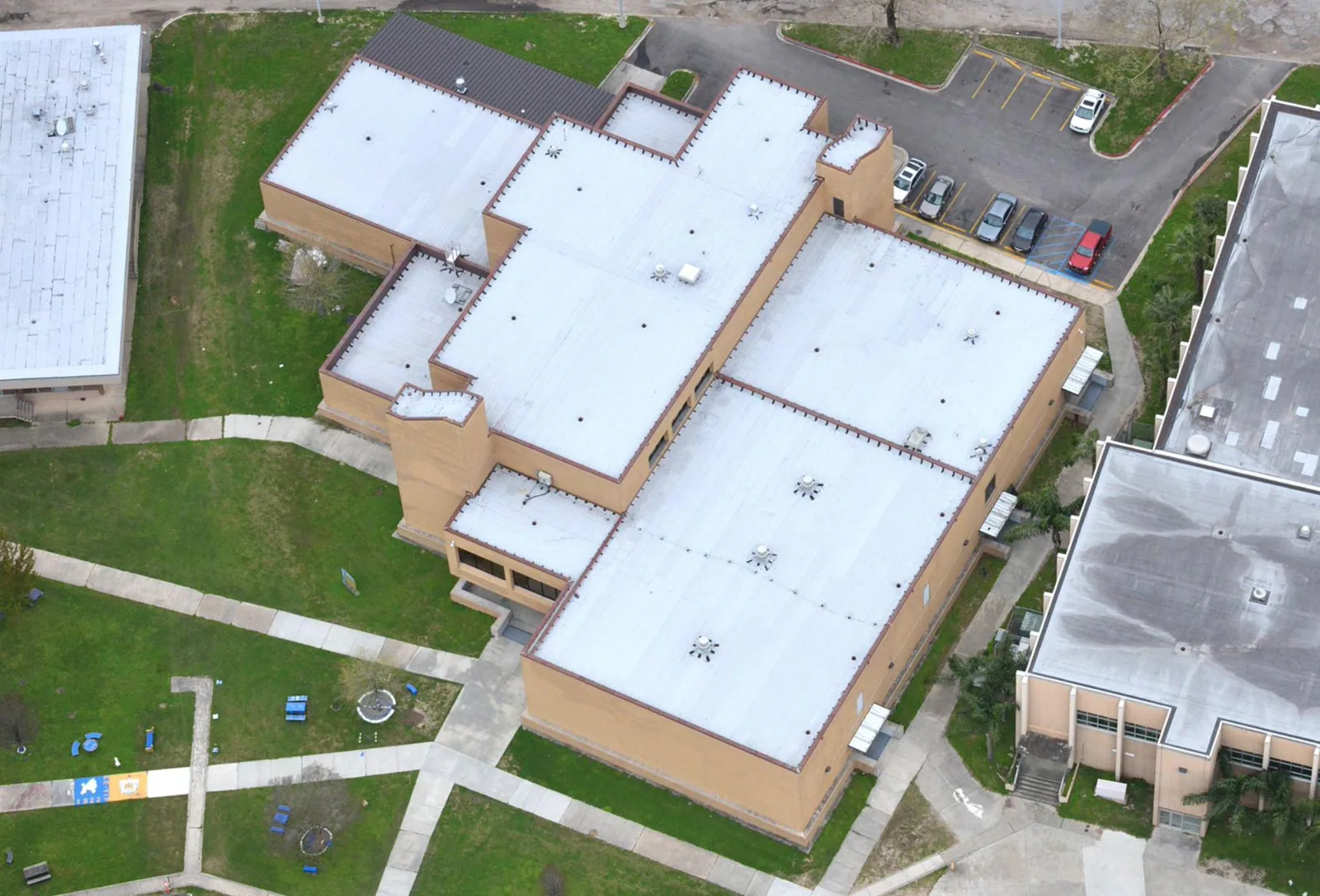
For an owner's properties nearby, identify the building address and roof sections before organizing the available records. Each building requires its own documented roof information, even when the buildings share an owner or sit within a short drive of one another.
At a warehouse property, receiving hours and stored goods may affect how an inspection or repair is arranged. Those requirements must come from the actual facility. A record for another warehouse cannot supply them. For assets in Downtown Arlington and surrounding business districts service area explains local coverage; the proposed work still depends on the particular building, access arrangements and roof findings.
An asset record is useful when it preserves the evidence behind a roof decision, not simply a material name and installation year. Keep the building identifier, roof-area map, inspection date, photographs, repairs, product records and unresolved items together. When the condition changes, note whether the update came from a new inspection, completed work or owner report. Track remaining duties by status and responsible party so a temporary repair does not look like permanent completion. A capital list should distinguish maintenance, localized repair and replacement alternatives, with quantities and assumptions visible for each. This lets a manager revisit priorities after a storm, sale or budget cycle without relying on memory or an unlocated photograph. At the next review, compare the same sections and close out tasks only when the delivered work has a supporting record.
Updates: retain the reason for each change
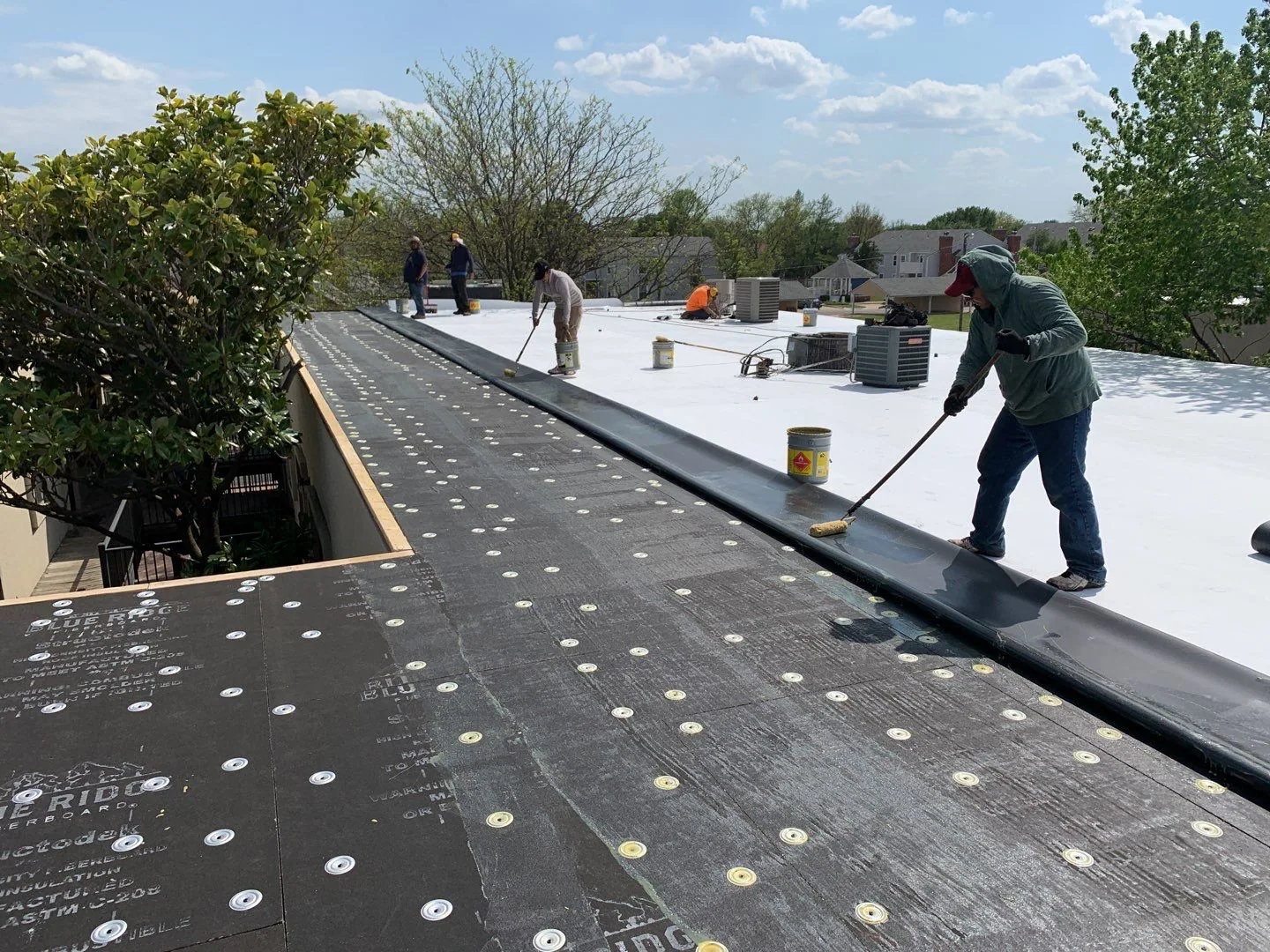
Update the record after completed work, not just after another estimate. Show the limits of removal, the materials used, any concealed conditions found and the details restored. Keep photographs of work that will be covered. Where the actual conditions changed the proposed scope, retain the change and its authorization. These records help a later reviewer understand what was corrected and what remained outside the job.
Warranty files need the applicable document and the parties responsible for notification or inspection. Roof warranty management helps organize those obligations alongside the physical condition record. An inspection report does not extend coverage, and a contractor's completion note does not prove that a manufacturer accepted work. Keep those outcomes distinct so the owner knows which confirmations still need to be obtained.
A repair that stops one reported leak should be entered as that repair, with the affected area identified. Leave unrelated roof sections open for their own review. If a crew discovers a second wet area outside the authorized limits, record the finding and obtain a decision on further investigation. Adding an unexplained replacement figure to the file would lose the reason for the change and make the next budget harder to defend.
Common Questions
What does an owner receive from roof asset management?
The record should identify roof areas, current findings, earlier work, recommended actions and outstanding information. It should also show the date and limits of the review. Ask for a format your building team can update after repairs; a large report that loses the connection between a finding and its roof location is difficult to maintain.
Does an old storm claim mean replacement is due now?
No. A prior claim belongs in the history, while the present replacement decision needs current condition information. Review what was repaired and whether later findings show an unresolved problem. An old event date cannot establish that the current assembly is damaged, dry or capable of receiving another roof layer.
Can we begin with incomplete installation records?
Yes. Gather what is available and label missing information. Inspection may identify visible materials, but hidden layers can require investigation when they affect the proposed work. Record the uncertainty explicitly so a preliminary budget does not become a construction instruction based on an assumed assembly.
How should we decide when to inspect again?
Set the next review around the findings, required follow-up and applicable warranty obligations. A repaired problem may need an earlier confirmation than an area with no identified defect. Relevant building changes or a new report of water entry can also justify another visit. The schedule should come from those needs rather than an unsupported calendar promise.
Build a usable Arlington roof record
Bring your available plans, invoices and current concerns. We will identify the missing information, arrange the appropriate review and connect the findings to practical repair and capital decisions.