
Commercial Roofing for Arlington Property Managers
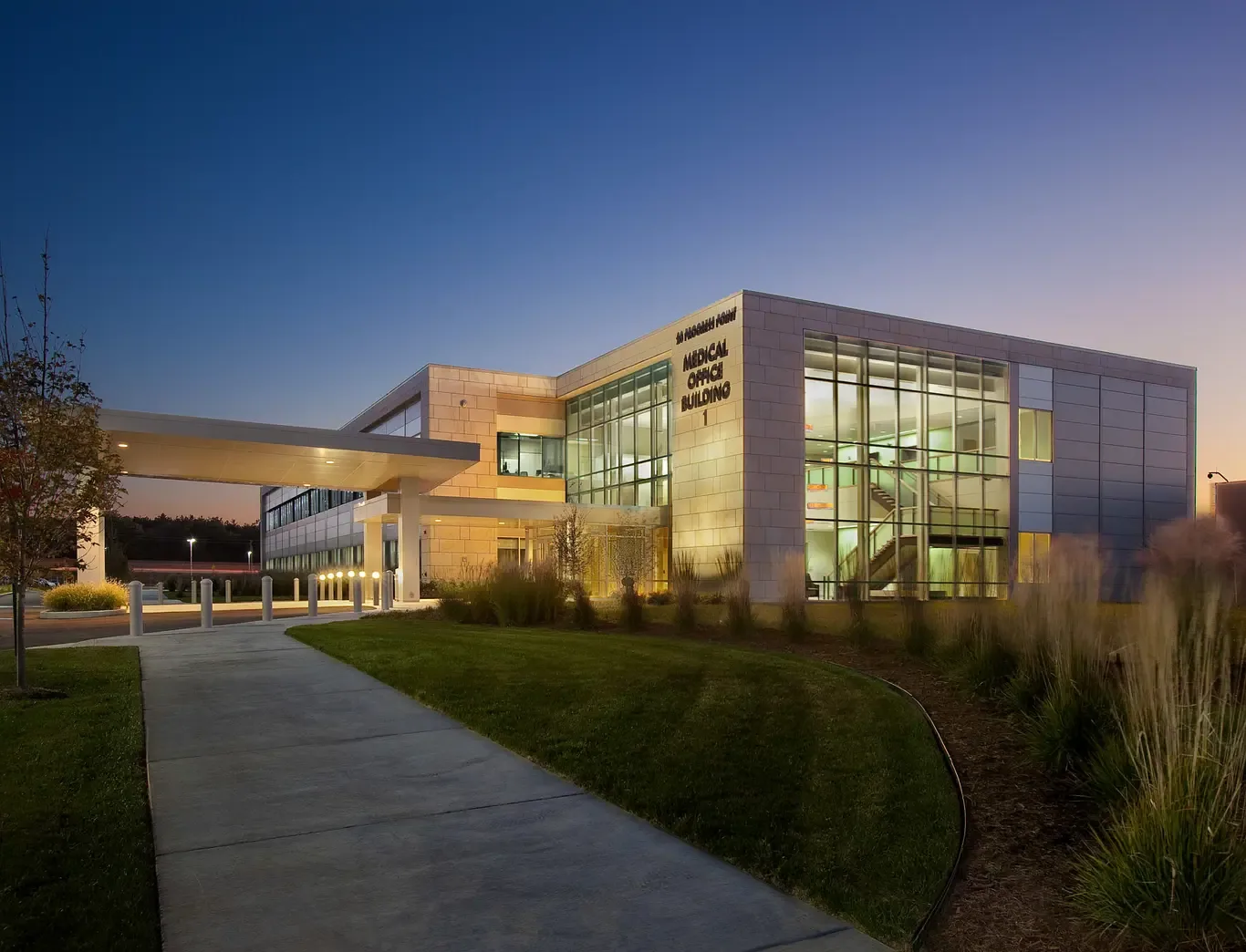
Property Managers
Roofing for Arlington property managers: clear findings, tenant coordination, complete repair prices and a status list that separates temporary patches from permanent work.
Arlington took a direct hit from an EF-2 tornado on November 24, 2020. When a property manager gets a roof call after bad weather, the storm date is useful background, but it's no substitute for knowing what's wrong with the building. You need to know what's open, which suites are affected and what can be scheduled next. A good roofing proposal ties what we found to the full repair, with anything uncertain and any temporary patch clearly marked.
Commercial Roofing Services Arlington helps property management companies handle inspections, repairs and longer-term roof decisions across their buildings. We explain the problem behind each recommendation, the access and prep it needs, and any decisions waiting on someone else. You get a scope you can put in front of the owner and an accurate status to give your building contact.
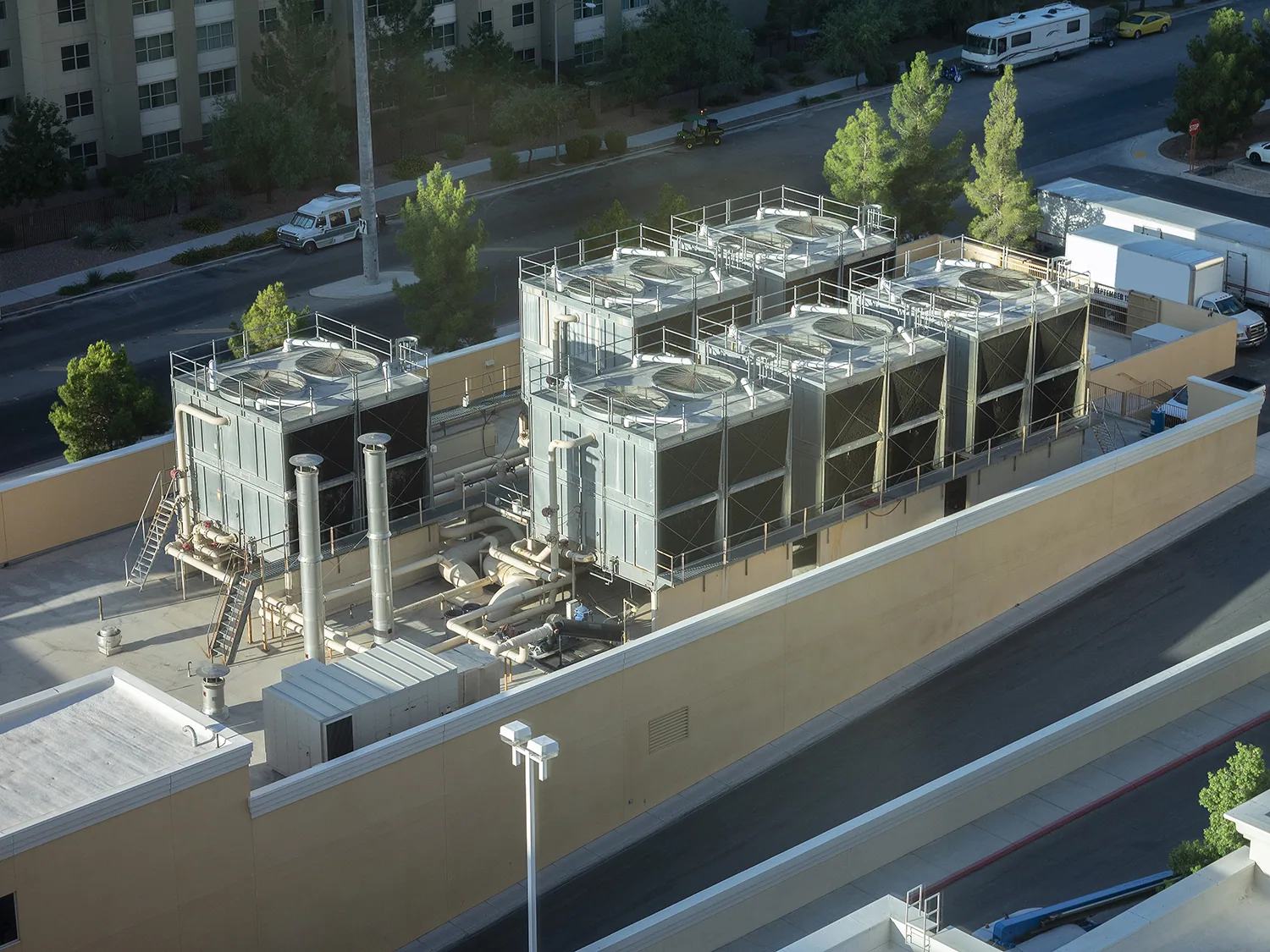
Intake: what helps us schedule the visit
Send us the address, where the leak or damage shows up inside and when it was noticed. Tell us who can give us access to the roof and any interior spaces we need. Installation and repair records help; if they're missing, we'll note it. A work order that says "roof leaking" doesn't tell us where the water gets in. It's a starting point we compare with what we find on the roof.
Commercial roof leak repair starts by tracing the leak through the roof details above the stain. If it turns out to be HVAC condensate or plumbing, that goes to the right trade. When the evidence isn't conclusive, we say so and recommend the next step. That way you're paying for useful investigation, not another patch placed only because it's directly above the stain.
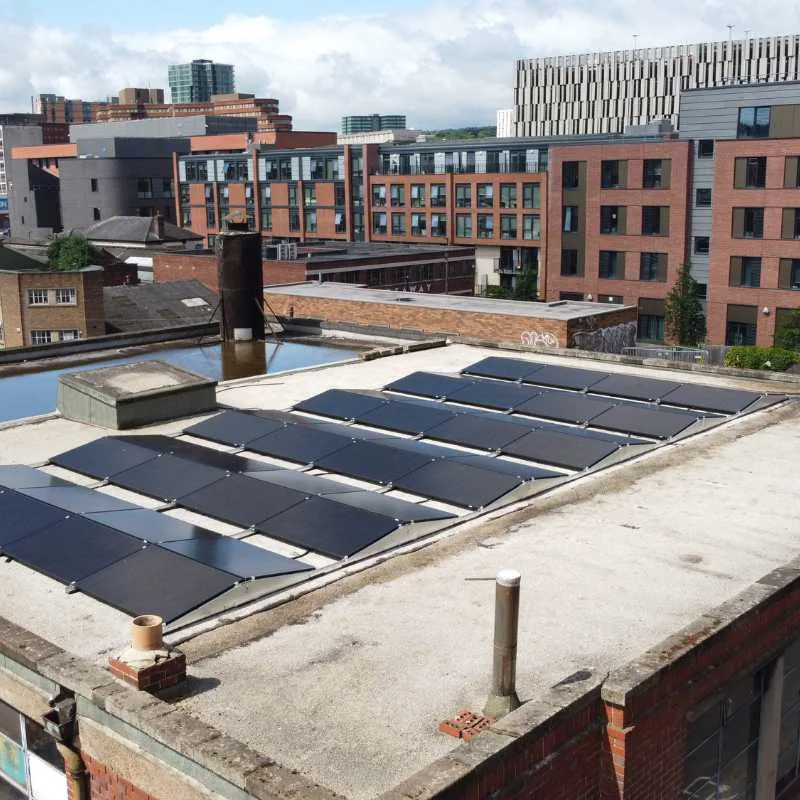
Tenants: plan around the spaces below
Roof access doesn't give anyone permission to enter a tenant's suite or set up protection below a tear-off. The owner or property manager confirms that with the tenants. We explain where the inspection, material deliveries or a roof opening will affect the building. Those arrangements stay with the scope so the price doesn't leave out interior protection that has to happen.
Occupied building reroofing covers the work area and schedule, based on that building's actual requirements. A tenant at another property may need something completely different. If we find wet insulation or rotted deck that makes the tear-off bigger, we review the added spaces, protection and approval with you before going further. More roof work can mean more for you to arrange below.
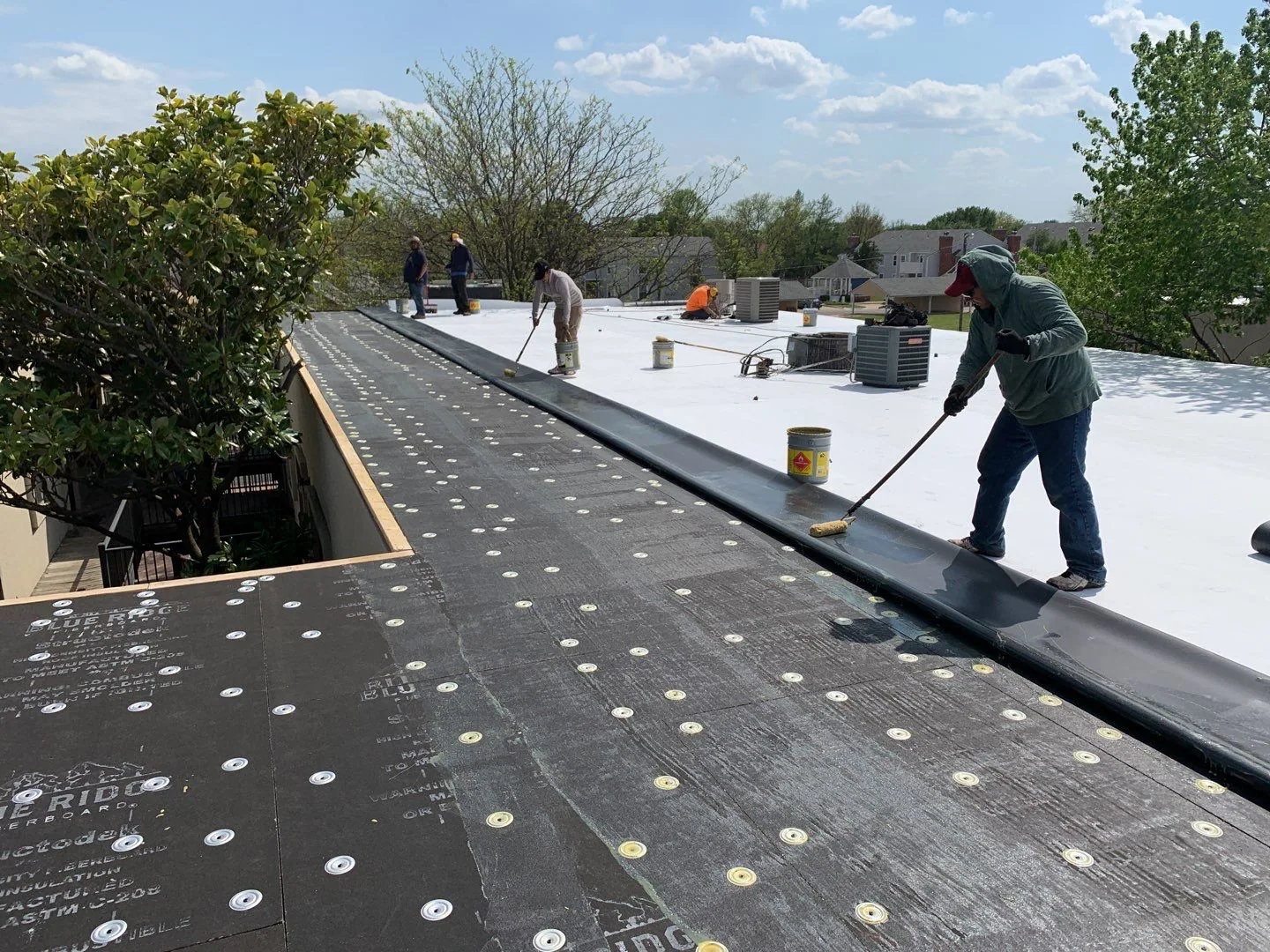
Approvals: compare the complete repair
A commercial roof repair has to tie into sound membrane and include any prep needed to finish it. That means removing wet insulation where confirmed, repairing wood blocking and fixing the details involved. A cheaper bid that only prices flat membrane may leave out the wall or curb work. We point out those differences so you can explain the options to the owner.
If the repair depends on keeping the existing insulation, we confirm it's in good shape with records and testing. A clean roof surface doesn't prove the insulation is dry or the deck is solid everywhere. We explain any uncertainty that affects the proposal and how to settle it. An allowance stays an allowance until those questions are answered, which matters when you're working within an approval process or a fixed budget.
Priorities: urgent repairs vs. future spending
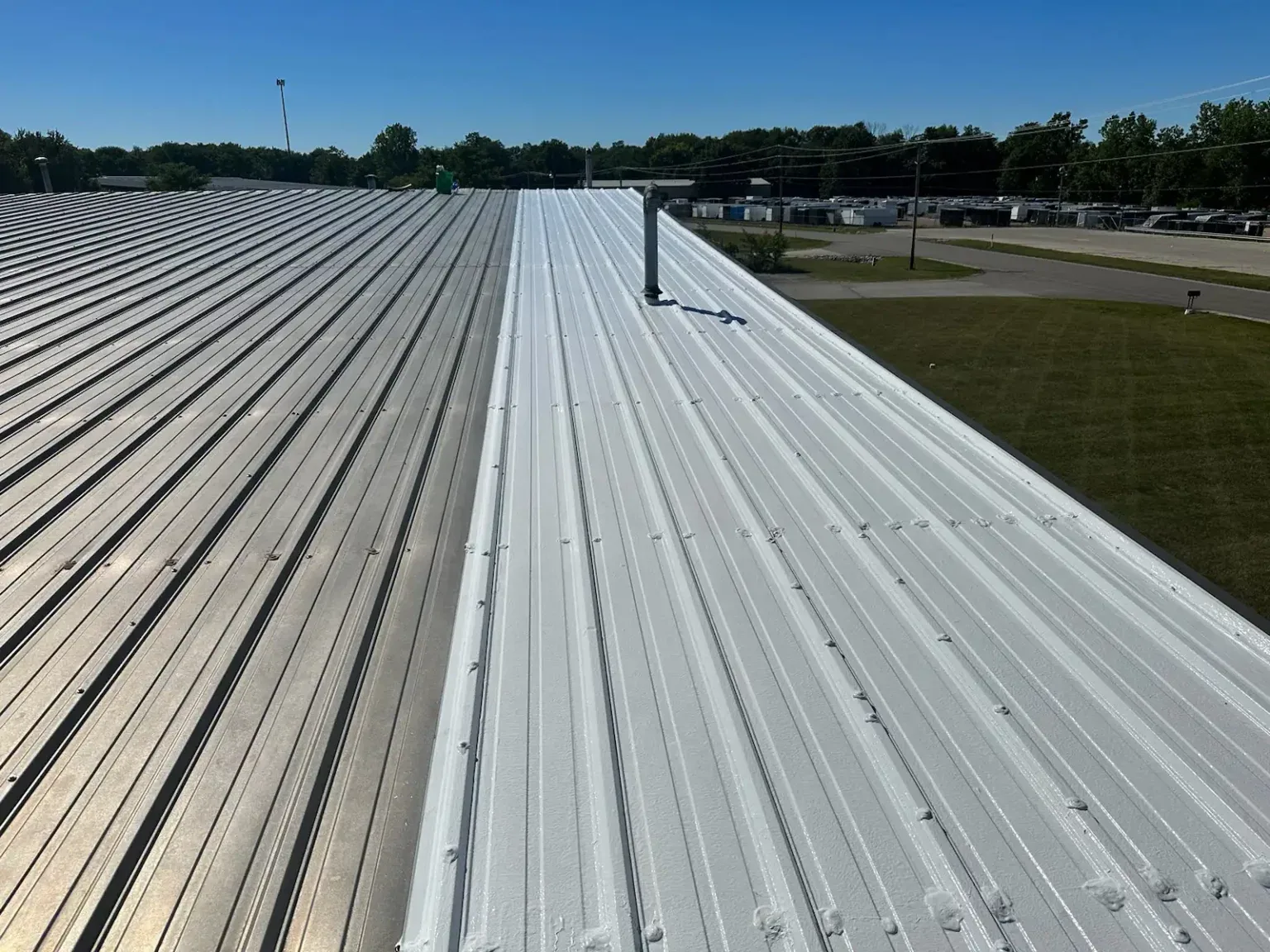
We separate stopping an active leak from improvements that can wait. A temporary patch may make sense while testing, approvals or materials are lined up. We tell you what it protects and what permanent work is still owed. A roof issue shouldn't come off your status list just because a patch went on or an invoice got paid.
Roof capital planning connects today's findings with repair, restoration or replacement down the road. We explain what's likely to happen if a repair waits, without making up a failure date. A small, fixable problem and a bigger question about the whole roof shouldn't be lumped into one unexplained replacement number. You need enough detail to tell an approval needed now from a funding decision for next year.
Building file: keep the reason behind each repair
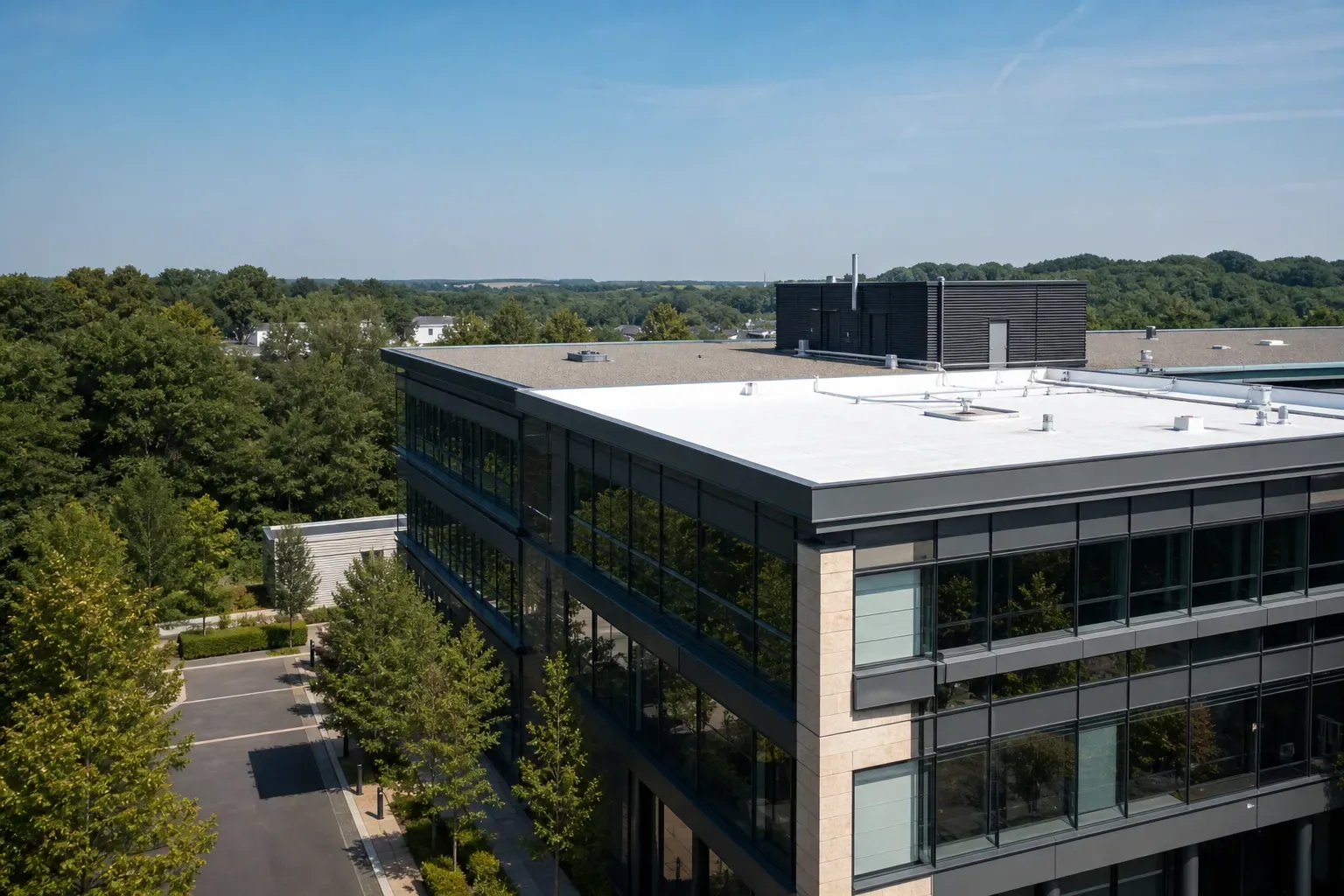
Roof asset management keeps each roof area, its findings and the work done in one place. We include location photos, past repairs and anything new we find during tear-off, along with approved changes and why they were made. The next property manager or maintenance tech should be able to find a repair without guessing from a patch on the surface.
Warranty paperwork and manufacturer inspections get their own records. Our completion note doesn't mean the manufacturer has finished its process. Where someone else still has work to do, we name who and what's next. That way the building file doesn't look closed while an equipment repair, sign-off or permanent seal is still outstanding.
Arlington properties: each building on its own
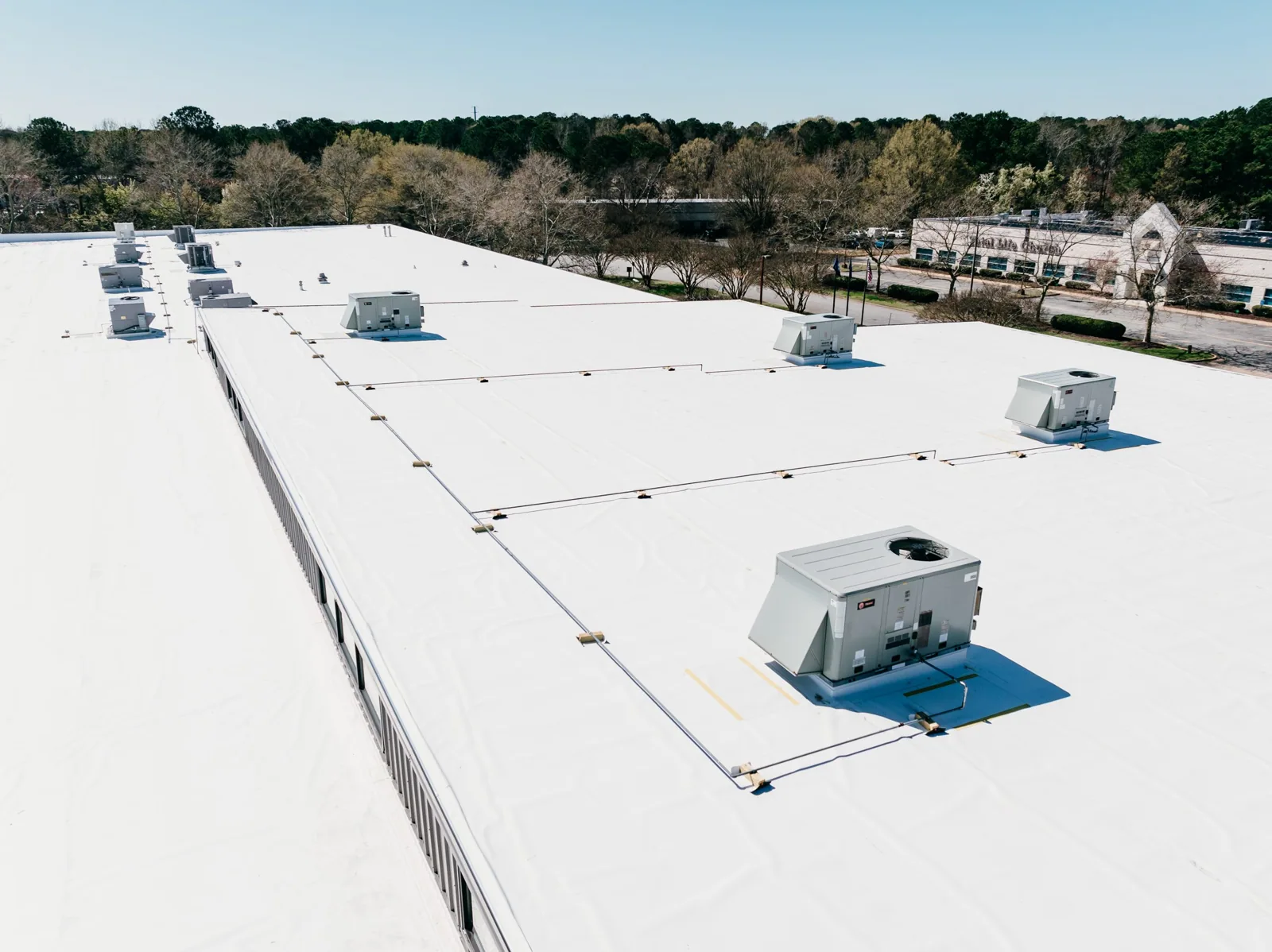
A portfolio might include buildings in Downtown Arlington, the Great Southwest Industrial District and along South Cooper Street, and each roof file stays with its own property. We serve property managers in Downtown Arlington and the surrounding business districts, and we still need the roof address and a site contact for every job. The building itself tells us its roof and access needs; its neighborhood doesn't.
For an office building roof, we plan the work around the actual tenants and affected suites. The same goes when you manage several addresses. Even if we group the visits, each building keeps its own record and approval. Having the same owner doesn't mean two roofs share the same construction, permissions or repair needs.
After the work, you get a closeout listing the permanent repairs and the test cuts we patched. Temporary patches and work still owed by others are listed separately. We test the finished roof the way that system calls for. Then you can update the owner and schedule what's left, instead of reporting the whole issue solved because the roof looks finished.
If you manage for real estate investors, we need to know who approves work at that property. Jobs requested by school district staff follow the district's approval process and building rules. We define the roofing scope; the owner decides who can authorize it.
For a managed portfolio, consistent records make it easier to compare roofs without assuming that every building needs the same work. Identify each property and roof section, record the assembly and observed condition, and separate urgent water entry from planned maintenance. A useful recommendation explains what should be done now, what can be monitored, and what evidence would change that choice. Include the access needs, affected occupants, temporary protection, and approval point for concealed conditions so the property manager can coordinate with tenants and ownership. When a contractor proposes a larger replacement, ask for quantities and exclusions by roof area. That structure supports budget planning across properties while keeping each decision grounded in its own inspection and operating needs.

Common Questions
What should I send before the first roof visit?
The building address, where the leak or damage shows up, any roof records and a site contact who can give us access. Tell us when the problem was first noticed. Letting us know early which tenant spaces are affected helps us plan the inspection and any later work around the real building.
How can we compare two repair proposals fairly?
Check that both cover the same problem, tear-off area, wood blocking or deck repair, details and interior protection. Exclusions and any testing still needed should be listed separately. A bid that only covers flat membrane may be less work than the full repair, and the owner should see that before choosing.
When should a temporary repair stay on the status list?
Until the permanent repair, or any decision it's waiting on, is done. Note the area protected and why. Finishing the first visit shouldn't make open material, equipment or approval questions disappear from the building file.
Can one roof recommendation cover several properties?
No. Each address needs its own inspection. Shared ownership or similar buildings don't mean the same hidden conditions or repair needs. We can group visits to save time, but each property keeps its own scope, approvals and completion records.
Give the owner a complete roof recommendation
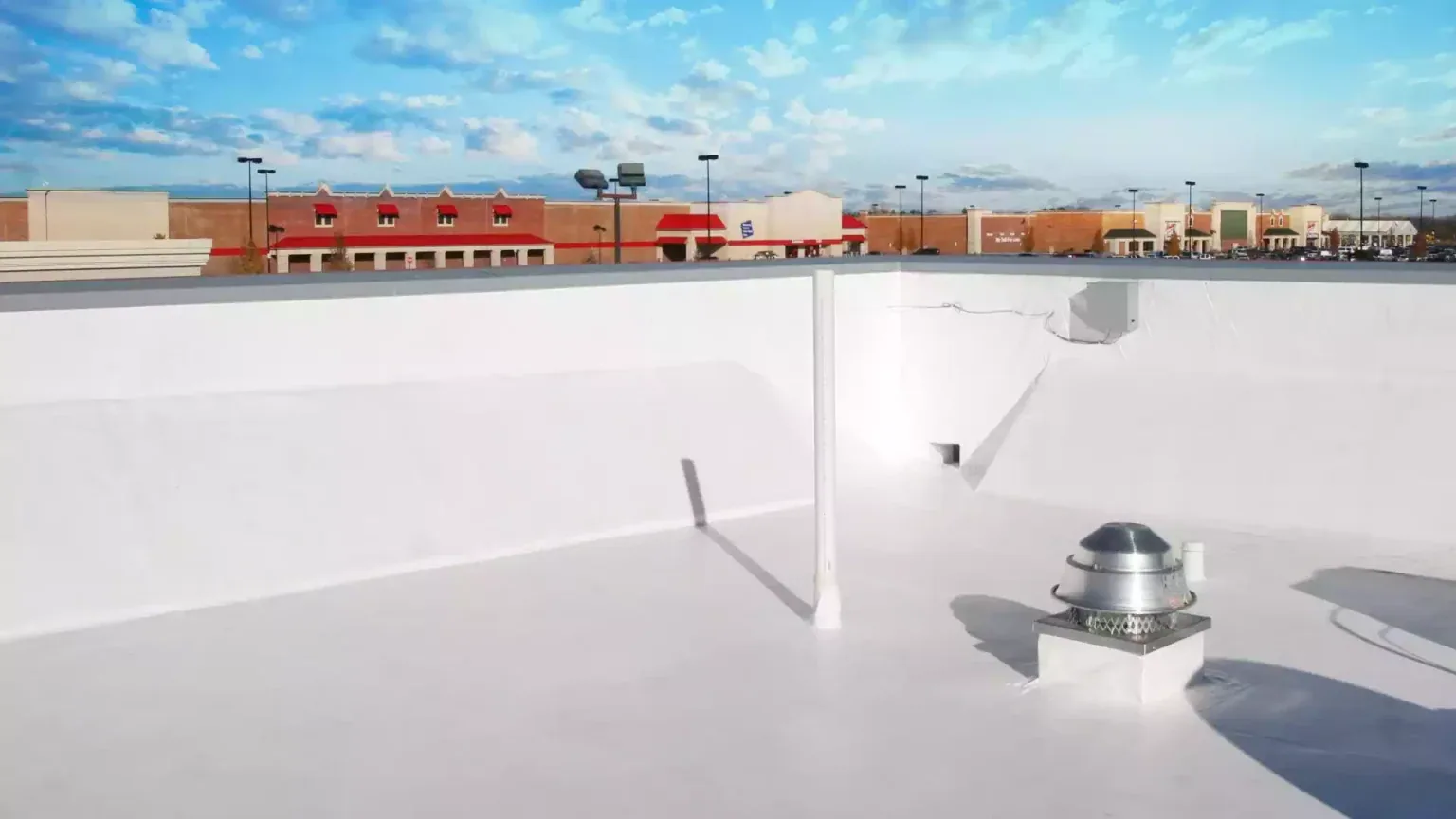
Send us the property address, the current problem and any roof records. We'll inspect the roof and give you a scope covering the repair, tenant coordination and any decisions still open, ready for your team to review.