
Storm Damage Roof Repair in Arlington, TX
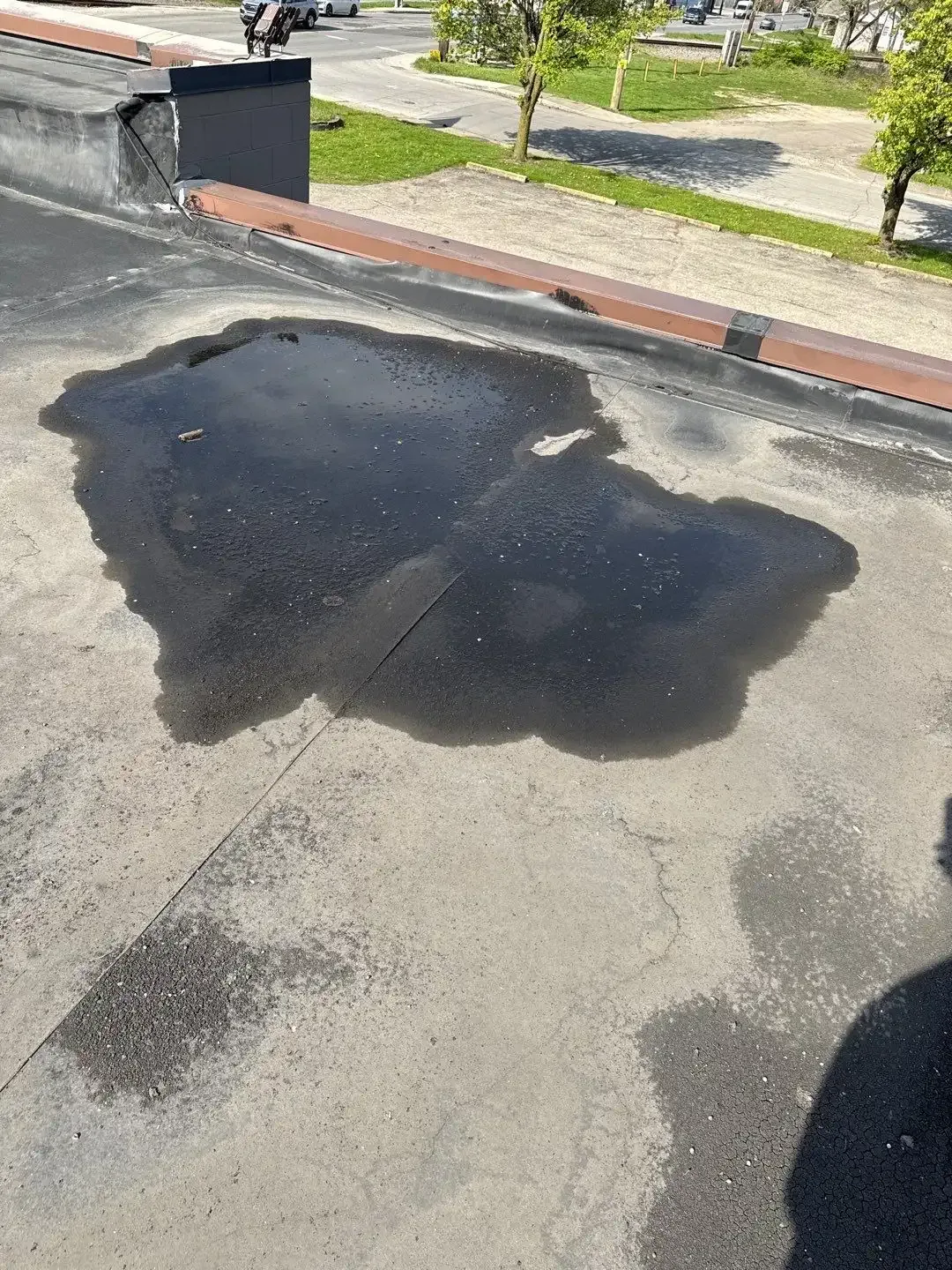
Storm Damage Roof Repair
Storm damage roof repair in Arlington, TX. We inspect after hail and wind, document what's actually damaged, and price permanent repairs matched to your roof.
Arlington knows storm damage firsthand; an EF-2 tornado hit the city on November 24, 2020, and hail and high wind come through North Texas most springs. Even so, storm damage roof repair in Arlington, TX has to start with your own roof. We check the areas you're worried about, look at everything we can safely reach, and figure out the repair needed at each problem spot before quoting permanent work.
Your building contact sends us the damage locations, any roof records and site rules. We plan the inspection and note anything that needs a structural or equipment check. What we find at each spot decides the work we propose. You get a scope that separates roofing repairs from open structural questions, and keeps any temporary protection and the final repair as separate line items.
If you also own buildings in Lancaster and Hutchins, each one keeps its own inspection and repair records.
Start with what you've seen
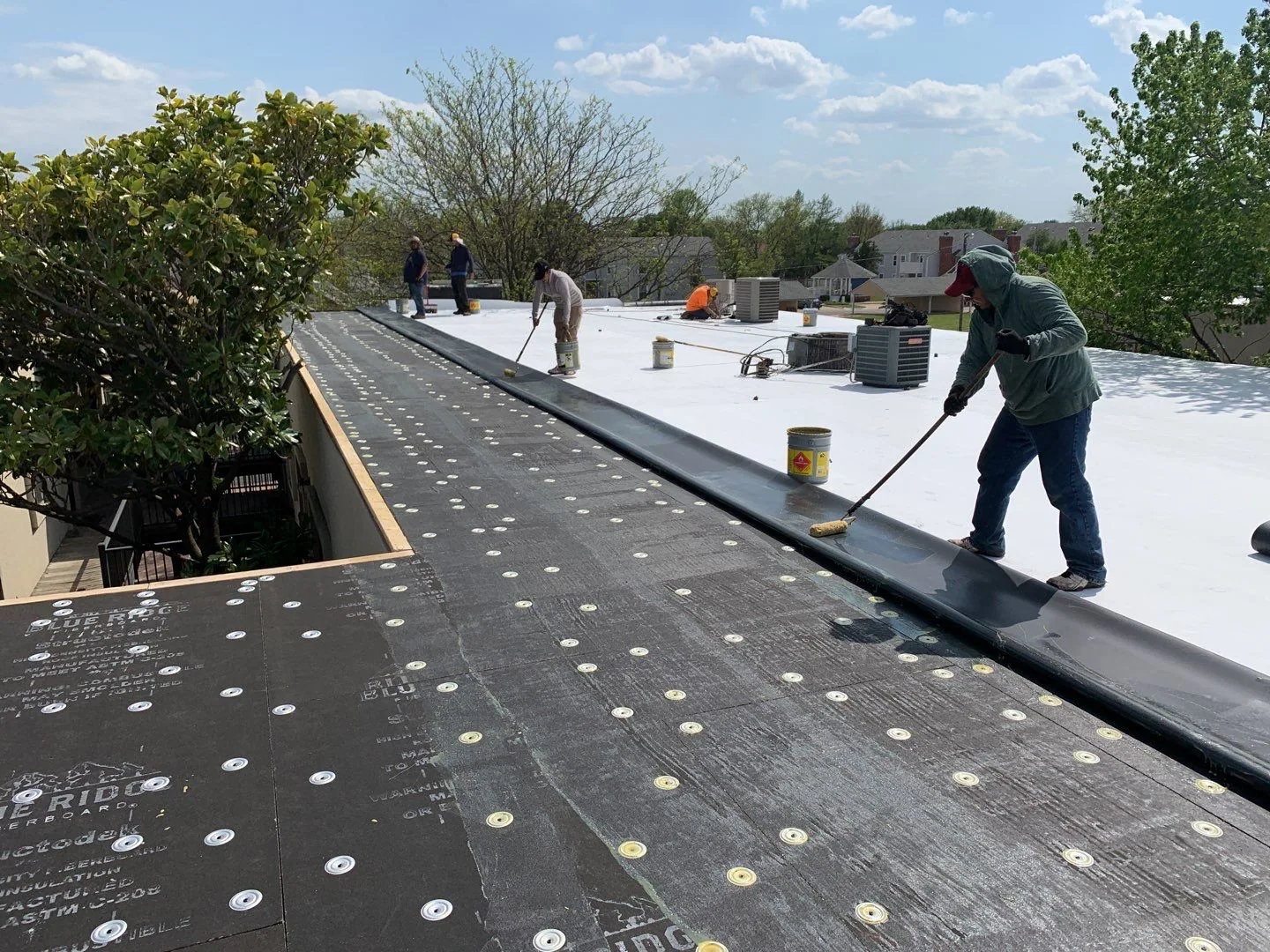
We start with what your team can tell us: affected areas, photos, interior leaks and any roof records. Then we compare that with what we find on the roof. Lifted edge metal or a torn seam gets located and described; an unclear mark stays a question until we look closer. The report shows which information came from you and which we confirmed ourselves.
A roof inspection after a storm builds that starting record. If water is coming in, our leak repair work traces it separately. The nearest dent or tear isn't automatically the source of a ceiling stain. You get our findings and the limits of our inspection, so it's clear why we're recommending the next repair.
Damage to the roof and what's around it
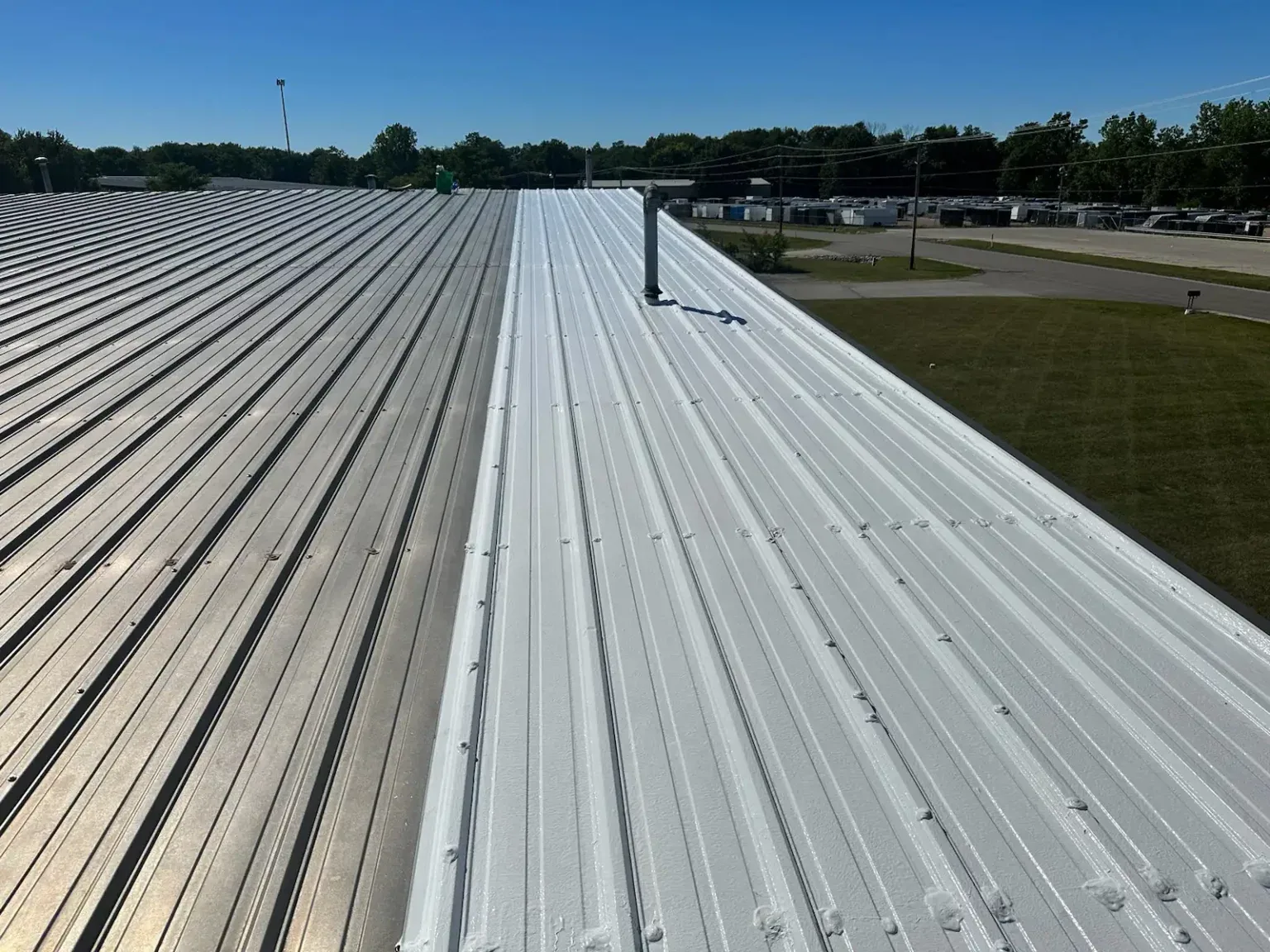
Storms often damage the roof and the things attached to it in the same spot. We note torn or punctured membrane, lifted flashing, and the curbs, edge metal or blocking holding those details in place. If an engineer or equipment contractor needs to check something first, that stays visible in the scope. A roofing price shouldn't quietly assume a loose curb or damaged edge is fine.
A wind damage repair focuses on lifted membrane, peeled flashing and loose edge metal. A hail damage repair looks for fractured membrane, crushed insulation and dented metal, which takes a closer check to confirm. Neither storm type comes with one standard fix. We describe each repair and anything still to check before choosing prep and materials.
Temporary protection after a storm
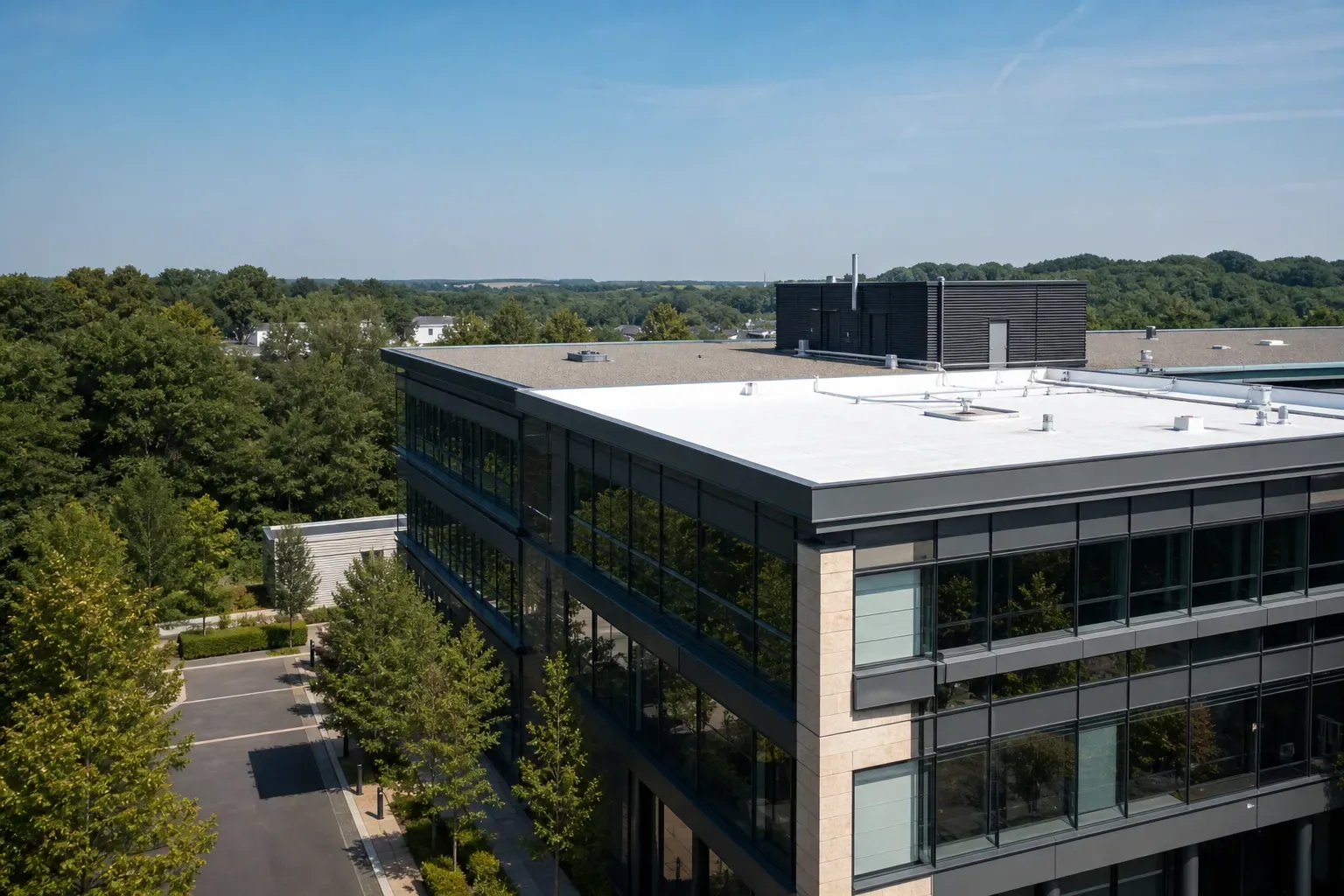
If an area needs to be protected right away, we define how much we're covering and what it's tied into. We pick materials and attachment that suit the surface and the site's rules. It's clearly marked as temporary. You'll know what we did and what inspection or prep still has to happen before the final repair.
A temporary patch doesn't fix the problem underneath. Hidden deck damage, unknown old materials or displaced equipment may need a closer look before the permanent repair is set. The record shows where the temporary work is and what's left to do. That way a later crew isn't guessing from a photo of a tarp whether an area is ready for the next step. The repair schedule follows what we found and who's responsible for each piece.
Permanent repair materials
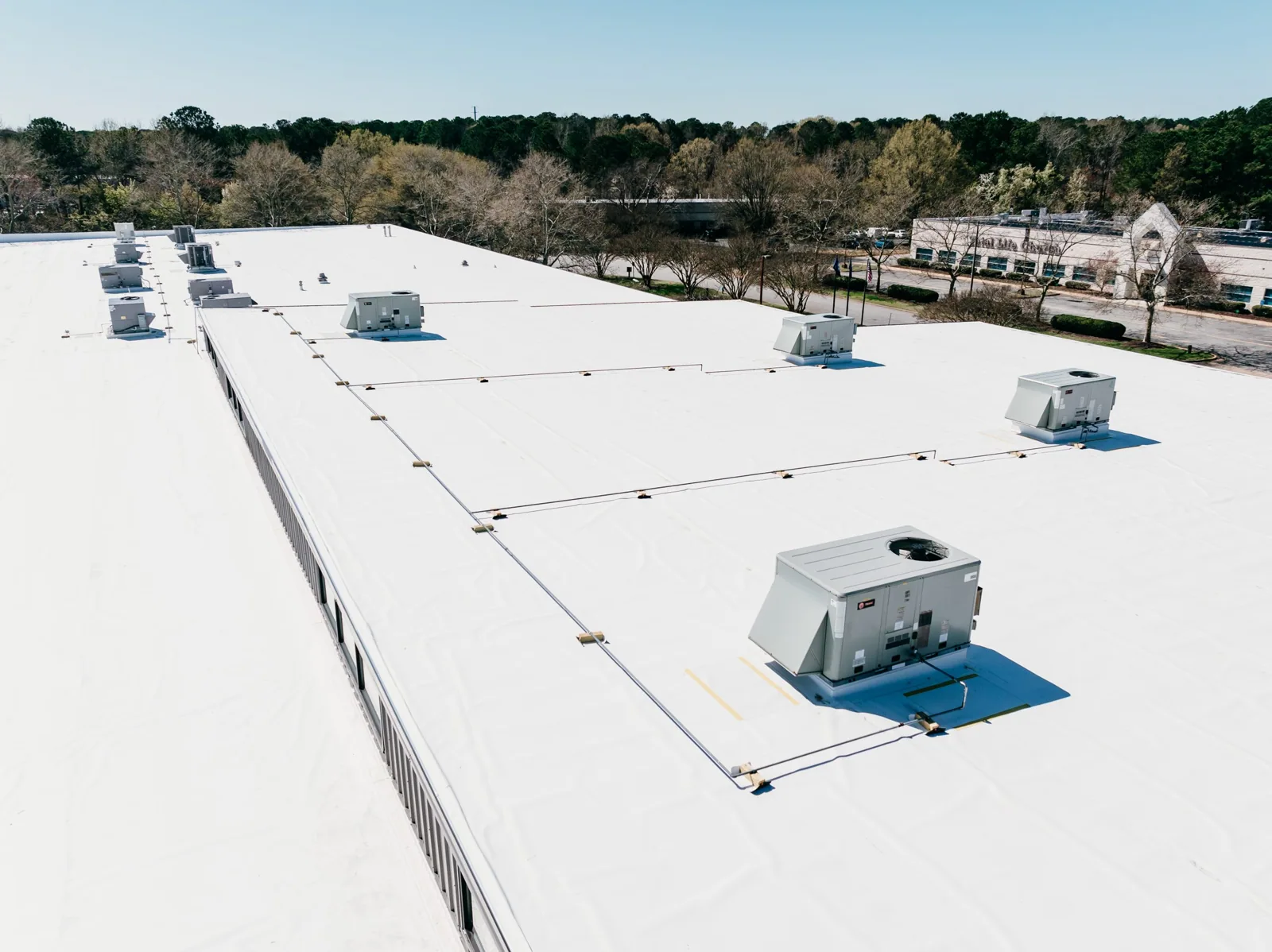
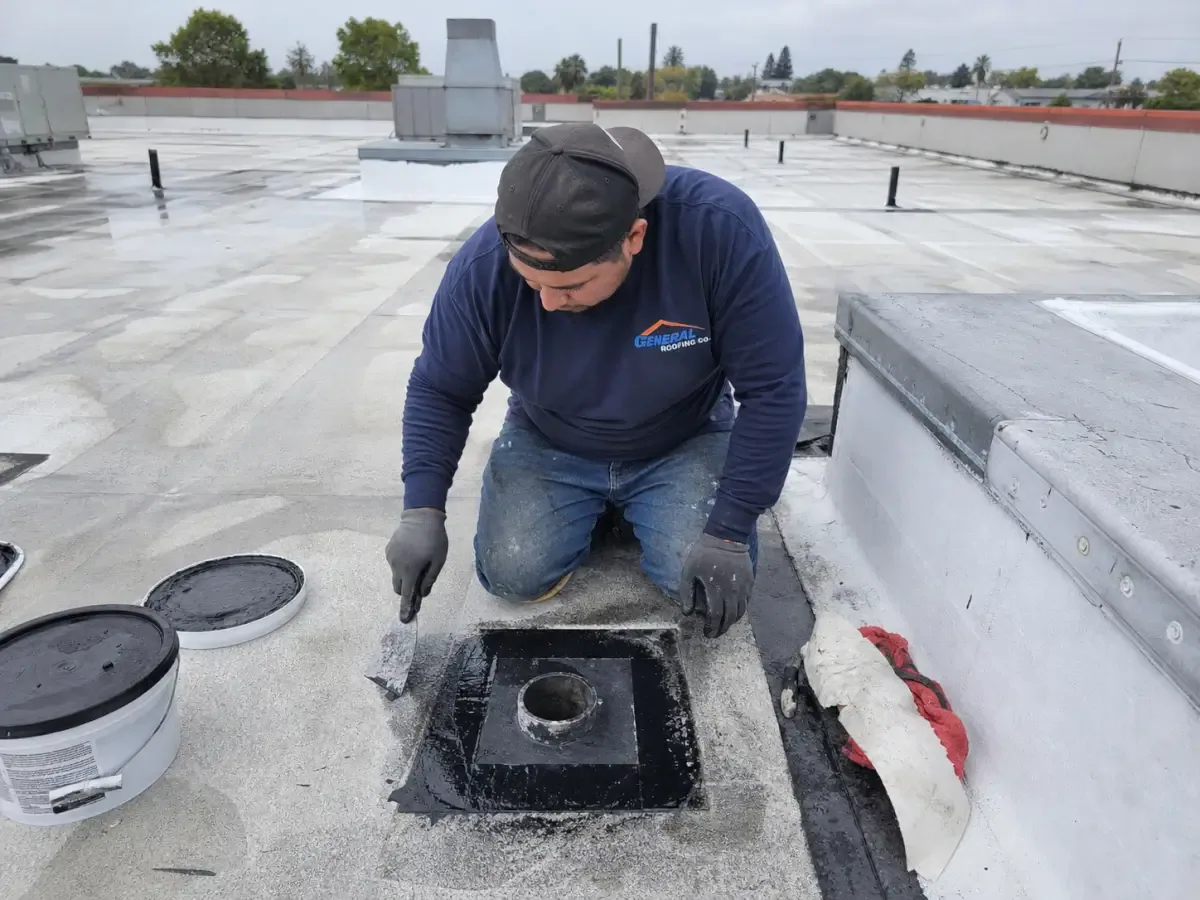
The permanent repair depends on knowing the existing roof and any old patches where we'll tie in. We note where materials change and confirm the product when we're unsure. Cleaning, cutting out damaged material and any blocking repair go into the price when the repair calls for them. A patch price should show that prep, not just the new material.
A TPO roof repair needs the membrane and any older patches identified before welding new material in. A standing seam metal roof repair means checking the panels, clips and trim around the damaged area. You'll see how the repair matches your roof. We don't use one prep method on different materials, and we don't assume a new layer fixes problems hidden underneath.
Documenting the repair
The closeout record lists each damaged area, the materials involved and the repair we made. Photos include enough of the surrounding roof that another crew can find the same spot. If a curb or edge had to be fixed first, the report notes that and anything still left to do. It also lists earlier concerns that are still open and what's needed to decide on them. You can follow exactly what was repaired without confusing open items with finished work.
If you're filing a claim, this record can help, but the claim decision is up to your insurer. Our report doesn't decide what caused the damage, what's covered or what gets paid. We keep your reports, our findings and the installed work clearly separated in the file. That gives you useful information for the next conversation while staying honest about what our inspection and repair actually showed.
After a storm, protect the building first while the roof inspection sorts out what's really damaged. Keep the storm date and the interior leaks separate from what's found on the roof itself. Each area gets mapped, with torn or punctured material noted, and the nearby edges, seams, curbs and drains checked too. Temporary protection should go only where it's safe to work, with its limits and follow-up written down. When it's time for permanent repairs, the scope names the repair surface, the prep and how far the replacement goes; tearing off a larger area needs its own evidence. New damage should be kept separate from older repairs wherever the records allow. A dated roof plan and clear photos make later reviews much easier, and the written scope sticks to work that can be backed up instead of blaming every problem on the same storm.

After the storm: next steps
To get started, have your building contact describe the damaged areas and share what they've seen. We plan the inspection and the work around that information. Our assessment locates the damage and lists any structural checks and prep needed before the roofing repair.
For storm damage roof repair in downtown Arlington, you'll get a plain list of next steps. We flag open material questions and structural checks before describing the permanent repair. Finished work is recorded separately from anything still under investigation. A returning contractor can find the damaged areas and follow the record, with the repair based on the roof we inspected rather than assumptions about what a storm probably did.
Common Questions
What should I send when I first report storm damage?
Where you see damage or leaks, any photos, roof records and site access rules. We compare those with what we find on the roof and list anything that still needs checking.
How are structural or curb problems handled alongside the roof repair?
We name the problem and the check or repair it needs before the roofing goes on. It stays on the list instead of being treated as fine.
What's the difference between temporary protection and the permanent storm repair?
They're recorded separately, each with its own location and work done. The record lists the material checks, curb repairs and prep still needed for the final repair.
Does your repair report decide whether my storm claim gets paid?
No. It documents what you reported, what we found and what we installed. Cause, coverage and payment are decided by your insurer under your policy.
Report your storm damage
Send us your Arlington roof information and what you've seen since the storm. We'll inspect the roof and explain the repairs and any related work needed.
- inspection connecting storm reports with located roofing observations
- leak investigation examining entry questions at the reported areas
- wind-related examination locating displaced components and their connections
- hail review distinguishing reported impacts from confirmed repair findings
- TPO correction identifying the sheet and earlier patch materials
- standing seam repair examination checking panels and adjoining detail connections
- Arlington downtown storm repair with component duties and material findings located