
Commercial Roof Recover and Overlay in Arlington, TX
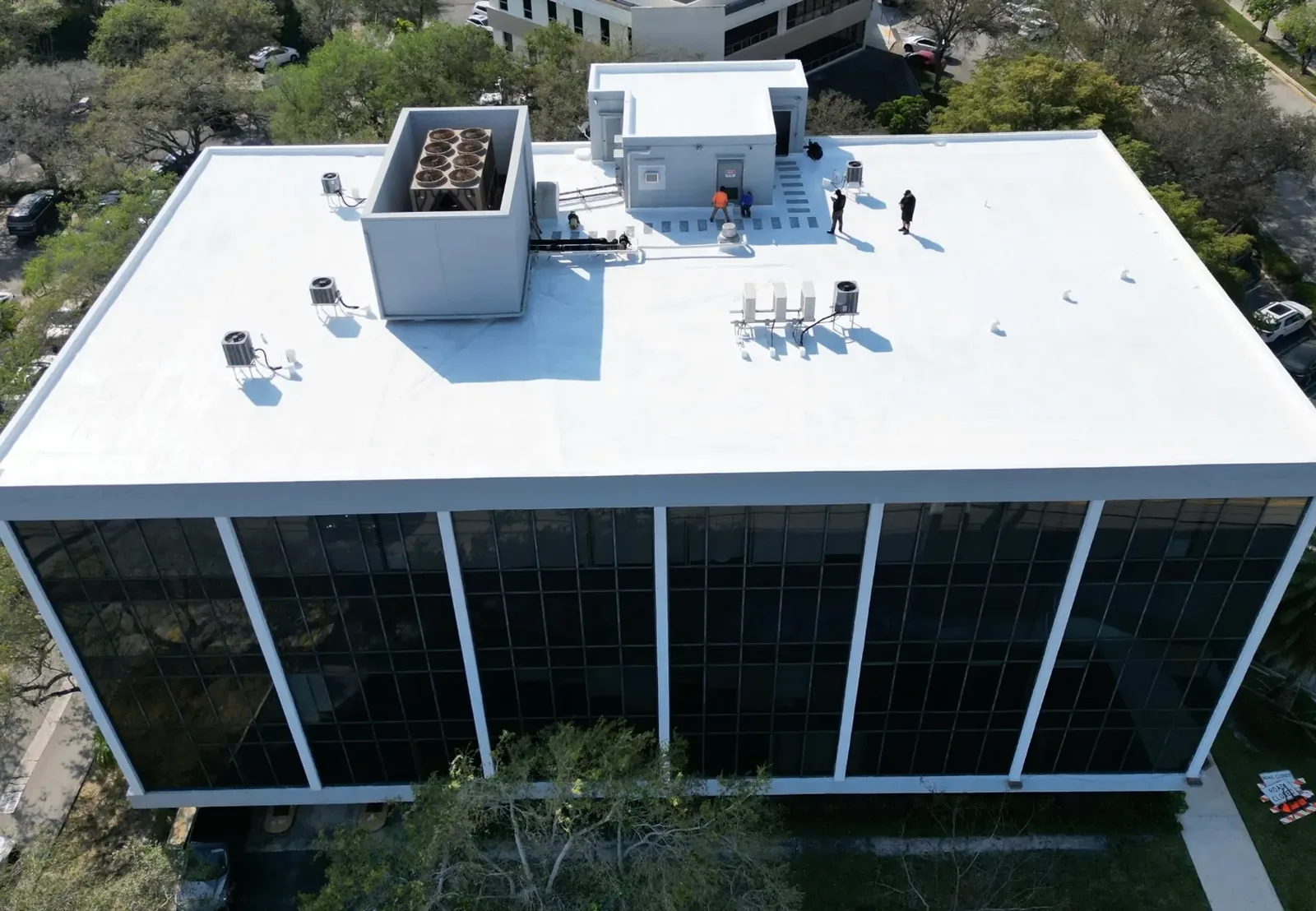
Commercial Roof Recover and Overlay
Roof recover and overlay in Arlington, TX. We check that the existing roof is dry and sound enough to stay, then price the new layer with every detail included.
Arlington took an EF-2 tornado on November 24, 2020, and storms like that leave some owners wondering whether to recover or tear off. But a past storm doesn't tell you whether today's roof layers can stay under a new one. Commercial roof recover in Arlington, TX depends on the existing materials, the condition of the deck and insulation, and how the new roof will finish at every detail. We work through those before a recover becomes an assumption in your budget.
If you also own buildings in Grand Prairie and Haltom City, each one keeps its own inspection and repair records.
We inspect the existing roof and note what the recover would keep. You get a scope that shows the layers staying, the repairs needed and any extra testing. That makes a recover a real option with defined work, not just a promise to save on tear-off by roofing over an old surface.
What stays on the roof
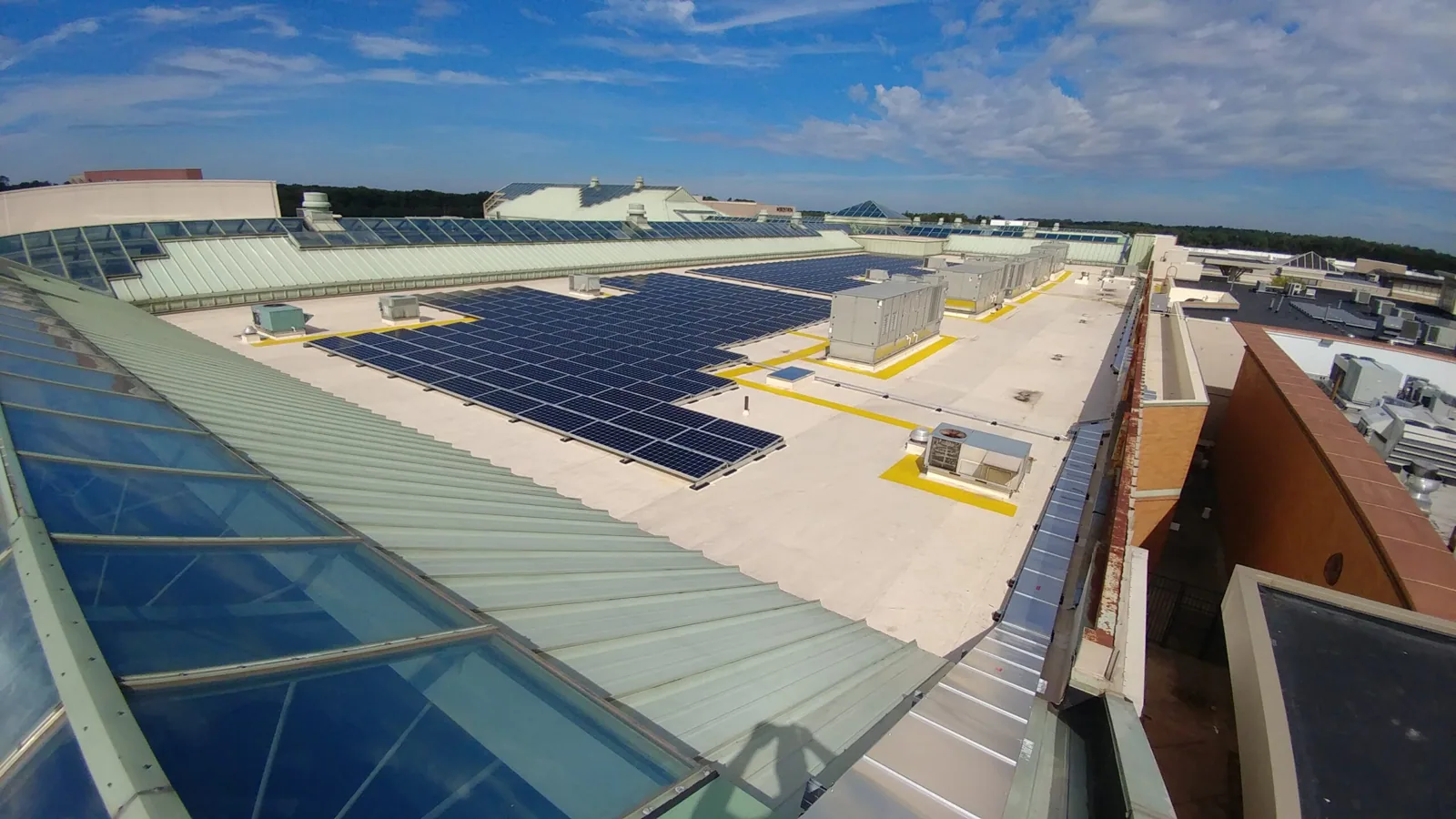
We identify the materials that would stay and compare your roof records with what we find. Earlier repairs can change the surface or the layers underneath in spots. We map those before choosing the new system. If we're unsure what something is or what shape it's in underneath, the proposal says what we'd check and how the answer affects whether a recover makes sense.
Our roof inspection for a recover maps the existing materials section by section. Photos show enough of the surrounding roof that you can tell exactly where we looked. We explain if more testing is needed before we can define repairs or prep. The old roof becomes part of the new one, so its role should be stated clearly, not hidden behind a price that only talks about the new membrane.
Test cuts and moisture checks
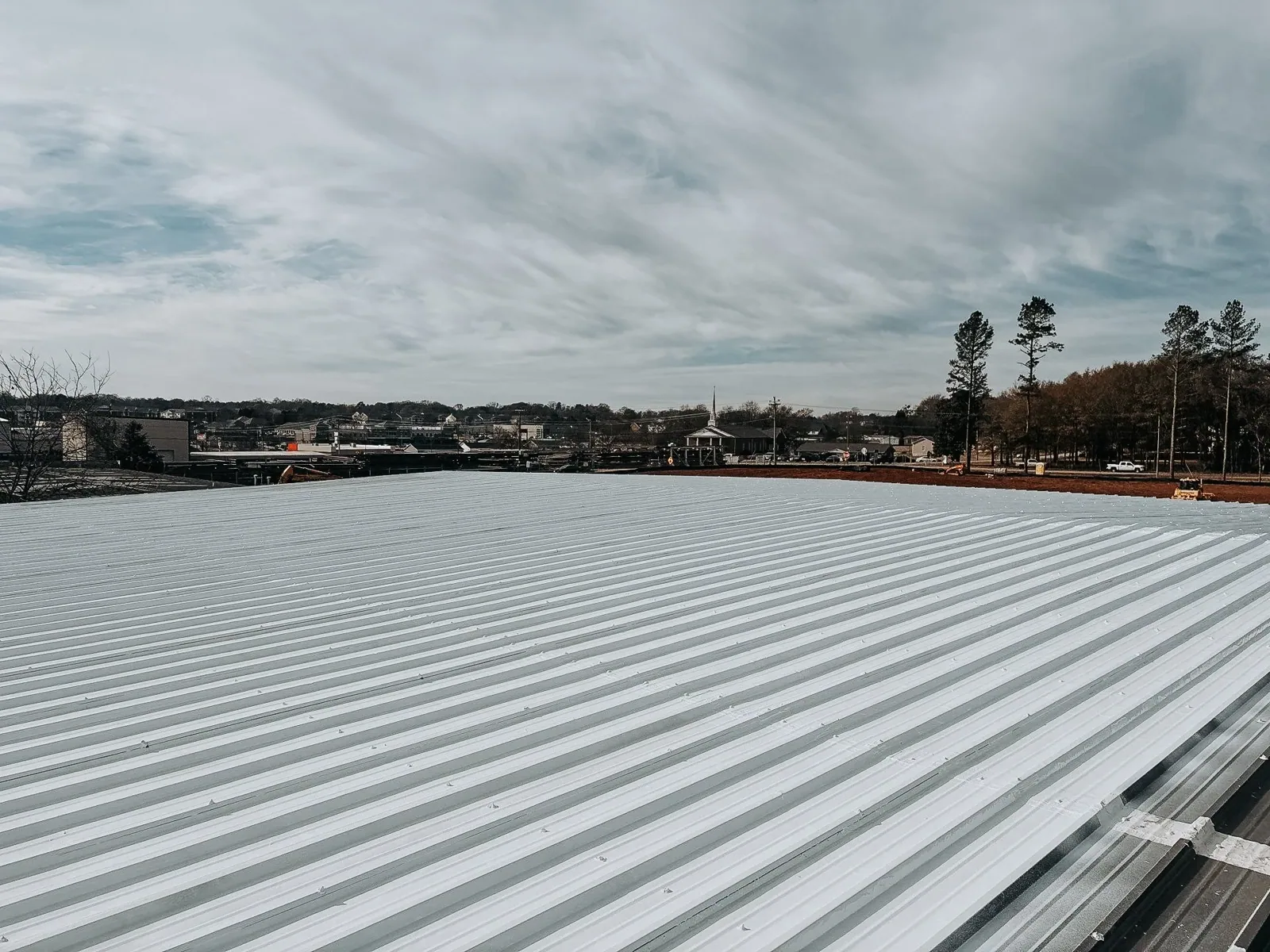
Every test cut should answer a specific question, at a marked spot, with a plan to patch it afterward. We note what we found and its condition. A different section of roof may need its own test if it was built differently. Each result stays tied to its spot on the roof plan. You'll see what each test proved and what's still uncertain, especially where the recover depends on insulation you can't see.
An infrared moisture survey can help find likely wet insulation before a recover, when conditions are right. Those readings still need to be confirmed with core cuts before we mark areas for removal. We tie what we find to the prep and repairs in the scope. That gives you a solid reason for keeping or removing the existing layers, without treating one scan or one core as the whole story.
The new roof over the old
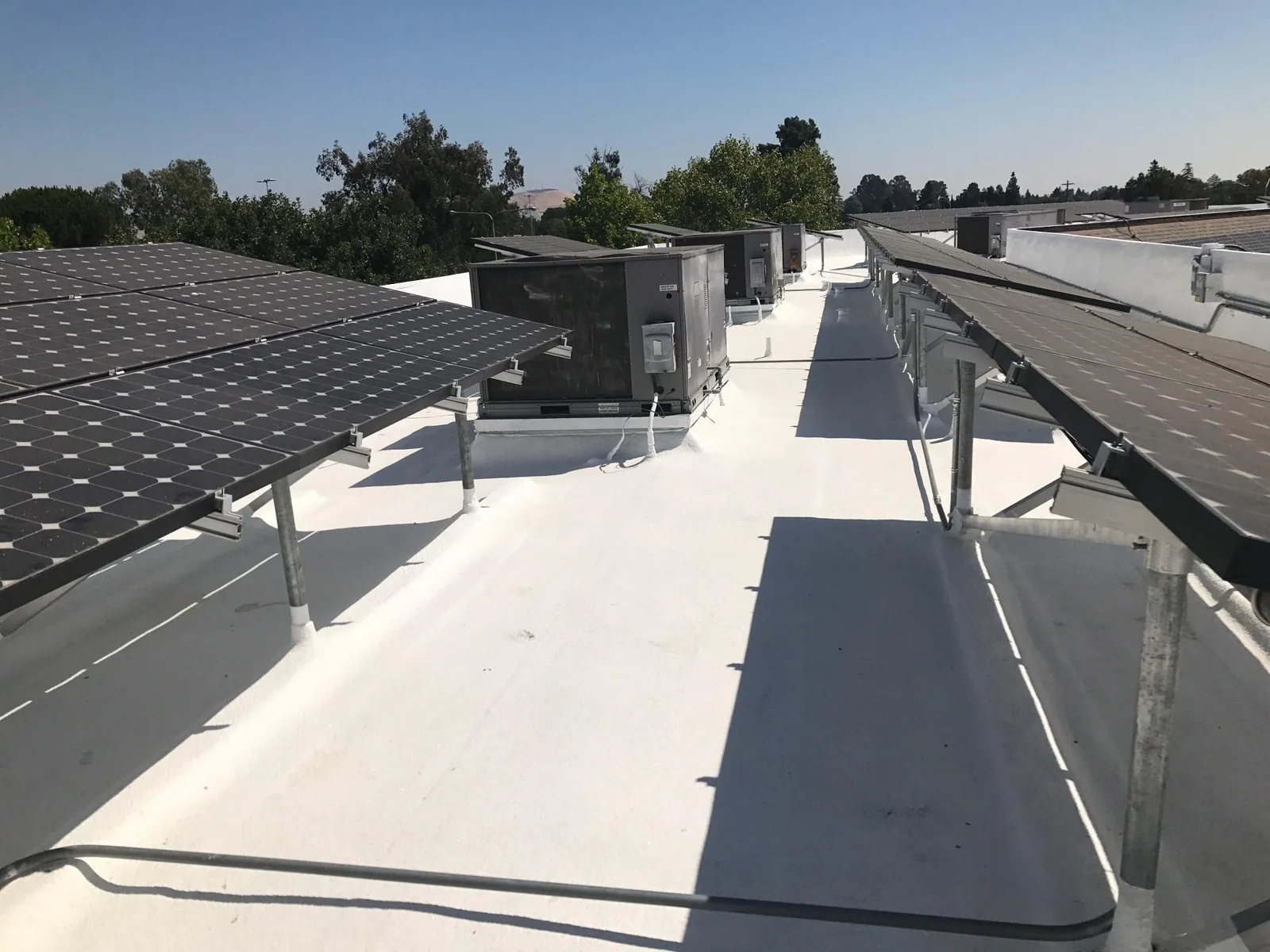
The new roof system has to work with what's staying underneath. We spell out the prep, how the new layers attach, and how they finish at walls, openings and drains. If we need to confirm that two materials are compatible, we do it before installation is proposed. Choosing a membrane type doesn't mean it can go over every old coating, patch or layer.
A TPO recover needs a named product and a clear plan for prepping the existing surface. A PVC recover gets its own review of the materials its new seams and flashings will meet. You can compare the real work each option requires instead of assuming they're prepped the same way. Each estimate shows what the crew will keep, repair and install, with open questions visible where testing could change the job.
Curbs, walls and drains
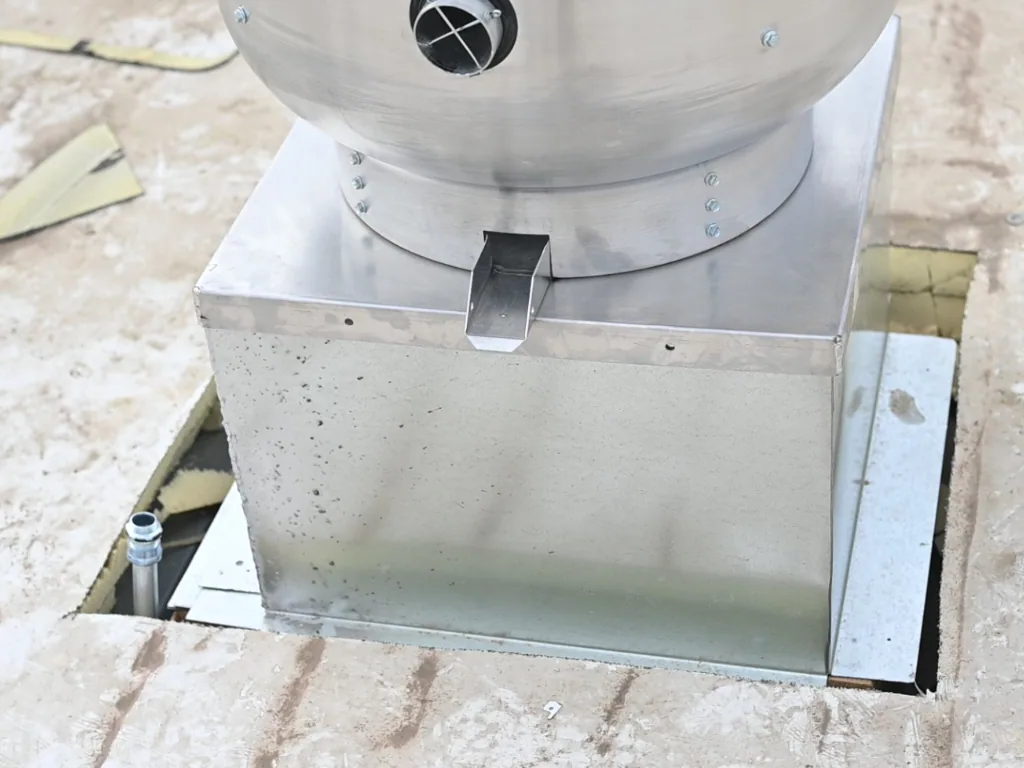
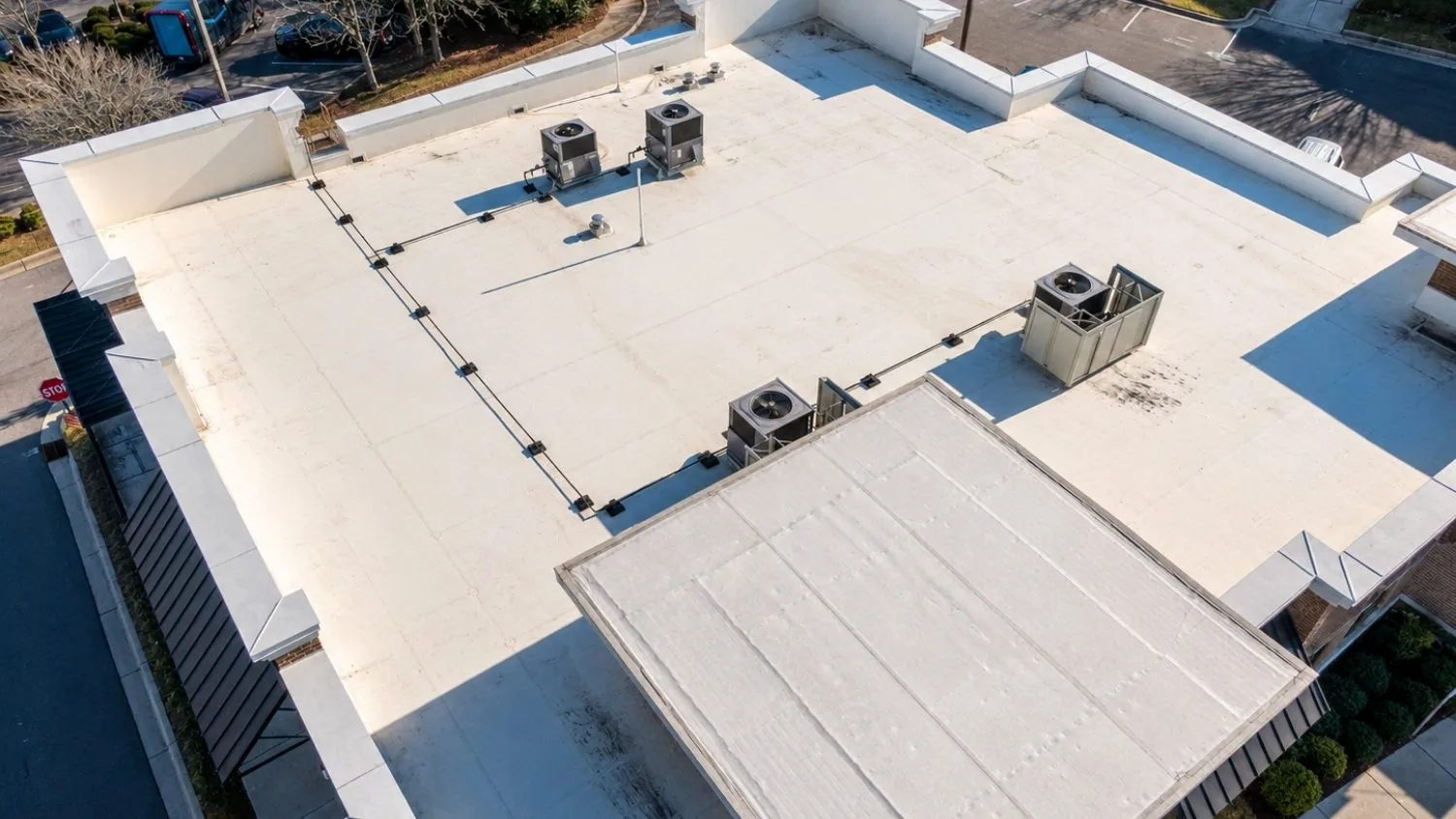
A new layer raises the roof, and that changes how it meets equipment curbs, walls and drains. We look at the curbs and any planned equipment changes along with the recover plan. Blocking or attachment may need fixing before the roofing reaches a curb, and some of that work may belong to your mechanical contractor. That gets scheduled up front instead of discovered when the crew is ready to flash.
Our rooftop equipment curb and support work explains how the new roof will meet each curb. Drains need the same attention, since a recover can leave them sitting too high. If old material hides the detail, we explain how we'd check it. You get the full detail work, including what's outside the main roof area, so the recover price doesn't hide a curb or equipment problem.
Recover versus tear-off
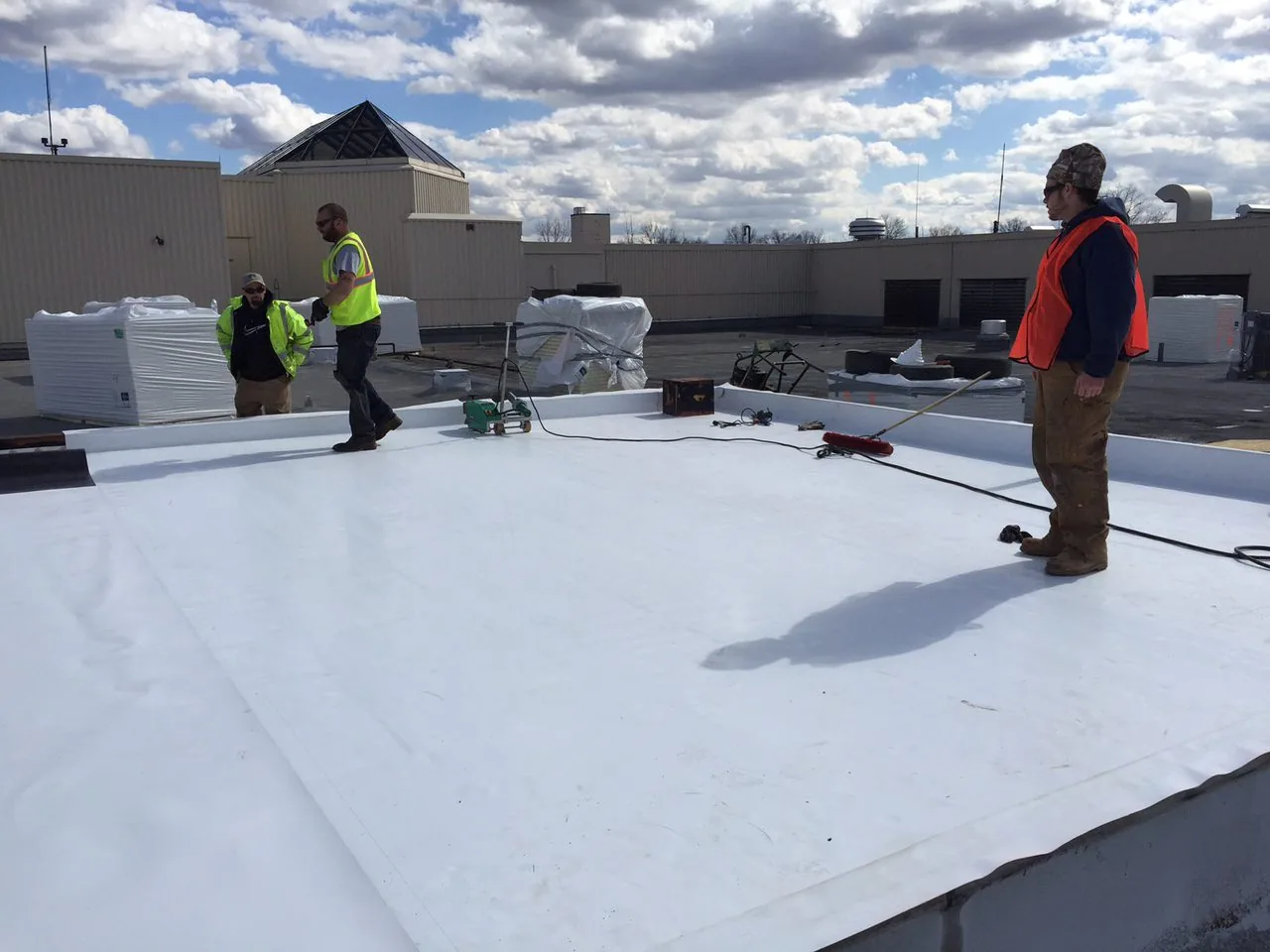
A replacement option should describe tear-off and deck repairs separately from what a recover keeps. We say what comes off, what repairs we already know about, and what might show up once the old roof is gone. Disposal, prep and new details all belong in that price. Then you can compare it fairly with the recover based on the real work each one involves.
Our roof replacement estimate lays out the tear-off next to the layers a recover would keep. Design, permit and manufacturer warranty requirements also need checking before a final choice. We don't apply a blanket rule about how many roofs can be stacked, or promise approvals or warranties, without checking your project. The comparison stays useful when it explains what we know about the roof and what could change either option.
A recover only works if the layers staying in place, and the deck under them, are in good shape. We confirm the existing roof build-up and your project's requirements before treating an overlay as a way around tear-off. We test representative areas where the recover depends on dry, sound material, and explain how bad spots change the scope. Added height affects drains, door thresholds, curbs and edge metal, so those are part of the design. Full tear-off and recover are shown as two separate, complete options, each with prep and detail repairs included. If attachment depends on a certain deck type or fastening pattern, we say what we need to verify before pricing. The final record describes the layers left in place and where the new roof went, so later work knows what's under the surface.
Recording what's underneath
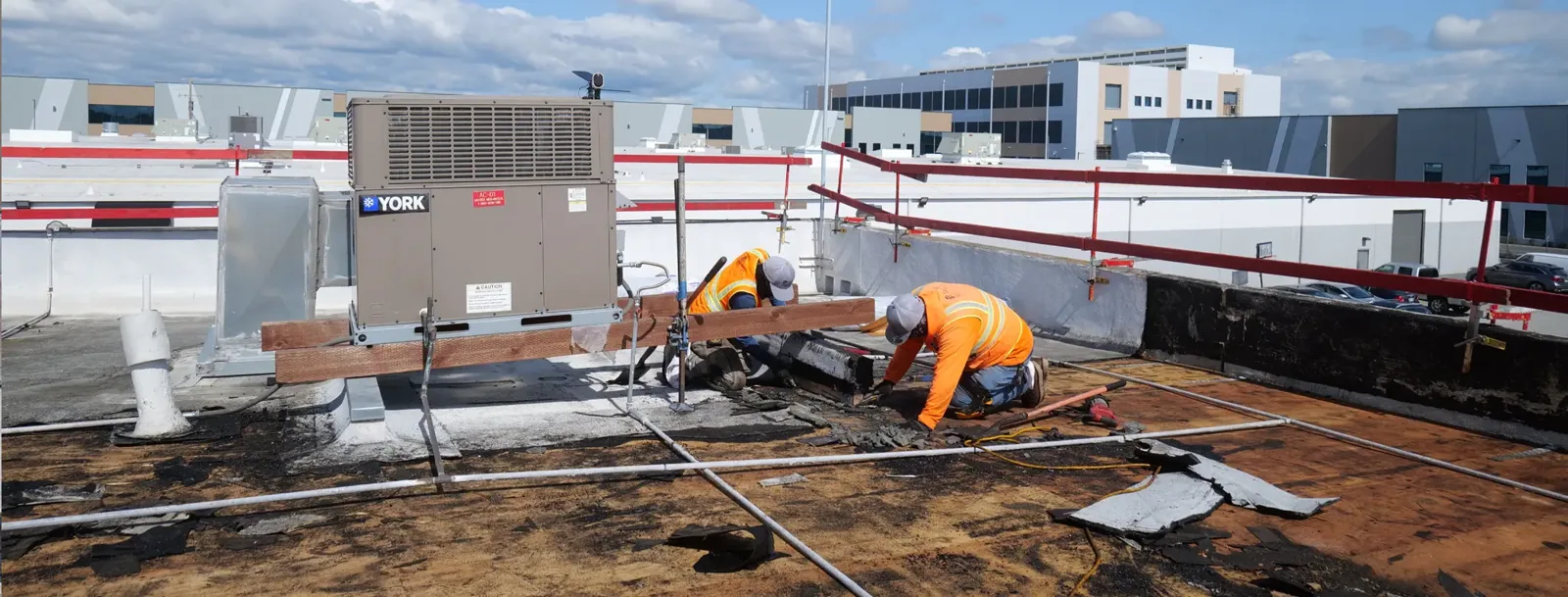
When you request a recover assessment, have your building contact mark the roof sections and send any material information. We inspect what's there and agree on access and site rules for the job. The existing roof gets checked and confirmed before we define the overlay and its prep.
For roof recovers in downtown Arlington, the finished record lists the installed products and the prep we did. Photos show repairs and how the new roof meets areas that stayed. Unfinished curb items or open questions are listed separately. You can use the record for years, knowing exactly what was left under the new roof and which details were repaired before it went on.
Common Questions
Does a past Arlington storm tell us whether the roof can be recovered?
No. We check the current materials and the condition of the deck and insulation, then review the new system before recommending a recover.
What should a test cut for a recover answer?
Whether the layers that would stay are dry and sound at that spot. We agree on where it goes and how it's patched, and add tests where roof sections differ.
How does a recover affect equipment curbs?
The new layer raises the roof, so curbs may end up too short for proper flashing. We check the curb, blocking and any equipment changes, and plan repairs before the new roof goes on.
How do I compare recover and tear-off prices fairly?
Make sure both list the full work. A recover should describe what stays and what gets repaired; a tear-off should describe removal and deck repairs. Both should include testing and detail work.
Find out if a recover makes sense
Request a roof assessment for your Arlington building. We'll send a plain report with photos, what we found in the existing roof, and what a recover would involve.
- recover inspection identifying retained materials by roof section
- infrared recover assessment guiding further examination of retained layers
- TPO recover option with retained-surface preparation and details defined
- PVC proposal examining the materials its new connections will meet
- recover curb review coordinating the proposed roof with component duties
- replacement comparison specifying removal against the recover's retained layers
- downtown Arlington recover work documenting retained layers and new connections