
Manufacturing Plant Roofing in Arlington, TX
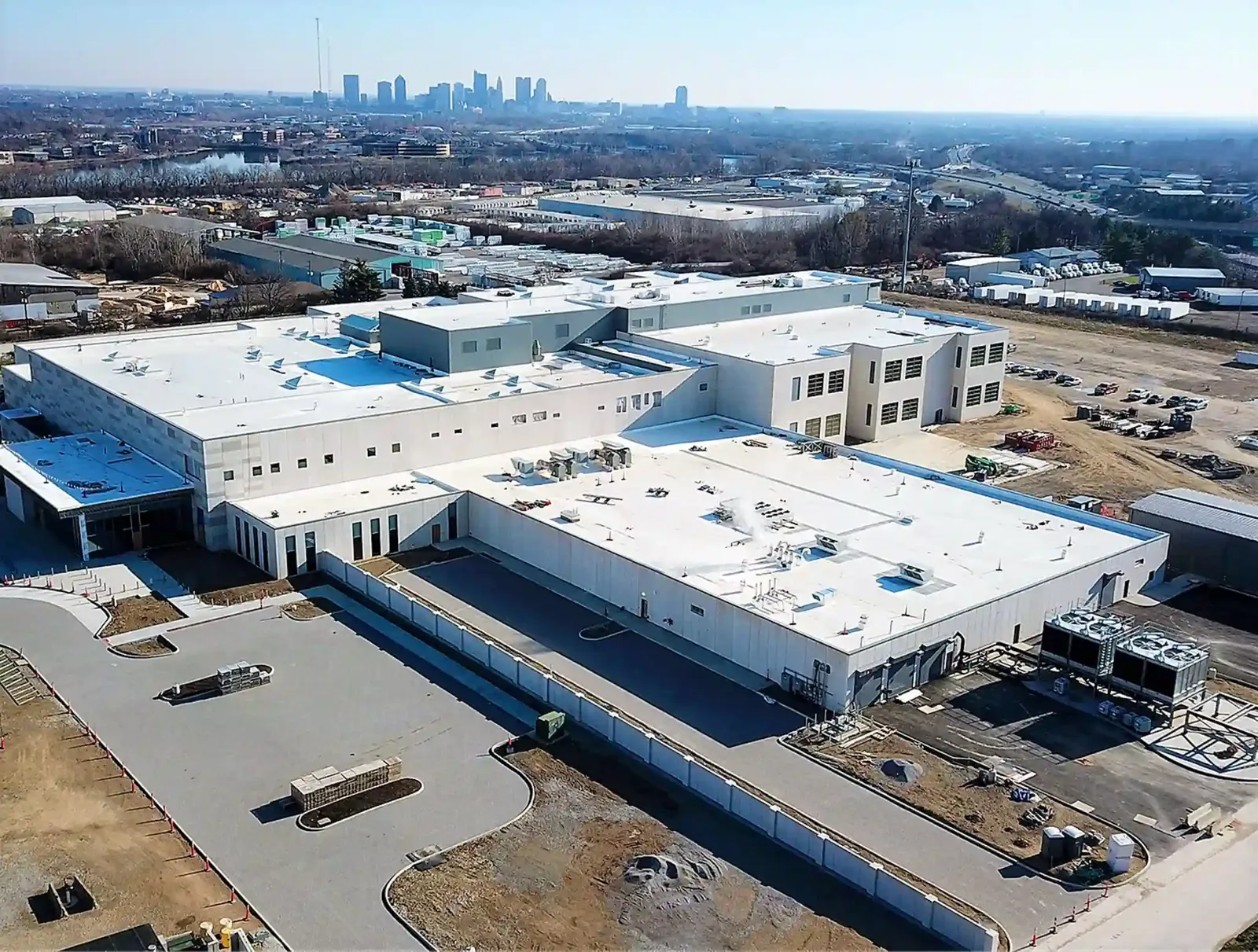
Manufacturing Plant Roofing
Manufacturing plant roofing in Arlington, TX: curb, flashing and drain repairs planned with your equipment contractors, with production areas protected below.
Manufacturing roofs carry more than weather. On top of the North Texas heat, they take exhaust, vibration and steady foot traffic from equipment techs. The leaks we see on Arlington, TX plants usually start where equipment meets the membrane: exhaust fans, makeup air units, dust collector ducts and the curbs and supports under them. Fixing those spots often takes more than roofing. The equipment contractor may need to lift or modify a unit, and the curb or wall behind the flashing may need rebuilding before new flashing goes on. Our proposals show what each trade has to do, in what order, and what the finished roof detail looks like. You get a work sequence you can schedule, not just a price per square foot of membrane.
For owners with plants in Irving and Hutchins as well as Arlington, we plan access and protection around how each building actually runs.
Every plant is set up differently, so we don't assume what's on the roof or under it. Send us the address, where the leak or damage is, any roof drawings or repair history, and the person who can schedule the visit. Our recommendation follows what we find at that spot. We don't decide when a line can shut down, how a unit gets locked out, or whether the roof can be opened over a production area. Plant staff make those calls.
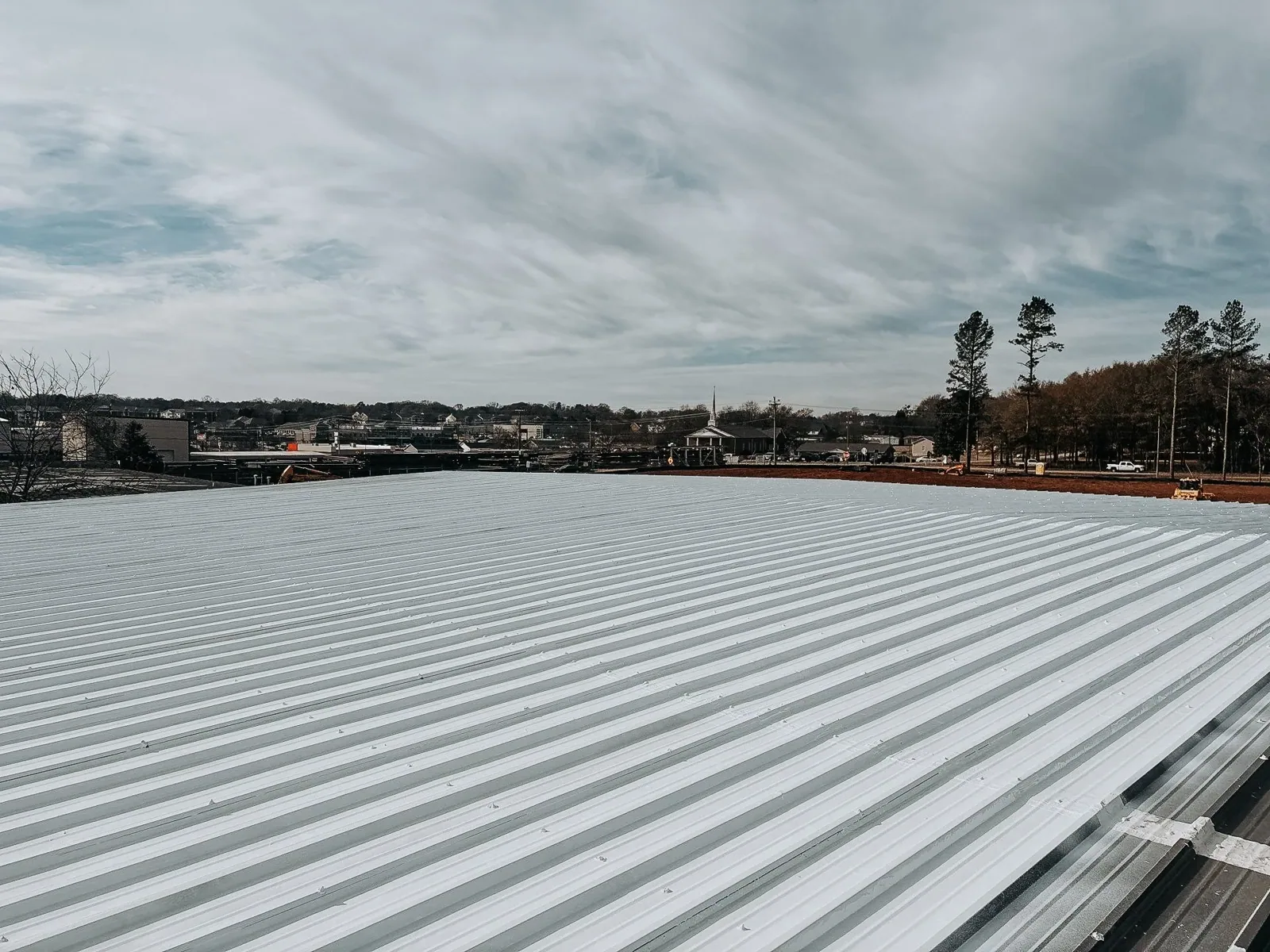
Equipment curbs before new flashing
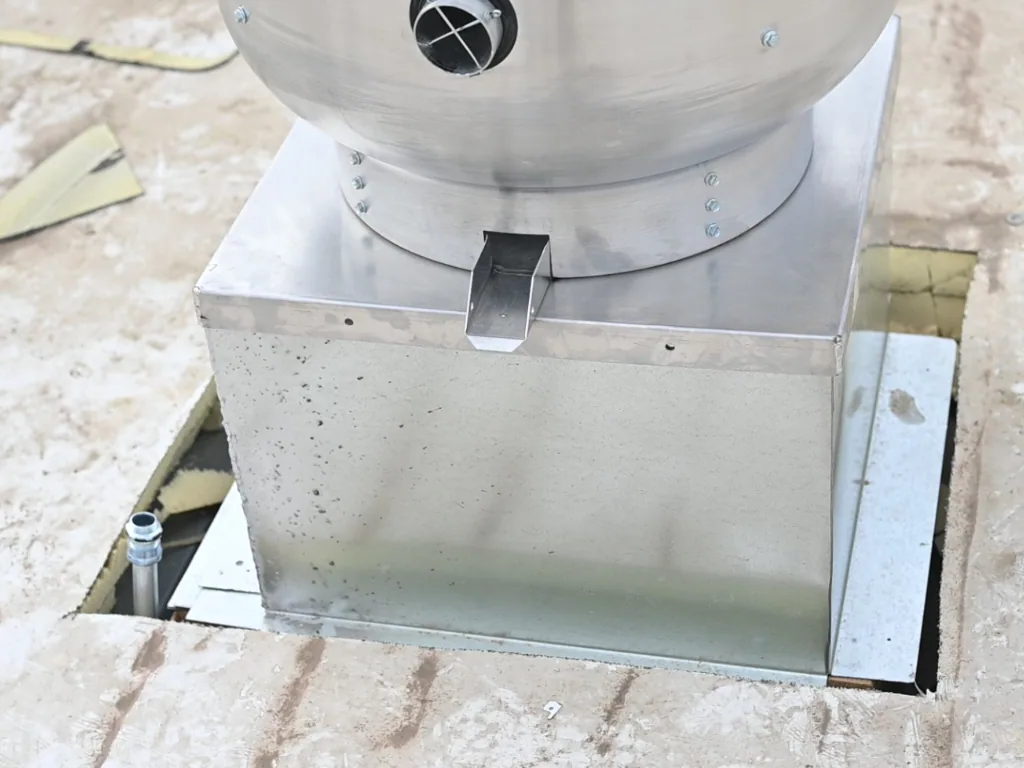
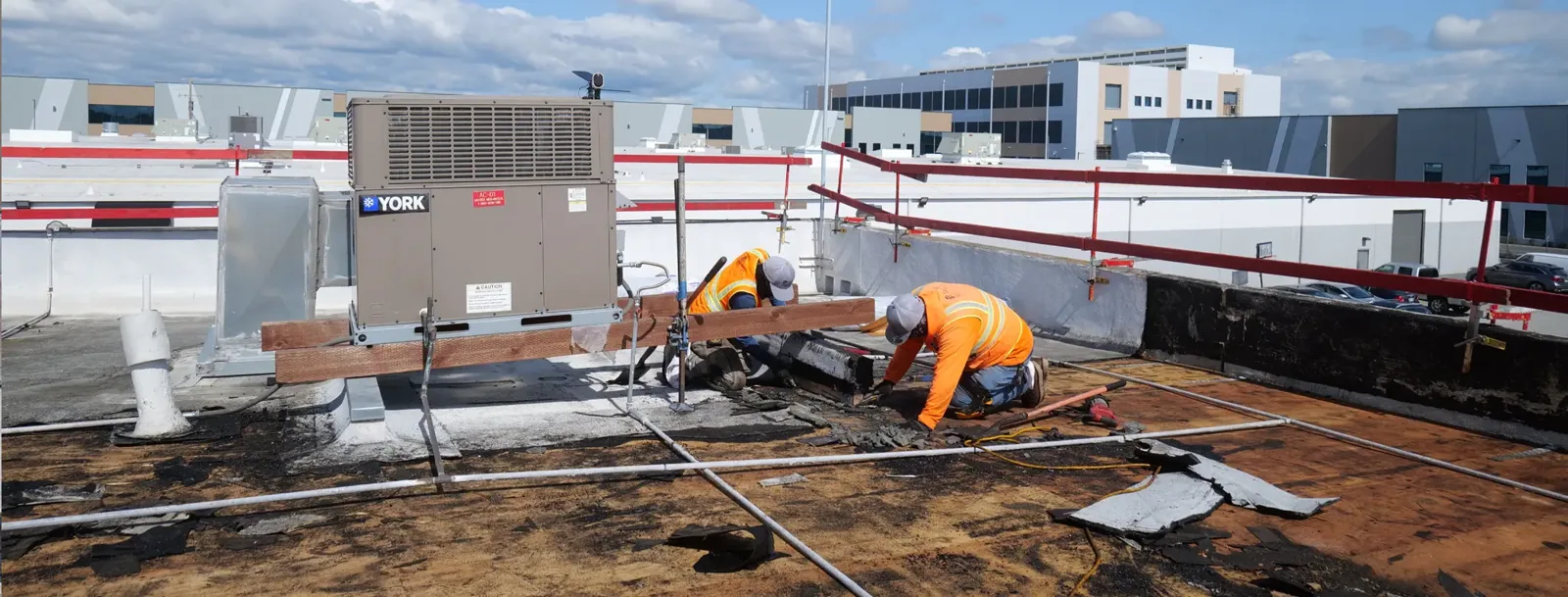
For rooftop equipment curbs and supports, we start at the unit tied to the problem. Its service contractor handles lockout, disconnects, lifting and any change to the unit, and an engineer weighs in if a curb or support has to be redesigned for a heavier or relocated unit. The curb has to be sound and tall enough before we flash it, and the proposal says who gets it to that point. A roofing allowance doesn't pay for an equipment change or take on the mechanical contractor's work, so that step stays visible in the price.
A leak near a fan or air handler is a good place to start looking, but it doesn't prove that unit caused every wet spot in the plant. We follow the membrane around it, check for oily exhaust residue that can soften some membranes, and photograph rotted curb wood or rusted supports that need rebuilding. Where something hidden, like the deck under the unit, still drives the repair choice, we say what has to be checked first. Each prep item in the price ties back to something we found. A curb that looks fine from outside isn't assumed ready for new flashing.
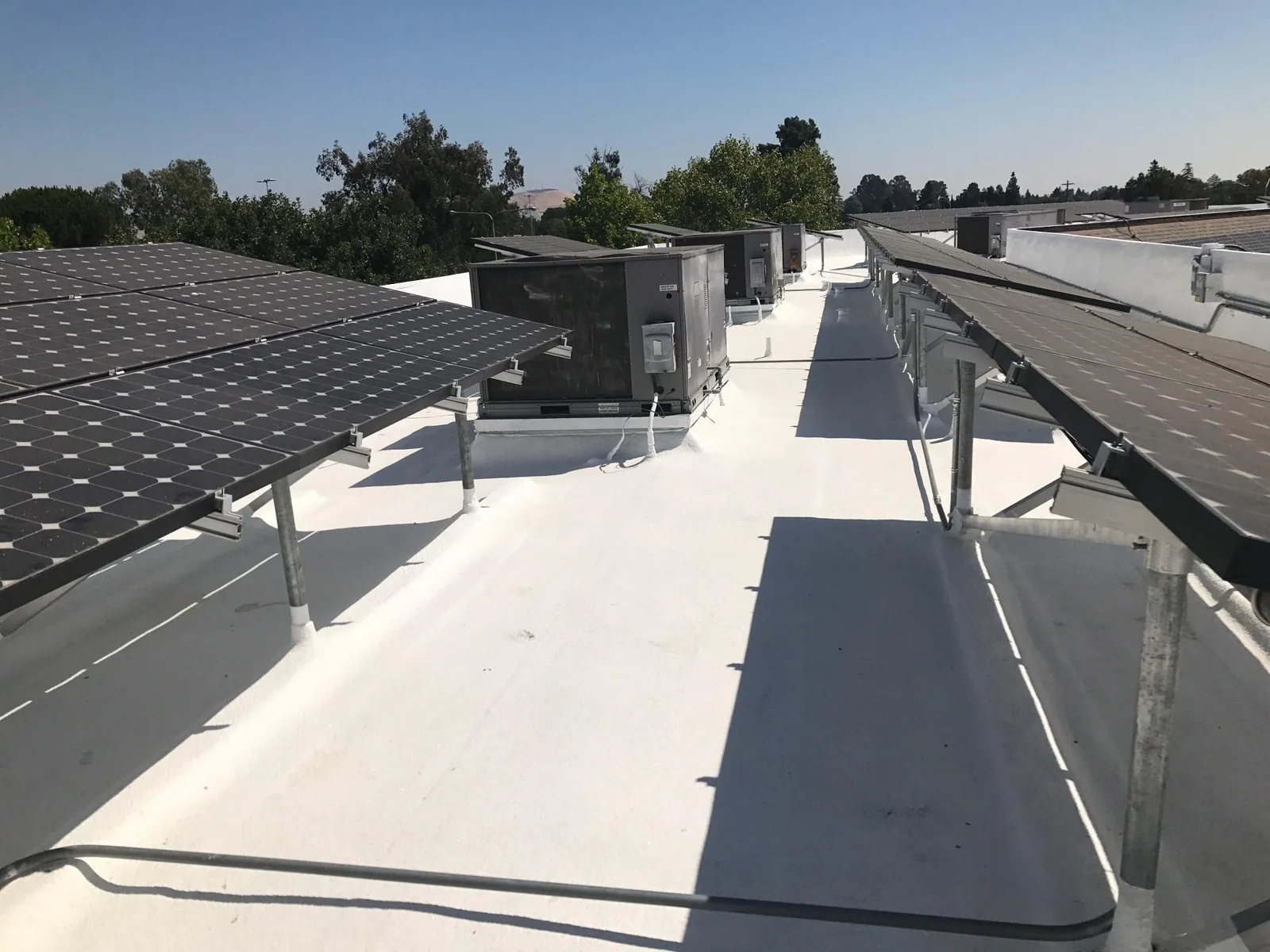
Membrane around the equipment
A commercial roof repair at a curb follows the roof we actually find there. We decide which membrane is sound enough to stay and how to prep it for new material. Wiping down sound membrane is one thing. Cutting out membrane degraded by heat or exhaust residue is another, and it has to happen before new roofing can bond. TPO and PVC get cleaned and heat-welded; other systems have their own methods. A coating allowance can't stand in for curb rebuilding or equipment work, so we list those separately and you aren't left guessing from a square-foot number.
If old insulation will stay under the new work, an infrared moisture survey has to be read alongside roof records and the conditions during the scan. A scan alone can't prove every layer is dry. Where the insulation decides whether the roof can stay, we take core cuts. We also explain how each cut gets patched and what protection the plant floor below needs while it's open. Engineers and equipment contractors still make the calls in their own areas, and our report covers what we saw in the roof itself. A regional temperature chart doesn't replace that testing or prove anything failed on your building.
Walls and drains
With flashing failure repair at a wall, we point out any rotted backing or loose wall face the wall contractor has to rebuild. We describe the top of the flashing and its counterflashing, not just the seam at the base. A patch on the roof can't close a gap above the flashing. If the wall changes need an engineer, we bring one in. The roofing price then shows the membrane and flashing we install once the wall is ready. You can compare what will actually be built, and a seam repair price won't be mistaken for wall work.
For roof drains and scuppers, we check the drain bowl, the clamping ring and the membrane around it, and note any drain work needed before the roof can tie in. Problems in the pipe below the roof, and other plumbing calls, go to the plant's plumbing contractor. If the drainage changes, an engineer reviews the design. Drains, walls and equipment curbs need different trades, but each one has to be ready before the roofing next to it can be finished. We list what's still waiting on another contractor, so a new membrane doesn't make it look like those problems are solved.
Protecting production below
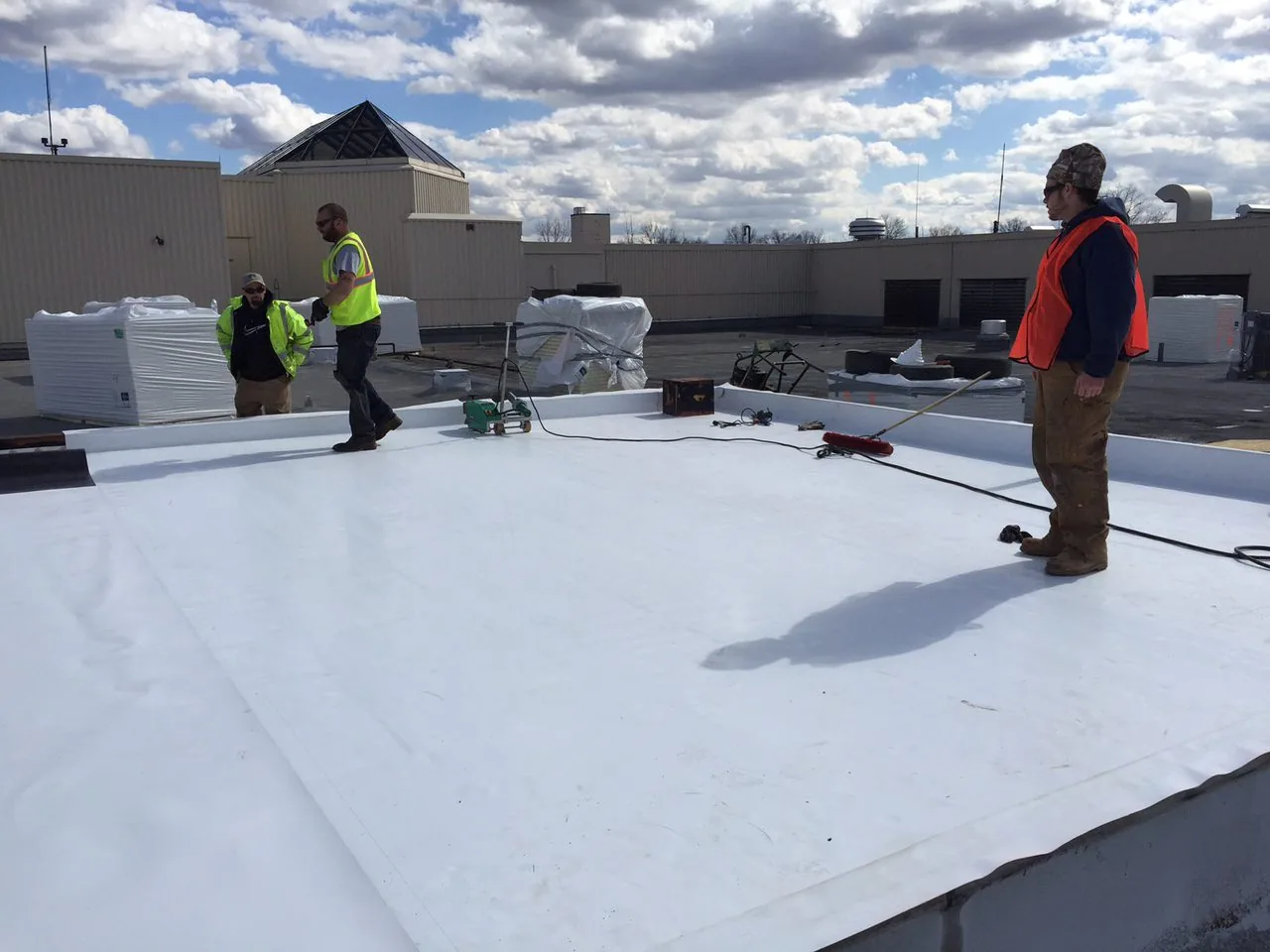
Before any tear-off, we show the plant's facility manager where we'll open the roof and how we'll move material. They check what's below: production lines, finished goods, electrical gear, clean areas or sensitive equipment. The plant's safety and operations people set the protection requirements, and we build those into the roofing plan. Getting on the roof for an inspection doesn't mean the space below is ready to open, and it doesn't approve shutting down equipment. We plan each area with the plant instead of assuming a standard shutdown schedule, crane path or production rule.
If the tear-off turns up more damaged deck or wet insulation than expected, we document it and explain why the opening needs to grow. Before we cut further, the plant reviews protection, access and material handling for the larger area. Temporary seals may be needed while a curb is rebuilt or a unit is modified, and we note the permanent flashing or seam still to come next to each one. The revised scope shows the added roof work and the protection needed under the larger opening. The asset manager approves the full change, and the first area's protection isn't assumed to cover another part of the plant.
Closeout and what's still open
The closeout record shows the curb prep done, the material we removed and the new roofing installed. It notes the core cuts we patched and what we saw while the roof was open. If equipment, plumbing or wall work is still waiting on another trade, it's listed next to the roofing we finished. A new seam doesn't mean a unit was modified correctly or a hidden pipe was fixed. Any further testing at other curbs is listed with the reason for it, so one repaired curb isn't taken as the answer to every leak in the plant.
We set up roof inspections in the Great Southwest area through the plant's facility manager. Distribution center roofing depends on that building's roof, and flex industrial roofing depends on what we find at that property. A plant proposal stays tied to what we inspected and the trade work it needs, and the manager gets a clear record of the roofing done and a solid starting point for the next review.
Common Questions
Does hot weather prove our plant roof is damaged?
Not by itself. Heat ages a membrane, but damage is something we confirm on the roof: open seams, brittle flashing, wet insulation. We check those and your roof records, then tell you what repair, if any, it needs.
What should come with an equipment flashing price?
The curb or support work that has to happen before we flash it, and who does it. The equipment contractor handles changes to the unit, with an engineer if the support needs redesign. The price should show the finished roof detail and the trade work it depends on.
How do you plan protection before tearing off over production?
We show the plant's facility manager exactly where the roof will be opened and how material will move. Plant operations and safety staff decide what protection the area below needs. We build that into the plan instead of assuming a standard plant schedule.
What makes the completion record useful to an asset manager?
It shows what we built and what we saw while the roof was open. It lists the patched core cuts and any work still owed by other contractors. Finished roofing and open trade work are kept apart, so nothing gets marked done that isn't.
Walk the plant roof with us
Have your facility manager set up a visit to the leak or damaged area. We'll explain the curb and wall prep needed and the roofing we install once the equipment work is done.
- manufacturing roof equipment and flashing preparation
- manufacturing membrane repair and removal description
- plant roof temperature observations and material investigation
- manufacturing wall backing and upper flashing review
- plant roof fitting preparation and membrane attachment
- Great Southwest-area manufacturing roof examination
- distribution roofing and outlet preparation duties
- flex industrial roof repair and backing examination