
Flashing Failure Repair in Arlington, TX
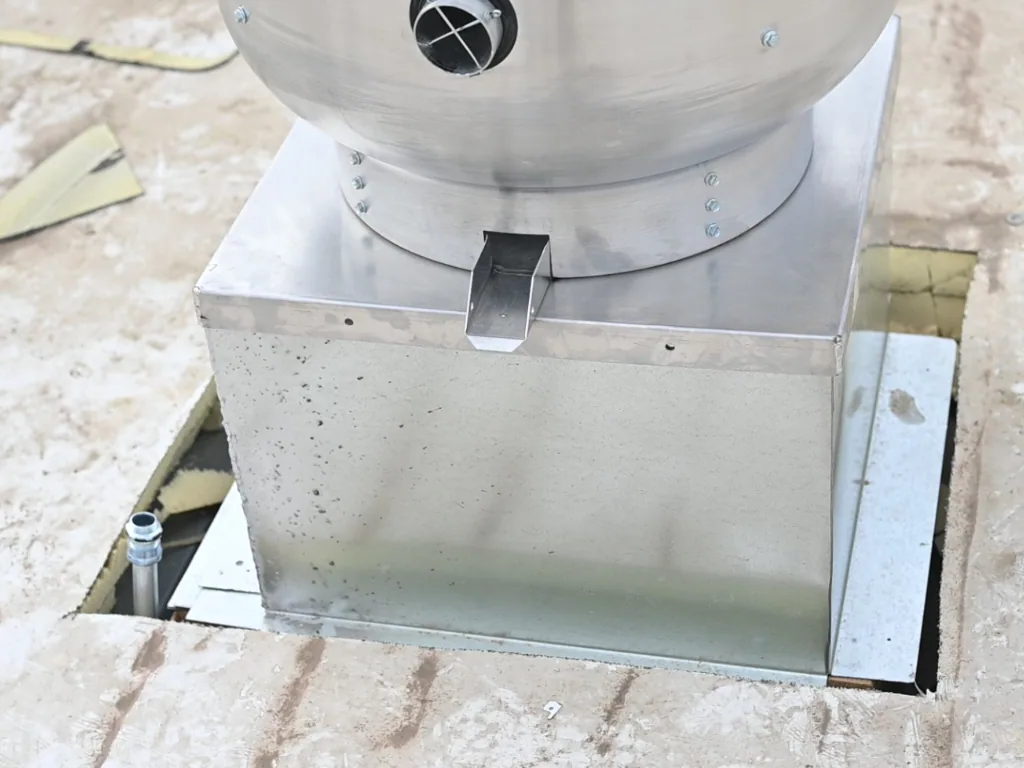
Flashing Failure Repair
Arlington flashing failure repair: we trace the leak, check the wall or curb behind the flashing and rebuild the joint to sound membrane, with photos for your file.
The February 14-17, 2021 winter storm hit North and Central Texas hard, and some Arlington owners still trace later leaks back to that week. Either way, the cause is on the roof, not on the calendar. Flashing repair starts where the roof meets something else: the membrane, how it's fastened and terminated, and the wall, curb or pipe it's sealed to. That whole joint matters more than the visible gap.
Commercial Roofing Services Arlington inspects failed flashing and explains what it takes to fix it right. Sometimes a local membrane repair is enough because the material and wall around it are still sound. Other times the wall sheathing needs repair, a curb needs work, or an engineer needs to weigh in before the roofing can go back on. We spell that out in the proposal so you're not paying to caulk the same joint every year.
Matching the leak to the roof
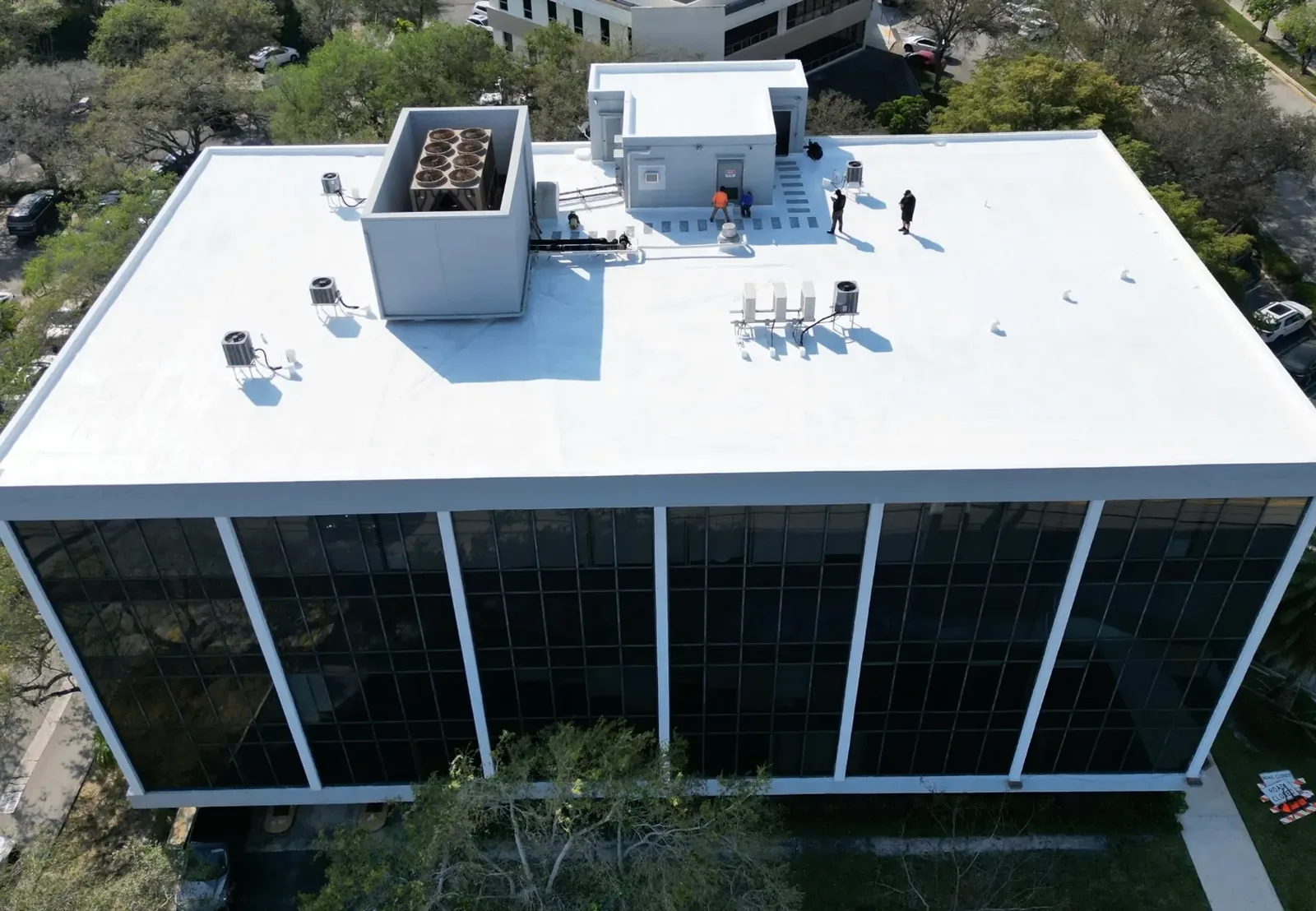
We start with where the leak shows up inside and compare it with the details on the roof above. A stain near a wall doesn't prove the flashing right above it is the problem. Water travels, and other spots may need checking. Commercial roof leak repair includes tracing that path. We note what we saw and keep any unconfirmed cause marked that way until we pick the permanent fix.
If a temporary patch is needed, we say what it's protecting and what's still wrong. Another coat of mastic over a joint doesn't prove the wall is sound or the insulation below is dry. A temporary patch buys time. The permanent fix needs proper inspection and prep so the new flashing seals to solid material.
What the flashing seals to
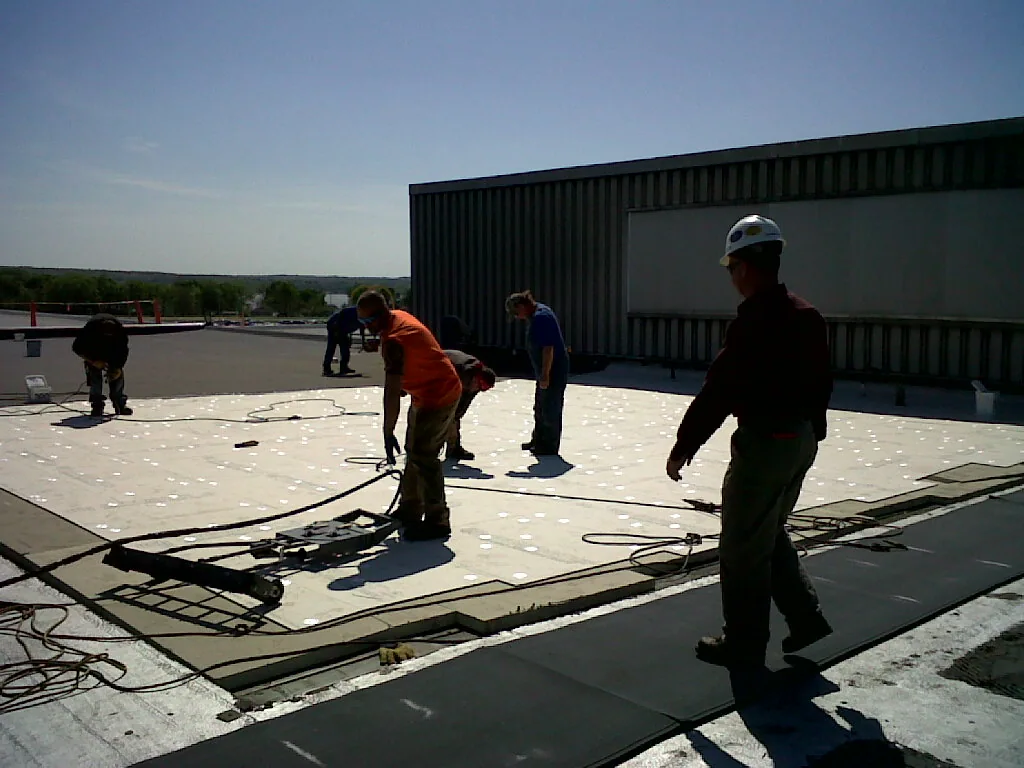
Where we can, we look at the material behind and under the failed flashing. Rotted sheathing, spalled masonry or a curb that needs its own repair changes where the work stops. Membrane can't make up for a bad surface behind it. We name the prep needed, and who does it, before calling the detail ready to flash.
Skylight and penetration flashing work keeps the roofing separate from repairs to the skylight, pipe or unit itself. Equipment work may need the HVAC contractor or an engineer. We show the roof detail and what it needs to seal against, and we confirm the other work is done before we close it up, instead of burying an assumption inside a membrane price.
Matching the repair to the membrane
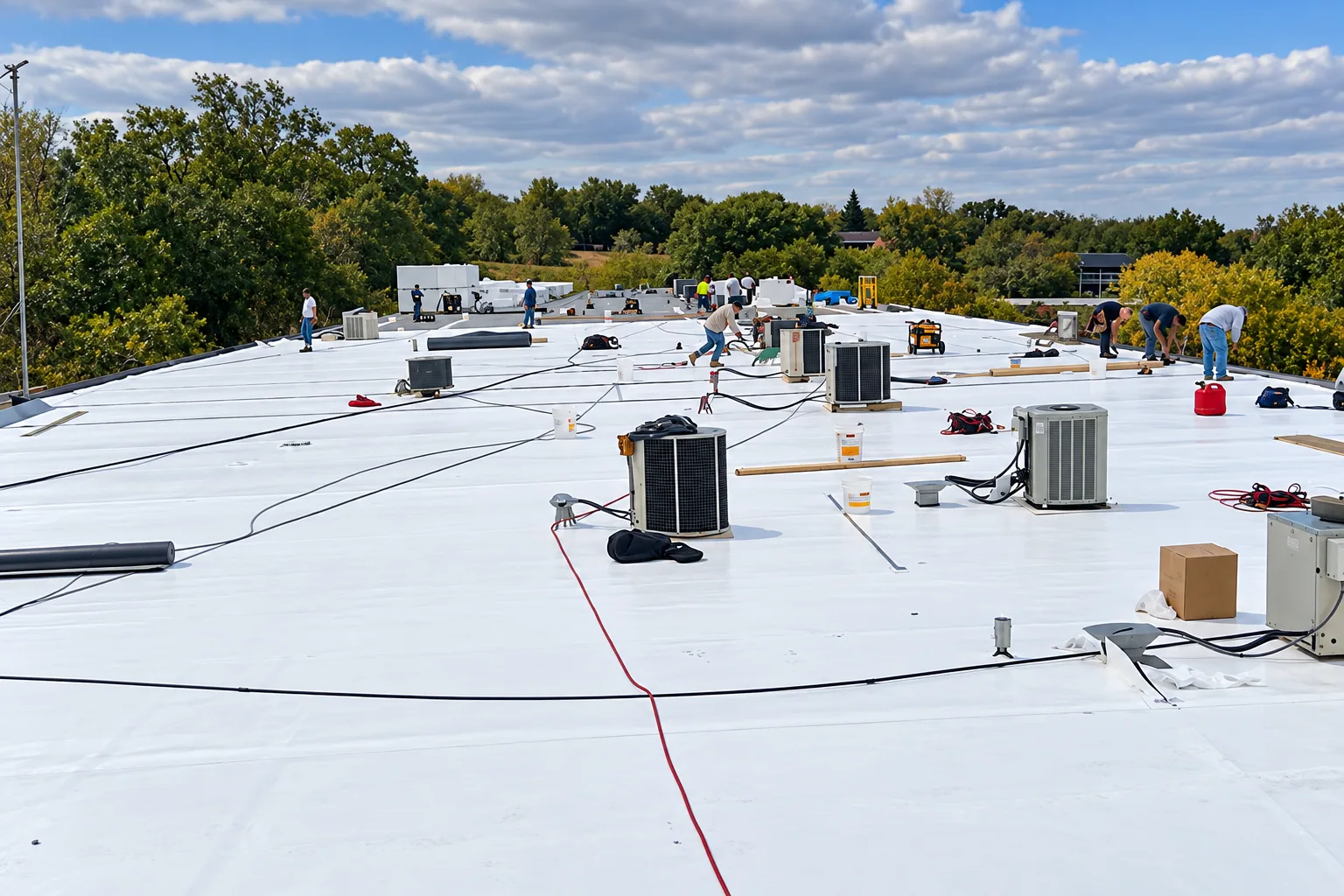
We identify the roof system and the condition around the failed detail, because the repair has to be compatible with what it joins. Weathered or dirty membrane may need to be cut back to a clean edge. Termination bars, counterflashing and edge metal need proper fastening too. One patch method doesn't fit every roof.
Flashing on TPO roofing gets heat-welded to clean, sound TPO, and that only works on membrane that will still take a weld. Modified bitumen, built-up and PVC roofs each have their own materials and steps. If the records don't say what's on the roof, we find out before ordering anything. Even when the failure is small, you should know why the cut-back and prep are part of the price.
Checking under the flashing
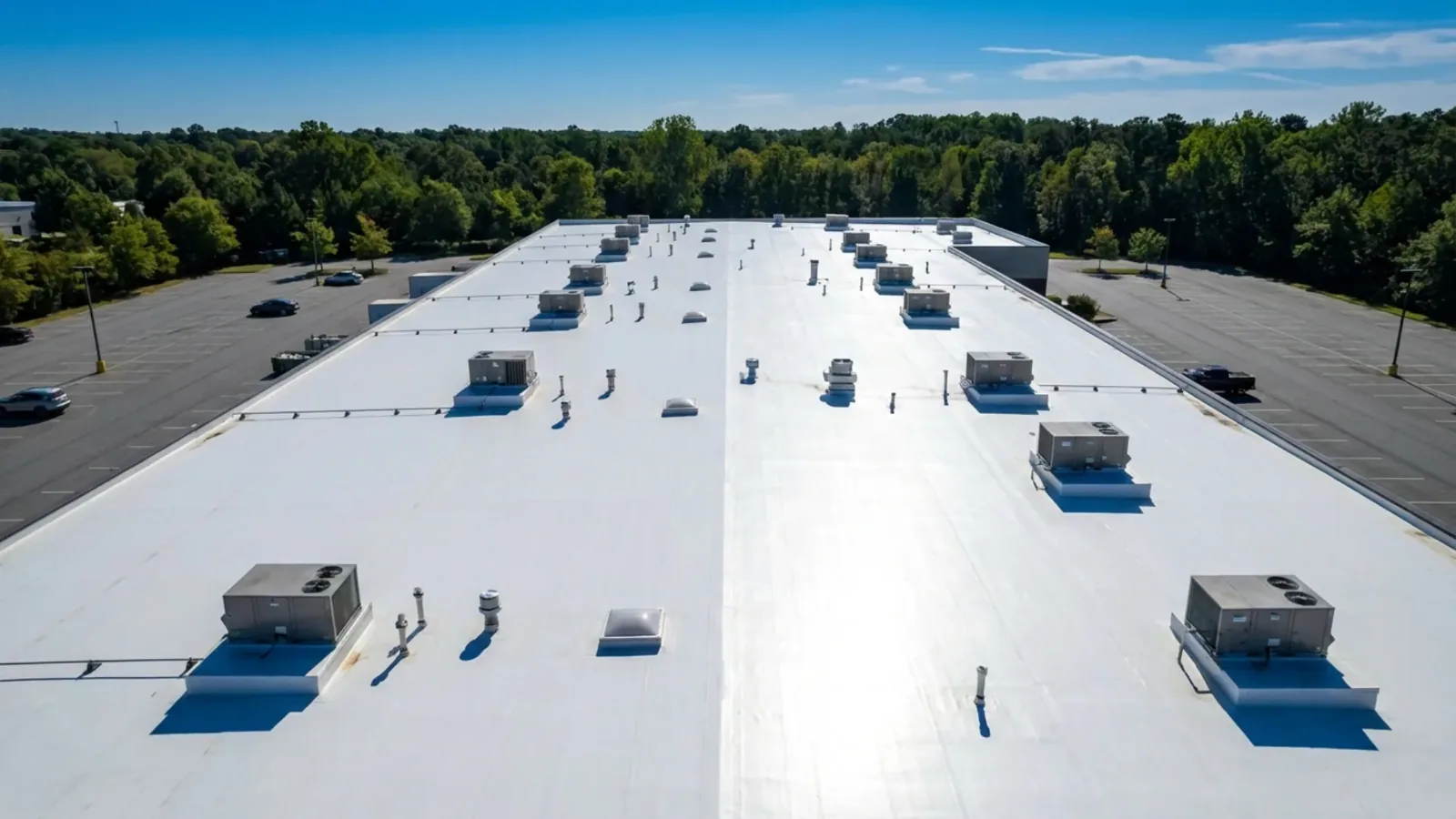
If water or rotted backing could affect the repair, we check with a method suited to the roof, like a core cut or moisture meter, before deciding what comes out. A failed flashing doesn't automatically mean a big wet area, and a dry-looking surface doesn't mean dry insulation. We tie what we found to the area we plan to remove.
Insulation and cover board replacement should show how new material meets what stays. We check the deck before new layers go in and bring in an engineer if it's damaged. Test openings get approval, protection and a patch. If findings enlarge the job, we review the added work and the space below before going further.
Other problems nearby
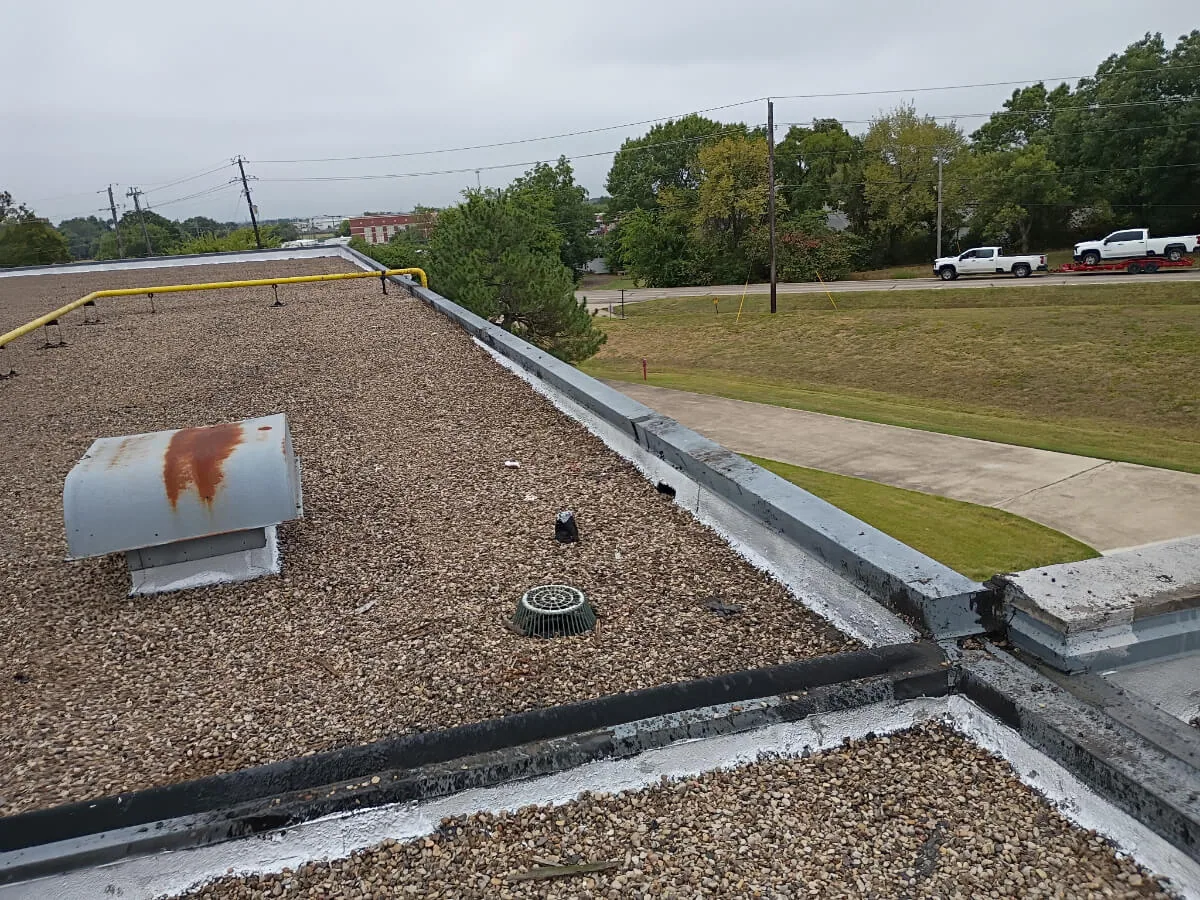
A separated seam next to the flashing may need fixing too, even if it has nothing to do with the flashing failure. Ponding water may come from a clogged drain or a low spot rather than the leaking joint. We list each problem and the repair it needs. A fixed flashing shouldn't be sold as the answer to a problem nobody looked at.
When repairs overlap, we plan them in order. A drain or wall repair may have to be finished before the membrane is tied back in. We list who does each part and when it has to be done, so you're approving a complete scope, not comparing it with a cheaper bid that left out the wall or drain work.
Flashing usually fails where two materials or surfaces meet, so the repair takes in the whole joint, not just the sealant you can see. We identify the curb, wall, pipe or drain involved, then check the termination, the backing and the membrane next to it. A fresh bead of caulk can hide an open lap without fixing how the detail sheds water. The scope says whether metal, membrane or sheathing comes out, and who handles any prep on the curb or wall. At corners and inside or outside angles, it lists how far the new flashing runs and where it ties into sound membrane. After the repair, we photograph the finished joint from more than one angle and note any side we couldn't reach. That way the next inspection can tell whether a crack is new or the old repair has opened up.
Arlington closeout and photos
We work across Downtown Arlington and the surrounding business districts, including commercial buildings near the Great Southwest Industrial District and the South Cooper Street Corridor. Every job is scoped from the actual address, the person who controls roof access and the flashing we inspected. Your building contact arranges roof and interior access.
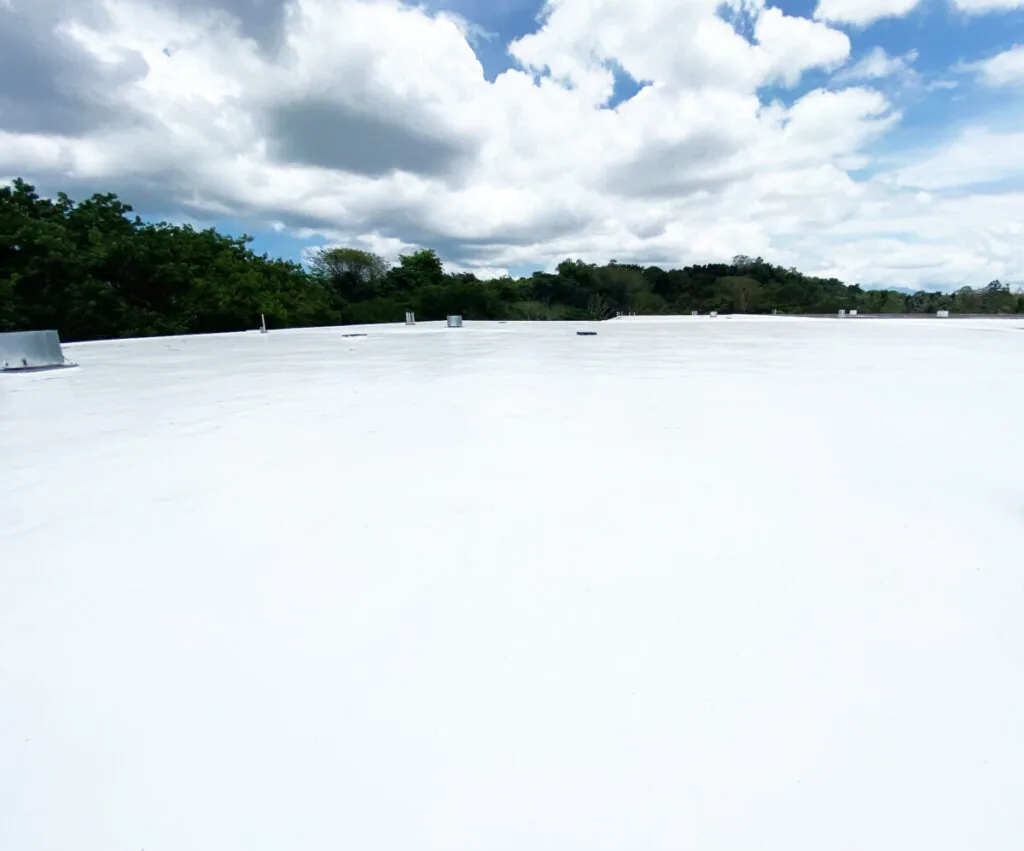
We photograph exposed sheathing, the prepped curb or wall surface and the new flashing before anything gets closed in. Photos are labeled so you can find the spot later. The record includes findings that changed the proposal, any temporary work and anything still waiting on another trade. The finished flashing is checked the way that roof system calls for, such as probing heat-welded seams. You should be able to see what was fixed under the finished detail, not just how it looks from the surface.
If a manufacturer or someone else has to review the work, their sign-off is kept separate. Our completion note covers what we built; their acceptance needs its own confirmation. That way you follow up on the step that's actually open, instead of reopening a finished repair because a document never made it into the building file.
Common Questions
Why might a small flashing failure require removal beyond the split?
The new flashing has to seal to sound membrane and a solid wall or curb. Rotted sheathing or weathered membrane often runs past the visible split. We find that before pricing so you know what prep the permanent repair needs.
Can a roofer fix a bad wall or rooftop unit?
We need the wall or curb to be sound before we flash it. Wall or equipment repairs may belong to another trade or need an engineer. We list that work separately, because a membrane patch won't fix what's behind it.
What if you're not sure whether there's moisture under the flashing?
We test where it affects the repair, usually with core cuts or a moisture meter, before deciding how much comes out. We note what the testing could and couldn't show, and patch every test opening. The repair follows what we find instead of a guess.
What should the owner keep after flashing reconstruction?
Labeled photos of the exposed backing, the prep and the new flashing, plus the materials used and where the repair starts and stops. Keep a separate note of temporary repairs and work still owed by other trades. That helps the next inspector understand the repair without relying on how it looks.
Get a clear scope for your flashing repair
Send the property address, where the leaks show up and any roof records you have. We'll inspect the flashing and explain the roofing repair, the prep needed and any work another trade should handle.