Emergency Roof Repair in Arlington, TX

Emergency Roof Repair
Emergency roof repair in Arlington, TX. We stop active water entry safely, mark the temporary fix clearly, and price the permanent repair once the damage is understood.
Arlington has seen serious storm damage before, including the EF-2 tornado that hit the city on November 24, 2020. When a roof gets torn open or water starts pouring in, the first useful step is simple: tell us where the problem is, what you're seeing, and who else needs to look at the building before roofers go up.
If you also manage buildings in Irving and Burleson, we keep each building's emergency notes, roof details and work limits in its own file.
We'll ask for photos and any site instructions, then work out what inspection and temporary protection we can safely do in the conditions. You'll get a clear description of what we're doing right now and what permanent repair is still needed. We won't promise an arrival time or a finished repair before we know what we're dealing with.
Tell us what you're seeing
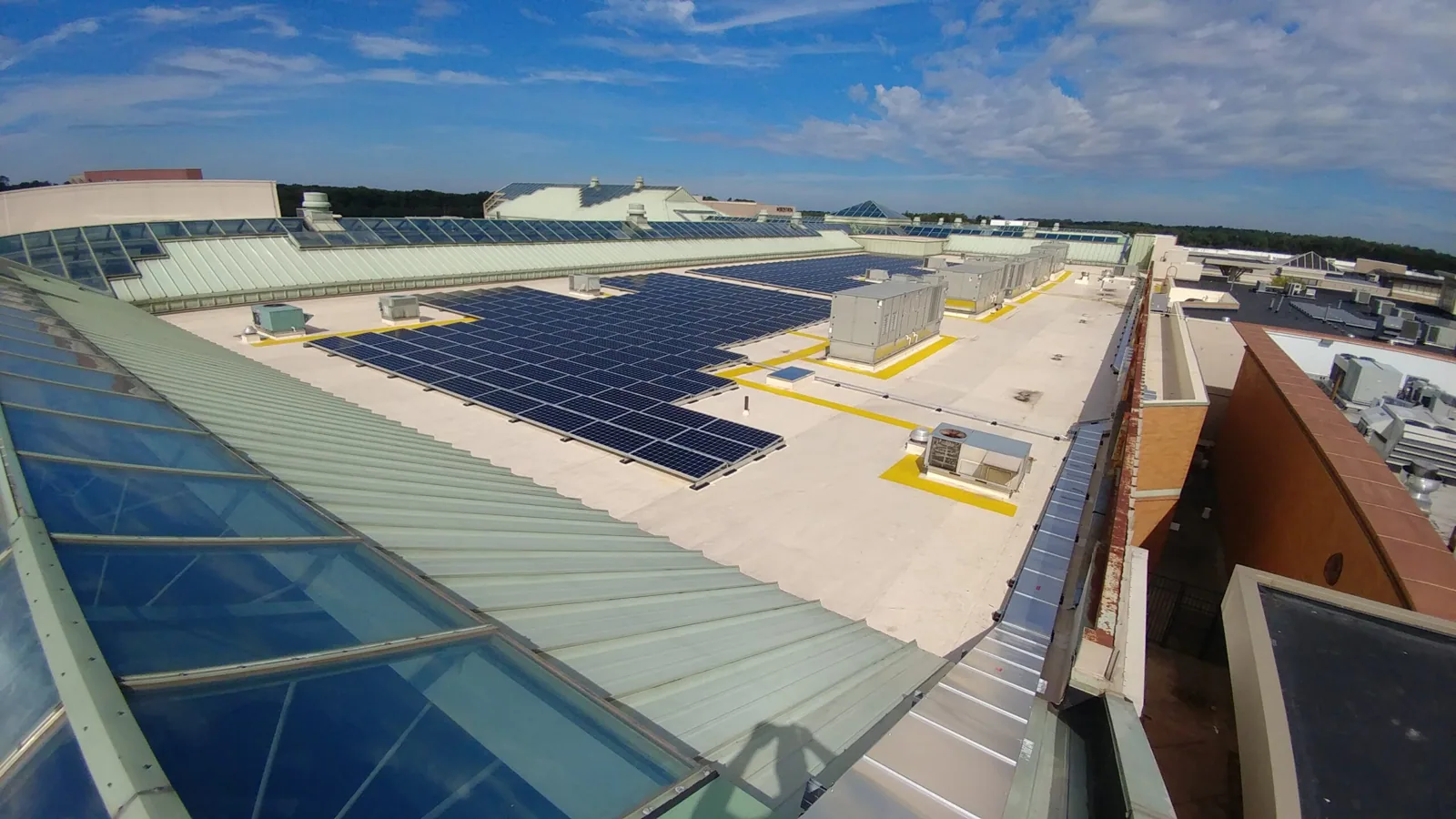
We'll ask where the leak or damage showed up and what you know about the roof and any equipment nearby. Photos, roof records and notes on where water hit inside all help us find the problem faster. Let us know if an engineer, insurer or equipment contractor also needs to look. Once we're on site, we check the actual roof before starting any work.
An urgent leak repair visit separates what you told us from what we confirm on the roof. That matters before we decide how to protect an area. We'll tell you which spot we're focusing on and what has to be checked first. That's more useful than throwing tarps over every place someone saw a drip without knowing what's going on underneath.
Checking the damage safely
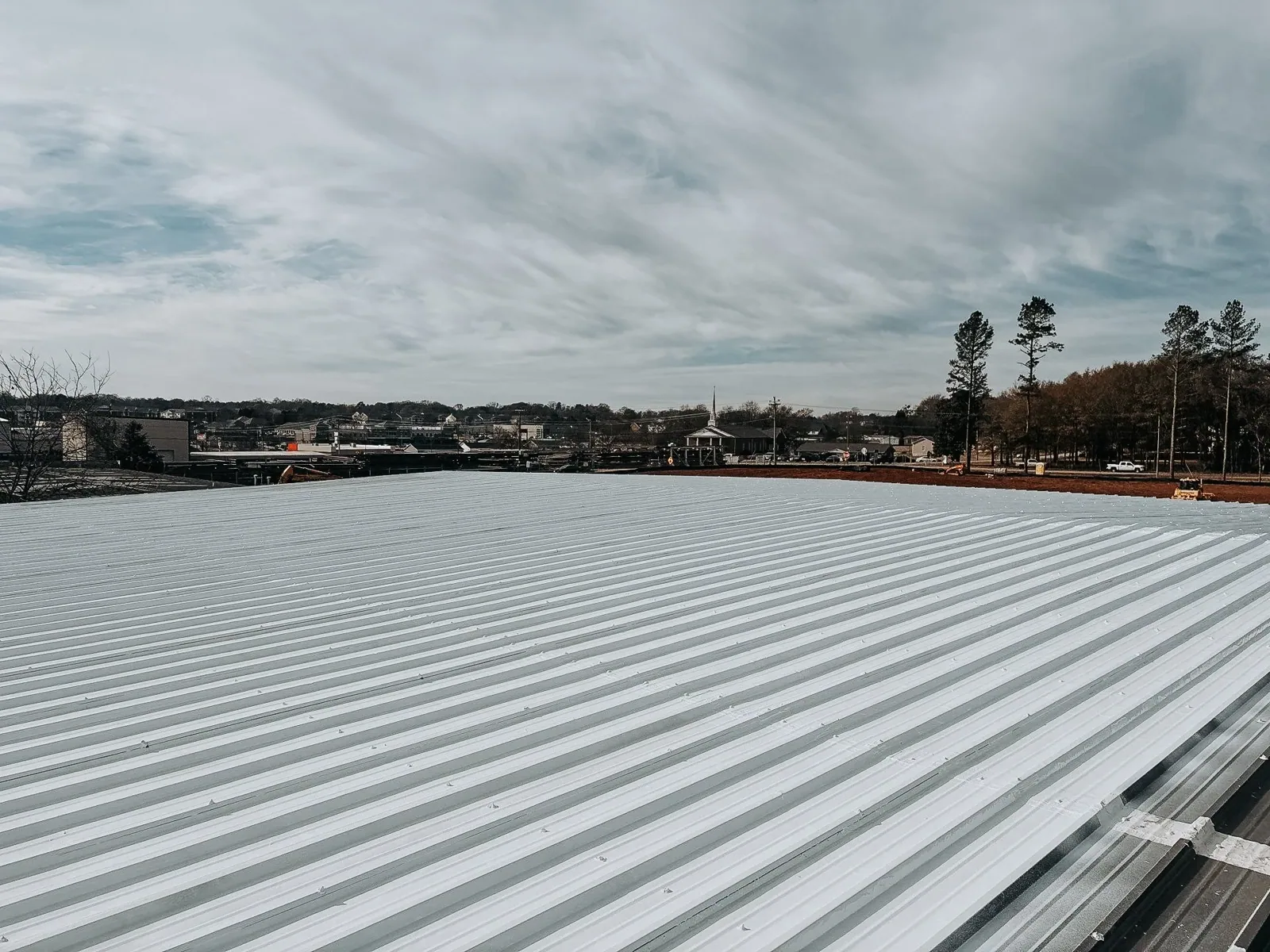
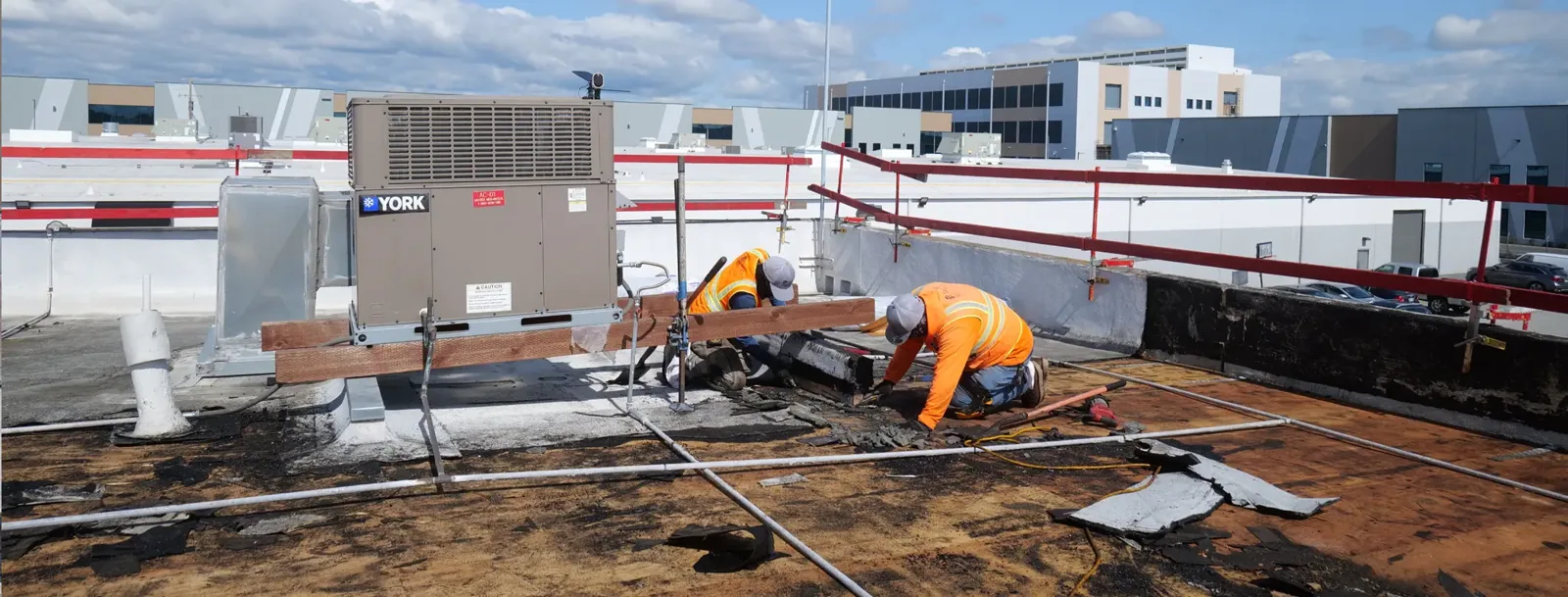
Damaged roofing has to be checked along with the deck, insulation and flashing around it. We look for torn membrane, displaced equipment or edge metal, and areas where a structural engineer or another trade should weigh in. We only start work where the roof is safe to walk and work on. If a section looks unsafe, we keep crews off it and tell you who needs to check it first.
A tornado damage repair starts by mapping the roofing damage separately from any structural questions. A wind damage repair looks at lifted membrane, loose flashing and edge metal and how they were attached. Neither one comes with a standard fix. We explain what we're seeing and what the temporary work will tie into, and we keep any open structural concerns in plain view before choosing materials.
Temporary protection
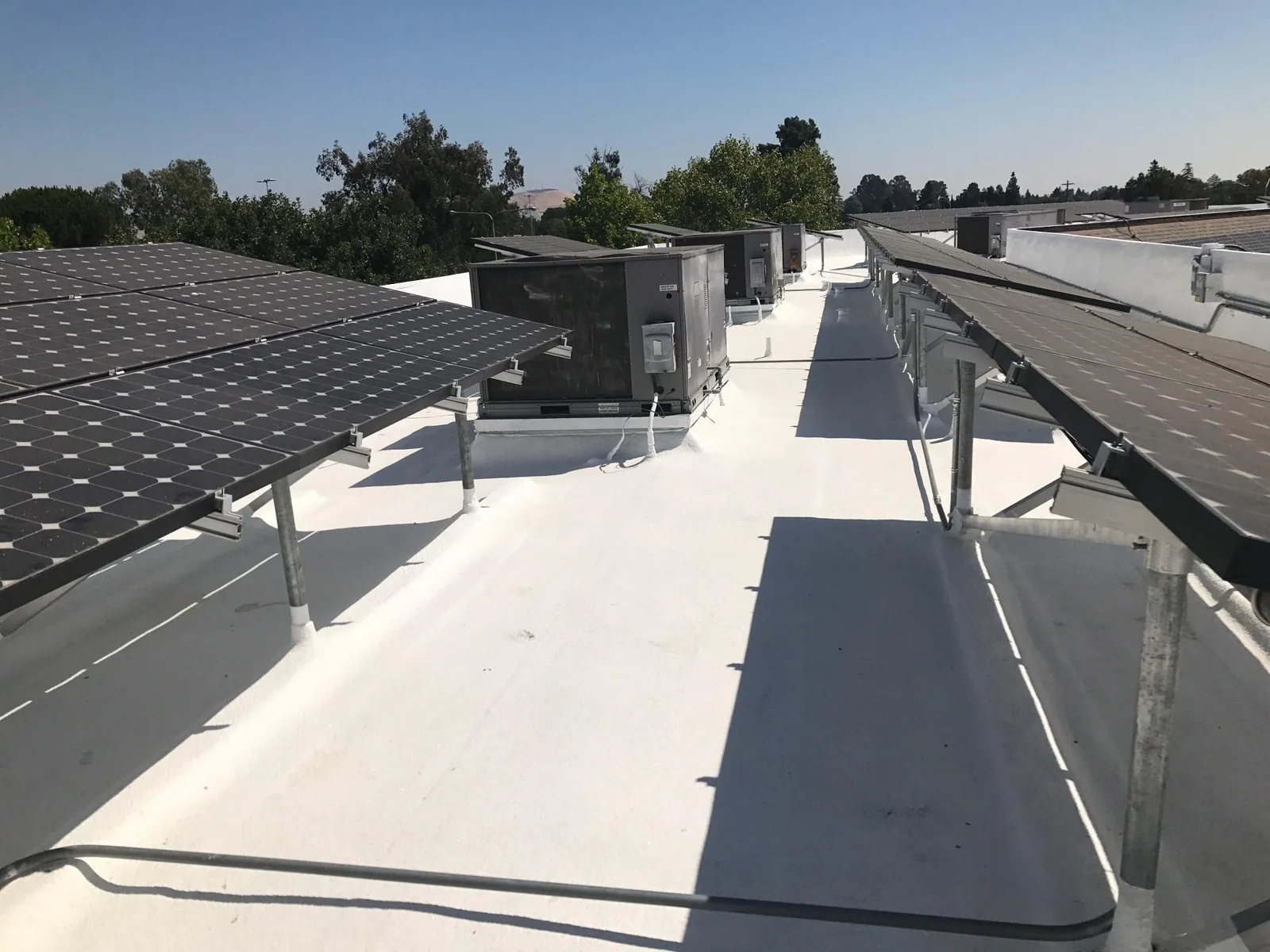
A temporary fix still has to be done right. We choose materials and attachment that won't make the permanent repair harder or damage the roof around it. If equipment or debris has to be moved first, we say so. The estimate states what the temporary work is meant to do and what permanent repair still has to follow. It's always recorded as temporary, never as a finished repair.
We mark where the temporary work is and explain what we'll check once the permanent repair can go ahead. Older roofing, hidden deck damage or displaced equipment may need a closer look before the final repair is set. You get a clear sequence of steps, with protection matched to the damage and the materials on your roof. One tarp-and-screw approach doesn't fit every roof, because each membrane and deck needs its own method.
The permanent repair
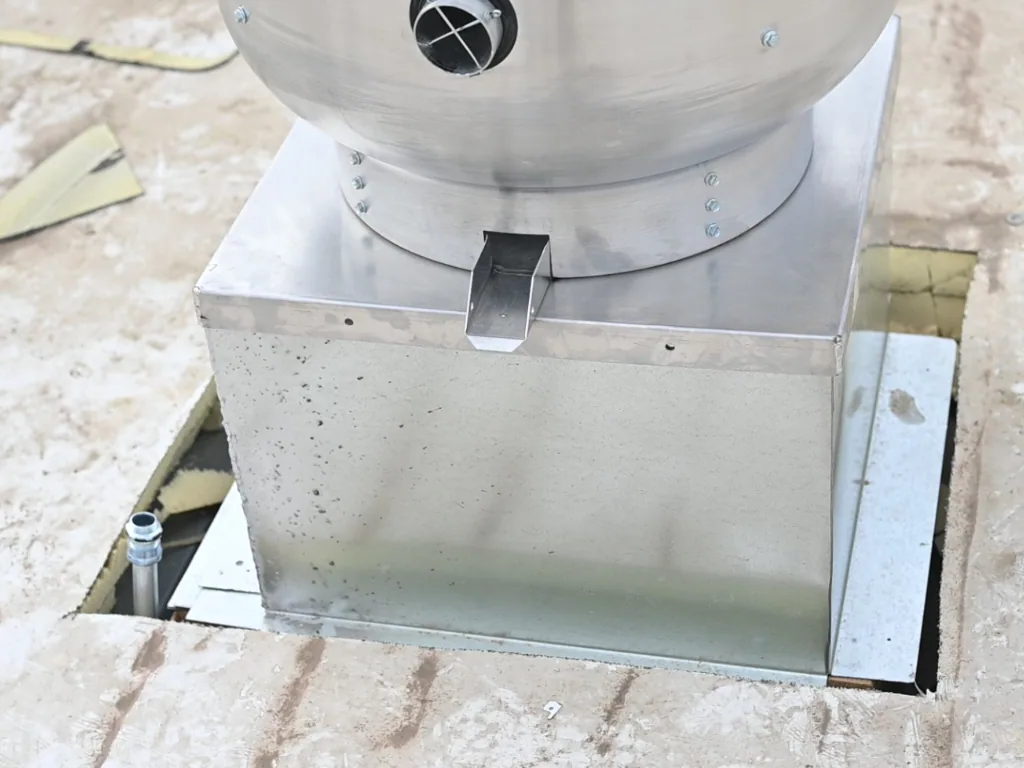
When it's time for the permanent repair, the materials have to match the roof that's there. Old patches and coatings change what the new repair bonds to. We note where they are and confirm the material if we're unsure. Cleaning, cutting out damaged material and repairing wood blocking all belong in the permanent repair price, along with the manufacturer's required checks.
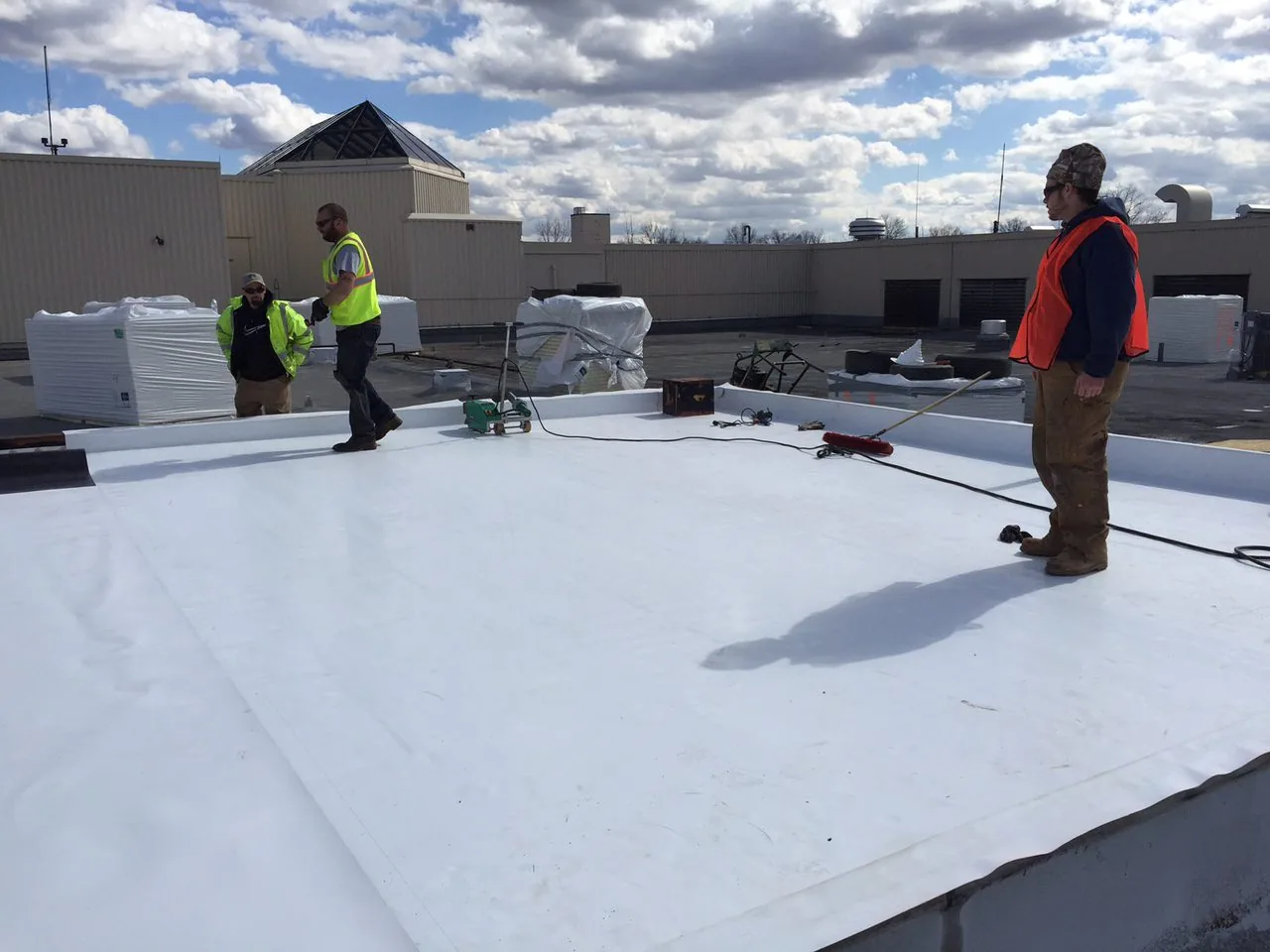
A TPO roof repair after an emergency needs clean, sound membrane to weld to, and that prep gets priced. A modified bitumen repair depends on how many plies were damaged and what the base looks like. You'll see how the final repair follows what we found. A generic storm repair line isn't enough when the new work still has to tie into an unknown patch or a curb that needs fixing.
Keeping temporary and permanent work separate
The temporary work and the final repair get recorded separately. We note where we worked, what materials we used and what prep we did, plus what's still unfinished. Photos show enough of the surrounding roof that anyone can find the spot again. That way nobody mistakes a temporary patch for a finished repair.
A storm damage repair scope should build on those emergency notes and photos. Insurance, lease or warranty questions are handled separately with the right people. Our records can help by showing exactly what we found and did, but they don't guarantee a claim payment or prove a storm caused the damage.
Emergency work involves two separate decisions: how to stop the water now, and what permanent work will fix the roof. The first scope should mark the opening, say how much area the temporary protection covers, and note anything still unsafe or out of reach. It should list the materials and fasteners used and when we'll check it again, especially before the next round of weather. A tarp or temporary patch should never show up in your records as a finished repair. Once the roof is safe and we have enough information, we check the membrane, seams, penetrations and deck around the damage before scoping the permanent fix. That price includes prep and any related curb or carpentry work. Then the emergency job closes out with a clear link to the permanent repair, so the emergency invoice isn't mistaken for the full repair budget.
Planning emergency work at your building
For a public or office building, have the facility contact tell us where the damage is and share photos and any site rules. We'll check what can be safely inspected and coordinate with whoever manages the building before work starts. Then we plan the inspection and access the job needs before roofing begins.
For emergency roof repair in downtown Arlington, you'll get a plain summary of what we found and what we did. We list open material questions, curb or carpentry repairs, and the prep needed for the final fix. That gives the next crew a clear record to work from, with a clean line between the temporary protection and the permanent repair. You can make the remaining decisions based on what's actually on the roof, not guesses about storm damage.
Common Questions
What should I send with an emergency roof repair request?
Where you're seeing water or damage, photos if you can safely take them, any roof records, and site access instructions. That helps us plan a safe response.
Does a storm hitting Arlington mean my roof is damaged?
Not necessarily. We inspect the roof and nearby equipment to see what's actually damaged, and we flag anything that needs another trade to check before we set the repair scope.
How is a temporary fix different from the permanent repair in the records?
They're listed separately, with locations for each. The record says what the temporary work did and what checks, curb repairs or prep still need to happen before the final repair.
Will emergency repair photos guarantee my insurance claim gets paid?
No. Photos document what we found and what we did, which can help a claim. Coverage and payment are decided by your insurer under your policy, not by the roofing record.
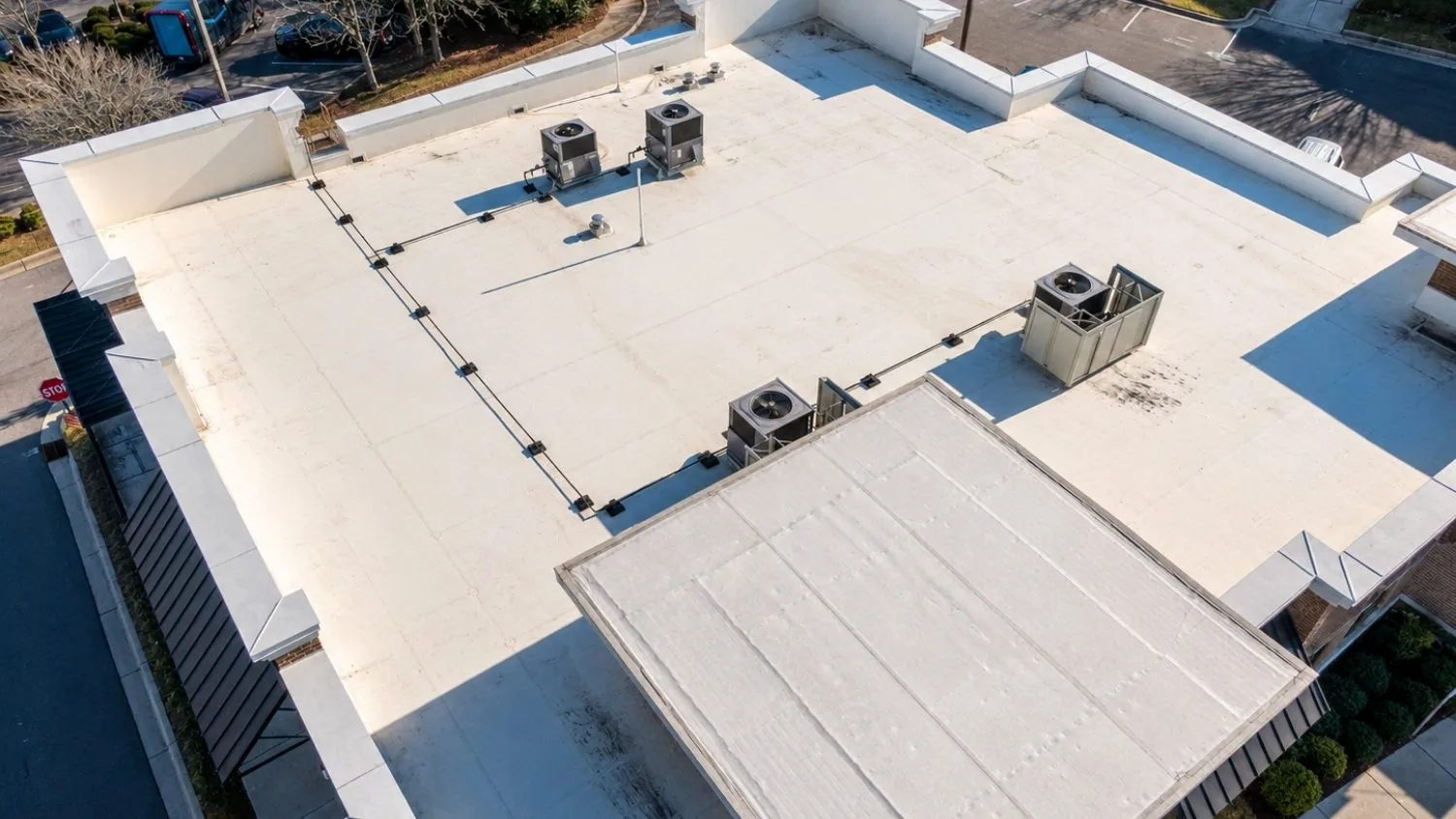
Tell us where the damage is
Request an emergency assessment for your Arlington building and send photos if you can. We'll document what we find and explain the temporary and permanent repair.
- urgent leak examination comparing supplied observations with roof findings
- tornado-related assessment separating observed roofing defects from supporting questions
- wind review identifying affected components and their connections
- TPO detail review identifying the sheet after immediate protection
- modified-bitumen examination defining damaged layers and supporting correction
- storm repair scope developed from located examination and protection records
- downtown Arlington emergency roofing with immediate and permanent duties recorded