
Commercial Roofing for Healthcare Systems in Arlington
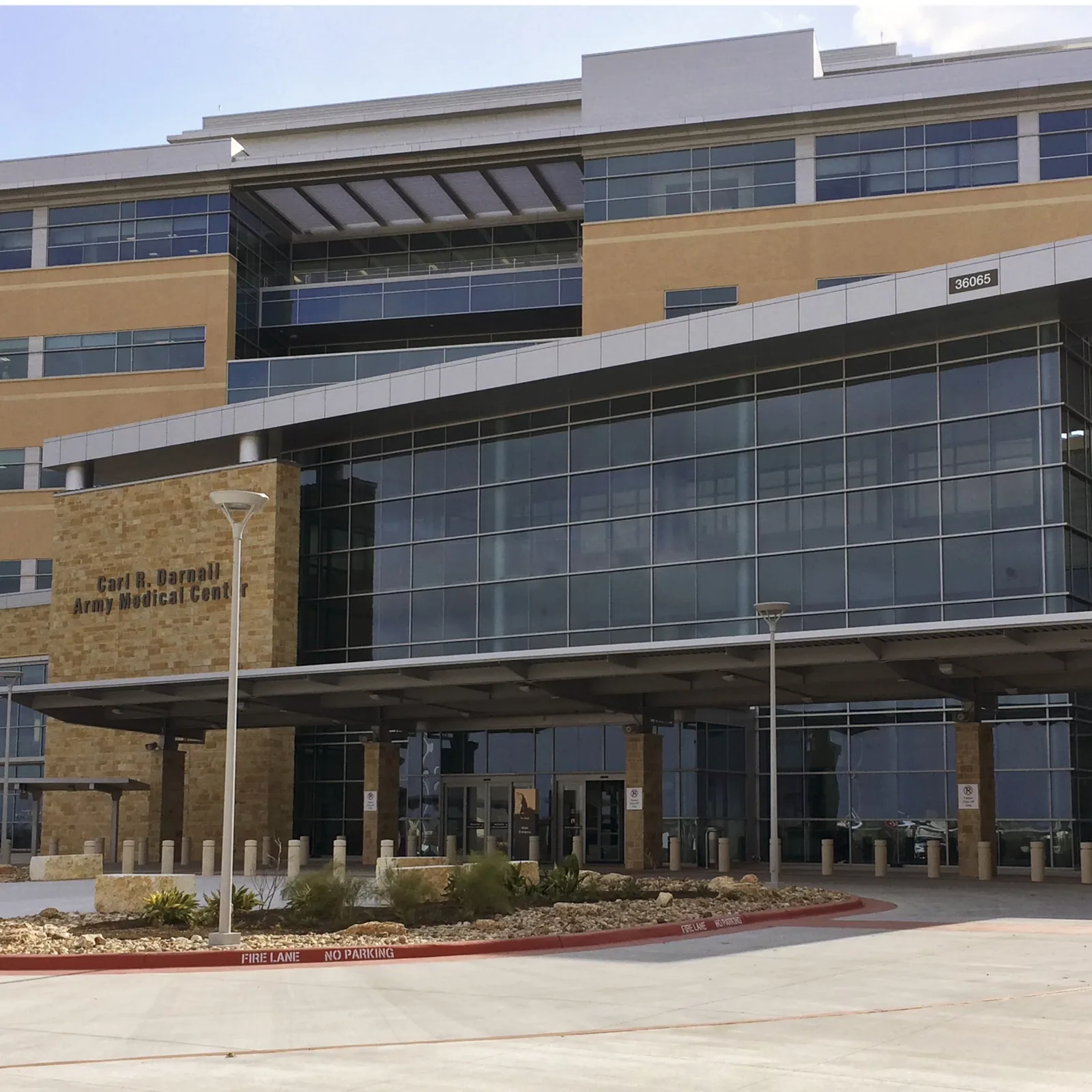
Healthcare Systems
Healthcare roofing in Arlington, TX: inspections, repairs and coating restorations planned around infection control, air intakes and patient areas, with photo.
Opening a roof over a hospital or clinic in Arlington means answering two questions before the first cut: what's under the membrane, and what's under the roof. The facility manager needs to know who approves the work, which infection-control or dust rules apply to the area below and how the opening will be sealed if the work runs past the end of the shift. We plan those things alongside the roofing, not after the roof is already open. The price should cover the roof repair and any facility or equipment work it depends on.
Whether the job comes through a property management company or a public agency with its own procedures, we need a clearly marked work area and approval for any testing. We also ask how the facility team will pass instructions to the people working in that area.
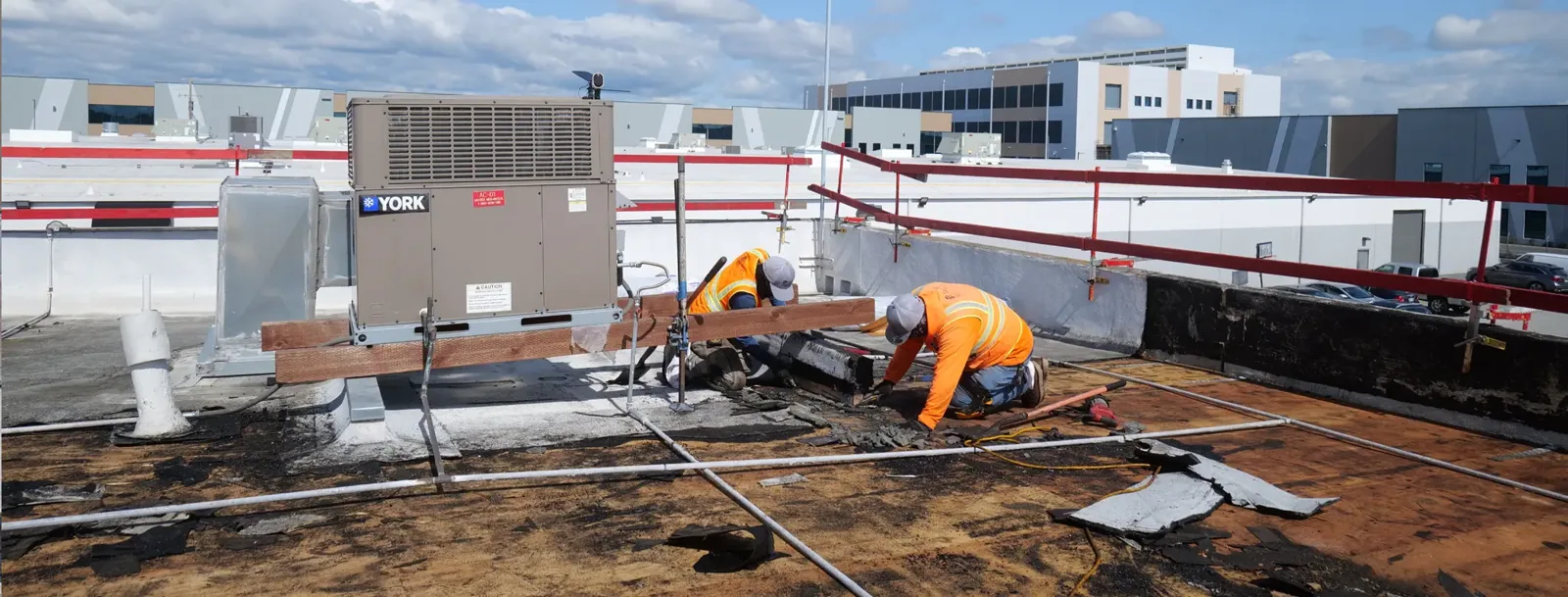
Inspection: identify the roof area and its condition
We inspect the membrane, seams and flashing in the work area and note what we find. Older roof records help, but we check them against what's on the roof now, since a repair done after the original installation may have changed things. If we still need to confirm the system before choosing materials, we say so and note which part of the roof that question affects.
A roof coating restoration for a healthcare building should say whether the existing roof is a good candidate and what repairs come first. Failed seams, open flashing and wet spots have to be fixed before any coating goes on. A coating won't fix a bad detail under it or next to it.
If a leak inside led us to the area, we keep track of any part of the water path we couldn't confirm. Our inspection covers the area we were asked to look at. Good results in one section don't tell you about membrane or insulation we haven't checked elsewhere on the campus.
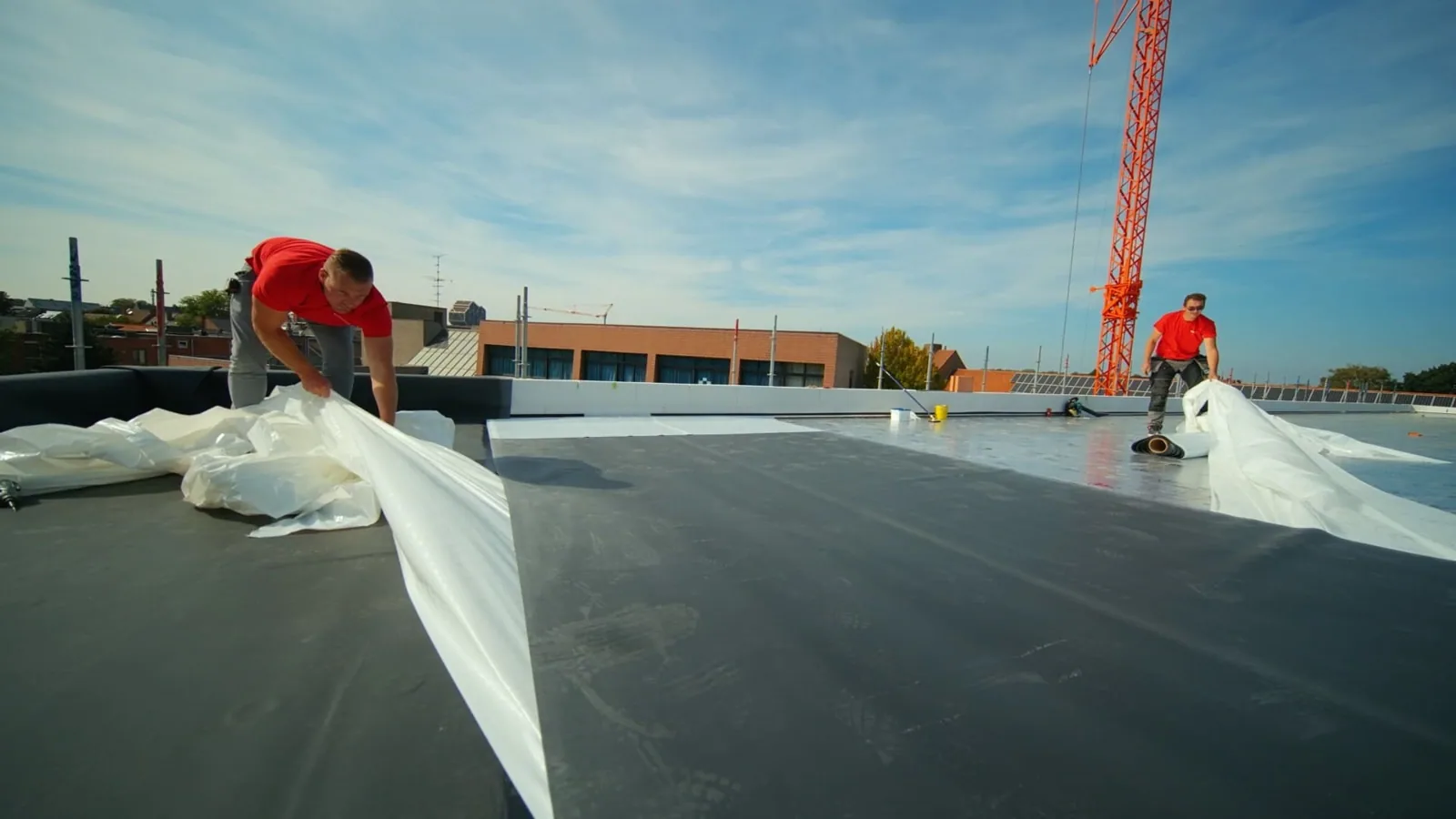
Opening the roof: protection between work periods
When a repair needs a look under the membrane, we tell you how big the test opening will be and where, before you approve it. We ask the facility contact what has to be arranged inside before that part of the roof is opened. We also explain what the test is meant to answer: whether the insulation can stay, has to come out or changes the repair. Where the permanent repair needs dry, solid layers underneath, we confirm it.
On a hospital roof, we agree in advance how an opening gets sealed if the permanent repair can't be finished in the day's work window. We note where the temporary seal is, what it's protecting and what permanent work is still owed. The facility manager knows the status before the next shift starts, and everyone knows who is checking that spot.
If testing turns up wet or damaged material, we photograph it before anything new covers it. We explain the revised tear-off or rebuild to your contact and get approval for the change. A temporary seal has one job while that decision is made, and its record shows where it is and what repair is still pending. That lets the facility team plan the next step from where the roof actually stands.
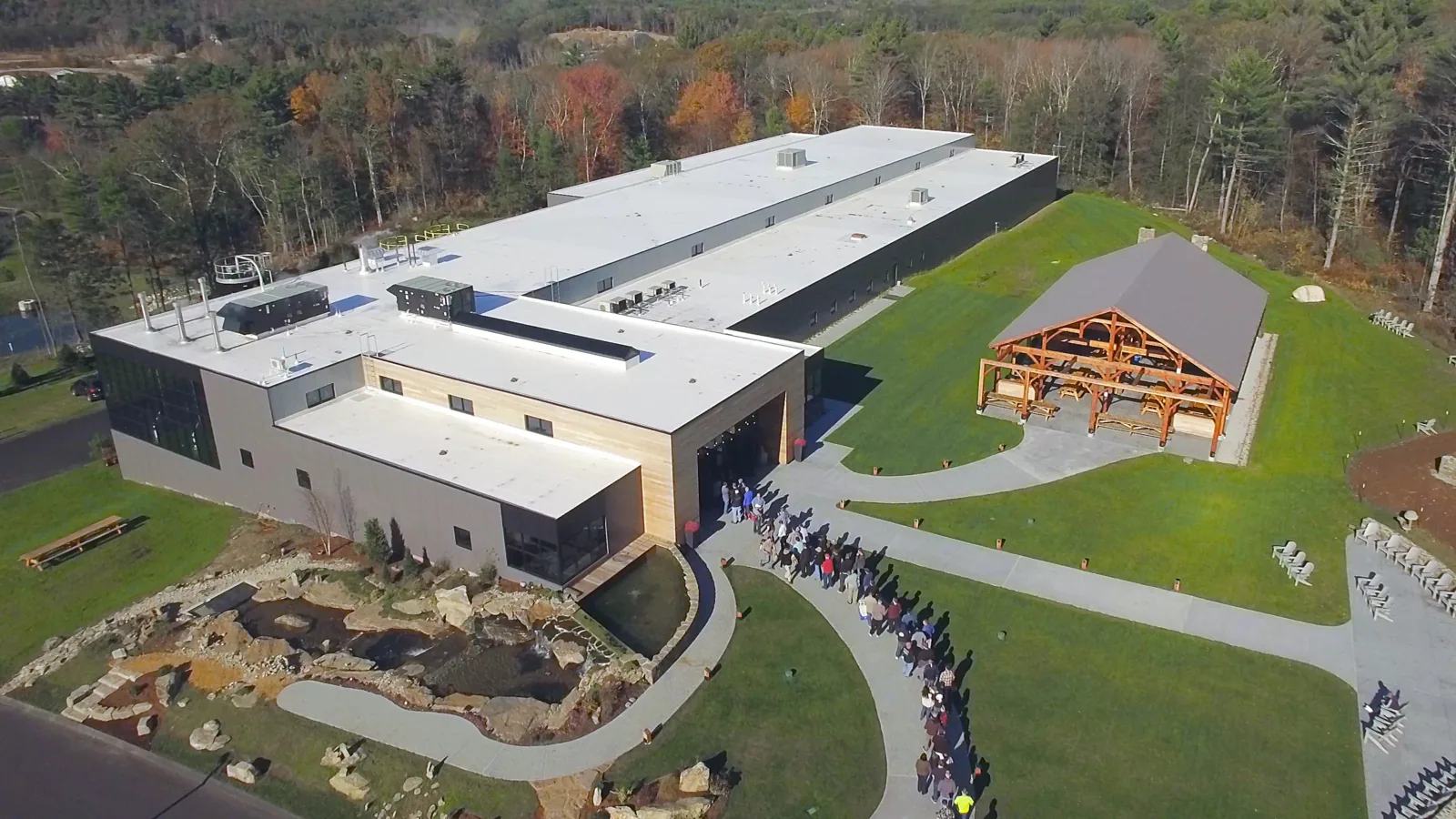
Compatibility: repair the existing details first
We confirm the membrane where the repair will tie in and check that the surrounding material is sound enough to bond to. Repairs to details have to match that roof system and the manufacturer's requirements. A curb or penetration added after the original roof may use different materials than the records show. If we can't settle the right method yet, we say so instead of guessing.
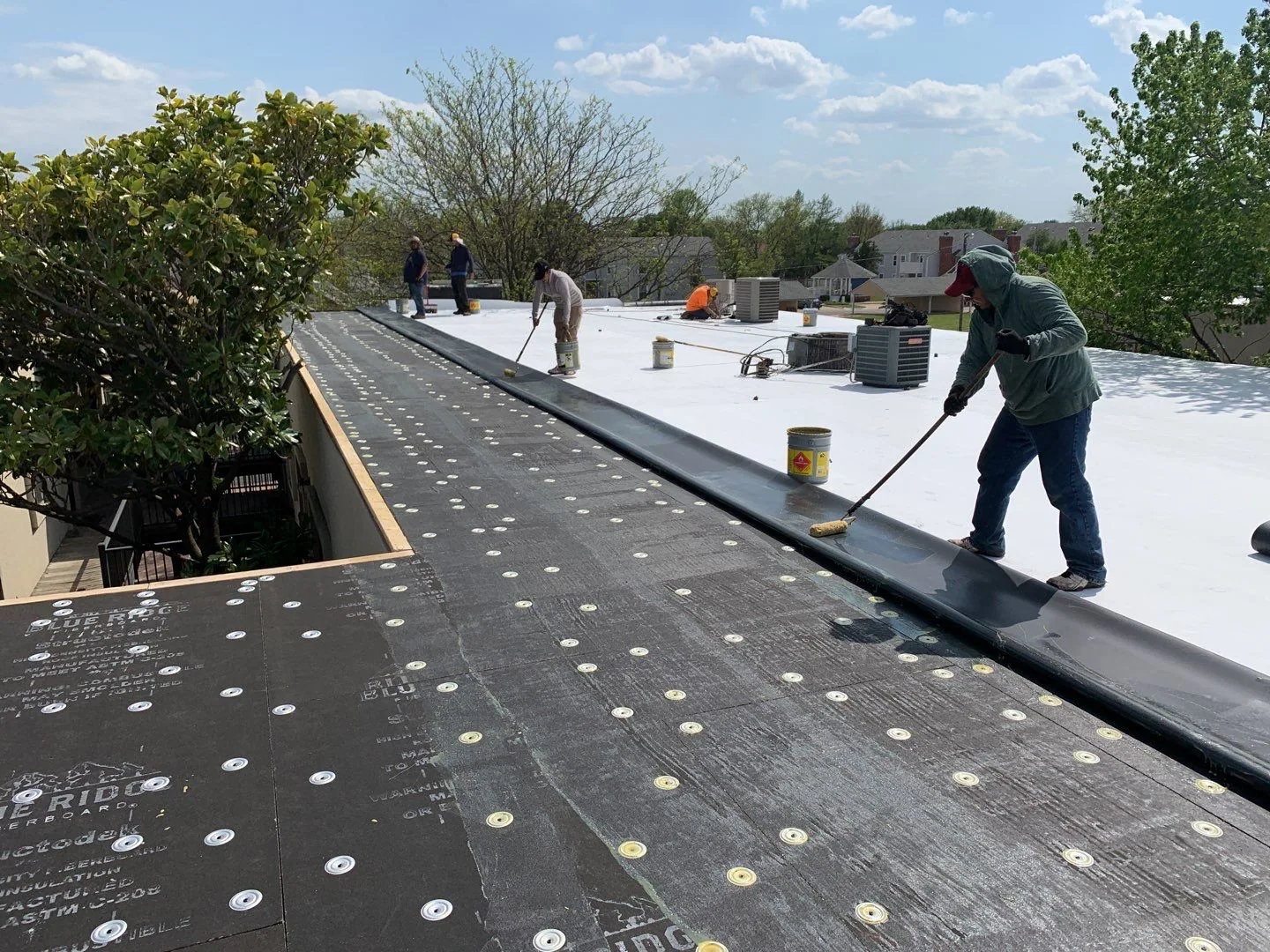
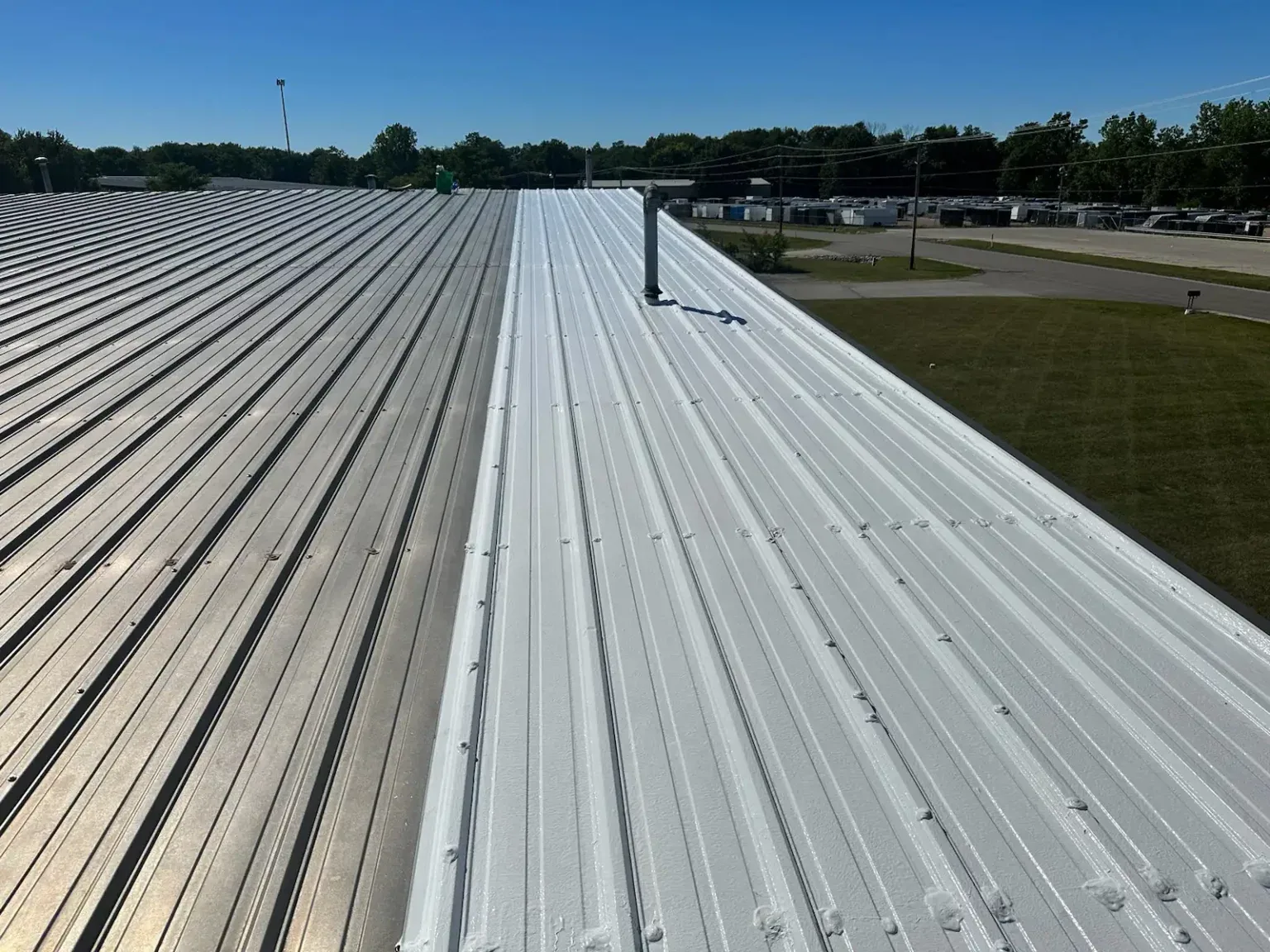
Silicone roof coatings only make sense on the right membrane and in the right condition. Another roof may need a different coating or a repair instead. Where a new pipe or unit has been added, we check the flashing and the membrane around it and decide whether that detail needs repair before the coating goes on.
Open seams and failed flashing get fixed before the roof is coated. We explain the repair at each detail before cleaning and prep start. Power washing won't close a seam or replace torn membrane. The facility manager should understand how those repairs leave a sound surface for the coating.
Facility rules: settle them before work starts
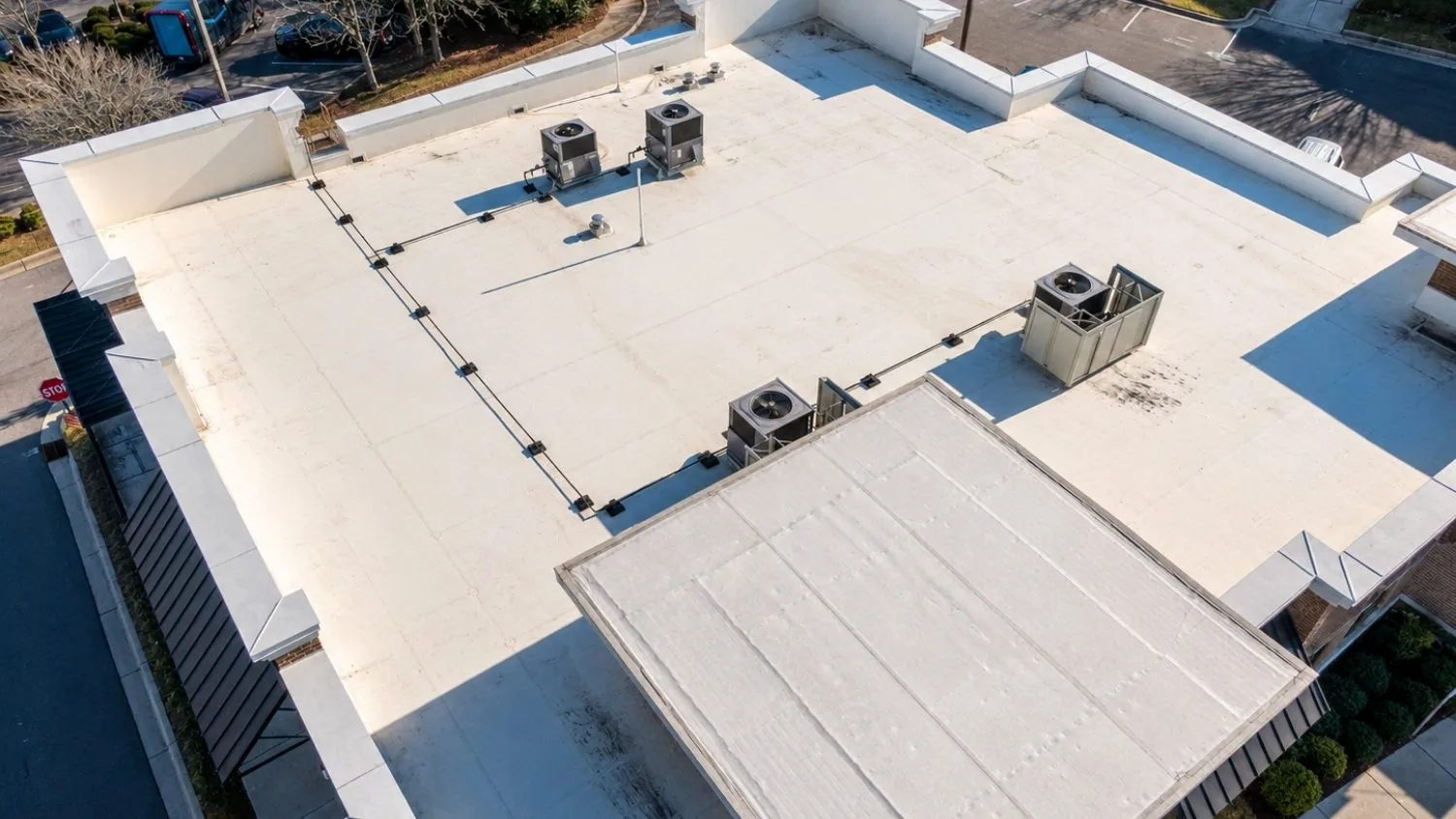
Before scheduling roof work at a healthcare building, we ask the facility team whether infection-control, dust or air-intake rules apply to the area. Where it matters, we walk the roof with your representative to locate air intakes, entrances and sensitive equipment. We write down the instructions we're given and note who has to answer any open question before work begins. A roof plan shows us where the work is; your facility team tells us the rules for working there.
For healthcare buildings in Kennedale as well as Arlington, we review roof access and staging around the actual work area. We ask which routes we can use and whether any other contractor's work has to happen first. The price shows the roofing and the arrangements still needed to deliver it. That way you're dealing with a specific job, not a broad label that assumes every facility question is already answered.
When another contractor handles a pipe, vent or rooftop unit, we agree on who fixes the equipment and who seals the membrane to it. We settle what has to come first and how we'll know their part is done. Our roof repairs and prep are finished before the final flashing or coating. Temporary protection stays marked until the equipment or material decision clears the way for the permanent seal.
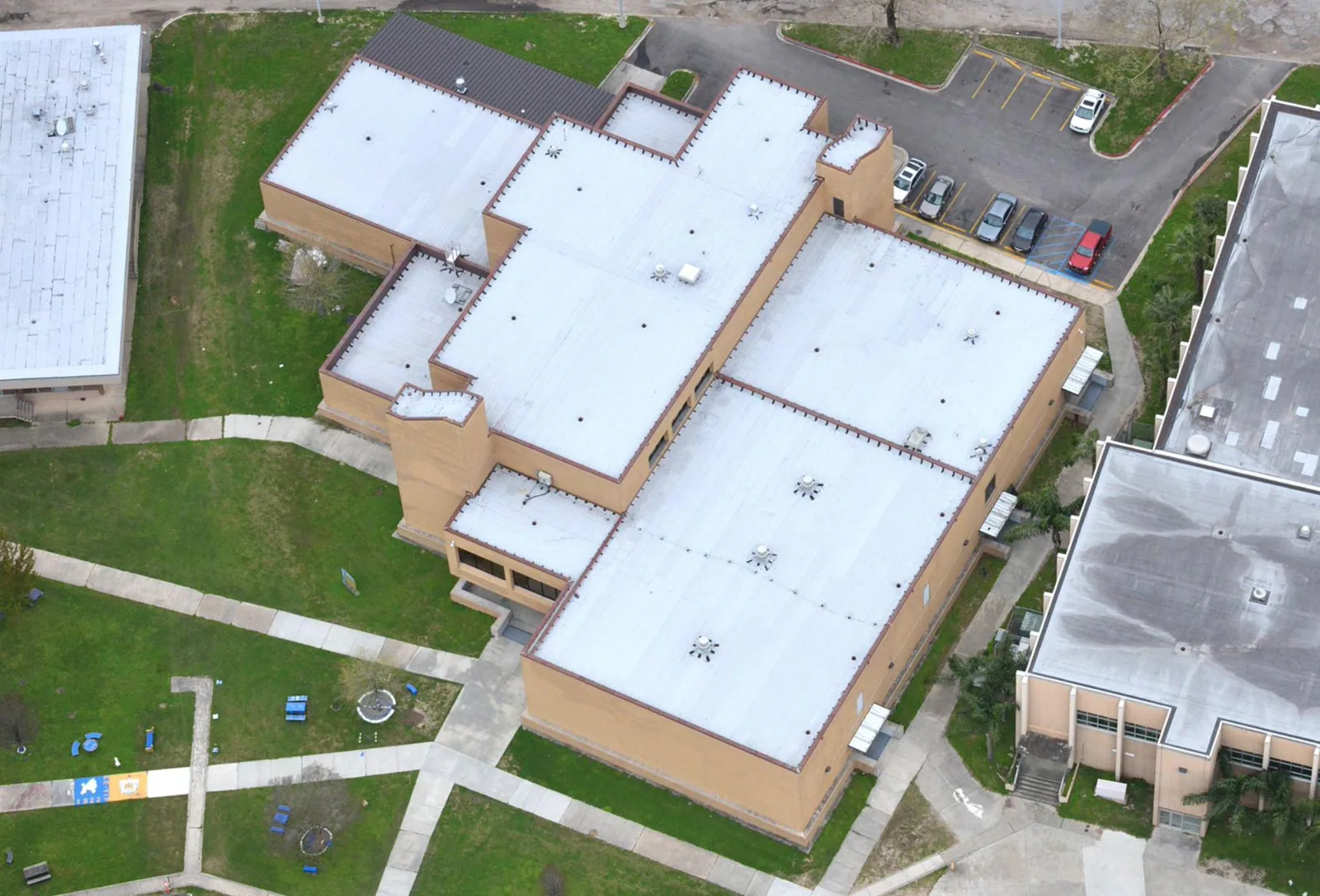
Photo records: what's under the finished roof
We photograph exposed insulation, deck and detail repairs before new material or prep covers them. We also photograph the prepared surface and the finished work, with locations marked on the roof plan. Those photos let your facilities team see the work behind the finished surface. A photo taken only at the end can't show what decisions were made about the insulation or which seams were repaired.
A roof condition report for a healthcare roof shows our findings, the repairs completed and anything that still needs a closer look. It lists areas we didn't inspect and keeps temporary patches separate from permanent work. The report supports future decisions with real evidence, without stretching one area's results across the whole roof.
Work near Texas Health Arlington Memorial and the west Arlington district follows the same approach, with each building inspected and scoped on its own. Any change in scope stays tied to what we found and the repair we then made. The next inspector should be able to follow the record from the first inspection through the testing, the repairs and the finished work.
Common Questions
What should a healthcare roof coating price include?
The areas of existing roof being kept, the repairs that have to happen before coating, and any testing still needed. Failed seams and flashing should be repaired and priced before prep and coating, because a coating over bad details won't hold.
How do you confirm what roof system is on the building?
We inspect the membrane in the work area and the details around it, then compare what we see with your older records. If a later repair or addition changed the membrane or flashing, we sort that out before choosing repair materials and prep.
What happens if you find wet or damaged insulation?
We photograph it and explain whether it needs to be removed, can stay or changes the rebuild. You approve the change before we close the roof up. Any temporary seal stays in place and is noted, along with the permanent work still to be done.
Who sets the rules for working at a healthcare building?
Your facility representative. They confirm access, staging, infection-control and dust requirements and any coordination with other contractors. If another trade's work has to happen first, we track its progress at the affected detail.
What records show the work under the finished surface?
Photos of the exposed deck and insulation, the repaired details, the prepped surface and the finished work, each tied to a roof location. The report also lists anything not inspected or still under investigation, so the next reviewer knows exactly what was done.
Plan your Arlington healthcare roof project
Send us the building address and the roof problem you're seeing. We'll inspect the area, explain the repairs it needs, the prep for any coating or rebuild, and the photo records you'll get for your facilities team.
- property managers reviewing healthcare membrane corrections
- public agencies defining their own roof investigation duties
- roof coating restoration scope specifying retained healthcare roofing and necessary prior repairs
- hospital property requiring defined roof support investigation before restoration
- silicone roof coating work following identified covering and repaired compatible details
- roof condition report locating healthcare restoration findings and delivered corrections
- the Texas Health Arlington Memorial area through independently examined roof assignments