
Roof Condition Reports in Arlington, TX
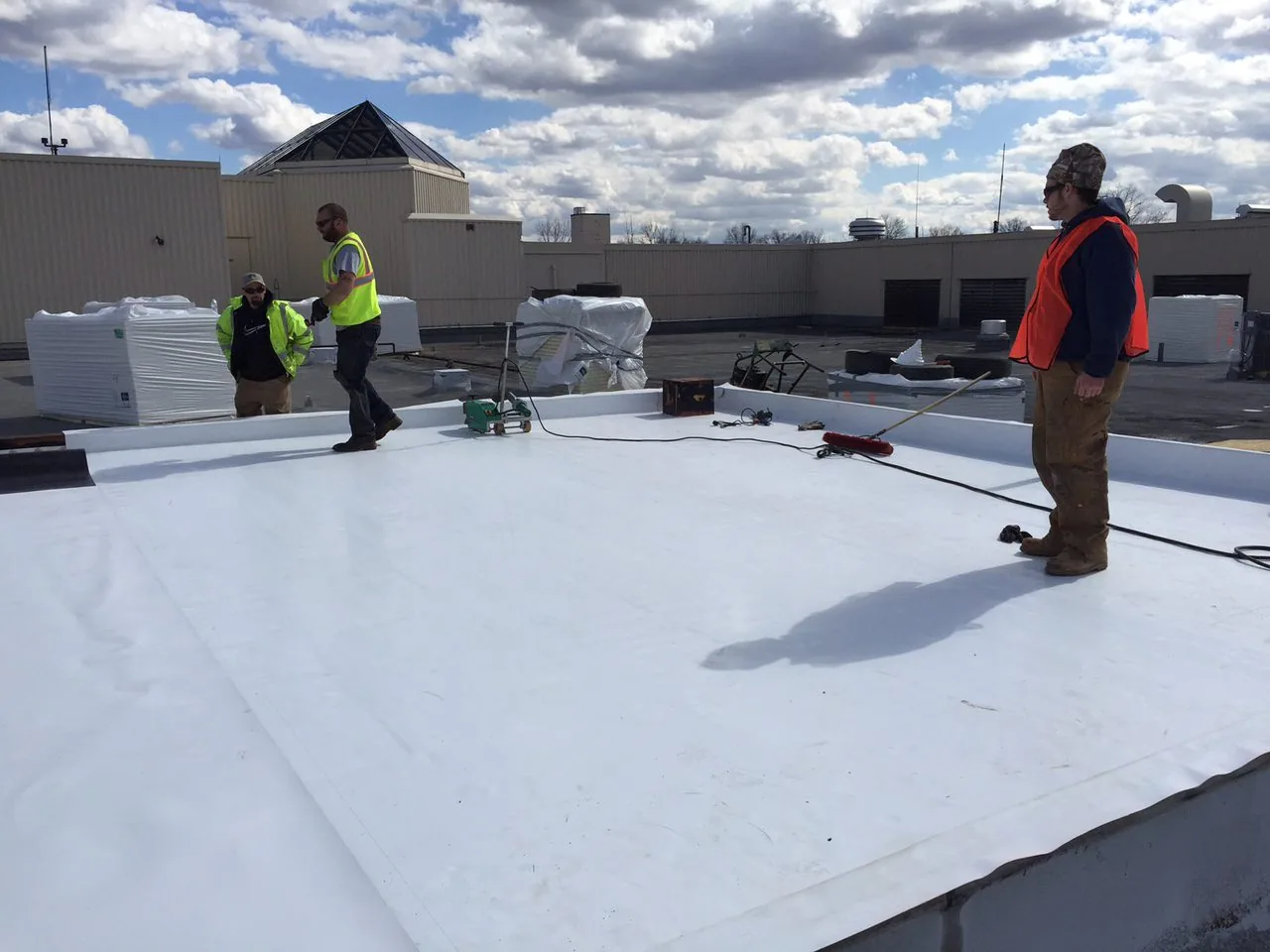
Roof Condition Reports
Get an Arlington roof condition report that connects visible defects, inspection limits and further investigation to clear repair and replacement decisions.
The EF-2 tornado in Arlington on November 24, 2020 is a dated local event. It is not a condition assessment for a particular building today. A useful roof condition report distinguishes a building's documented history from what the current inspection can establish. If earlier repairs followed a storm, locate those repairs and compare them with present findings. Where the history is missing, leave that uncertainty visible instead of inventing a cause for every mark on the covering.
Commercial Roofing Services Arlington prepares reports that an owner can use to authorize the next step. The report identifies accessible roof areas, visible defects, the limits of examination and the work or investigation recommended. Its value comes from connecting a finding to a practical decision. A collection of close photographs without locations, or an unexplained recommendation to replace the entire roof, leaves too much of that decision to guesswork.
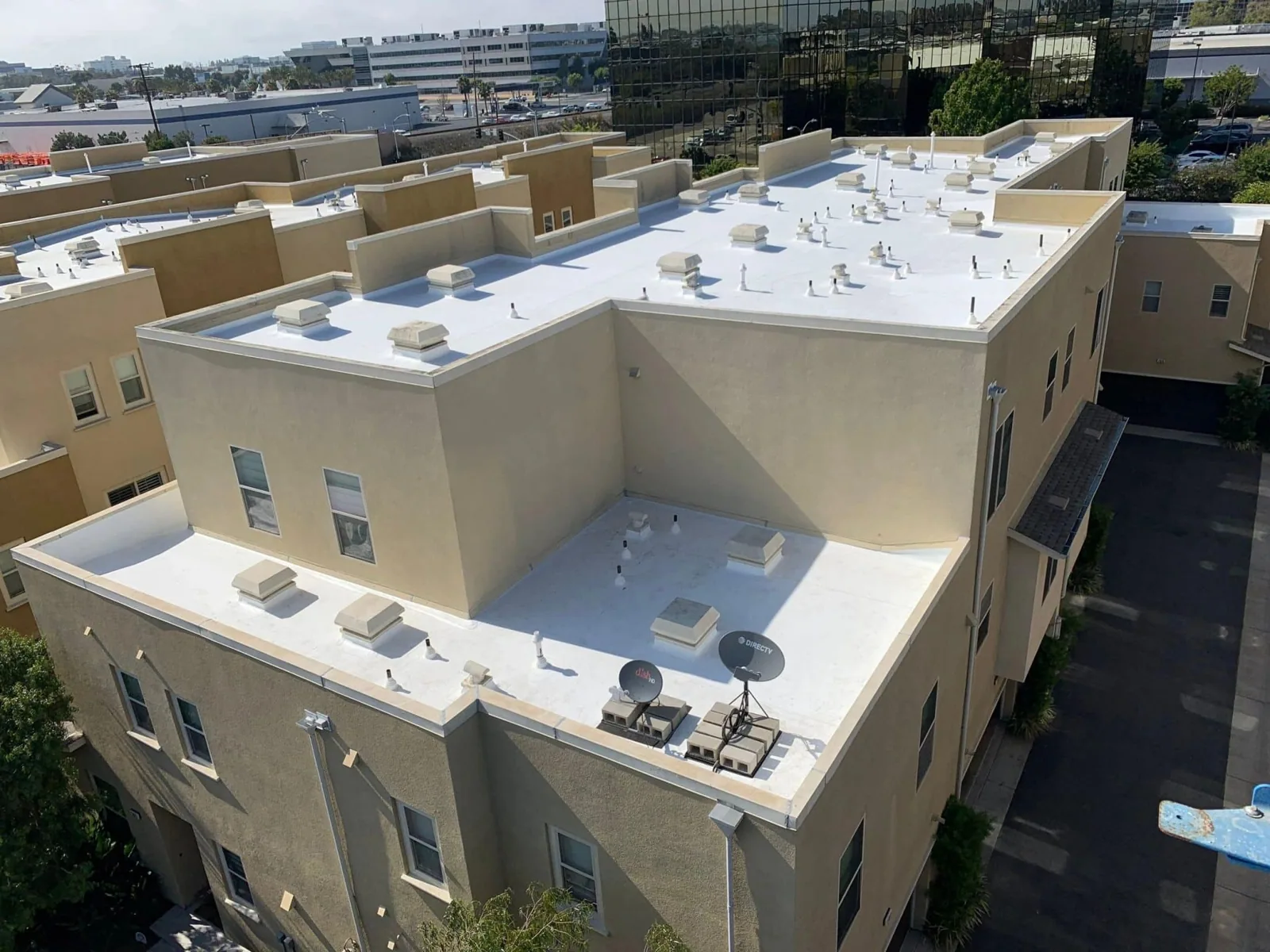
Inspection limits: show where the review stopped
Identify the building and the areas examined before describing condition. Record the visit date, available access and information supplied about the assembly. Some areas may be concealed, inaccessible or unsafe to approach. List them explicitly. A report based on accessible surfaces should not imply that every concealed layer or support was examined. Where a limitation affects the proposed work, explain the additional information needed.
A commercial roof inspection provides direct observations from the assigned area. Available plans and repair documents can help interpret those observations, but their age and completeness matter. An old detail may show an intended installation without proving it was built that way. Keep document information separate from field findings so an owner can see which conclusions rely on records and which conditions were actually observed.
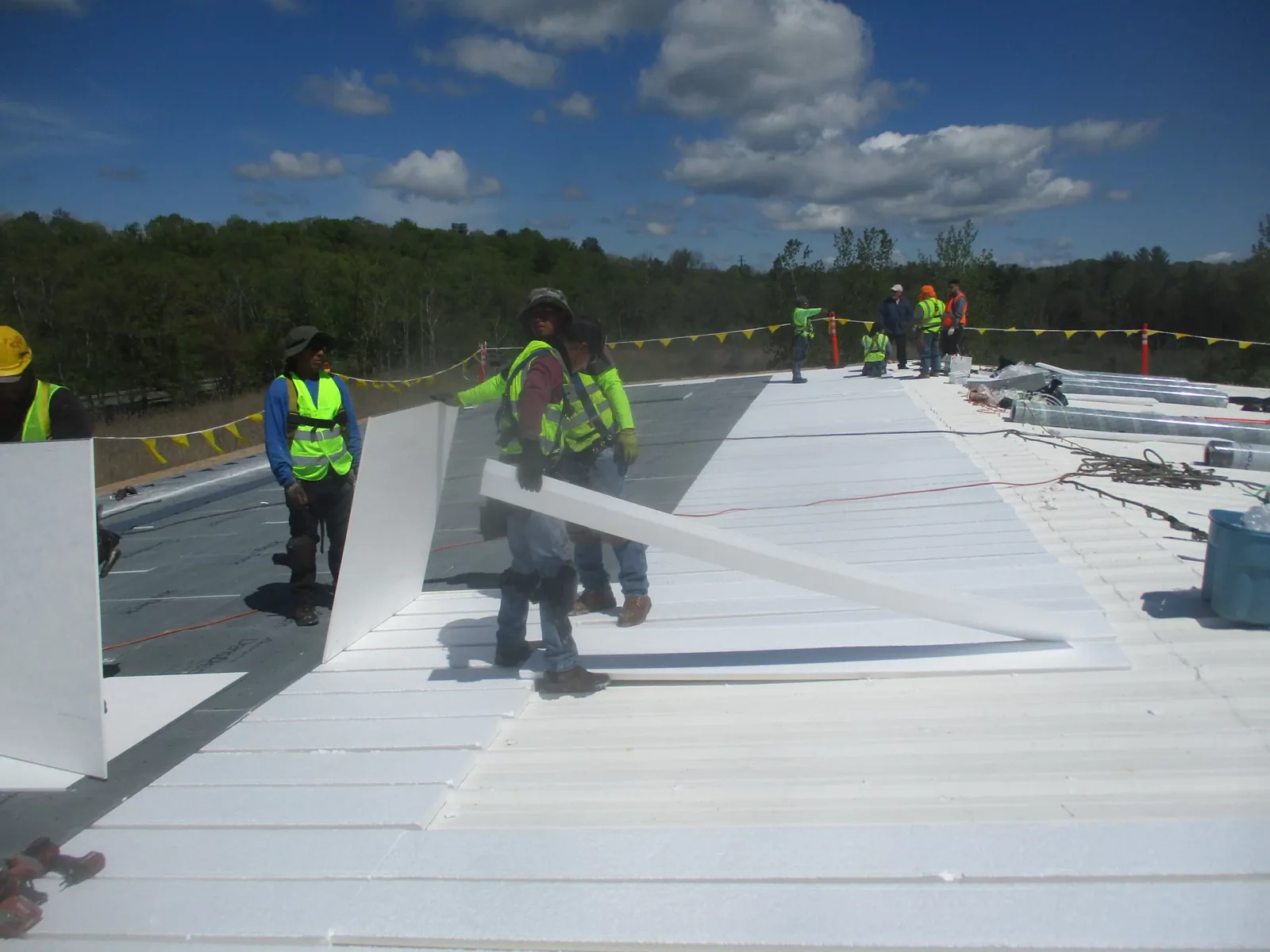
Findings: locate the defect and its surroundings
Photograph a defect closely enough to show its character and broadly enough to locate it. A split near a drain needs a relationship to that drain and the adjoining membrane, not just an isolated image of the split. Describe its accessible edges and the condition around them. The repair may need to extend beyond the visible opening to make a connection with material suitable for the selected method.
The same approach applies to loose edge components, failed flashing and other roof interfaces. Identify whether the concern involves the covering, its attachment or an adjoining component. Recommend the relevant investigation or specialist review where the cause remains unclear. If several defects appear unrelated, do not merge them into one convenient explanation. A condition report should preserve enough detail for the later repair proposal to follow the actual problem.
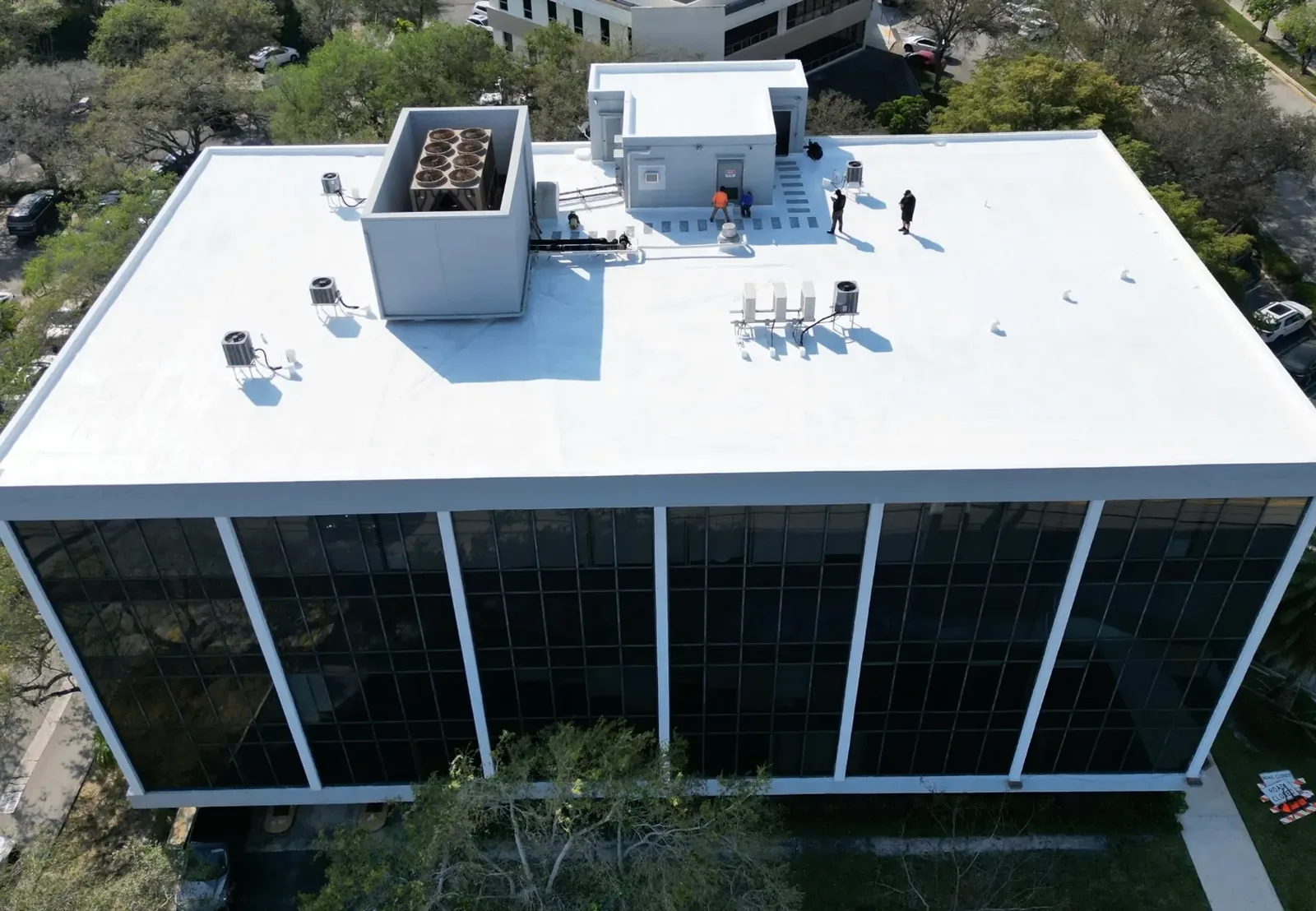
Hidden layers: investigate when the decision needs it
A sound-looking membrane cannot establish that the underlying layers are dry or suitable to retain. Where indications and construction choices warrant investigation, explain the method proposed and what it can establish. A suitable infrared moisture survey may help identify areas for closer examination under appropriate conditions. Interpret its indications alongside the assembly information and confirm relevant conditions before assigning removal or declaring an area suitable for retention.
Investigation openings require permission, protection and restoration. State those arrangements with the proposed inquiry. If an opening reveals material that changes the expected repair, document it while visible and explain how the construction choice changes. The report should identify both the confirmed condition and the limits of the opening. One dry examination point is not proof that every other concealed section is dry.
Recommendations: identify the next complete step
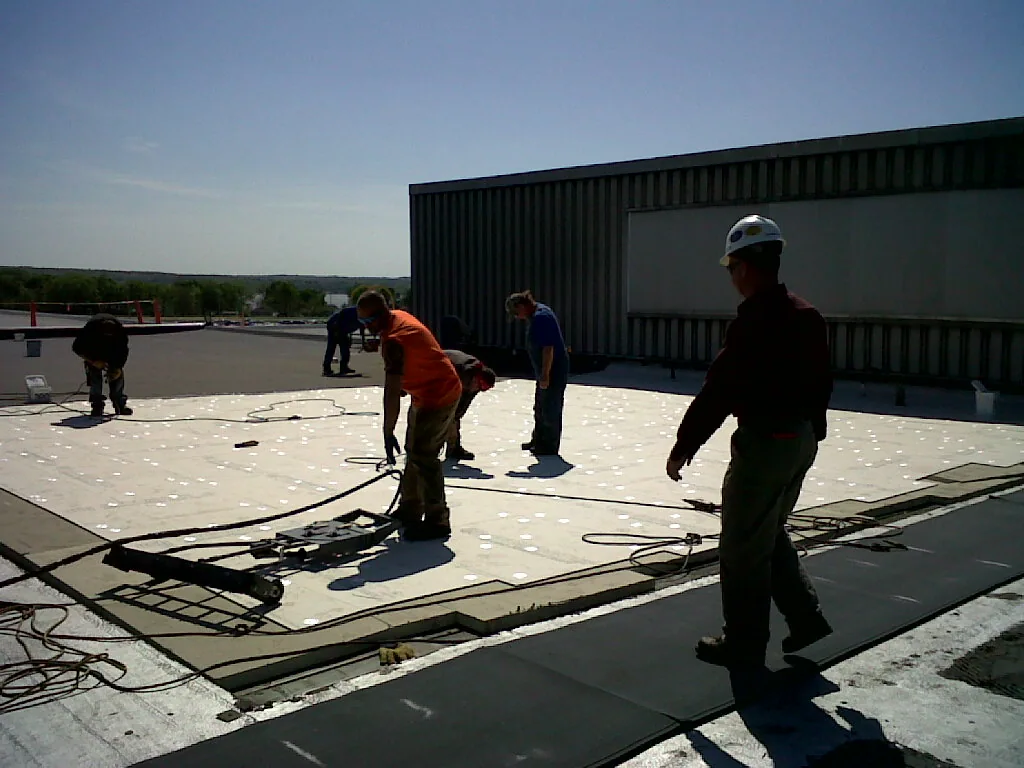
A recommendation should follow the finding it addresses. A defined commercial roof repair may be appropriate where a localized defect can be corrected with compatible work. Wider investigation may be necessary when hidden conditions control the method. Where a replacement comparison is justified, explain the condition behind it and the information still needed to define removal, rebuilding and adjoining details.
Prioritize immediate protection separately from later improvements. Indicate the consequence of leaving a defect unresolved without inventing a precise failure date. An owner should understand why one action needs prompt attention and another may be considered during the next budget review. Roof capital planning can develop the alternatives into costed work packages, keeping the report's assumptions and unresolved questions attached to those amounts.
Arlington report: the assigned property
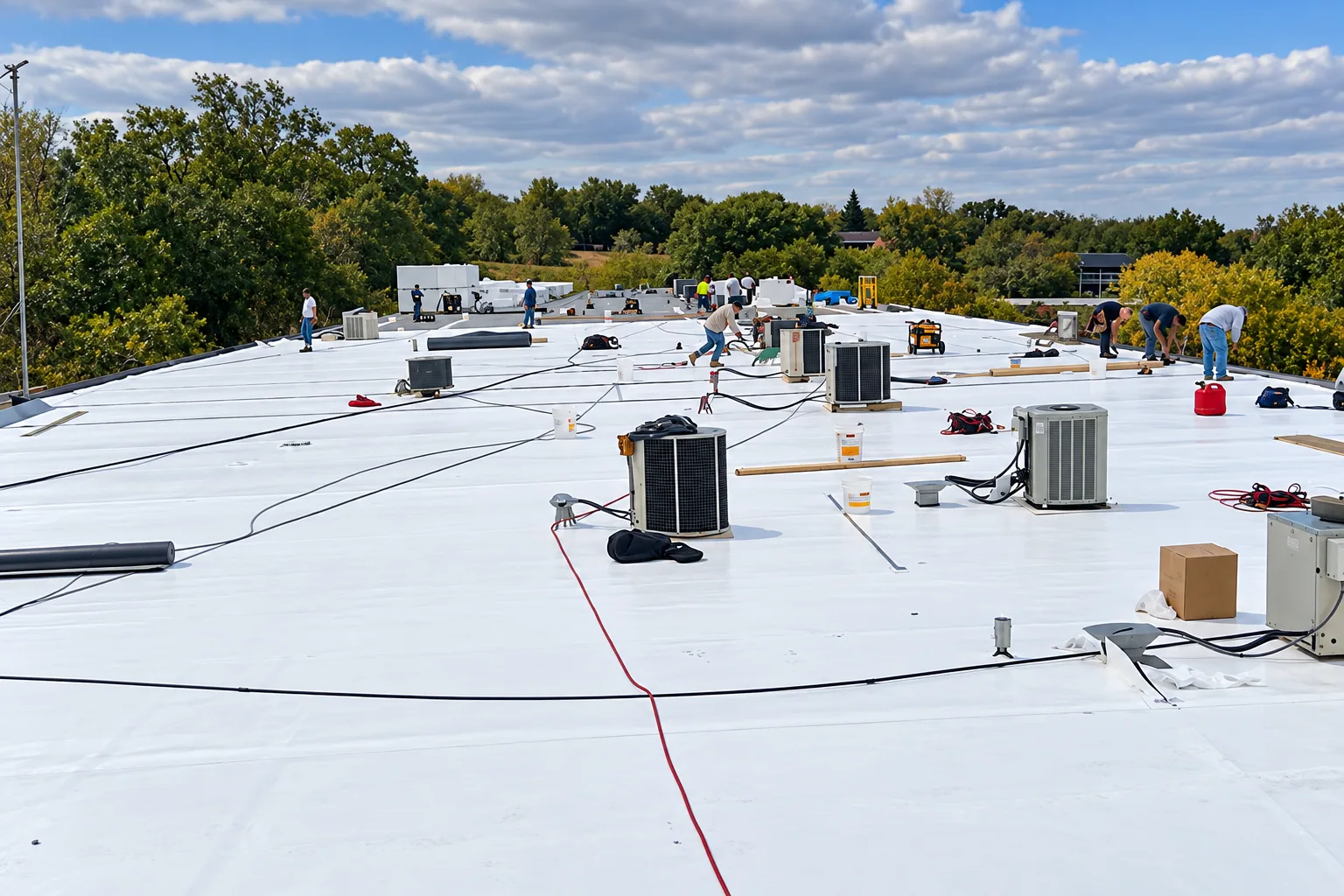
For a portfolio spanning the Great Southwest Industrial District and South Cooper Street Corridor, attach each building address and roof plan to its inspection request. Keep findings tied to the assigned property and examined roof areas. For a report covering Downtown Arlington and surrounding business districts service coverage helps place an inquiry; the report itself must identify the actual building and examined areas.
For an office building roof assessment, arrange any necessary roof and interior access with the authorized contact. Interior observations can help relate a reported stain to the exterior inquiry, while equipment or plumbing questions may require the appropriate specialist. Record what was accessible and what was not. The building's actual arrangements should shape the visit, rather than operating assumptions carried from another property.
A useful condition report tells the reader where the inspection reached and what it could confirm. Identify accessible roof areas, method and date; then show each condition against a plan or recognizable roof feature. Distinguish a visible defect from a suspected concealed issue, and explain why further opening or testing would matter to the repair decision. Recommendations should name the next action, the material or detail involved and any prerequisite outside the roofing scope. Avoid blanket ratings that make different conditions appear equal. A short priority list can separate immediate protection, planned correction and routine observation, with the reason for each category stated. When work is later completed, update the same finding with the delivered scope and dated evidence. The manager can then use one file to follow the condition from first report through examination and repair without confusing an inspection with a warranty or a full roof certification.
Follow-through: update the finding after work
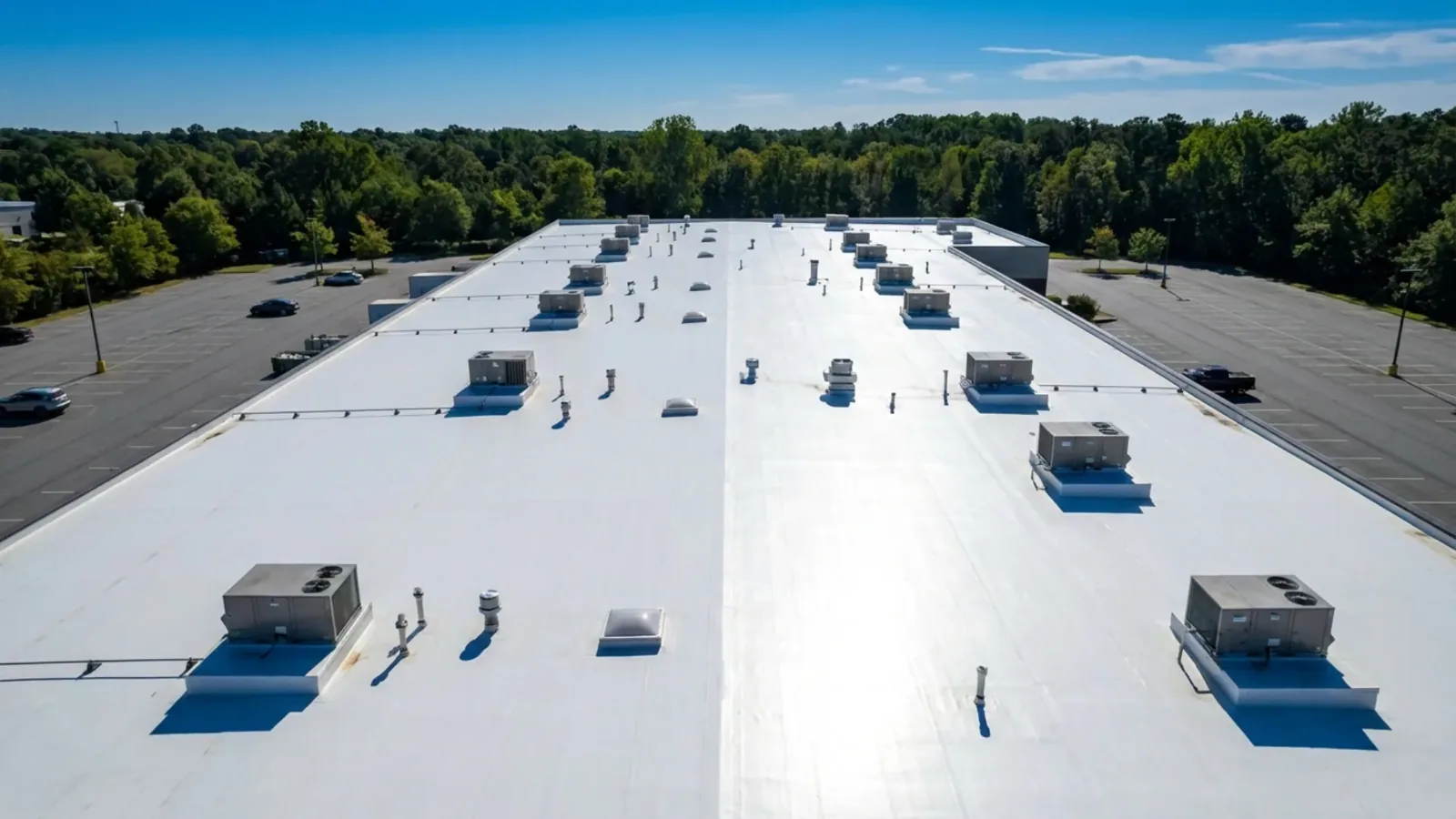
When repairs are completed, add their actual limits and the conditions found during construction. Keep the original observation alongside the correction so a later reviewer can follow the change. Mark temporary protection and outstanding work separately. A completion photograph can show a finished connection, but it does not by itself demonstrate that an unrelated source of water entry was resolved.
Use roof asset management to retain this history with future inspection findings. The next report should compare recognizable locations and explain new concerns. A revised recommendation needs its supporting observation, not merely a new severity label. That continuity makes the report useful after the first budget discussion and helps the owner avoid paying for the same unresolved inquiry repeatedly.
Common Questions
What distinguishes a condition report from a repair quote?
The report records observations, limitations and recommended next steps. A repair quote prices a defined construction scope. A report may support that scope, or it may identify investigation needed before the scope is reliable. Keep those functions clear so a preliminary recommendation is not mistaken for a fully priced construction instruction.
Will photographs alone prove the concealed assembly is sound?
Photographs of the exposed surface cannot establish every concealed condition. Where retaining hidden layers affects the proposed method, review assembly information and investigate as appropriate. Include the limits of those methods and any confirmation still needed. Avoid extending a local finding to roof areas that were not examined.
How should the report describe an unresolved leak cause?
Locate the reported interior observation and document the related roof findings without declaring an unconfirmed cause. Recommend the next inquiry and identify specialist involvement where appropriate. The owner then has a defined step to authorize rather than another patch justified only by proximity to the stain.
Can we use the report during the next budget cycle?
Retain the visit date, findings and scope limitations, then update material changes and completed work. A later budget should check whether those conditions still support its proposed construction. The report remains a useful history, but its age does not turn it into a current assessment of every roof area.
Request a report with usable next steps
Send the building address, current concerns and available roof records. We will arrange the appropriate examination and explain the findings, inspection limits and recommended actions.