Commercial Roofing for Arlington Real Estate Investors
Real Estate Investors
Roofing for Arlington real estate investors and REITs: roof surveys, repair-vs-replace options and capital allowances tied to what the inspection actually found.
The February 14-17, 2021 winter storm swept across North and Central Texas, and it still comes up during property reviews in Arlington. But an investment decision about a roof needs evidence from that building. What was installed, what's been repaired since and what's still unknown under the membrane? Those questions affect a roof allowance far more than a storm date or a rule of thumb about the building's age.
Commercial Roofing Services Arlington works with real estate investors and REIT teams on roof inspections and clearly defined repair or replacement options. We tie what we can see to the testing, repairs or replacement planning it points to. You should see what supports each allowance and what could change it, whether the purpose is an acquisition, a capital approval or a reported problem at a property you already own.
Review: the roof areas and the records
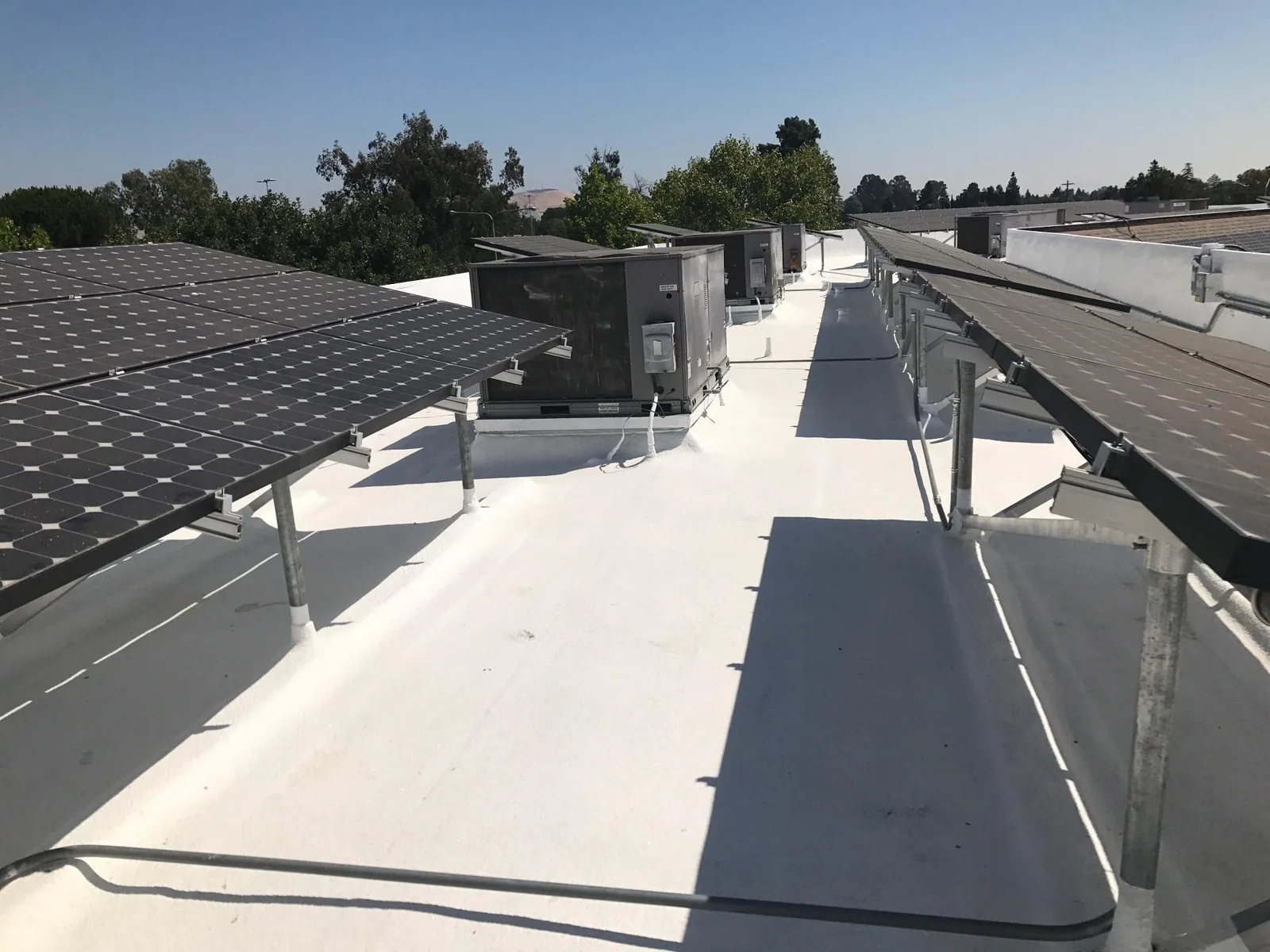
We start with the property address, the buildings involved and any installation records. Different roof sections can have different systems and repair histories. We match documents to the sections they describe instead of assigning one invoice date to the whole property. If the records don't match what's on the roof, we note the difference and how it affects the recommendation. Missing information goes in the review instead of being covered by an assumed spec.
A due diligence roof survey covers the roof we can reach within the agreed scope. We confirm access and list anything outside the survey. A surface inspection can't tell you the condition of every hidden layer. If keeping the existing roof matters to your plan, we flag testing early enough to inform the decision.
Condition: the finding behind every number
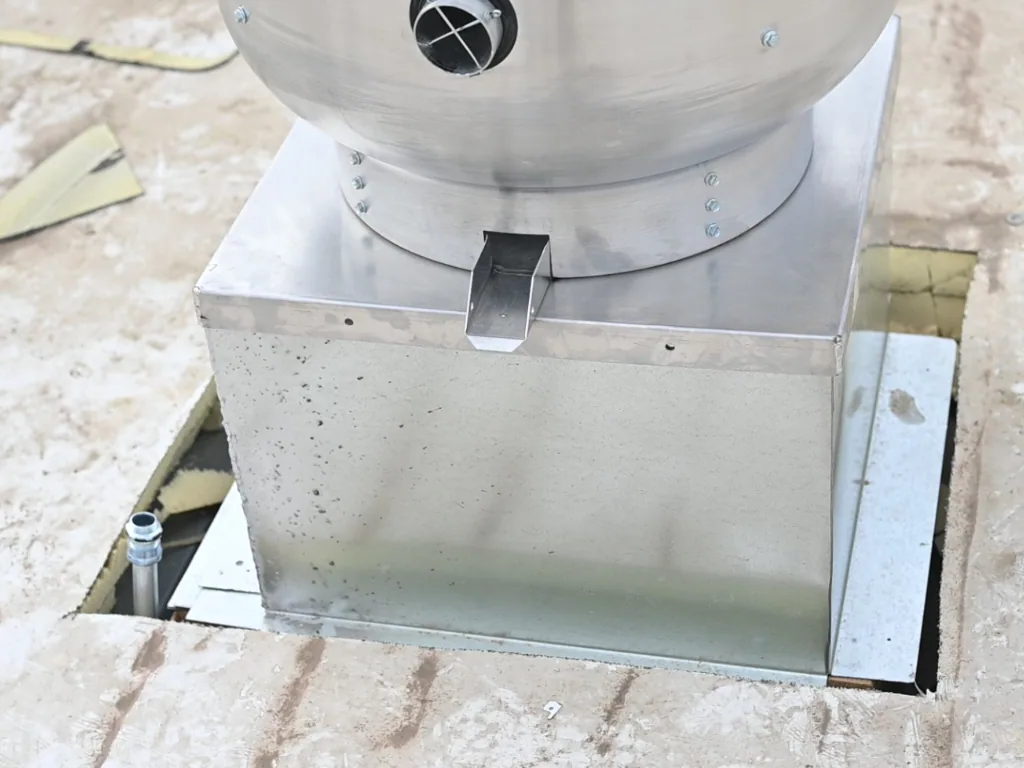
A commercial roof inspection should show each problem in clear photos, along with the condition of the roof around it. A loose edge, an open seam and a failed curb flashing each need different prep. We don't roll them into one unexplained replacement number. Your team should know what problem is being fixed and whether the repair actually finishes the detail.
Where hidden moisture could change whether the roof can stay, an infrared moisture survey can show where to take cores. We read the scan with what we know about the roof and confirm with cores before calling any area wet, and we state the survey's limits. One dry core doesn't clear the rest of the roof, and a warm spot on a thermal image doesn't tell you every layer that's wet.
Capital options: price the complete job
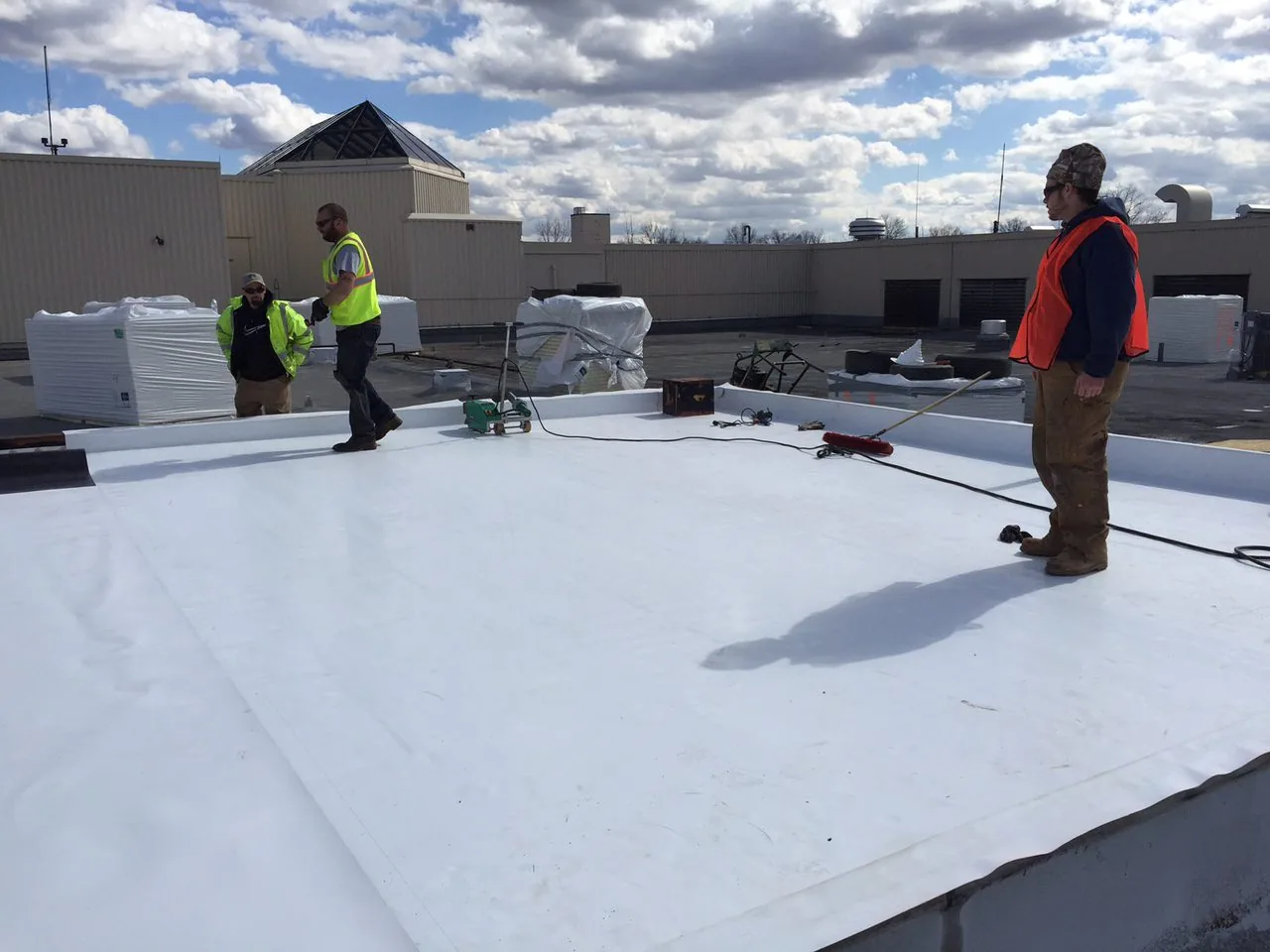
Comparing repair, recover and replacement only works when each one is a defined scope. A local repair may include removing wet insulation, replacing wood blocking and redoing flashing. A recover needs proof that the old roof is sound enough to stay. A replacement allowance should spell out the tear-off assumptions and every new detail. Those are very different jobs, even if a capital spreadsheet just calls them all "roof work."
Roof capital planning lays out the options with their findings and open questions attached. Each number is marked as measured, estimated or pending more testing, along with what would change it. Investment and transaction decisions belong to you and your advisers; our job is to tell you how certain the roofing numbers are, not to suggest a financial outcome.
Execution: coordinating at the building
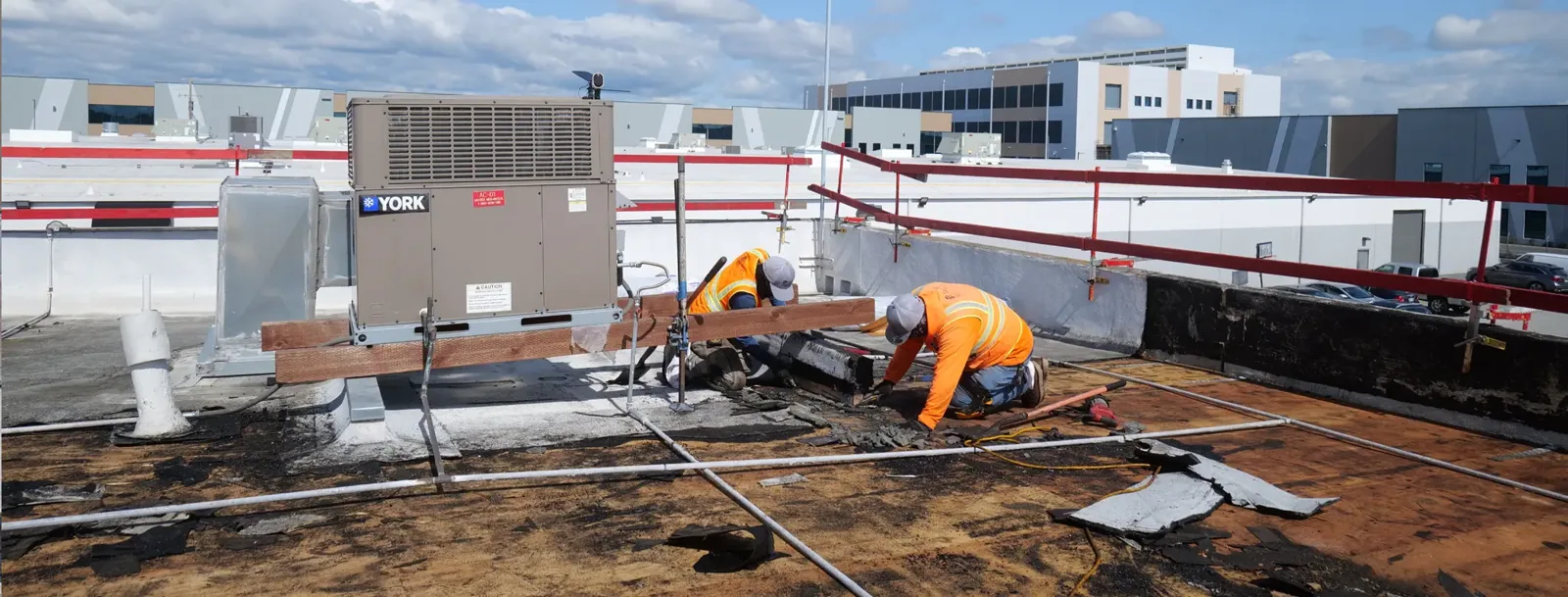
An approved budget doesn't mean the building is ready for tear-off. Access, interior protection and material handling get arranged with the building's representative. Rooftop equipment changes belong to the HVAC or electrical contractor. Where another trade has to prepare a wall or curb first, we spell out what has to be done before we tie in. All of that belongs in the full project comparison.
Property management teams often handle tenants and access while the owner handles capital approval. General contractors may run the construction schedule on their projects. We confirm who actually does what rather than assuming one contact has every permission. Clear roles keep necessary prep from falling outside the budget.
Arlington properties: each address on its own
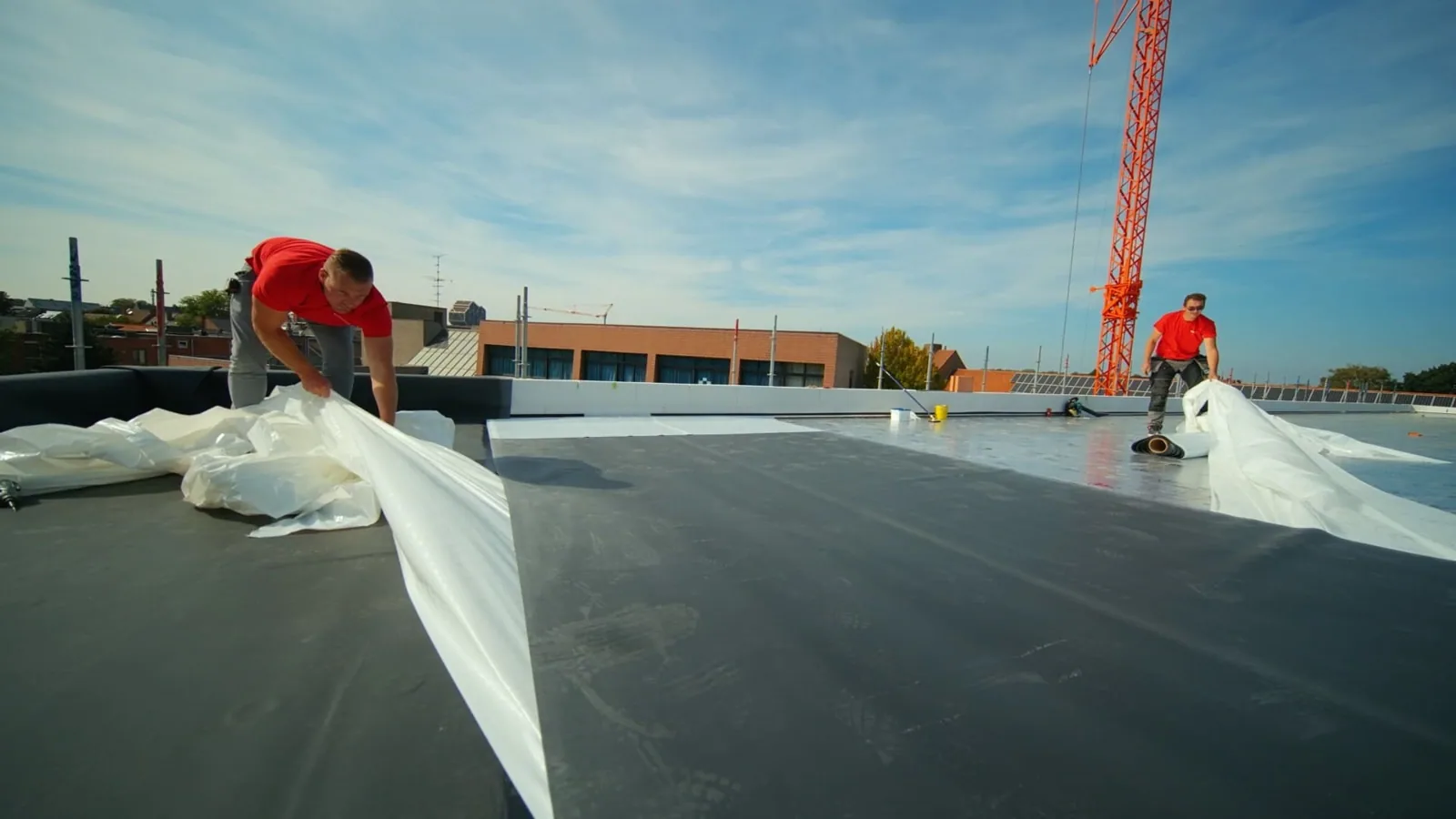
Arlington's commercial real estate runs from the Great Southwest Industrial District to the South Cooper Street corridor, and every roof should be prioritized from its own records and inspection. For an investment property, send us the address and whatever roof information came with the deal. We cover investment properties in Downtown Arlington and the surrounding business districts, and we gather each building's records and set up access instead of borrowing a roof description from a similar building.
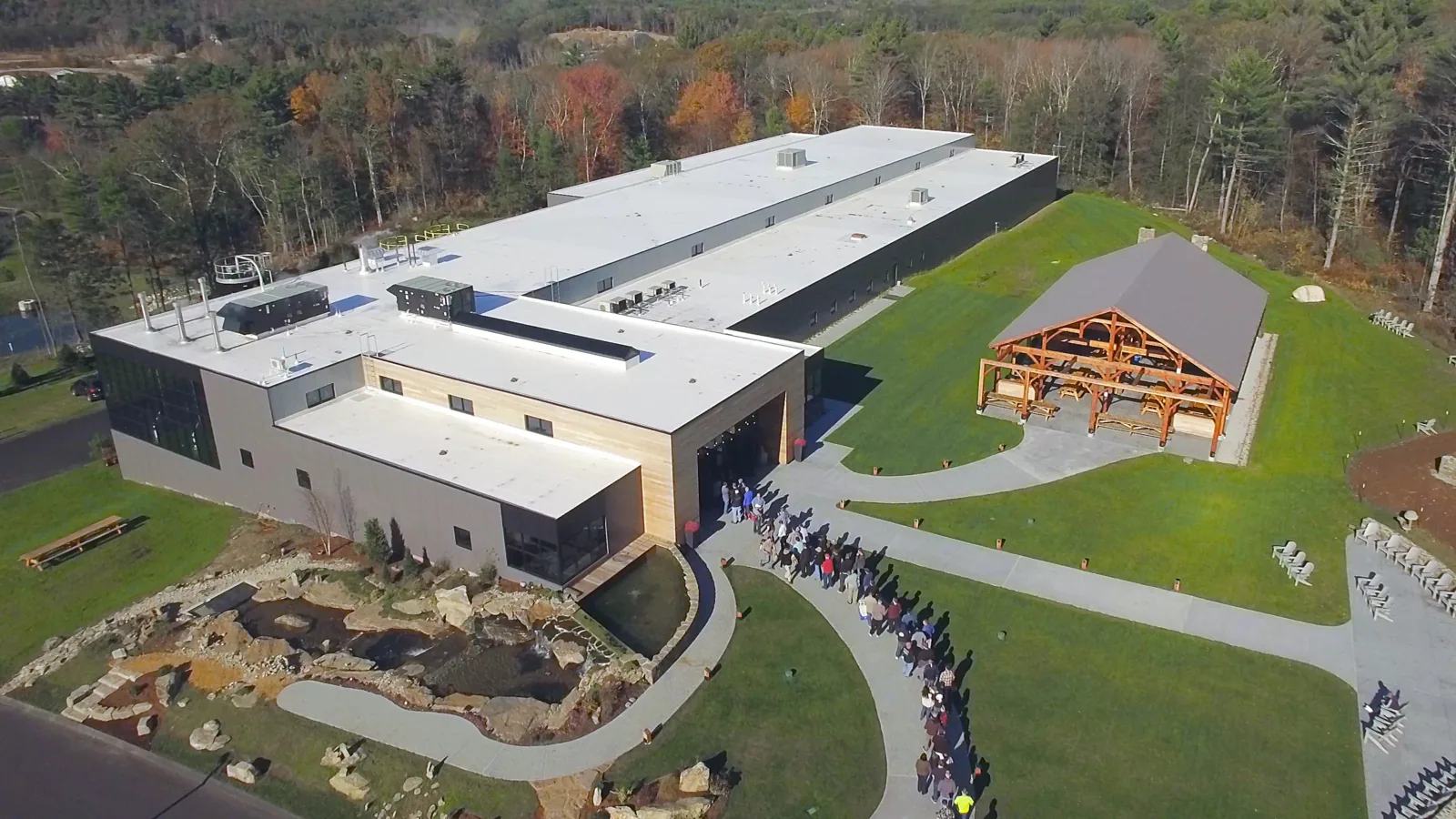
For a warehouse roof in your portfolio, we confirm the facility's rules for roof openings and deliveries. Another warehouse with the same owner may need different protection or work. Shared ownership doesn't mean identical roofs, the same age or the same access rules. Each building keeps its own findings and approved work, so the capital comparison stays tied to the right property.
Records: carry confirmed changes into the next review
During the work, we photograph hidden damage before new material covers it. We keep the actual tear-off limits, materials installed and photos of each tie-in. Where something we found changed the approved work, the reason and approval are recorded. The invoice shows the cost; the job record shows what was fixed. Your next review needs both when comparing new problems with the earlier capital decision.
Temporary patches and open work by other trades stay listed separately. A new-looking roof doesn't prove every equipment item or manufacturer sign-off is done. You should know which work is permanently complete and which still needs an answer from someone else. That keeps a paperwork closeout from hiding unfinished work.
If the property sells or the local contact changes, the dated findings and completed scope go with the building records. A future budget can then check whether the same assumptions still hold. The earlier review is useful history, but it doesn't certify the current condition of every roof section or predict exactly how long the roof will last.
For an investor reviewing a property, the roof recommendation should connect observed condition to a defined scope and a time horizon. Separate active leakage and safety concerns from routine maintenance or future capital work. Identify which assembly information is confirmed, which conditions remain concealed, and whether further testing would change the repair-versus-replacement decision. A phased option can preserve near-term cash while deferring part of the work, but its expected service period and inspection needs should be explained rather than assumed. Request quantities, exclusions, and temporary protection by roof area so the estimate can be compared with other capital needs. That record gives ownership a defensible basis for budgeting without implying a valuation, warranty, or remaining-life promise that the inspection cannot establish.
Common Questions
What makes a roof allowance useful in an investment review?
It's tied to specific roof areas, current findings and a defined scope of work. It also lists the assumptions that haven't been confirmed and the testing that could change the number, so a rough figure isn't mistaken for a firm price.
Can one installation record tell us the age of the whole roof?
Usually not. We check which roof areas the record actually covers and compare it with what's on the roof. Different sections often have different histories and repairs. Missing or conflicting information stays flagged until it's resolved, instead of applying one convenient date to every section.
How do we know if keeping the existing roof is really cheaper?
First confirm the existing roof is sound enough for the plan, with cores or testing where hidden conditions matter. Then include the prep and repairs that option needs. Only after that can you fairly compare it with tear-off, instead of counting the avoided removal as savings too early.
What should our team get after the work is done?
The tear-off limits, any hidden damage found, materials installed, photos of the tie-ins and approved changes. Temporary patches and open other-trade work are listed separately. That gives the next review a record of the actual work, not just a total and a photo of a new roof.
Tie your roof allowance to a real scope
Send us the address, any roof records and your decision timeline. We'll recommend the right inspection and lay out the options, the open questions and what each allowance covers.