
Commercial Roofing in New York Avenue Corridor, Arlington, TX
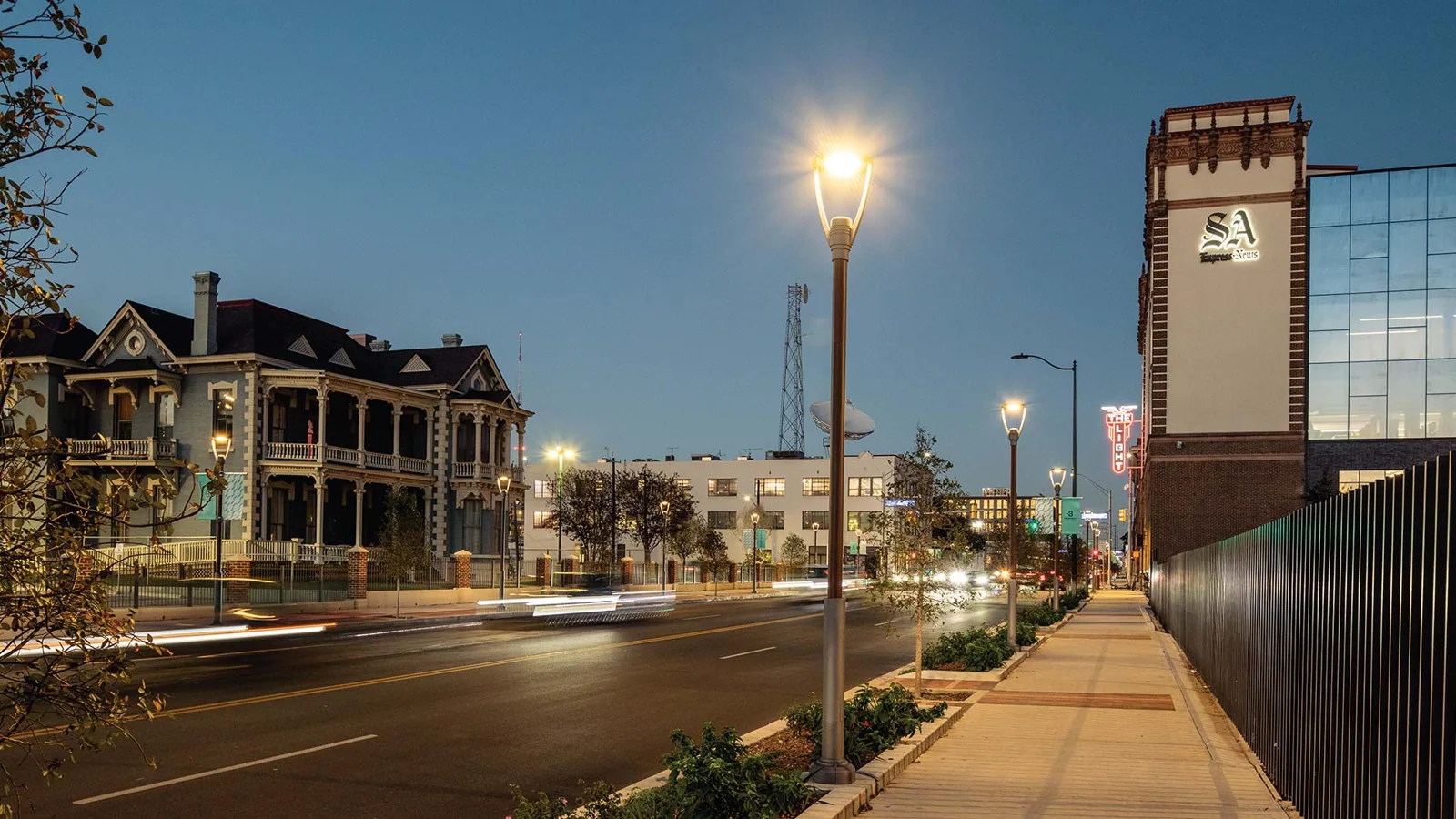
New York Avenue Corridor
Commercial roof repair along Arlington's New York Avenue corridor: EPDM seam repairs, wet insulation checks and clear photo records for industrial and commercial buildings.
The New York Avenue corridor in east Arlington is a mix of older commercial buildings, light industrial space not far from the GM Arlington Assembly plant. The city has adopted a corridor strategy to guide redevelopment there, so you will find buildings of very different ages and construction side by side. Many have low-slope roofs that have been patched over the years. The EF-2 tornado that crossed Arlington on November 24, 2020 is a reminder of how much wind these roofs can face, but each building needs its own inspection to know where it stands today.
Before you decide between a seam repair, a coating or a replacement, you need to know what is actually on the roof and what shape it is in. That is where we start.
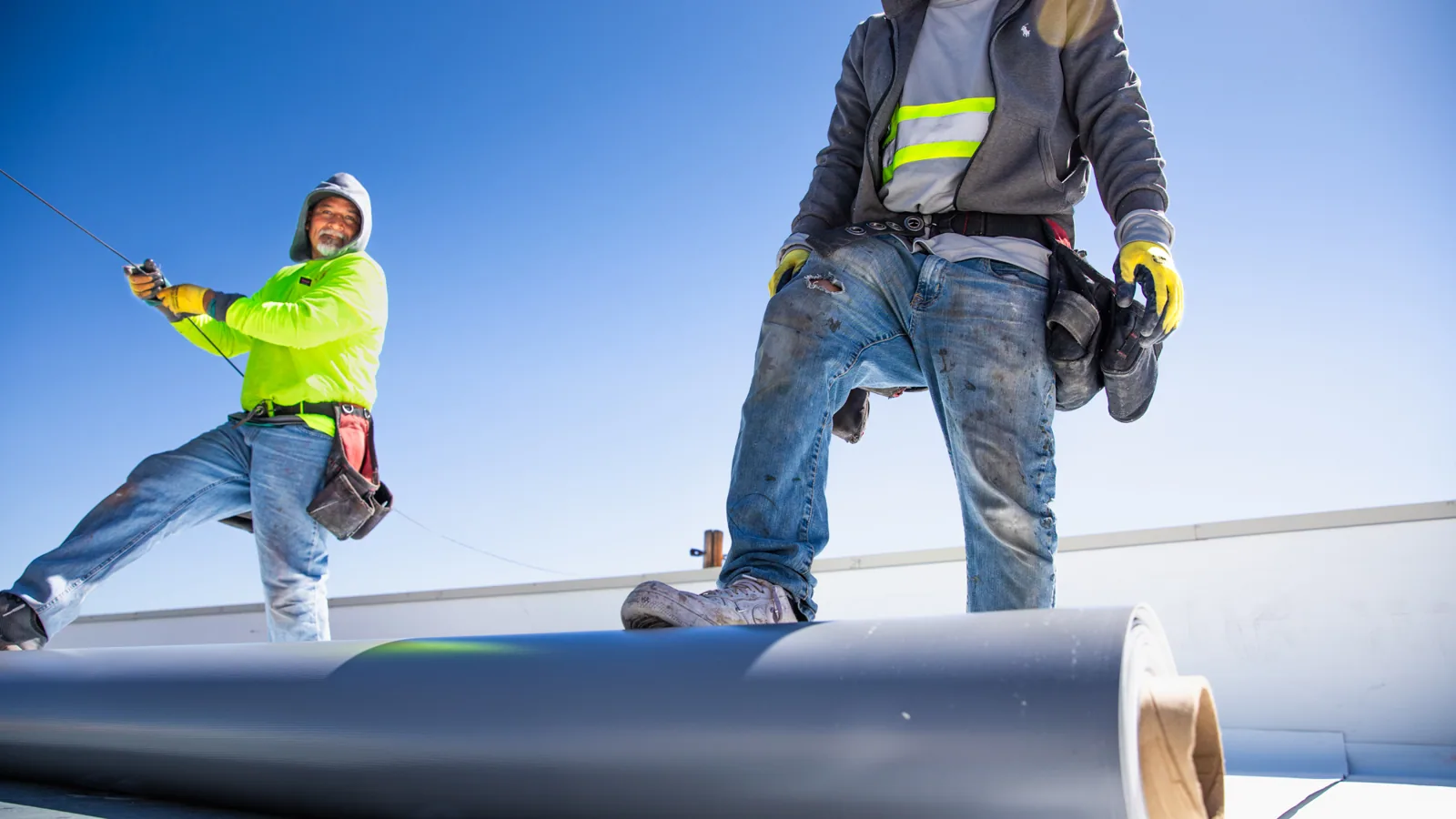
Inspecting the seams
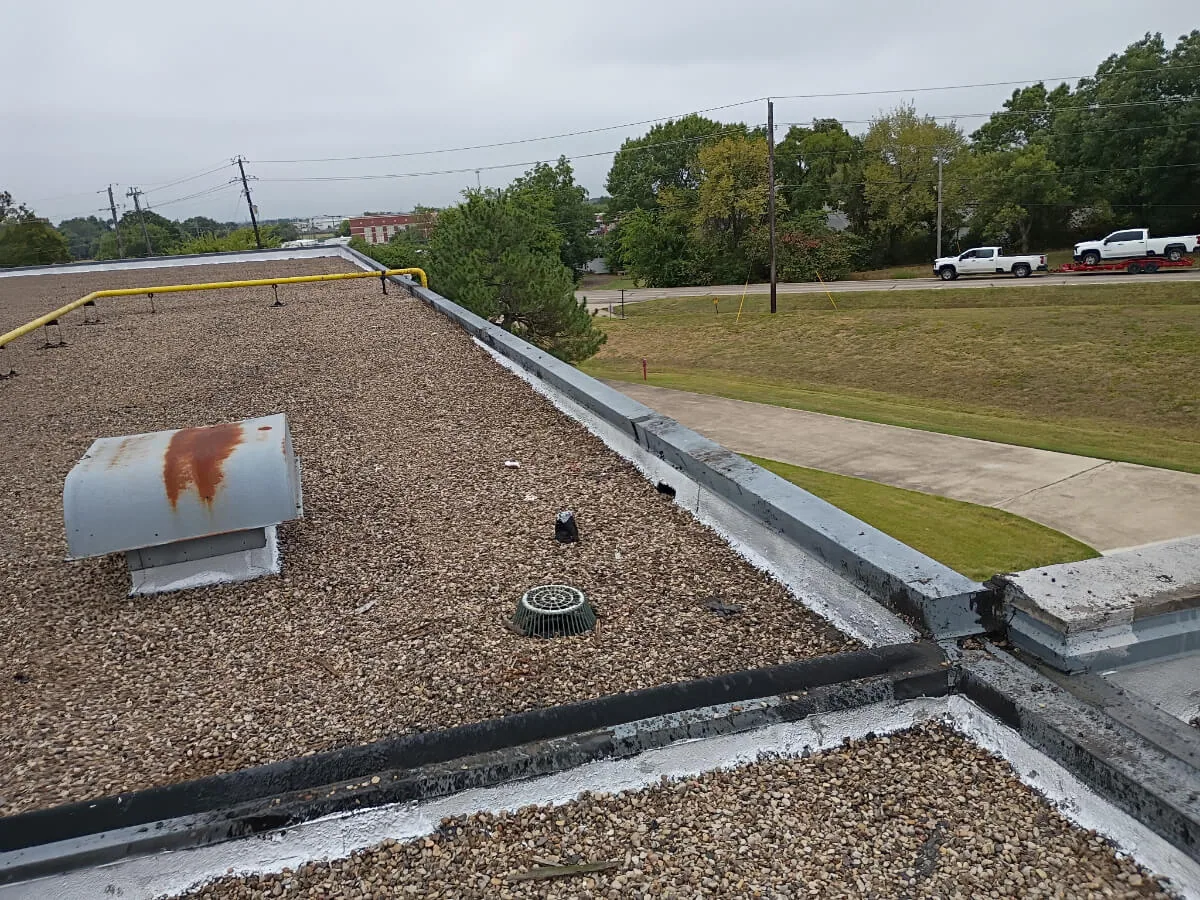
On EPDM rubber roofs, the seams are usually the first thing to fail. The adhesive or tape that joins two sheets dries out, the edge lifts and water gets in. We walk the seams in the area of concern and check each one by hand. A blunt probe run along the edge shows where it has let go. T-joints where three sheets meet and seams around curbs and pipes get extra attention, because they tend to go first.
We also work on seam problems for Grand Prairie commercial roofs and Mansfield properties, inspecting each building on its own.
For seam failure repair, we measure every failed run and mark it on a roof plan so the estimate is easy to check. If a leak has been reported inside, we note whether the failed seam lines up with it. If there could be another source we could not reach, we say so. We also check the seams next to the failed ones, since seams installed at the same time tend to fail around the same time.
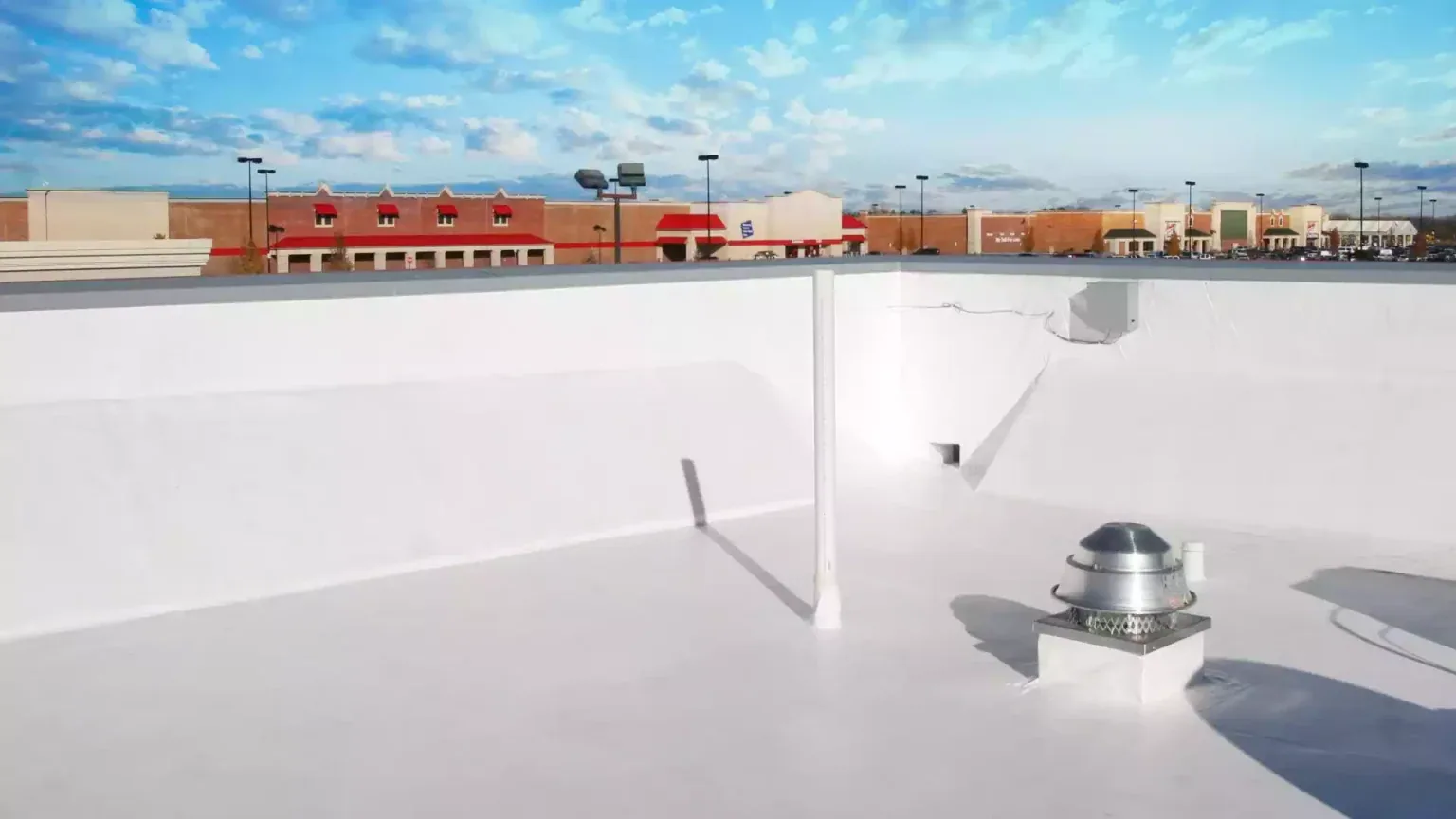
Making the new seam hold
A seam repair is only as good as the rubber it bonds to. We check the EPDM along each failed seam for chalking, shrinkage, cracks and brittleness. If it is still flexible and cleans up well, it makes a good base. If not, we cut back until we reach sound membrane.
For EPDM roofing, we scrub off old adhesive and dirt, prime the seam area and apply seam tape or a cover strip made for EPDM, then roll it down firmly across its full width. If an old repair used roofing cement or another material that does not stick to rubber, we remove it before making the new seam.
Industrial roofs often collect dust, oil and exhaust residue, which makes cleaning more important. We take the time to get the surface clean, because tape over a dirty seam will lift within months. Primer and tape also need a dry, reasonably warm surface, so we schedule around rain and morning dew.
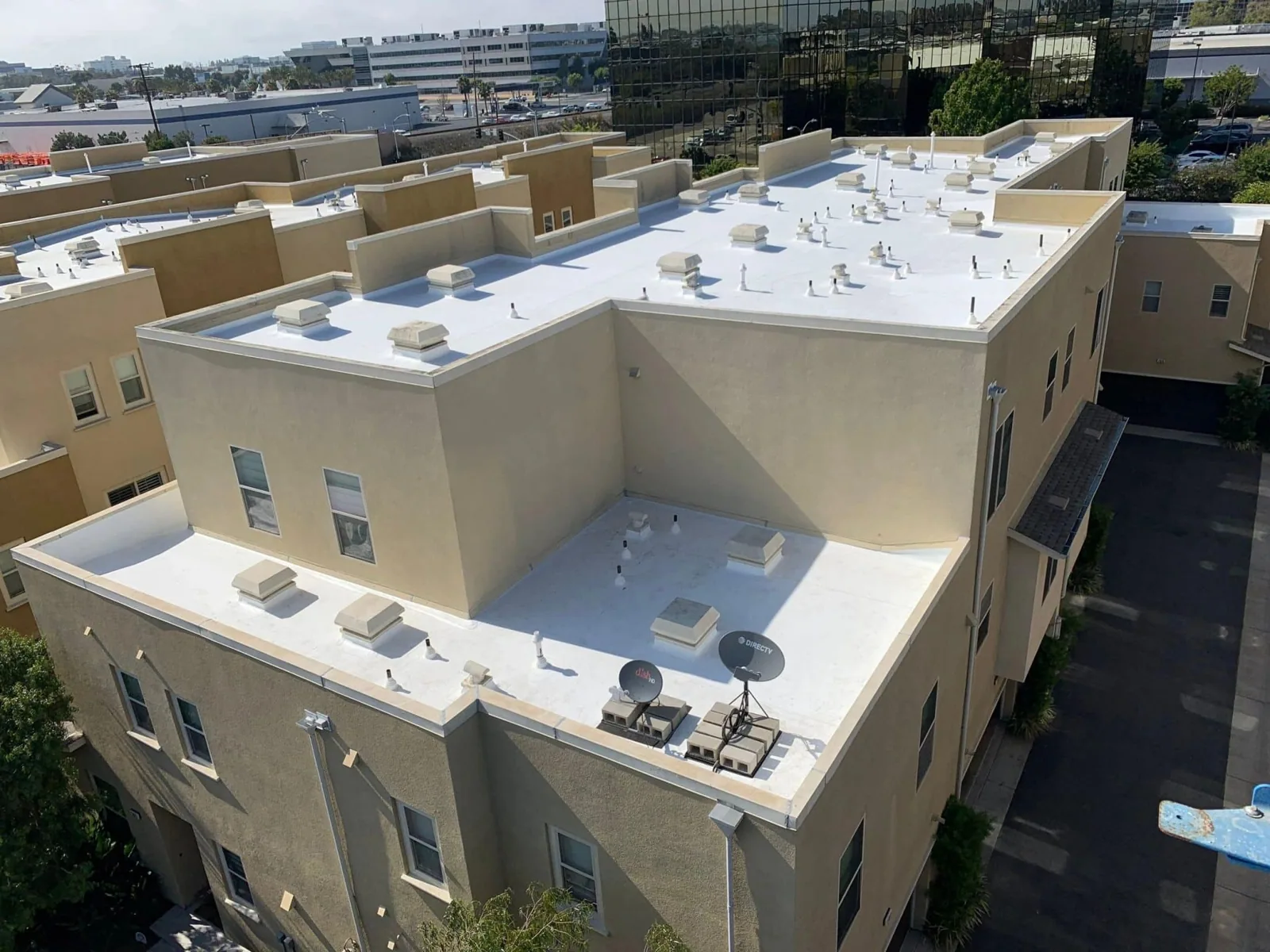
Insulation and deck
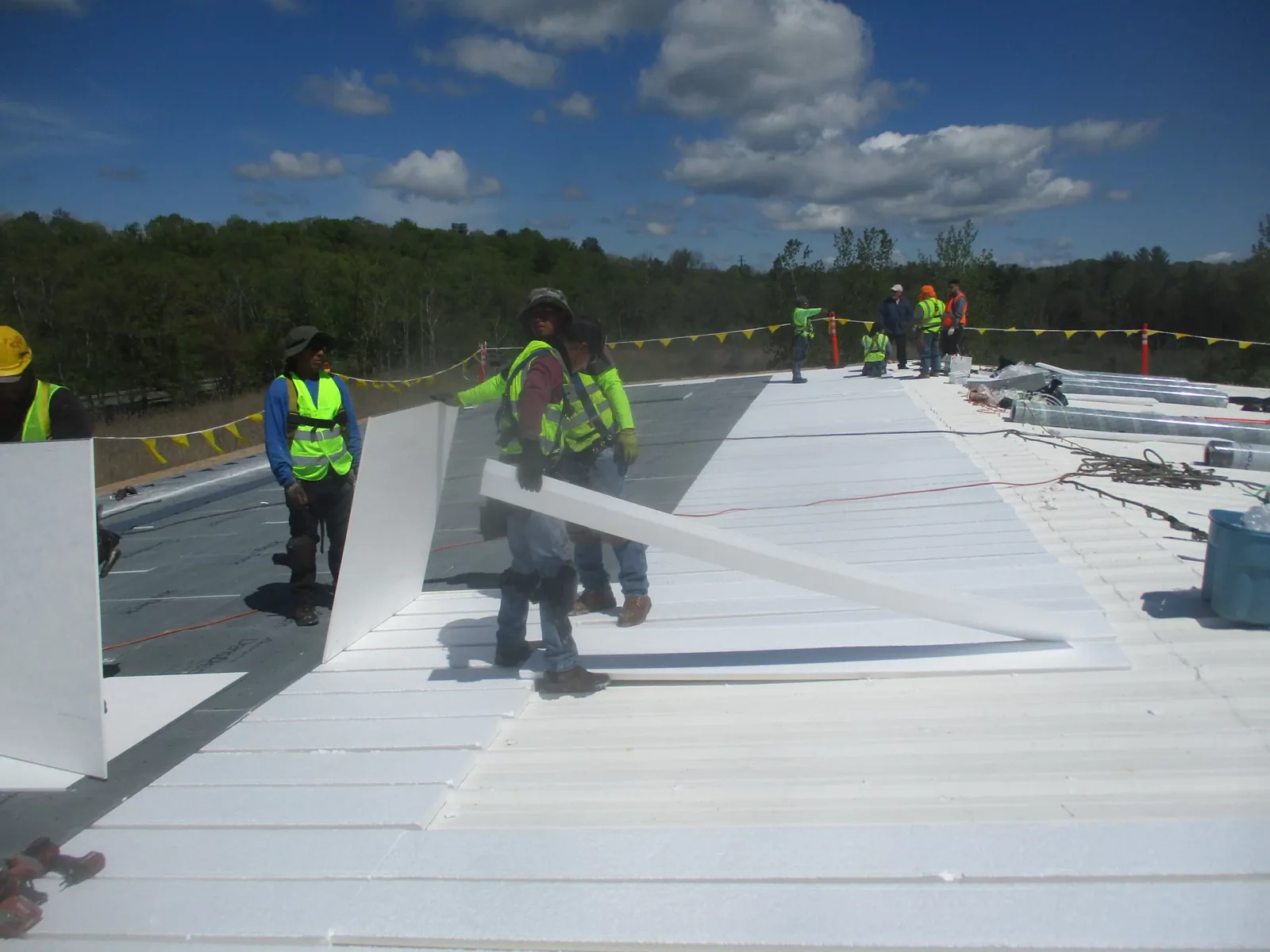
Once a seam has leaked for a few months, the board under it is often soaked. That insulation stays wet under the rubber, loses its R-value and can rust a steel deck. If we see soft spots or blisters or get high moisture readings near a failed seam, we cut a core to check. Any wet board comes out and new insulation goes in before we close the seam.
On a manufacturing building, we coordinate core cuts and openings with the plant's facility team. Production lines and sensitive equipment may be right below, and some plants need work scheduled around shifts or shutdowns.
One dry core only speaks for the spot it came from. Any other suspicious area gets its own core. If we open the roof and find more damage than expected, such as a rusted-through deck, we photograph it and talk with you before going further. You see the revised price before any extra work happens.
Prep and the order of work
Seam repairs follow a set order. Wet board and any rusted deck come out first. Old patches and incompatible materials come off. Then we clean and prime the EPDM along the seam, apply the new tape or cover strip and roll it in. If anything keeps the new seam from bonding, we deal with it first and list it in the estimate.
We confirm roof access, parking, staging and work hours with the facility contact. Industrial buildings along the corridor often have truck traffic, dock schedules and safety rules, and we plan around them. If an HVAC contractor needs to move a unit sitting on a failed seam, or a plumber needs to fix a drain nearby, that goes on the schedule before our work.
When you call about a building on the corridor, tell us which building and where the leak or worn seams are, how old the roof is and who can give us access. Past repair invoices help, because they show what has already been tried. If the seams are failing across most of the roof, we will tell you, so you can compare ongoing repairs with a recover or replacement.
Photos and the repair record
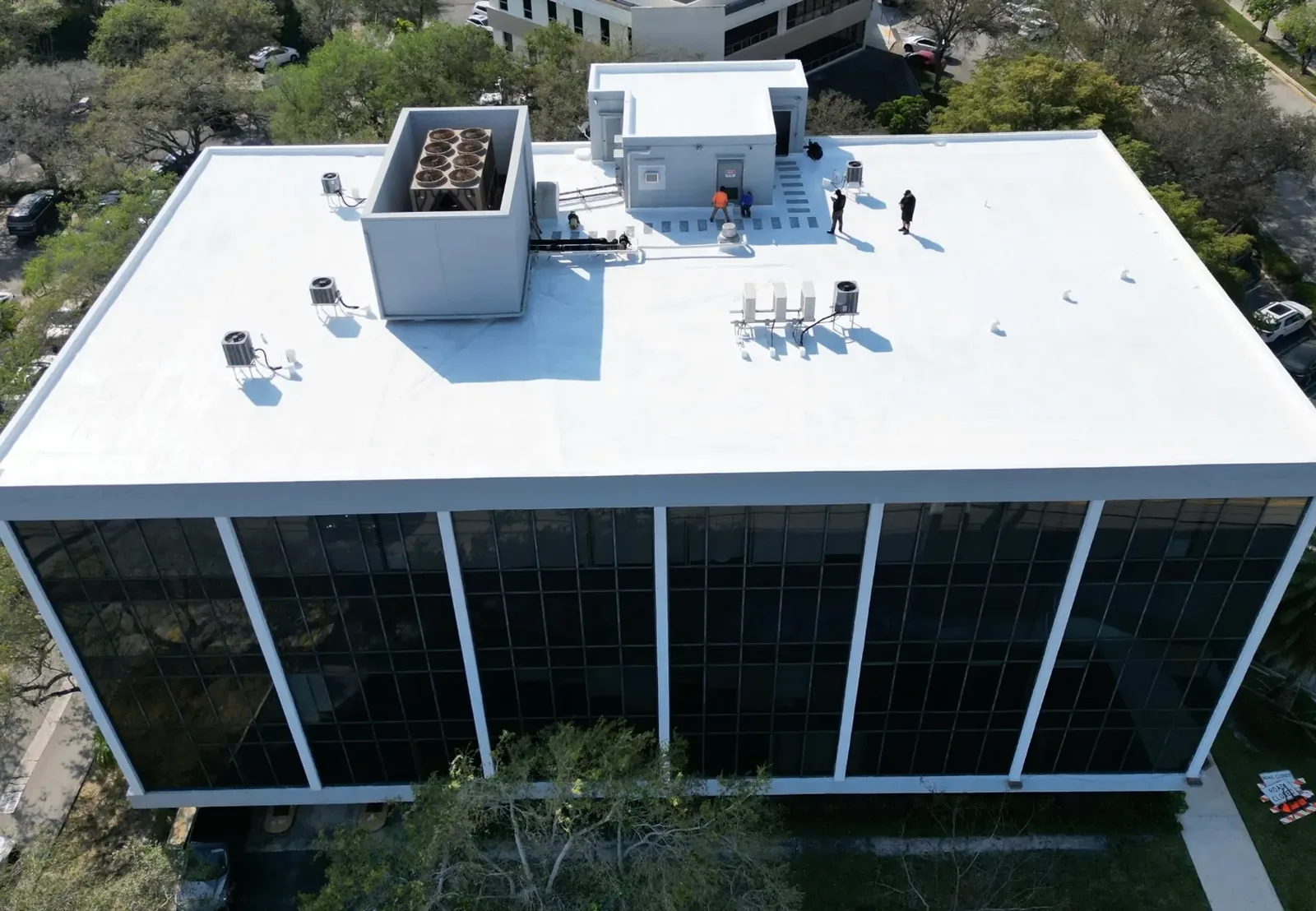
We photograph each failed seam as found, any opened insulation, the cleaned and primed membrane and the finished seam. The photos are keyed to the roof plan so anyone can find each seam again. The prep photos matter most, because once the seam is closed, you cannot see how it was done.
A roof condition report for your building lists every seam we repaired, every seam we found starting to fail but did not repair, and any part of the roof we did not inspect.
Any temporary seam patch is labeled as temporary in the report. If wind or hail becomes part of an insurance claim later, you have dated photos of the seams before and after. And if you sell or refinance the building, the report gives the buyer or lender a clear picture of the roof's condition and repair history.
Common Questions
Does the 2020 tornado mean our roof was damaged?
Not necessarily. A storm like that is a good reason to have the roof inspected, but only an inspection of your building can show whether anything was damaged and what needs repair.
How do you decide how to repair a seam?
We confirm the membrane type and check the condition of the rubber along the seam. On EPDM, we clean, prime and apply seam tape or a cover strip made for that membrane, cutting back to sound rubber if needed.
When do you need to check the insulation under a seam?
When we see soft spots or blisters or get high moisture readings near the seam. We cut a core to check, and wet insulation is replaced before the seam is closed.
How do you coordinate with other trades on the roof?
We list any work another trade needs to do, like moving an HVAC unit or fixing a drain, and schedule it with your facility contact so our seam work goes in after theirs is finished.
What photos will we get of the seam repair?
Photos of each failed seam, any opened insulation, the cleaned and primed membrane and the finished seam, each tied to its location on the roof plan.
Get your New York Avenue roof checked
Tell us which building and where the leak or worn seams are. We'll inspect the roof, explain what we find and give you a clear estimate for the repair.
- Grand Prairie commercial roofs
- Mansfield properties
- seam failure repair based on the observed separation and material boundary
- EPDM seam repair with the installed rubber membrane and retained edge verified
- manufacturing property with an individually assigned roofing and layer assessment
- roof condition account connecting Assembly-area seam findings to located repair stages