Commercial Roofing in Great Southwest Industrial District
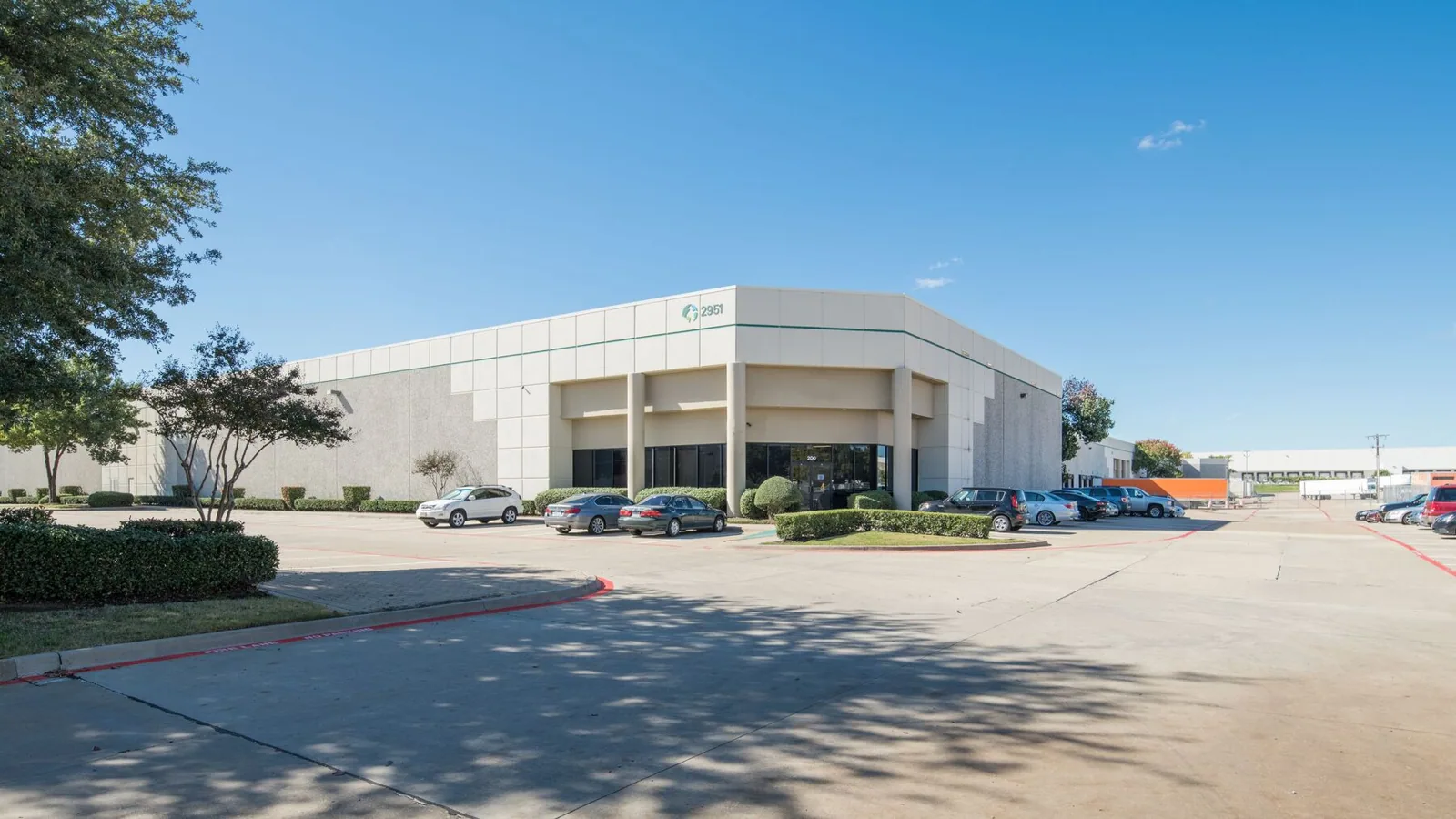
Great Southwest Industrial District
Commercial roof repair in the Great Southwest Industrial District: warehouse roof inspections, PVC seam and flashing repairs, wet insulation checks and photo records.
The Great Southwest Industrial District, straddling Grand Prairie and Arlington, is full of warehouses, distribution buildings and light industrial space with large low-slope roofs. Those roofs take a lot: summer heat, hail, high winds and the occasional hard freeze like the February 2021 winter storm that hit North and Central Texas. When something goes wrong, we inspect the roof itself, find what failed and price a repair that will hold.
We also work on commercial roofs throughout Grand Prairie and along the New York Avenue corridor near the GM Arlington Assembly plant, and every building gets its own inspection.
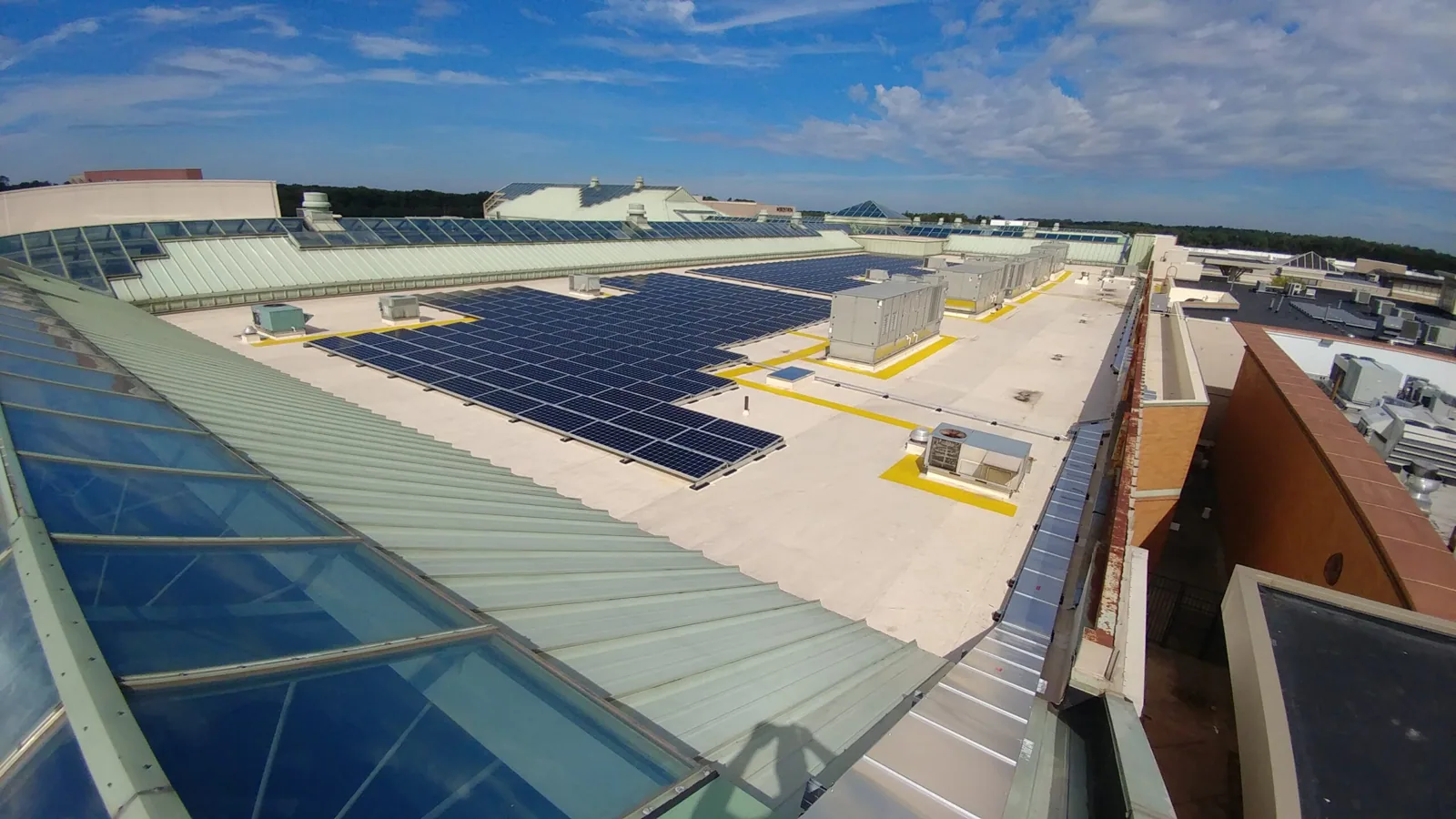
Finding what failed
We start with what the facility team has seen: a leak over a rack, water at a dock door, a stain on the deck from below. Then we walk the roof above and around that area and check the membrane, seams, flashing at curbs and walls, drains, edge metal and penetrations. Each defect goes on a roof plan with a photo.
Our commercial roof repair estimate lists each problem and its fix. If a defect lines up with the leak, we say so. If it does not, or there could be another source we could not get to, such as under a large rooftop unit, we note that too.
On a big warehouse roof, water can run a long way along the deck before it drips. That is why we look upslope, not just straight overhead, and why the report says how much of the roof we actually walked. A repair at one seam is not a check of the whole roof.
A storm like the 2021 freeze is a reason to have the roof looked at. It does not tell us what happened on your roof. Only the inspection does.
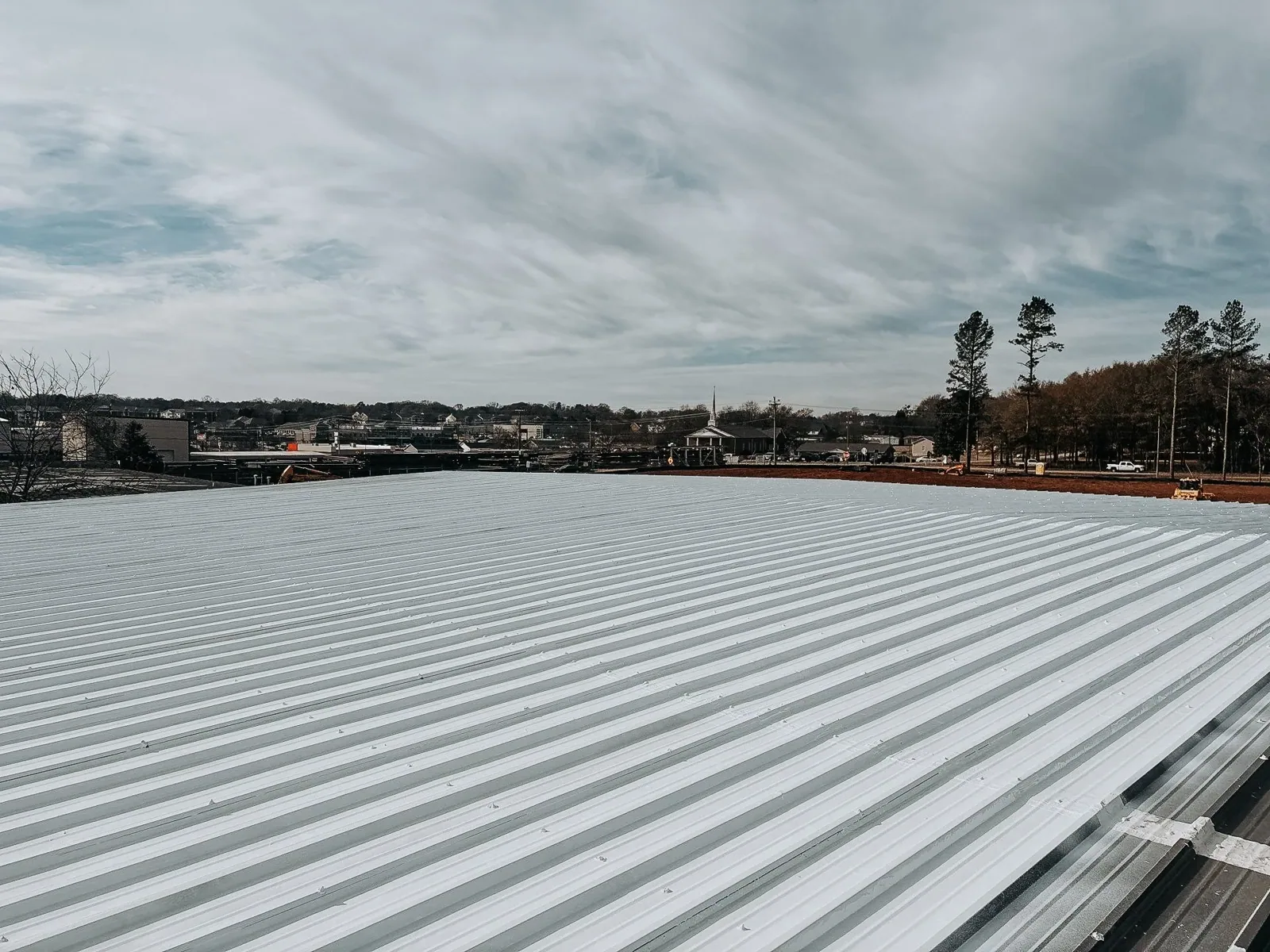
Repairing the PVC
Before ordering materials, we confirm what membrane is on the roof at each repair. Large industrial roofs are sometimes patched with whatever was handy, and an old repair may be a different product from the roof around it. We check, and if we are not sure, we test.
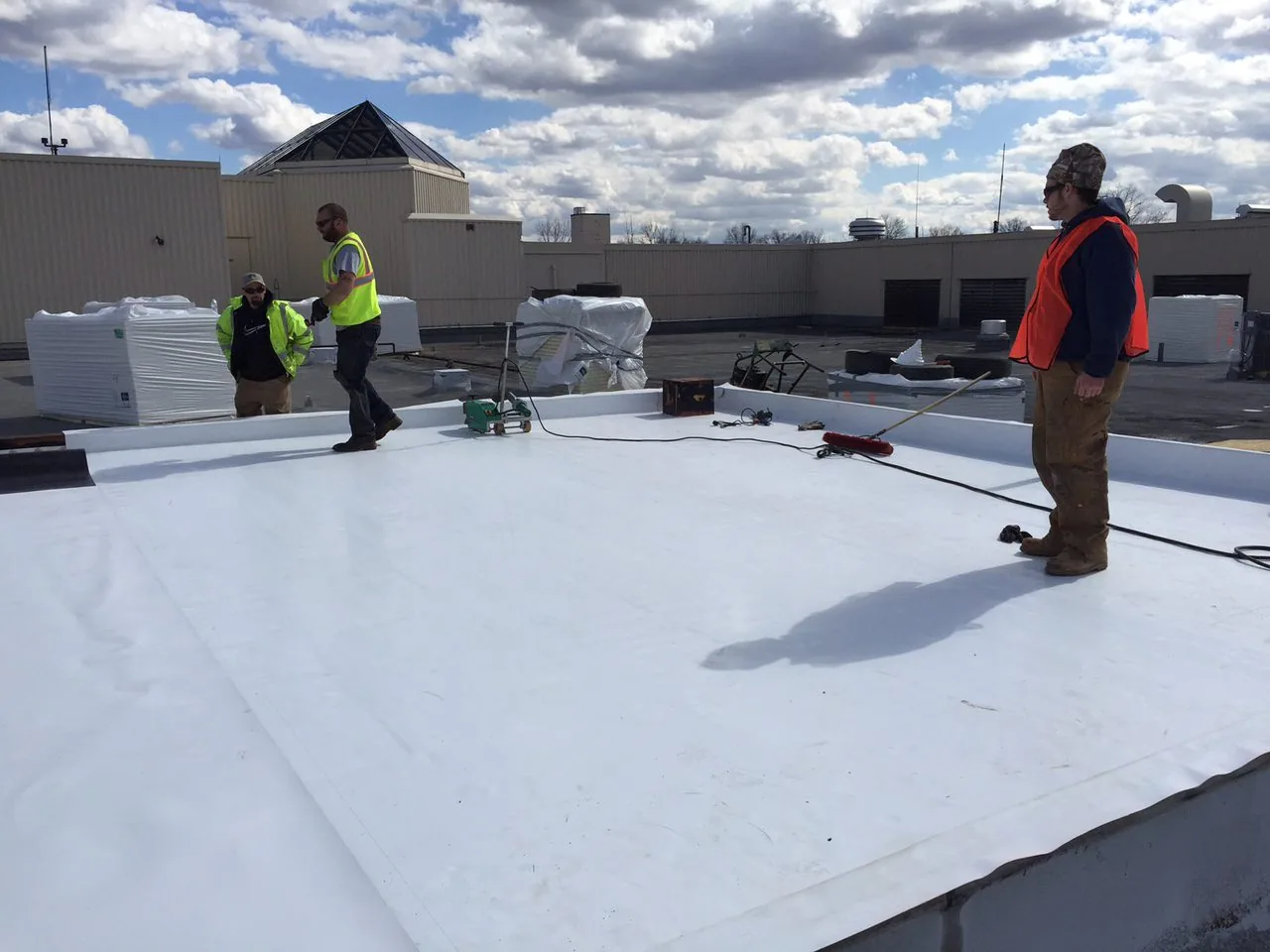
For PVC roofing, we clean the existing sheet, hot-air weld new PVC over the damaged area and probe the weld once it cools. Older PVC can lose its plasticizer and turn stiff, especially where it gets full sun all day. If a test weld does not take, we cut back to membrane that does, or talk with you about a different approach.
We check the seams and flashing around each repair as well. An open seam a few feet away will leak sooner or later, so we fix it at the same time and list it in the estimate. That is why the repair area is often bigger than the hole you can see from below.
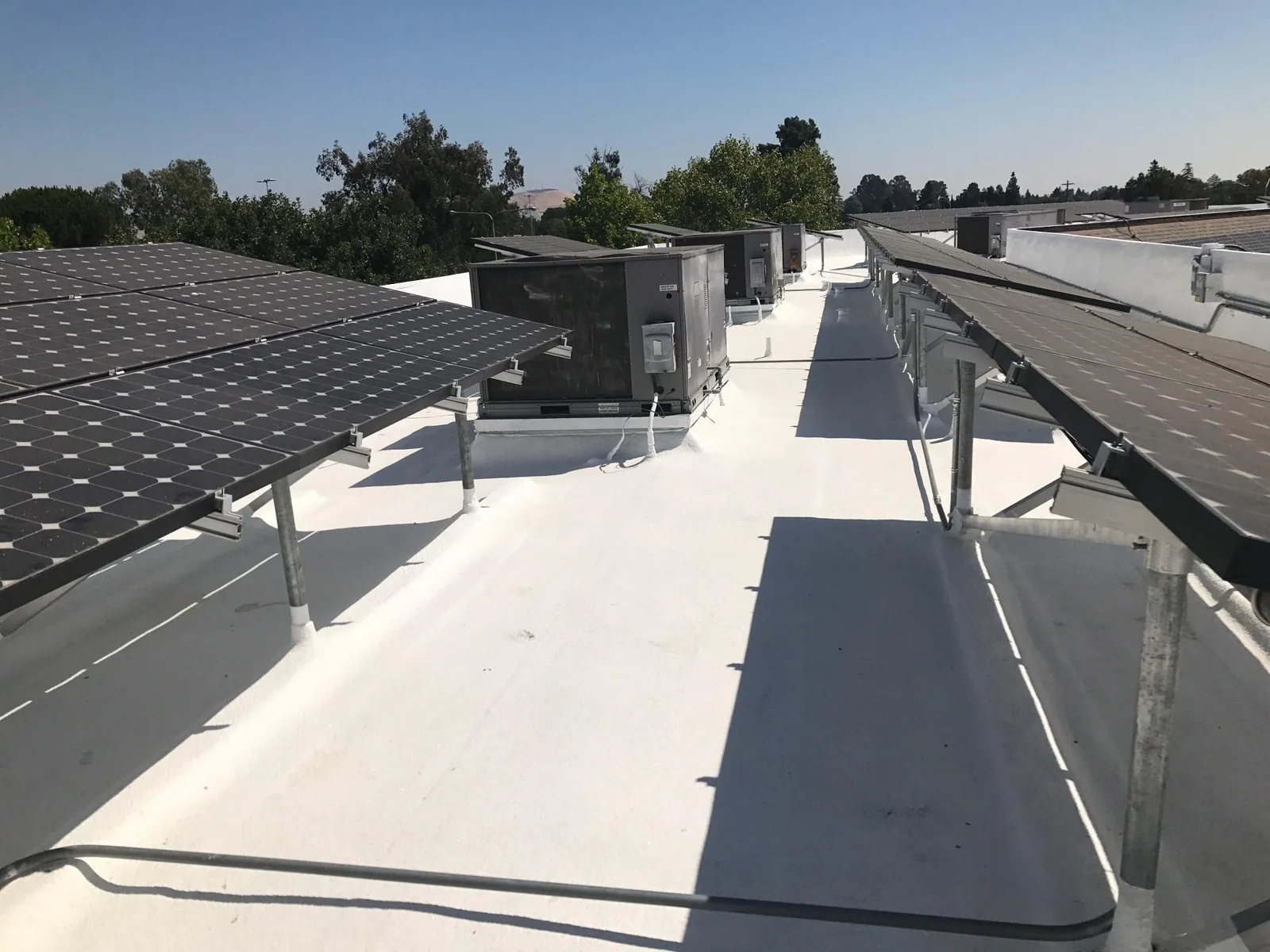
Rooftop traffic is another source of damage on industrial roofs. HVAC technicians and other trades walk the same routes, and dropped screws, tools and sheet-metal scraps can puncture PVC far from any seam. We check those paths and the areas around equipment, and we may suggest walkway pads where traffic is heavy.
Insulation and deck
Leaks wet the insulation under the membrane, and on a warehouse roof that wet area can spread well beyond the hole. Wet insulation loses its R-value, adds weight to the deck and can rust the steel. If we see soft spots or blistering or get high moisture readings, we cut a core at the repair. If the readings suggest a larger problem, we may recommend an infrared survey to map it.
On a warehouse roof, we coordinate core cuts and openings with the facility manager. Racking, stored product and forklift traffic are right below, and we want to know what is under the area before we cut.
Any wet or crushed board is swapped out before the new PVC goes on. A dry core tells us about that spot, and other suspect areas get checked on their own. If we find more damage than expected, we photograph it and update the estimate before we close anything up.
When you call about a building in the district, tell us which building, where the leak or damage is and who can get us on the roof. Send any past repair invoices or warranty paperwork. We will inspect, mark each defect and send an estimate covering the repair, the prep and any other trade's work that has to happen first. If you manage several buildings in the district, each one gets its own estimate, because two roofs built side by side can be in very different shape.
Order of work
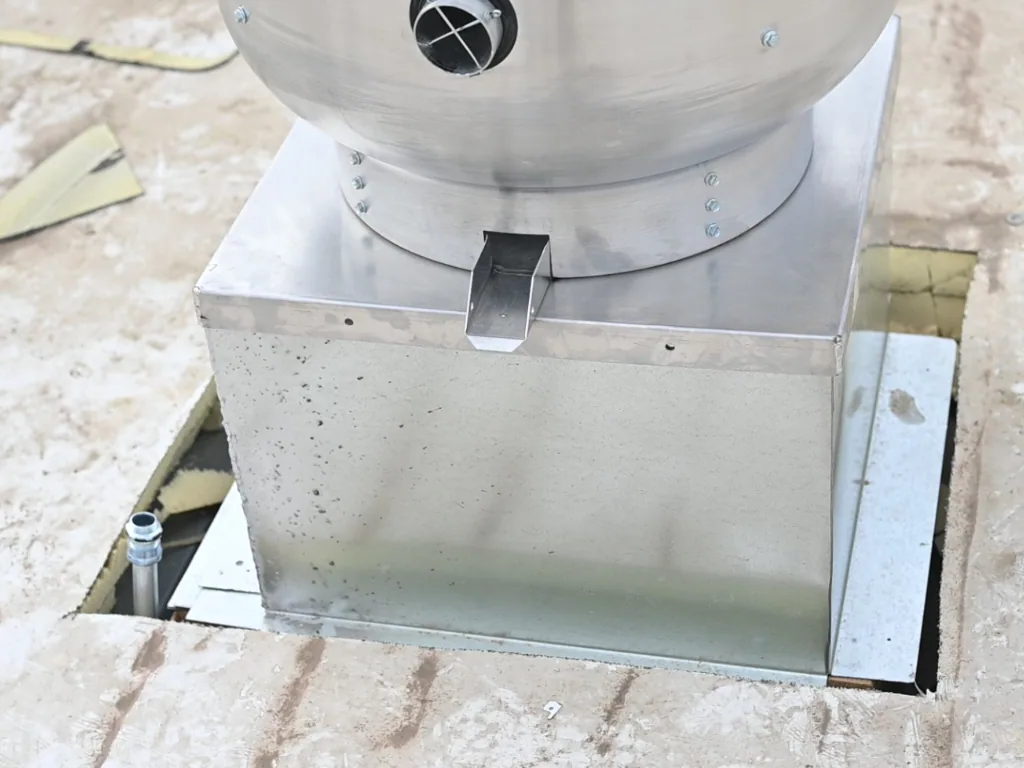
Repairs follow a set sequence. Wet insulation comes out and gets replaced. Damaged deck gets repaired. Nearby seams and flashing get fixed. Then we clean the existing PVC and weld the new material. If an old patch made with an incompatible material is in the way, we remove it first and list it in the estimate.
We confirm roof access, lift placement, staging and work hours with the facility manager. Industrial sites in the district often run multiple shifts, with constant truck traffic at the docks and safety rules for anyone on site.
If a plumber needs to fix a drain or an HVAC contractor needs to repair a curb before we can finish, we list that task, who is doing it and how it affects our schedule. You get updates as each step is done.
Photos and the repair record
We photograph each stage: the defect as found, any opened insulation, the deck, the nearby seam repairs, the cleaned membrane and the finished weld. Each photo is tied to its spot on the roof plan, which matters on a big roof where one bay looks a lot like the next.
A roof condition report for a building in the district lists what we repaired, what we found but did not fix and any part of the roof we did not inspect. Unconfirmed leak sources stay on the list next to their locations.
If we installed a temporary patch first, the report says so and shows when the permanent repair replaced it. That record gives your facility team a clear starting point when the next question comes up, whether it is another leak, a tenant improvement or a lease renewal.
Common Questions
Does a regional storm like the 2021 freeze mean our roof was damaged?
Not necessarily. A storm is a good reason to have the roof inspected, but only an inspection of your roof can show whether anything was damaged and what needs repair.
How do you decide where the repair starts and stops?
We extend the repair until we reach clean, sound membrane that takes a good weld. If nearby seams are opening, we fix those too. The estimate shows the repair edges on a roof plan.
Why check the insulation under a repair?
Leaks wet the insulation, and wet insulation does not dry out under the membrane. We cut a core to check and replace anything that is wet or crushed before closing up.
Who do you coordinate with at the facility?
The facility manager. They set work hours, safety rules and access, and we coordinate with any other trade, like a plumber or HVAC contractor, that needs to finish first.
What makes the repair record useful later?
Photos of each step tied to their location, plus a list of what was fixed, what still needs attention and which areas were not inspected. That lets the next person pick up right where we left off.
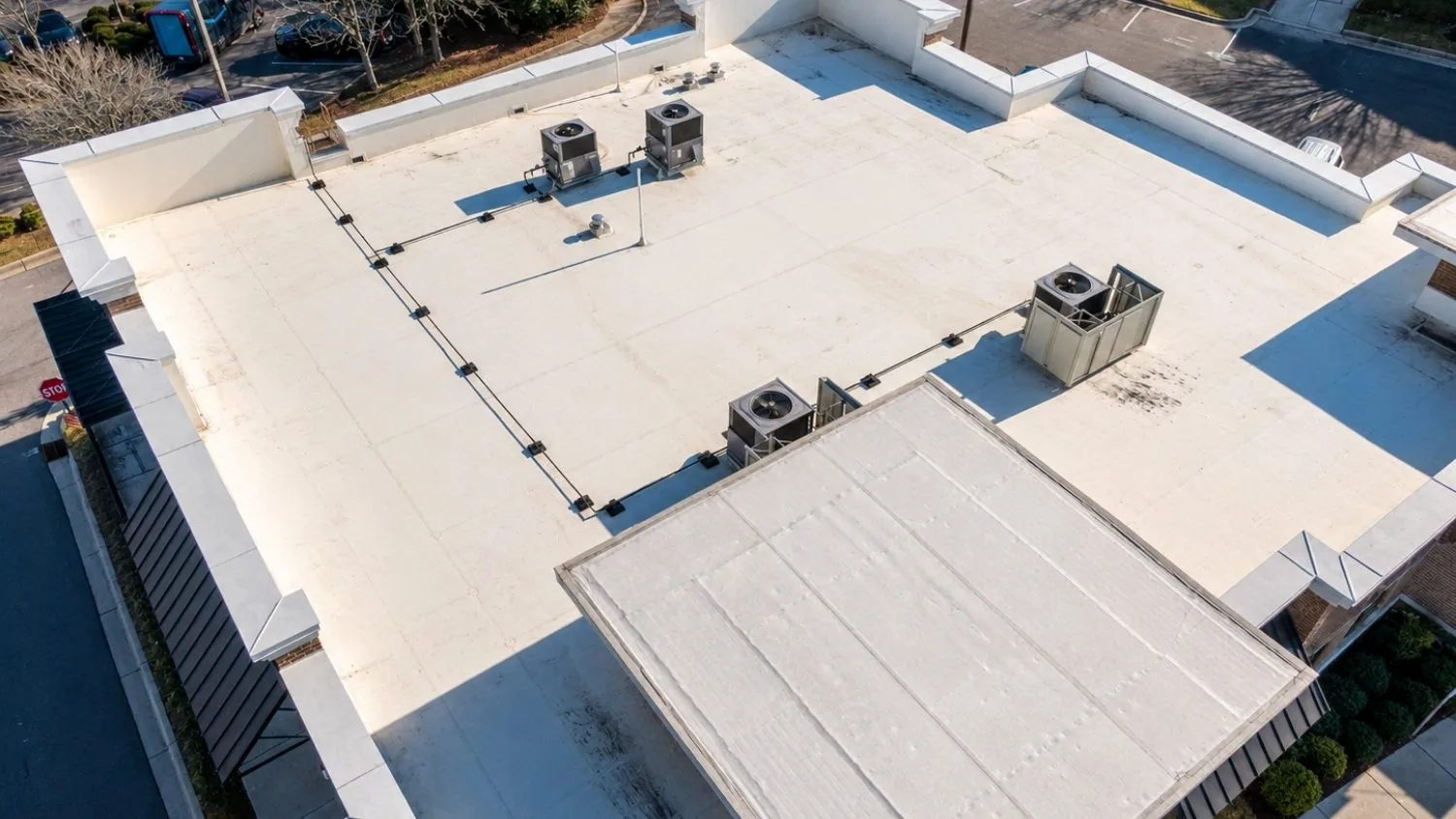
Get your warehouse roof in the district inspected
Tell us which building and what you're seeing, whether it's a leak, storm damage or worn areas. We'll inspect it, find what failed and give you a clear repair estimate.
- Grand Prairie commercial buildings considered through their own roof findings
- the Arlington Assembly area with individually defined roofing assignments
- commercial roof repair defined by the examined material and adjoining detail condition
- PVC membrane repair using identified sheet and a suitable retained joining area
- warehouse roof with supporting layer decisions tied to its own examination
- roof condition record locating industrial district repairs and outstanding material questions