Roof Systems in Arlington, TX
Roof Systems
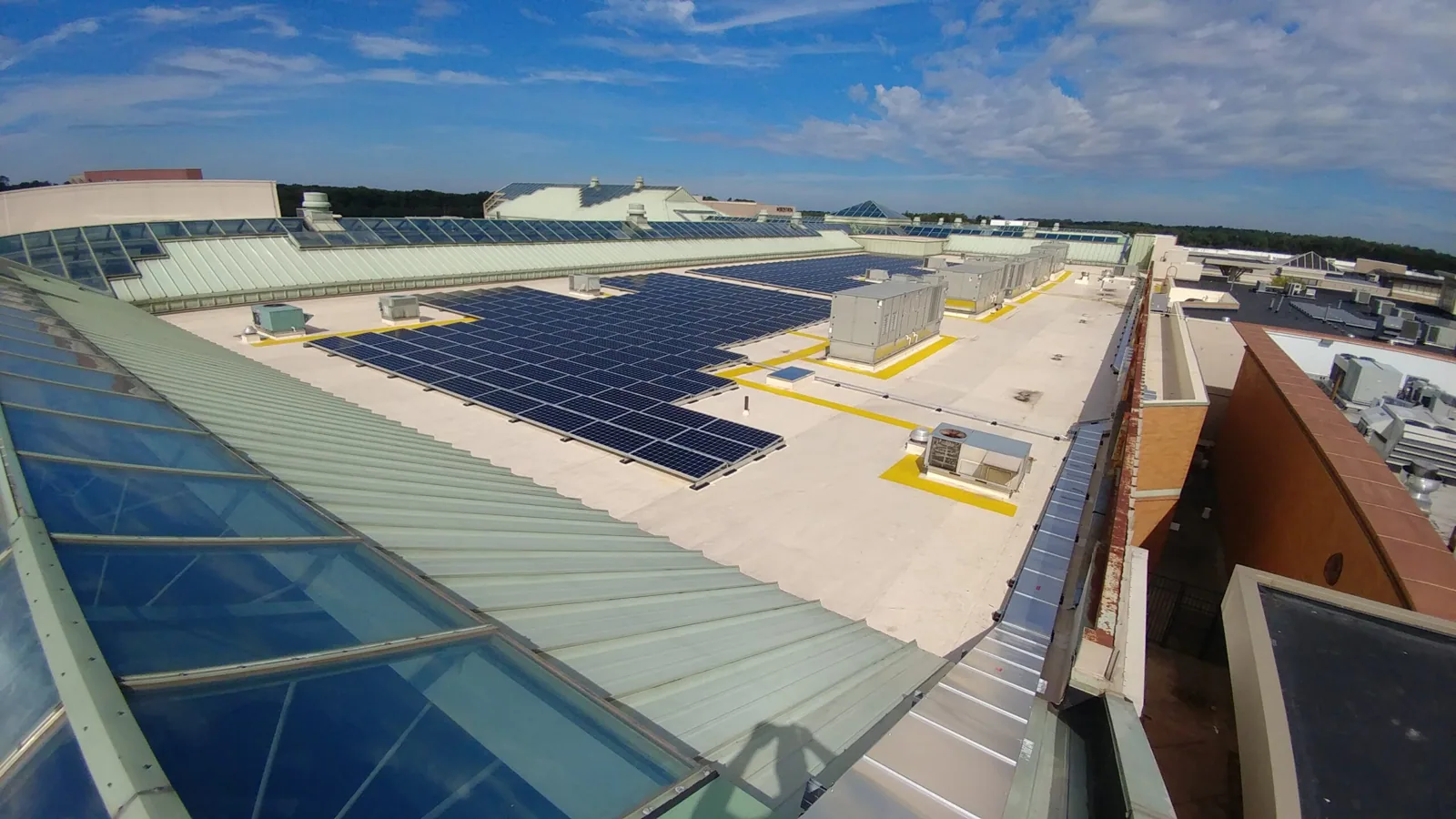
Picking a commercial roof system in Arlington, TX starts with the roof you already have. Knowing there's TPO or modified bitumen on top doesn't tell you what's underneath, or whether a new roof can go over it. We inspect the problem areas and review any drawings or records before comparing options. The estimate should show what stays, what comes off, and the prep work, right next to the new roof price. A system price on its own won't rebuild a rotted wall or move rooftop equipment.
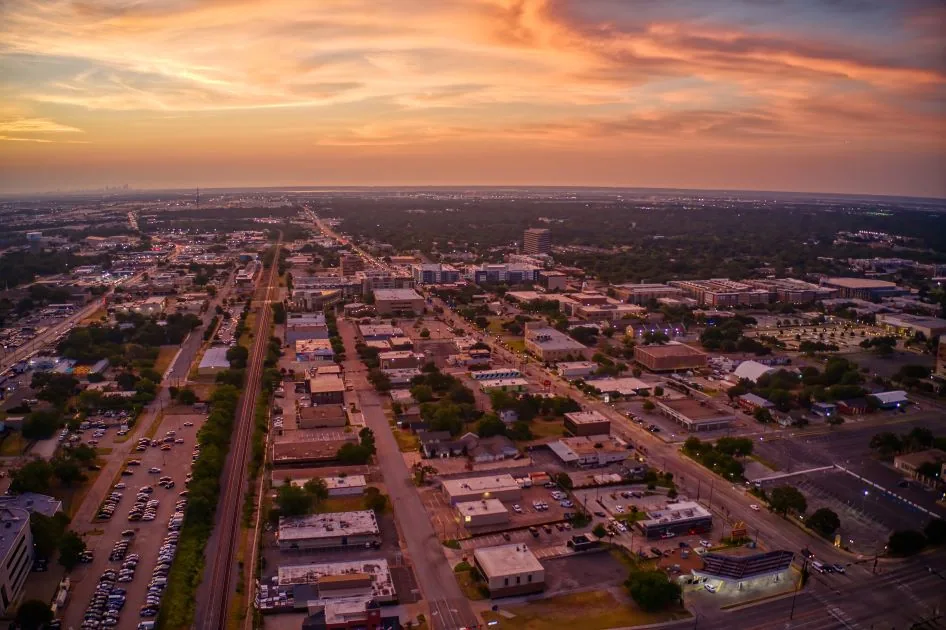
The Great Southwest Industrial District and the South Cooper retail corridor have very different kinds of buildings, so we identify the system on the actual building being assessed.
Matching the repair to the membrane
Our pages on TPO roofing and PVC roofing explain heat-welded seams and the details around them. EPDM roofing uses its own tapes, adhesives and flashing methods. Modified bitumen roofing has its own torch-applied or cold-applied repairs. None of that tells us what's on your building until we look. We identify what's there and explain how the new work will bond or weld to sound material.
On metal buildings, standing seam metal roofing depends on the condition of the seams, clips and the framing under them. A metal roof retrofit needs a clear picture of what stays and how the new system attaches. A good-looking surface doesn't prove the structure underneath is sound. If something hidden decides the recommendation, the proposal includes the test openings to check it and the cost of patching them.
Prep work that comes with any system
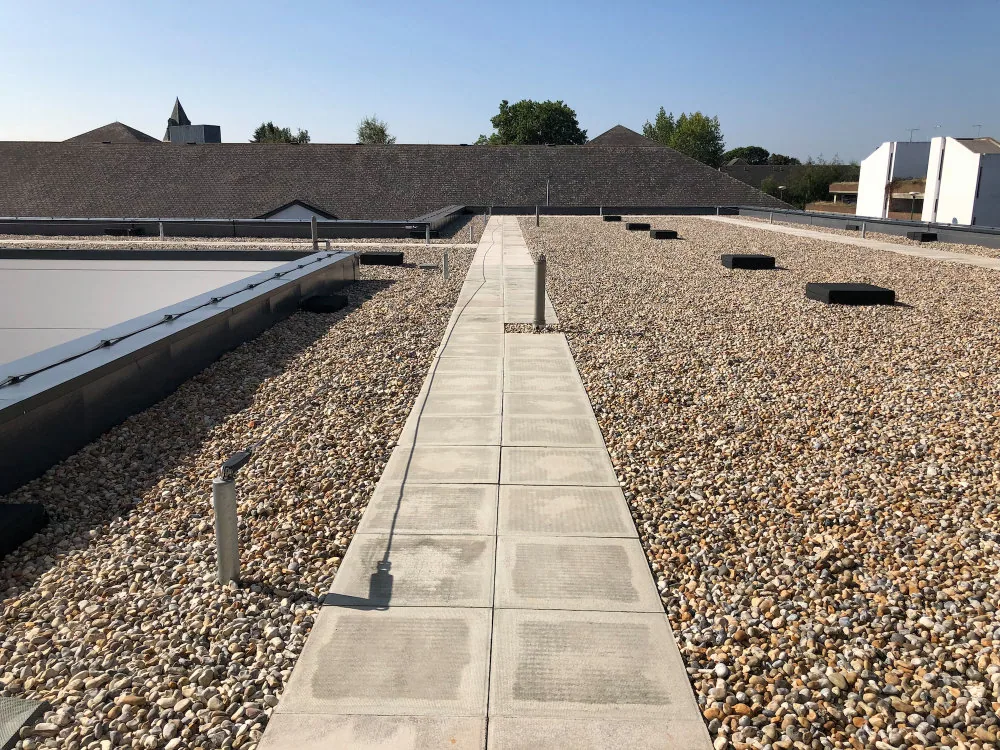
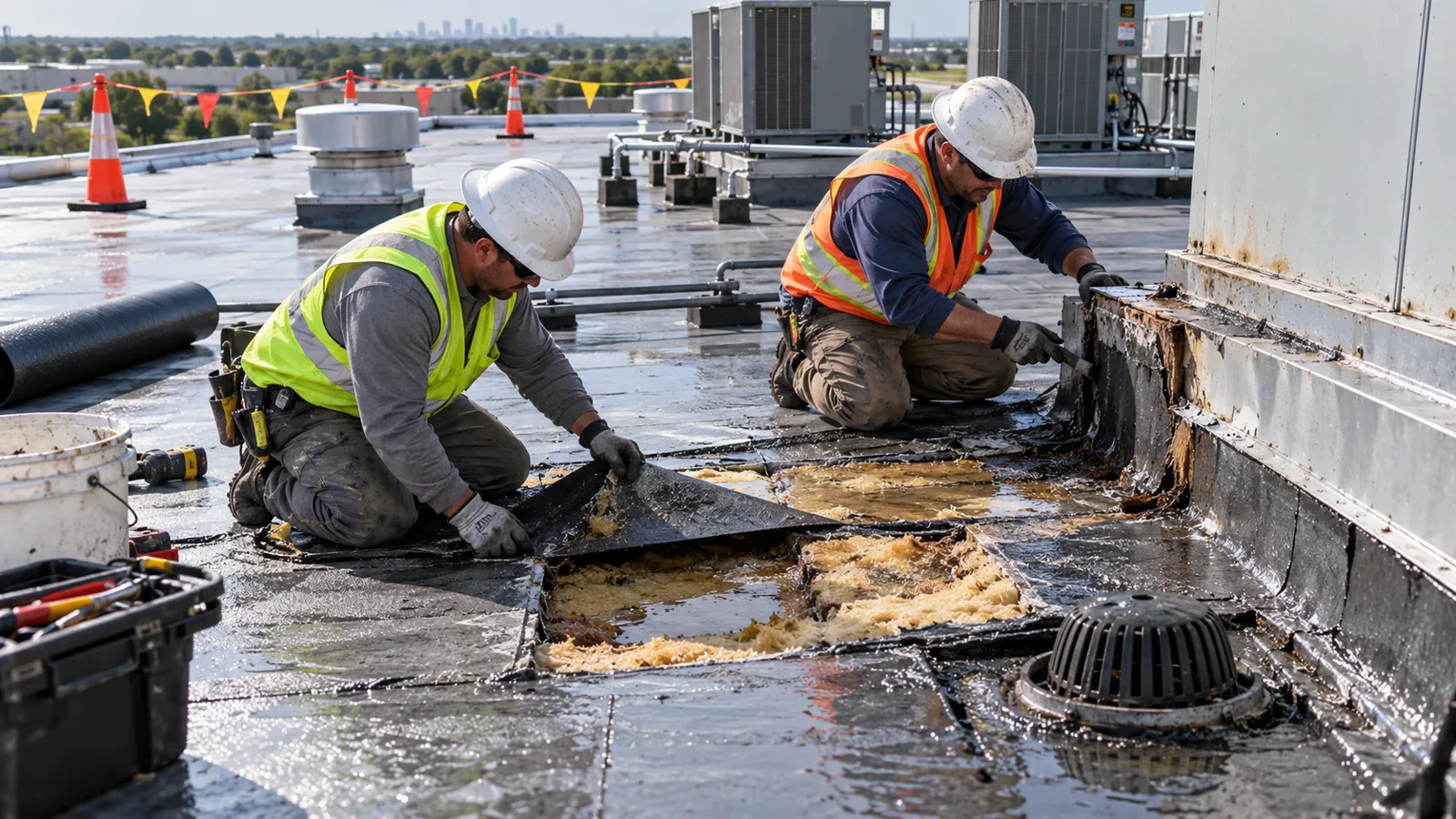
An infrared moisture survey can flag wet insulation, but its results depend on weather and roof conditions. Core cuts may be needed before we recommend keeping existing layers. We explain where we'll cut and why, instead of stretching one reading across the whole roof.
Wall repairs, drain work and rooftop equipment changes stay listed next to the roofing that depends on them, with an engineer involved when the structure changes. For reroofing an occupied building, we plan the openings and material routes with the building contact and agree on how to protect the spaces below. We inspect roofs near Downtown Arlington and across the rest of the city. At the end, you get a record of what we installed and what other trades still owe, so the next property manager can tell the new roof apart from open items on someone else's list.
After the 2016 hailstorm: inspect before choosing
The March 17, 2016 hailstorm hit Arlington and Fort Worth, with insured losses estimated above $600 million. Hail damage can change which system makes sense, but a storm total isn't a roof inspection. We find the impacts, check the membrane, and core the insulation where keeping it matters. Repair and replacement get priced over the same area, with claim paperwork kept alongside the inspection findings, not in place of them.
Before a recover: confirm what's underneath
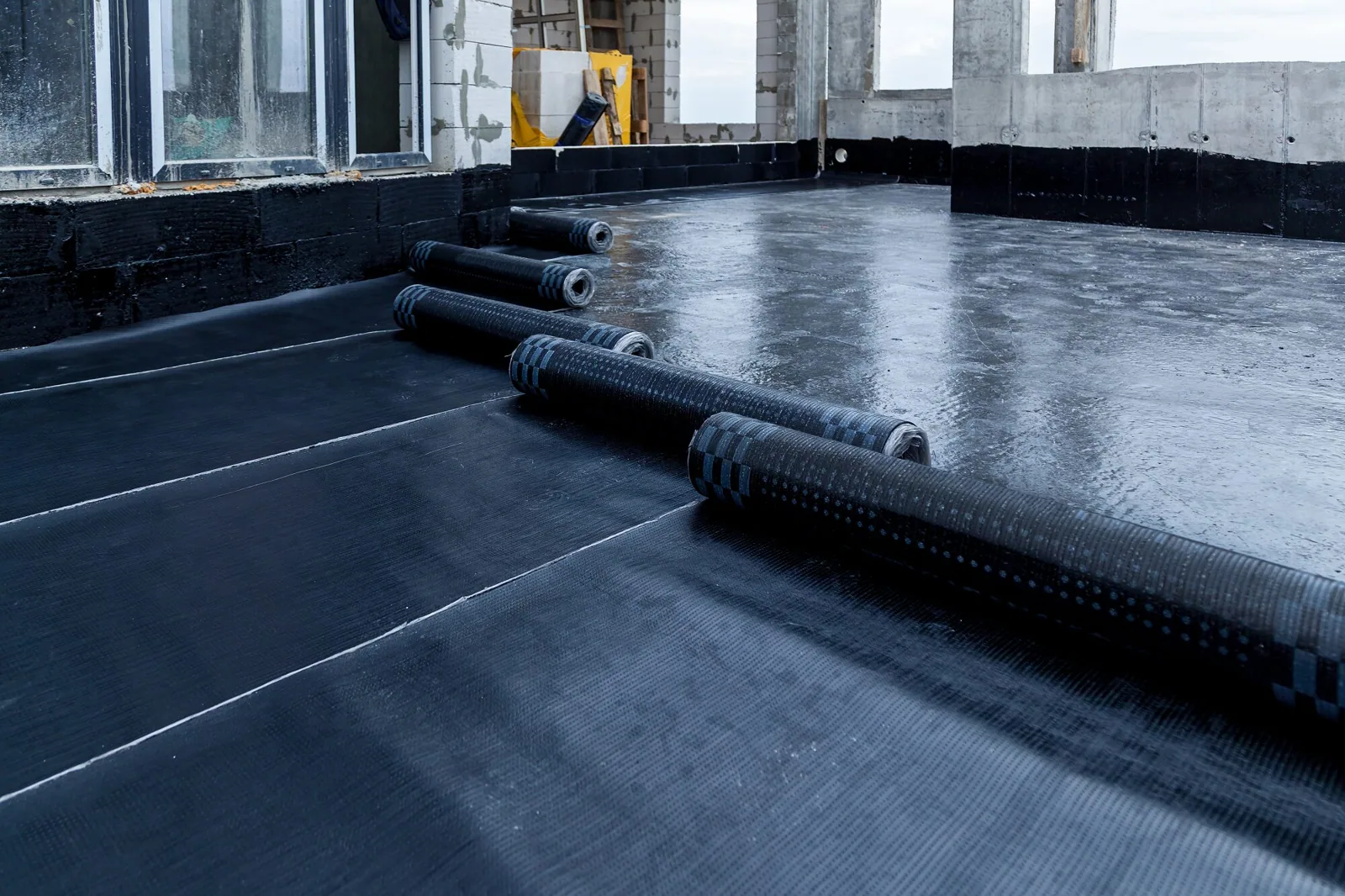
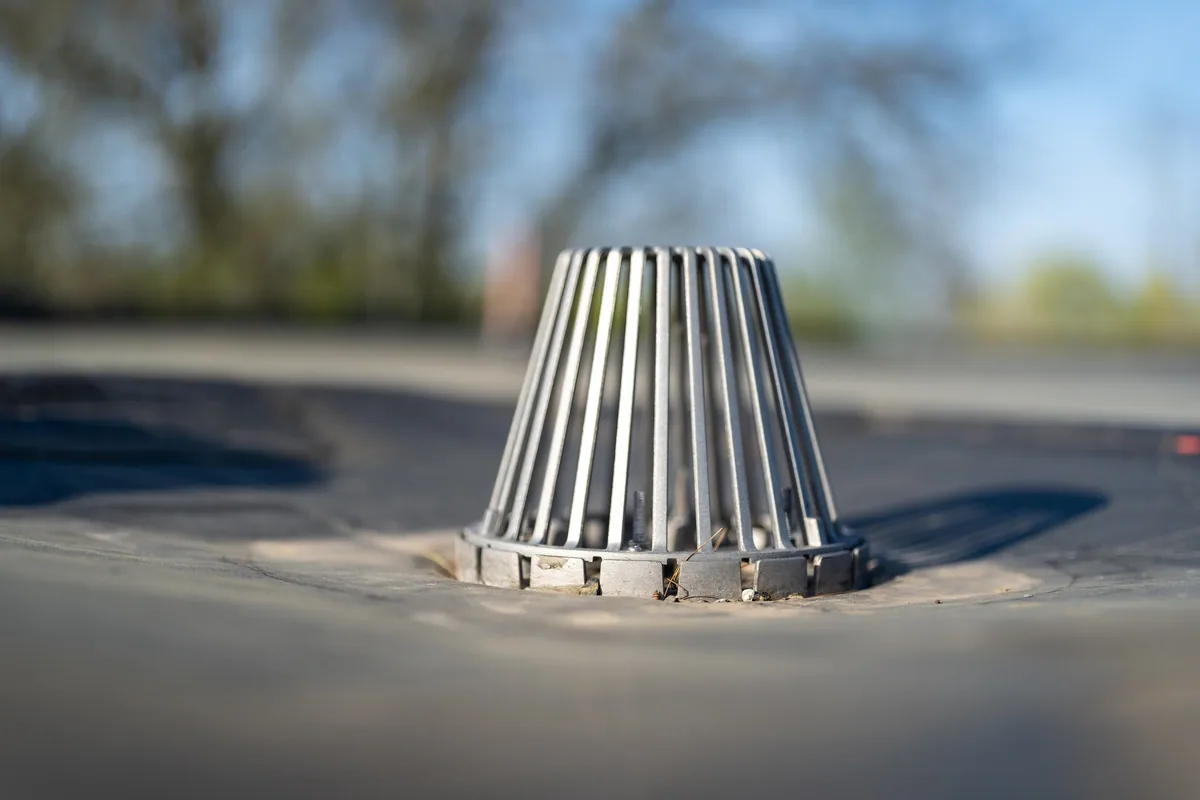
A recover, meaning a new roof over the old one, only works if the existing roof can stay. We check the layers, look for trapped moisture, and see whether the added thickness affects drainage or edge heights. The new system still needs its attachment, edges and penetrations detailed. Patching test openings and any curb or drain work belong in the price. You should see that evidence before comparing it to a cheaper allowance.
Roof Systems: Common Questions
Does the type of roof on the building tell you whether a recover will work?
No. We need to know what's under the top layer and whether it's dry and well attached. Cores or test openings answer that where it matters; the membrane type alone can't.
What should be included with the new roof price?
Tear-off, any wall, curb or drain repairs, and the prep needed to attach the new system. Work by other trades should be listed next to the roofing that depends on it, along with how the spaces below will be protected.
What should drive a system choice after a hailstorm?
An inspection of your roof: where the impacts are, what the membrane looks like, and whether the insulation is still sound. Then compare complete systems on tear-off, attachment, details and how they line up with your claim records.
When does a recover stay on the table?
When the existing layers are dry and well attached, and the added height works with drainage and edges. We confirm that with cores or test openings, and we include patching them before treating the old roof as part of the new one.
Get the roof inspected before choosing a system
Schedule a visit through the building contact. We'll explain what's on the roof now, what it needs, and which systems make sense for it.
Call 555-555-5555 or email [email protected].