Warehouse Roofing in Arlington, TX
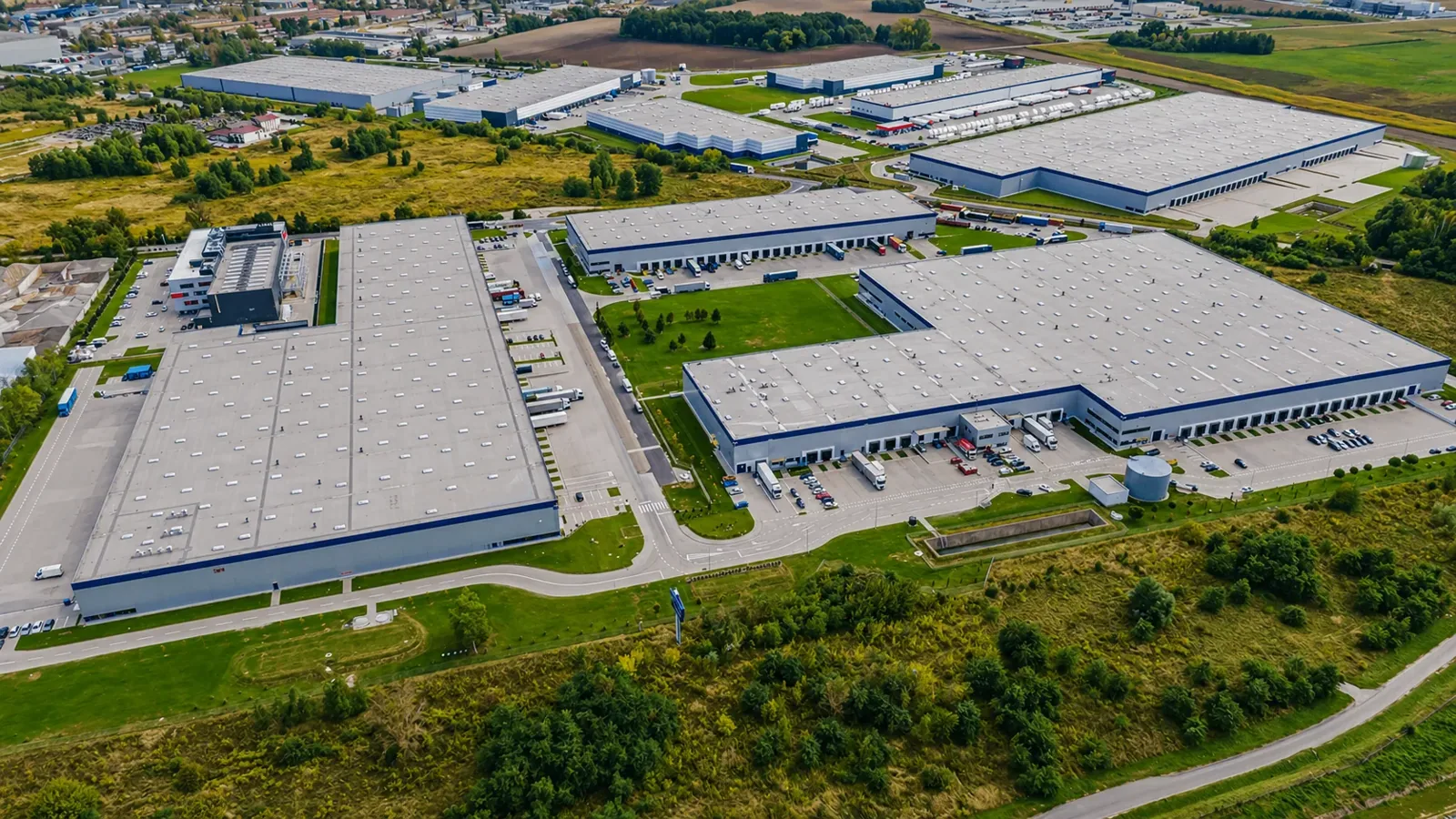
Warehouse Roofing
Warehouse roofing in Arlington, TX: seam and metal roof repairs, curb and drain work, and roof openings planned around racking, stock and forklift traffic below.
Hail fell across parts of Arlington on May 27, 2024, and big warehouse roofs catch a lot of it. A warehouse roof is a big, mostly flat field of membrane or metal panels. Leaks usually start at seams that have pulled apart, at fasteners that have backed out, or where the roof meets walls, curbs and drains. A seam that looks an inch open can have wet, loose membrane well beyond the gap. A leaking screw on a metal roof can mean the panel or purlin under it has moved, and a bigger screw won't fix that. We sort out what can stay, what has to come off and what gets rebuilt underneath, then price the repair.
If you also have buildings in Grapevine or Colleyville, each one gets its own report.
To set up an inspection, send the address, where the leak shows up inside and any drawings or past repair records you have. Tell us who can meet us and open the roof hatch. We'll want to know what's racked or stored below the problem area and when forklifts are running, because that shapes when and how we work.
Seams and fasteners
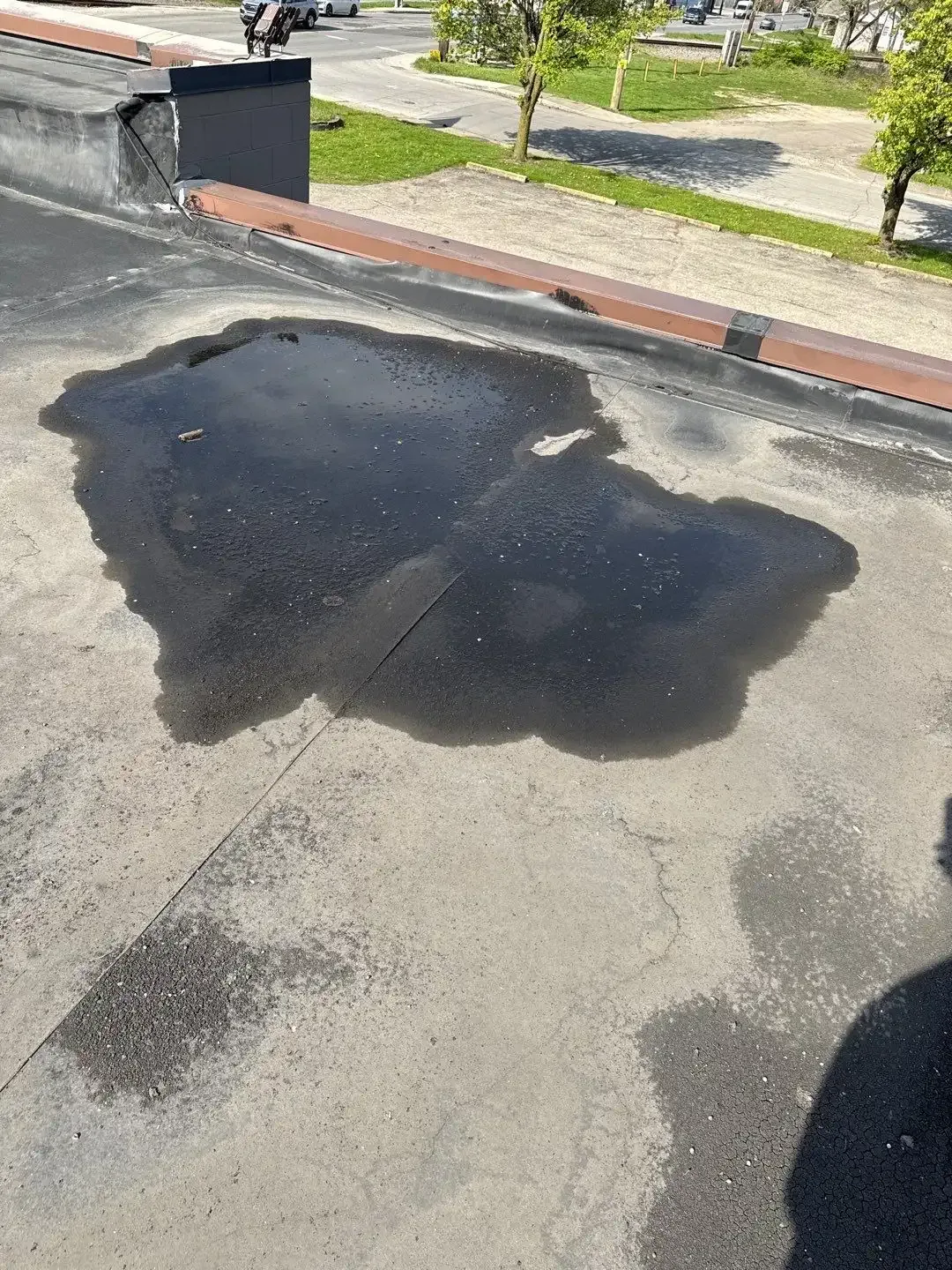
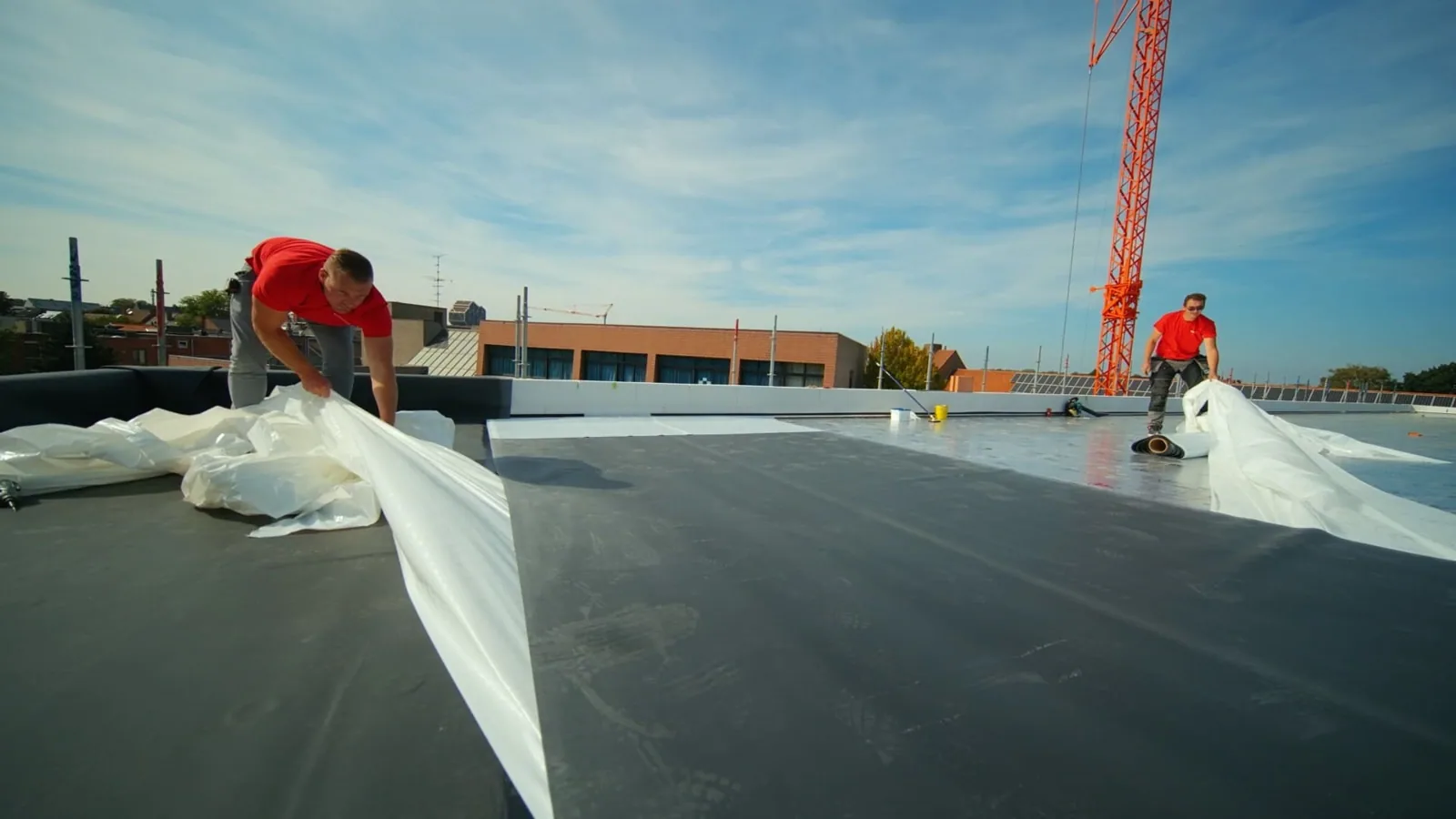
For seam failure repair, we check the membrane on both sides of the split. If the sheet is still flexible and well attached, we clean it and weld or bond a new seam that fits the system, heat-welded for TPO or PVC, torch or cold-applied for modified bitumen. If it's brittle, wet or loose, we cut back until we reach good material. That's why two seam repairs of the same visible length can cost very different amounts, and the proposal should show how far each one goes.
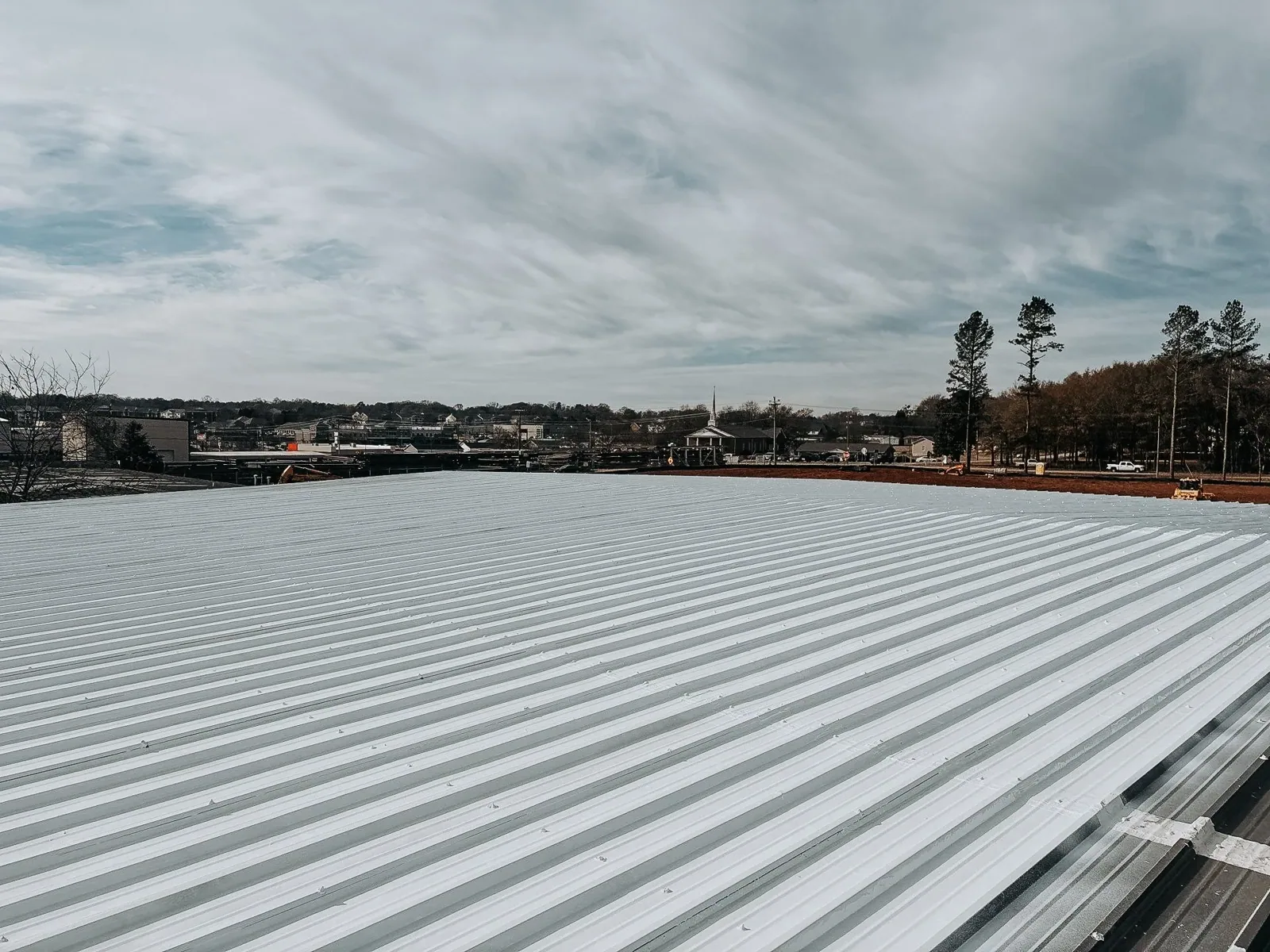
On metal buildings, a metal roof retrofit or repair starts with the panels and the framing that holds them. Backed-out screws, worn washers and loose laps let water in, but sometimes the real problem is a damaged purlin or panel that has moved. If the framing needs to change, an engineer reviews it, and any backing work by another trade gets done before new panels or flashing go on. We photograph what we find while it's exposed. That gives you a clear record of why the extra work was needed.
What the repair includes
A commercial roof repair proposal for a warehouse should say three things plainly: what existing roof stays, what gets torn off and what goes down before the new membrane. It should also say what's not included. Rebuilding a rotted parapet wall or modifying a rooftop unit is someone else's job, but the roofing can't be finished until it's done, so we list it right next to the roof detail that depends on it. When two bids come in, that's how you tell whether they're pricing the same repair or one of them skipped the hard part.
If the plan is to keep the old roof in place and repair or recover over it, the insulation underneath has to be dry. An infrared scan can point to likely wet areas, but it can't confirm what's in every layer. Core cuts at the spots that decide the plan tell us for sure, and we patch each one the same day. If those spots are above stored goods, we arrange protection below first. Structural and mechanical questions go to the engineers and contractors who handle them. Only the cores tell you whether the insulation is wet, so the recommendation rests on what they show.
Curbs, walls and drains
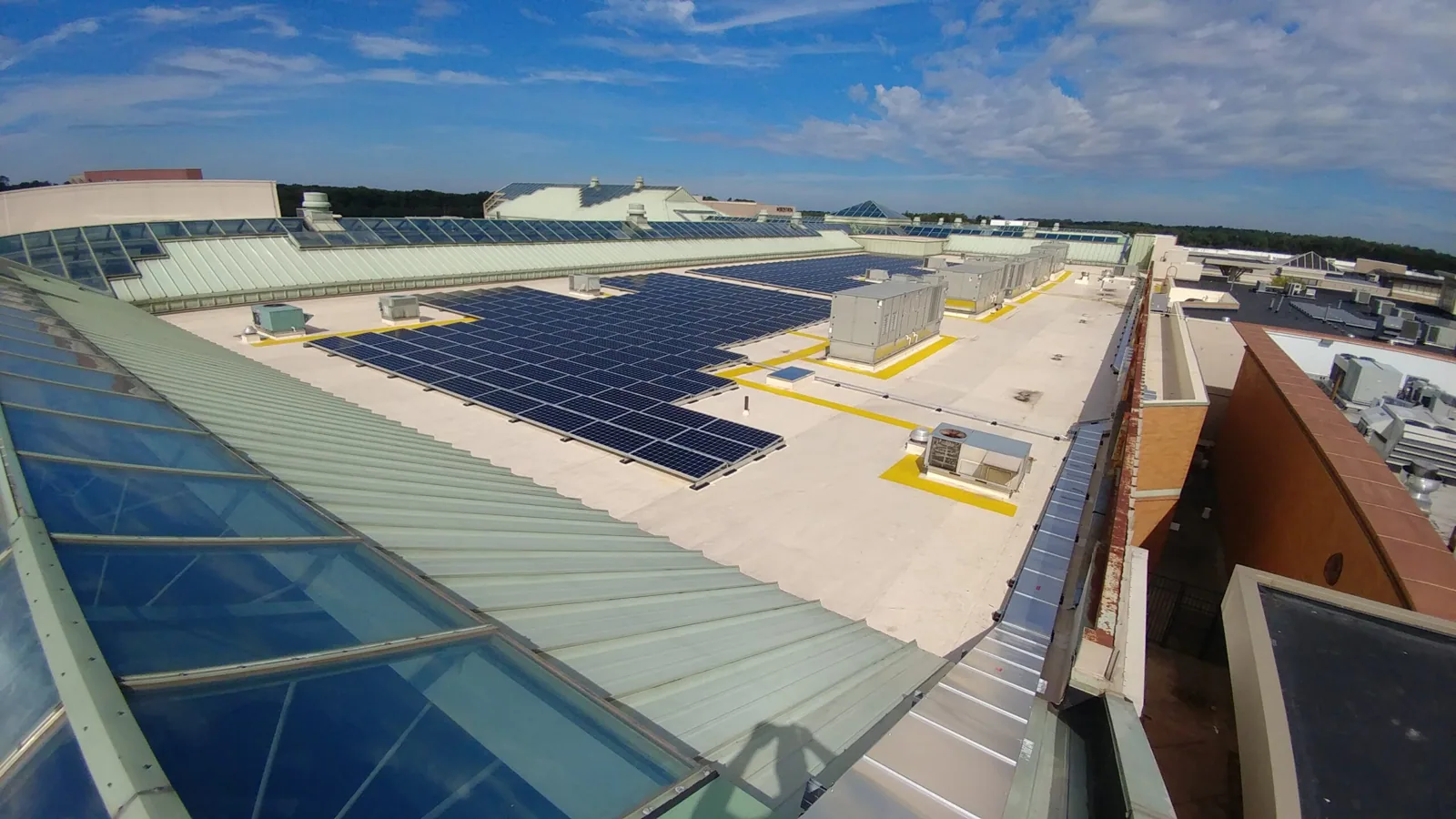
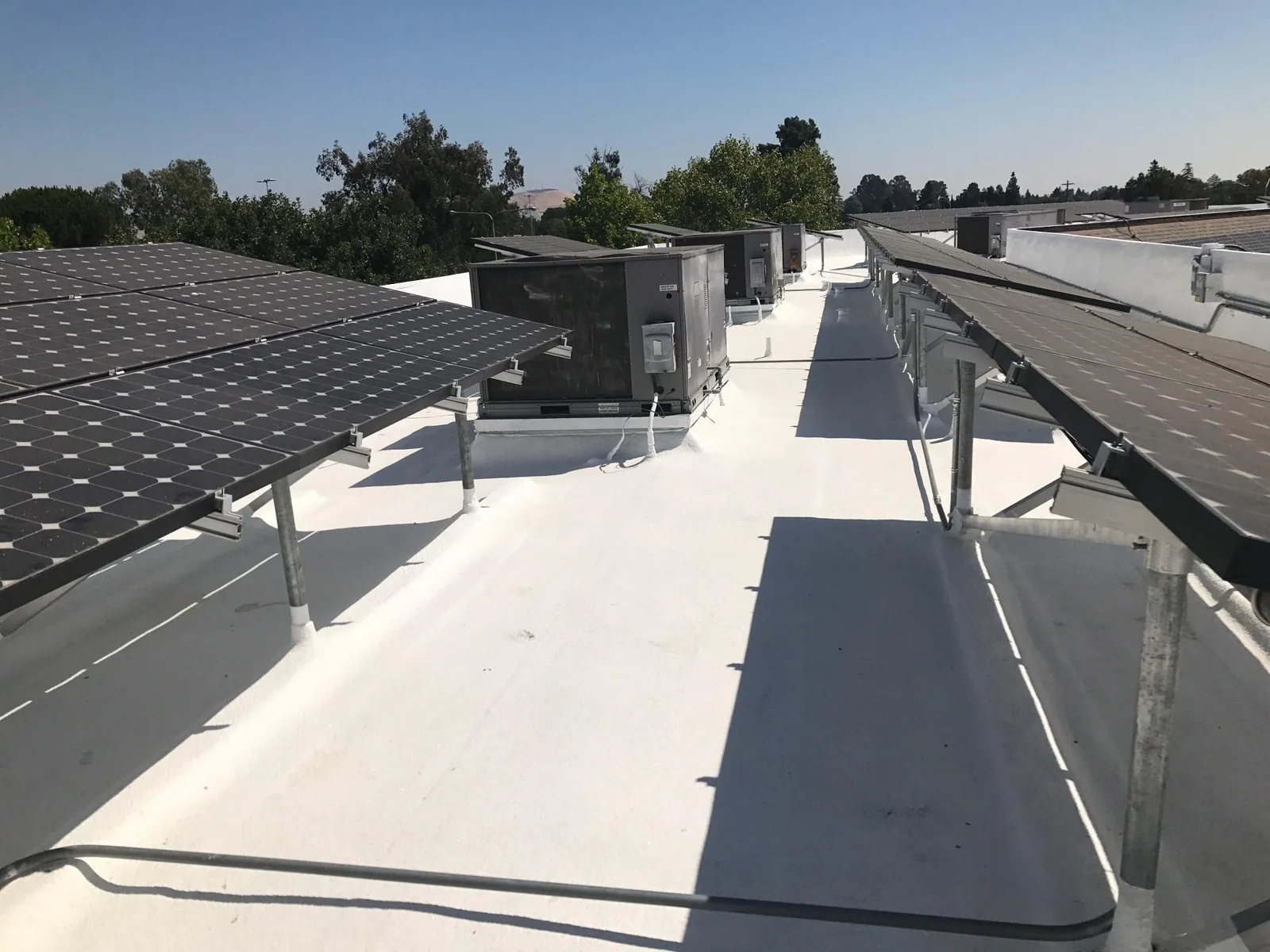
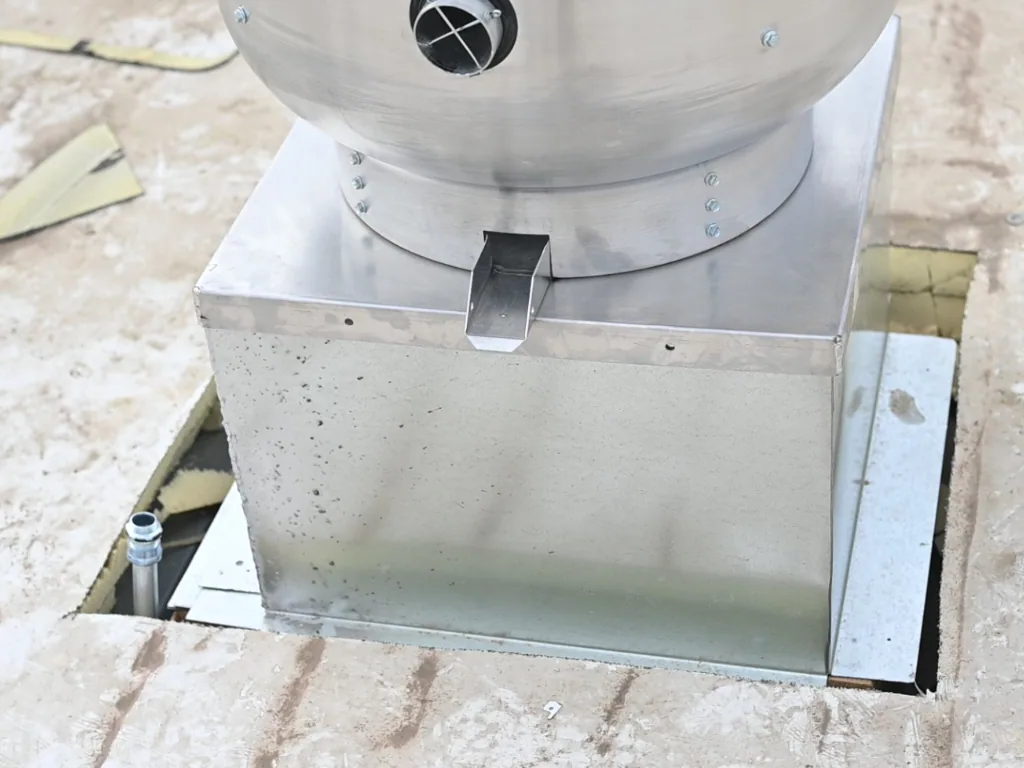
Exhaust fans, rooftop units and gas lines all sit on curbs or supports that need their own flashing. For rooftop equipment curbs and supports, we work out what the equipment contractor has to do first, like disconnecting a unit, raising a curb or moving a line. They handle that equipment work, and an engineer looks at any change to the supports. Then we flash the curb and tie it into the field. If the equipment work isn't done, the roof detail isn't done, and the proposal shows.
Wall details follow the same rule. If the backing behind the flashing is rotted, the wall contractor rebuilds it, then we install new base flashing, secure the top edge and seal it to the membrane. Patching at the base of a wall won't stop water getting in above. Warehouse drains are often few and far apart, so one clogged or damaged drain can cause a lot of ponding. We check the drain body and clamping ring and tie the membrane in. If the pipe below needs work or the drain needs to move, a plumber handles it, and an engineer may need to sign off. Each job is listed separately, in the order it has to happen.
Protecting stock and operations below
Before any occupied building reroofing, we show your facilities manager where we'll open the roof, how big each section will be and how material gets on and off the roof. Your team tells us what's below: high racking, finished goods, packaging, equipment, an office, or just open floor. They decide what gets moved, tarped or roped off, and we plan our own precautions around that. We don't assume the floor is empty just because we were allowed up to inspect, and we don't route material across dock aprons or drive lanes without your okay. Work hours get set around shifts and truck traffic, not a standard warehouse schedule.
If we open the roof and find a rusted deck or more wet insulation than expected, the job changes inside the building as well as on the roof. We stop, photograph what we found and explain what else needs to come off. You review protection and access for the larger area before we go further. If we're waiting on wall repairs or equipment work from another contractor, we install a temporary seal and note that the permanent repair is still pending. You see the added roofing and the added protection plan together, so precautions for one bay aren't simply copied to the next.
Closeout and what's still open
At closeout you get a list of the seams repaired, any backing or deck replaced and the membrane or panels installed. We include photos taken before the new roof covered things up and the locations of any core cuts we patched. If plumbing, wall or equipment work by another contractor is still open, we list it next to the finished roofing. A new seam on the roof doesn't mean the pipe below is sound or the HVAC work is done. If another area still needs a look, we say where and why, so one repaired leak isn't mistaken for a fixed roof.
For a warehouse inspection in the Great Southwest Industrial District, call and we'll set a time with your facilities contact. Owners with bigger logistics buildings or plants can also see distribution center roofing and manufacturing plant roofing. Each building gets its own inspection and its own record, so you have something solid to work from at the next budget or sale.
Common Questions
Should we get our warehouse roof checked after the May 2024 Arlington hail?
It's a good idea. Hail damage on a big roof is easy to miss from the ground. We inspect the seams, panels, flashing and insulation and tell you whether anything needs repair.
Why do two seam repair quotes differ so much?
Usually because one includes cutting out bad membrane around the split and the other just covers the visible gap. Ask each contractor how far past the opening they're removing material and what prep they're doing before the new seam goes down.
Who protects the racking and stock under the work area?
Your warehouse team decides what gets moved, tarped or roped off, since they know what's stored there. We share exactly where and when we'll open the roof and add our own protection on top of theirs.
What if a rooftop unit still needs work after the roofing is done?
The closeout lists it as open, with who's responsible, next to the roofing we finished. Until the equipment work is done and the curb flashing is completed, that detail isn't finished, and we don't call it finished.
Schedule a warehouse roof inspection
Have your facilities manager set up a visit. We'll check the seams, curbs, walls and drains and explain what needs repair, what stays and how we'll protect the floor below.
- warehouse seam separation and covering preparation
- warehouse metal fastening and supporting construction review
- warehouse roof repair and retained material proposal
- warehouse component support and roof flashing handoffs
- warehouse roof removal and storage-space preparation
- Arlington warehouse examination in the Great Southwest area
- distribution roofing with opening and material review
- manufacturing roofing and component preparation duties