
Commercial Roofing for Manufacturers in Arlington
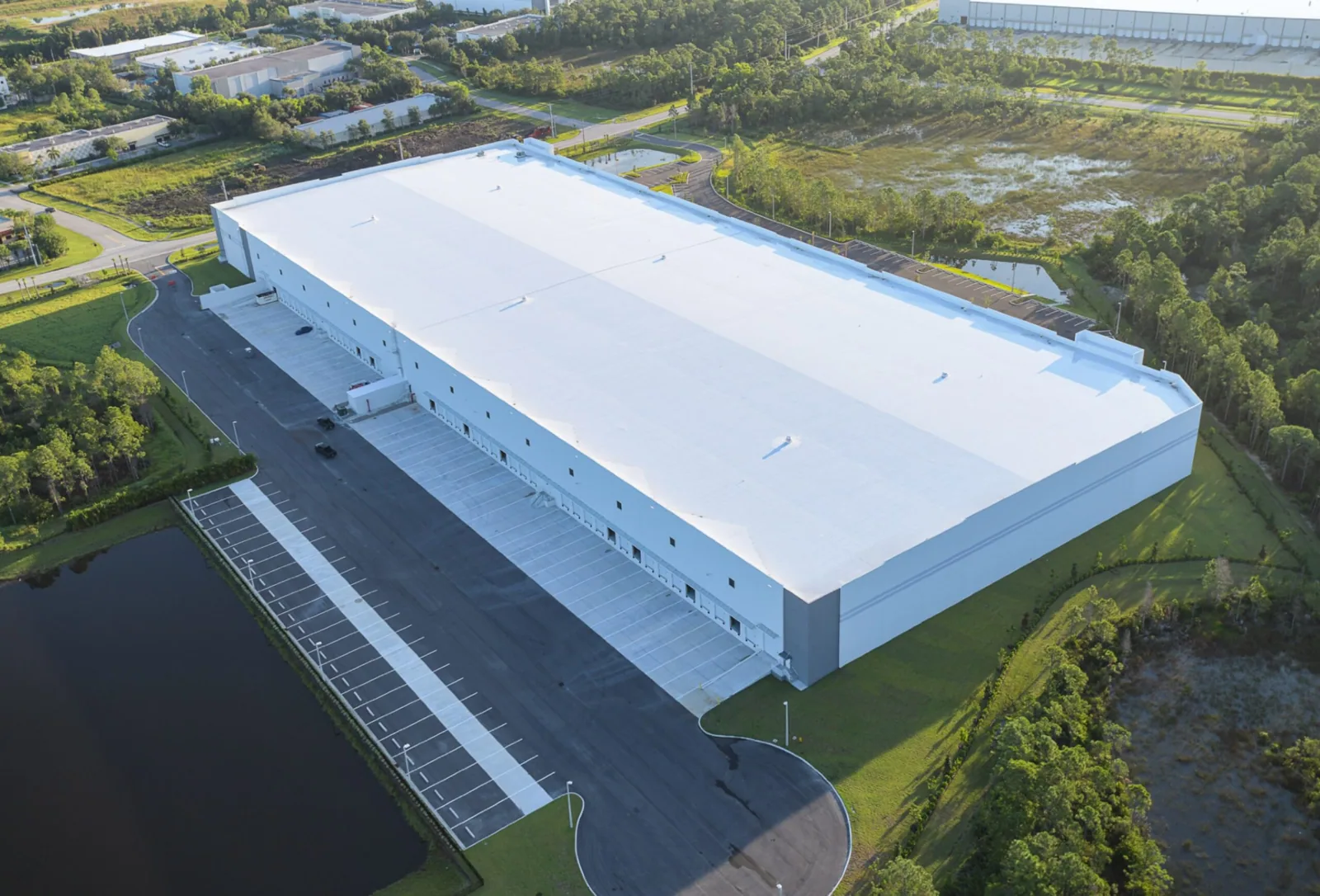
Manufacturers
Roofing for Arlington manufacturers: repair and phased replacement options planned around production, equipment curbs and process penetrations, with records for capital planning.
When a manufacturing plant in Arlington needs roof work, the owner and the production manager have to be looking at the same plan. A quick detail repair and a phased replacement affect different routes, staging spots and equipment work. We find the problems on the roof first, then show how much of the roof each realistic option would take up. The price should show what can be fixed in the inspected area and what still needs checking before a bigger project makes sense.
For a plant near GM Arlington Assembly, we start with the building itself and the people who need to sign off on the work area. If the project runs through a general contractor or a property manager, approvals should stay attached to the affected roof area and its access plan. The decision gets practical when everyone can see the proposed work and what they need to settle before it starts.
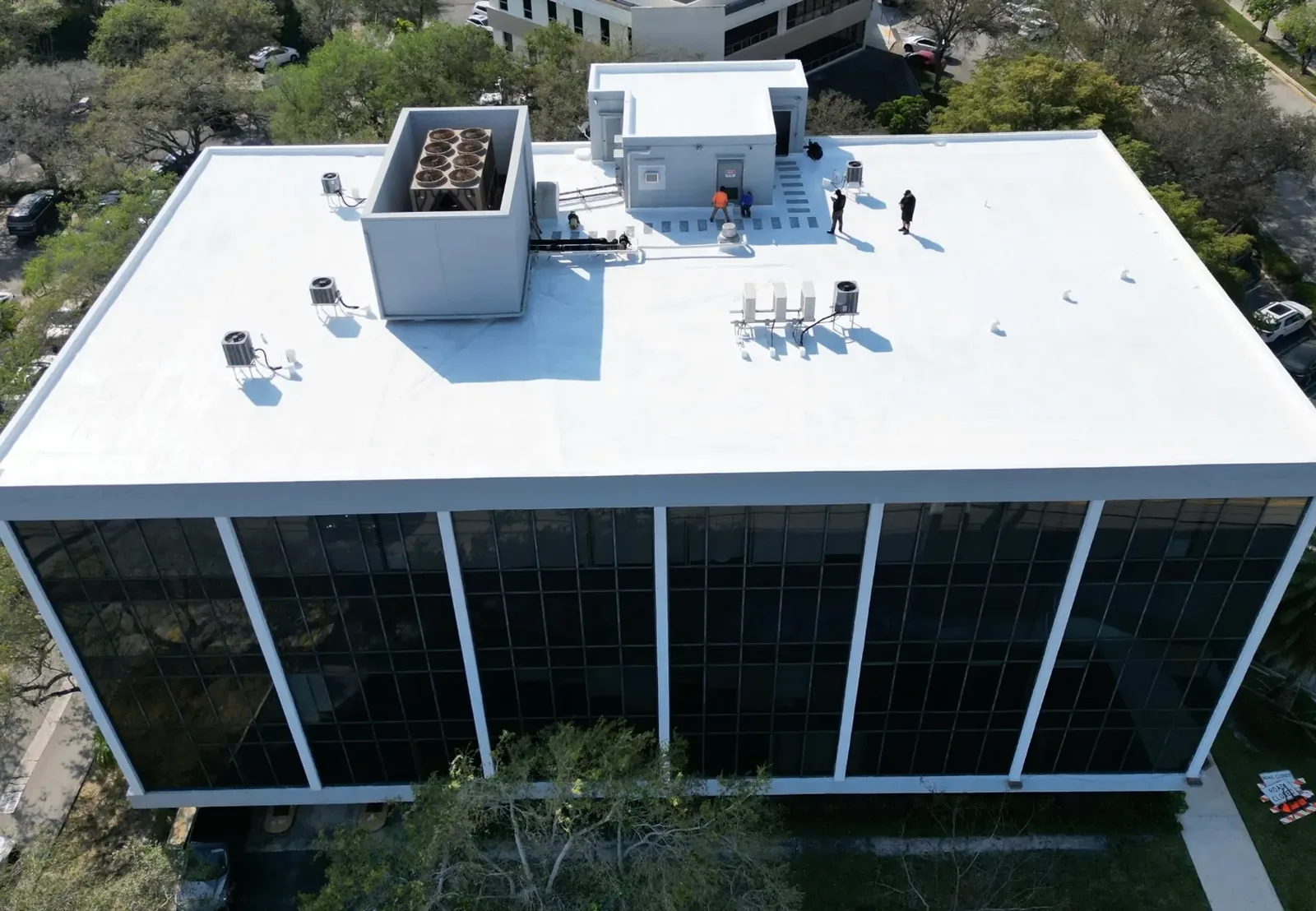
Options: compare how much roof each one takes
Before comparing a small repair with a larger project, we show the problems we found and the area we actually inspected. A failed curb flashing may have a clear local fix while the insulation elsewhere still needs testing. If a leak inside led us to the area, we note any part of the water path we couldn't confirm. Neither the type of building nor the size of the proposed project can stand in for what the inspection found.
A commercial roof inspection should explain what a limited repair covers and what has to be checked before a phased replacement is on the table. We mark the roof area for each option and show where work might need its own access or staging. We also note any material question that keeps us from pricing the larger scope yet.
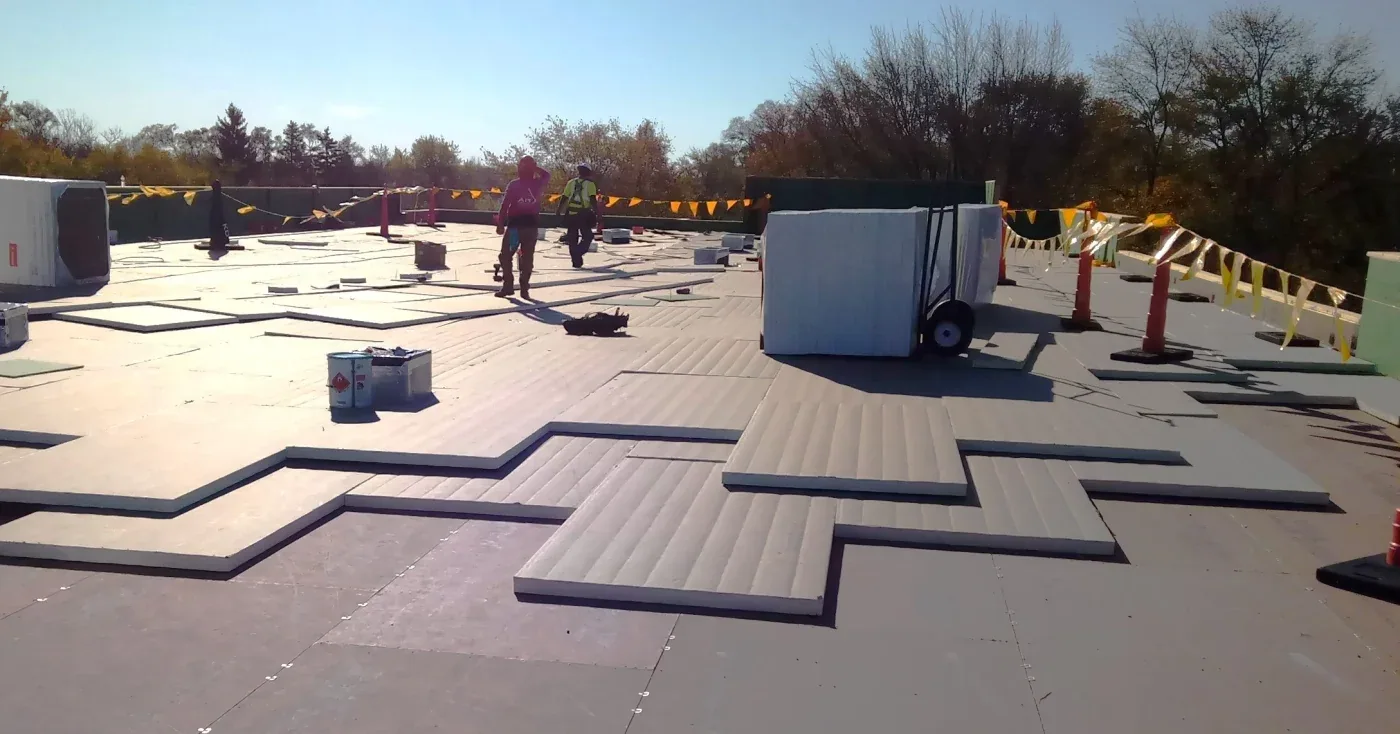
We ask your production manager to review those work areas before anything is scheduled. We talk through whether a route or work area runs into something they need to protect, and we write down what they tell us. Then you can compare options by the work involved and the questions still open, not by a guessed production timeline. If the roof area changes, the coordination plan changes along with the price.
Approvals: line up the roof route with production
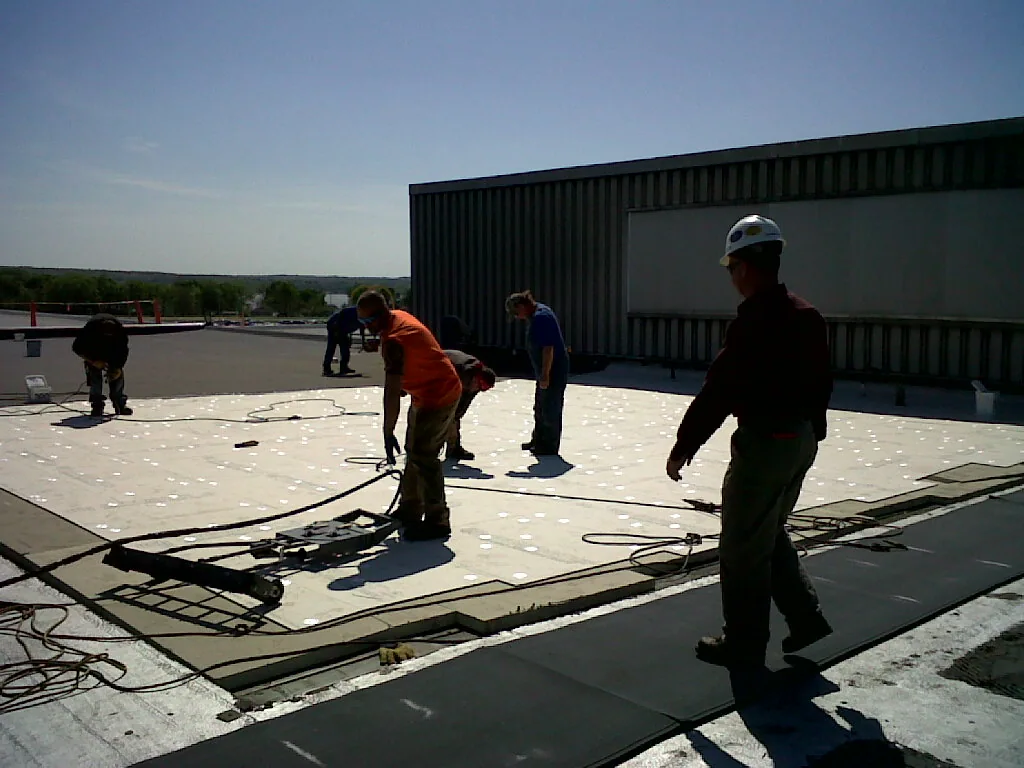
We map the route for getting roofing material to the work area and ask whether it affects dock access, forklift traffic or other plant activity. We mark the staging spot and the roof area the job needs. Your designated contact tells us the actual rules and restrictions. We note what's approved and which route questions are still open before scheduling any delivery.
At a manufacturing plant, we ask who has to approve work next to a process exhaust, equipment curb or pipe support. For plants in Kennedale as well as Arlington, we identify the production and property contacts for that part of the roof. We settle who handles the equipment and who rebuilds the membrane around it, and which comes first.
If the equipment plan changes, we review how that affects the flashing and the work order with those contacts. The change and its approval are noted at that location. Before we close up the roof around it, we confirm the equipment work is actually done. Progress somewhere else on the roof doesn't prove this particular detail is ready.
Material: match the repair to the membrane
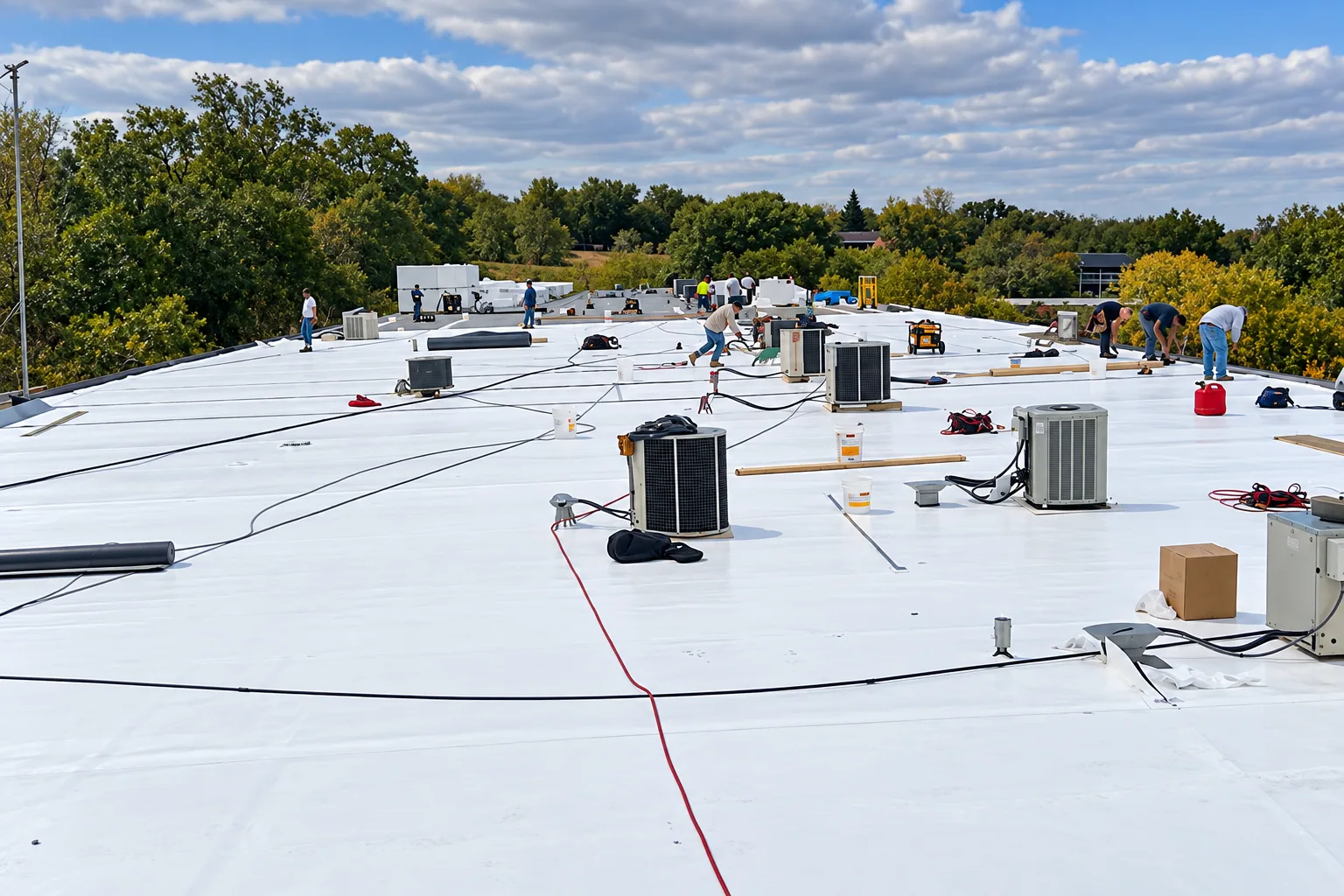
We identify the membrane where the repair goes and check the existing roof where new material will tie in. Older records may not reflect a newer penetration or patched area. We confirm the materials before choosing compatible parts and the right seaming method. The repair follows what's actually at that spot, and any remaining question is noted next to the method.
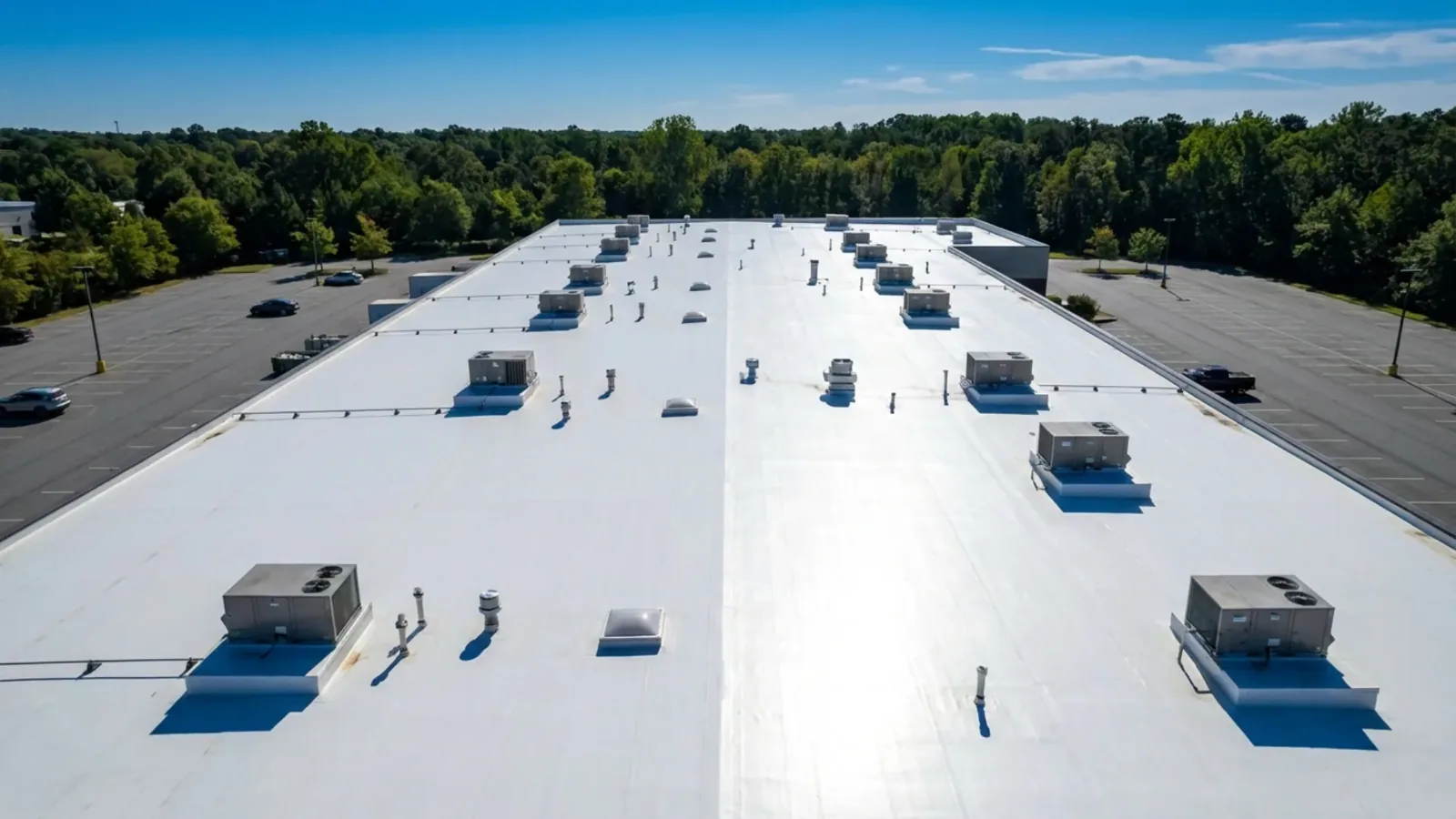
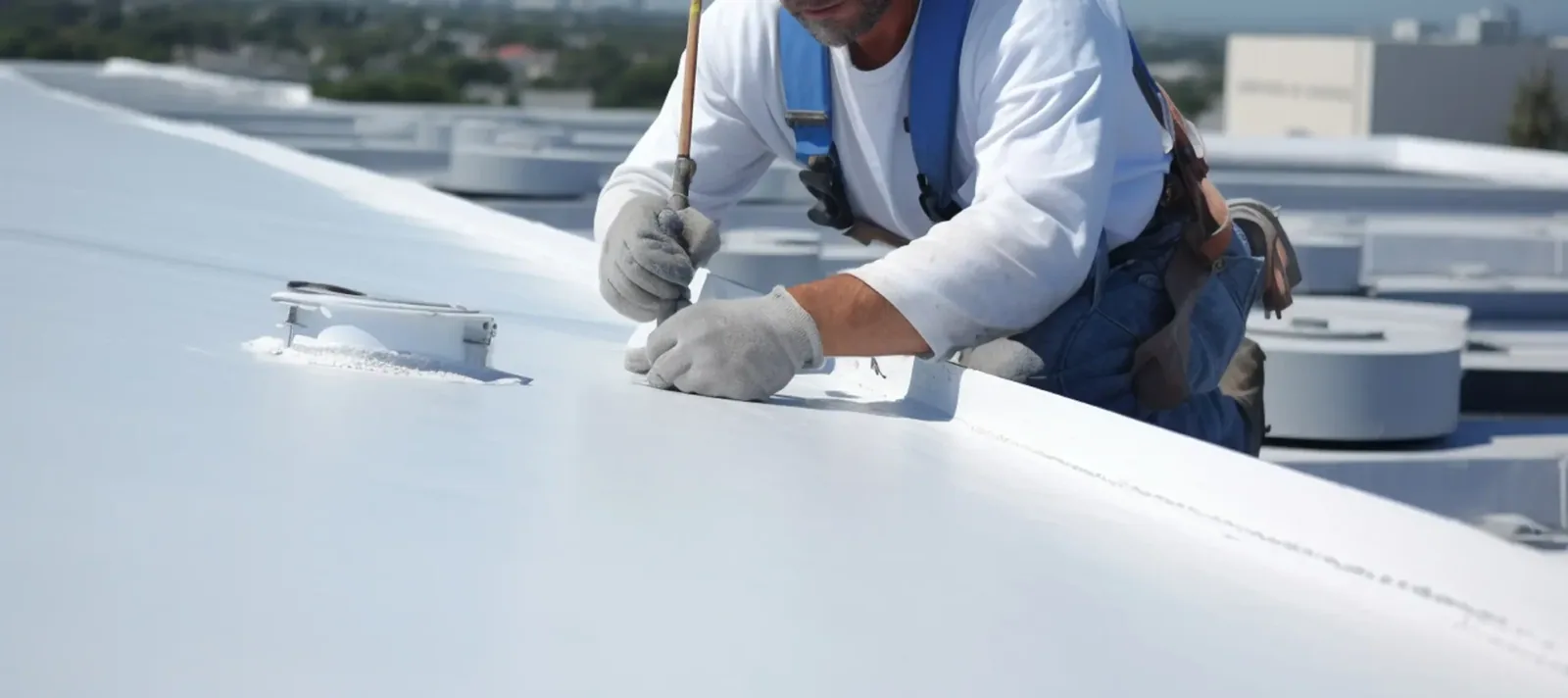
For TPO roof repairs at a plant, the membrane and the manufacturer's requirements guide the work. A different roof system may need a different repair. We check the nearby seams and flashing and include repairs where an open seam or failed flashing would leave the new work tied into bad material.
Cleaning won't fix torn membrane or close an open seam. Nearby repairs come first, then the existing roof gets prepped. We explain each of those steps by location so the facility manager understands why it's in the price and how it supports the permanent repair.
Hidden layers: keep the budget tied to evidence
Where moisture readings or soft spots raise questions about the insulation, we identify the testing needed before deciding whether to keep it or replace it. If the repair depends on dry, solid layers, we confirm them, and we tell you which core or test area supports the decision. A dry-looking surface says nothing about insulation or deck in parts of the plant roof we haven't tested.
If a test cut turns up wet or damaged material, we photograph it and describe the added tear-off or rebuild. The change is settled before the roof is closed. The facility manager can see how it affects the price because the added work stays tied to the spot where we found the problem, not as an unexplained increase.
Temporary protection can hold while that decision is made. We note what it's for and what permanent work is still pending, so nobody confuses it with a finished repair. The existing membrane is prepped only after the insulation decision and nearby repairs are done, and we note the prep needed before the final seal.
Capital planning: show what each option delivered
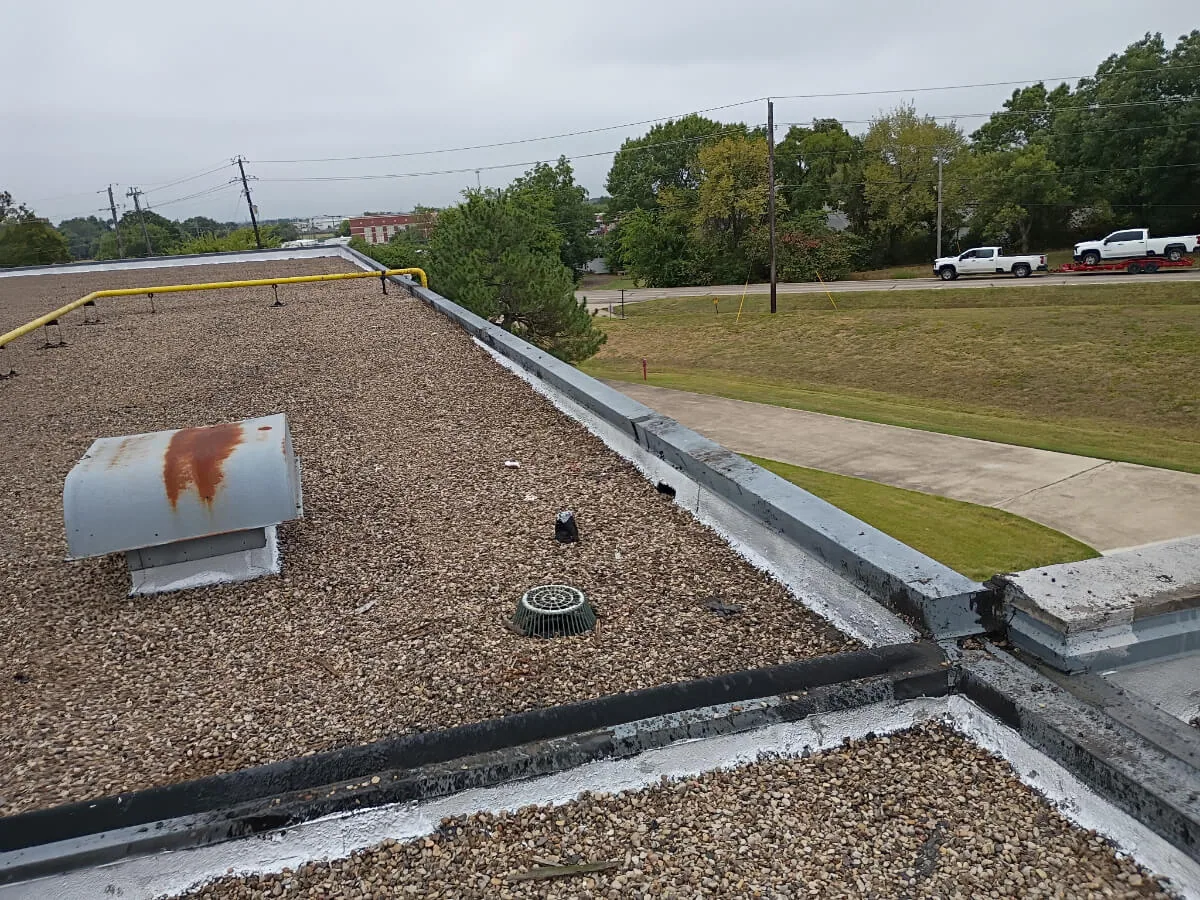
We photograph insulation findings and detail repairs before they're covered, then the prepped membrane and finished seams at the same locations. The owner can compare the work done with the option they chose. A single photo of the finished surface can't explain hidden repairs or scope changes when the budget gets reviewed later.
A roof capital plan for a manufacturing facility keeps open testing tied to the roof areas it affects. It lists areas outside the job and separates temporary protection from finished repairs. One area can be accurately recorded as repaired while another capital decision is still waiting on testing.
We serve plants and suppliers in the New York Avenue corridor near GM Arlington Assembly, and each building is inspected and scoped on its own. Scope changes stay with the original option and the repair we then made. Those records let the next roof review follow what was built and still see which decisions are open for the owner's next step.
Common Questions
How do I compare two roof options for my plant?
Look at the inspected area, the work included and the questions still open for each one. A limited repair and further testing should be priced as separate items, so you can compare prices against the problems each option actually solves.
Who coordinates equipment work before the membrane is sealed?
Your property representative coordinates the contractors at the affected detail. We identify which equipment work has to happen first and confirm it's finished before our permanent membrane work depends on it.
How do you handle an area with old patches?
We inspect the membrane and details where the repair ties in and confirm what materials are there. Open seams and failed flashing are repaired before prep and permanent seaming, so the new work bonds to sound roof.
Why would the price change after you open the roof?
If a test cut turns up wet or damaged material, we photograph it and explain the added tear-off or rebuild. You approve the change before we close the roof, and any temporary protection stays noted until the permanent work is done.
What records help with our next capital decision?
Photos and notes tied to each roof location: what we found, scope changes, repairs, prep and the finished work. Open questions and areas outside the job are listed too, so the next budget review knows exactly what was done.
Compare roof options for your Arlington plant
Tell us the building and the roof decision you're facing. We'll inspect the roof, identify repairs and equipment work, and give you a clear scope and records you can use for the next capital decision.
- general contractors defining manufacturing roof and component responsibilities
- property managers comparing manufacturing repair and investigation needs
- commercial roof inspection defining manufacturing repair options and material questions
- manufacturing plant with defined component and membrane repair responsibilities
- TPO manufacturing roof repairs reaching identified sheet at a suitable retained boundary
- roof capital plan locating manufacturing findings and separately scoped next decisions
- the GM Arlington Assembly and supplier area through individually examined commercial assignments