
Commercial Roofing for Arlington General Contractors
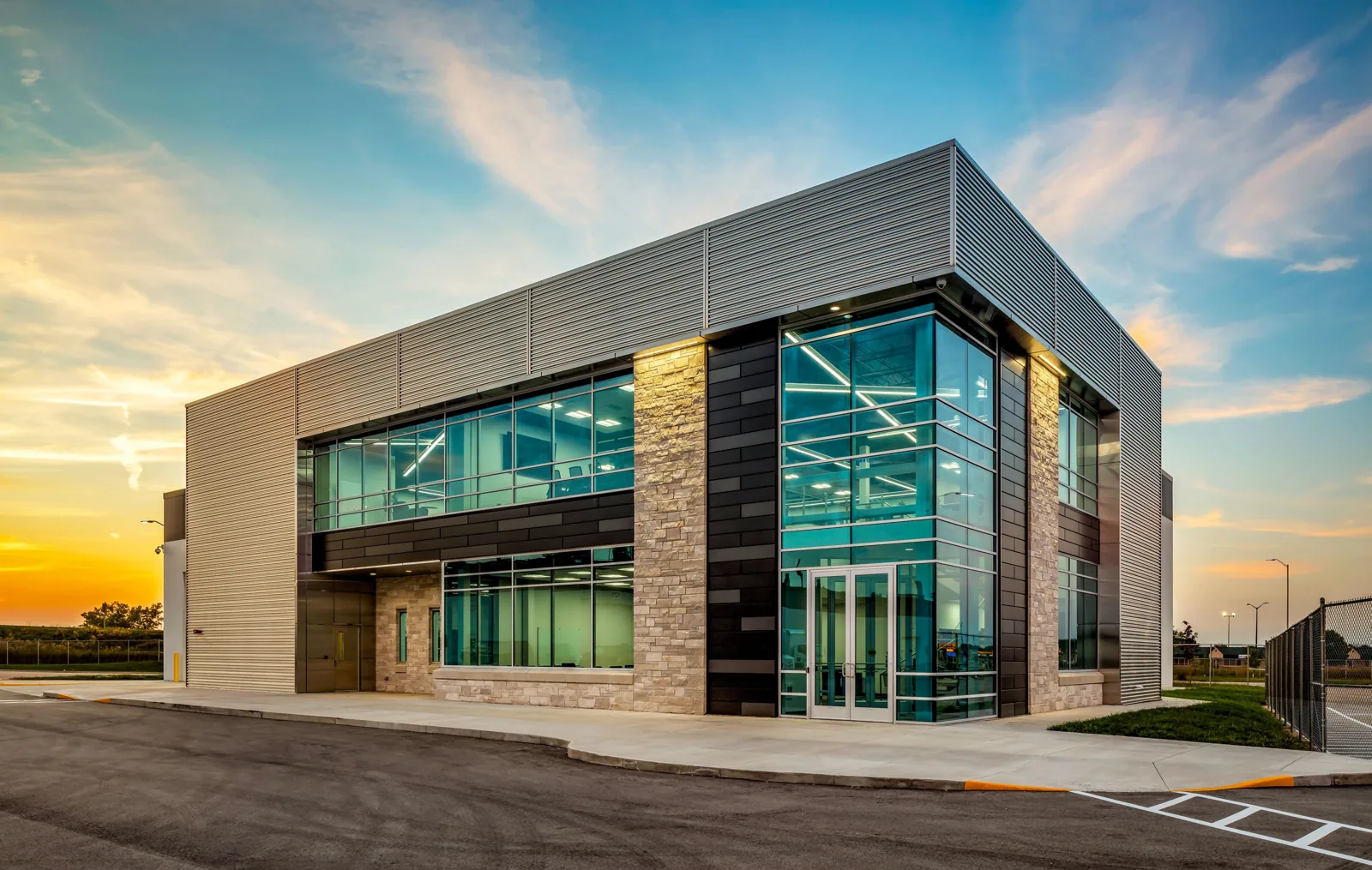
General Contractors
Roofing subcontractor for Arlington general contractors: clear scopes, field-verified details, trade sequencing with sheet metal and mechanical, and change orders.
The February 2021 winter storm dropped DFW Airport to minus 2 F, burst pipes and left a lot of damaged buildings behind. Damage like that blurs the line between roofing and other trades, and the same question comes up on every Arlington job: what's in the roofing base scope, and what plumbing, wall or equipment work has to be done before we can close the roof. We start with the existing assembly, the planned work and the field details, then mark where each trade needs to finish first. Jobs along the New York Avenue Corridor and in the West District each get their own drawings review and roof check. We spell out tear-off, what stays and the prep each detail needs.
Drawings vs. what's on the roof
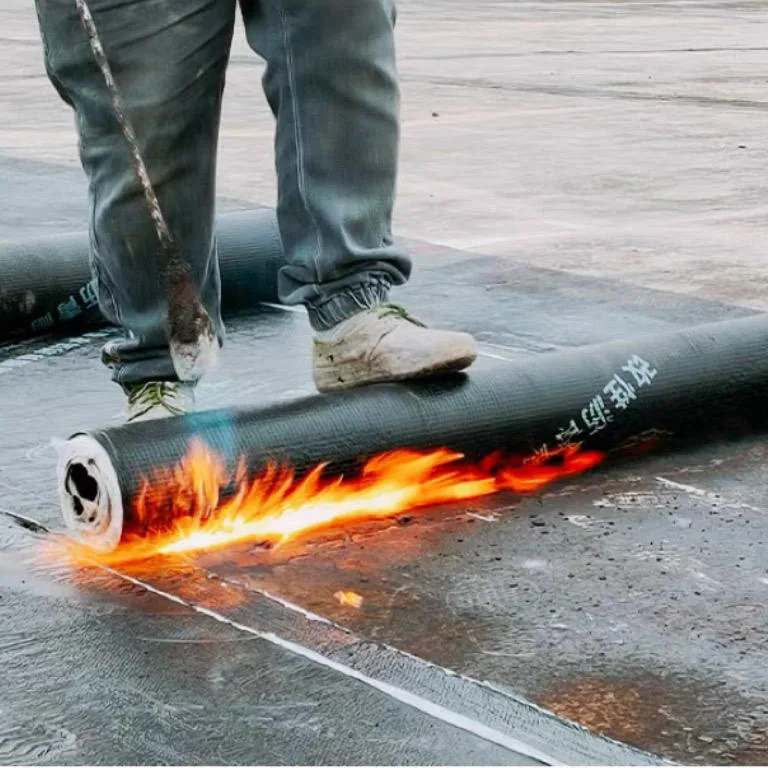
Send us the roof areas in scope, the current drawings and the specs. Tell us which revision we're pricing. Every detail callout should point to a real spot on the roof, especially where an existing wall, curb or opening doesn't match the drawings. A standard detail that works on paper may not fit the field conditions, and we'd rather raise that before pricing than after.
We'll also ask what's known about the existing roof and any past alterations. If the records only cover part of the building, we'll say so. Questions that affect prep, attachment or terminations get flagged before we call the scope complete. You can send them to the architect or owner and keep their answers with the revised scope.
Where we can, we mark field questions on a roof sketch. Each answer gets dated and kept with its detail, so a crew coming later builds from the current direction and not an old one.

Opening up before deciding what stays
A commercial roof inspection covers what we can see and reach within the agreed scope. If something hidden could change the approach, like wet insulation or a deck nobody has looked at, we say what needs to be opened and why. Each test cut needs approval, protection and a patch. We tie every one to a decision, so you're not left with a photo and an unexplained extra.
Once tear-off is approved, we photograph the exposed layers and deck before anything new goes down. If the material isn't sound, the removal area may grow or an engineer may need to look at it. We explain how that changes prep and quantities and get direction through your RFI or change order process. We won't bury a known deck or insulation problem under a new roof just to hold the schedule.
We show where the tear-off stops and why that edge can take the new tie-in. If we have to go farther to reach good material, we mark the change. You get a clear explanation of the bigger work area and what it means for protection. Any allowance stays labeled as an allowance until the roof is open and the conditions are known.
Getting other trades ready first
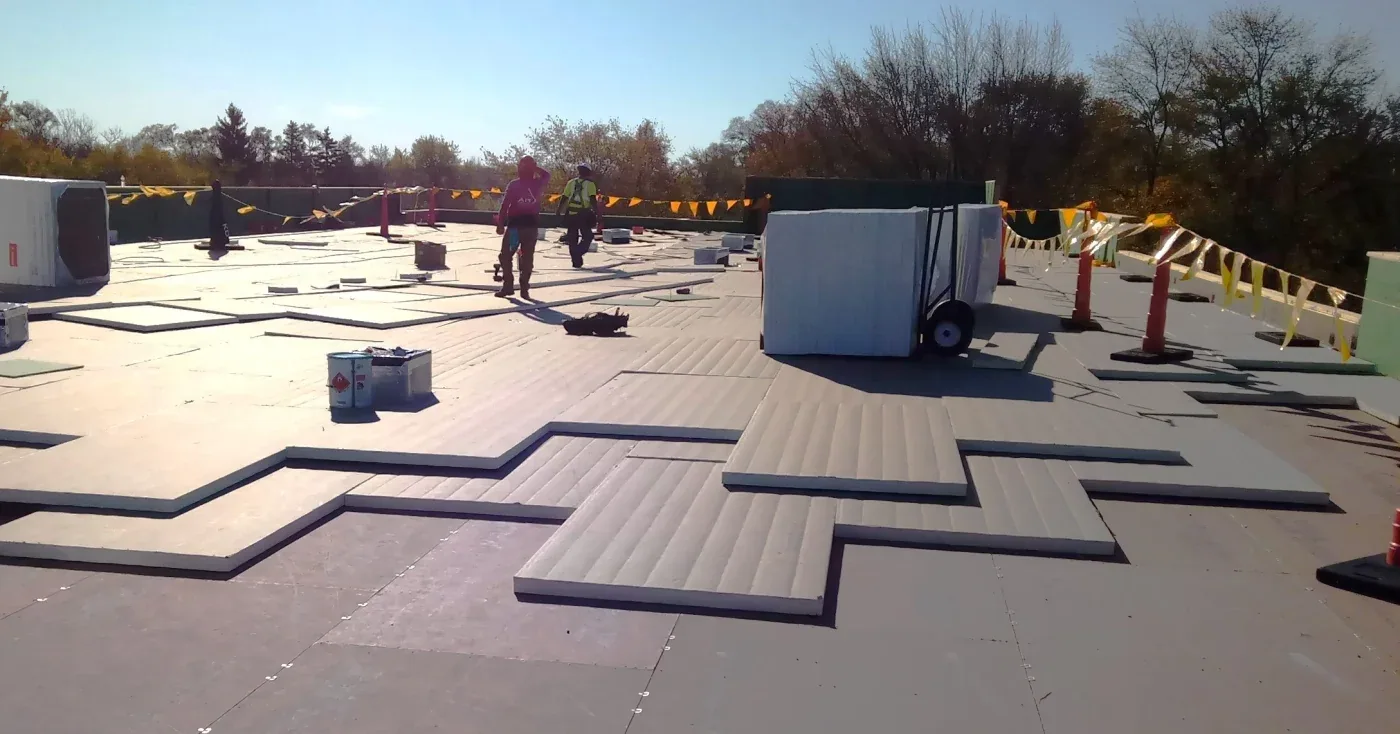
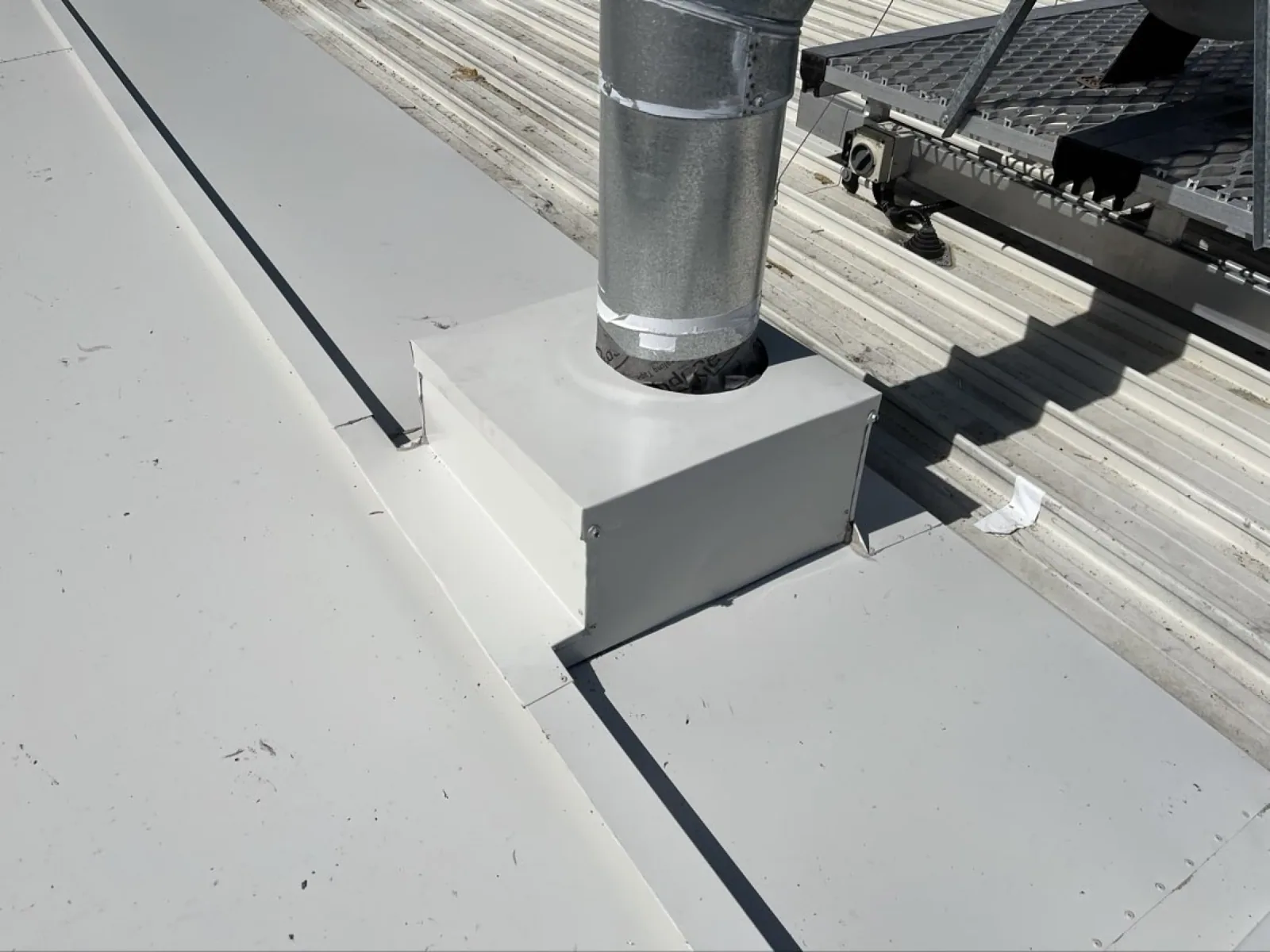
Penetration flashing often depends on a curb, an equipment flange or a wall surface built by someone else. We name that item, what condition it has to be in and which sub provides it. Disconnecting or moving equipment belongs to the mechanical or electrical trade. Our scope states the surface and clearance we need to flash it, rather than assuming another trade's work will just get done.
We check each detail is actually ready before we close the roof there. If geometry changed, corners, terminations and material counts may change too, and we keep that direction with the detail. If a curb or wall still isn't finished, the schedule shows the temporary dry-in and the return trip to finish the flashing, instead of calling the detail complete.
Phasing and comparing bids
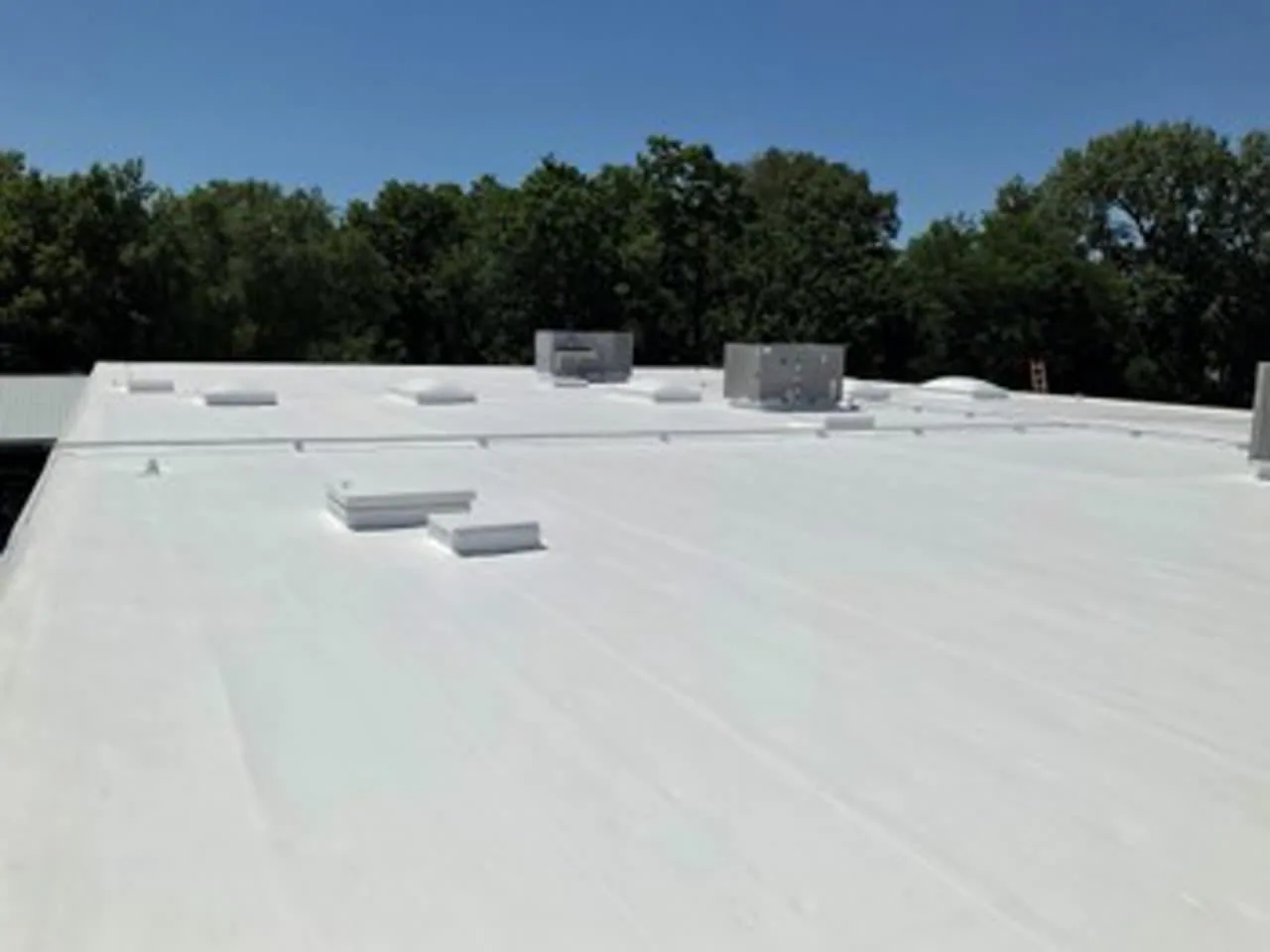
We plan material hoisting, tear-off and dry-in around the approved work area. Tell us who handles access changes on site and what needs to happen before our crew mobilizes. If the roof is phased, we mark where each phase ends. For every phase you'll see what's finished permanently, where the temporary edges are and what it takes to tie into the next area.
Phasing often means extra setup and repeat surface prep, and we include that. Compare it against doing the roof in one pass with the same final detail. A lower phase price may leave out a later tie-in or prep another trade was supposed to do. We make those gaps visible before the owner compares totals as if they buy the same finished roof.
On a warehouse roofing job, the actual building decides the system and the routes we can use. The same approach works on projects run with property management companies and public agencies, whose own rules and contacts belong in that job's package.
Before ordering edge metal and accessories, we field-measure edges, curbs and wall terminations. If those details depend on sheet metal or mechanical work, we list the date it needs to be done and who confirms it's ready. Our crew then shows up with the right materials instead of finding a detail changed after bid day.
Arlington job sites
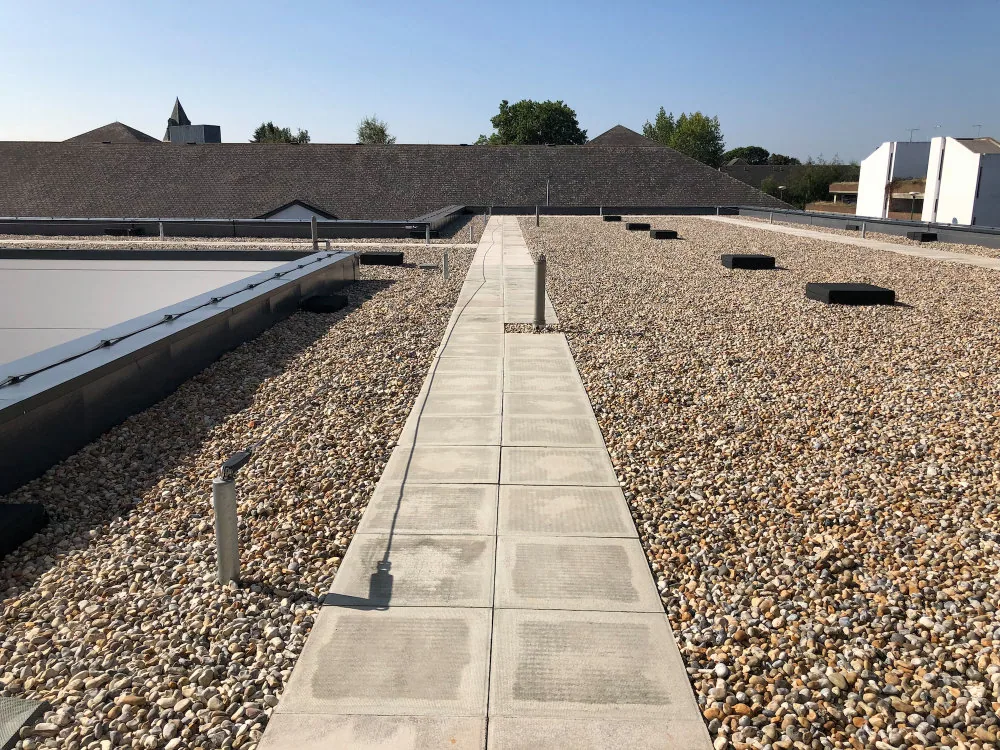
We work across Downtown Arlington and surrounding business districts. Confirm the building and work area with the site contact before we mobilize.
If you're running several addresses, we keep each job separate. Approvals or access arrangements at one site don't carry over to another. Each roof scope gets its own basis and sign-offs. Shared ownership or a nearby location makes communication easier, but it doesn't fill in missing field information.
Closeout and open items
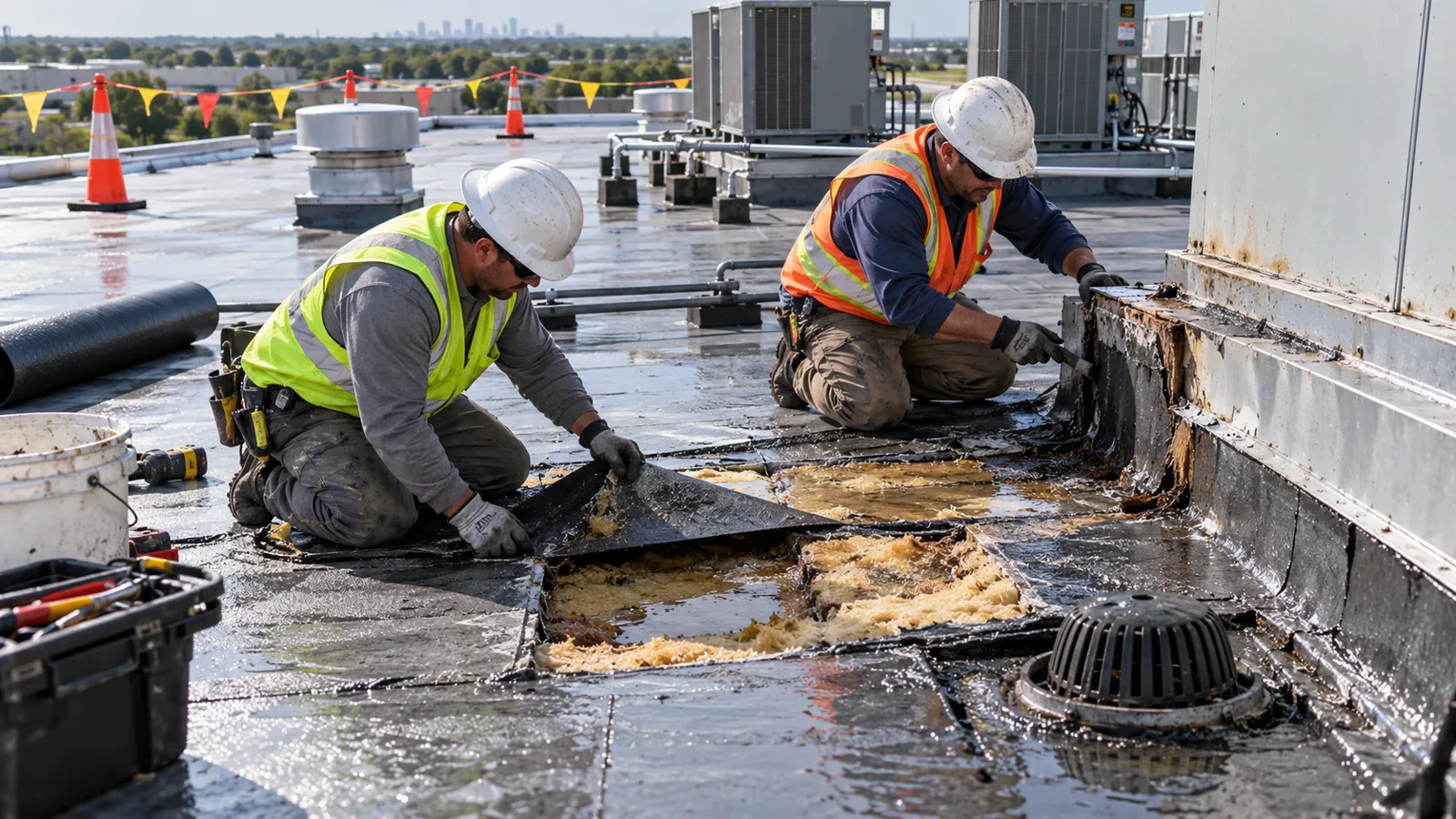
We photograph prep work and rebuilt layers before they're covered up. The record shows finished seams, flashing and terminations, and the materials installed. Any changes made after tear-off come with the direction that approved them. You get documentation of what's under the finished surface and exactly what the roofing scope included.
We inspect finished roofing using the method for that system. Manufacturer inspection results or other sign-offs are filed with the install record where they apply. Open items from other trades get their own list, separate from finished roofing. A photo of a clean finished roof doesn't prove every other trade's work or project review is wrapped up.
On future jobs, that record shows where earlier work stopped. We still check current conditions where they affect the new work. You can plan the next tie-in from documented history, without assuming an old closeout looked at a part of the roof nobody touched.
For a GC, a roofing scope is most useful when it lines up with the drawings, the schedule and the other trades. Confirm the existing assembly and the roof areas included before putting numbers into a bid comparison. Then identify substrate prep, temporary dry-in, perimeter details, penetrations and the inspections that have to happen before those conditions get covered. If the deck or insulation doesn't match the documents, we photograph it and issue a defined change instead of hiding it in a base allowance. The schedule also shows when sheet metal, mechanical and other trades whose work affects the roof warranty or final tie-in need to be done. Your superintendent gets a sequence that can be tracked in the field and priced with fewer guesses.

Common Questions
What should a GC confirm before getting a roofing price?
The roof areas in scope, the current drawings, what existing material stays and which items other trades are responsible for. Open questions about prep or terminations should be answered first, or clearly carried as allowances, before totals are compared.
What happens when tear-off uncovers a problem?
We photograph it before it's covered and explain how it changes removal, prep or materials. You get direction through your RFI or change order process, and the answer stays attached to the revised scope.
When is a curb ready for roofing?
When it's built to the height and geometry the flashing detail needs, with enough clearance to work. We confirm who provides it. If equipment or wall work is still open, we dry it in temporarily and come back to finish.
What should a phased roofing bid include?
Permanent work, temporary edges, tie-ins between phases and repeated setup for each phase, plus anything excluded that another trade has to do. With those lined up, you can compare bids that deliver the same finished roof.
Get a clear roofing scope for your project
Send the building, current drawings and any open questions about curbs, walls or equipment. We'll lay out the inspection, prep and roofing details needed for a complete scope.