
Modified Bitumen Roofing in Arlington, TX
Modified Bitumen Roofing
Modified bitumen roofing in Arlington, TX: we inspect the existing sheets, old coatings and patches, then spell out the lap repair, flashing and installation method before work starts.
The February 14-17, 2021 winter storm put a lot of stress on North and Central Texas roofs, and asphalt-based roofs were no exception. Modified bitumen roofing in Arlington, TX needs the existing sheets and repairs identified before anyone picks an installation method. SBS modified bitumen combines asphalt with styrene-butadiene-styrene, a synthetic rubber polymer, but the family name alone doesn't tell you the specific product or how it was installed.
For properties in Duncanville and DeSoto too, we confirm the roof system on each repair section.
Your site contact gives us the work areas and any membrane records. We inspect exposed sheets and past repairs, then define what needs confirming and the prep for the new work. You get an allowance that explains what stays, what needs repair and which curb or blocking work has to happen before the permanent lap or flashing.
The existing surface: sheets vs. old coatings and patches
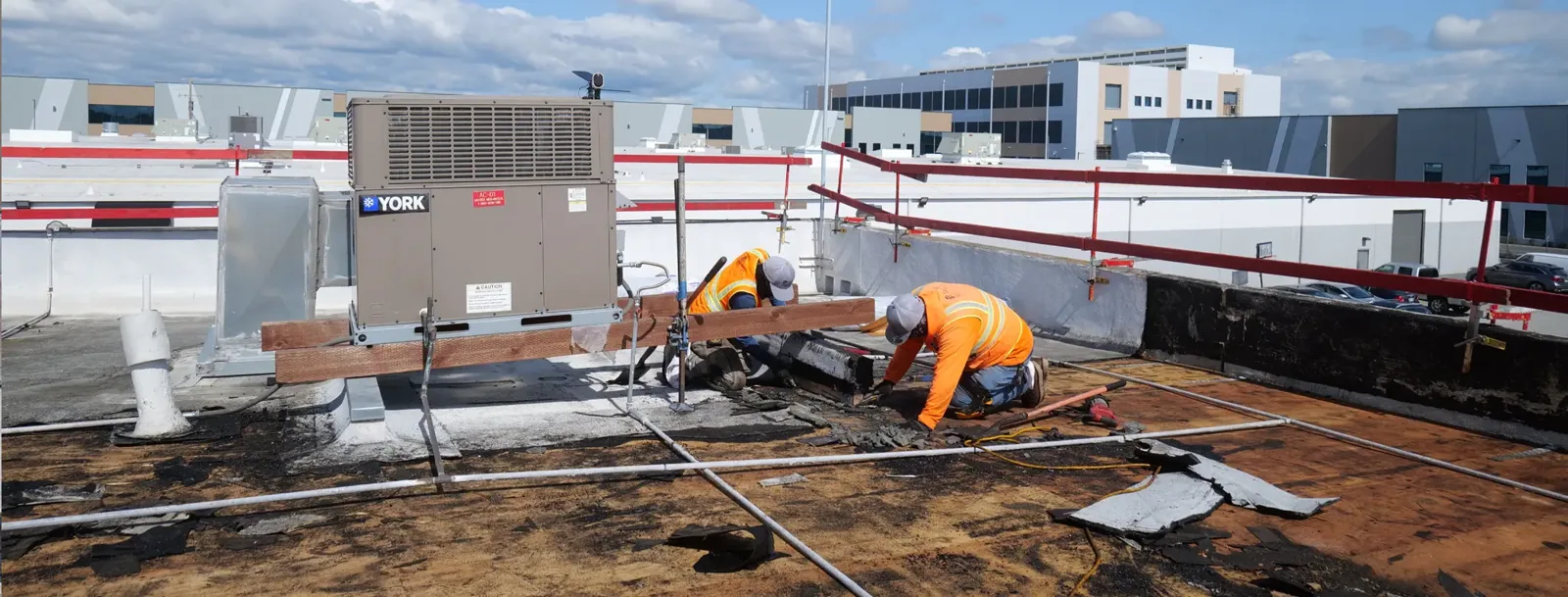
One roof area may have the original sheet, older patches and coatings added over the years. We find those changes and compare what we see with the installation records. The new work needs to know exactly what it's bonding to. Where that's uncertain, we say what needs confirming before the prep or permanent repair is specified.
A GAF product review can help pin down the product and its repair requirements. The allowance shows where existing materials stay and which old coatings need a closer look, because appearance alone doesn't settle it. We keep the observed surface, the product record and any open questions clear enough for another contractor to find the same spot, so confirmation happens before the crew gets its instructions.
Lap repairs: surfacing and the right application
At a modified bitumen lap, the visible gap is only part of the job. We inspect the sheet, its surfacing and any old repair material where the new work will tie in. The chosen sheet and application method determine the prep. SBS comes with several installation methods, so "repair the lap" should name the actual product and process instead of leaving the crew to pick between materials on the roof.
A commercial roof leak repair visit compares the reported leak with the laps and details we inspect, then explains the repair proposed. We separate a single open lap from a wider area of damaged sheet. Where an old coating or patch extends past the seam, the repair area accounts for it. That keeps the allowance focused on sound material around the repair, not just the gap that started the call.
Flashing: fix the curb or wall first
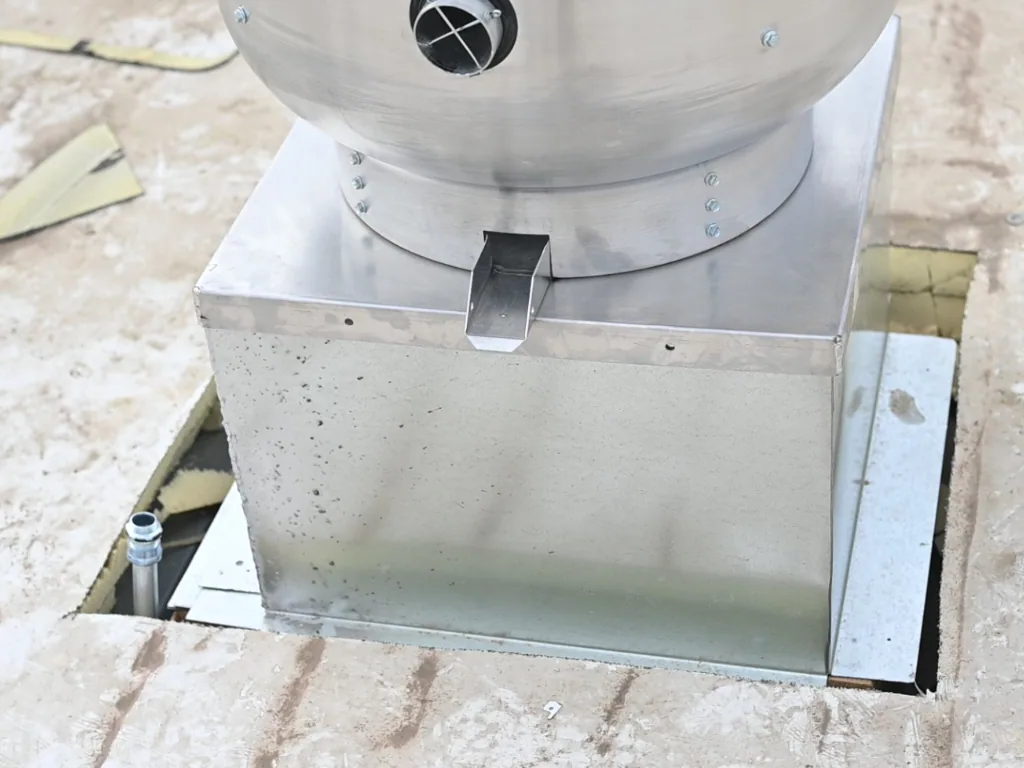
The new membrane may turn up onto a curb or wall with damaged wood blocking. We inspect those surfaces and note any damage that affects the detail. The scope says when curb repair or an engineering review has to come before flashing. That order gives the crew a sound surface to flash to and lets you schedule the curb work alongside the roofing.
A skylight and penetration flashing review defines the work at each opening. We describe the existing sheet areas and nearby repairs at clear roof locations, with photos showing the surrounding roof as well as close-ups. The finished detail needs that curb work done first, rather than leaving the next crew to find an unlisted wall repair after the flashing is already on.
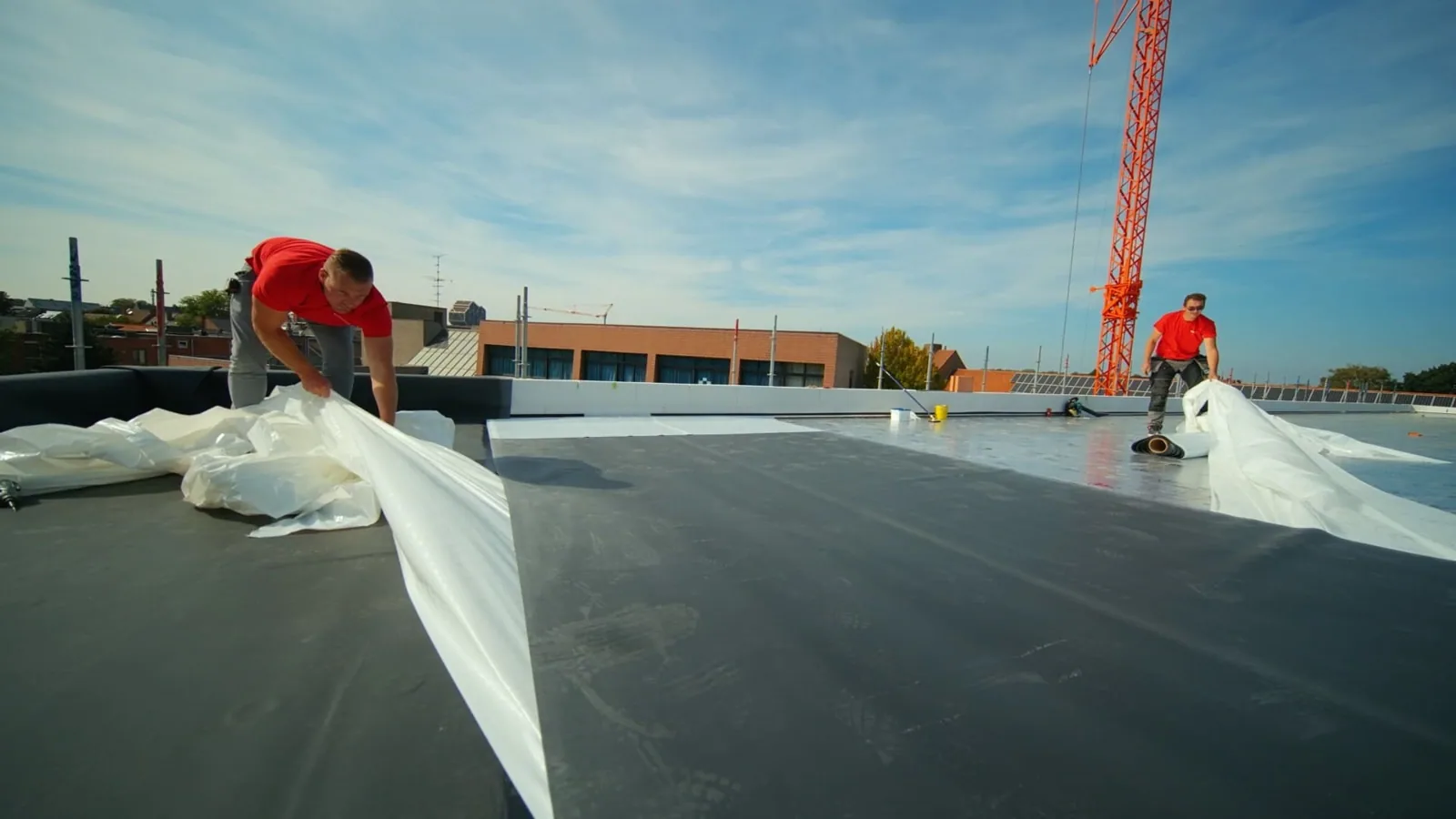
Underlying layers: what the new work will keep
The top sheet doesn't tell you everything about the layers below it. We identify the questions that matter for keeping the existing roof. Records help, but testing in the work area should confirm the condition. You need to know which findings support the allowance and which areas haven't been checked.
Where a test cut is proposed, we agree on its purpose, location and patching before work starts. We record what we saw and the question it answered. One test spot is one finding, not a verdict on the whole roof. The scope shows any tear-off, blocking repair or more testing needed before permanent work. That way you decide based on real information about what's staying, instead of assuming the top sheet tells you about every layer underneath.
Installation method: how the new sheet goes down
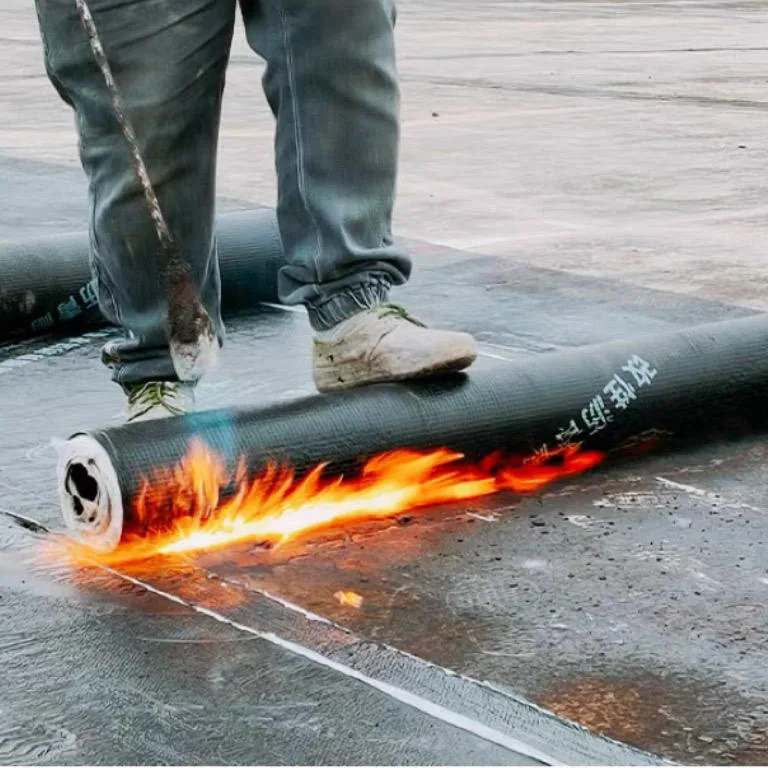
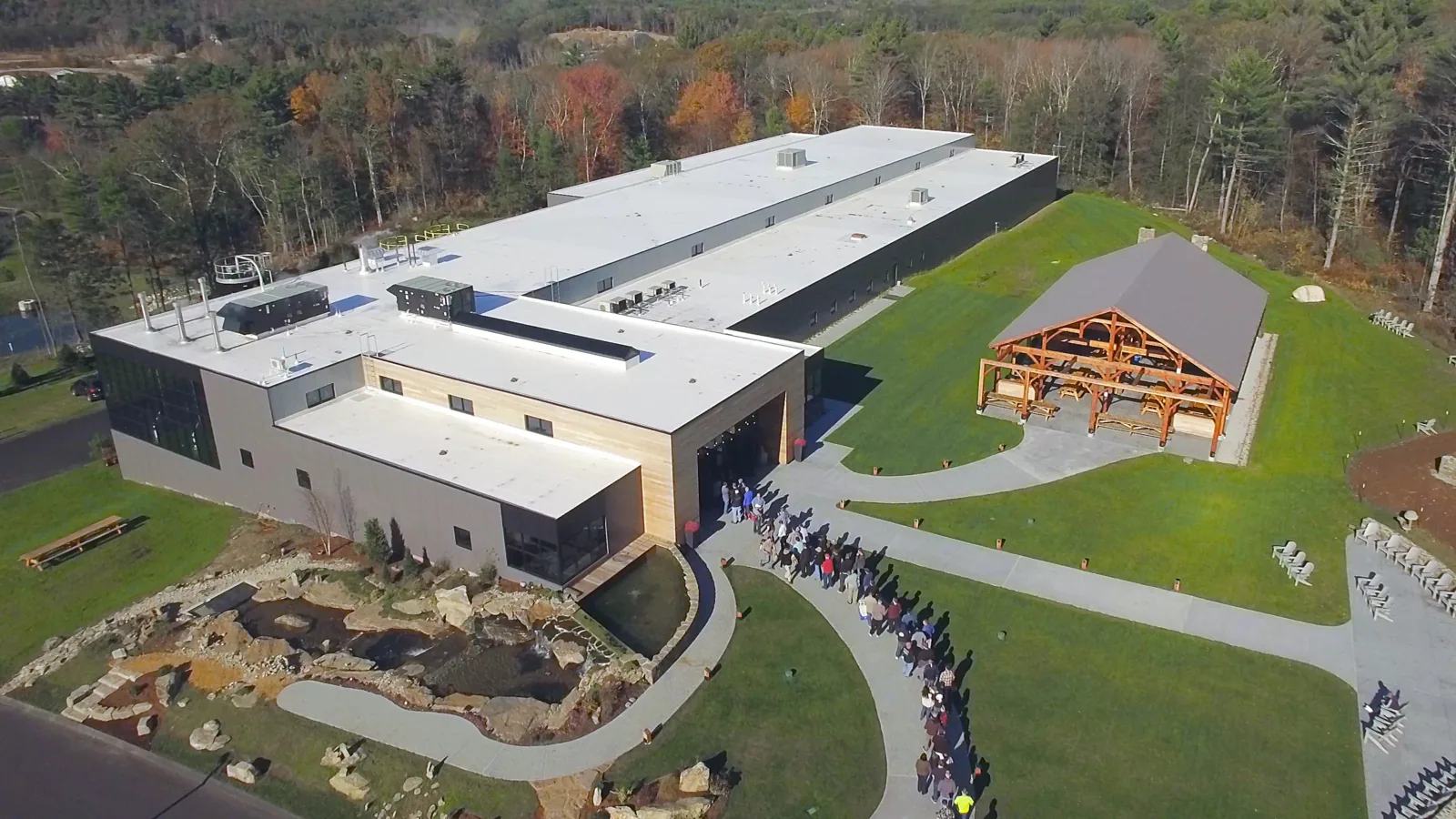
GAF SBS products include hot-applied, cold-applied, heat-welded and self-adhered options. Choosing among them depends on the actual sheet and roof assembly, and each uses different materials and field work. We identify the proposed method and its prep before scheduling installation, and any building restrictions on torches, kettles or other equipment are reviewed with the owner. A general "mod-bit" label leaves too much of that decision unsaid.
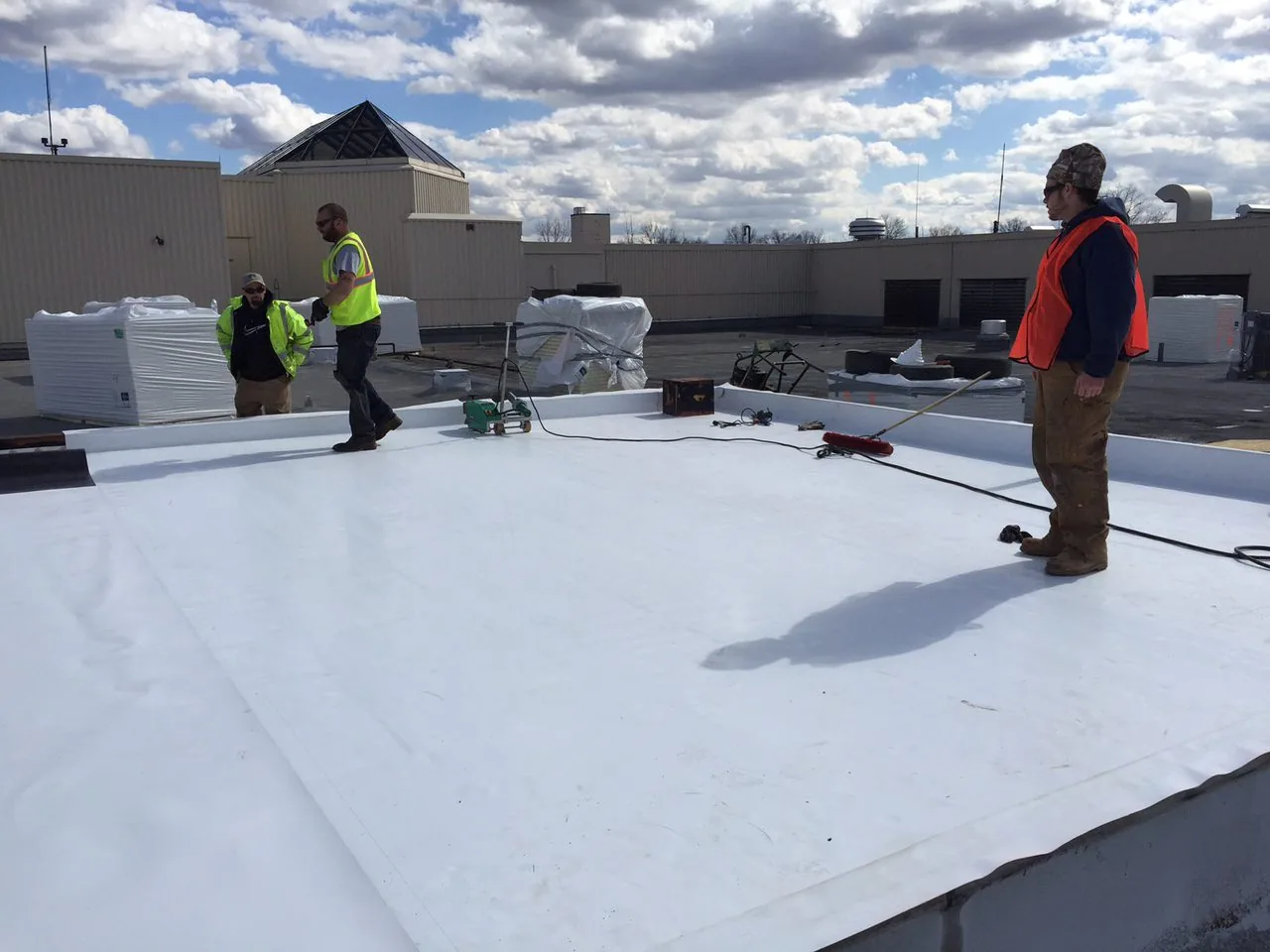
A built-up roofing option should explain the plies and asphalt work it includes. A TPO roofing proposal changes both the material and how the seams are made. We compare how each would be installed on the same roof area, including where each stops and what detail work it includes. Then you can see what each crew would actually do, rather than assuming similar roof areas need the same prep and installation.
Modified bitumen is an asphalt sheet, but the selected product and application method determine how a particular lap is made. Identify whether the existing surface is granulated, smooth, coated or covered with another treatment before defining preparation. A repair needs compatible sheet, an adequate lap and a detail that returns water to the roof plane; a surface coating cannot substitute for a failed seam or backing correction. Specify whether the proposed work is heat-welded, cold-applied, hot-applied or self-adhered only after the actual product documents and project conditions support that method. Include edge, curb and wall transitions, not just field-sheet quantity. The closeout should record the product, application approach and area rebuilt, plus any surrounding condition not included. That creates a useful baseline when the next inspection encounters a patch with different materials.
Closeout: where the repair is and what was used
We review your material records and inspect earlier work in those areas. The modified bitumen work follows the product, prep and curb requirements we confirm for that roof.
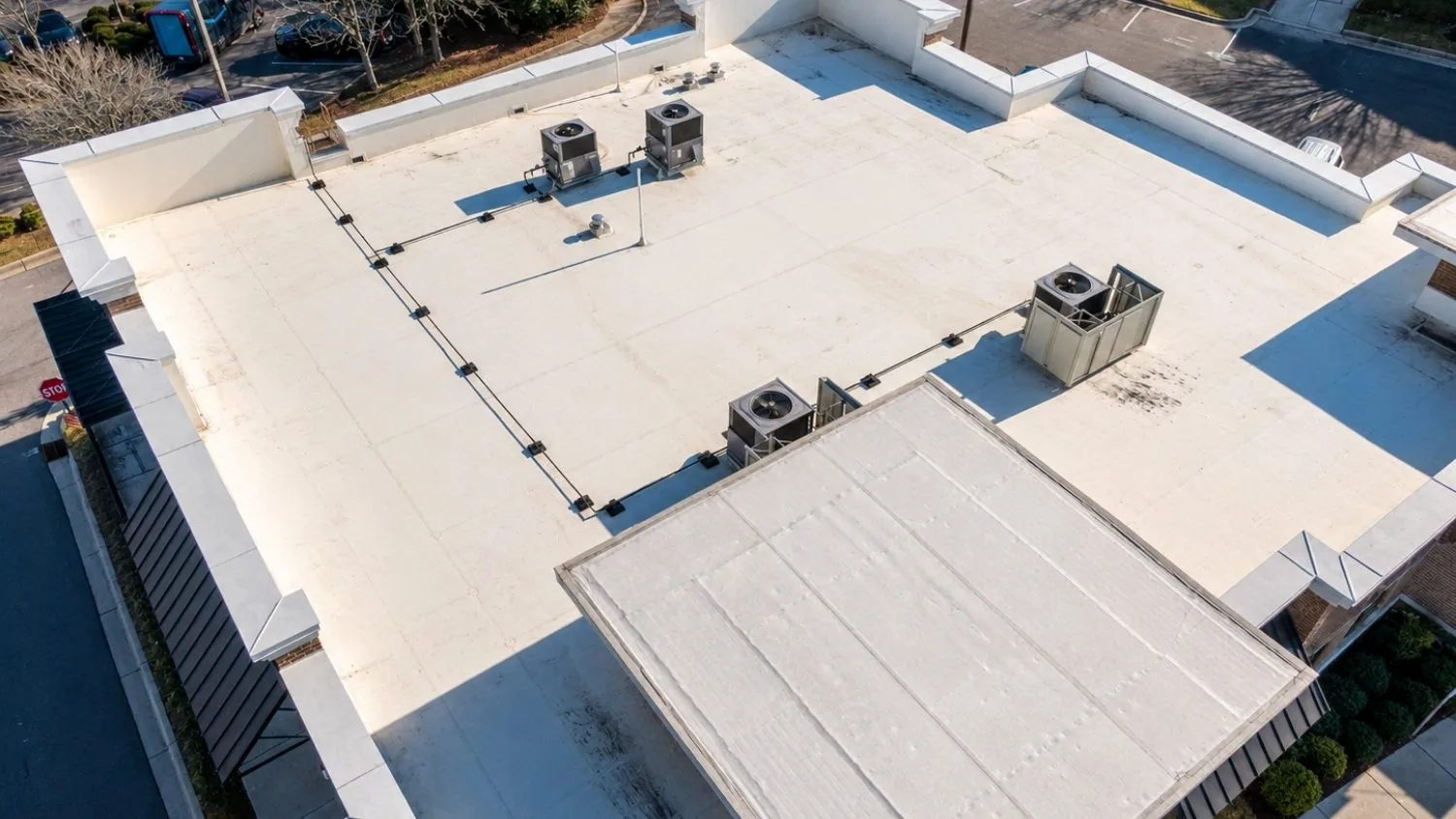
For modified bitumen roofs in Downtown Arlington and nearby, keep the product and the repair together in one record. We photograph the prep and the finished work, and list any open questions. Located photos help another reviewer find the repair and see what's next. Manufacturer and project paperwork stays with that record for future work at the property.
Common Questions
How should old coatings show up in a modified bitumen repair scope?
The scope should show where they are and what surface the new work will bond to, plus what needs confirming and the prep required before the repair method is chosen.
What should the allowance spell out at a failed lap?
The condition we found, the product and how far the repair goes. Any open leak or curb questions stay separate from the repair our findings support.
When should curb blocking be repaired?
Whenever the new flashing depends on it. The scope should list that repair before the permanent roofing detail goes on.
What helps another contractor review a finished mod-bit repair?
The sheet type, the prep and the repair location, with photos. Any open questions are listed so the next job starts from what was actually installed.
Get your modified bitumen repair defined
Send us the Arlington roof areas and any product records. We'll inspect older coatings and patches, then define the lap prep, layer questions and flashing repairs.
- GAF asphaltic product review identifying the sheet and relevant repair requirements
- modified bitumen leak assessment comparing reported entry with inspected details
- penetration review defining backing and asphaltic flashing preparation at the opening
- built-up roof comparison identifying retained asphaltic construction and proposed preparation
- TPO proposal defining separate sheet preparation and permanent connections
- downtown Arlington modified bitumen work with sheet preparation and completed flashing located