
GAF Commercial Roofing in Arlington, TX
GAF Commercial Roofing
GAF commercial roofing in Arlington, TX: we identify the GAF TPO, PVC or modified bitumen on your roof, then match repair details, components and prep to that system.
Arlington's November 24, 2020 tornado was rated EF-2, and it's part of the roof history for a lot of buildings in town. But storm history doesn't tell us what's on your roof. GAF's commercial line includes TPO, PVC and asphaltic (modified bitumen) membranes, and a GAF roof in Arlington, TX could be any of them. A good proposal names which membrane is actually there, what product will be used for the new work and how the tie-in will be prepped.
If you also manage sites in Haltom City or Richland Hills, we confirm the product on each roof area.
Your site contact tells us which areas need review and shares any installation paperwork. We compare those records with the roof itself, including old patches and additions. You get a clear product and component scope: the membrane, the seam or lap work, the flashing prep and any curb or blocking repair needed first. That turns "we have a GAF roof" into work a crew can find and do.
Identifying the membrane, and what's been patched since
An old roof record may say GAF without listing every material now on the roof. We find the original installation and look for changes from additions or past repairs. The repair has to match the actual membrane or asphaltic surface where it ties in. We settle any product questions before specifying the permanent material, so the crew isn't left trying to match an old record to a mystery patch during installation.
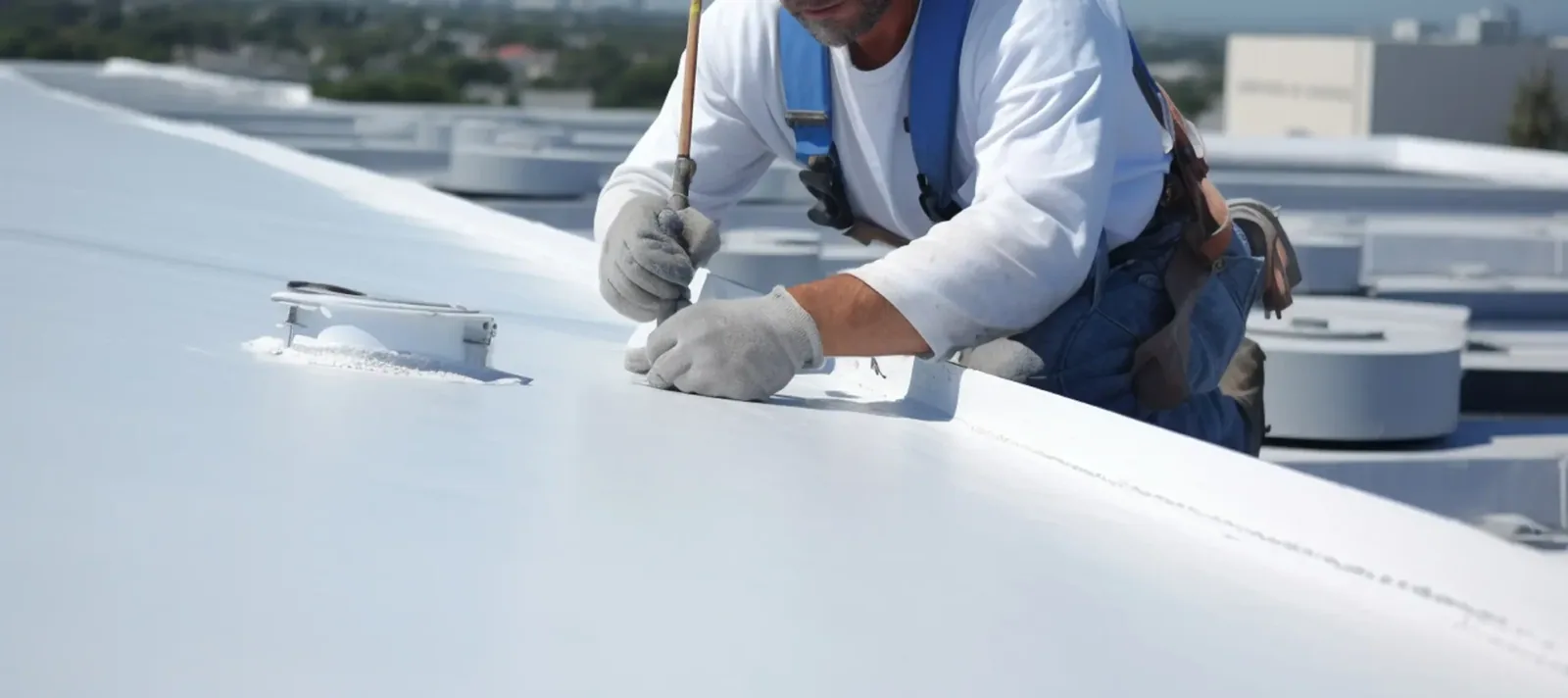
On a TPO roof, GAF specifies heat-welded seams, so the proposal should name the product and the surface prep for that weld. You need to know the repair area, not just the brand. Then any future repair can be compared with the membrane we actually inspected, with older repairs and membrane transitions noted.
Modified bitumen: choose the right installation method
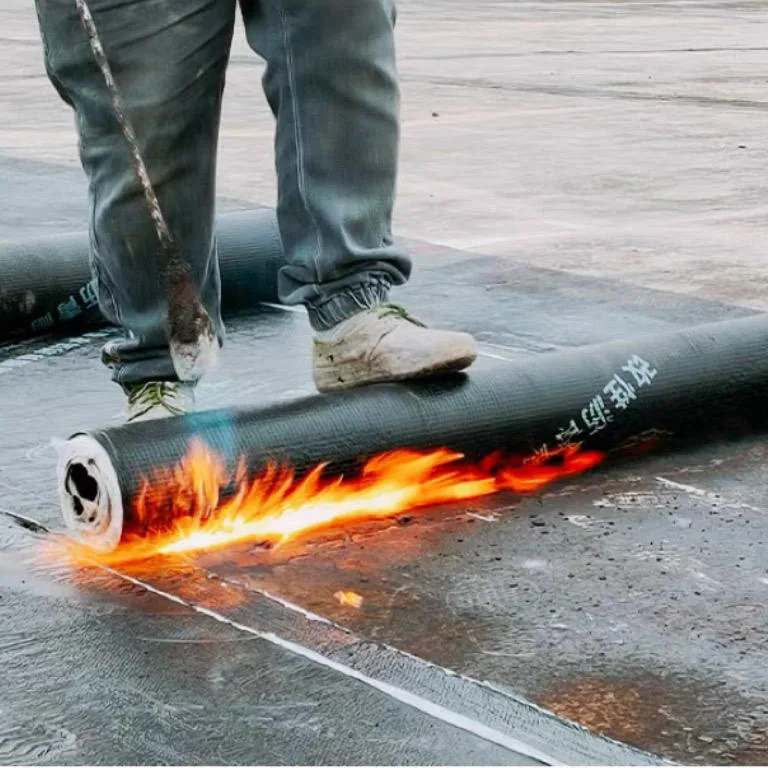
GAF's SBS modified bitumen is asphalt modified with styrene-butadiene-styrene, a synthetic rubber polymer, and GAF lists several ways to install it. That means choosing a method is a question about the specific product and roof. The allowance should name the sheet and the method, not leave the crew to pick between torch, cold adhesive or self-adhered based on a product family name. The roof records and what we see on site need to support the choice.
A modified bitumen roofing review looks at earlier repairs and what the new work will keep or remove. Where an old patch makes the surface uncertain, we confirm it before writing the lap instructions. You can then compare a defined mod-bit repair with a larger option, because the allowance shows the actual tie-in, prep and any nearby repair.
Detail drawings: match the drawing to the roof
A detail drawing and a product data sheet do different jobs. The data sheet tells you the product's requirements; the detail has to be checked against the actual wall, curb, drain or edge where the repair goes. GAF's commercial document library separates details, data sheets, specifications and technical bulletins. The project needs the right documents tied to the actual product and roof condition, not a stack of paperwork nobody has matched to the roof.
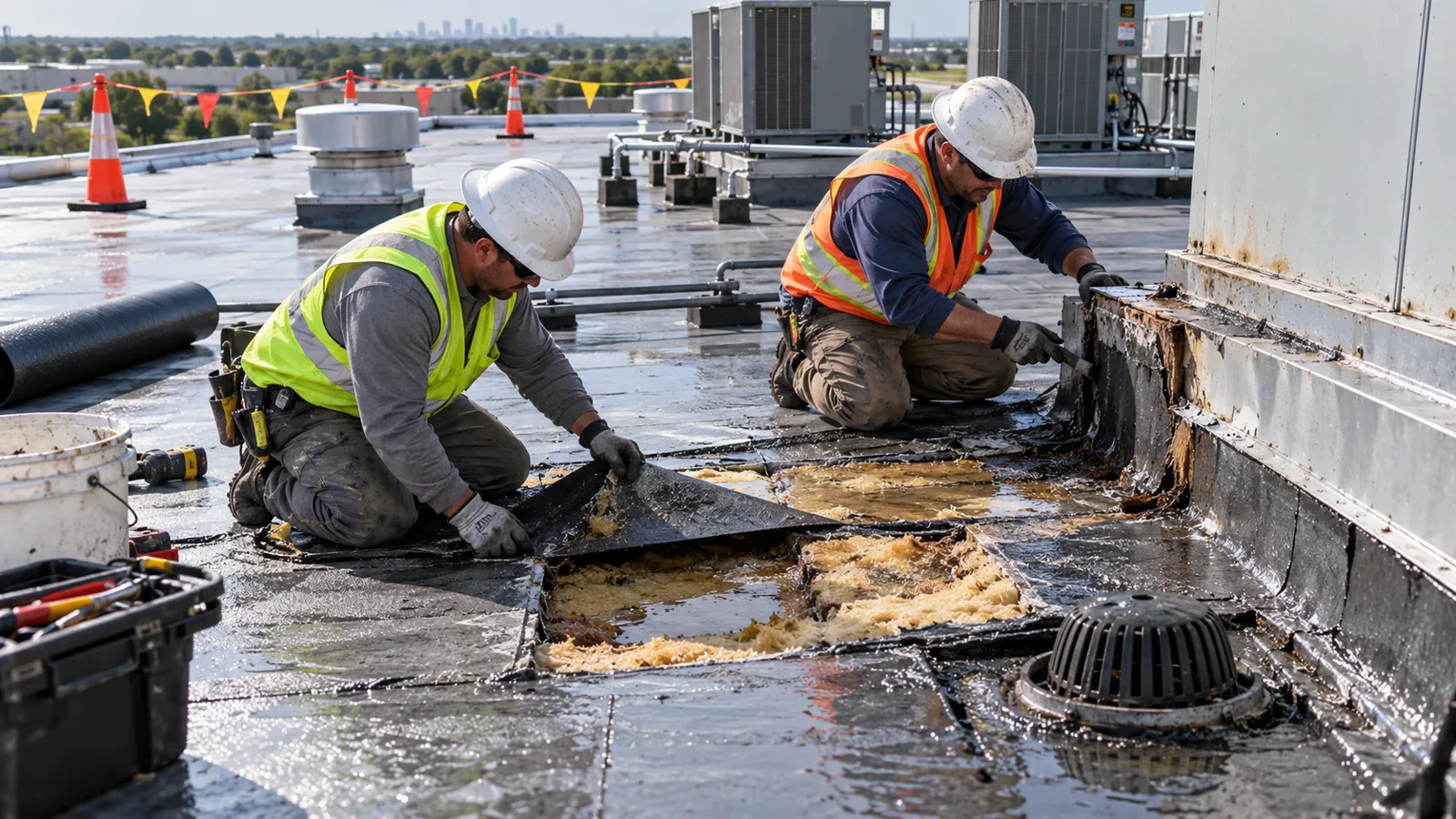
We identify what the flashing will tie into and note any damage at that spot. A skylight and penetration flashing assessment shows where the work is. If a detail drawing assumes solid wood blocking but the curb is rotted, the curb repair comes first. You'll see who handles that repair and which roofing step follows, and the crew gets a detail designed for what will actually be there.
Insulation and attachment: what stays under the new membrane
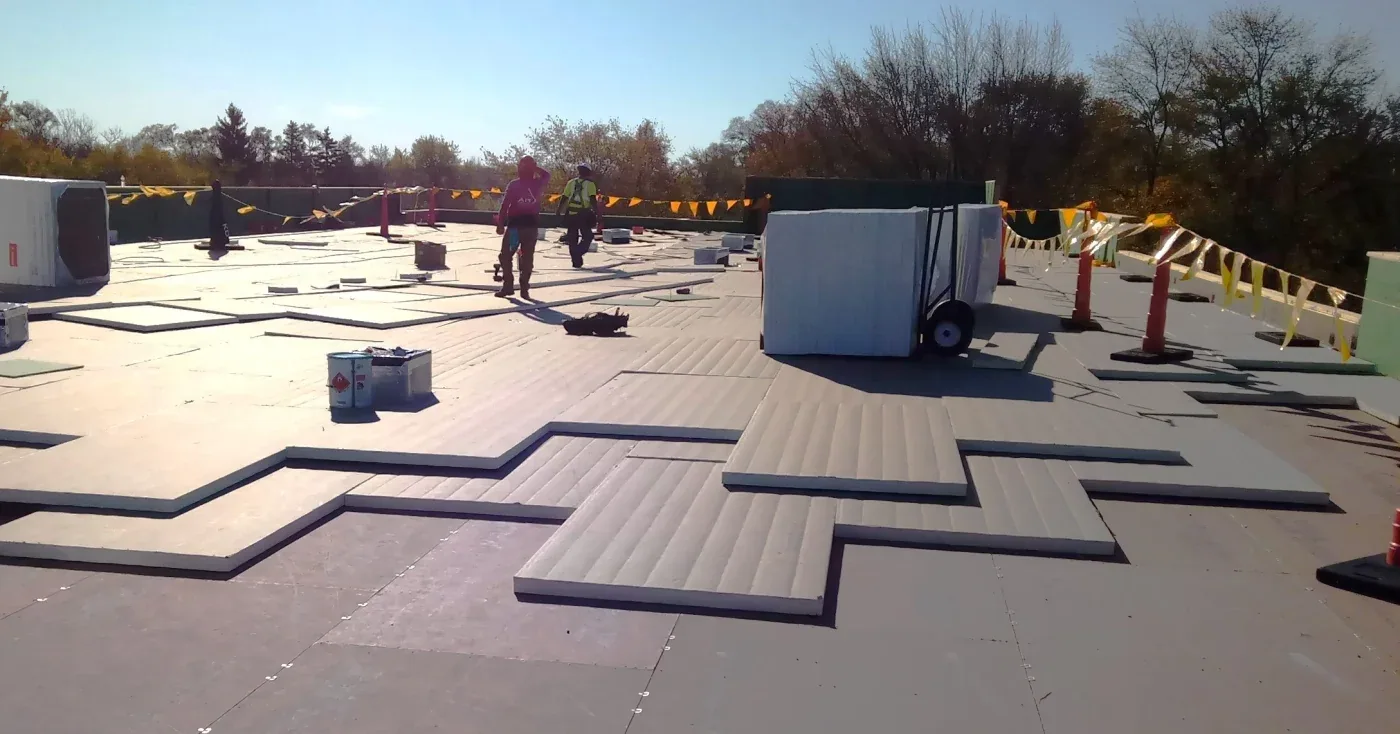
Any new membrane work depends on the layers underneath and how they're attached. We review whatever information exists about the roof and recommend testing where we're not sure what's there. A product name can't tell us how an earlier crew attached the roof or whether the insulation is sound enough to stay. The allowance should state the question and the review needed before installation instructions are final.
An insulation and cover board assessment answers those questions. Where we cut a test opening, we agree on its location, its purpose and how it gets patched. We note the layers we actually saw and list the areas we didn't check. You can arrange any repairs or further review before deciding to keep the existing layers, and the permanent roofing scope follows what we found.
Comparing manufacturers: look at the whole job
A competing proposal should spell out its materials and detail work, including prep and components at each tie-in. We keep each manufacturer's requirements separate so you can compare the real work. Two products in the same membrane family aren't automatically interchangeable; another manufacturer's sheet, adhesive or accessory needs its own review before it's substituted.
A Carlisle SynTec option needs Carlisle's own installation method. A Sika Sarnafil PVC option should list its own products and details too. We compare the roof areas, the existing layers kept and the nearby repairs included in each. Then you can decide based on the actual work, not brand names next to prices that skip material confirmation, prep or curb repairs.
GAF offers multiple commercial roofing families, so a GAF document library entry alone does not identify which assembly is on a particular building. Match the installed product name and detail documents to the proposed repair area. SBS modified-bitumen options can use different application methods, while TPO seams and asphaltic laps require different preparation and field procedures. Keep each method attached to its named product and current technical instructions. When a substitution is considered, compare the complete assembly, including insulation, cover board, attachment and flashing accessories, rather than only the membrane label. Ask for available warranty and installation records, then verify them against material visible at the repair boundary. The work proposal should state the actual product and application planned, note any unresolved identification and preserve the product data used for the decision.
Records: where the GAF products went
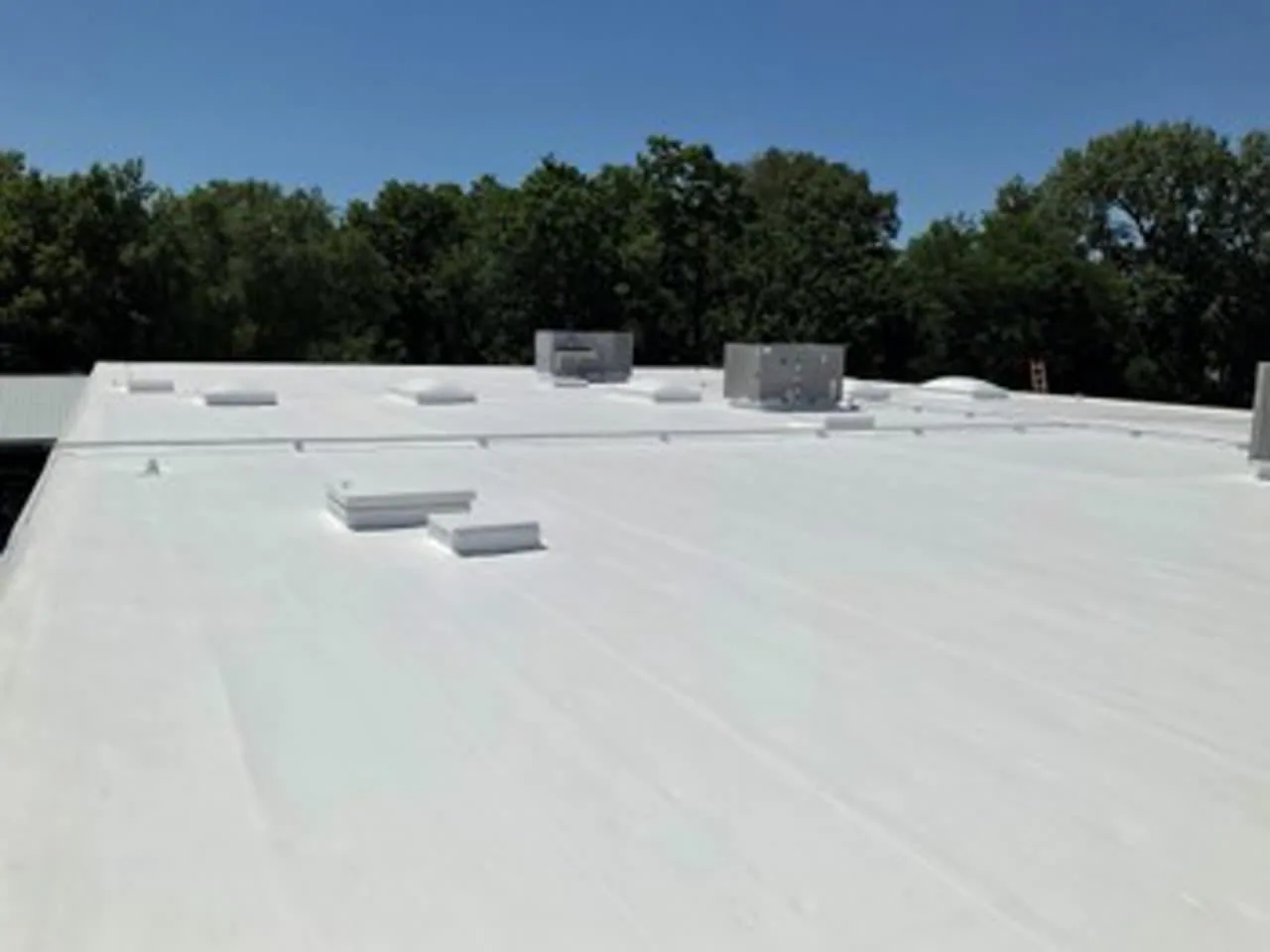
Your site contact gives us the roof areas to review and any product information. We inspect membrane changes and earlier repairs, then identify the product and component decisions the GAF repair needs. The permanent scope follows what we confirm on that roof.
For GAF roofs in Downtown Arlington and nearby, we keep the membrane type and detail information together with photos. The record shows the prep and any curb or blocking repairs done, with open questions clearly marked. A later contractor can find the same work and check the material before planning more. Manufacturer and project paperwork stays with that record.
Common Questions
What does a GAF roof record need besides the brand name?
The membrane actually installed, any product changes and the materials used in older patches at the repair area. The repair has to be based on the real materials and their tie-in requirements.
How do you pick the installation method for modified bitumen?
We confirm the specific GAF sheet and the roof's requirements, then name the method in the scope. "SBS" alone doesn't tell the crew whether to torch, mop, cold-apply or self-adhere it.
How do you use a GAF detail drawing at a damaged curb?
We match the drawing to the actual curb and wall and identify any wood blocking or curb repair needed first. The flashing goes on after that repair is done.
How should another manufacturer's proposal be compared with GAF?
Compare the named products, the existing layers being kept and the detail prep in each bid. Each manufacturer's accessory and installation requirements should be spelled out next to the repair it covers.
Find out exactly what GAF system you have
Send us your Arlington installation records and the areas that need repair. We'll identify any membrane changes and specify the product, components and prep for the work.
- TPO identification review locating the membrane and proposed welded detail
- SBS scope review identifying the asphaltic sheet and its permanent lap preparation
- GAF project flashing assessment defining backing and component preparation before the detail
- GAF assembly layer assessment locating insulation and cover-board preparation questions
- Carlisle comparison defining its selected membrane and accessory requirements independently
- Sika comparison locating its PVC product and permanent connection scope
- downtown Arlington GAF work with products and corrected connections located in the roof record