
Commercial Roof Repair in Arlington, TX
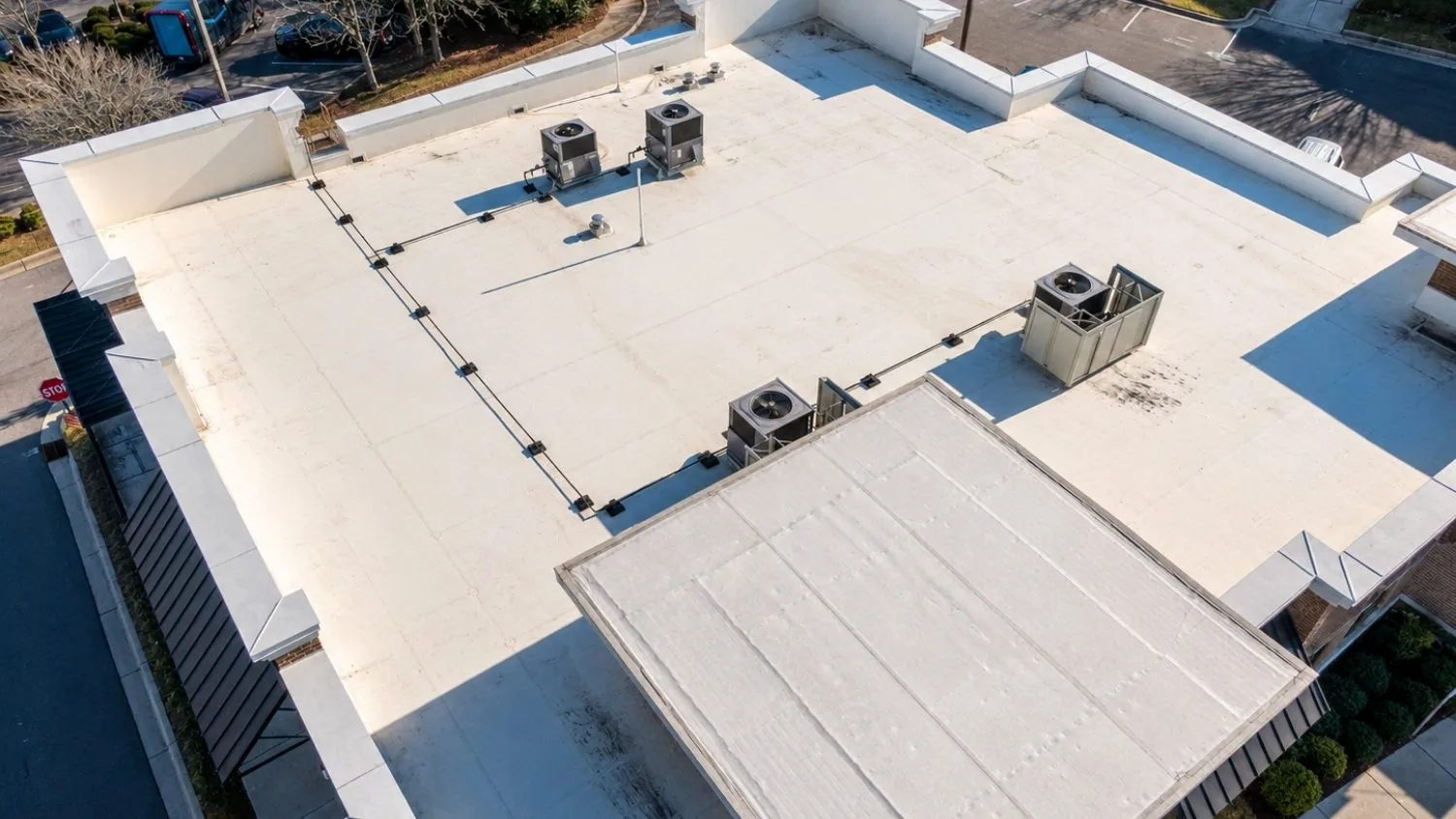
Commercial Roof Repair
Commercial roof repair in Arlington, TX. We find the actual defect, confirm the membrane type, and price a permanent repair with the prep spelled out.
North Texas storms, summer heat and the occasional hard freeze all take a toll on low-slope roofs, but a repair should be based on what's actually wrong with your building, not on what the weather did across town. For commercial roof repair in Arlington, TX, we walk the roof, figure out what membrane and layers are there, find the defects, and tell you what a permanent fix involves. You get a price that includes the prep work, not just the patch.
Before we quote, we look at the areas you're worried about and compare any repair history you have with what's on the roof today. Our report lists what we checked, what we plan to fix, and anything that needs a closer look before we can price it. That way the repair budget lines up with real problems you can point to on the roof.
Know what roof you're repairing
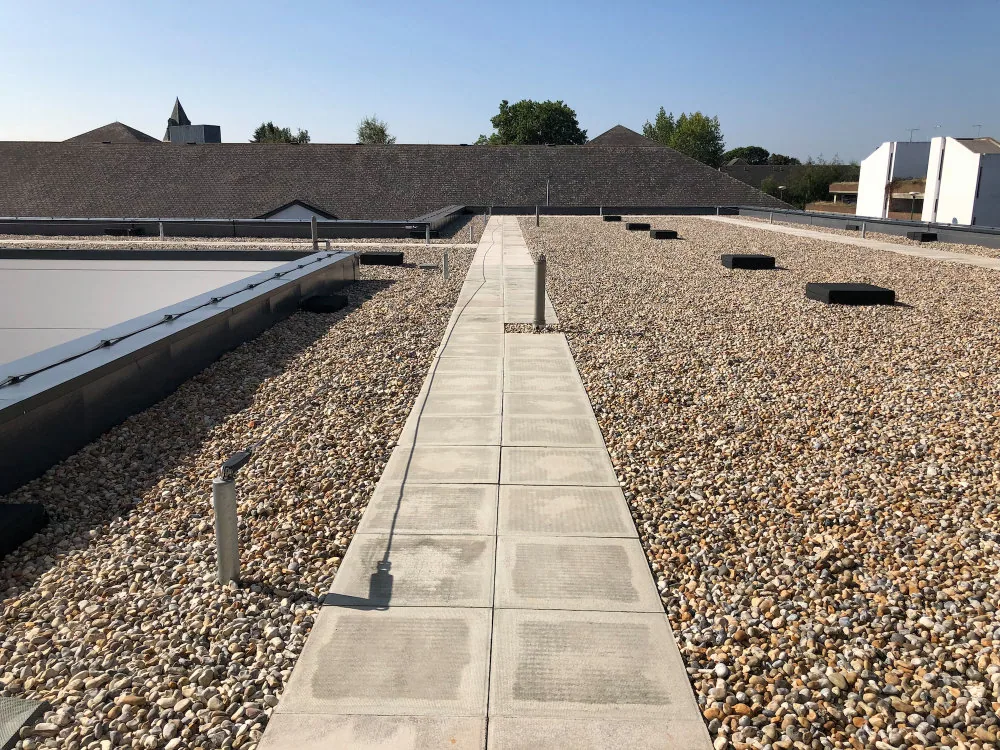
The first job is knowing what the repair will bond to. We check labels, any product records you have, and the membrane, coating or built-up layers around the problem area. Old patches complicate things. A previous contractor may have put a different material over the spot we need to tie into, so we find where those patches start and stop. If we can't tell what something is, we say so and confirm it before ordering materials.
A TPO repair needs clean, weldable membrane and a look at how older seams were treated. A modified bitumen repair depends on the plies and surfacing at the damaged area. Your estimate will say which method we're using at each spot. Calling the roof "single-ply" or "built-up" doesn't settle every repair, especially where an old patch runs right across the area we need to work on.
Finding the real defect
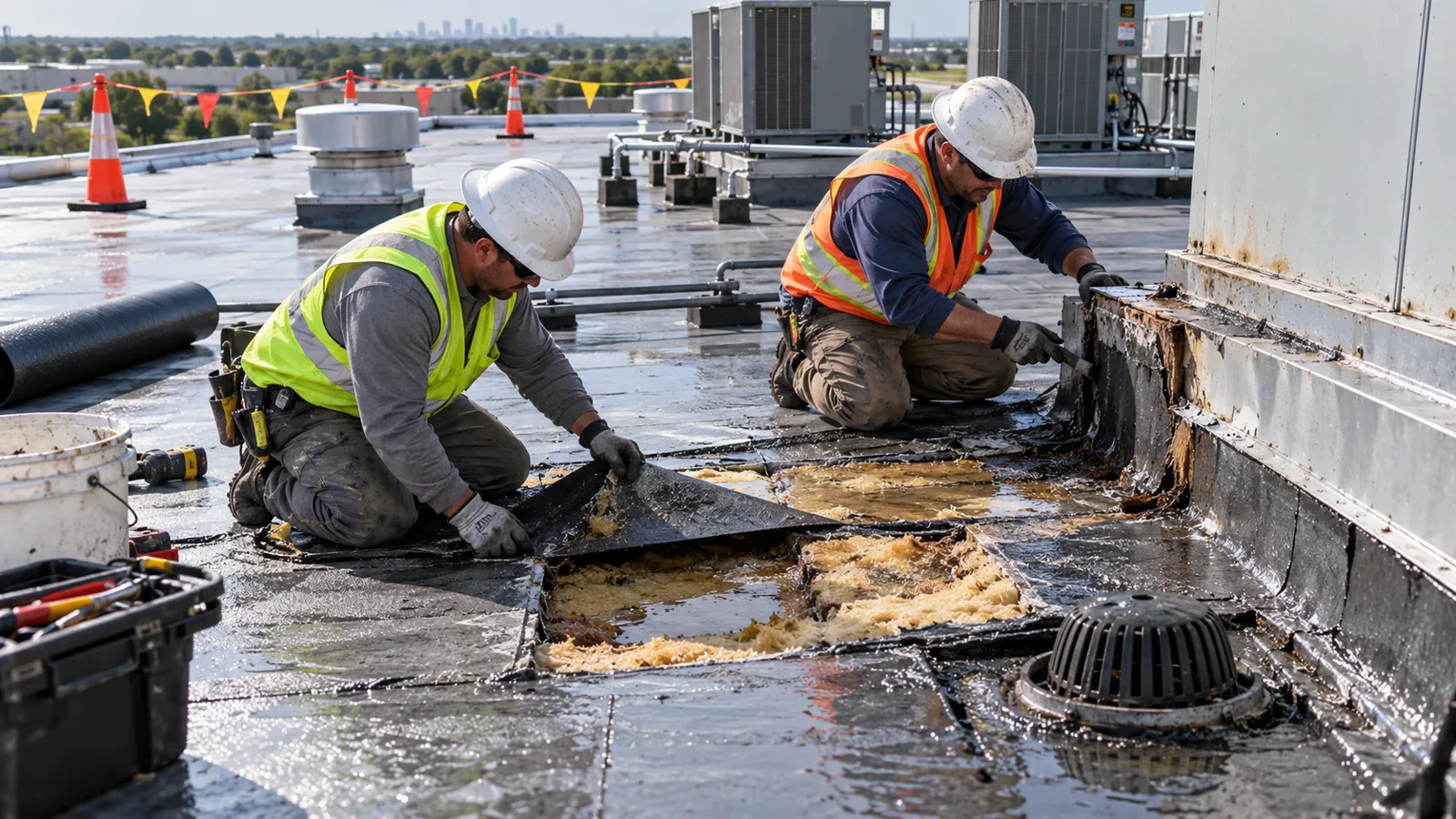
A split seam or a loose edge rarely tells the whole story by itself. We look at the defect, the flashing and transitions next to it, and compare what we see outside with where water showed up inside. A ceiling stain points us in a direction, but water travels, so it doesn't mark the entry point. If we can't pin down the source, we tell you what extra check we'd do before committing to a repair.
Our leak repair work keeps confirmed problems separate from open questions. Photos show the damage plus enough of the surrounding roof that anyone can find the spot later. Old invoices tell us where people have worked before, but they don't prove the same problem came back. You'll see why each repair is on the estimate and what we'd still need to learn that might change it.
Fixing what's under the flashing
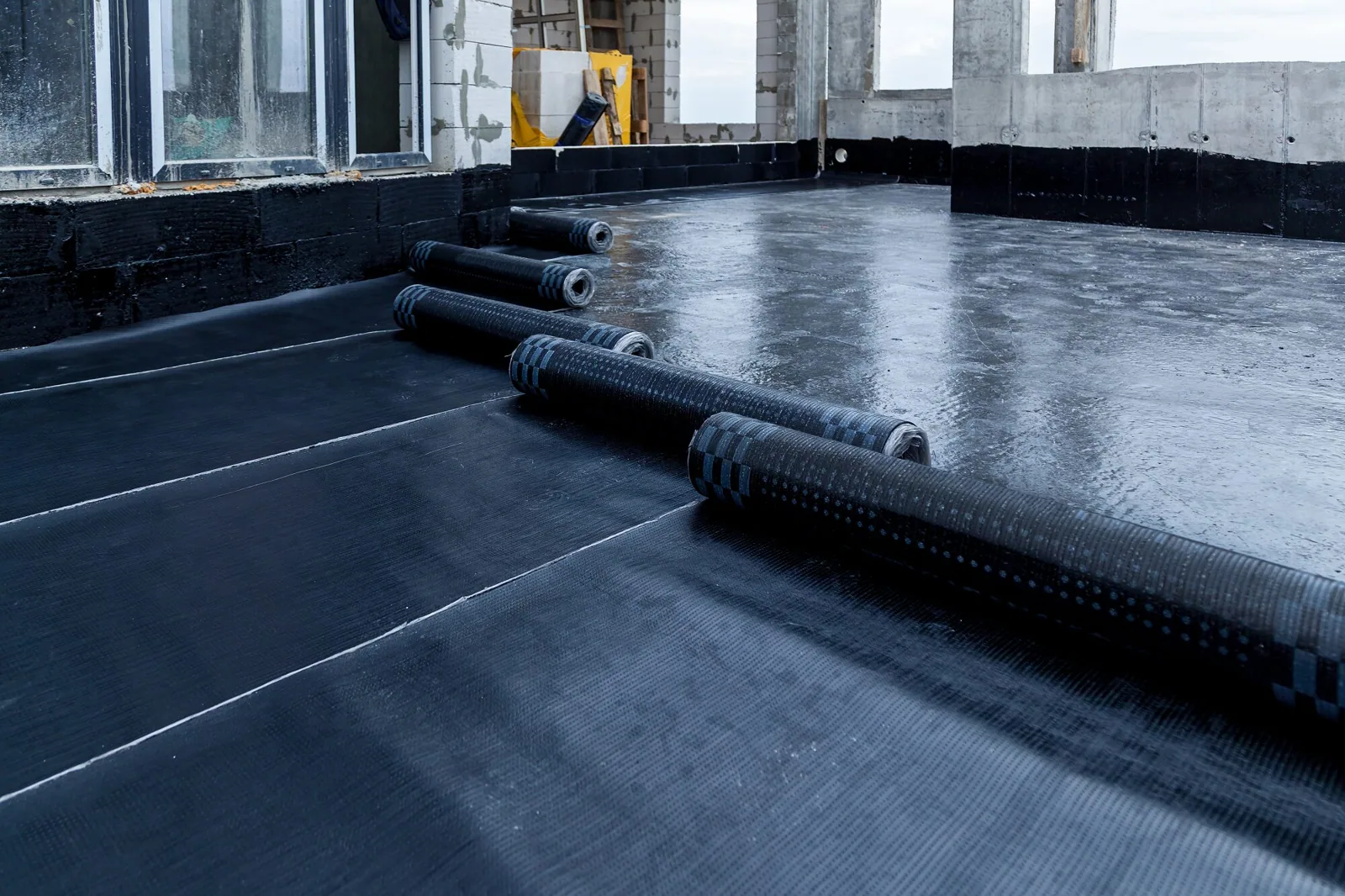
Where flashing meets a wall, a curb or a piece of equipment, the backing and fasteners matter as much as the membrane. A tear in the flashing can sit right next to rotted wood nailers or a loose curb, and both have to be fixed. We point that out and agree on who handles it before any permanent roofing goes on. If old material is hiding the joint, we explain what we'd open up, why, and how we'll close it back up.
For skylight and penetration flashing, we ask whether any equipment or openings are being added, moved or removed, then build the flashing around what will actually be there. You get the full sequence at that spot, including any carpentry or equipment work someone else needs to do first. A new patch won't hold if the support behind it is loose or hasn't been checked.
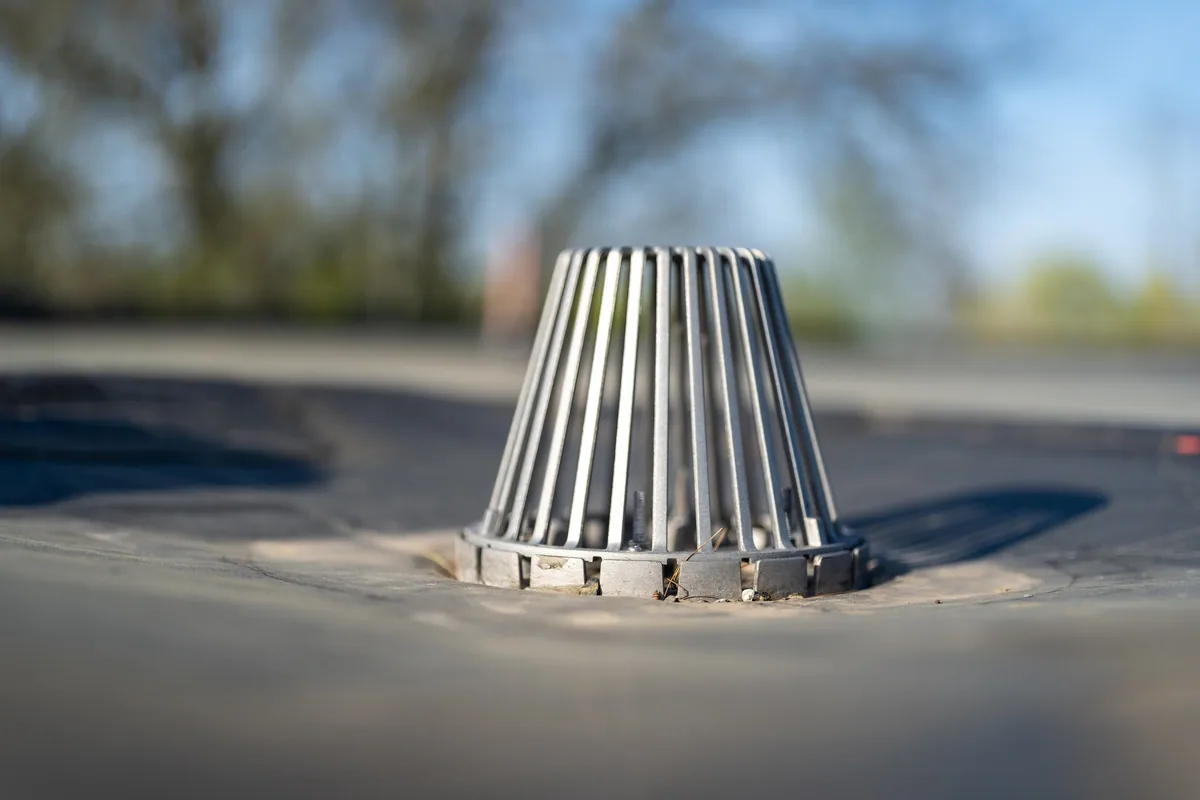
Prep makes the repair last
The membrane type and the repair materials decide how the area has to be prepped. We check for damage, dirt, old coatings and mastic where new material will meet the existing roof, and the estimate spells out the cleaning, cutting out and priming before work starts. If we're unsure two products will bond, we test or confirm it with the manufacturer instead of going by how they look.
We take photos of the prep so you can see what's under the finished repair, and we note which materials went where. If something doesn't meet the manufacturer's requirements, we fix it before moving on. If the job has to stop partway, say for weather, we mark what's done and what isn't and make sure the open area is protected. That's what you're paying for: a repair that's been prepped properly, not a coat of mastic over the visible damage.
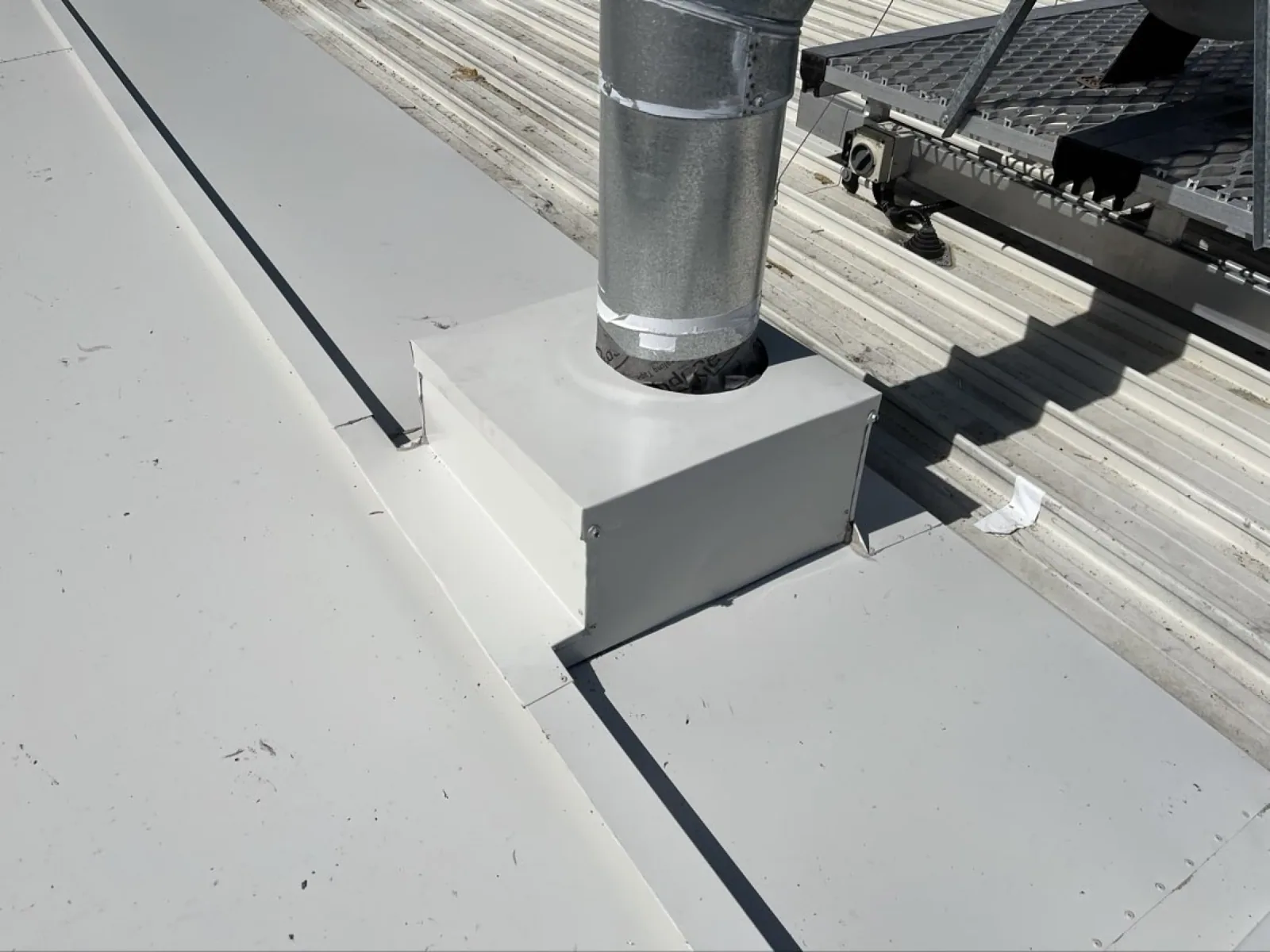
Repair now or plan for more
Every repair on your estimate should have a location, a material and a clear description of any supporting work. Some areas may need more investigation before we can say how big the repair really is. We list those separately and explain what we might find, like wet insulation, rotted decking or a bad curb, and how it would change the price. That keeps the budget honest about what's known and what isn't.
A full roof inspection helps when you need the bigger picture across the whole roof. If you're weighing repairs against future replacement, roof capital planning lays out your options using what we actually found. We won't push replacement just because a roof has a stack of old repair invoices or because a storm came through. You get choices with clear trade-offs.
Each repair quantity should match an area you can see on the roof and a material that will take the repair. We mark where sound membrane or coating starts, how far old patches run, and whether nearby flashing or a curb changes the detail. If damage keeps going under a lap or an old patch, the estimate includes a set amount to open it up and a point where we stop and talk to you before doing more. That way you can fairly compare a spot repair with fixing a larger section, since both include the same prep and cleanup. When we're done, the finished work is marked on the same roof plan we used for the inspection, with repaired areas clearly separated from the original roof. That gives you a solid starting point for the next maintenance call and makes it clear the whole roof wasn't redone.
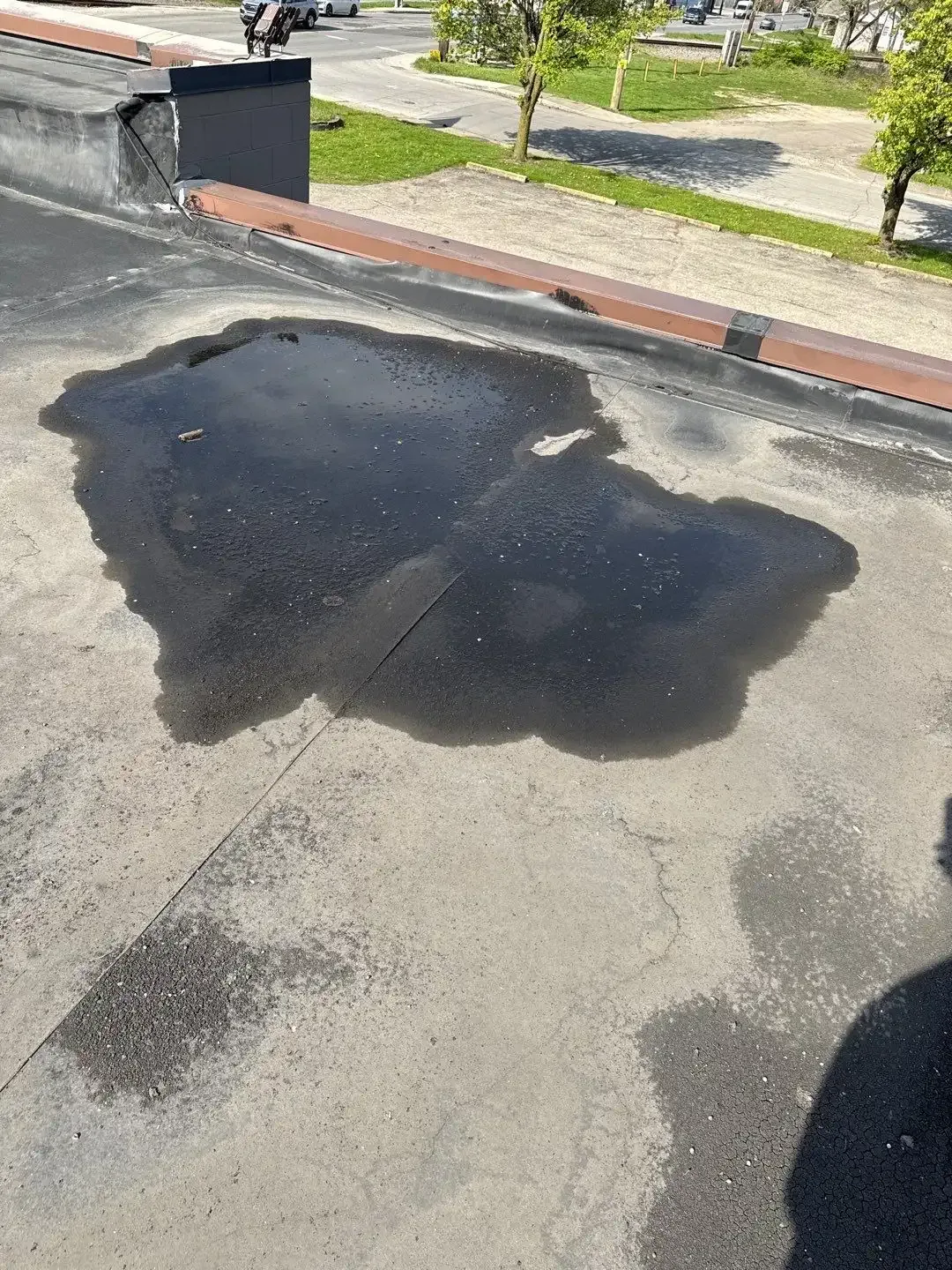
Repair records you can use later
If you manage a public or office building, have the facility manager mark the roof areas of concern and send any records on the existing roof. We inspect before choosing a repair method and agree on access, timing and site rules for your building. A building's name or age alone doesn't tell us what's wrong with its roof.
For roof repair in downtown Arlington, the closeout report lists the products we installed and any supporting fixes. Photos show the repair along with the surrounding roof, so it's easy to find on a later inspection. Anything still open, like equipment work by another trade or an area that needs more checking, is listed separately from what we finished. You'll know exactly what was fixed and what still needs attention.
We also repair roofs for owners with buildings in Lancaster and Duncanville. Each building gets its own findings and recommendations, organized by roof area.
Common Questions
Does hail in Arlington mean my roof is damaged?
Not necessarily. Storms hit unevenly, and many roofs come through fine. We inspect your roof, find any actual damage, and tell you whether it needs repair before anyone blames a specific storm.
Why do old patches matter before pricing a roof repair?
An old patch may be a different material from the roof around it, and new repairs have to bond to whatever is there. We find where patches start and stop and pick the prep and materials to match.
What should a repair estimate include besides the visible split?
The prep and any supporting fixes at that spot, such as replacing wet wood nailers, re-securing a curb, or cleaning off old mastic. Those should be listed and sequenced before the new roofing goes on.
How should an unknown leak source show up in the budget?
As its own line: the extra check we'd do, like a core cut or water test, and what it should tell us. The repair itself is priced once we know where the water is getting in.
Get a repair plan you can follow
Request a roof inspection for your Arlington building. We'll send a plain report with photos, what we found, and the prep behind each repair.
- TPO repair review identifying the sheet and older seam treatments
- modified-bitumen examination defining the layers at the damaged detail
- repair investigation connecting reported areas with located roof defects
- penetration repair assessment coordinating components with the selected roof detail
- condition examination locating additional repair and material questions
- capital allowance review connecting repair duties with later construction choices
- downtown Arlington repairs with preparation and corrected details individually located