Commercial Roofing for Logistics and 3PL in Arlington
Logistics and 3PL
Logistics and 3PL roofing in Arlington, TX: repairs and phased reroofs planned around docks and receiving windows, with clear end-of-shift protection and closeout records.
The April 3, 2012 EF2 tornado cut a 4.6-mile path across Kennedale and Arlington and damaged roofs along the I-20 and US 287 corridor. For a logistics operator, a storm like that is a reminder to pin down exactly where the roof damage is before pricing work across a whole building. A small membrane repair and a phased replacement need very different work areas, delivery plans and sign-off from operations. We start with what's actually on the roof and mark the area our crew would occupy.
The Great Southwest Industrial District spans Arlington and Grand Prairie. At a building there, we ask operations which dock lanes and receiving windows need to stay clear. We identify the material and the repair area, then keep those instructions with the scope. That way the facility manager can track what was finished, how any open area was protected and which equipment work is still pending.
Footprint: how much of the roof each option takes
We show you the inspected problem and explain why it can be handled with a small repair, or what we'd need to check before recommending a larger replacement. A leak inside a warehouse helps us know where to look, even if the exact entry point isn't confirmed yet. Each option gets a work area based on what we found on the roof, not on the assumption that one bad spot means the whole roof is shot.
An occupied building reroof plan should show the footprint of the work. We mark the roof area, the material route and the staging spot for operations to review. A quick detail repair has different logistics than a phased replacement, and we explain what each one needs before asking your team to plan around it.
If an option depends on testing, like core cuts to check insulation, we mark where that happens before the permanent decision. We ask operations to review the specific area, not a vague project name. If the repair area or materials change, we update the coordination plan and keep the next step clear.
For a distribution building, we work alongside general contractors and property managers as needed. A building in Grand Prairie may have different operating rules, and our occupied building reroofing plan shows the work area and access decisions your representative needs to approve.
Operations review: keep docks and routes clear
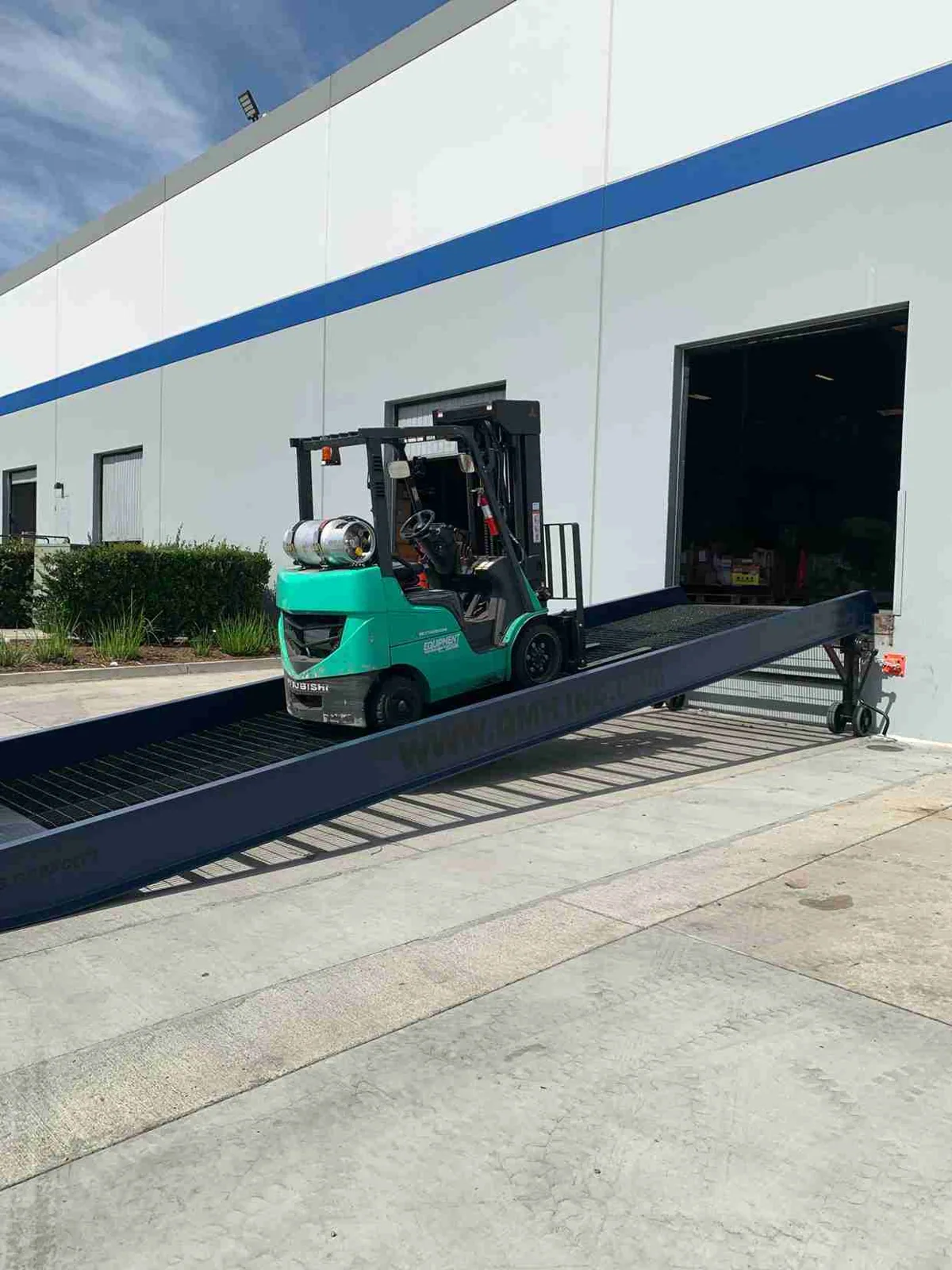
We map out how material gets delivered and staged on the roof, then ask operations whether that conflicts with dock access, forklift lanes or anything else they need to protect. We mark the area the roofing work needs. We write down the instructions we're given and who will answer any open questions about routes. We don't schedule deliveries around an arrangement nobody has confirmed.
At a distribution center, we ask whether receiving or shipping schedules affect roof access. We use the schedule your team gives us for that building, plan the work around it and confirm the arrangements before locking in dates. If the work area or your schedule changes, we update the plan.
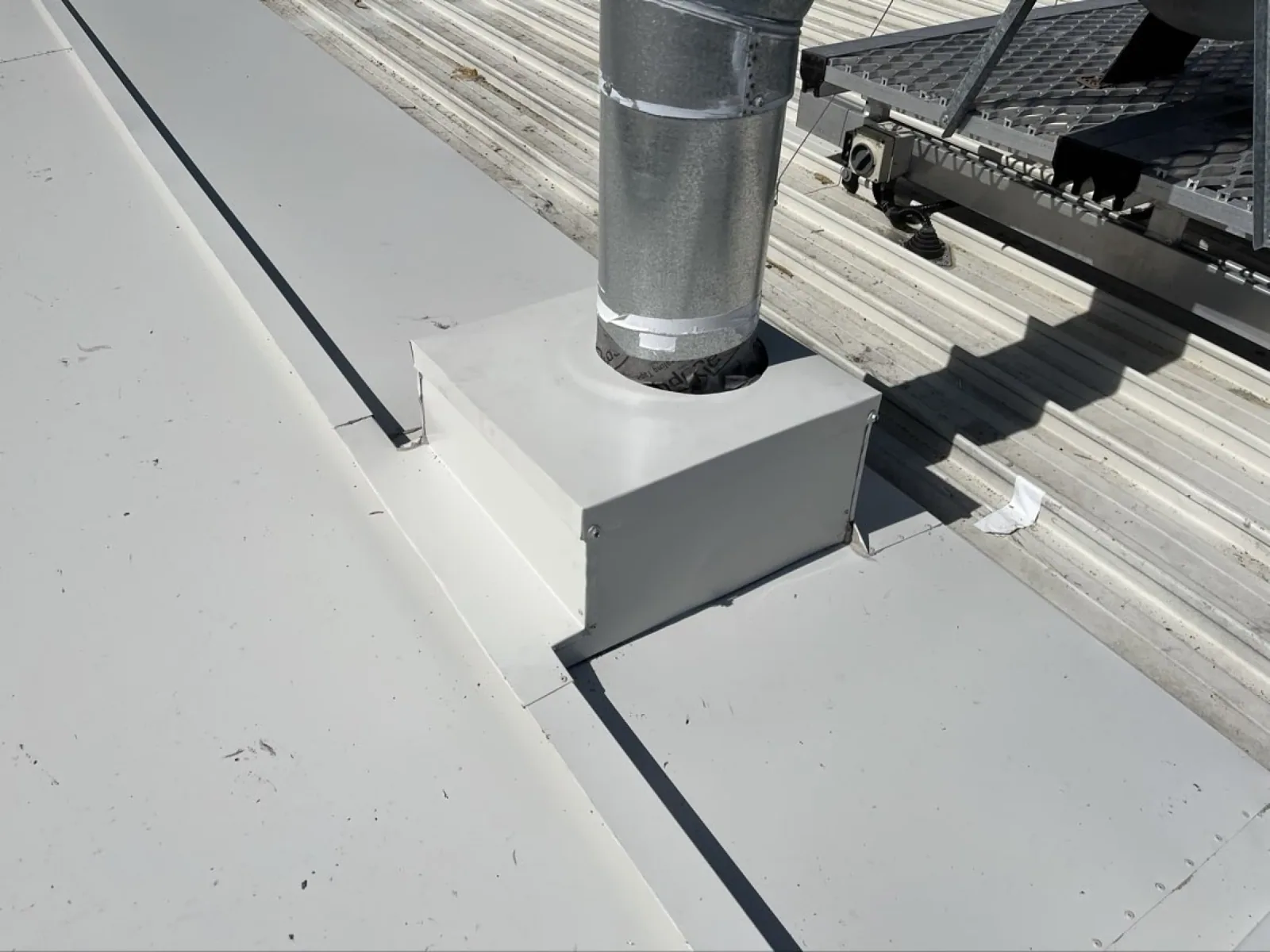
When a pipe, vent or rooftop unit involves another contractor, we list their work and our roofing separately. We note what they need to finish first and confirm it's done before we seal the membrane to it. Your representative can coordinate the sequence based on real progress, and temporary protection stays in place until both the equipment and the roof are ready for the permanent seal.
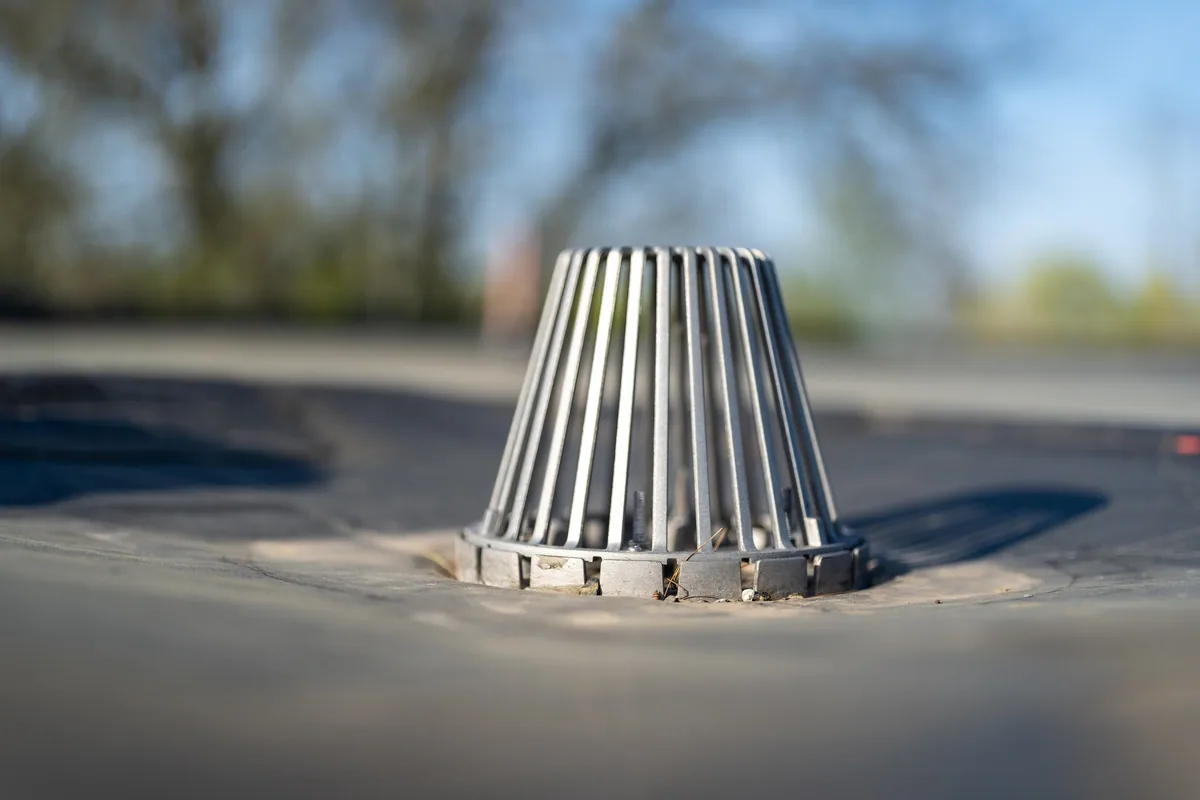
Repairs: match the membrane that's there
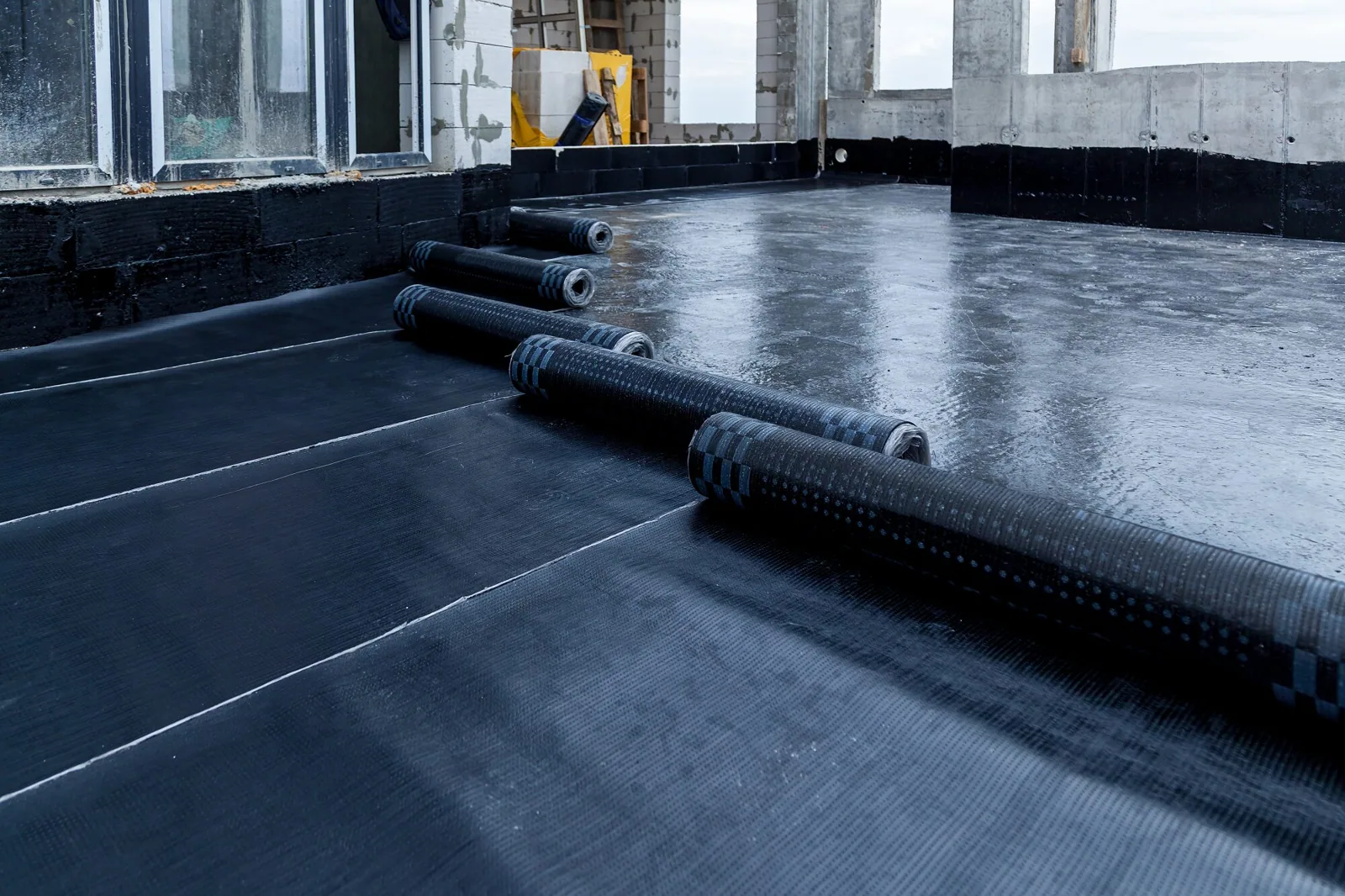
We confirm the membrane where the repair will tie in and check that the roof around it is sound enough to bond to. If an older patch or flashing has changed the area, we sort that out before choosing materials. The repair follows the roof we find at that spot, and any remaining question about it is noted next to the method instead of being buried under a general system name.
On PVC roofs, the installed membrane and the manufacturer's repair requirements guide material choice. Another roof system may need a different approach. We check the nearby seams and flashing and mark any that are open or damaged, because those need repair before new membrane can be welded to the existing sheet.
Cleaning doesn't fix a torn membrane or close an open seam. Those repairs happen first, then the existing membrane gets prepped. We explain how each repair sets up a sound edge for the final weld. The facility manager can judge the price when those steps are listed, rather than lumped into a vague "complete" line item.
End of shift: who protects what
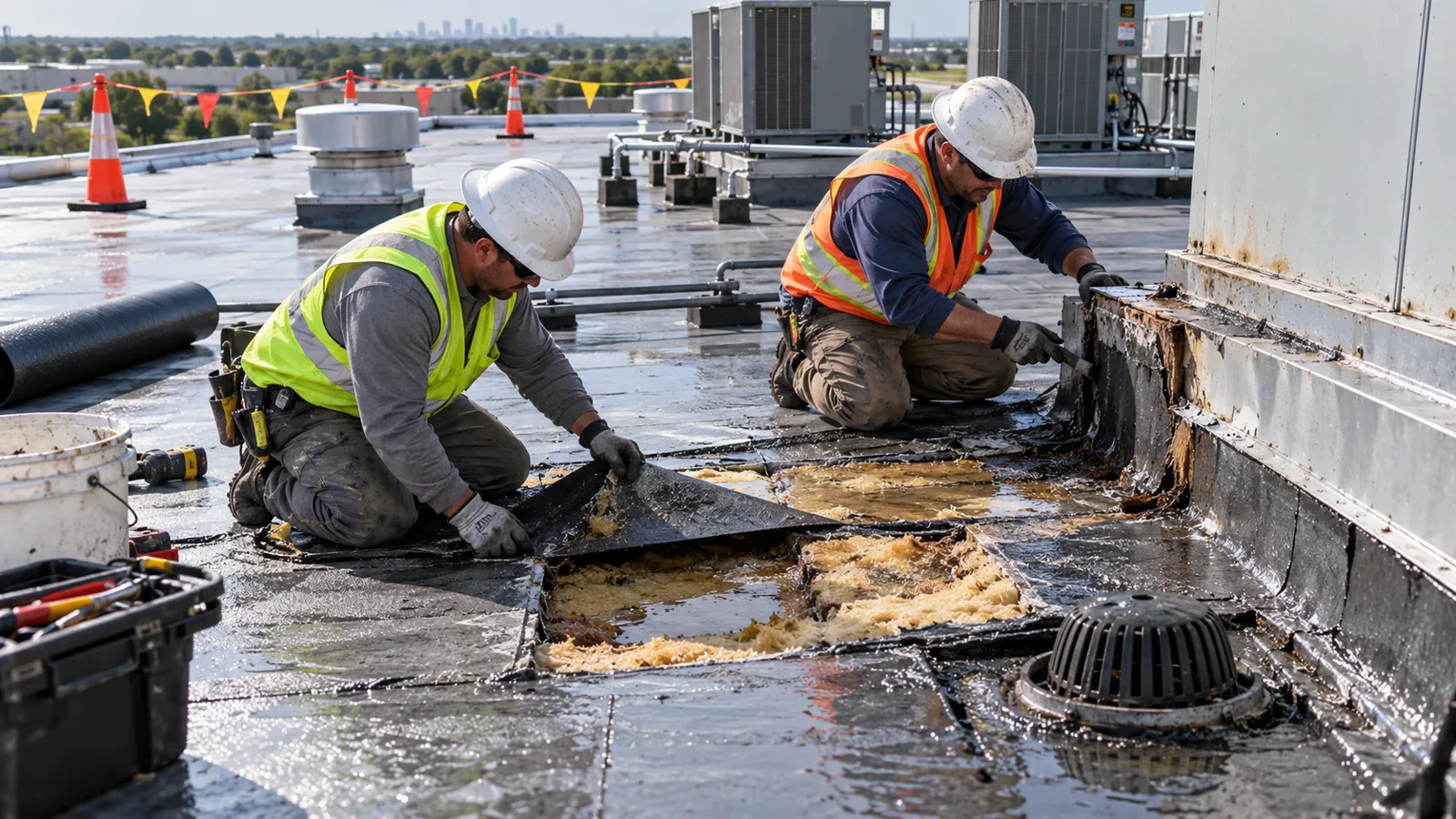
If we need to look under a detail, we explain what we're checking before cutting into the roof. Where the repair depends on dry, solid layers, we confirm it, and we photograph any wet or damaged material that changes the tear-off or rebuild. The revised scope is settled before anything is closed up for good. The location stays marked so operations knows which part of the roof is open or temporarily sealed while that decision is made.
Before the shift ends, we confirm how any unfinished area will be sealed or protected and who is responsible. We explain the temporary seal, where it is on the roof and what permanent repair is still owed. The handback describes the roof's actual condition, instead of a blanket "done for the day" that hides an open seam or unfinished curb.
We ask your site contact who should get an urgent call about the work area and how we'll coordinate the next step if conditions change, like a storm moving in. We finish nearby repairs and prep before the permanent seal and photograph each stage, so temporary protection is never mistaken for the finished repair.
Closeout: show exactly what was done
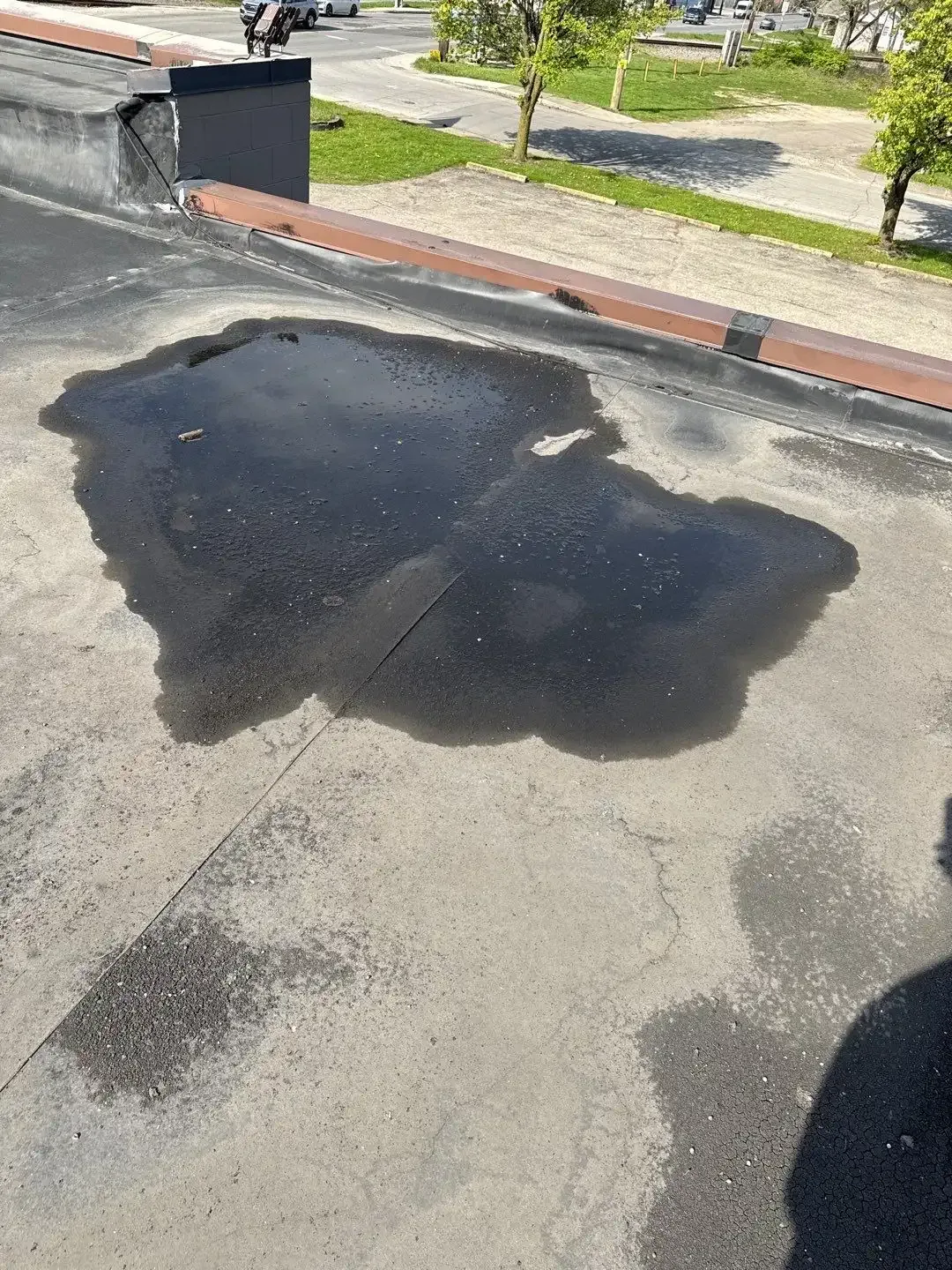
We photograph exposed insulation and any detail repairs before they're covered, along with the prepped membrane and the final seams at locations you can find again. The facility manager can compare the closeout with the agreed scope using those photos. A single photo of the finished surface can't show the insulation repair or the equipment work it depended on.
A multi-site roof program keeps each building's findings and closeout records separate. Open testing, areas not inspected and temporary phases are listed next to the work they affect. A finished repair at one building tells you nothing about the roof at another site in your portfolio.
Work in the Great Southwest Industrial District follows the same rule: each building is inspected and scoped on its own. Any change in scope stays tied to what we found and the repair we then made. A later review can see what area was handed back, what was finished and what's still waiting on a decision.
Common Questions
What should the logistics closeout tell us?
Where we worked and exactly what was finished there. It also lists any testing still open, equipment work other contractors still owe and temporary protection still in place, so you can tell a permanent repair from a phase that isn't done yet.
Who coordinates equipment work before the roofing goes on?
Your site representative coordinates the contractors working at that detail. We confirm which work comes first and check that the equipment work is actually finished before we seal the membrane to it.
How do you handle an area with old patches or changed flashing?
We inspect the membrane and details where the repair will tie in, confirm what materials are there and repair any open seams or failed flashing first. Then we prep the existing membrane so the new material bonds or welds properly.
What happens when you find wet insulation under the roof?
We photograph it in place and explain how much needs to be removed or rebuilt. You approve the change before we close the roof. A temporary seal stays on as long as it's needed, and the permanent repair still owed is noted.
How do you keep records straight across multiple buildings?
Every building gets its own file: inspection findings, scope changes, repairs, prep and finished work. Open questions at one site stay with that site, so decisions at another building are based on that building's own evidence.
Plan your Arlington logistics roof project
Tell us the building and the roof problem. We'll inspect the roof, identify the repairs and any equipment work they depend on, and give you a clear scope and closeout record for the area we work on.
- occupied building roof assignment defining the logistics work area and applicable coordination
- general contractor roof coordination
- property manager handoff records
- Grand Prairie
- occupied-building reroof coordination
- distribution center with defined roof work and component handoff responsibilities
- PVC logistics roof corrections connecting identified sheet with suitable retained details
- multi-site roof program retaining logistics findings and individual construction handbacks