Commercial Roofing in Grand Prairie
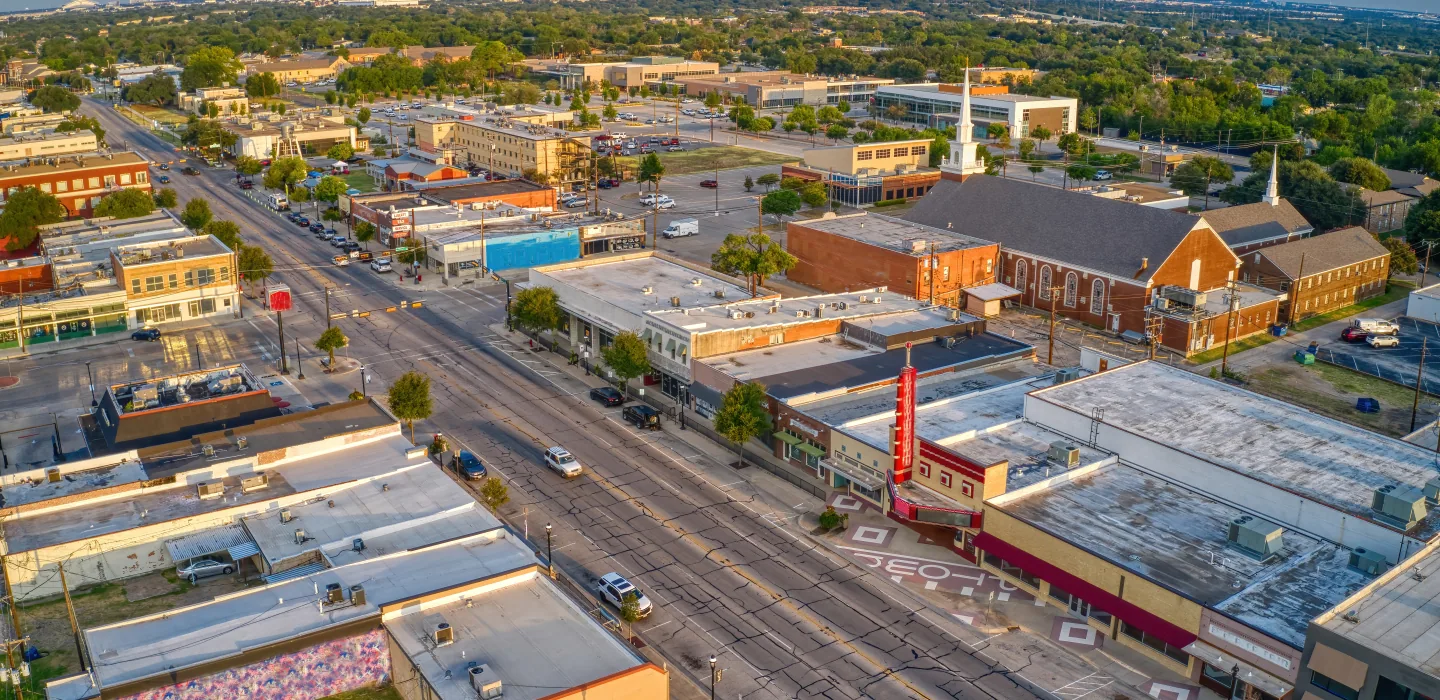
Grand Prairie
Commercial roof leak repair in Grand Prairie, TX: we trace leaks on distribution and warehouse roofs, repair EPDM seams and flashing, replace wet insulation and photograph the work.
Leaks on big Grand Prairie distribution and warehouse roofs can be hard to pin down. Water may drip onto racking a long way from where it got in, and on a roof that covers several acres, one bad seam is easy to miss. We trace the leak back to its source, repair it with materials that match the roof and tell you what else we found along the way.
We also handle leak repair in Irving and Cedar Hill, and we inspect each building on its own.
Tracing the leak
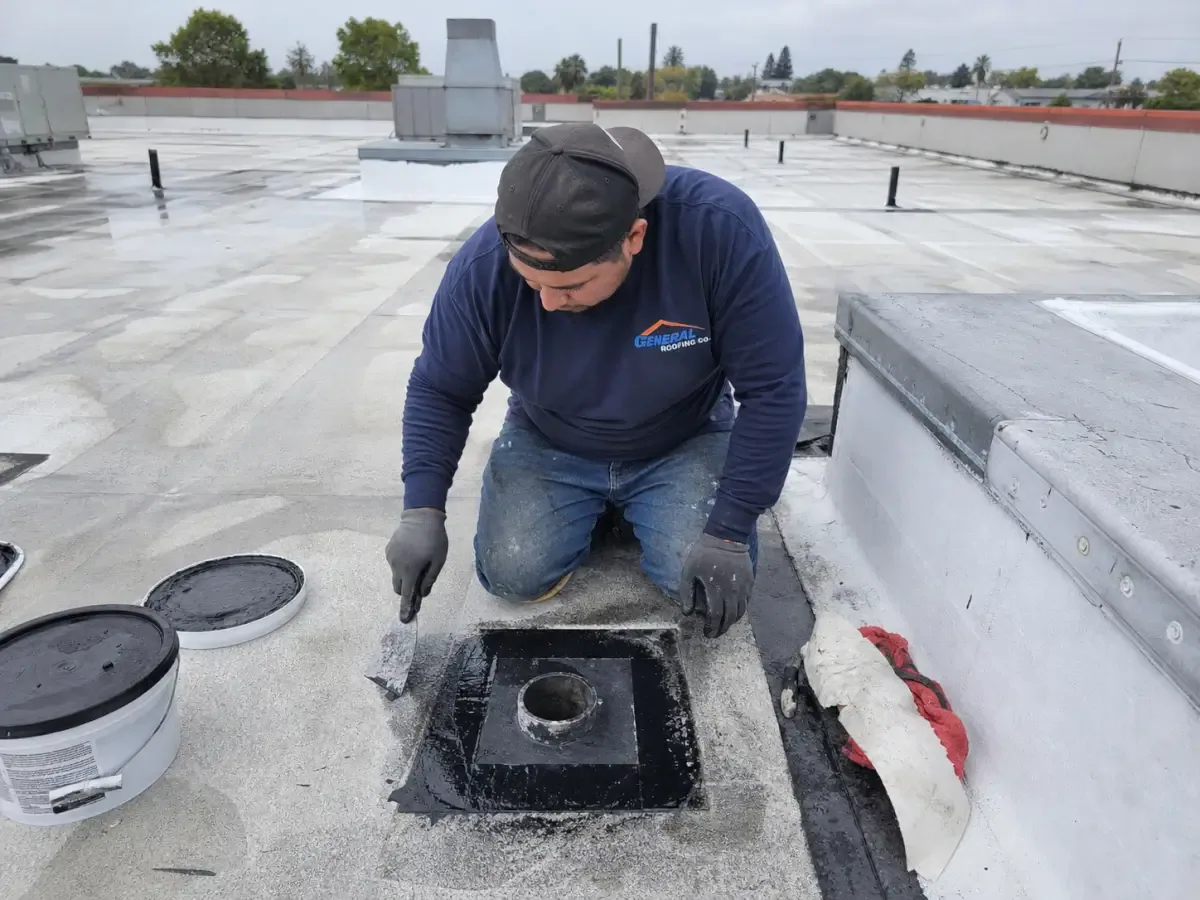
We start with the people who saw the water. Where did it drip, when, and was it after a heavy rain or a long, steady one? A facility manager who can point to a rack location or a column line saves a lot of time. Then we go up and inspect the roof above and upslope of that area, checking seams, flashing, penetrations, drains and any old patches.
Our commercial roof leak repair ties the price to the defect we actually found. Each one is marked on a roof plan and photographed. If the defect lines up with the leak, we say so. If it does not, or there could be another source we could not reach, we say that too.
On a large roof, water can run along the deck flutes for a long distance before it finds a way through. That is why we look well beyond the spot directly over the drip, and why we note how far our inspection went. A repair at one seam should not be mistaken for a check of the whole roof.
Large roofs also collect damage from rooftop traffic. HVAC technicians, satellite installers and other trades walk the same paths, and dropped screws or tools can puncture the membrane far from any seam. We check those walking routes and the areas around units, because a small puncture there is a common source of leaks that are hard to trace from inside.
Working with the existing EPDM
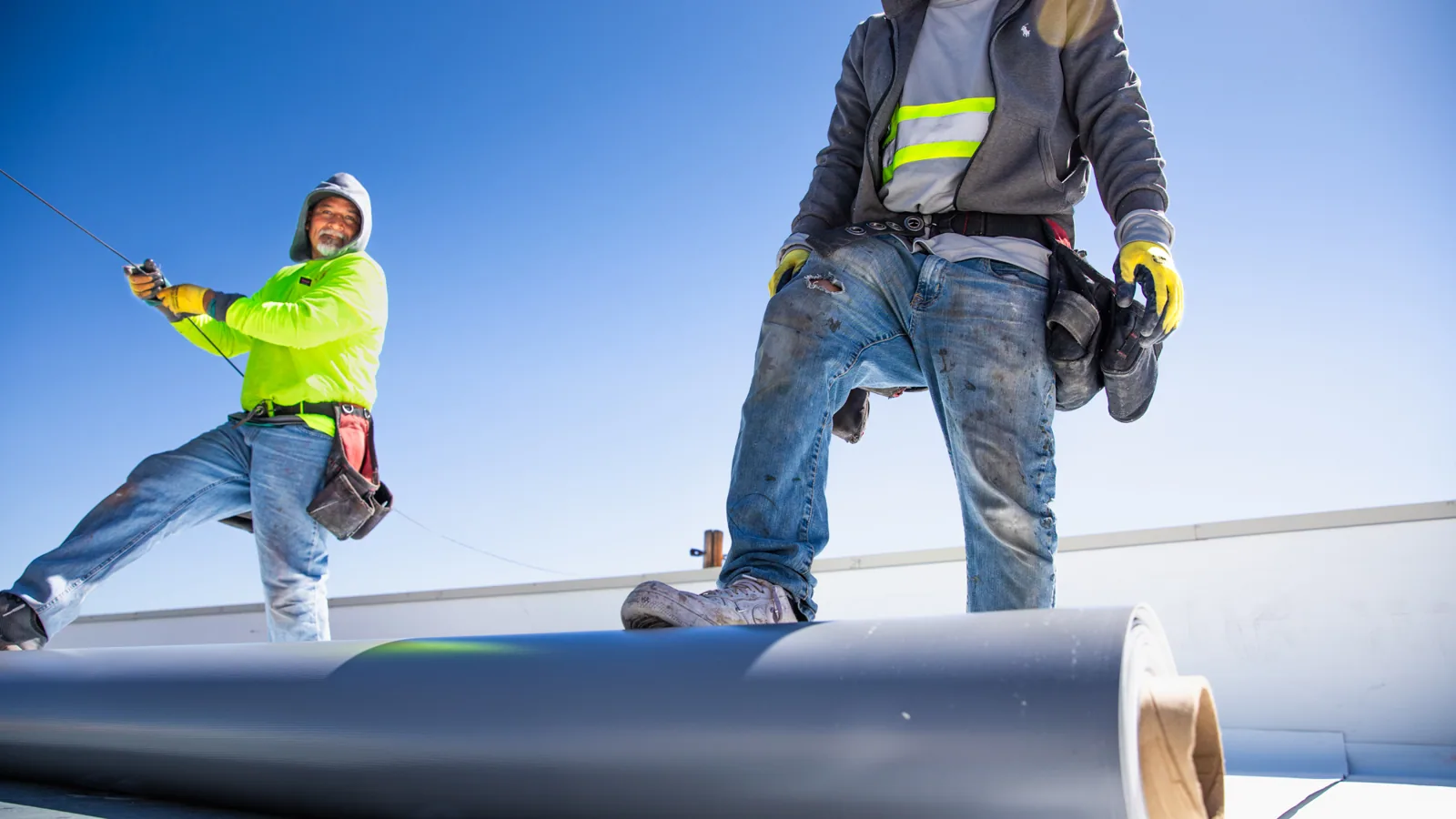
New material has to bond to the roof that is already there. We confirm the membrane at the leak and check its condition. EPDM that is still flexible and cleans up well makes a good base. EPDM that has shrunk, chalked or pulled away at the edges may need a larger repair.
For EPDM roofing, we clean the area, prime it and apply seam tape or a patch made for EPDM, then roll it down firmly. If the roof turns out to be TPO or PVC, or if an old repair used a material that does not bond to rubber, we change the approach.
We also check the seams around the repair. If a nearby seam is lifting, we fix it at the same time, because otherwise the leak just moves over. Those fixes are listed in the estimate.
Insulation and deck checks
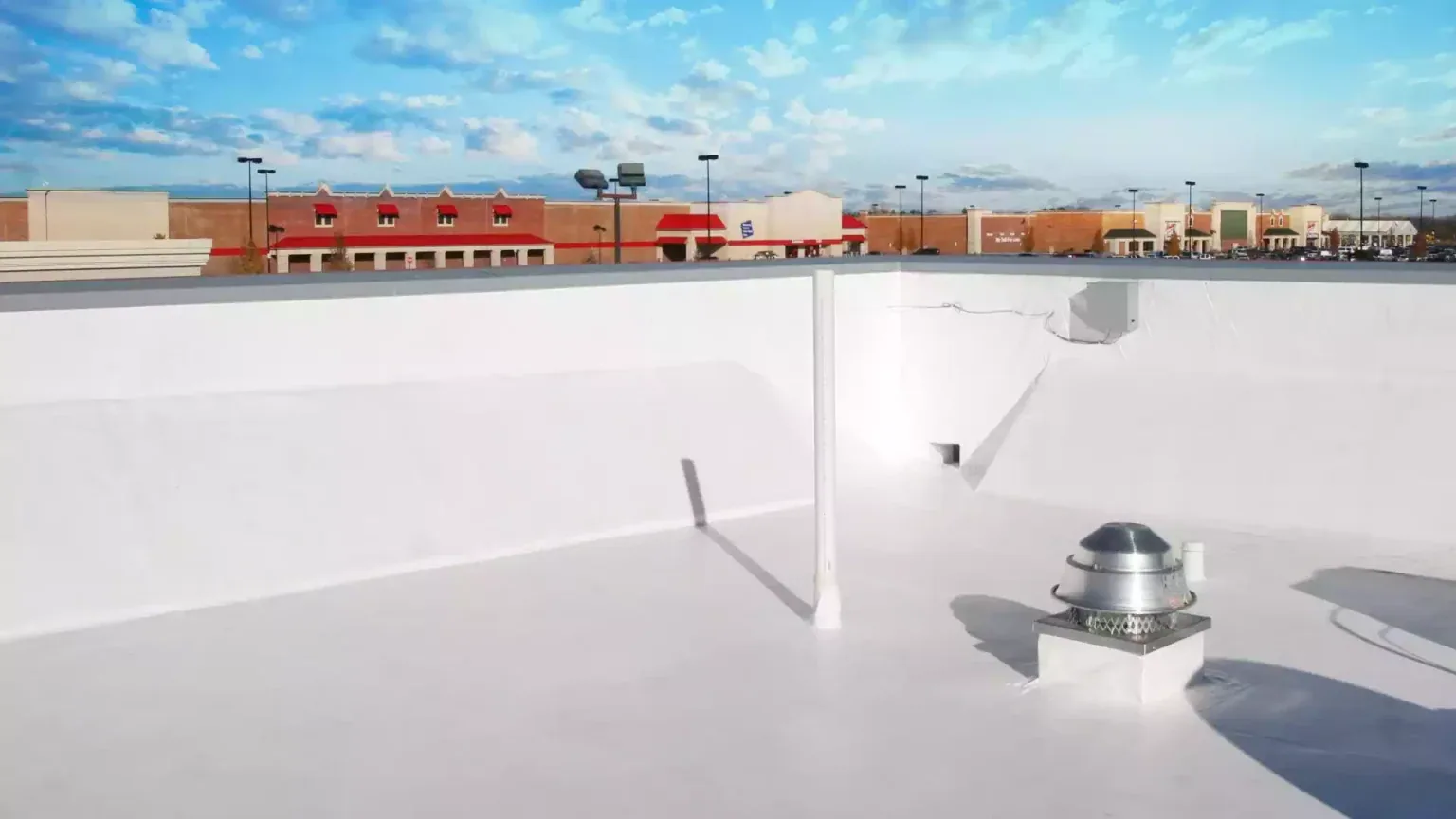
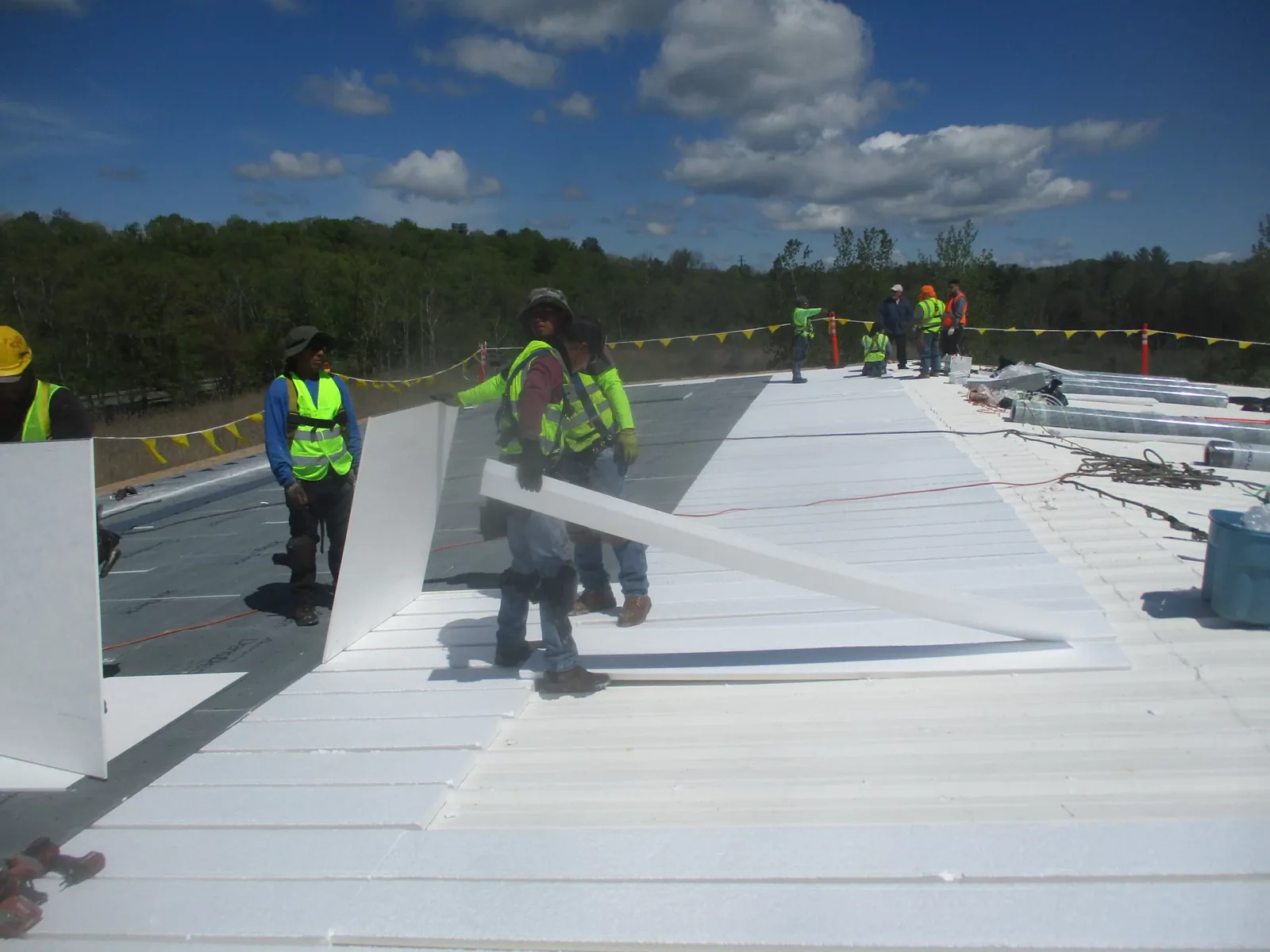
A leak that has gone on for a while usually wets the insulation. On a big roof, that wet area can spread well past the hole. Wet insulation loses its R-value, adds weight and can rust the steel deck. If we see soft spots or get high moisture readings, we cut a core at the repair and may recommend an infrared survey to map how far the moisture has spread.
On a distribution center roof, we coordinate core cuts and openings with the facility manager. Inventory, racking and forklift traffic are right below, and we may need to work around shift changes or keep certain aisles clear.
A dry core at the repair tells us about that spot only. If other areas are in question, they get checked on their own. If we find more damage once the roof is open, we photograph it and update the estimate before closing up.
If the leak is active and rain is coming, we may install a temporary patch to protect inventory while we wait for the right weather or for another trade to finish. That patch is labeled temporary in our notes, and the permanent repair follows once conditions allow.
Order of work and scheduling
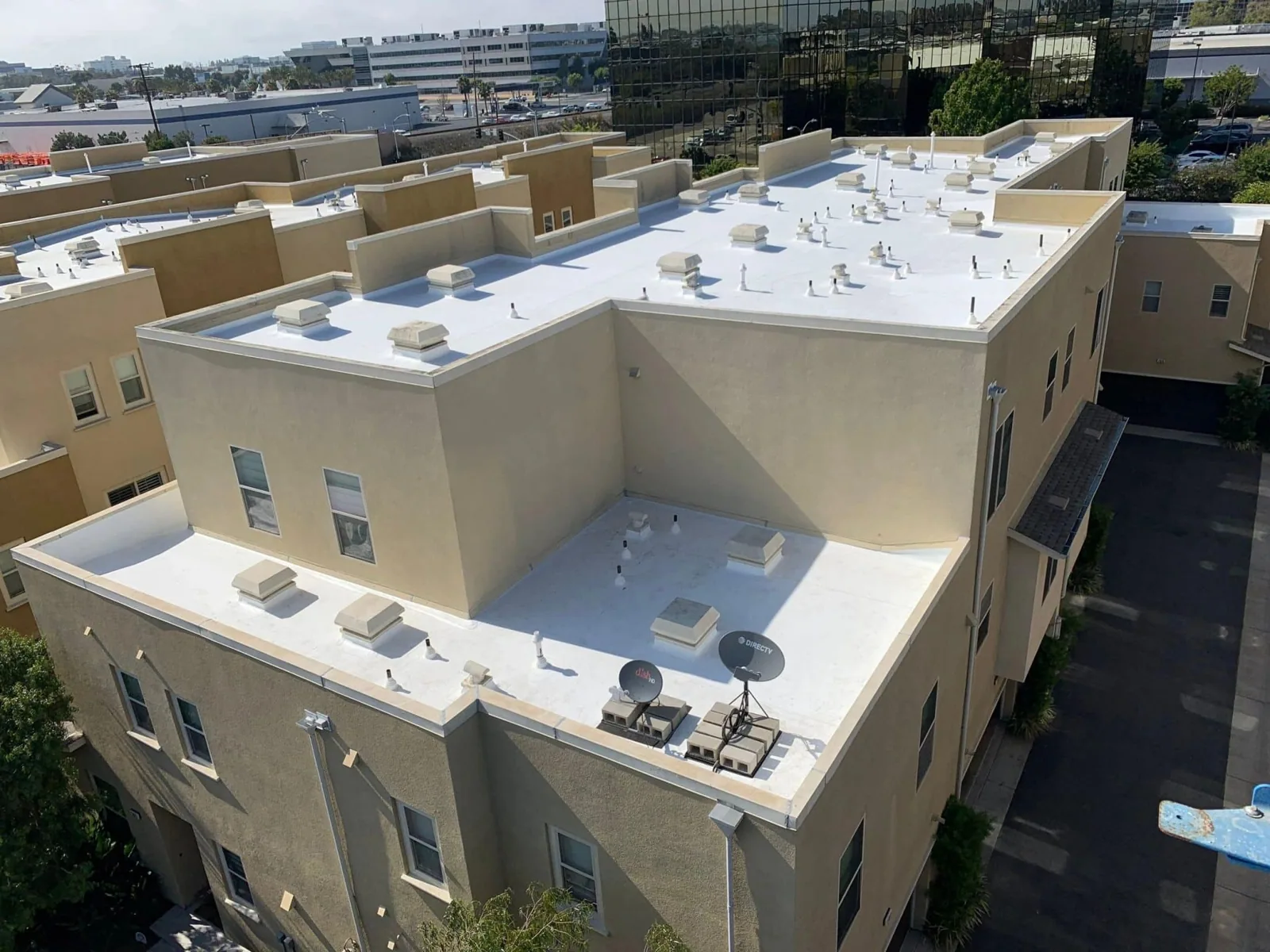
The repair goes in a set order. Wet insulation is replaced. Any damaged deck is fixed. Nearby seams and flashing get repaired. Then we clean and prime the existing EPDM and install the patch or seam tape. If something keeps the new material from bonding, such as an old tar patch, we remove it first and list it in the estimate.
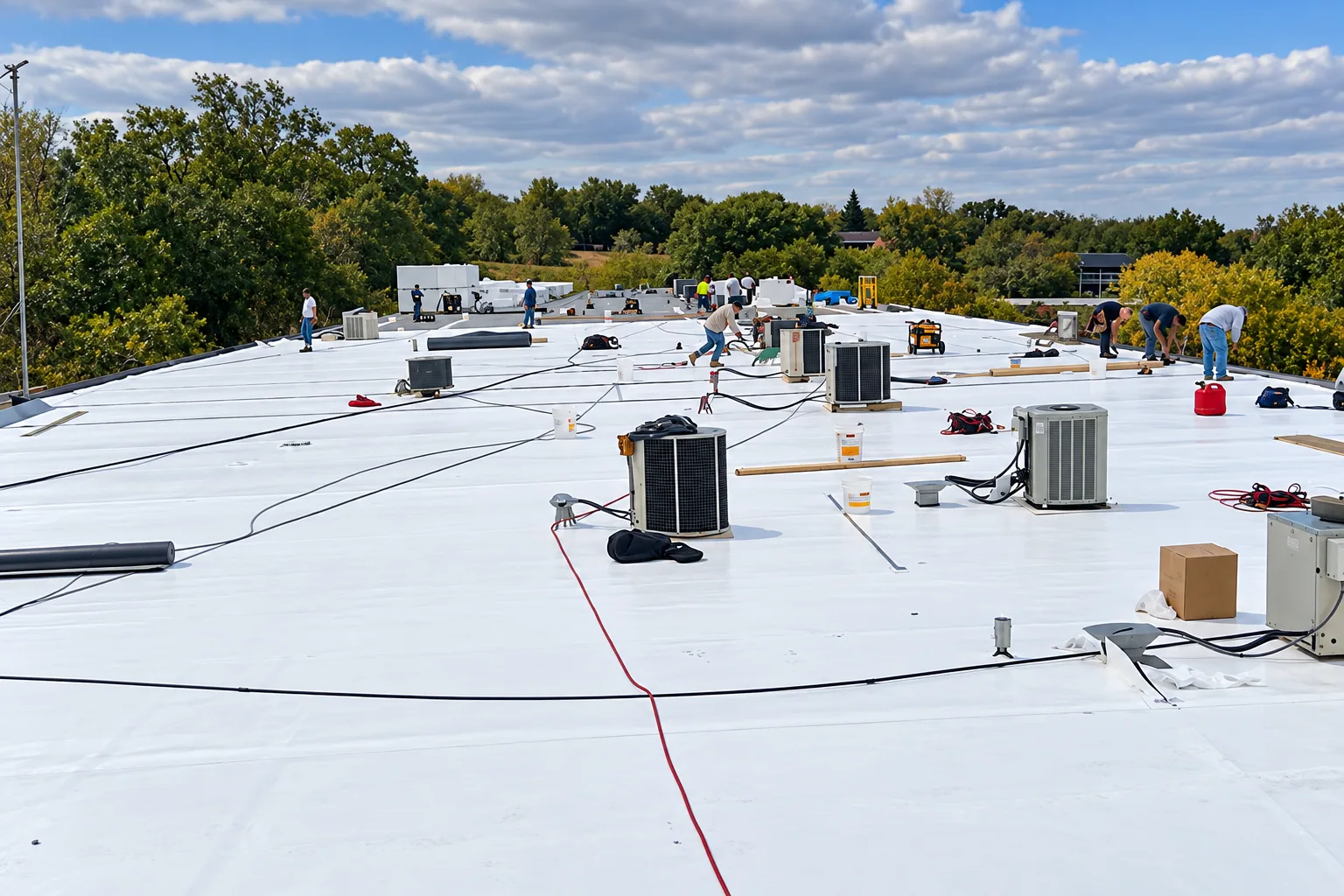
We confirm roof access, lift placement, material staging and work hours with the facility manager. Distribution centers often run around the clock, so we plan around dock activity, truck traffic and safety rules like badges or escorts. If a plumber needs to fix a drain or an HVAC contractor needs to reset a unit before we can finish, we list that task and keep you updated on it.
You hear from us as each step is done, so you know exactly when the repair is complete.
Photos and the repair report
We photograph each stage: the defect as found, any opened insulation, the deck, the repaired seams, the primed membrane and the finished patch. Each photo is tied to its location on the roof plan, which matters on a big roof where one area looks a lot like another.
A roof condition report for a Grand Prairie building lists what we repaired, what we found but did not fix, and any area we did not inspect. If a possible leak source is still unconfirmed, it stays on the list next to its location.
If we installed a temporary patch first, the report says what it was protecting and when the permanent repair replaced it. If the leak comes back, you have a clear record of what was done and where, which makes the next visit faster.
Common Questions
What should we tell you when we call about a leak?
Which building, where the water showed up inside, when it started and who can give us roof access. Past repair records and warranty paperwork help too.
How does the drip location inside help you find the leak?
It tells us where to start looking. On a large roof, water often runs along the deck before it drips, so we inspect well upslope of that spot and note how far our inspection went.
Why do you check the membrane before choosing repair materials?
Each roof system needs its own repair materials. If we use the wrong product, the repair will not bond. We confirm the membrane at the leak before ordering anything.
How do you decide whether to remove insulation?
We cut a core at the repair. If the insulation is wet or crushed, it gets replaced. If it is dry and firm, it stays. Other suspect areas get their own check.
What photos will we get after the repair?
Photos of the defect as found, any opened insulation or deck, the repaired seams, the primed membrane and the finished patch, each tied to a spot on the roof plan.
Get your Grand Prairie roof leak traced
Tell us which building and where the water is showing up. We'll trace the leak, repair the source and give you a clear report on what we found and fixed.
- Irving commercial concerns through separately established membrane findings
- Cedar Hill premises with individual roof assessment boundaries
- commercial roof leak repair linking an examined defect to its defined correction
- EPDM repair using an identified rubber covering and suitable retained connection
- distribution-center property with its own defined roofing and retained material review
- roof condition account locating Grand Prairie leak findings and delivered repair stages