
Commercial Roofing in Cedar Hill
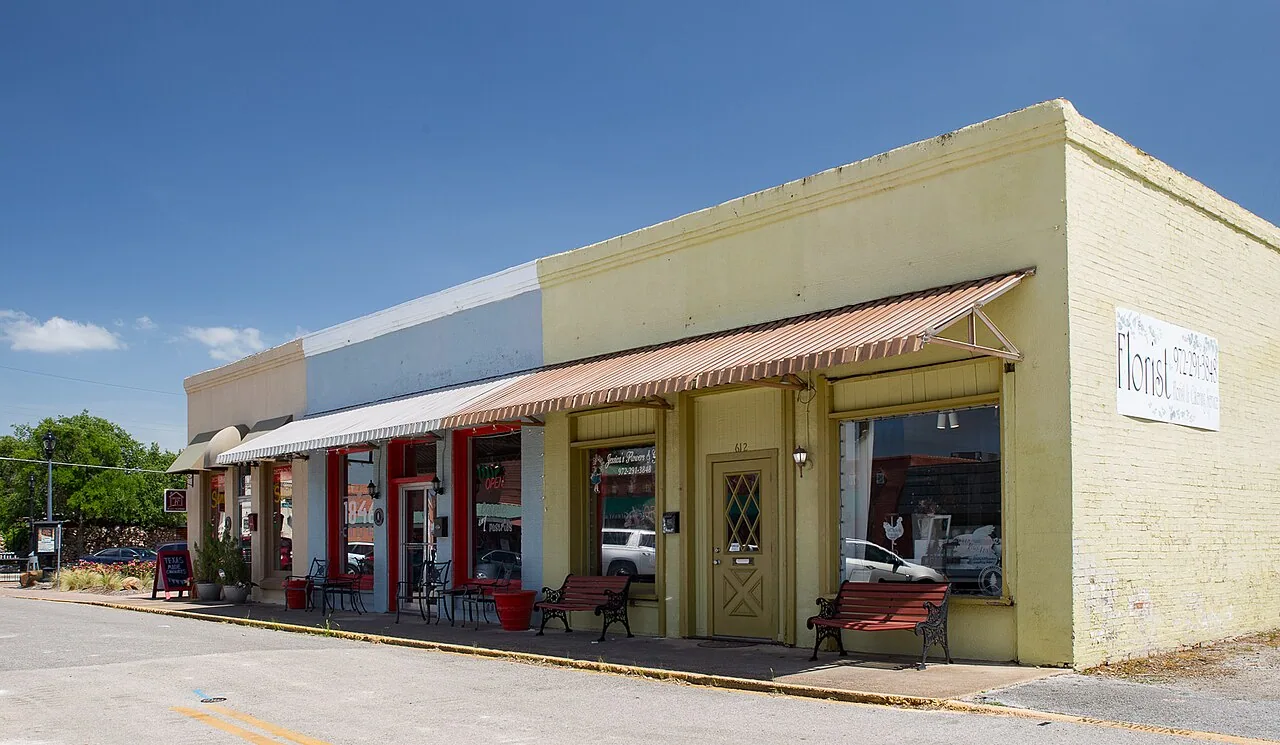
Cedar Hill
Commercial roof coating in Cedar Hill, TX: we check whether your roof can be coated, replace wet insulation, repair seams and flashing first, and document the prep.
A coating can add years to a commercial roof in Cedar Hill, but only if the roof underneath is a good candidate. Silicone and acrylic coatings seal the surface and reflect the Texas sun. They do not fix wet insulation, open seams or loose flashing. Before we recommend a coating, we check what is under it and what needs repair first. The estimate shows the coating, the repairs and the prep as separate pieces of work.
We also look at coating projects in Duncanville and DeSoto, judging each roof on its own condition.
Is the roof a good candidate?
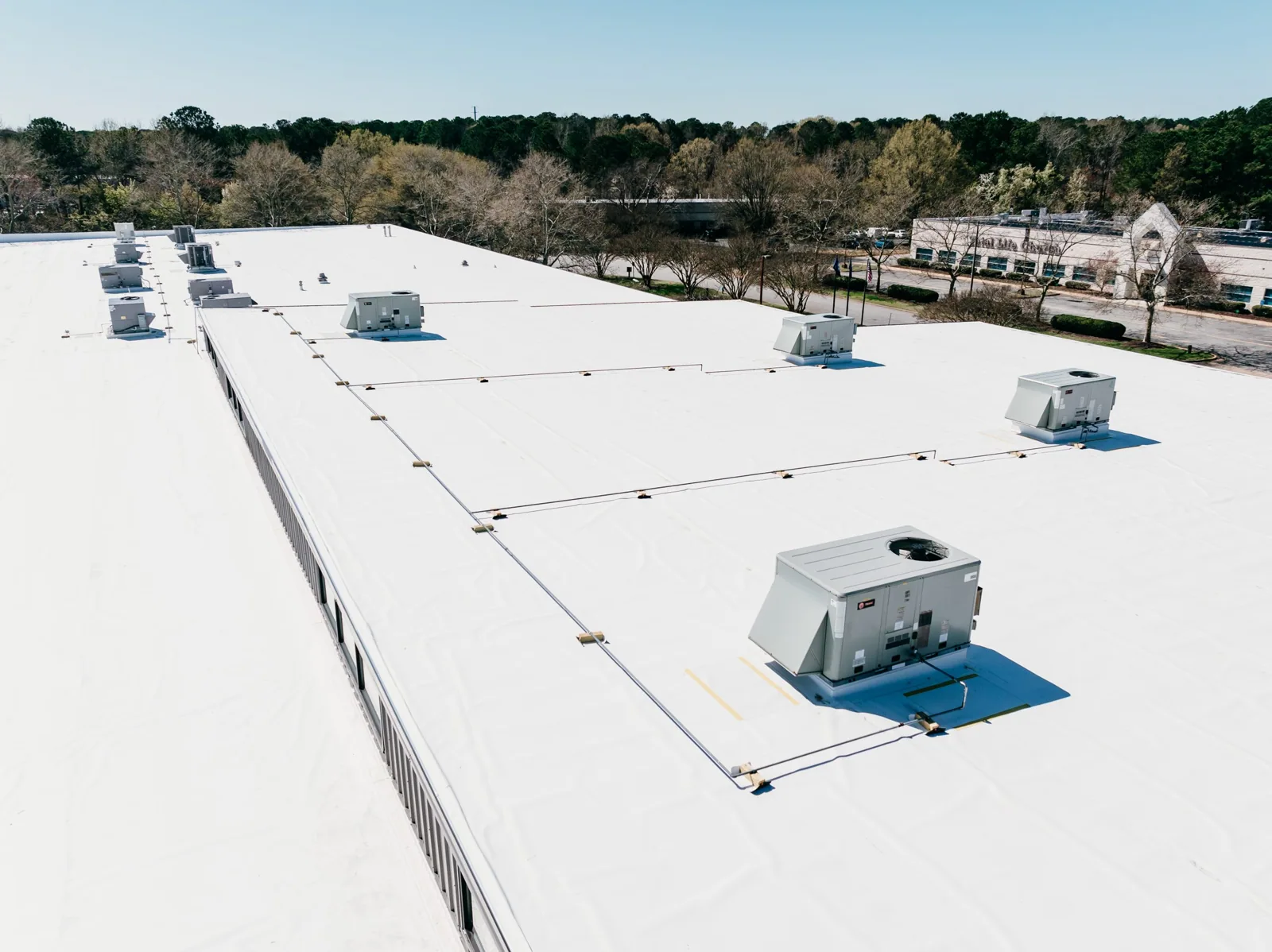
We start by identifying the existing roof system, whether that is TPO, EPDM, modified bitumen, built-up or metal, and walking the whole area you want coated. We look at the membrane surface, seams, flashing, drains and any spots where water ponds. A roof that is worn but watertight is often a good candidate. A roof with widespread wet insulation or failing seams usually is not, at least not until those problems are fixed.
Our roof coating and restoration estimate spells out what we found and what has to happen before coating. It covers how much of the roof can stay, what repairs are needed and which areas should be torn out and replaced instead.
We also do an adhesion test. A small patch of coating goes on a cleaned section of the roof, and after it cures we pull it to see how well it bonds. That tells us whether the coating will stick or whether a primer is needed.
Checking for wet insulation
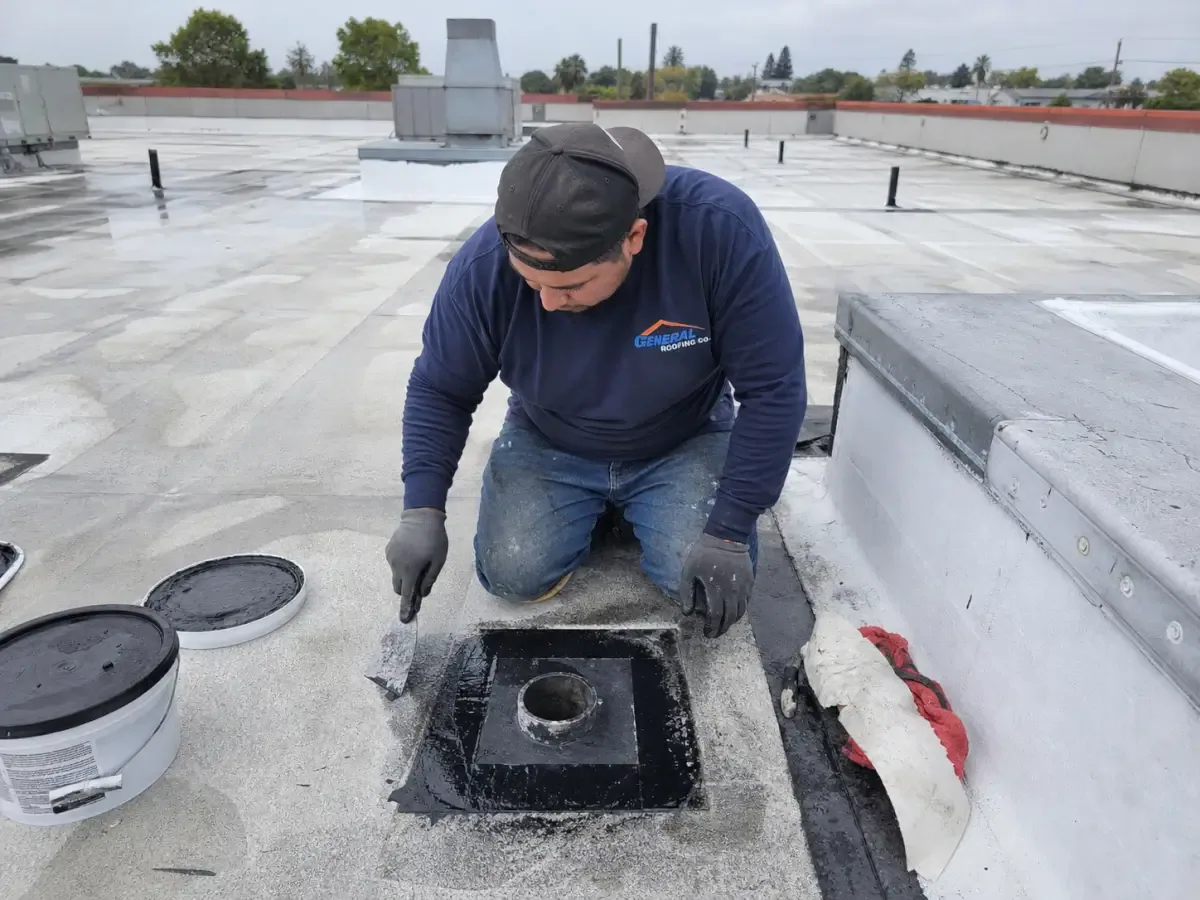
Coating over wet insulation traps the water in. The insulation stays wet, the roof loses its insulating value and the deck underneath can rust. Before we coat, we check for moisture across the roof, usually with an infrared or moisture-meter survey followed by core cuts to confirm what the readings show.
On an office building roof, we schedule the survey and core cuts with the property manager. A survey is often done in the evening, when wet areas hold heat longer than dry ones and show up more clearly.
Wet areas get cut out and replaced with new insulation and membrane before coating. If wet insulation covers a large share of the roof, coating may not be the right choice, and we will tell you that. The estimate shows how many square feet need replacing so you can see how that affects the overall cost.
Repairs before the coating goes on
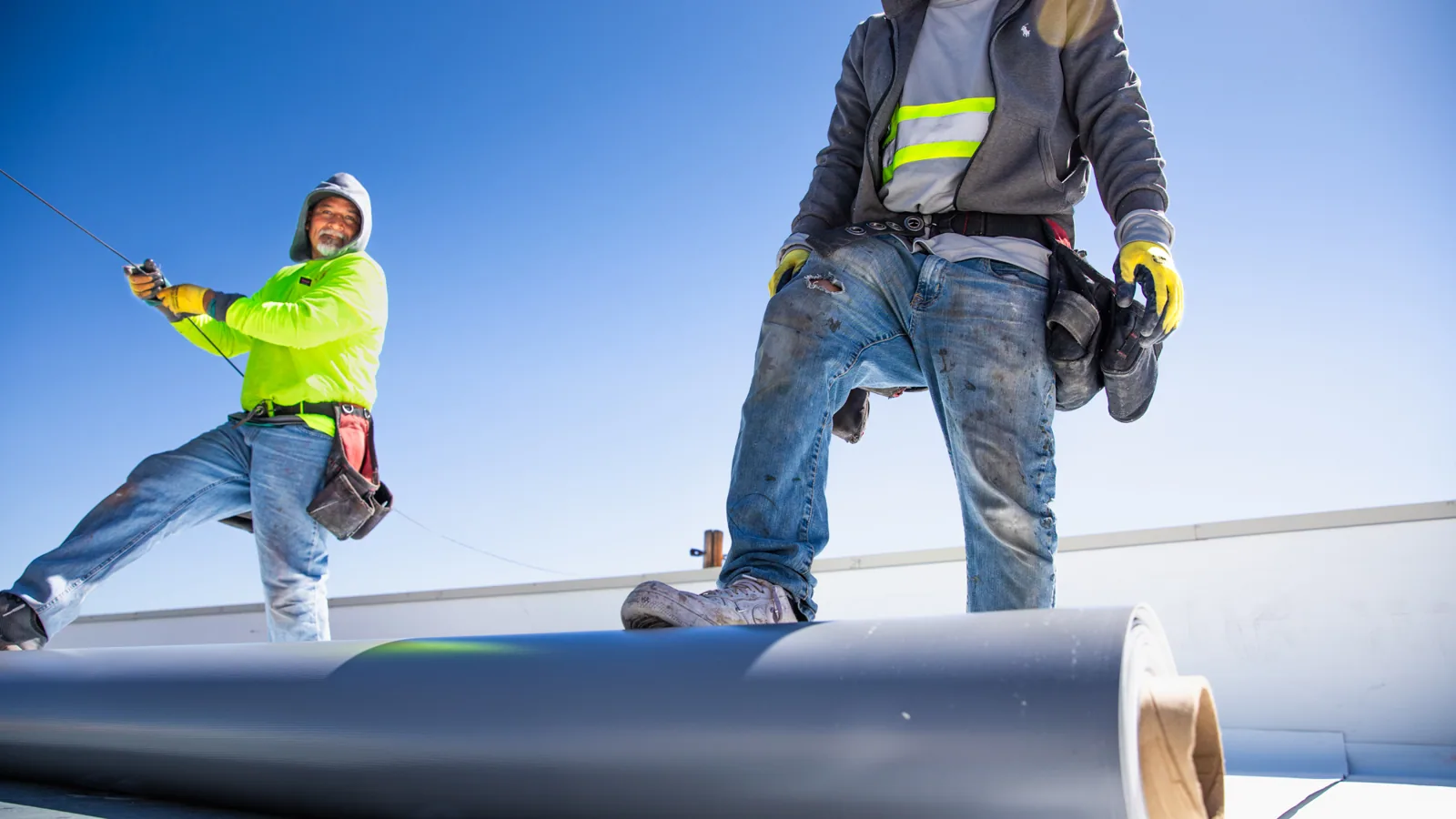
Coating seals the surface, but it is not meant to hold a seam together or anchor loose flashing. Open seams, split membrane, failed flashing at curbs and walls and loose edge metal all get repaired first, using materials that match the existing roof. Then the coating goes over a sound surface.
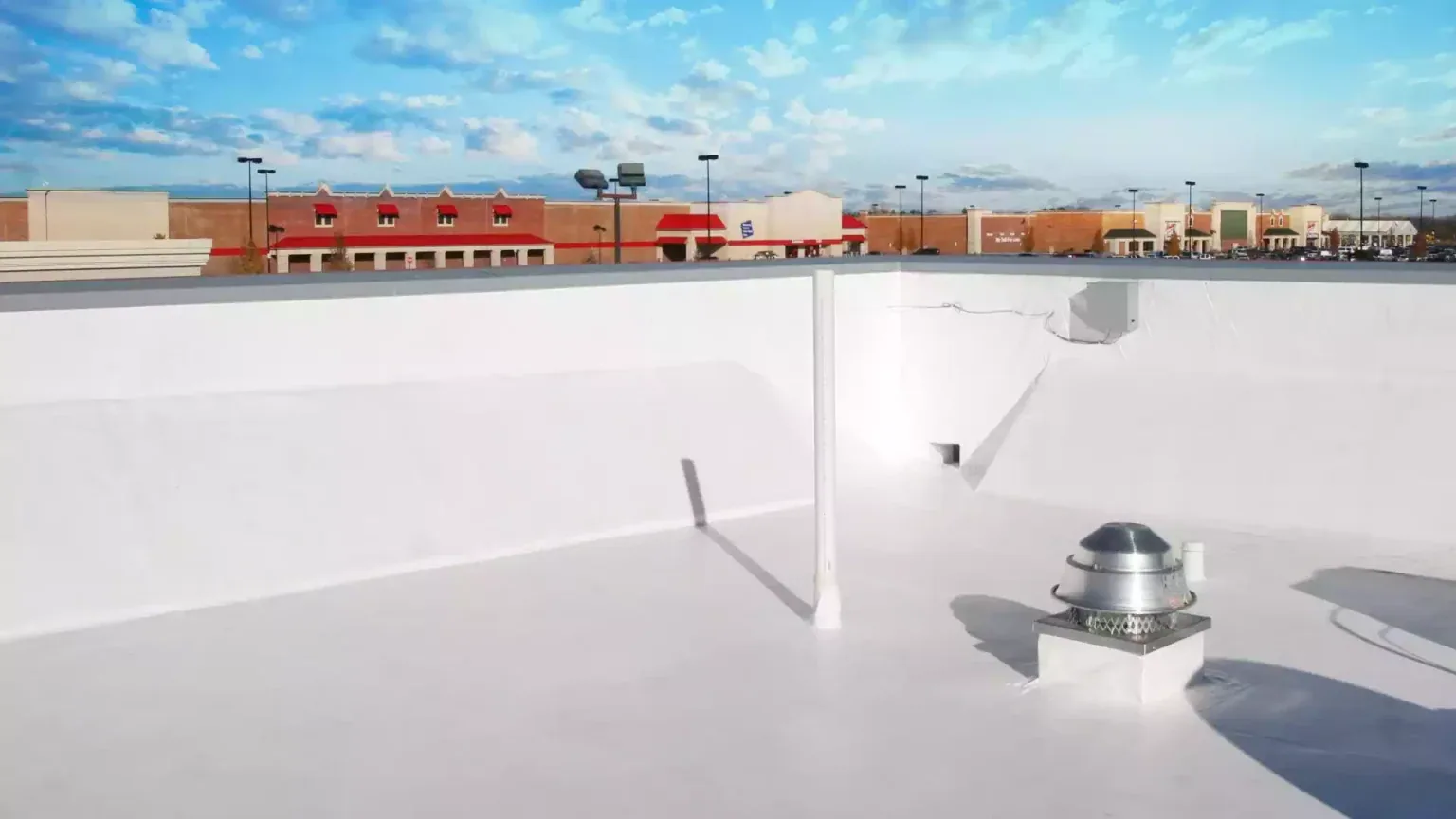
For a silicone roof coating, the repaired areas are cleaned along with the rest of the roof, and seams and flashing usually get a reinforced base coat before the full coat goes on. Silicone handles ponding water better than many other coatings, but drains still need to be clear and working.
Each repair is listed separately in the estimate, so you can see what the coating covers and what work comes before it.
Scheduling and site prep
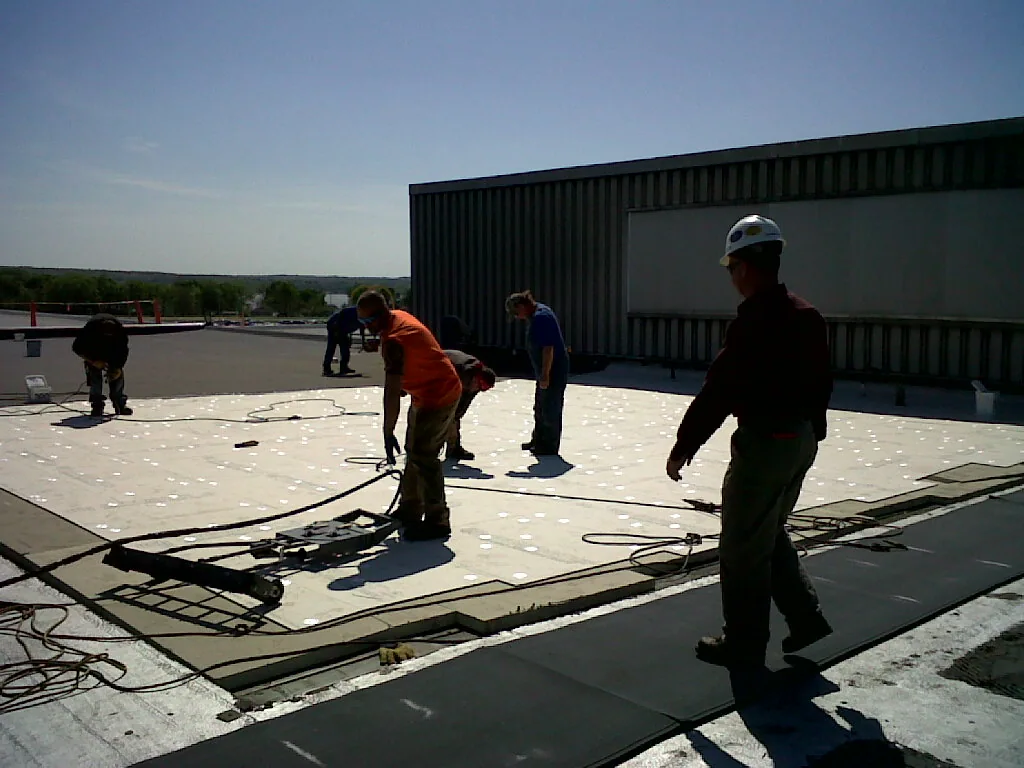
A coating job has a set order: moisture survey, insulation replacement, seam and flashing repairs, power washing, primer if needed, then the base and top coats. Coatings need dry weather and the right temperatures to cure, so we plan around the forecast and leave room for rain delays.
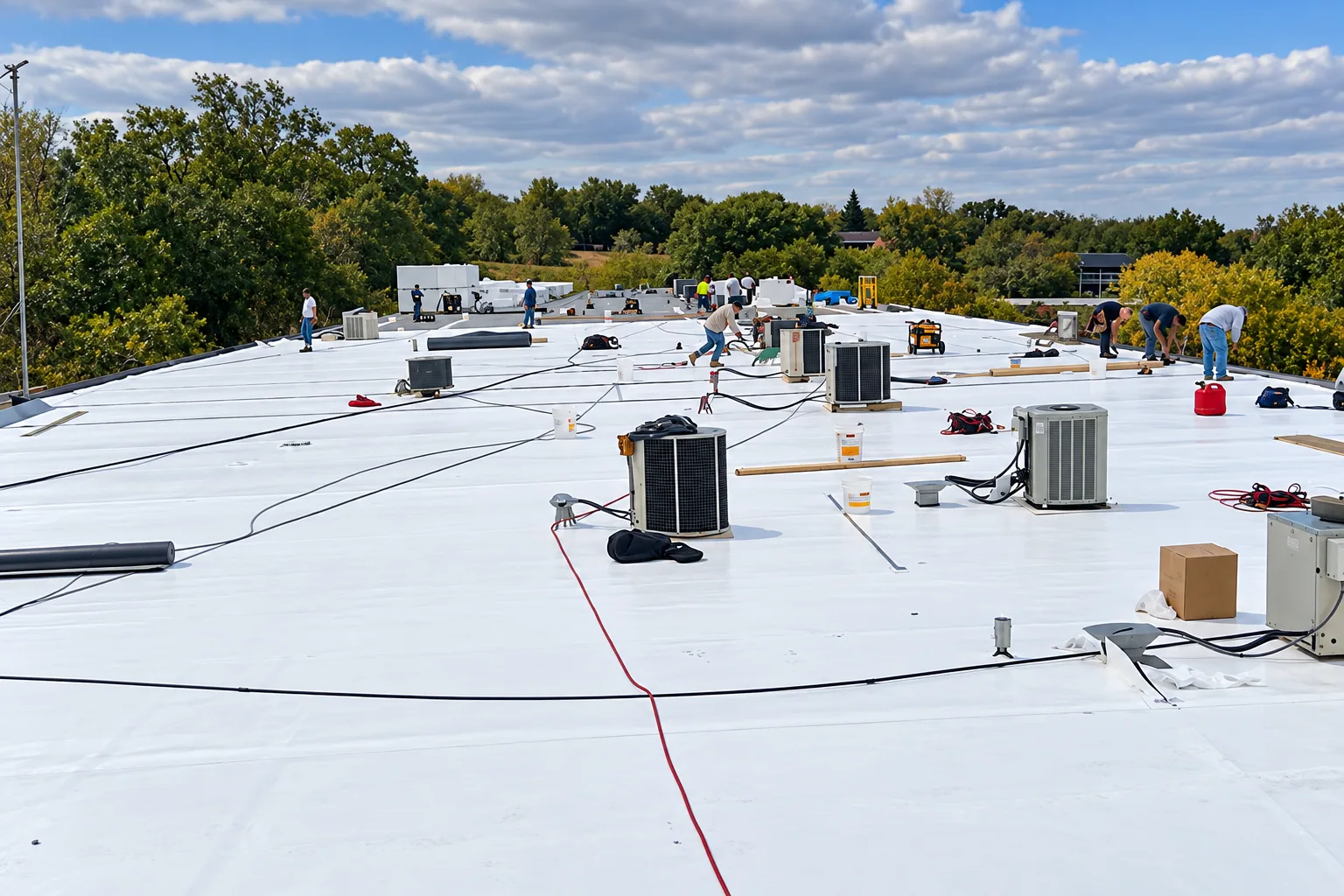
We work out roof access, staging and where the crew will park with the building contact. Overspray is a concern near parked cars and HVAC intakes, so we plan which units need covering and when. If an HVAC contractor needs to reset a curb or a plumber needs to fix a drain before we coat, we schedule that first.
Every Cedar Hill building has its own tenant schedule and access rules. We confirm those for your building rather than assume they match another job.
Photos and records
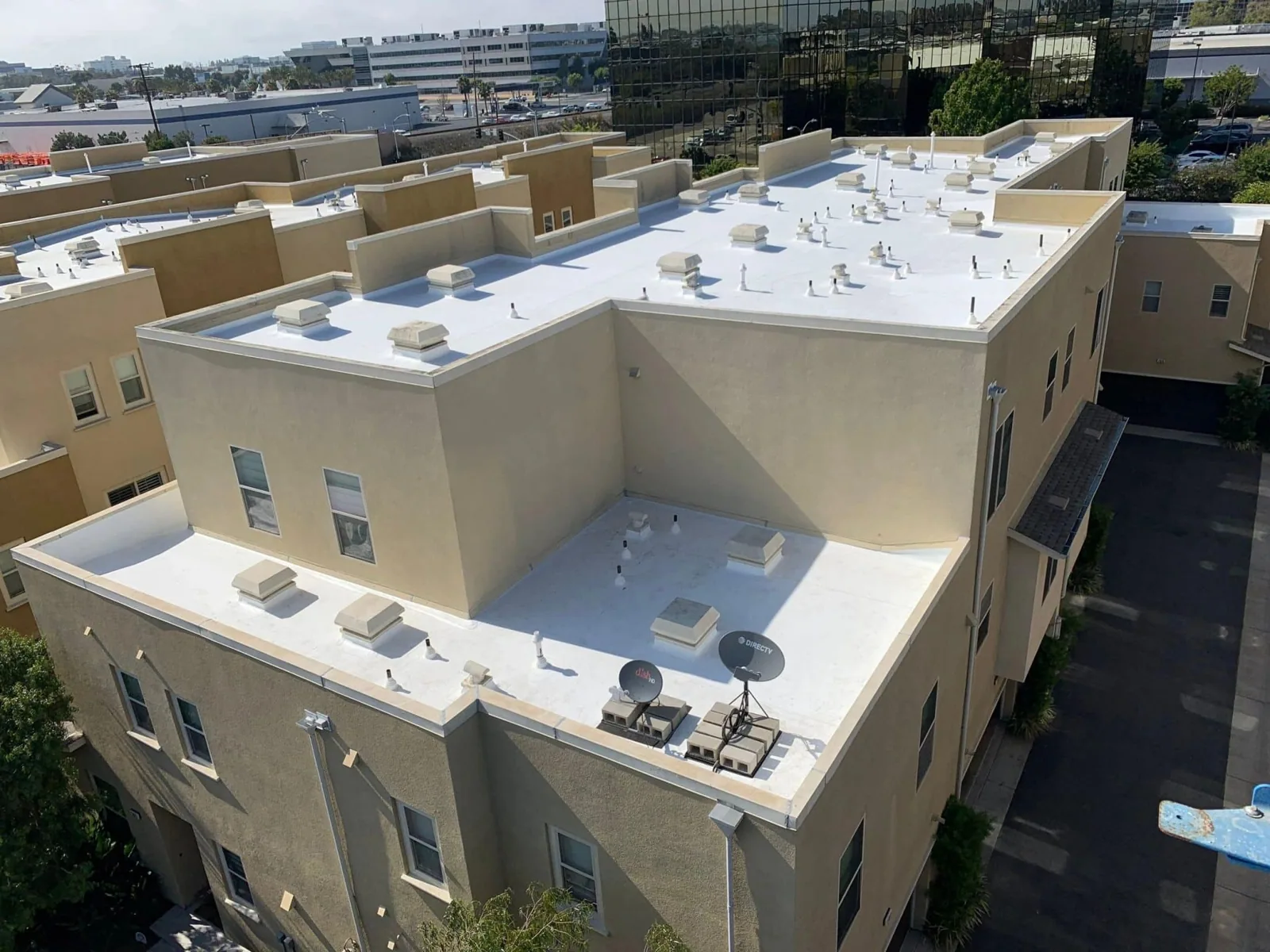
We photograph the roof before we start, the core cuts and moisture results, the replaced insulation, each repaired seam and flashing, the cleaned surface and the finished coating. Every photo is pinned to a location on the roof plan. Once the coating is on, everything underneath it is hidden, so these photos are the only record of what was done.
A roof condition report for a Cedar Hill coating project lists the areas coated, the areas replaced, the repairs made and any part of the roof left out of the project. It also notes the coating product and thickness applied.
Coating manufacturers often require proof of prep and thickness for their warranties. The photos and records help with that, and they help the next contractor understand what is on the roof.
When you call about coating a Cedar Hill building, tell us roughly how big the roof is, what system you think is on it, how old it is and whether it is leaking now. Past repair records and any infrared survey you already have help too. We will walk the roof, do a moisture check and an adhesion test, and tell you whether coating makes sense. If it does, the estimate shows the coating, the repairs and the replacement areas separately. If it does not, we will explain why and what we would recommend instead.
Common Questions
Does a clean roof surface mean it can be coated?
No. Cleaning shows us the surface, but we still need to check for wet insulation, test adhesion and look at the seams and flashing. Those checks decide whether coating is a good idea.
What happens if the insulation under the roof is wet?
Wet areas get cut out and replaced before coating, because coating over them traps the water. If too much of the roof is wet, we will recommend replacement instead of coating.
Why are flashing repairs listed separately from the coating?
Coating seals the surface but does not hold loose flashing or open seams together. Those get repaired first, and listing them separately shows you exactly what you are paying for.
Who do you coordinate access and scheduling with?
The building manager. They set the work hours and tenant notices, and we plan around weather, overspray protection and any other trades that need to finish first.
What records will we have after the coating is done?
Photos of the moisture checks, replaced insulation, repairs, prep and finished coating, plus a report noting the product, thickness and areas included in the project.
Find out if your Cedar Hill roof can be coated
Tell us about the building and the roof you're considering coating. We'll check it for moisture, test adhesion and give you an honest answer on whether coating makes sense and what repairs come first.
- Duncanville properties with separately examined restoration boundaries
- DeSoto buildings after their own covering and supporting material review
- roof coating restoration scope following identified material and necessary preceding repairs
- office property requiring a defined retained roof assessment
- silicone coating work following compatible detail repairs and prepared roofing
- roof condition report locating Cedar Hill restoration findings and delivered detail corrections