
Commercial Roofing in DeSoto
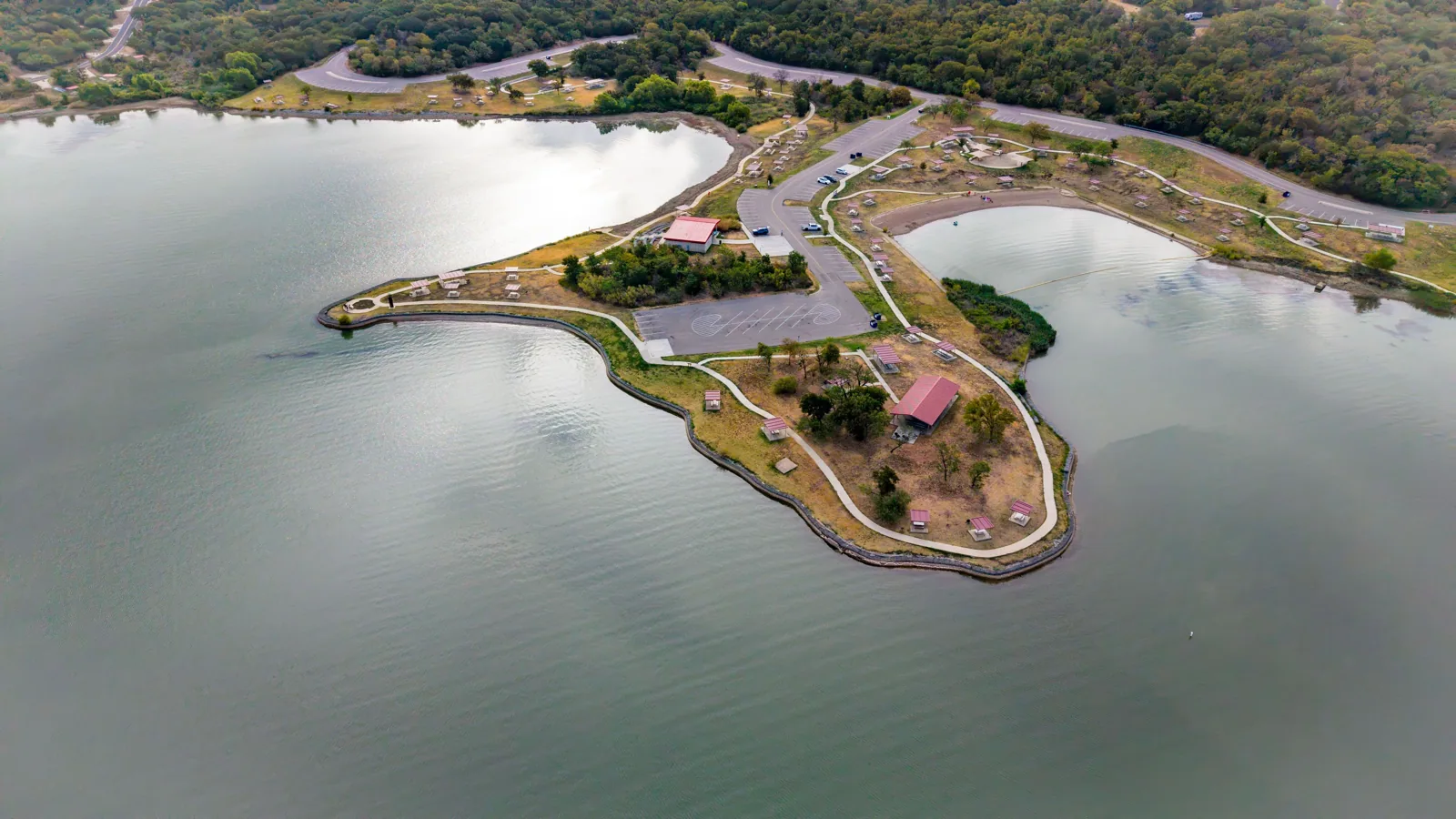
DeSoto
Commercial roof edge and coping repair in DeSoto, TX: we fix loose edge metal, open coping joints and the modified bitumen behind them, and check for wet insulation at the perimeter.
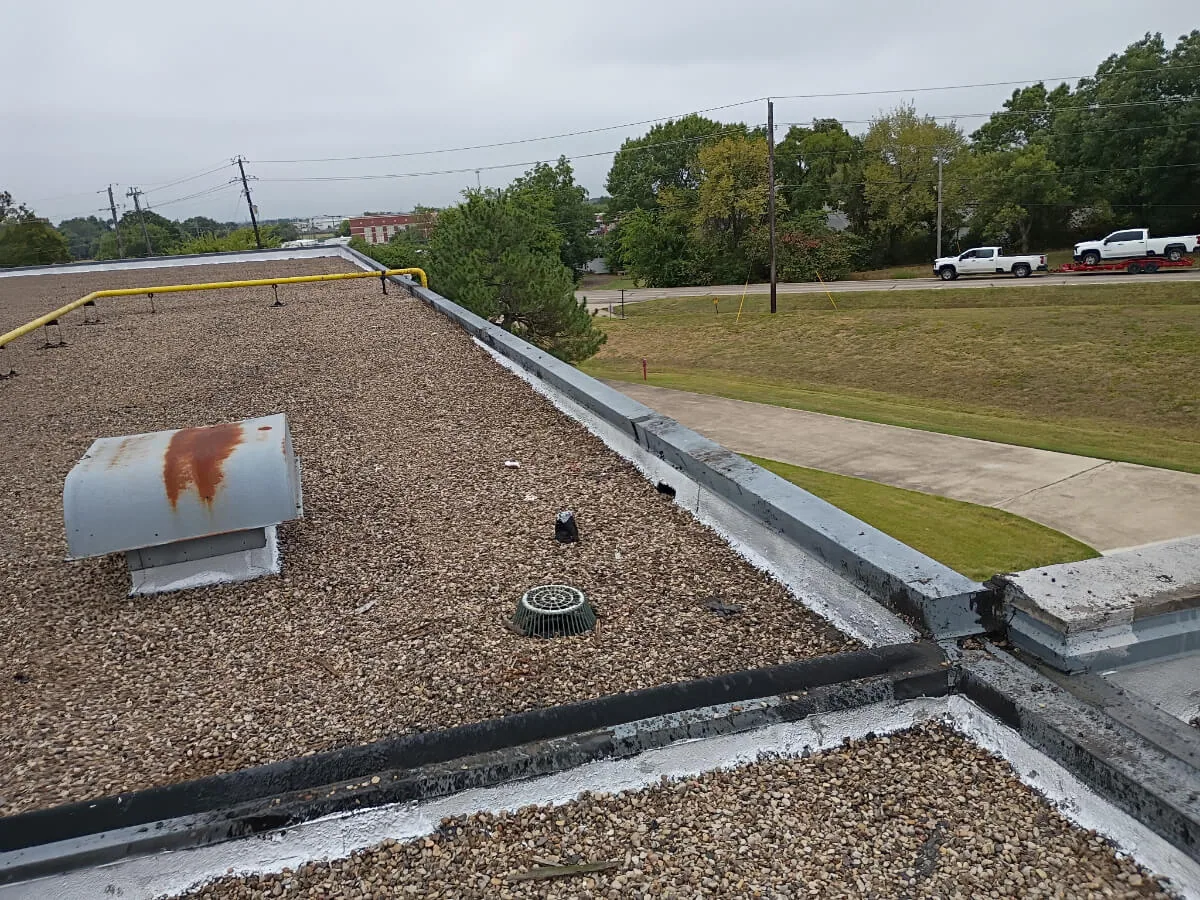
The perimeter is where a lot of DeSoto commercial roofs start to fail. Wind works under loose edge metal, coping joints open up over a parapet, and the membrane right behind the edge splits or pulls away. Each of those needs a different fix, and sometimes there is wet insulation underneath as well. We inspect the edge you are worried about, mark each problem and tell you what the repair has to tie into before you approve a price.
We also handle perimeter work in Cedar Hill and Lancaster, with every building inspected on its own.
Finding the edge problem
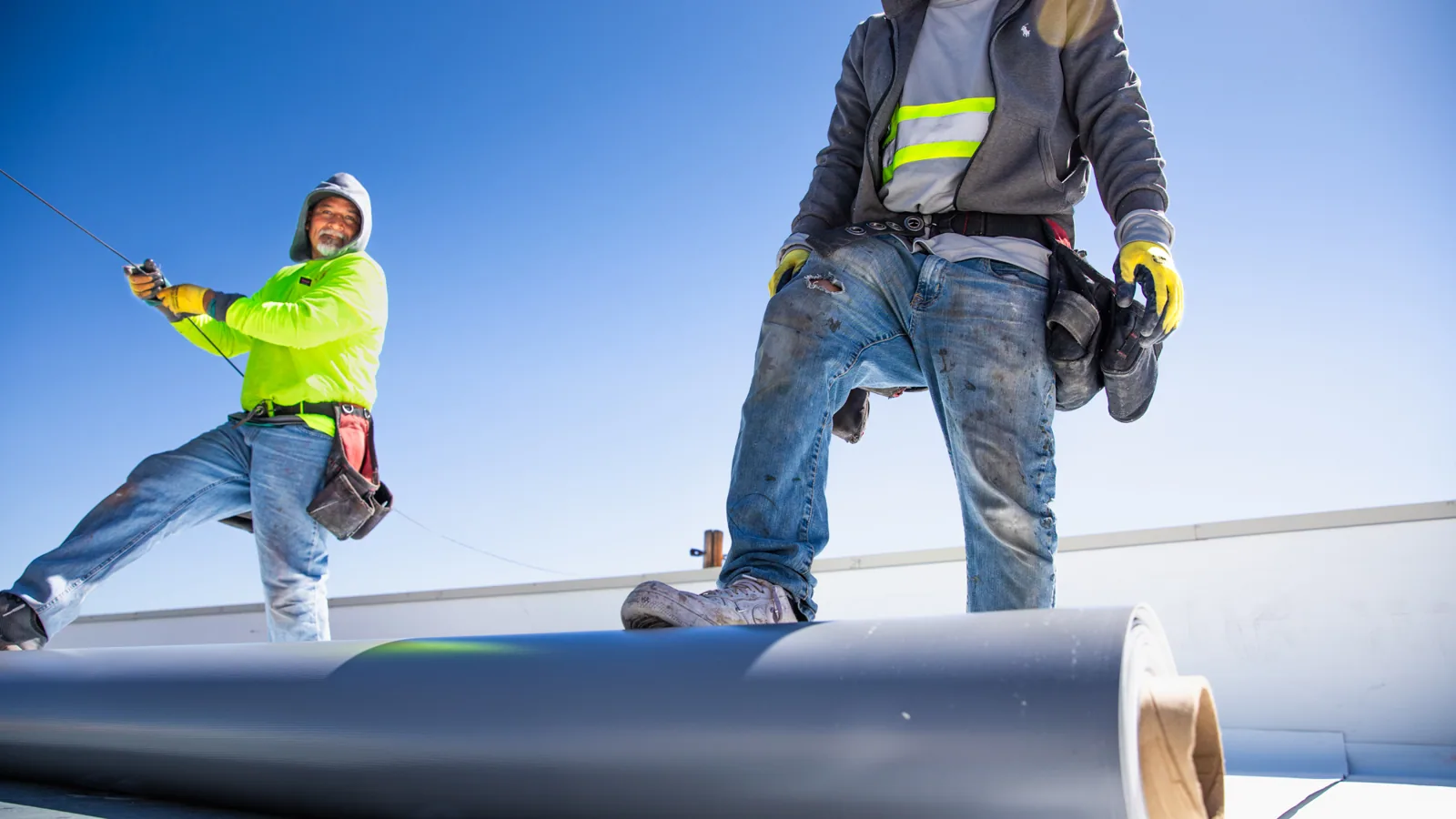
We walk the stretch of perimeter in question and check the edge metal, the cleat or continuous strip holding it down, the coping on any parapet walls, the fasteners and the first few feet of membrane. Loose or missing fasteners, open coping joints, bent metal and split membrane each get marked on a roof plan and photographed.
An edge metal and coping repair should spell out what is included: new metal, new cleats, new fasteners, the membrane flashing behind the edge and any wood nailer that needs replacing. If the wall itself is cracked or the masonry needs work, that is a separate trade, and we say so.
If a tenant is reporting a leak near an exterior wall, we check whether it lines up with what we found at the edge. Water can come through a wall or window too, so we note anything we could not rule out.
Tying into the modified bitumen
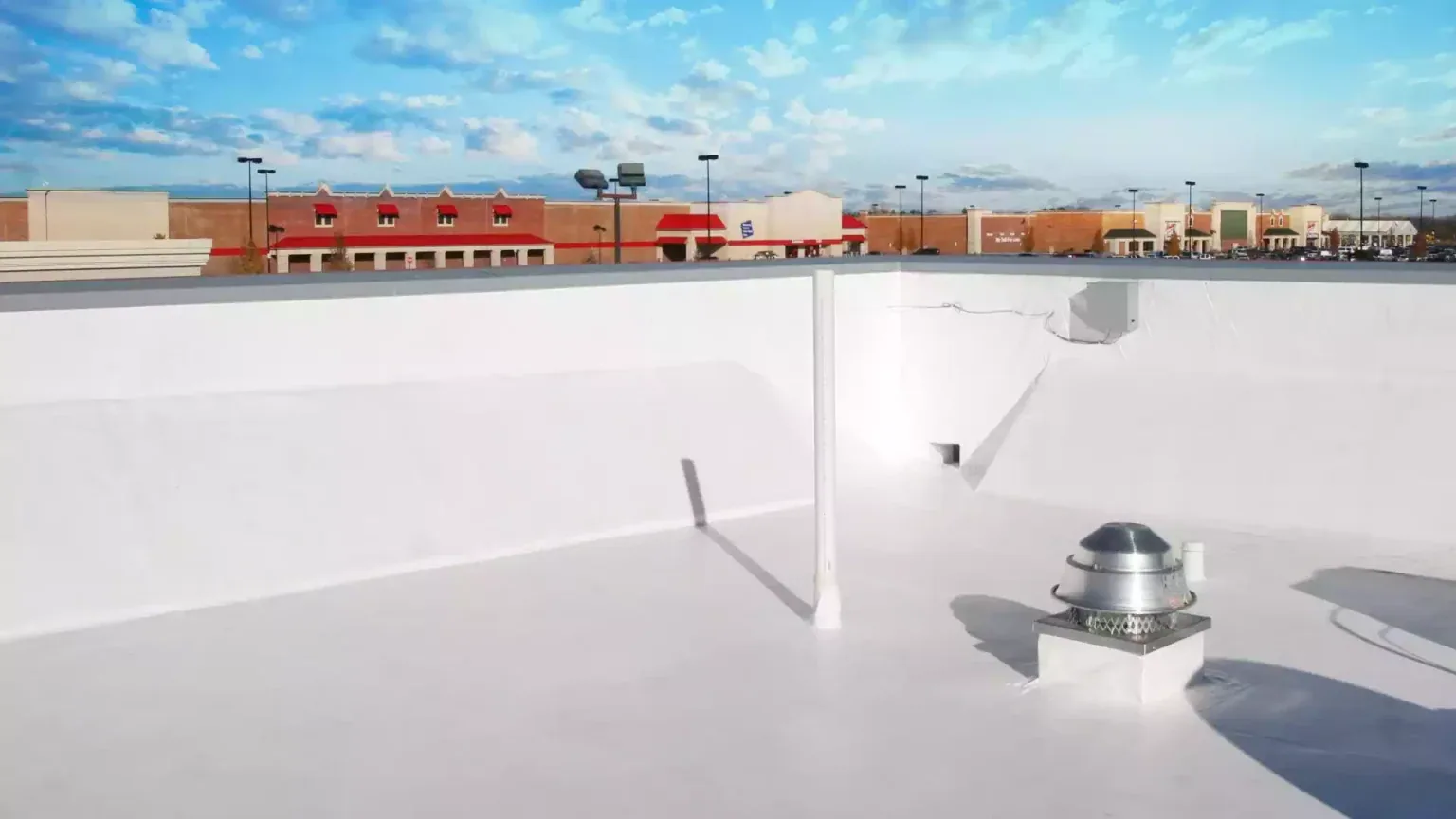
New edge flashing has to seal to the membrane already on the roof. We confirm what that membrane is and check its condition where the new work will end. Old records sometimes list the original roof but miss a later repair or recover at the perimeter, so we check on the roof itself.
For modified bitumen roofing, the new flashing is usually torched or set in cold adhesive over clean, sound sheet. If the granule surface is worn away or the old membrane is brittle, we cut back until we reach good material. TPO, PVC and built-up roofs each need their own method.
We also check the seams near the edge. If they have already opened, we fix them first. Otherwise the new edge seals to a weak spot and the leak just moves inward.
Wet insulation and wood nailers
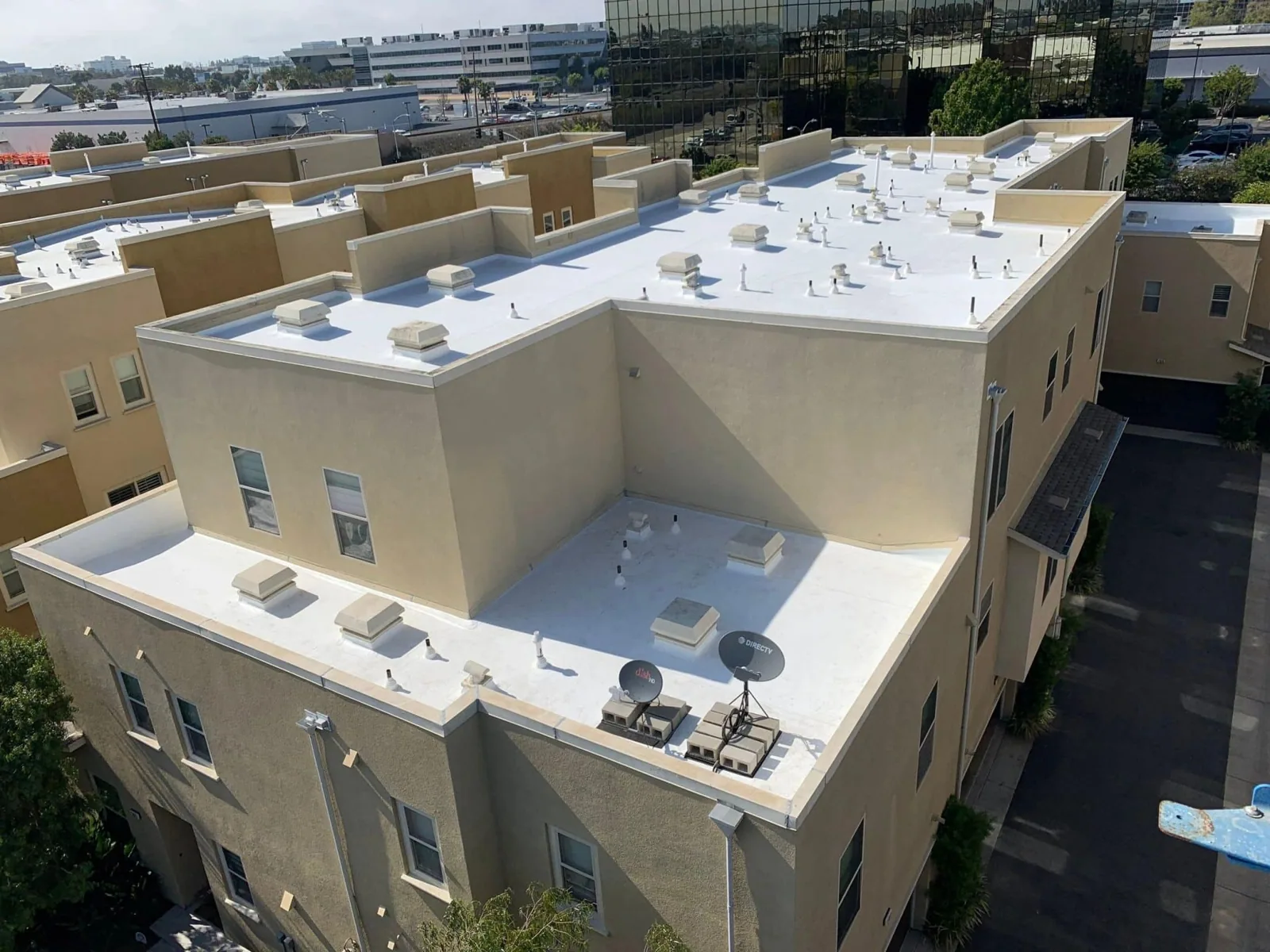
When edge metal has been loose for a while, water gets behind it and soaks the wood nailer and the insulation along the perimeter. A rotted nailer will not hold fasteners, so new edge metal installed over it will come loose again in the next big wind. If we see soft spots, stains or blistering near the edge, we open a small area or cut a core to check.
On a warehouse roof, we coordinate any openings with the facility manager. Warehouses often have racking and stored product right under the roof edge, and we want to know what is below before we cut.
Rotted nailers and wet insulation get replaced before the new edge goes on. If we find more damage than expected, we photograph it and update the estimate before going further.
Order of work and site prep
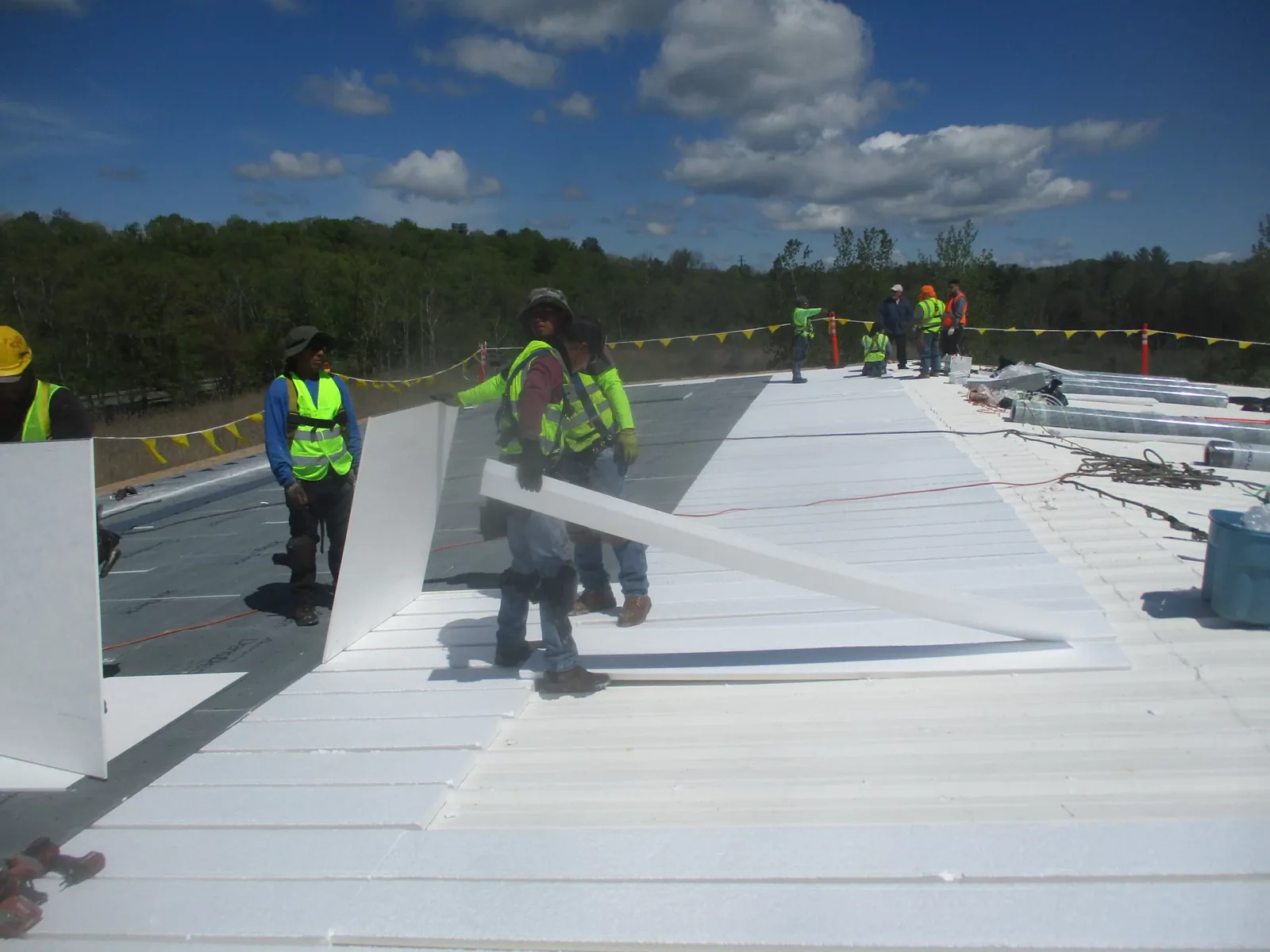
Perimeter repairs follow a sequence. First we remove the old edge metal or coping in the repair area. Then we replace any rotted nailers and wet insulation. Then we repair failed seams near the edge and prep the existing modified bitumen. After that, the new membrane flashing goes on, followed by the new cleat and edge metal or coping. Each step has to be finished before the next one starts.
If something still keeps the new edge from sealing properly, such as a bad section of wall or an old patch that will not bond, we tell you what it is and what has to happen first. That work shows up as its own line in the estimate.
We confirm roof access, material staging, lift placement and parking with the facility manager. On a warehouse, that often means working around dock schedules and truck traffic. If a mason needs to repair a parapet wall or an electrician needs to move a light fixture on the edge, we name that task and coordinate the timing.
When you call about a DeSoto building, tell us which section of edge or coping is giving you trouble, whether it leaks and whether any metal has blown off. Photos taken from the ground help. Let us know who can give us roof access and whether there are any restrictions on work hours. We will inspect the perimeter, mark each problem and send an estimate that shows the edge metal, the membrane repair, any nailer or insulation replacement and any work another trade needs to do first. If the whole perimeter is in poor shape, we will tell you that too, so you can compare a full edge replacement with spot repairs.
Photos and the long-term record
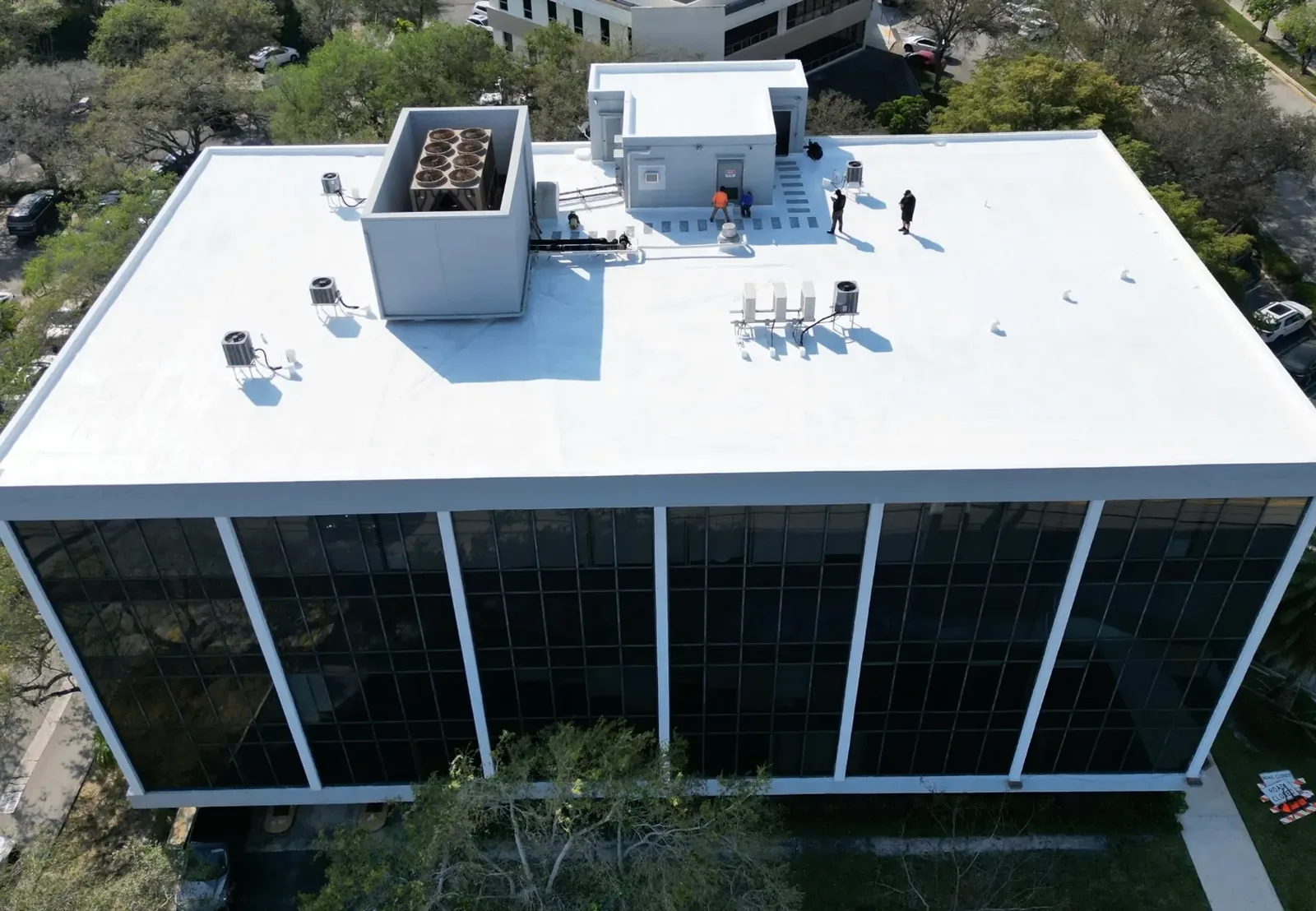
We photograph each stage: the old edge as found, any rotted nailer or wet insulation, the replaced materials, the repaired seams, the new membrane flashing and the finished edge metal. Every photo is tied to its place on the roof plan. Once the new metal is on, the work underneath is hidden, so the photos are how you know it was done right.
We add the job to your building's roof asset history, which tracks each section of perimeter over time: what we found, what we fixed and what still needs attention. That history helps you see which parts of the edge are holding up and which ones keep needing work.
If we installed temporary protection before the permanent repair, such as a temporary flashing or tarp after a windstorm, the record says so. Temporary and permanent work are always kept separate.
Over a few years, those records help you plan. If the same corner keeps losing metal, the fastening pattern or the nailer may need an upgrade the next time the roof is replaced. If one wall's coping keeps leaking at the joints, it may be worth replacing the whole run instead of patching joint by joint. You make those decisions from real history rather than guesswork.
Common Questions
What should a roof edge repair estimate include?
The edge metal or coping, the cleats and fasteners, any wood nailer replacement, the membrane flashing behind the edge and any insulation that needs replacing. Work by another trade, like masonry, should be listed separately.
What happens if you find rotted wood or wet insulation at the edge?
We photograph it and talk with you before going further. Rotted nailers and wet insulation get replaced before new edge metal goes on, because the metal will not stay fastened to rotted wood.
Why do you repair seams near the edge before installing the new flashing?
The new flashing has to seal to sound membrane. If a nearby seam is already open, water gets in behind the new edge and the leak just moves inward.
What records will we get after the edge repair?
Photos of each stage tied to its location, and an updated history for your building showing what was found, fixed and still needs attention along the perimeter.
Get your DeSoto roof edge inspected
Tell us which building and which section of edge or coping is giving you trouble. We'll inspect it, check what's underneath and give you a clear estimate for the repair.
- Cedar Hill premises through their own perimeter and membrane assessment
- Lancaster commercial buildings with individually located roof repair duties
- roof edge and coping correction connecting defined components with adjacent roofing
- modified bitumen perimeter work following confirmed covering and retained sheet condition
- warehouse property with an assigned roof edge and supporting material repair
- roof asset record retaining DeSoto perimeter findings and delivered connection work