
Commercial Roofing in Lancaster
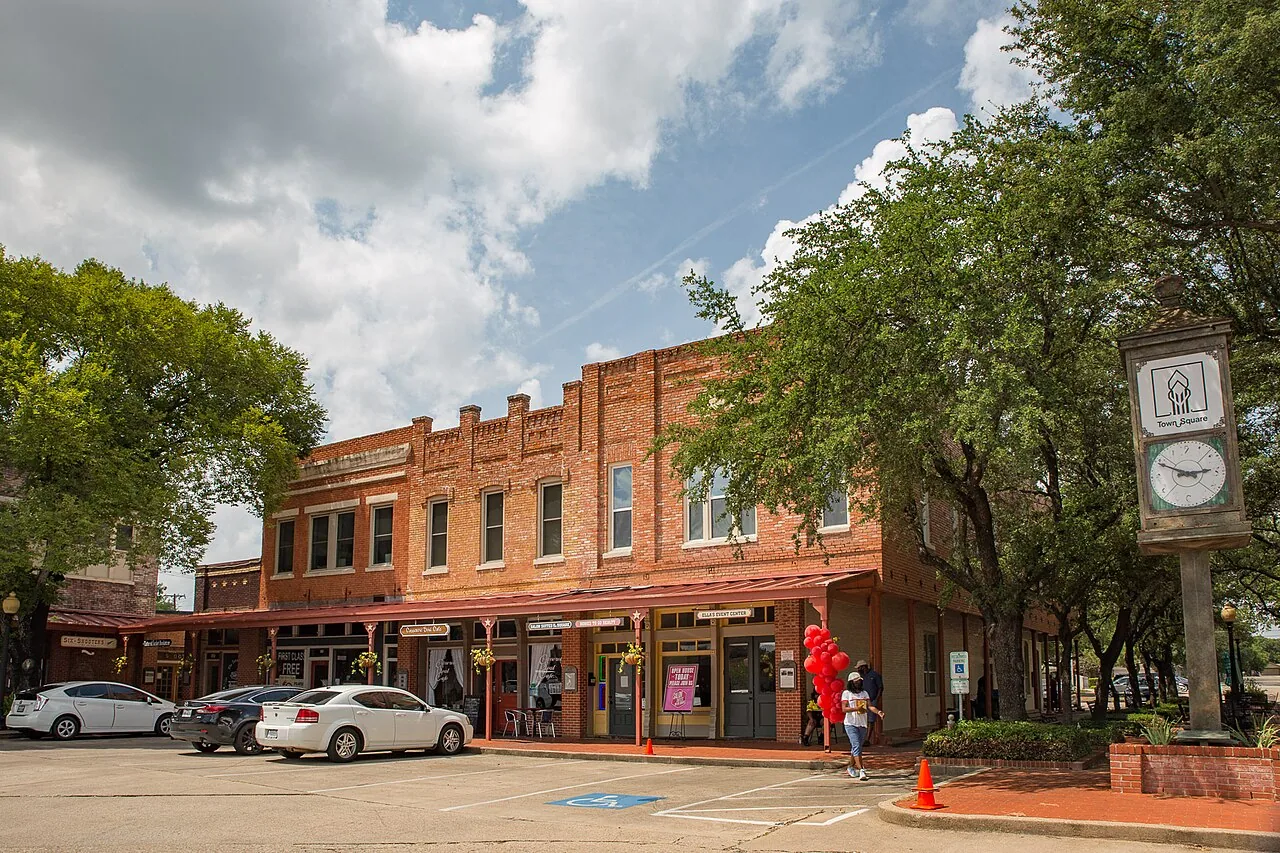
Lancaster
Commercial roof inspection and repair in Lancaster, TX: we identify the membrane, check the insulation, repair EPDM seams and flashing on distribution roofs and photograph every step.
Lancaster, south of Dallas, has plenty of large distribution buildings alongside older commercial ones. Whatever the building, a good roof inspection should leave you knowing three things: what is wrong, what we checked to find out, and what we could not confirm. That is what we deliver. Our inspection notes and photos tie each finding to a spot on the roof, so the repair estimate makes sense.
We also inspect and repair roofs in DeSoto and Hutchins, each building on its own.
What the inspection checks
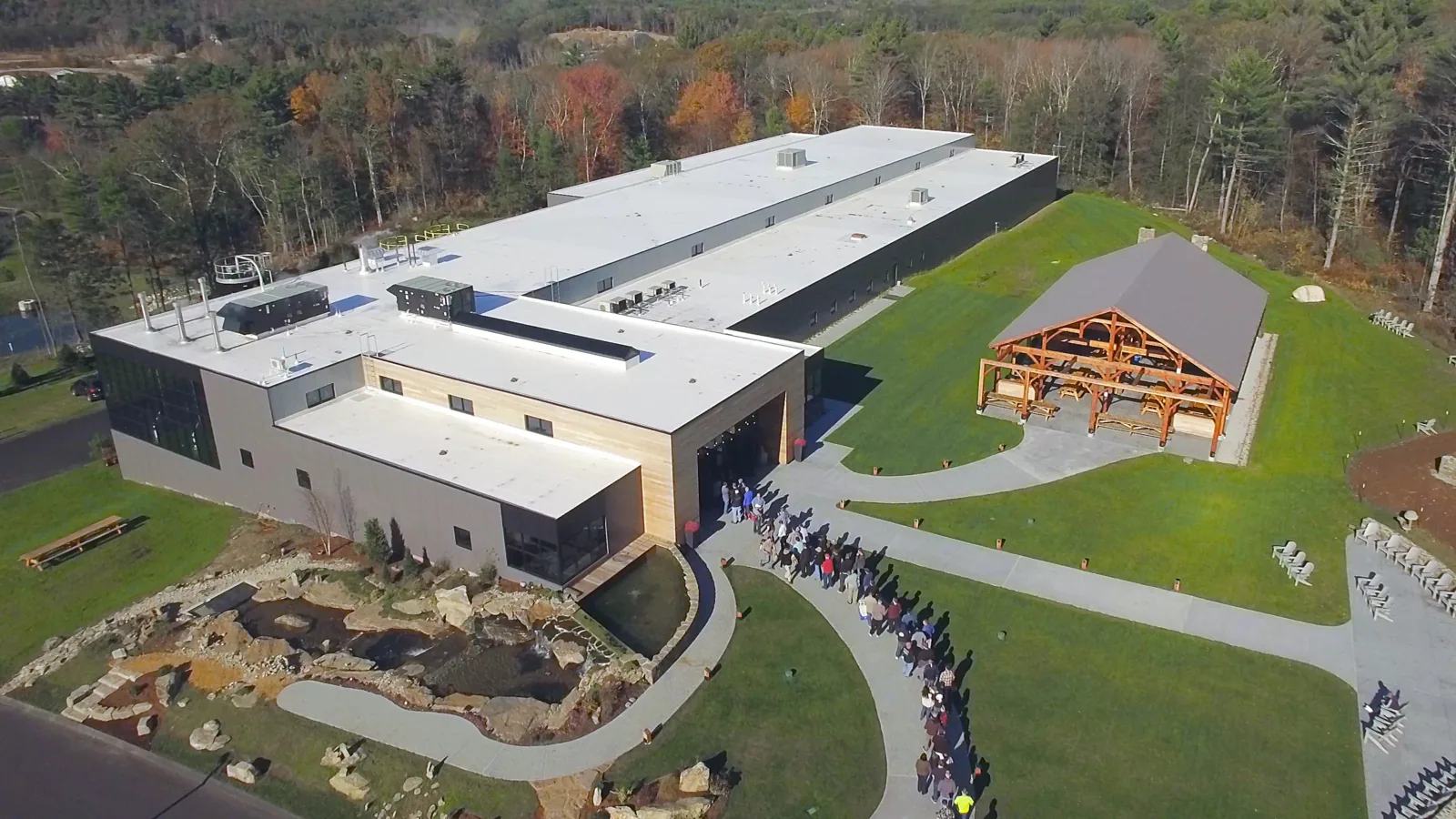
Before we go up, we ask for whatever you have: drawings, repair invoices, warranty paperwork and notes on leaks. Up top, we cover the agreed area: the open field, the seams, the wall and curb flashing, the drains, the edges and every pipe or vent. Each defect is marked on a roof plan and photographed.
A commercial roof inspection should also say what was not checked. If we could not get under a large rooftop unit or into a locked area, the report says so. If moisture readings suggest wet insulation but we have not confirmed it with a core, we say that too.
Confirmed findings and open questions are listed separately. An open seam is a finding. Wet insulation under it is a question until a core answers it. That keeps the repair estimate honest about what it is based on.
On large distribution roofs, we also note how much of the roof we walked, so a clean report on one section is not read as a clean report on the whole building.
Checking the existing EPDM
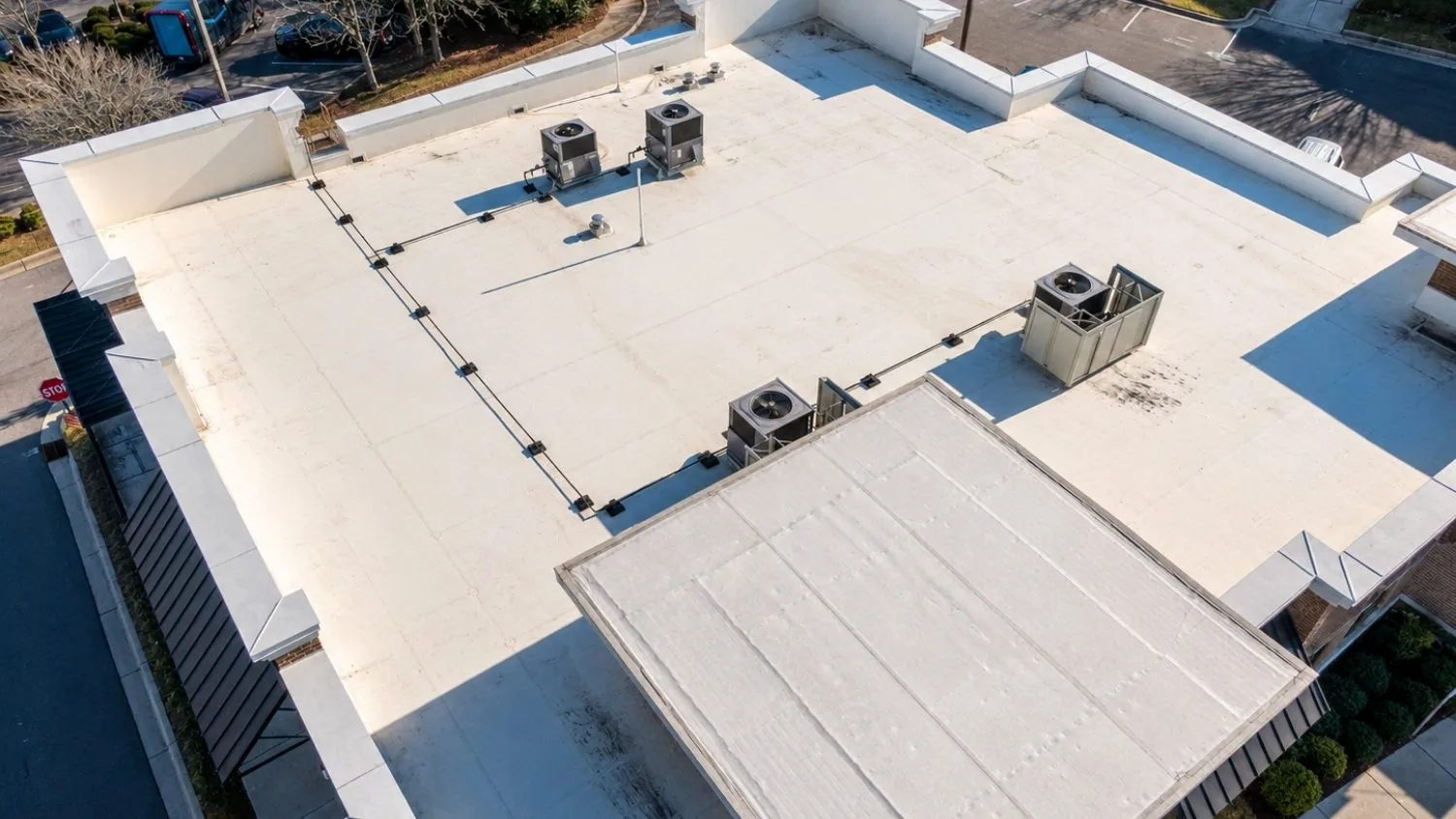
Repair materials have to match the roof. We confirm the membrane at each repair area and check its condition. EPDM that is still flexible and cleans up well makes a good base. EPDM that has chalked, shrunk or cracked may need a larger repair, and past patches may be a different material altogether.
For EPDM roofing, we clean and prime the existing rubber and apply seam tape or patches made for EPDM, then roll them in firmly. Old roofing-cement patches do not bond to rubber, so they come off before we start.
Seams and flashing around each repair get checked too. If they are failing, we fix them at the same time and list them in the estimate. That keeps the leak from just moving a few feet over.
Weathering on EPDM is not always even. Sections near walls or in full sun all day often age faster than the rest of the roof, and seams there tend to fail first. We note those patterns on the roof plan so you can see whether the problem is a few isolated spots or a wider trend.
Insulation and deck
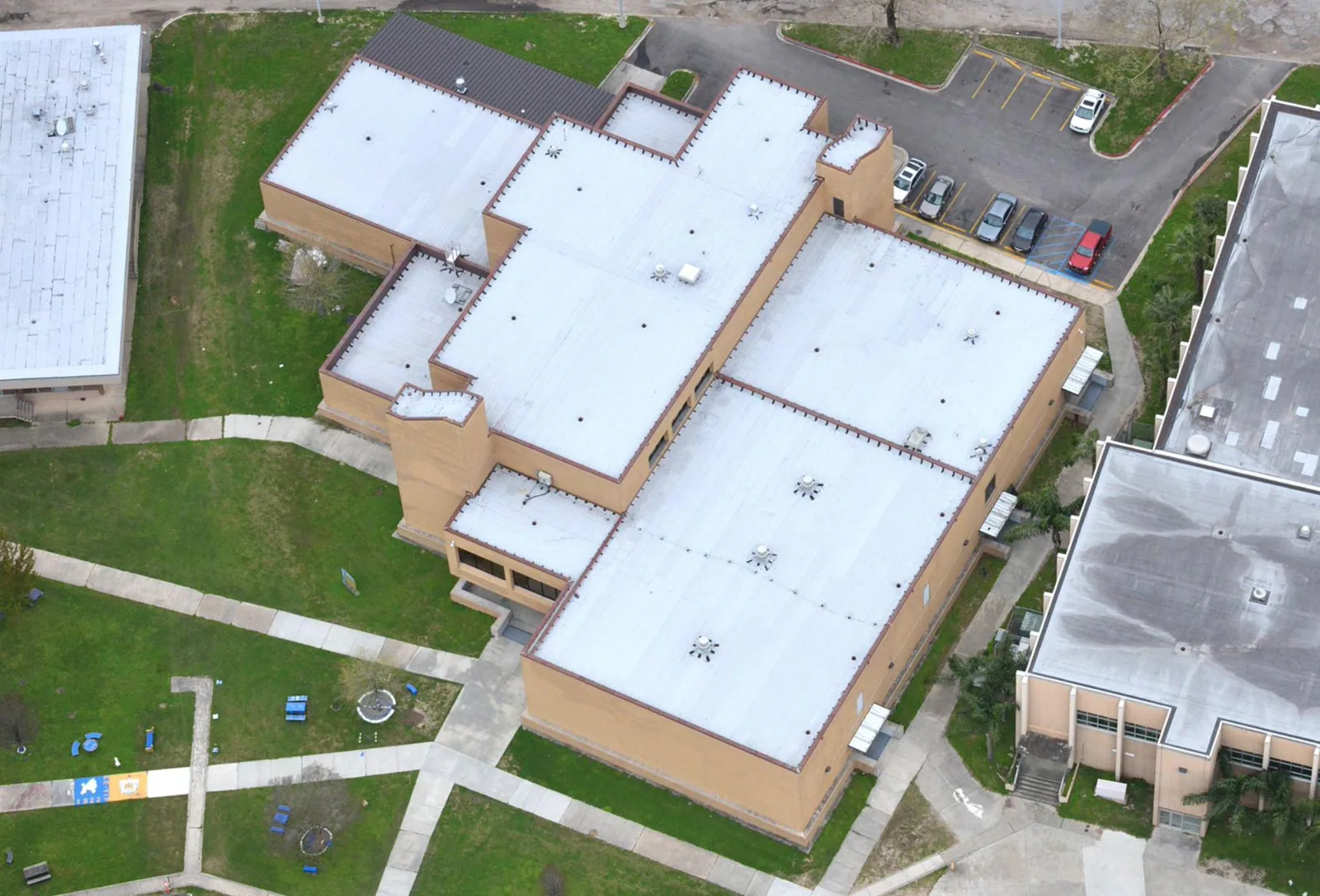
Leaks wet the insulation, and on a big warehouse roof the wet area can spread well past the hole. Soaked insulation stops insulating, gets heavy and rusts steel deck over time. If we see soft spots or get high moisture readings, we cut a core at the repair. If the readings suggest a larger wet area, we may recommend an infrared survey to map it.
On a distribution center roof, we coordinate cores and openings with the facility manager. Inventory, racking and forklift lanes are right below, and many facilities run around the clock.
Wet or crushed board is swapped out before new membrane goes down. If we open the roof and find more damage than expected, we photograph it and update the estimate before closing it up.
If a large wet area turns up, we explain the options plainly: replace the wet insulation and membrane in that area, or plan a larger recover if the problem is widespread. You get the cost difference and what each option buys you, so the decision is yours.
Prep and the order of work
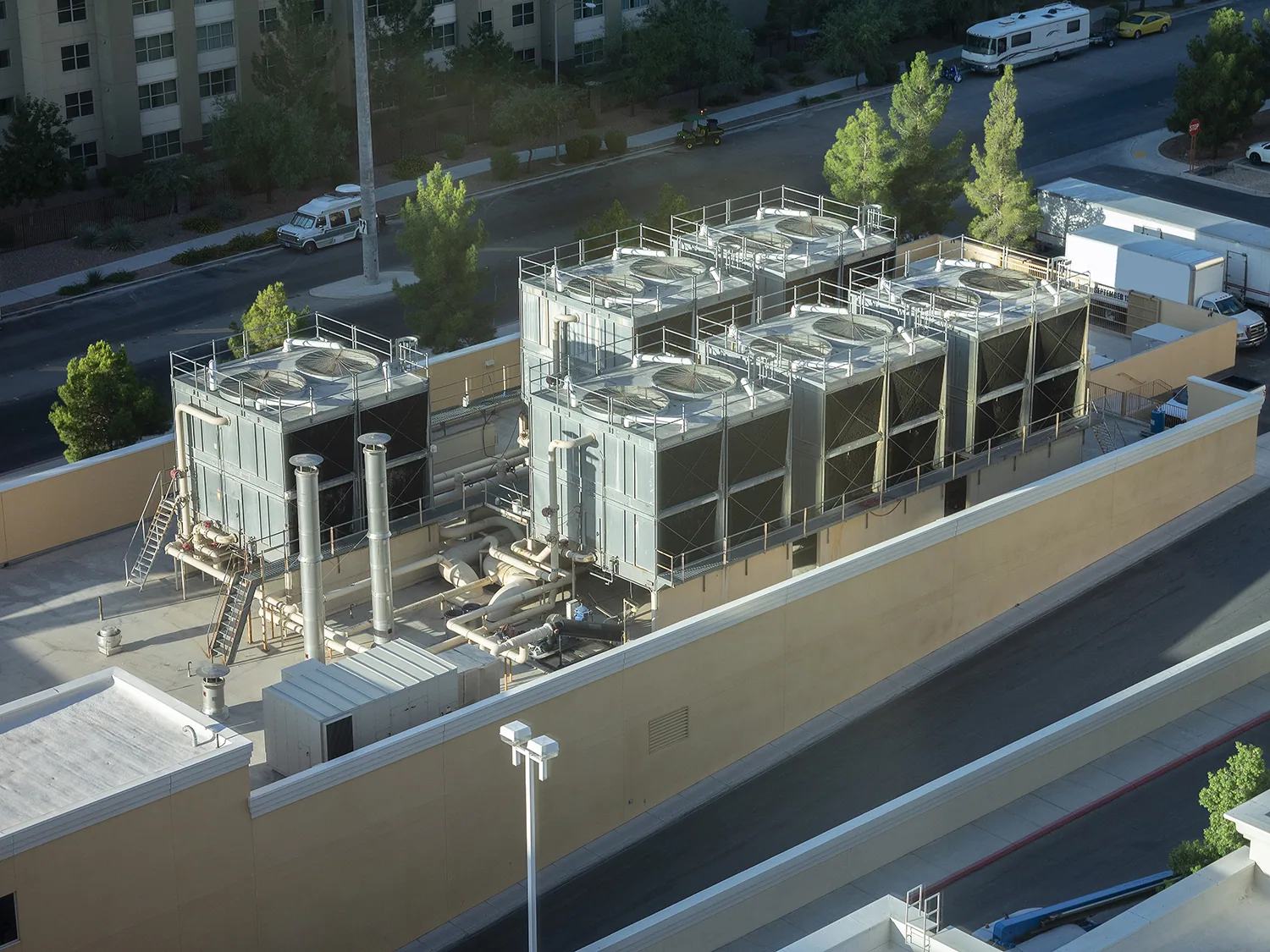
Repairs follow a set order. Wet insulation comes out and gets replaced. Damaged deck is repaired. Nearby seams and flashing are fixed. Then we clean and prime the EPDM and install the patch or seam tape. If an old tar patch or a contaminated surface is in the way, we remove it first. Each step shows up in the estimate so you can see why it is needed.
We confirm roof access, lift placement, staging and work hours with the facility manager. Distribution centers in Lancaster often have tight dock schedules, constant truck traffic and safety rules like badges and escorts. We plan around all of it.
If a plumber needs to fix a drain or an HVAC contractor needs to repair a curb before we can finish, we list that task and coordinate the timing. Primer and tape need dry, reasonably warm conditions, so we also schedule around rain and dew.
When you call about a Lancaster building, tell us which building and what you are seeing, whether that is a leak over a rack, a soft spot or storm damage. Let us know who can give us roof access and whether there are any restrictions on work hours. Send past repair invoices or warranty paperwork if you have them. We will inspect, mark each defect and send an estimate covering the repair, the prep and any other trade's work. If you manage several buildings, each one gets its own estimate.
Photos and the inspection record
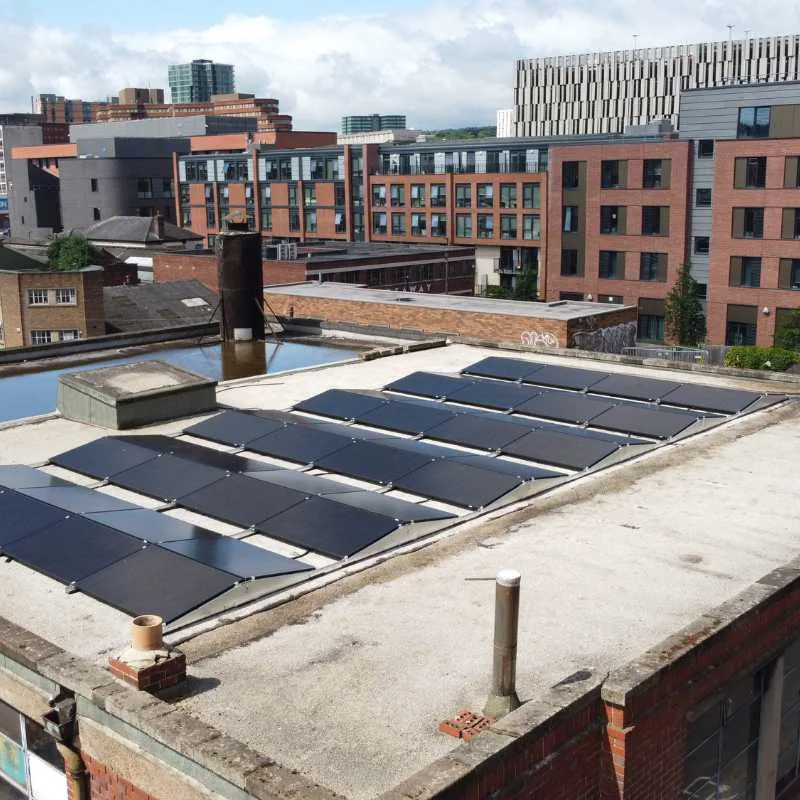
We photograph each finding and each repair step: the defect as found, any opened insulation, the deck, the nearby seam repairs, the primed membrane and the finished patch. Each photo is tied to its spot on the roof plan, which matters on a big roof where one bay looks a lot like the next.
A roof condition report for a Lancaster building lists what we repaired, what we found but did not fix and any area we did not inspect. Unconfirmed leak sources stay on the list next to their locations.
If we installed a temporary patch first, the report says so and shows when the permanent repair replaced it. That record gives your facility team a clear starting point for the next inspection, the next leak or the next capital budget.
Over time, those reports show patterns. If one section keeps needing seam repairs, it may be time to price a recover there instead of patching again.
Common Questions
What should an inspection make clear before a repair is chosen?
What was found, where it is, what was checked and what could not be confirmed. The repair estimate should be based on confirmed findings, with open questions listed separately.
How do you decide whether the existing EPDM is good enough to repair?
We check that it is flexible, clean and takes primer well. If it is brittle or cracked, we cut back to sound rubber or recommend a larger repair.
What happens if you open the roof and find more damage?
We stop, photograph it and talk with you before closing it up. The estimate is updated so you see the change and the cost first.
Who do you coordinate with at the facility?
The facility manager. They set work hours, safety rules and access, and we coordinate with any other trade that needs to finish before we can.
What records show what was done under the finished repair?
Photos of each step, from the opened insulation to the primed membrane and finished patch, each tied to a spot on the roof plan, plus a written report.
Get your Lancaster roof inspected
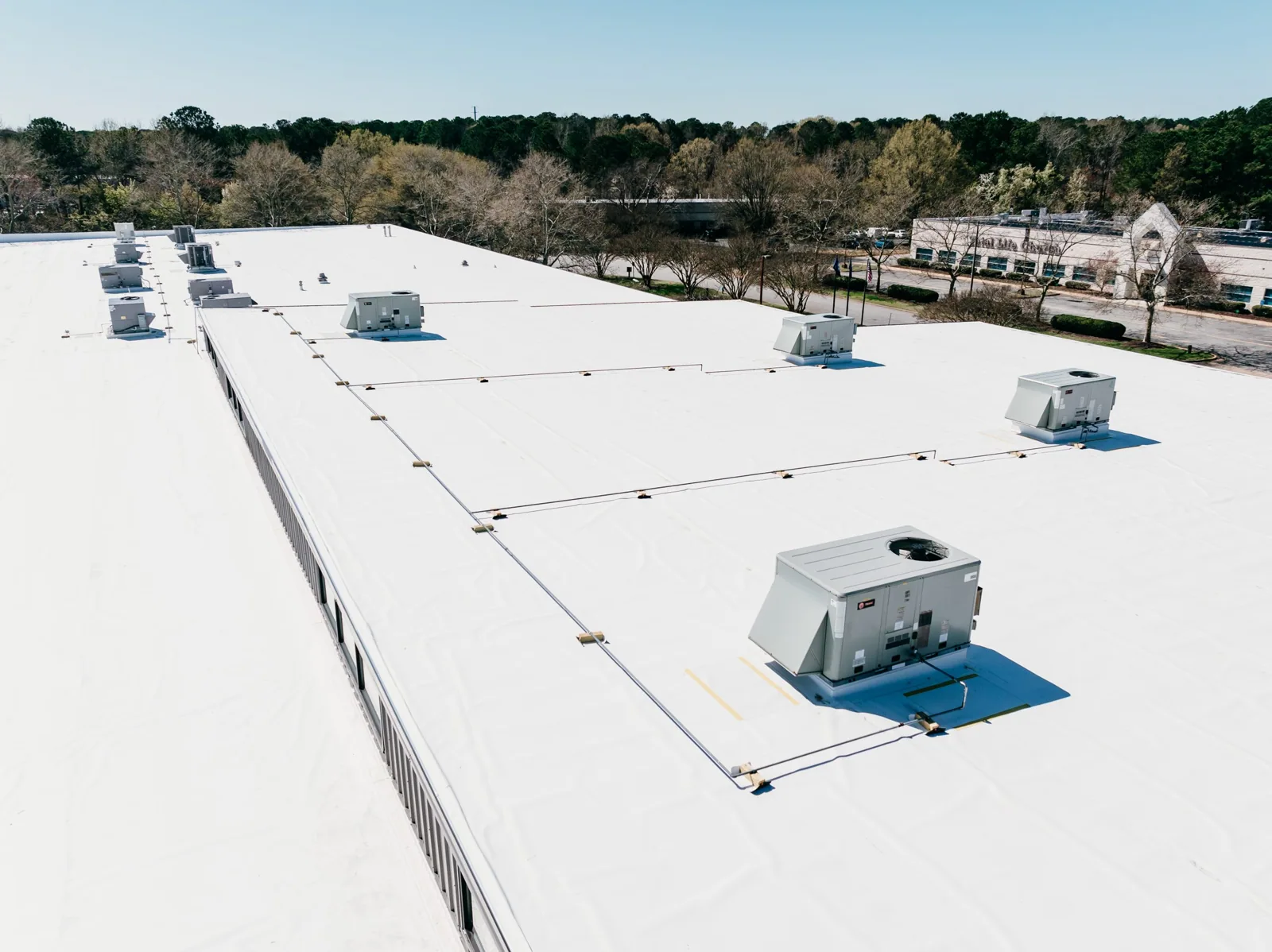
Tell us which building and what you're seeing. We'll inspect the roof, show you what we find and give you a clear estimate for the repair.
- DeSoto properties with individually assessed roof connection concerns
- Hutchins commercial buildings through separately defined membrane findings
- commercial roof inspection locating repair findings and assessment limits
- EPDM membrane correction reaching confirmed retained rubber and repaired adjacent details
- distribution property requiring an assigned membrane and supporting layer correction
- roof condition report tracing Lancaster material findings and delivered connection repairs