
Commercial Roofing in Hutchins
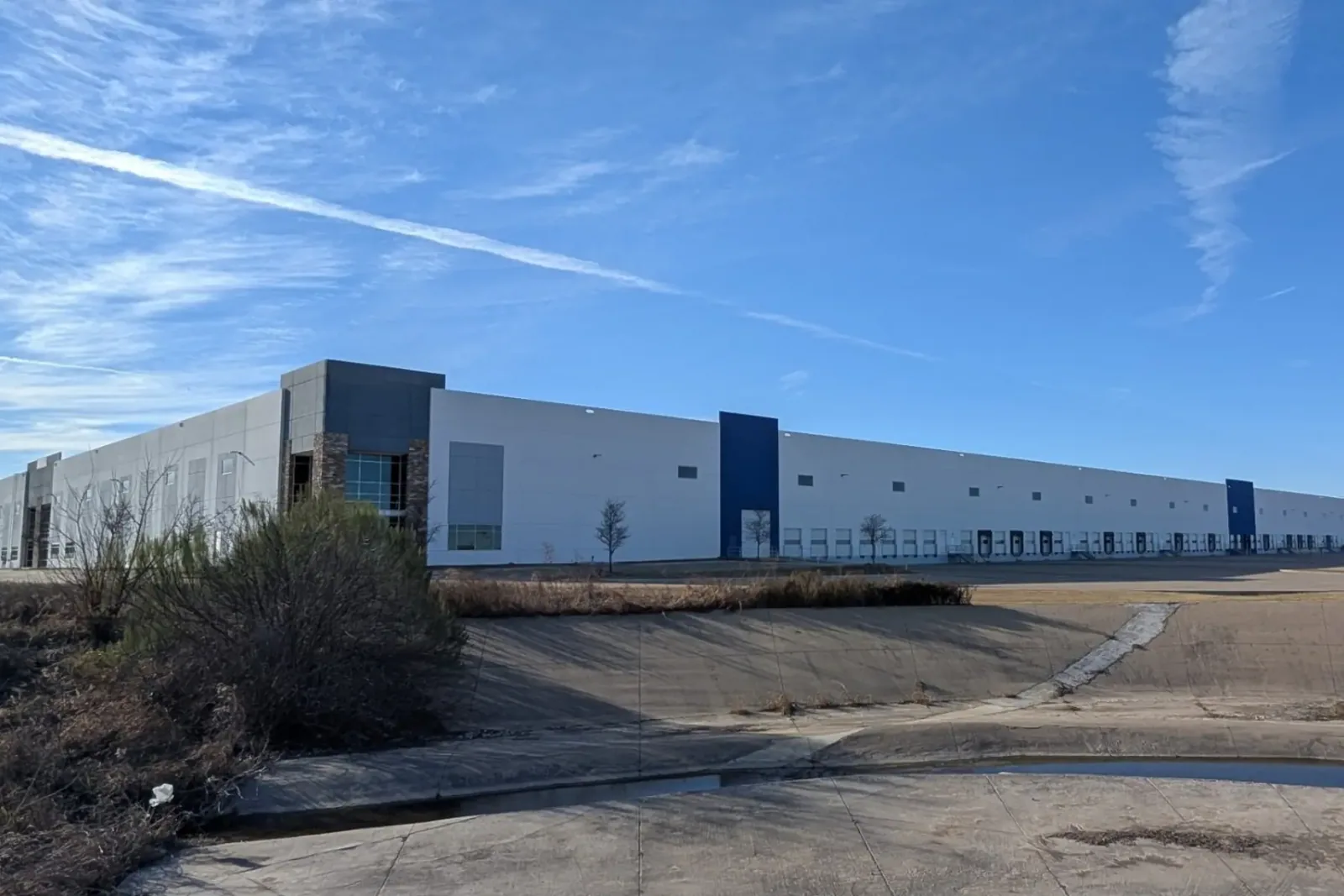
Hutchins
Commercial roof flashing and membrane repair in Hutchins, TX: we find the actual leak, check the roof around it and rebuild what's needed before the new flashing.
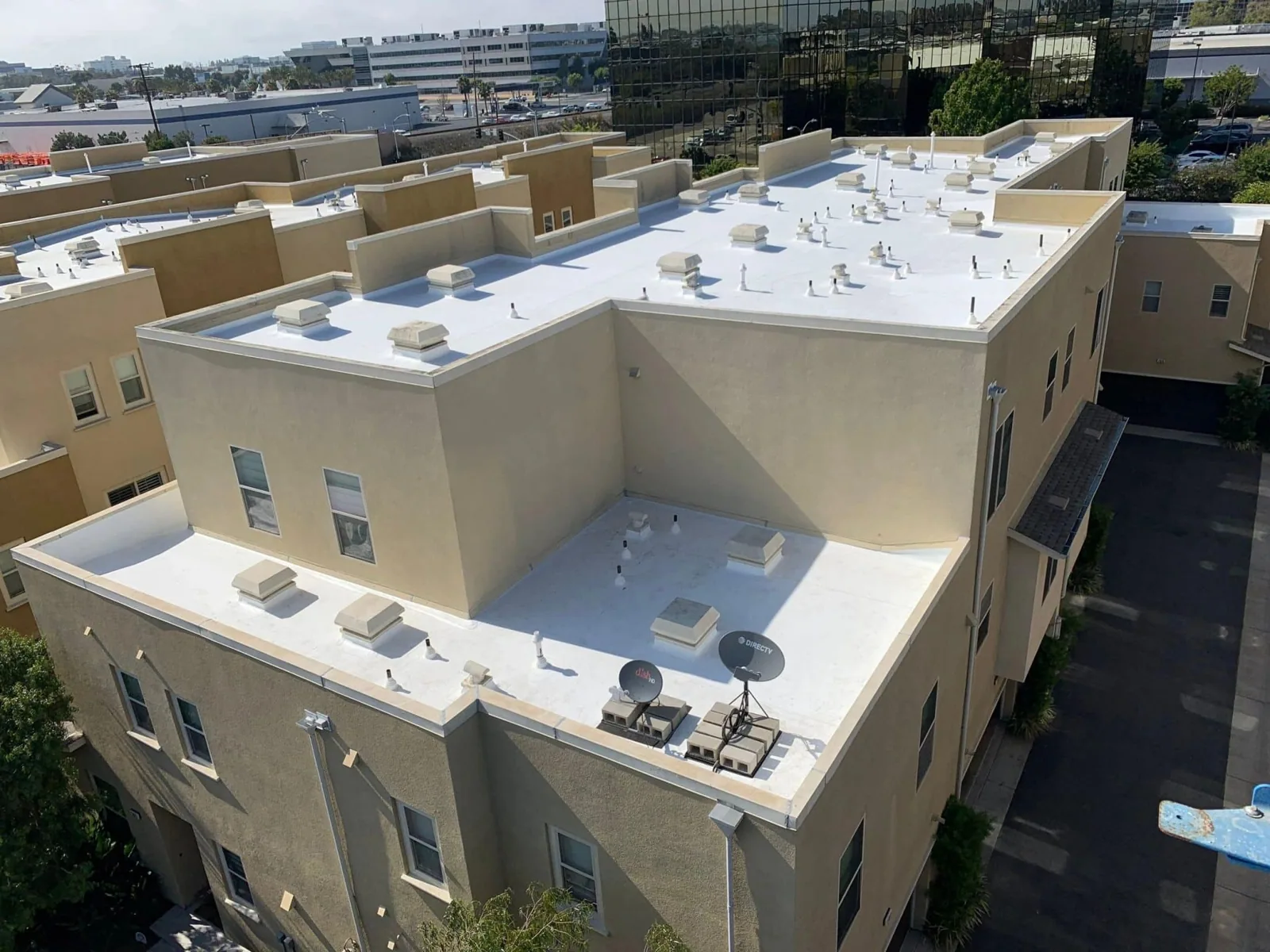
Most of the Hutchins roof calls we get come down to flashing: at a pipe, a curb, a skylight or a wall. The torn or loose piece is usually easy to spot. What's harder to know is whether the membrane and insulation around it are still good, and that's what drives the price. We inspect the section of roof you point us to, find what's actually failing and tell you what the repair needs. You'll know what roof system you have, how much of the existing membrane can stay and be tied into, and whether anything still needs to be checked under the detail before we close it up.
We also work in Lancaster and DeSoto. Every building gets its own inspection, and access and scheduling are worked out for that property.
Finding the actual leak
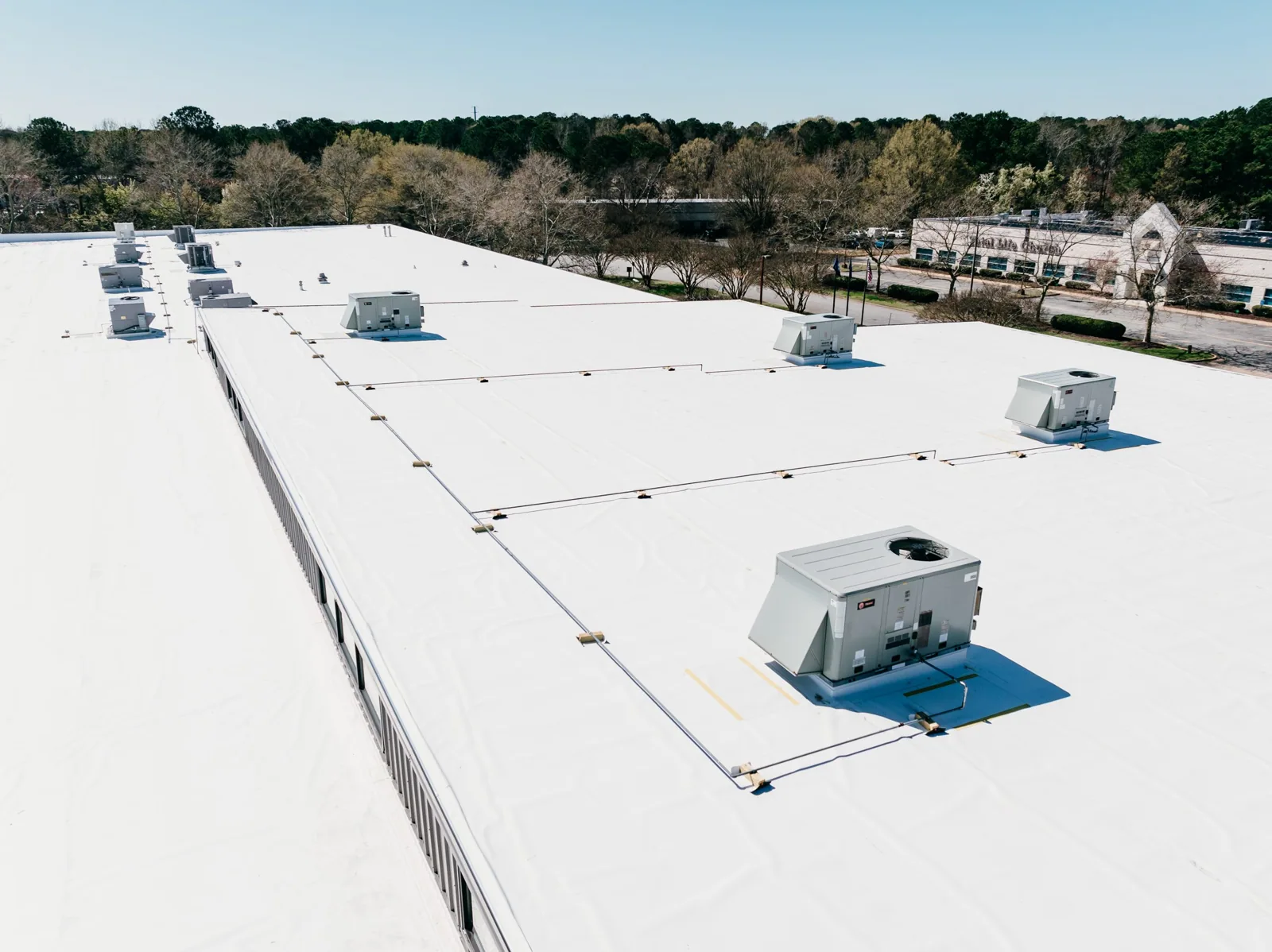
We walk the flashing, seams and membrane in the area you've asked us to look at, and mark exactly where something has split, pulled loose or been damaged. A leak report from inside helps us know where to start, but water can travel along the deck before it drips, so the drip isn't always under the hole. The report says how far our inspection went, so a repair at one detail isn't mistaken for a fix to every leak in the building.
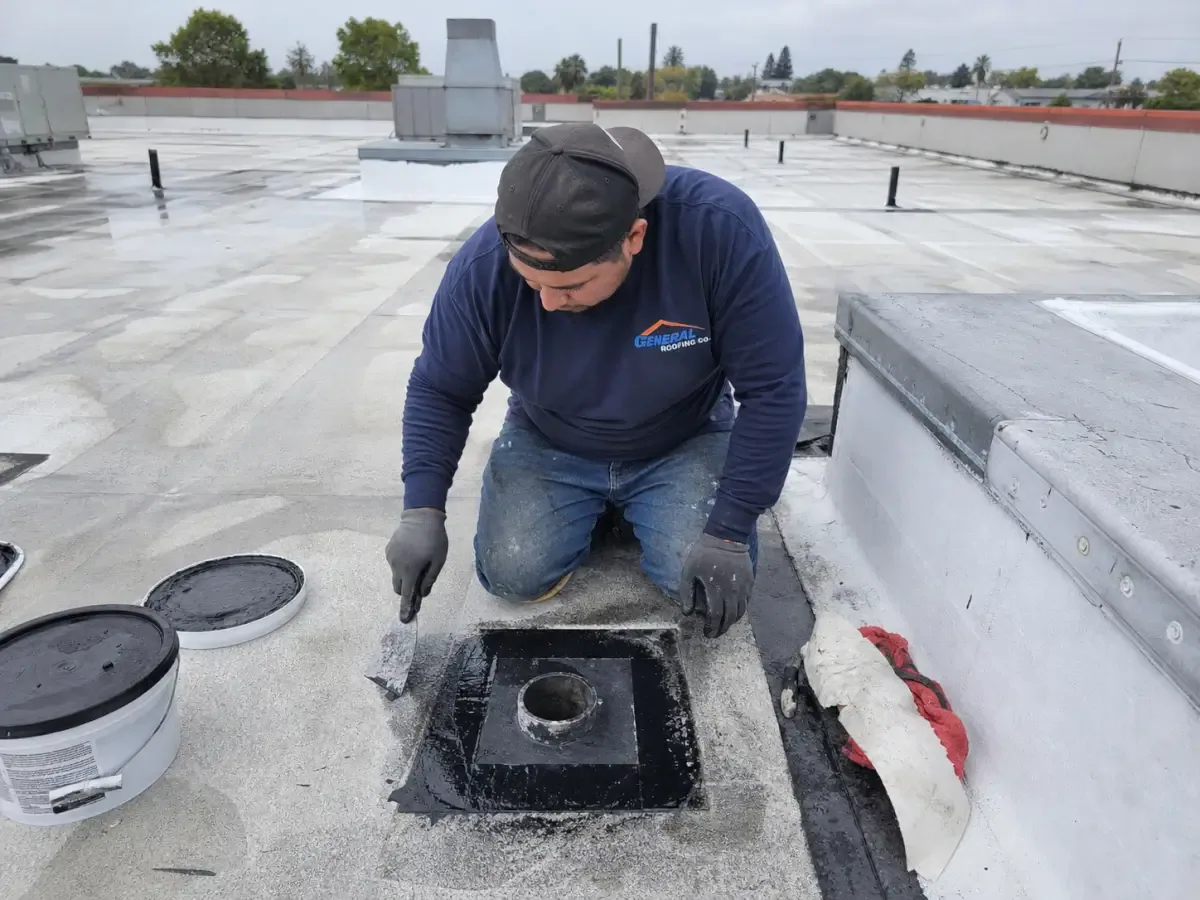
A skylight and penetration flashing repair should spell out what's included. The membrane flashing is our work. If the skylight frame, a vent or a pipe itself needs repair, that may be another trade, and the estimate should say so. When you can see the limits of the repair, what stays and what's still unknown, it's easy to compare bids.
If you have records of earlier repairs, send them. Old specs help, but roofs get patched over the years, and what's up there now may not match the paperwork. We note what we actually found at this spot and don't draw conclusions about parts of the roof we didn't inspect.
Matching the existing membrane
Before we choose materials, we need to know what membrane is next to the repair and whether it's in good enough shape to tie into. If we can't tell for sure, we say so and check further before ordering. A general note like "single-ply roof" isn't enough. TPO, PVC and EPDM each need their own materials and methods, and an old patch may be a different product altogether.
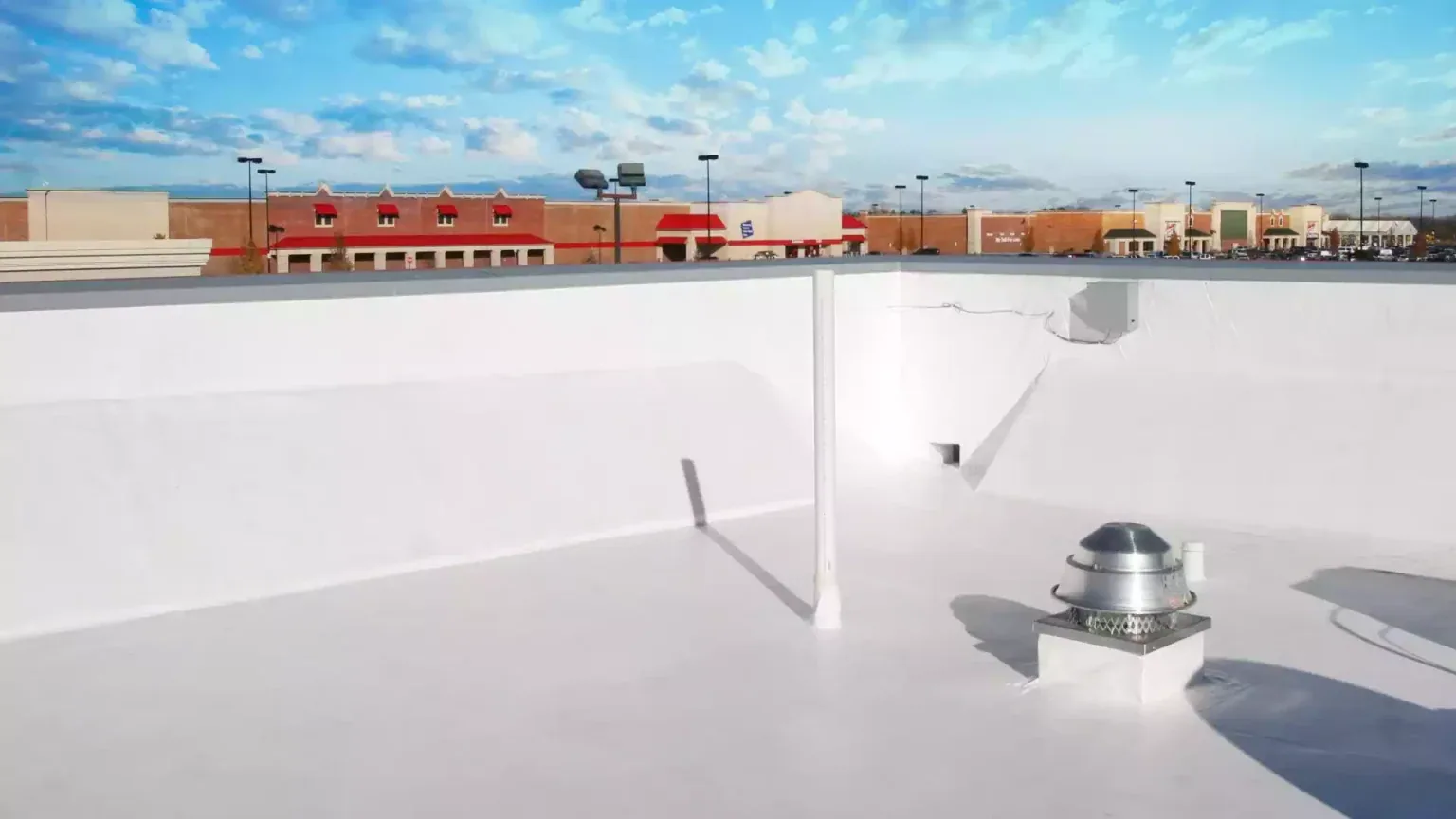
For PVC roofing, the new flashing gets heat-welded to clean, sound PVC membrane using materials meant to work with it. A different roof system needs a different repair, so we confirm what's installed and how the detail was built before we spec the fix.
If seams or flashing next to the repair have also failed, we fix them first so the new detail has something solid to tie into. Cleaning the surface doesn't close a split seam. The estimate shows those prep repairs before the main flashing work, so you know why they're there.

Checking the insulation and deck
Wet insulation or soft spots around a leaking detail mean we can't assume what's under the membrane is still good. We cut a core or open a small area to check before deciding what stays and what gets replaced. If the repair depends on dry insulation and a solid deck, we confirm it at that spot. One dry core near the flashing doesn't tell us about insulation on the other side of the building.
On a distribution center roof, we set up roof access and any openings through the building's facility manager. Every warehouse has its own rules for roof access, forklift traffic and dock activity below, and we follow them.
If we open the roof and find more damage than expected, we photograph it and explain what has to change, whether that's more tear-off, new insulation or deck repair. That gets settled before we close the area back up. If the decision takes a day or two, we put down temporary protection so the building stays dry, and the report shows that the temporary patch is not the finished repair.
Order of work
We settle the insulation and deck question and fix any failed seams next to the detail before we prep the surface. Then we clean the existing membrane the way that roof system calls for. If something still keeps the new flashing from bonding properly, such as an old mastic patch, brittle membrane or a bad seam, we fix that first and the estimate shows it as its own line, so you can see why it's needed.
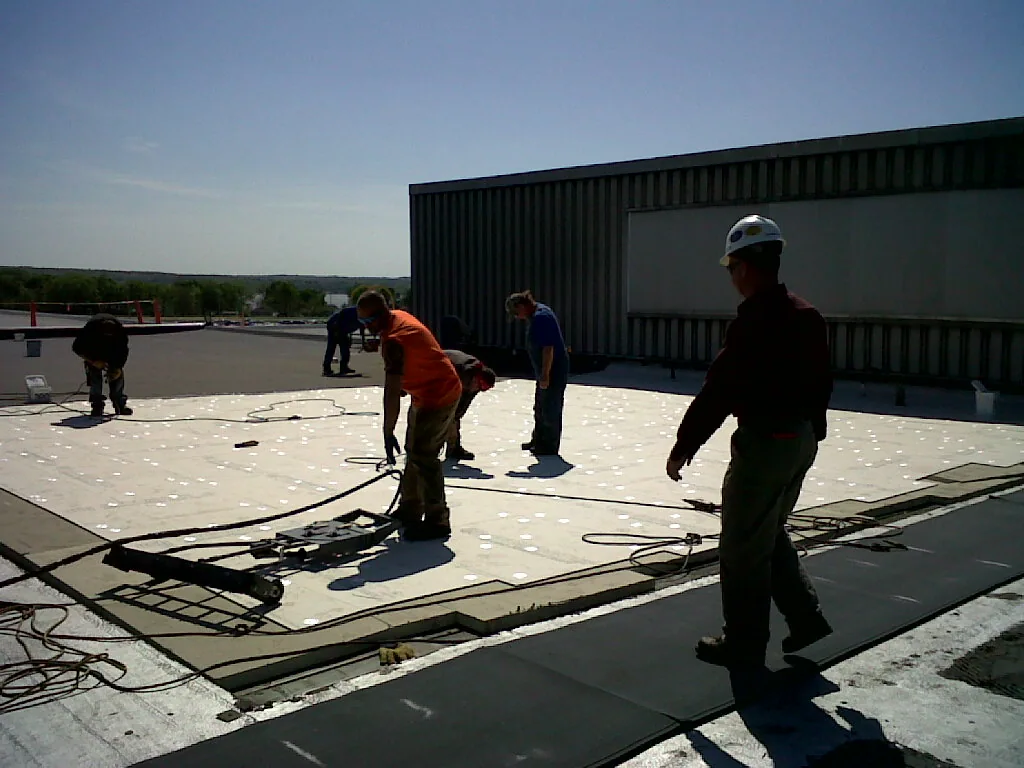
We confirm roof access, where materials will be staged, and who on your side we coordinate with. If another trade, like a mechanical contractor at a curb, has to finish their part before we can flash it, we name who's doing it and which detail it affects. We keep you posted on their progress so the roof crew doesn't show up before the curb is ready.
Our job notes follow the work as it happens. The insulation call, the seam repair, the surface prep and the finished flashing can all be at different stages. If we find something new, we tell you before it gets covered by the next layer, and any temporary patch stays marked as temporary until the permanent repair is in.
Photos and the final report
We photograph the exposed insulation or deck and any repaired seams before the new flashing covers them, then photograph the prepared membrane and the finished flashing. Each photo is tied to a spot on the roof. Those photos show what was done under the finished detail. A single shot of the completed flashing doesn't tell the next contractor what was fixed underneath it.
Our roof condition report for a Hutchins repair lists what we found, what we fixed and anything that still needs checking, with locations marked. It says which parts of the roof we didn't inspect and clearly separates temporary patches from finished work. It describes what we did at this detail without making claims about areas we never opened.
If the job changed along the way, the report keeps the change tied to the original location and the revised scope. You can follow the whole repair from start to finish: what roof system it is, what we found underneath, what we fixed first, how we prepped it and the final flashing. That's useful the next time you're making a decision about this roof.
A good Hutchins flashing repair ties into sound material on both sides of the detail. We check the existing metal, the membrane and the surface underneath, then decide how to prep for the new flashing. A bead of sealant might close one visible gap, but it won't fix loose fasteners or failed flashing behind it. When removal, substrate repair and final tie-in are each needed, the estimate lists them separately, which makes bids easier to compare and the finished edge easier to check.
Common Questions
What should a flashing repair estimate separate out?
It should list the roofing flashing work on its own and call out any separate repair, like a skylight frame or a vent, that another trade handles. It should also say what still needs to be checked before you treat the repair as complete.
How do you make sure the new flashing matches our existing roof?
We identify the membrane at the repair and check that it's sound enough to tie into. If we're not sure what product it is, we confirm before ordering materials, and we fix any failed seams next to the detail first.
What happens if you open the roof and find more damage?
We stop, photograph it and explain what needs to change, whether that's more tear-off, new insulation or deck repair. We settle the revised scope with you before closing it up, and any temporary patch is clearly marked as temporary.
How do you coordinate with other contractors on the roof?
Your facility manager tells us who's handling equipment or other work at the repair. We note what they need to finish and check on their progress before our crew counts on it being done.
What records will we get after the repair?
You get photos of what we found underneath, the seams we repaired, the prepared membrane and the finished flashing, each tied to a spot on the roof. The report also lists anything still to check and the areas we didn't inspect.
Get your Hutchins roof leak checked
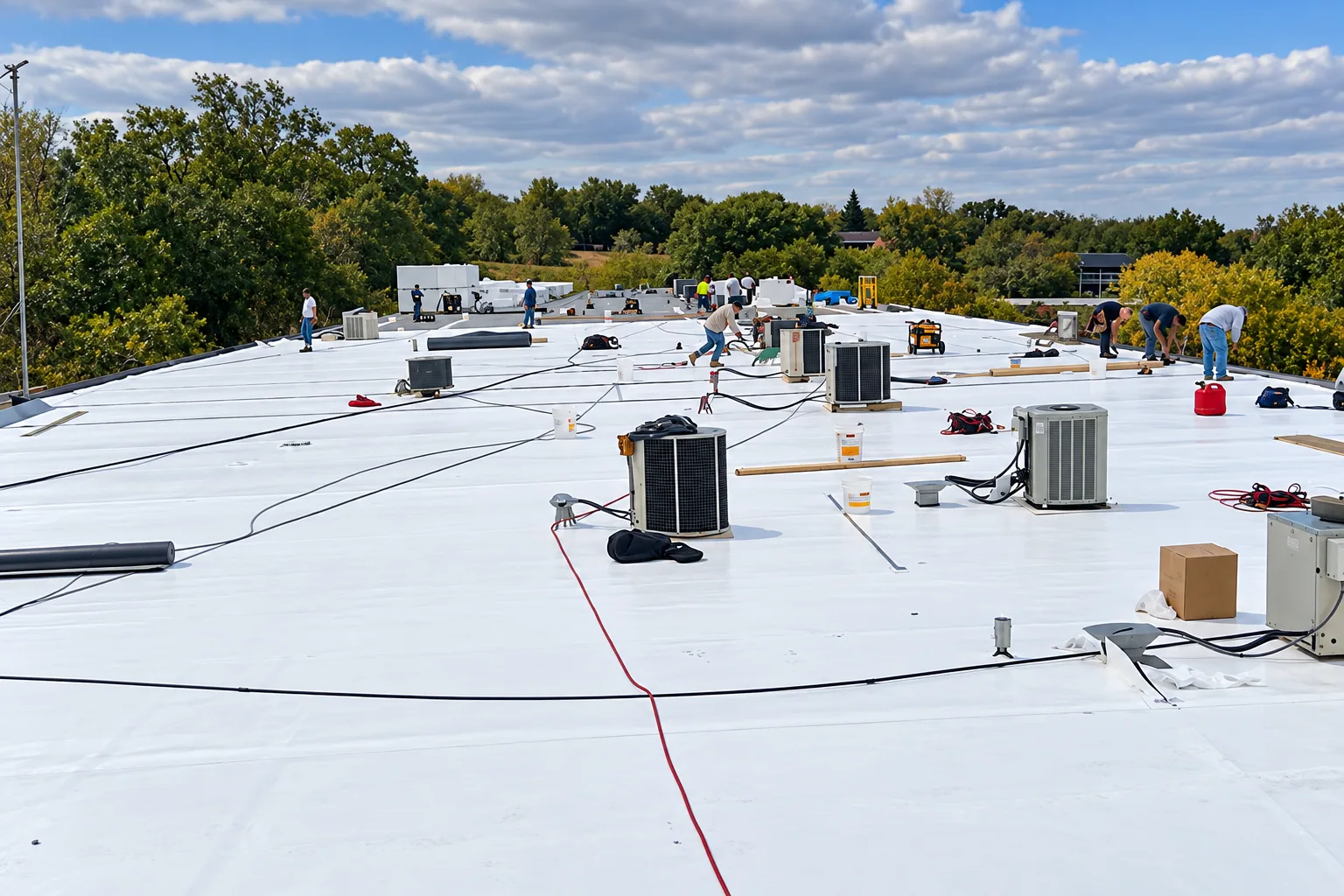
Tell us which building and where the leak or loose flashing is. We'll inspect the detail and the roof around it, then give you a clear estimate for a permanent repair.
- Lancaster premises with individually located flashing and sheet concerns
- DeSoto properties through separately established detail construction findings
- penetration flashing correction following located defects and examined adjoining roofing
- PVC flashing repairs reaching identified sheet and suitable adjoining connections
- distribution building with a defined flashing and supporting material assignment
- roof condition report locating Hutchins flashing findings and completed membrane corrections