
Commercial Roofing in Downtown Arlington, Arlington, TX

Downtown Arlington
Commercial roof repair and inspection in Downtown Arlington, TX. We find the leak source, check flashing and membrane, and give you a clear, documented scope.
Hail came through Arlington on May 27, 2024, and downtown asset managers were among the first to call. The repair decision comes from the membrane, flashing and damage we find on your building. When a tenant reports a leak or you spot a stain, the inspection should tell you what we confirmed, what still needs a closer look, and how the proposed repair reaches the problem.
The city describes its Downtown Business district as Arlington's original downtown and civic center, with government, service, office, cultural and residential buildings side by side. The Downtown Master Plan ties it to nearby employment and commercial areas. With that much variety, and older buildings next to newer ones, a roof estimate has to be written for one specific building and roof, not for the neighborhood.
From leak report to repair
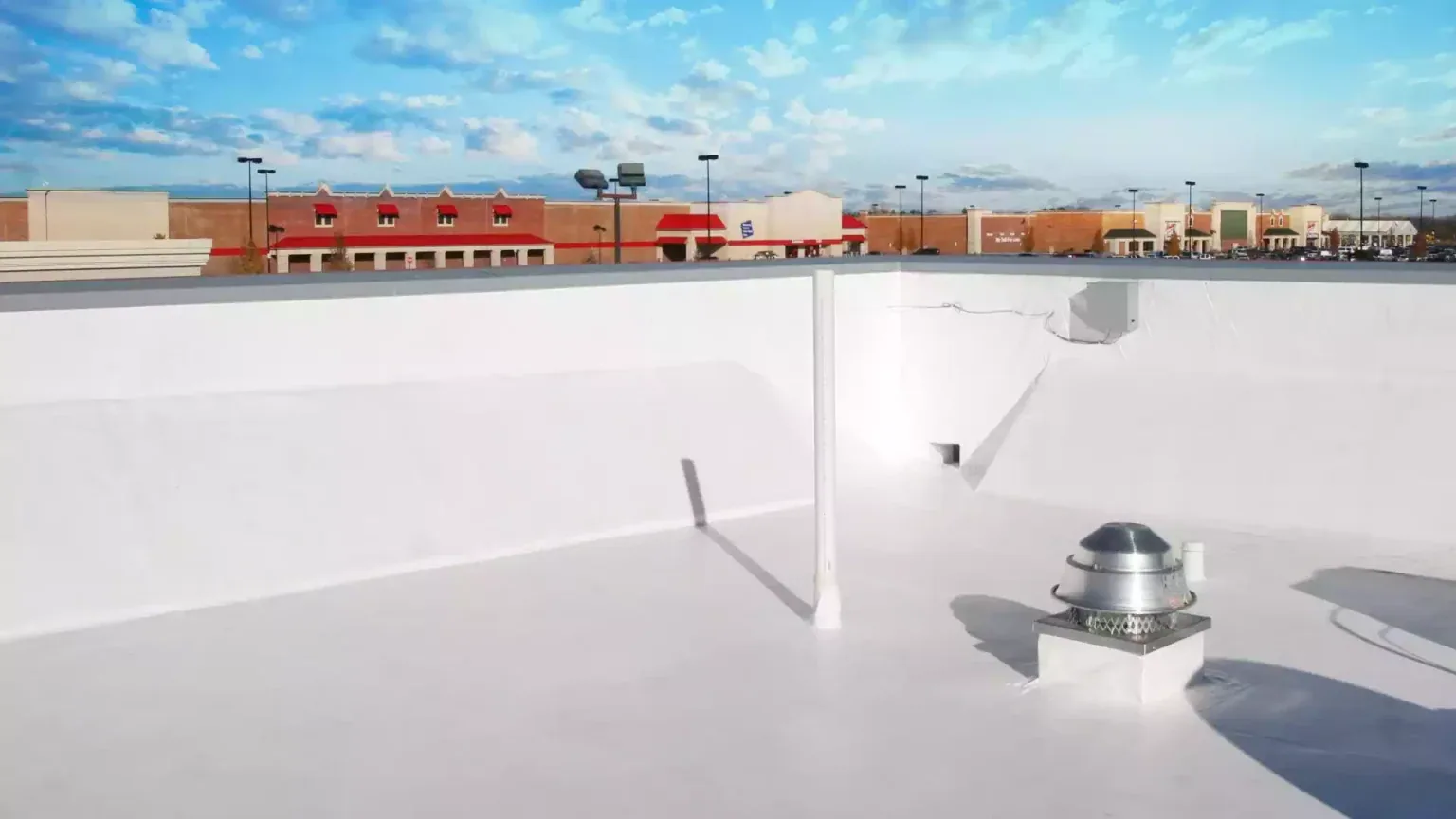
We start where the leak shows up inside and with whatever records exist from past roof work. Then we check the membrane, flashing and nearby details on the roof above. Water inside tells us where to look, but it can run along the deck before it drips, so the source isn't always directly overhead. One photo of an obvious split may not explain the whole leak. We also work nearby, with commercial roofing in Pantego and service in the Arlington Entertainment District.
Our commercial roof leak repair keeps what the tenant saw separate from what we confirmed on the roof. We show where the repair goes and why that material needs fixing. If we couldn't reach something, or a hidden water path is still possible, we say so right next to the scope. That way the price makes sense, and no one assumes a surface inspection ruled out everything underneath.
Old roof records help, especially on downtown buildings that have been reroofed or added onto over the years. They can show where an earlier repair was made, but only the current inspection tells us its condition now. We label every photo with what it shows and where it was taken, so the next person can find that exact spot instead of guessing which part of the roof a picture came from.
Confirming the roof type
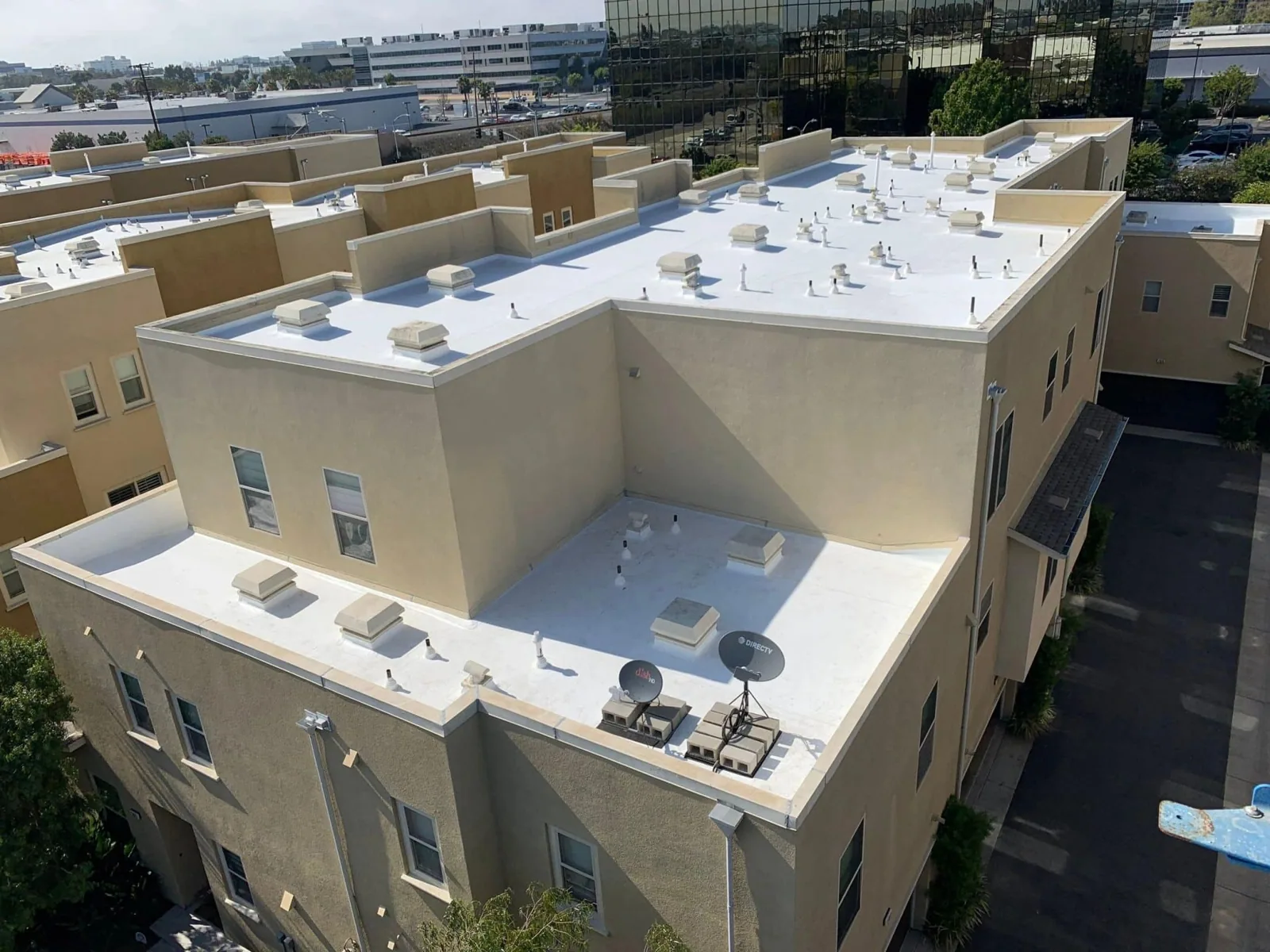
We confirm what membrane is actually on the roof where the repair will tie in. We check the existing sheet and find a sound place to start the new work. An old spec sheet or warranty label helps, but past repairs and additions can mean the roof isn't all one system. If we need to test or cut a small sample to be sure the new material will bond, we tell you before choosing a method. The estimate explains why the repair fits the roof that's there.
On TPO roofing, we confirm it really is TPO and check that the existing sheet is in good enough shape to weld to. A PVC, EPDM or modified bitumen roof gets the method that matches it. Either way, the choice is based on what we found on that section.
We also check seams and flashing near the repair. Failed seams or loose flashing get fixed before new material goes down, because cleaning won't close a split seam. Those fixes are listed in the scope, along with where the finished repair will end once they're done.
Flashing at walls and curbs
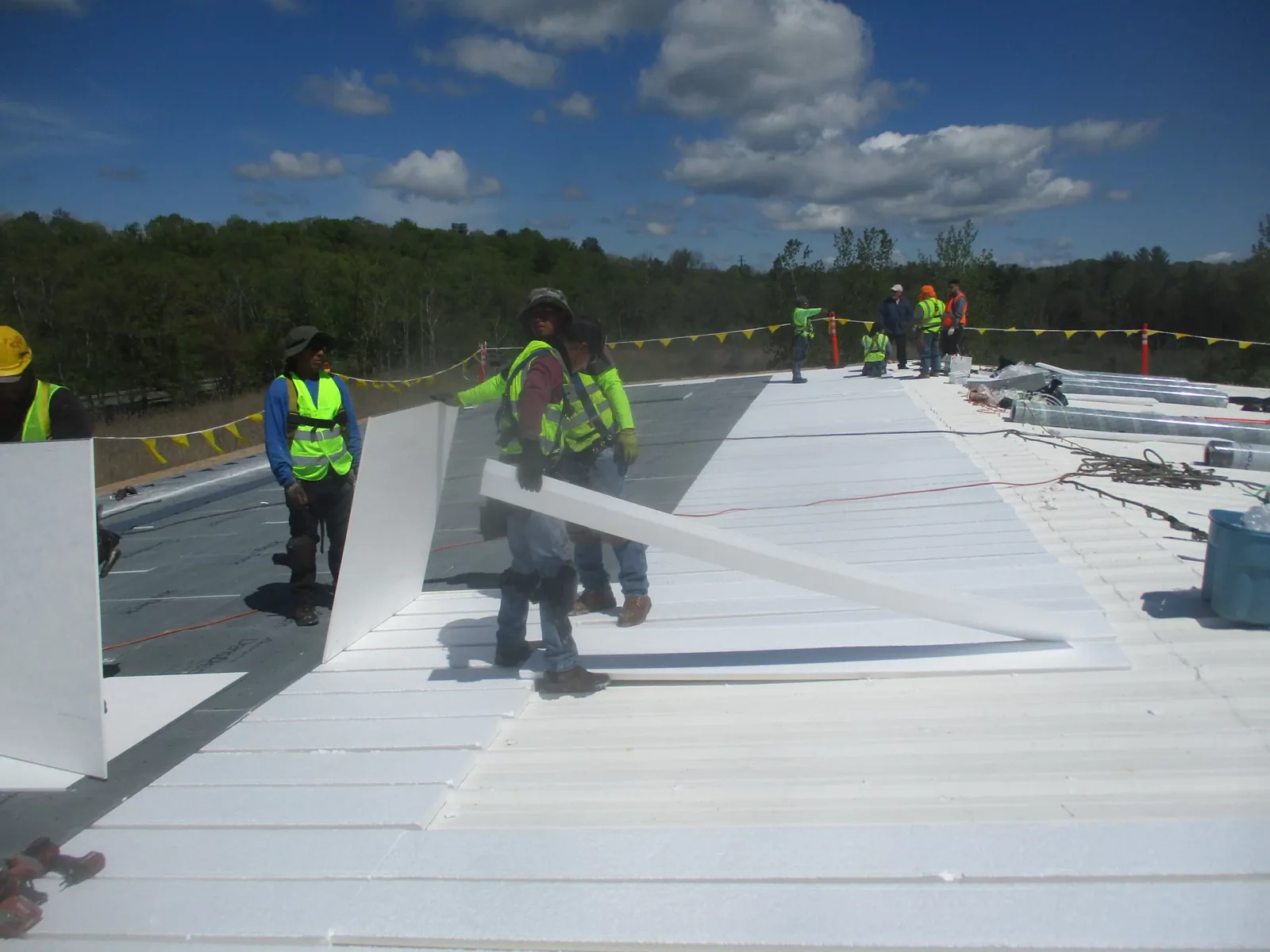
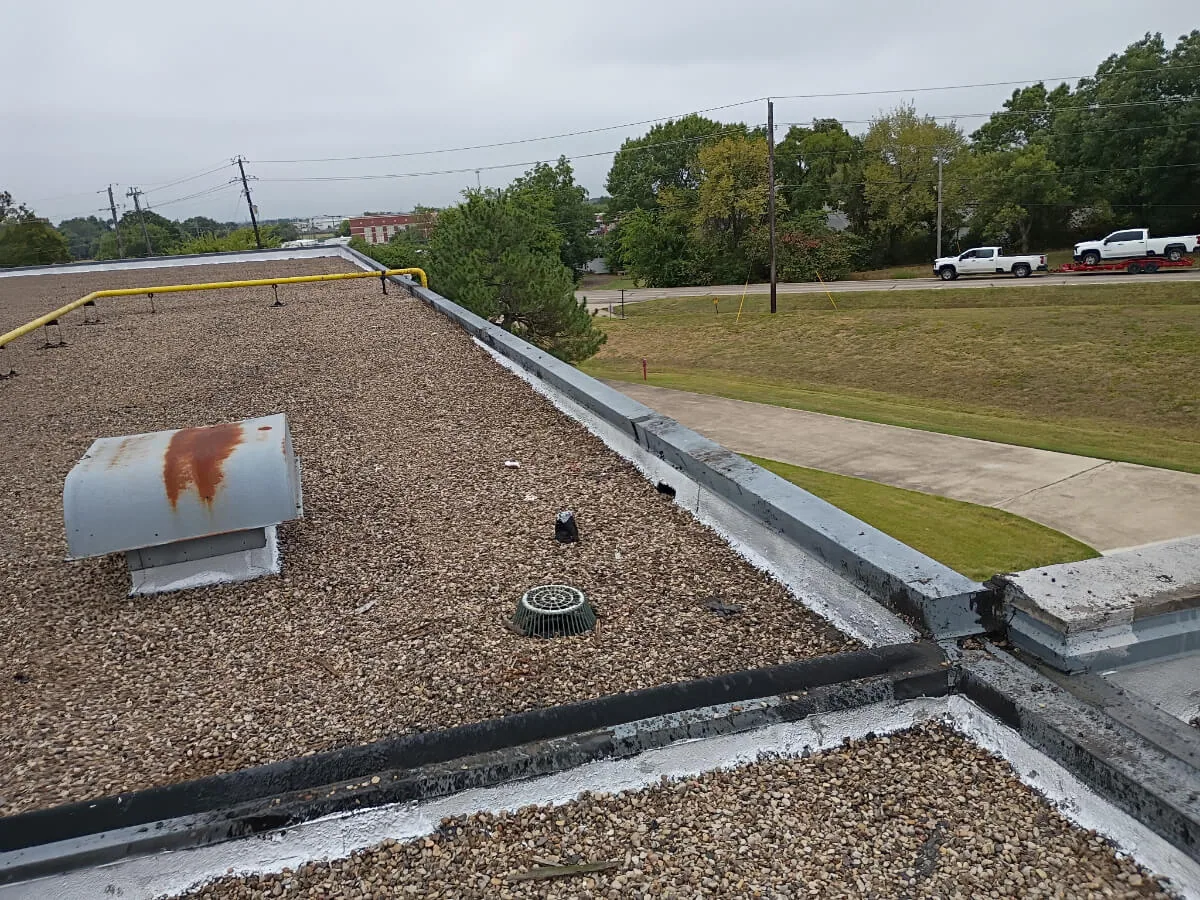
Downtown roofs often run into parapets, neighboring walls, rooftop units and old penetrations. If one of those is in bad shape, it affects whether the membrane can be flashed properly. We check those connections and separate the roofing fix from work that belongs to another trade, like masonry or HVAC. You should know before we start whether a wall or curb needs work first. A roof estimate shouldn't look like it covers a wall or equipment problem just because the repair area is close by.
On an office building roof, the building manager or owner's representative sets the project requirements, from tenant notice to work hours. Knowing it's an office doesn't tell us what's under the flashing, and it doesn't give us permission to open it. We confirm what we need to inspect and who to coordinate with. Each area gets its own findings and its own scope.
If moisture readings or soft spots leave the deck or insulation in question, we explain how we'd check, usually with a core cut. Dry, sound layers stay; wet or damaged ones come out. If opening the roof shows something different, we photograph it and review the change with you before we close it up, and we note any temporary patch separately from the finished repair.
Prep, access and scheduling
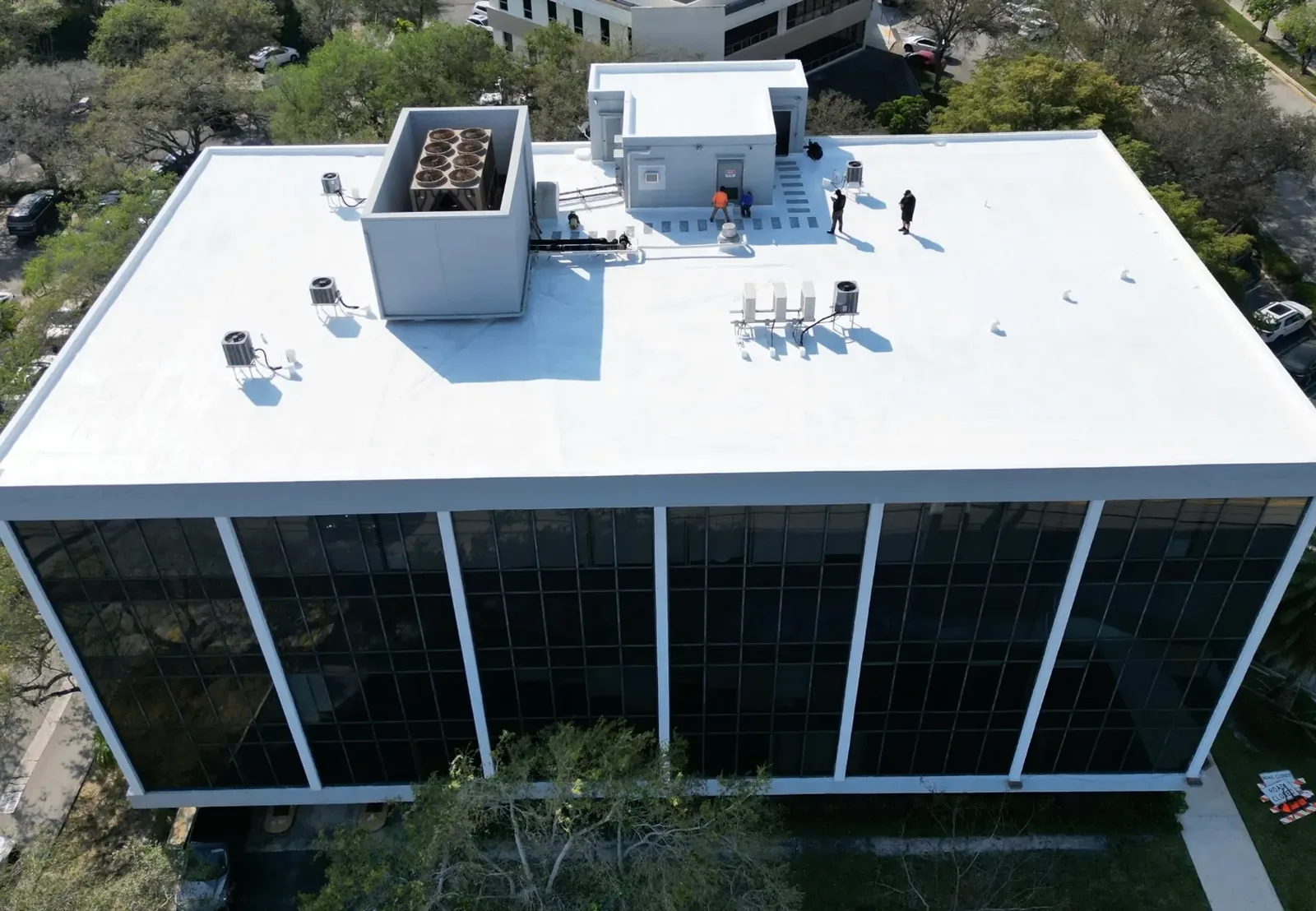
Once wall, curb and deck questions are settled and nearby seams are fixed, we clean and prep the existing membrane where the new material joins. The method matches the roof we found at that spot. If the old sheet is too brittle or dirty to bond to, we tell you before tying new roofing into it. A seam that looks finished doesn't prove the prep underneath was done, so we note each step in the scope and the closeout record.
We confirm roof access, crew routes, truck parking and material staging with the building contact. Downtown streets, shared alleys and busy lobbies mean every building has its own rules and timing, and a neighborhood description won't tell us those. If another contractor needs to fix a curb or wall before we can finish, we explain how that affects our work and keep you updated on where it stands.
We spell out what the permanent repair includes and which areas are outside it. That way you can line up the work with prep, other trades and open questions all visible. A target finish date shouldn't hide a step that still has to happen first.
Photos and records
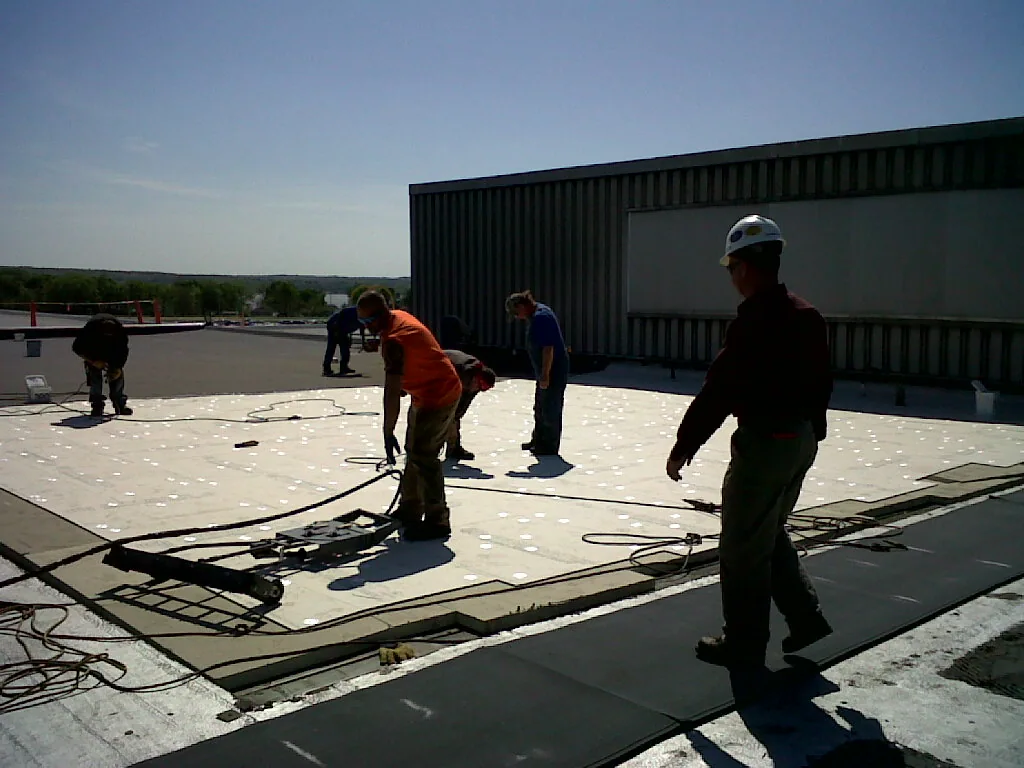
Before new material covers anything, we photograph the deck, insulation or blocking we exposed. Then we photograph the repaired seams and flashing, the prepped surface and the finished membrane. Each photo is labeled with where it was taken and what it shows. The final overall photo is part of that set, and hidden repairs keep their own labeled photos. That lets you compare the finished work to what the estimate described.
A roof condition report lists remaining questions next to the roof areas they apply to. It separates finished repairs from areas we didn't inspect. A repaired detail tells you about that detail, not the rest of the roof. That matters when a new leak shows up at the same building later and someone needs to know what's already been done.
If we put on a temporary patch to stop water before the permanent repair could happen, the record says so and notes what's still pending. The report follows the work in order: what we found, what we decided, the repairs and prep, and the final tie-in. If the May 2024 hail is part of an insurance claim, the photos of hail marks stay separate from the repair record.
Common Questions
What should be identified before work on a Downtown Arlington roof?
The specific building and roof section, the type of membrane, and the condition of the flashing and seams where the repair will tie in. We confirm all of that on site before writing the scope.
How does a leak report become a repair scope?
We start where the leak shows inside, then inspect the roof and flashing above it. The scope explains what we found and why we're fixing it, and it notes any possible source we couldn't confirm.
Why must nearby flashing be reviewed?
Failed wall or curb flashing can keep the new membrane from sealing properly, or it may need its own repair. We find that out first and fix it before tying in the new roofing.
What happens if you find hidden damage once the roof is open?
We photograph it where we found it and explain how it changes what gets removed, kept or rebuilt. We review the revised work with you before closing that area up.
What records do we get when the repair is done?
Labeled photos of the opened layers, repaired details, prepped membrane and finished tie-in. Any temporary patch or open question is listed separately, so you know exactly what the finished work covers.
Tell us about your downtown building
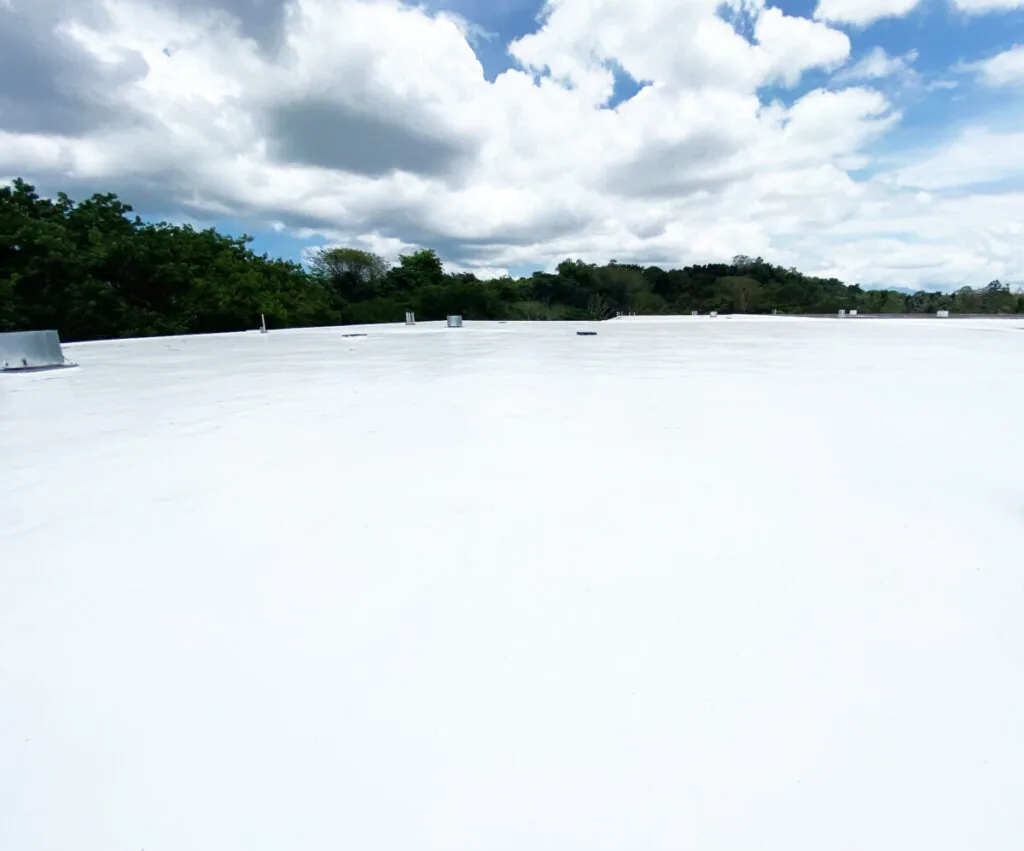
Send the address and the leak or flashing problem you're seeing. We'll set up an inspection and give you a plain scope that explains the material we found, any prep work needed first, and how we'll document the finished repair.
- commercial roofing in Pantego
- roofing service in the Arlington Entertainment District
- commercial roof leak repair locating the examined source question and proposed correction
- TPO roof work selected after sheet identification and retained material examination
- office building with an assigned roof and adjoining flashing examination
- roof condition account mapping downtown repairs and unresolved flashing investigations