
TPO Roofing in Arlington, TX
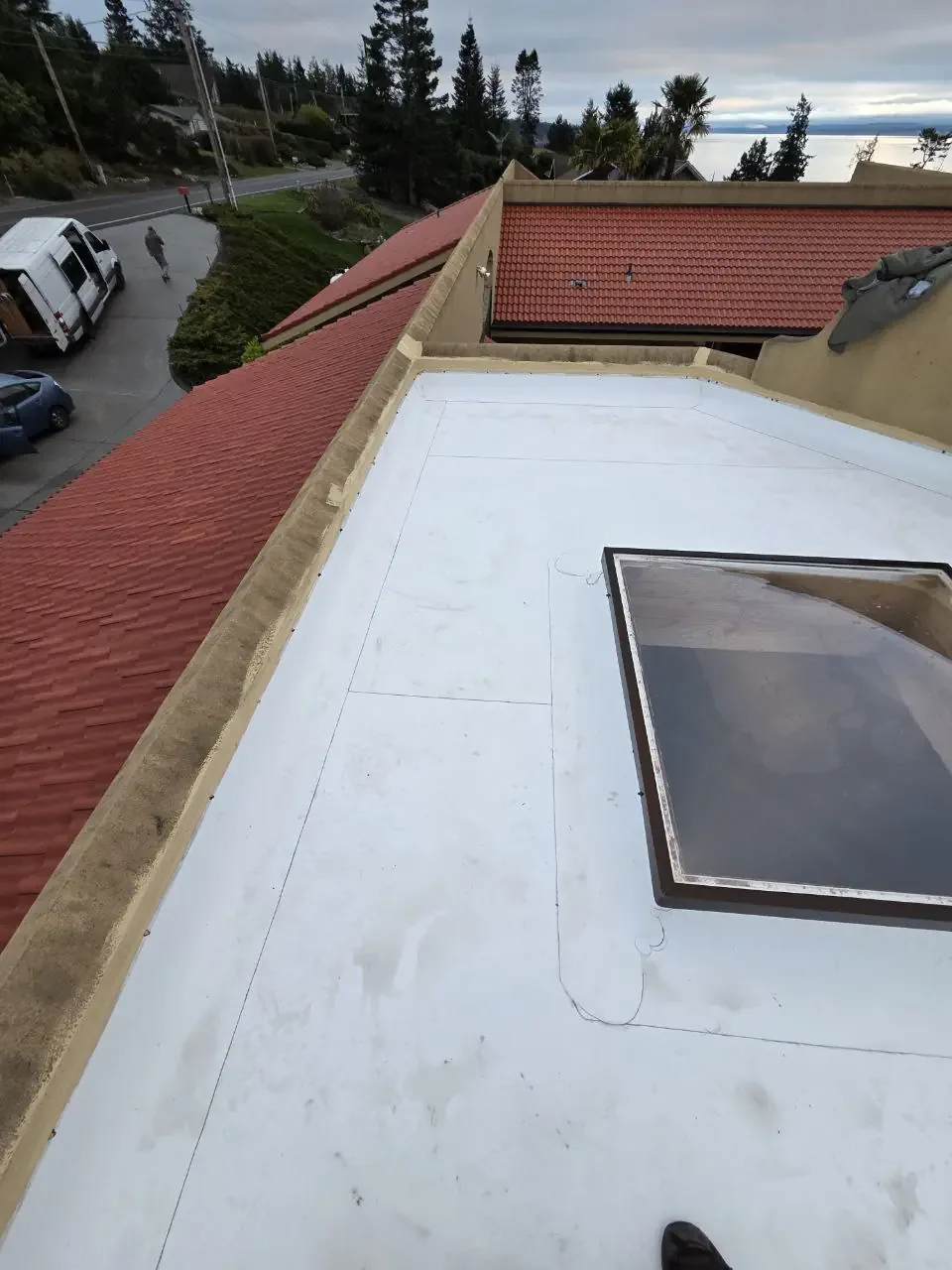
TPO Roofing
TPO roof repair in Arlington, TX: we identify the membrane, probe heat-welded seams, check old patches and insulation, and flash curbs, drains and walls right.
The June 6, 2018 storm dropped baseball-size hail across Arlington and damaged structures throughout North Texas. If you own a TPO roof in the Great Southwest Industrial District, that's a good reason to have the membrane, seams and flashings checked. What you need to know is which TPO product is up there, whether old patches have changed the surface, and how the repair will tie into what's already there.
If you have buildings in Hutchins and Crowley too, we confirm the roof system at each repair area rather than assuming they all match.
TPO seams are heat-welded, so prep depends on the product and the condition of the membrane where the new material meets the old. We compare the roof with any records you have, check the flashings nearby and separate a simple seam fix from damaged membrane or bad backing. The estimate shows the repair area, any prep work and the tests we'll run to make sure the new seams hold.
Which TPO is on the roof
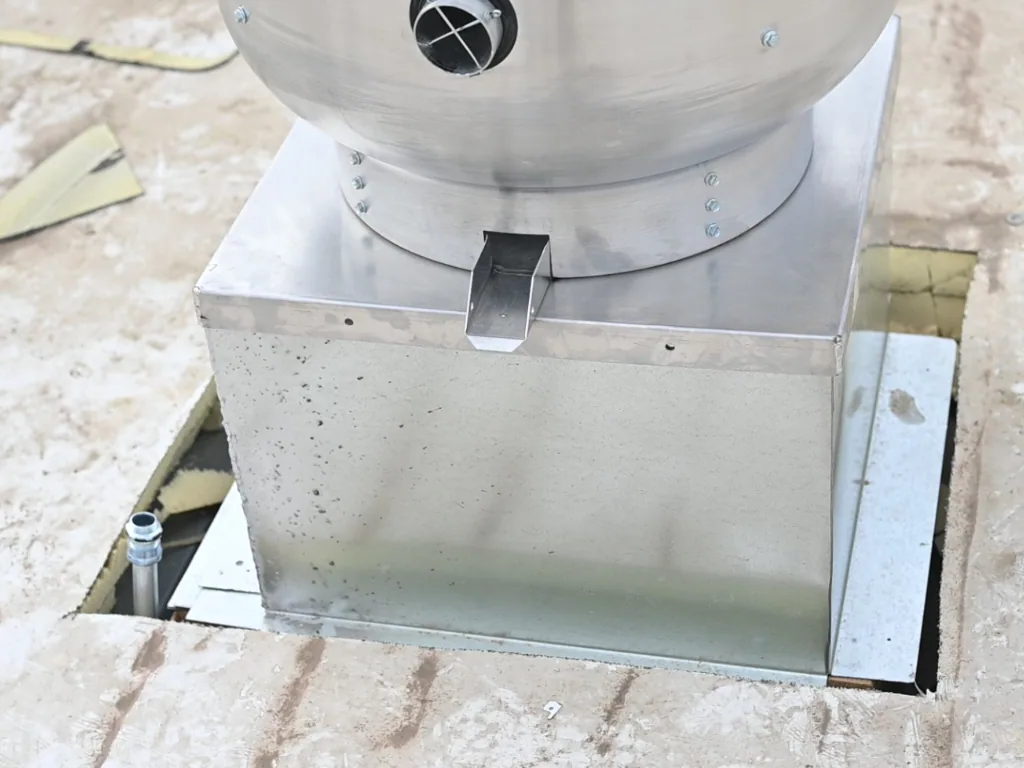
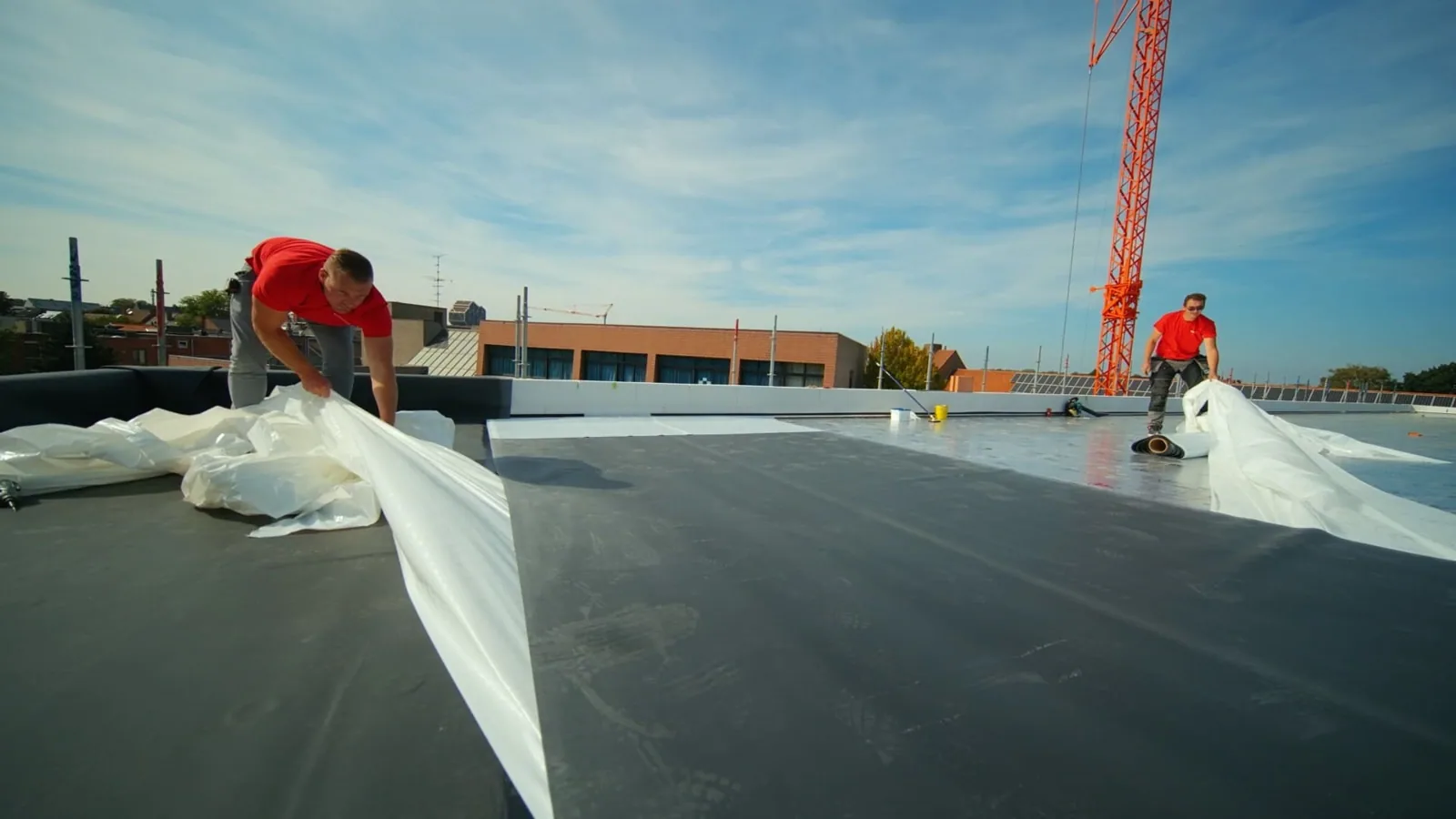
Install records and past repair paperwork help us figure out which TPO membrane is on your roof. We check them against what we actually see on the roof, including any patches. Color alone won't tell you, especially around older repairs where a different product may have been used. The repair needs the right product and prep for this roof, not a one-size method that assumes the whole roof is the same.
When the roof is Versico TPO, we follow that manufacturer's guidance for the repair. If we can't tell where one product ends and another begins, we say so and confirm before choosing how to prep the seam. That's why a repair price depends on the actual membrane and what's been done to it before. Our crew shows up knowing what they're welding to, instead of finding a mystery patch after the method is already set.
Checking the welds
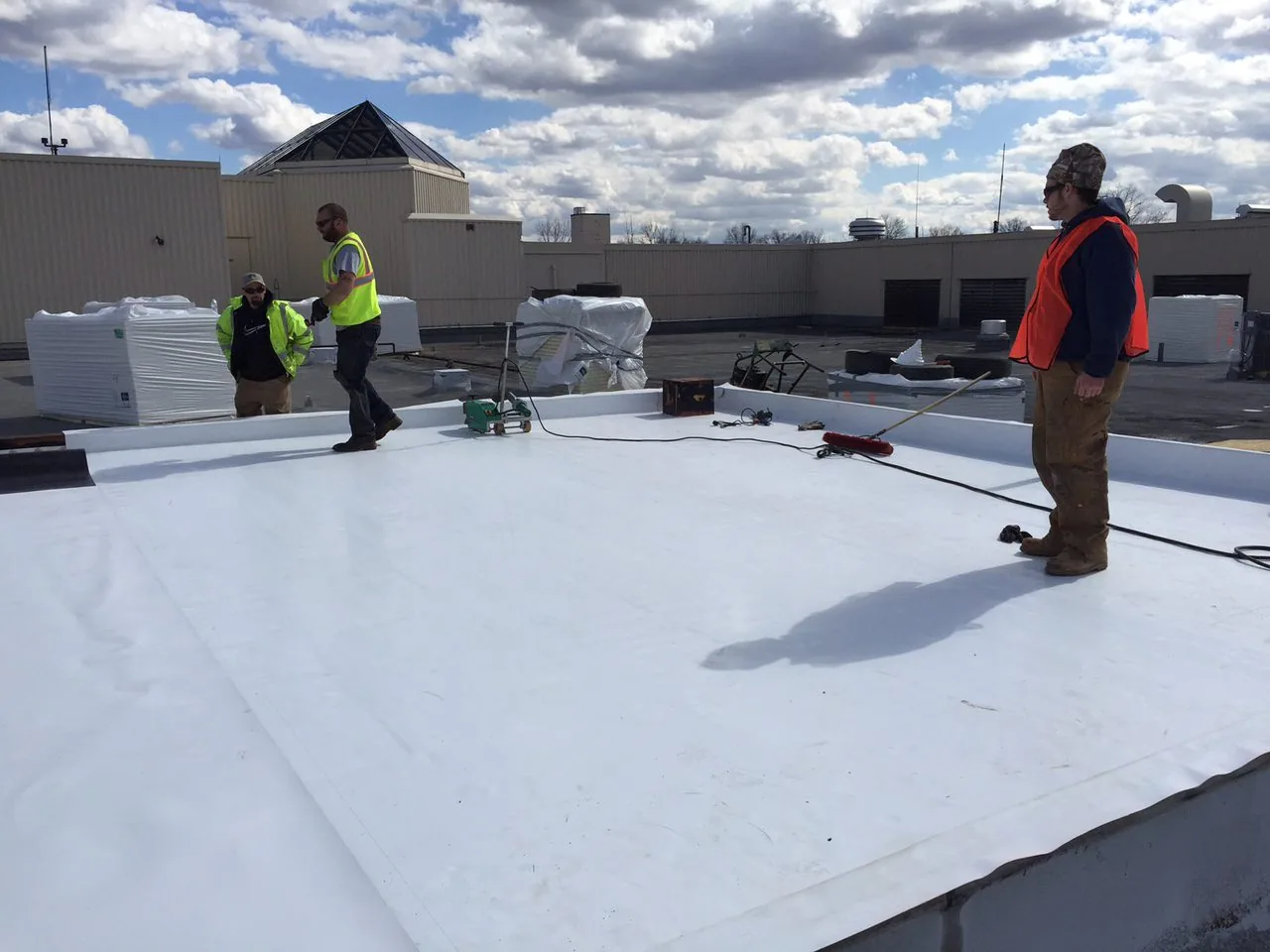
A bad TPO seam doesn't always just need another pass with the welder. Versico's seam guidance separates a weld that never fused properly from one that was overheated and damaged the membrane. A seam can pass a probe test while the membrane right next to it is scorched and needs an overlay patch. So we look at the membrane around the seam too, including old hand-welded repairs, instead of judging it by one closed edge.
A commercial roof inspection on a TPO roof should show where we probed and where more work is needed. Our crew probes cooled welds and fixes any weak spots the way the manufacturer calls for. We note damaged membrane separately from a seam that only needs a small fix. That's why a repair can be bigger than the gap you can see, and why a seam that looks closed may still sit next to a damaged patch.
Flashing at curbs, walls and drains
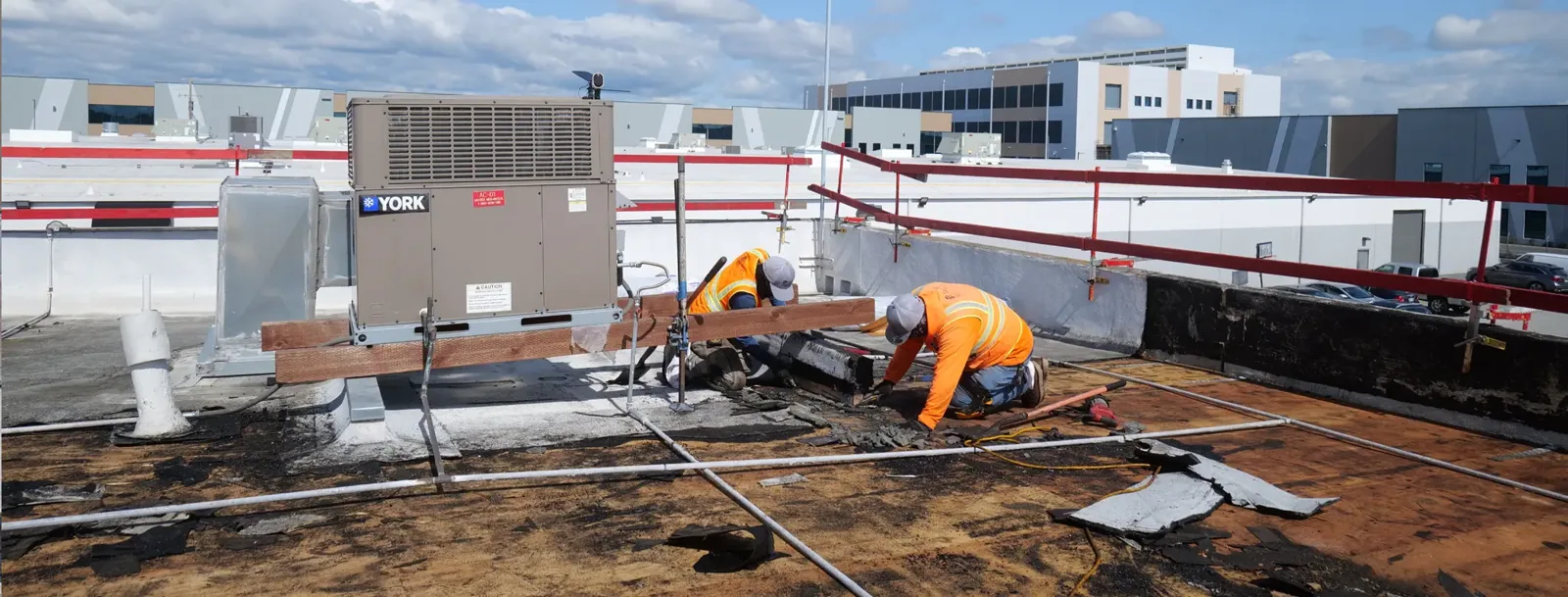
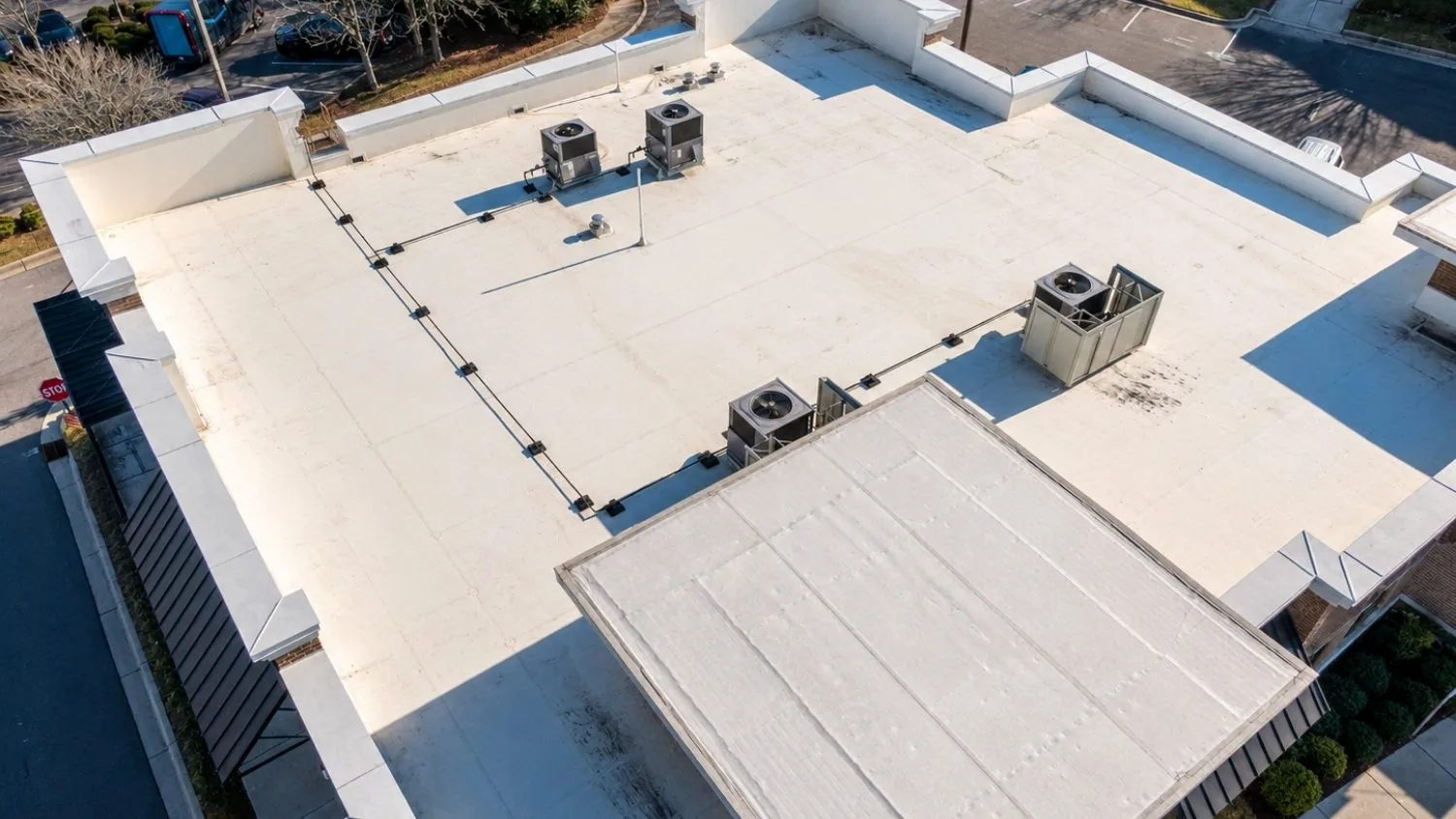
Where TPO turns up a wall, wraps a curb or ties into a drain, we check the wall, curb or drain itself, not just the membrane. We look at the metal or framing, the surface the flashing attaches to and any old repairs there. If the backing is rotted or a curb is damaged, a carpenter, mechanical contractor or plumber may need to repair it before we flash it. The estimate should show that work separately.
The flashing detail has to follow the TPO manufacturer's requirements and what's needed for the surface underneath. We note which repair has to happen before ours and lay out the order when several trades work at the same spot. That way you can line up the other trade before we show up. Our photos show the detail up close and enough of the roof around it to find it again, so the next crew knows exactly where it is and what was done.
Insulation and cover board underneath
The top of the membrane doesn't tell you whether the insulation underneath is dry. If the repair depends on keeping that insulation or cover board, we check it, usually with core cuts. We write down what we confirmed and which areas still need checking. Before we cut any opening, we plan why it's needed and how it gets patched.
A review of roof insulation and cover board answers those questions. The estimate separates what gets removed, what gets repaired underneath and the new TPO that goes on top. You need that breakdown to know what you're paying for. One dry core in one spot doesn't mean the whole roof is dry, and we're clear about which areas we haven't confirmed before the repair counts on the old layers being good.
TPO, PVC or EPDM
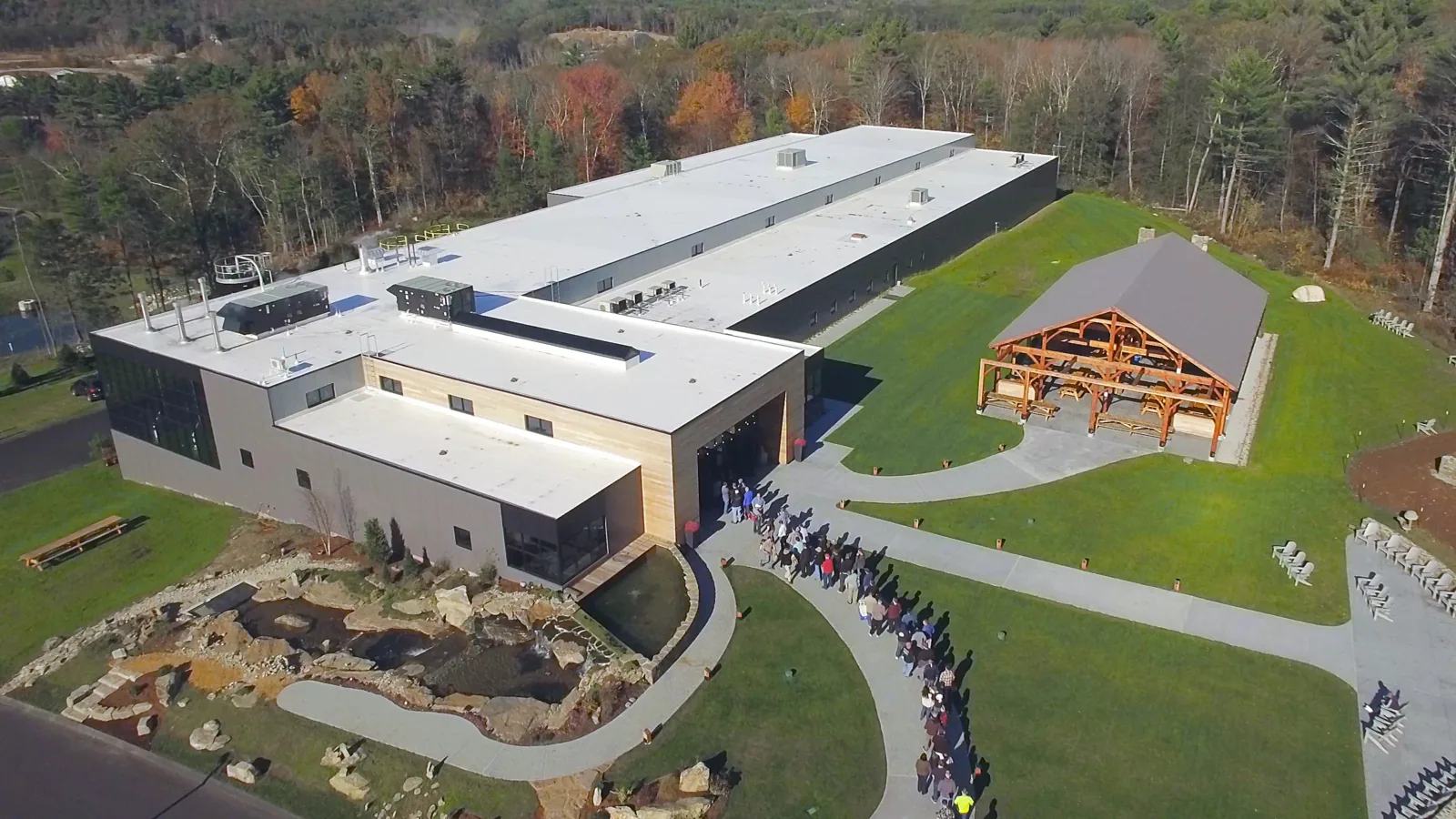
When you compare TPO with another membrane, look at how the crew will make and test the seams. For the TPO on your roof, that means the welded patch, how much of the existing membrane is good to weld to, and how we'll check the seam. Any other membrane in a competing bid should be just as specific. A square-foot price doesn't tell you what happens at the edges, especially where old roofing stays in place.
A PVC roof is also hot-air welded, but its prep and seam testing follow its own manufacturer's rules. An EPDM roof uses taped or adhered seams, so the bid should name the seam tape and primer. We'd compare the edges of the patch and the nearby flashing in both bids so you can see how each would be installed and inspected later, not just pick between membrane names.
On a TPO roof, check the product and the seams separately. A dull or dirty surface doesn't tell you whether a weld fused properly, and a failed probe doesn't tell you how big the repair needs to be or what caused it. We clean the overlap the way the manufacturer specifies, run a test weld on the roof that day and probe the seam once it cools. If heat or contamination has damaged the membrane, we extend the repair to material that will take a good weld. Flashing at curbs, drains and walls gets its own check of backing and shape; field membrane work doesn't fix those. If old layers or fastening affect the repair, we say so. At closeout we document the membrane, the prep and the repaired seams so the next inspection can compare the same spots.
What you get at the end
Your facility manager points us to the problem areas and sends whatever roof records you have. We inspect the membrane and the details around it, then tell you what we need to confirm and how we'd prep for the repair. The repair we recommend follows what we actually find.
For downtown Arlington buildings, you get a plain report naming the membrane and marking where each repair is. Photos show the prep and any open questions with curbs or other equipment. The next contractor can find the repaired seams and see what still needs to happen before more work starts. If you need to check manufacturer requirements or project documents later, the report gives you the actual membrane and repair details to work from.
Common Questions
What do you need to know before repairing a TPO seam?
We need to know which TPO product is on the roof and what any old patches are made of. The prep and seam testing depend on that product and the condition of the membrane at the repair.
How do you handle a bad wall or curb next to the TPO flashing?
We list that repair separately and explain that it has to happen before we prep the membrane. The new flashing only goes on once the wall or curb behind it is solid.
Can you tell if the insulation is wet just by looking at the TPO?
No. If the repair depends on keeping the insulation, we check it with core cuts. The report says what we confirmed and which areas still need checking.
How should we compare TPO with PVC or EPDM?
Ask each bid to name the product, the seam method and how they'll tie into your existing roof and flashing. That tells you far more than comparing membrane names side by side.
Get your TPO roof checked
Send us your roof records and where the problems are. We'll inspect the seams and flashing, check what's underneath and give you a clear plan for a lasting repair.
- Versico product assessment identifying the particular TPO material at the detail
- TPO examination locating seam findings and accessible preparation questions
- layer assessment defining board and supporting preparation beneath the TPO work
- PVC option identifying its membrane and detail preparation separately
- EPDM comparison defining retained material and permanent connection duties
- downtown Arlington TPO work with sheet identity and seam preparation recorded