
EPDM Roofing in Arlington, TX
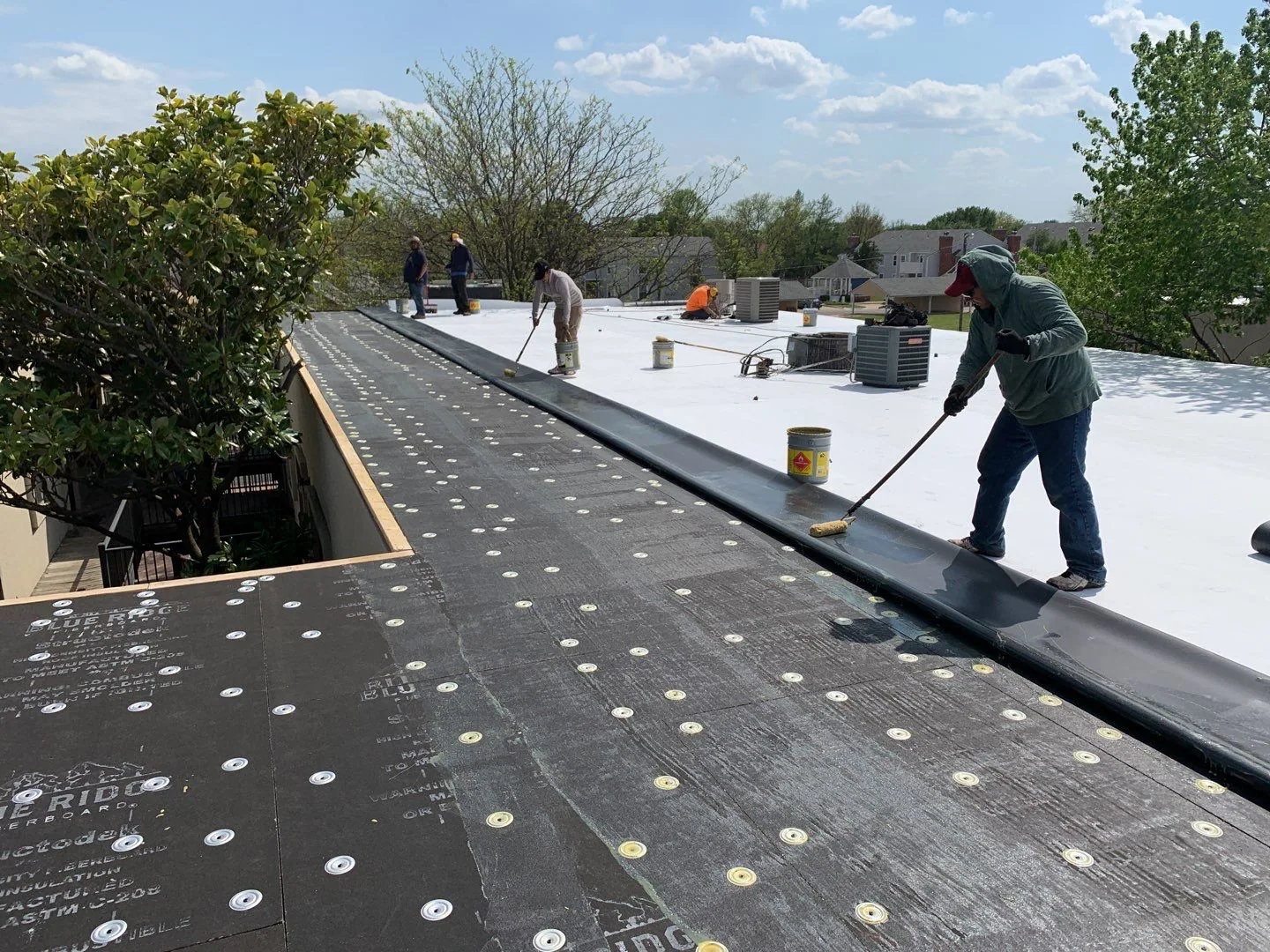
EPDM Roofing
EPDM roofing in Arlington, TX: we identify the rubber membrane and old repairs, then specify seam tape, primer, curb repairs and permanent flashing details.
Arlington's November 24, 2020 tornado was rated EF-2, and many rubber roofs in town have been patched more than once since. EPDM roofing in Arlington, TX means a synthetic rubber membrane, and permanent repairs need prep chosen for that specific product. The allowance should identify earlier patches and nearby curbs or walls before choosing seam or flashing materials for new work.
For properties in Euless and Bedford too, we confirm the roof system on each repair section.
We ask for roof records and where you've seen problems, then inspect the membrane and details at those spots. You get a plain description of the confirmed material and any open questions, with cleaning, removal and curb repairs defined before the permanent repair is scheduled.
Membrane: identify the rubber and its repair history
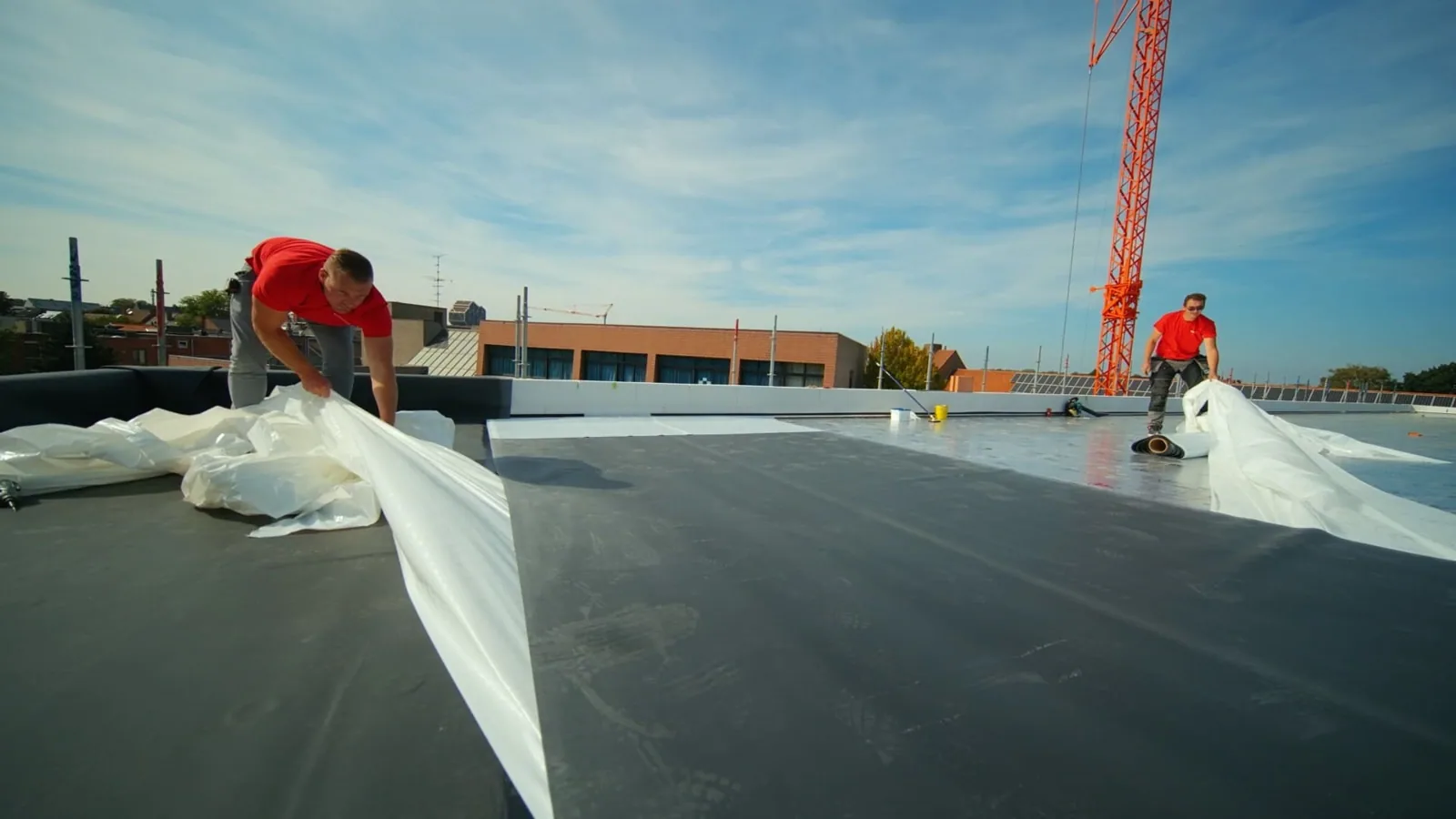
Product records can help confirm the EPDM, but later patches may have put a different material right where we need to tie in. We compare your records with the work area and find those changes. The permanent repair follows the confirmed membrane and repair products, not a guess based on the color of an old coating.
A Versico EPDM review sorts out the product requirements for that detail. We note where confirmation is needed and keep the uncertain area visible in the allowance. You'll understand the prep before the crew picks its repair method, and old patches get inspected instead of being assumed to be a good surface for the new work.
Splices: tape, primer and the rubber you're keeping
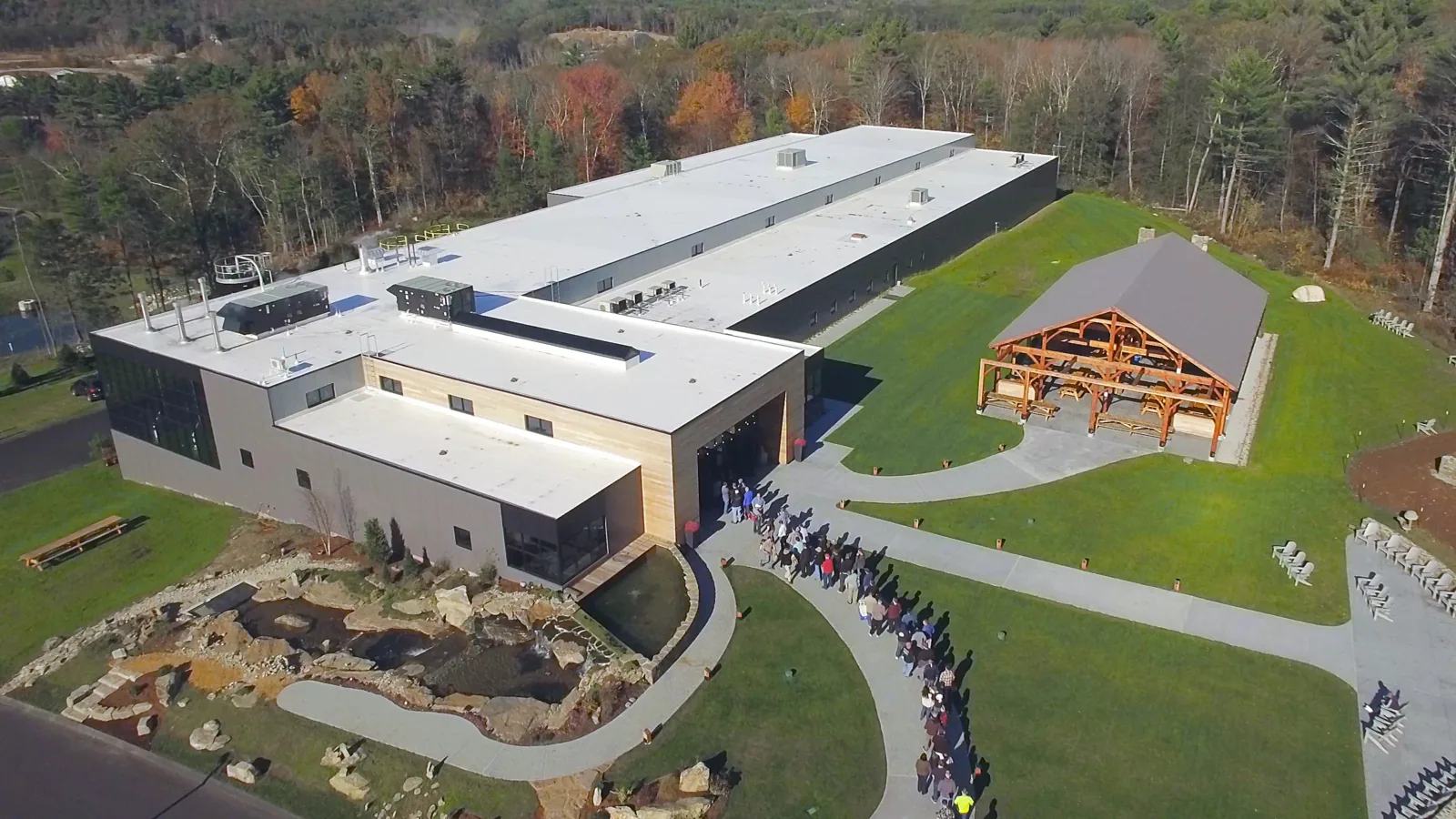
An EPDM repair may meet an older splice made with different materials from the new work. We identify the existing rubber and seam before choosing tape or other materials. With the RubberGard QuickSeam splice approach, the tape has its own cleaning, priming and application instructions. A primer that happens to be on the truck isn't necessarily the right prep for that seam.
A commercial roof inspection tells exposed rubber apart from old adhesives or patches at the seam. A commercial roof leak repair visit compares the leak your staff reported with what we find on the membrane. We explain which old material needs to come off or be checked, then name the splice products so purchasing and the crew work from the same repair plan.
Flashing: fix the wall or curb before tying in
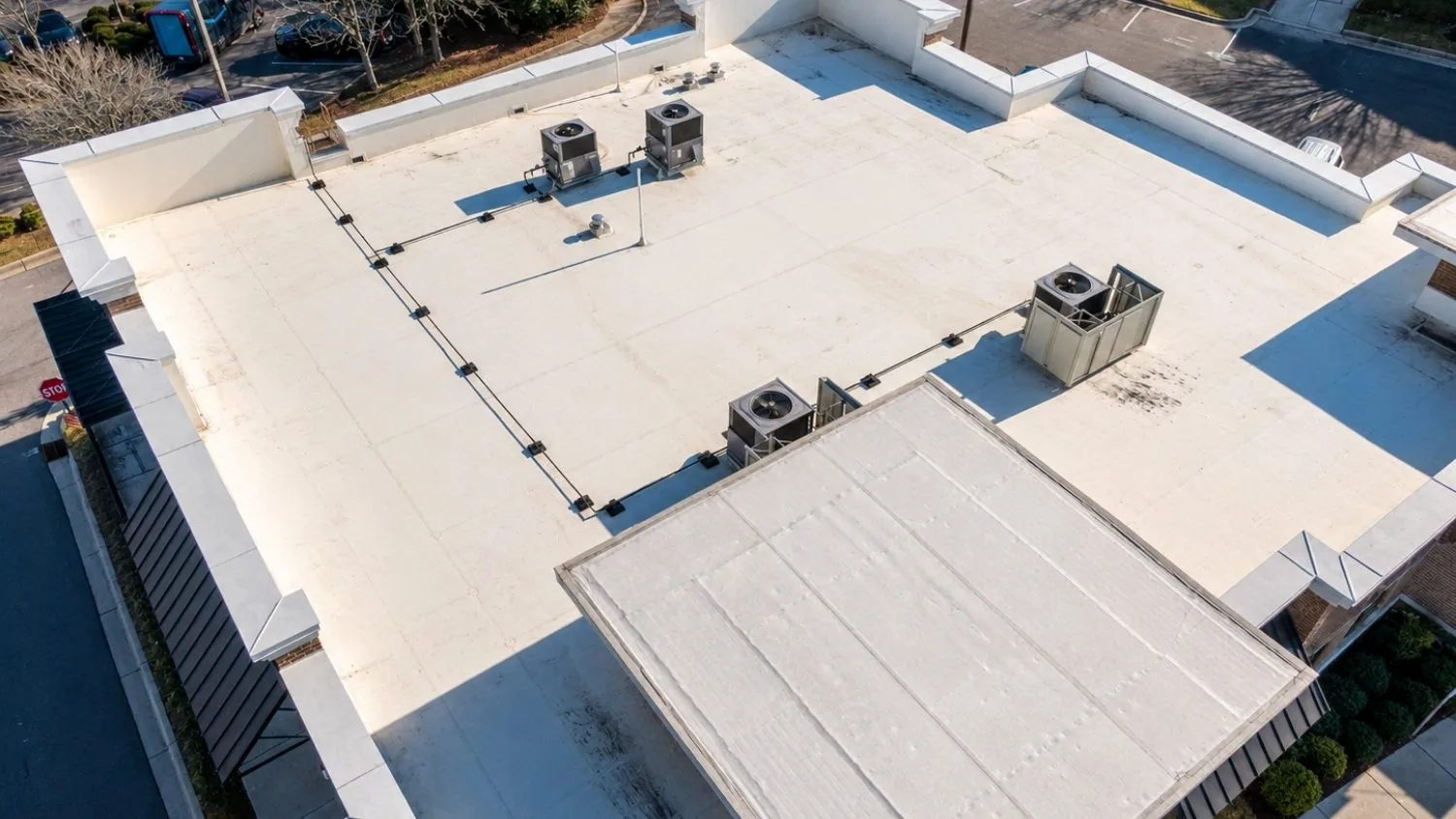
EPDM flashing may meet a wall, curb or drain whose condition affects the prep. We inspect the curb and the wood blocking behind it, then note any repair or engineering review needed. Old patches and coatings on those surfaces get noted, not just the ones out in the open field. The allowance spells out what has to be ready before the new flashing goes on.
We lay out the order between curb repair and roofing prep so you can schedule each step. The permanent detail follows the product requirements and a sound curb. Photos show what we found and enough of the roof around it to find the spot again. That gives the next crew something useful, not a close-up of black rubber with no explanation of the curb or the blocking repair that came first.
Layers: what stays under the repair
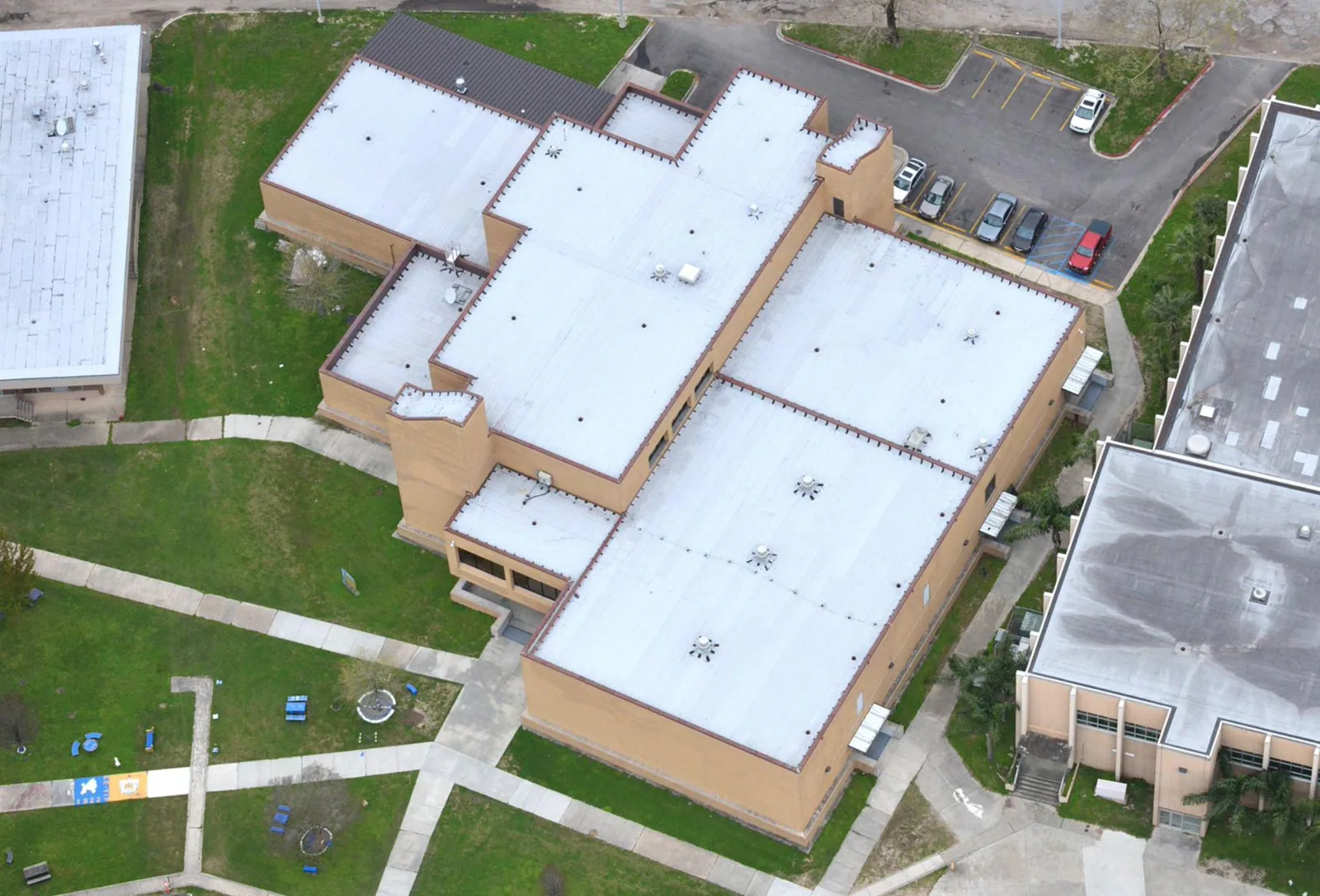
A surface repair still needs the layers underneath reviewed where the insulation or deck affects the method. We note confirmed findings and the testing still needed in uncertain areas. Drawings help describe the layers, but we keep what we've confirmed separate from what the drawings say but nobody has checked at that spot.
Where a test cut is needed, we plan its purpose and the patch for that membrane. The report records what the test showed and any curb or structural questions still open. We keep tear-off, blocking repair and membrane work as separate items in the scope. You can review the prep before the repair method is chosen, without untested areas being assumed fine just because a nearby spot checked out.
Changing membranes: price the transition
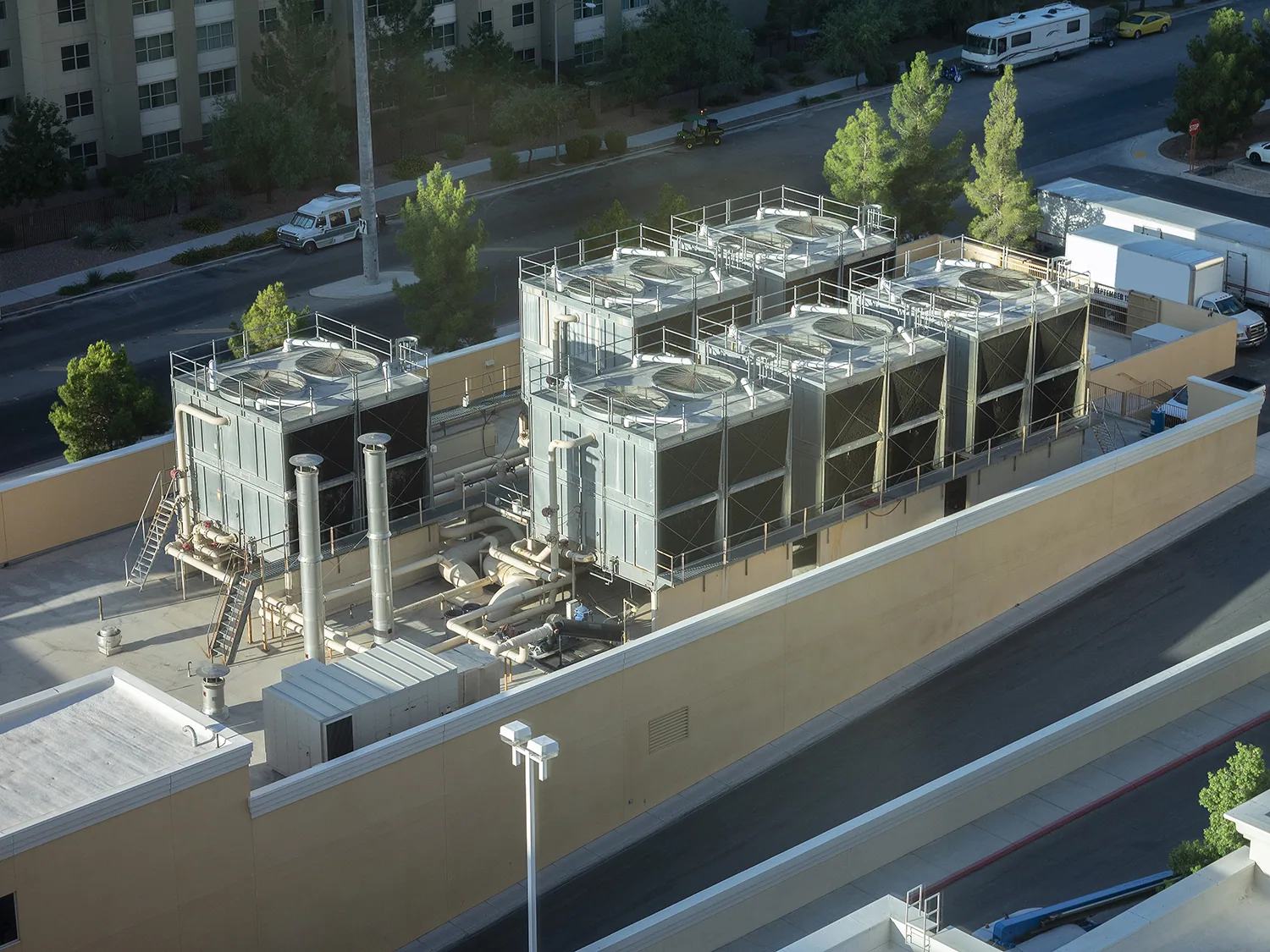
Switching membranes on part of a roof creates a seam between two materials that needs more thought than picking the new membrane. We find where the existing EPDM ends and how the new work ties in. Replacing the whole area may get rid of that transition; a partial replacement keeps it. Those options can involve different detail work even when both bids list the same area of new membrane.
A TPO roofing alternative needs its own transition detail. A PVC roofing option should also describe how it meets the rubber roof. We compare the actual termination and nearby curb work, including any access needed to finish it. Then you can decide between eliminating an old transition and maintaining a well-built one, instead of assuming the new membrane takes care of the tie-in by itself.
EPDM repairs depend on clean, compatible rubber and a prepared splice boundary. First identify whether the existing sheet is EPDM and whether earlier patches, coatings or contaminants reach the intended connection. A tape splice, flashing accessory and field sheet each have their own preparation requirements; do not substitute a primer or cleaner simply because it is available. Extend the repair to material that can be prepared, with the patch corners, edge termination and adjoining detail included in the scope. Where the sheet is loose or the support is uncertain, identify the attachment or substrate question separately from the splice. Record the product and accessory used, the repair location and any area left outside the correction. This gives the next inspection a clear point of comparison rather than relying on the appearance of a dark rubber surface.
Records: keep the EPDM repair history useful
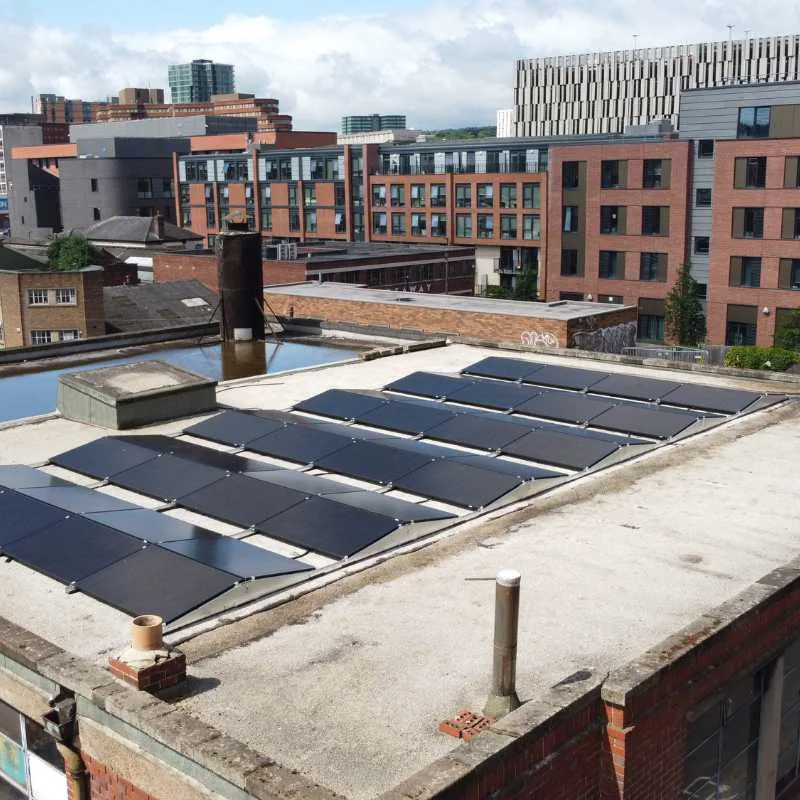
Your site contact gives us the roof areas and any records. We inspect the existing membrane and earlier repairs, then confirm the materials and prep for the permanent detail. The work follows what we find on that roof.
For EPDM roofs in Downtown Arlington and nearby, the closeout shows the products and details installed and where they are. We photograph the prep and any curb repairs, and list open questions separately. A later reviewer can find the same detail through photos and roof landmarks, then plan the next repair from what the work actually established. Project and manufacturer paperwork stays with the record.
Common Questions
What should be identified along with the EPDM at an old repair?
The seam tape, patch and any older coating the new work will meet. If any of that is uncertain, we confirm the product before choosing the prep.
How does a reported leak affect the EPDM inspection?
We compare what your staff saw with what we find at the seams and details. Finding the leak and choosing the repair prep are separate steps, so the repair targets a detail we've actually inspected.
What do you check where EPDM flashing meets a curb or wall?
The condition of the curb or wall and the wood blocking behind it. Any repair or engineering review needed is listed before the membrane prep.
How should a proposal for a different membrane handle the existing roof?
It should say what stays and what testing is needed before relying on those layers. Compare the prep and detail work in each bid, rather than assuming a new membrane fixes the existing problems.
Get your EPDM repair materials sorted out
Send us your Arlington roof records and the areas that need inspection. We'll identify the membrane, check older details and define the permanent prep and any curb work.
- Versico EPDM review identifying the sheet and repair materials present
- EPDM joint examination locating seam defects and preparation questions
- leak investigation comparing supplied symptoms with the examined rubber membrane detail
- TPO alternative defining sheet and detail requirements for its selected method
- PVC comparison locating retained material and permanent preparation obligations
- downtown Arlington EPDM work with identified seam materials and detail preparation recorded