
Cold Storage Roofing in Arlington, TX
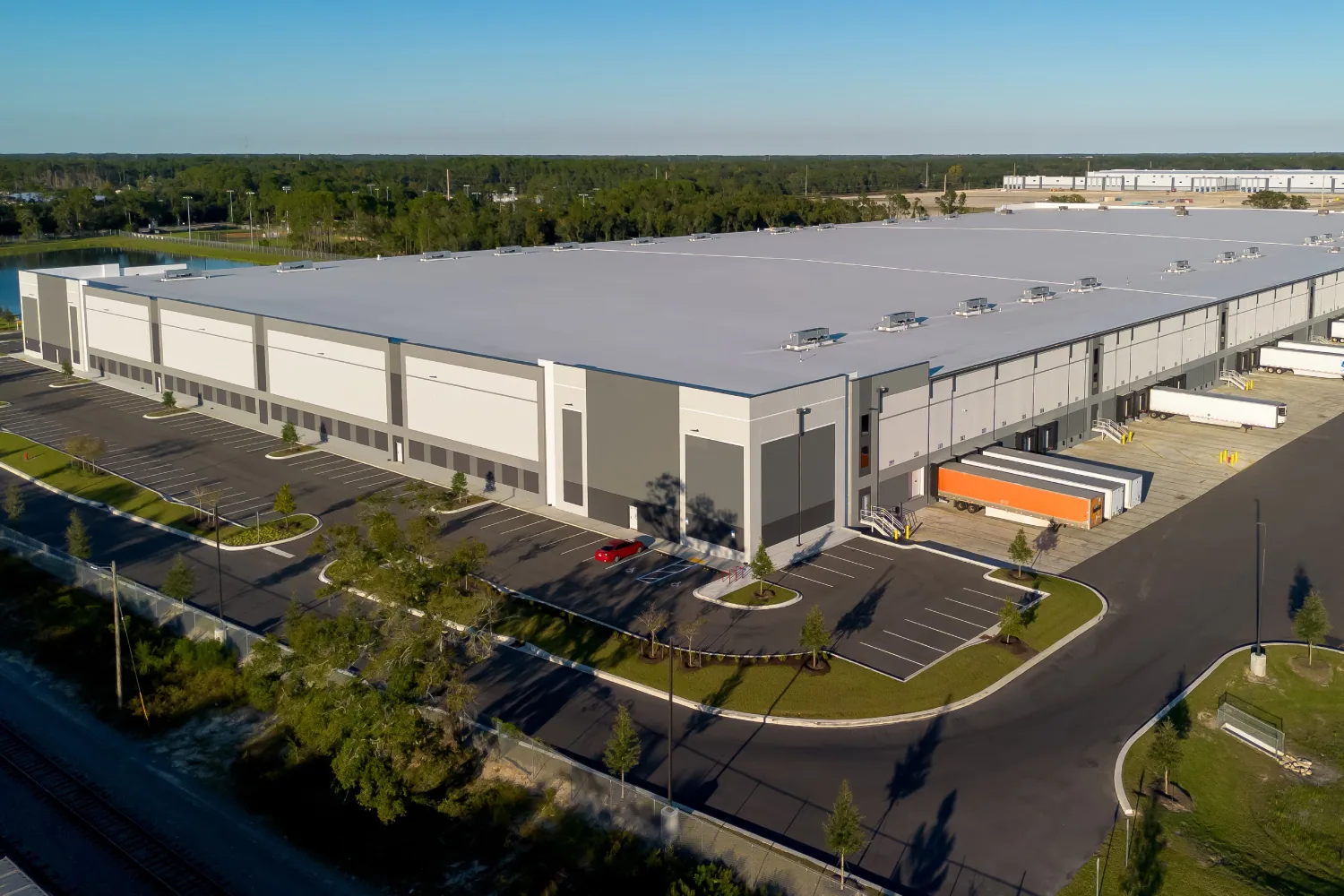
Cold Storage Roofing
Cold storage roofing in Arlington, TX: wall flashing and backing repair, wet insulation checks, rooftop refrigeration equipment and protecting product below.
The February 14-17, 2021 winter storm hit North and Central Texas hard, and plenty of facility managers still date their roof questions from that week. Whatever the history, the roof on your cold storage building in Arlington, TX has to be looked at on its own. On refrigerated buildings, leaks very often start where the membrane turns up a wall: the flashing pulls loose, water gets behind it, and the backing underneath softens or rots. If that backing is bad, it has to be rebuilt before new flashing goes on, and the estimate should say so. A patch price that skips the wall and the protection needed inside isn't a fair comparison.
We also look at cold storage roofs in Irving and Burleson, and the planning is the same there: every building runs differently, so access and interior protection get worked out site by site.
Before we open anything, we need to know what's underneath. Is it a freezer, a cooler or the dock? What's stored there, and can it be moved or covered? Your facility team and refrigeration contractor know how the space and equipment have to run during the job. We plan the roof work around their answers instead of guessing from the building type.
Wall flashing and the backing behind it
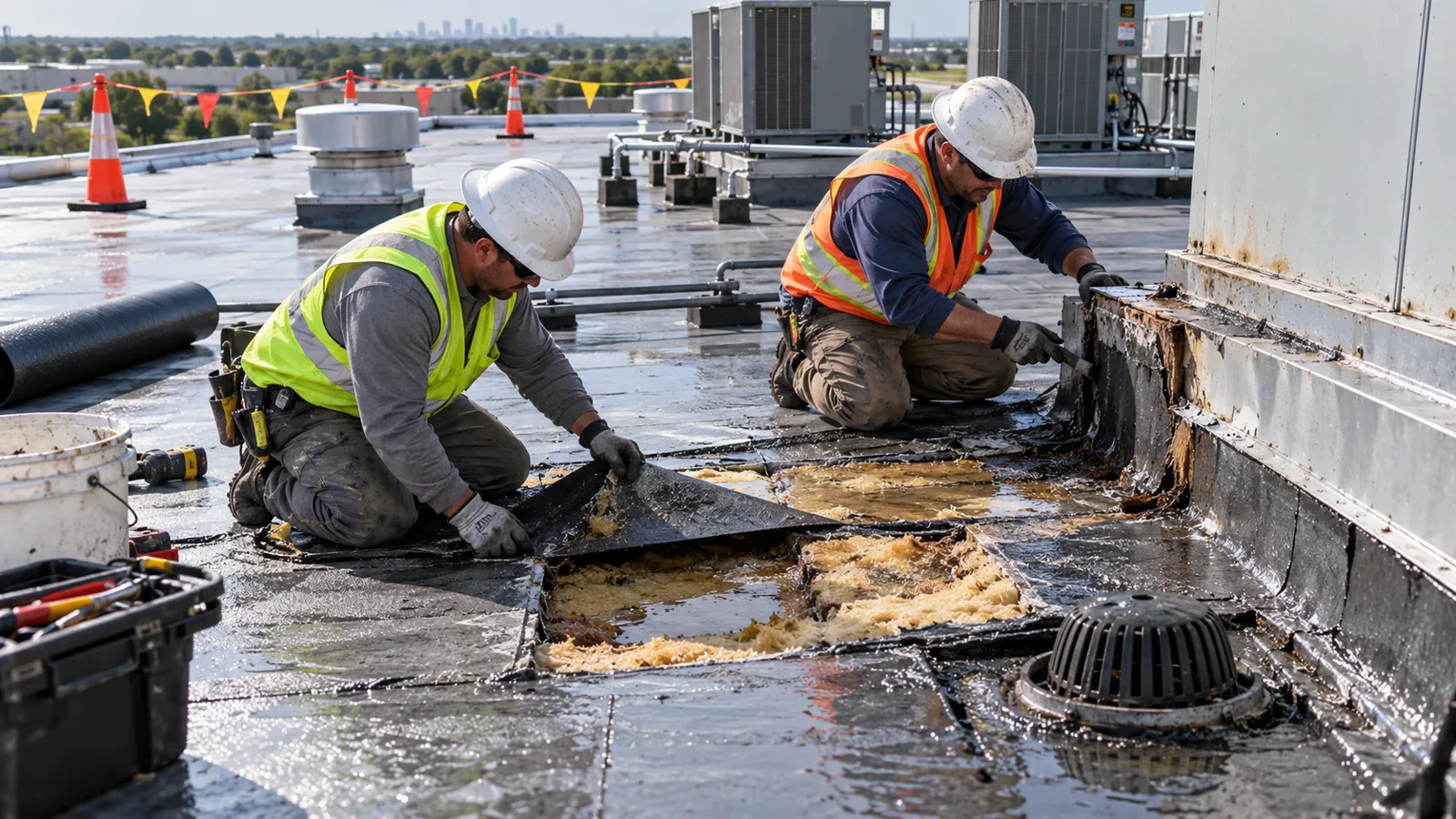
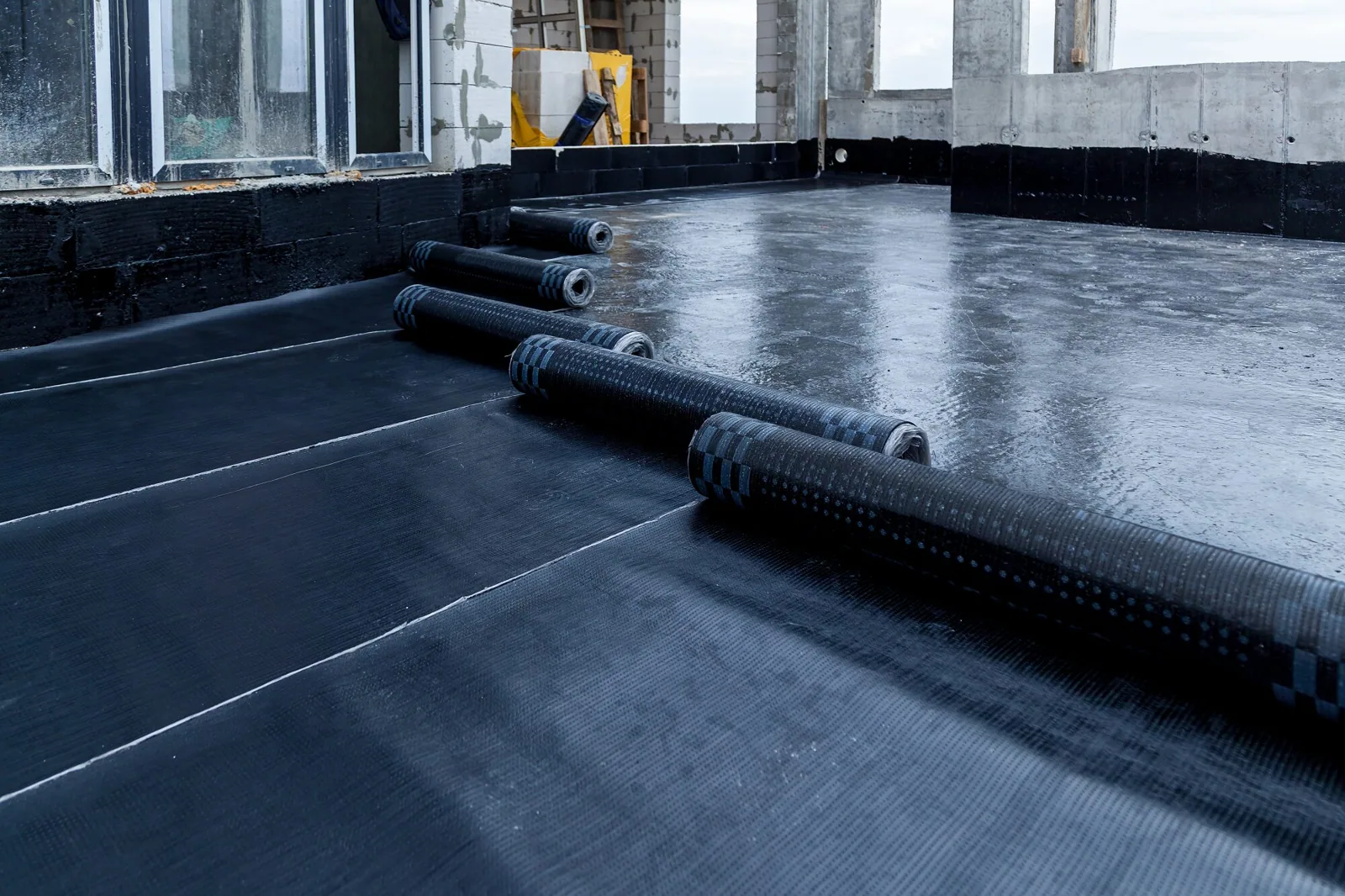
Most wall leaks we find on cold storage roofs call for flashing failure repair at a parapet or panel wall. We pull back the loose flashing far enough to see what it was fastened to. Sound backing stays. Wet or crumbling backing gets cut out and replaced, and if the wall needs structural changes, an engineer or the wall contractor weighs in before we go further. Then the new flashing is fastened and terminated at the top and tied into the field membrane at the base. Both ends matter. A new seam in the field does nothing if the top of the flashing is still open or the board behind it is still rotten.
A stain on a cooler ceiling shows roughly where water is showing up, not where it got in. Water can run along a panel joint or across the top of the insulation before it drips. So we trace it from the roof side, note what we find, and photograph the backing and flashing while they're exposed, before new material hides them. You get pictures showing why the wall work was needed and what it looked like when we closed it up. If something behind the wall still can't be seen, we tell you so instead of guessing or sizing the repair to the outline of the stain.
Membrane repair and wet insulation
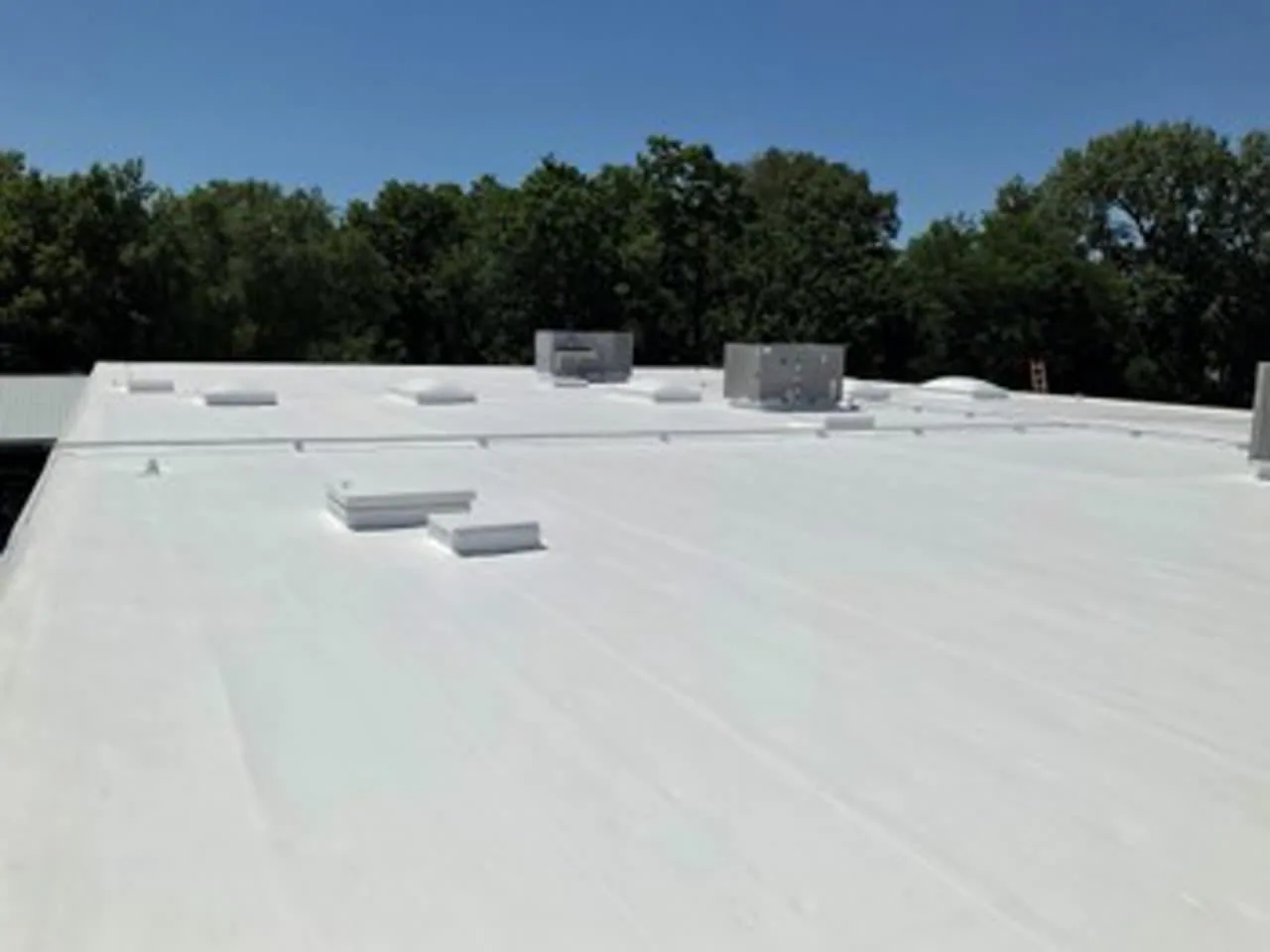
For commercial roof repair around that wall, we check how much of the existing membrane is still good. Sound membrane gets cleaned and prepped so the new material bonds to it. On TPO or PVC that means a clean surface the new piece can be heat-welded to; other roof types need their own detail. Worn-out membrane, or a stack of old patches, gets cut out until we reach material worth tying into. A coating won't fix rotted wall backing or reroute a refrigeration line, so we don't price it as if it could.
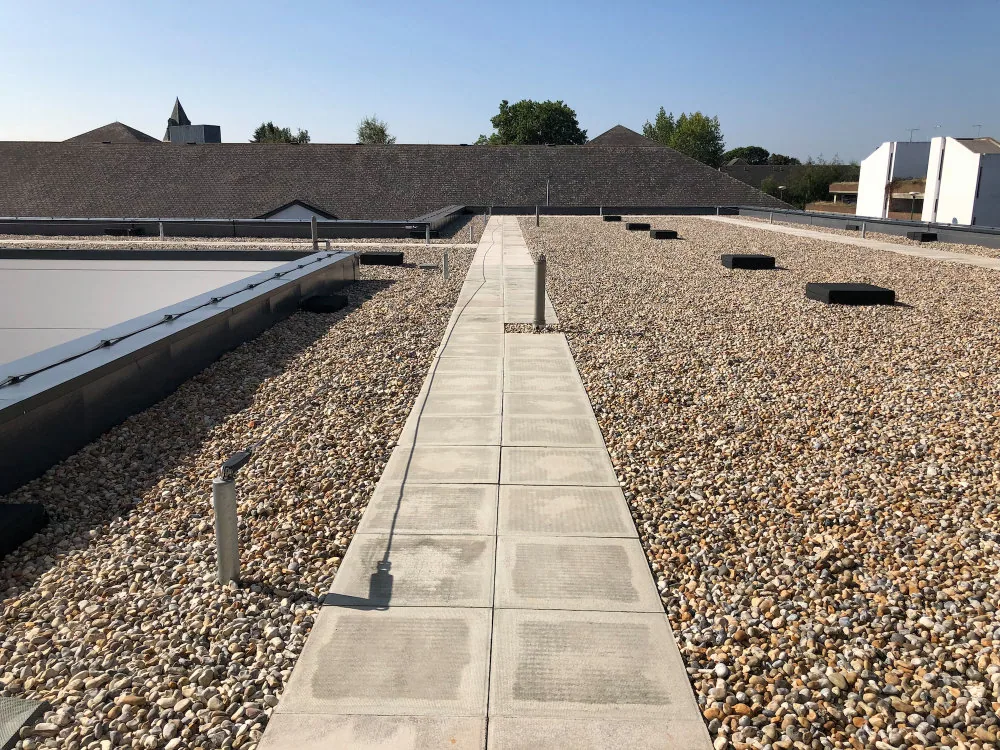
Cold storage roofs carry a specific risk. When the inside of the building is far colder than the outside air, moisture that gets into the insulation can condense or even freeze there, and a wet roof can look fine from above. If you're thinking about keeping the existing insulation and recovering over it, an infrared moisture survey helps point to wet areas, but readings over a refrigerated space can be tricky to interpret. We back the scan up with core cuts where they matter, patch every core, and protect the space below while we cut. The recommendation then rests on what the cores showed.
Refrigeration equipment and drains
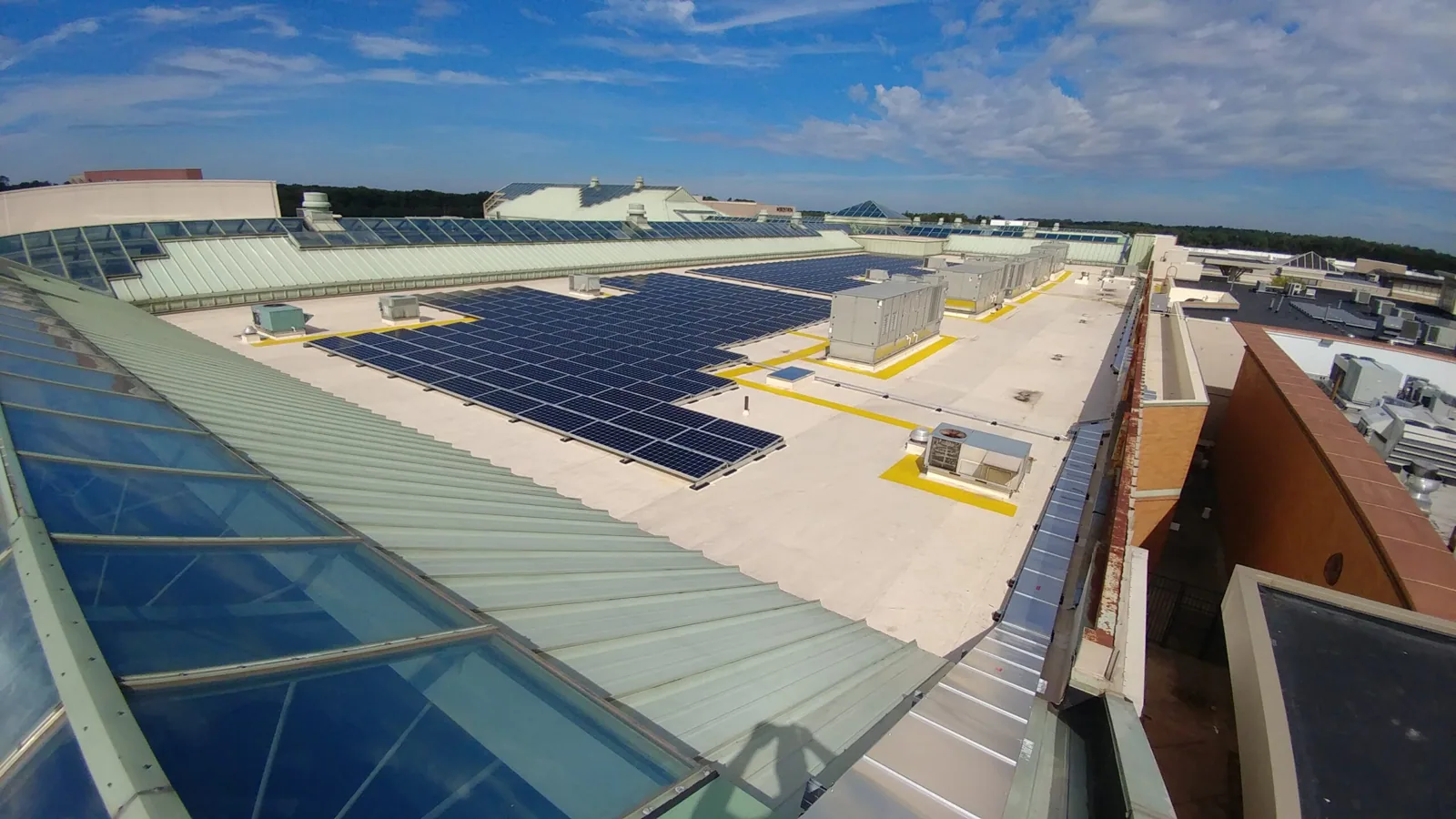
Cold storage roofs carry a lot of equipment: condensing units, refrigeration lines, exhaust fans, and the curbs and supports under them. Where our repair runs into a unit, we check the rooftop equipment curbs and supports first. Is the curb tall enough to flash properly? Is a support sitting on the membrane and wearing through it? If a unit has to be raised, disconnected or moved, that's the refrigeration contractor's job, and it gets scheduled before we flash the curb. Support changes may need an engineer. Our estimate lists what other trades have to do and in what order, so nobody shows up to flash a curb that isn't ready.
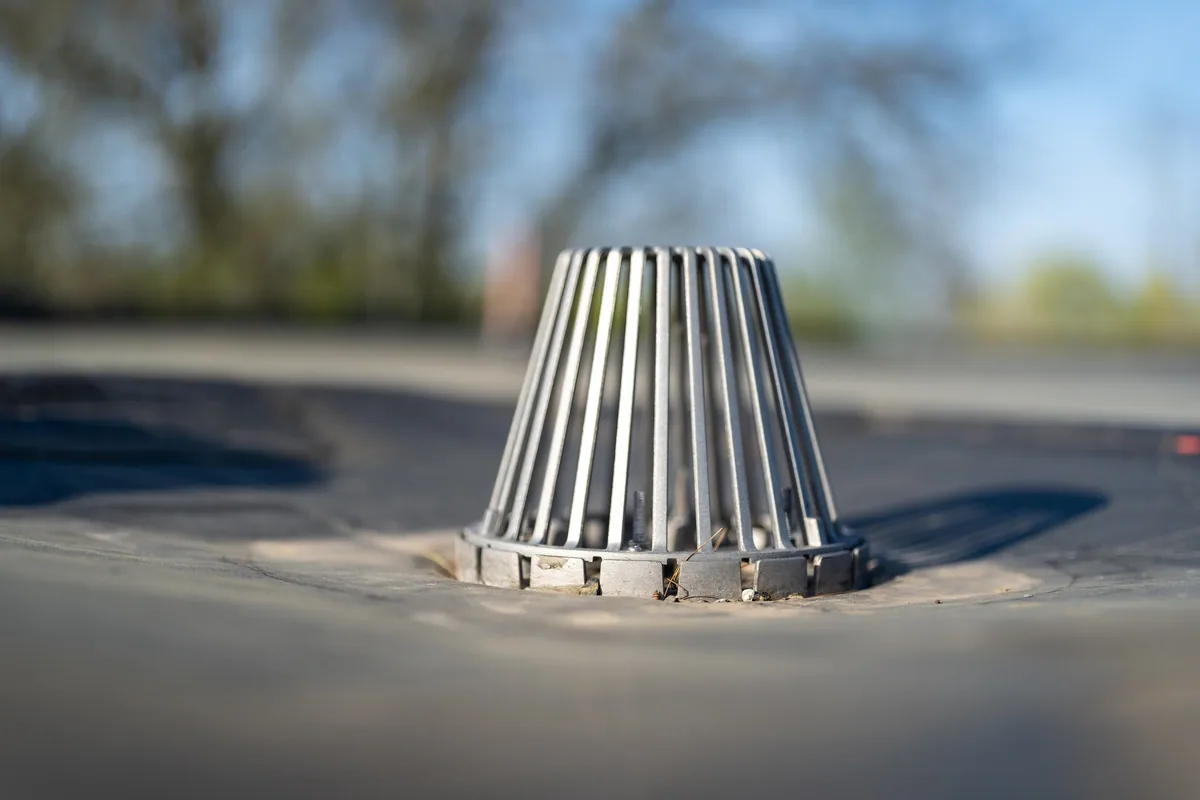
Roof drains work the same way. If the drain body or the pipe connection needs work, the plumber handles it, and an engineer may need to review any drainage change. We rebuild the membrane connection once the drain itself is sound. Drains, equipment and wall repairs are separate jobs, but each one has to be finished before the roofing around it can be closed up. A clean-looking roof doesn't mean the refrigeration lines, piping and walls under it have been dealt with, and the paperwork should make that clear.
Protecting product and the space below
Cold storage buildings rarely shut down for a roof job, so this is the part we plan most carefully. Before any reroofing over an occupied building, we mark exactly where we'll open the roof and how materials will move. Then we sit down with your facility manager. What's stored under that spot? Can pallets be moved or covered? Do forklift routes or dock schedules need to change? Your team and your refrigeration contractor decide how the space and equipment run during the work, and we set our precautions around that. We don't assume temperature limits or operating rules just because it's a cold storage building.
Sometimes the damage goes further than expected once the roof is open. When that happens we stop, photograph what we found, and explain why the opening needs to get bigger. The new area gets the same review: what's below it, how it will be protected and how the crew gets to it. If we're waiting on the wall contractor or the refrigeration tech, the roof gets a temporary seal so it stays watertight in the meantime. You get a revised scope showing the extra material, the temporary protection and the permanent repair still to come, so the plan for the first opening isn't quietly stretched over the second.
Closeout and nearby buildings
When the job is done, you get a closeout record: what wall backing was replaced, how much old membrane came off, where the new flashing went, and where each core was cut and patched, with photos taken while everything was open. It also lists anything still waiting on another trade, such as a refrigeration line to reset, a drain the plumber needs to finish or a wall section still owed. A finished flashing detail doesn't settle those. If another part of the roof needs a closer look, we say where and why instead of letting one repair stand in for the whole building.
For cold storage buildings in the Great Southwest Industrial District, we schedule inspections around dock and shift activity. If your portfolio also includes distribution center roofing or manufacturing plant roofing, each of those buildings gets its own inspection and estimate. The cold storage estimate stays tied to what we found on that roof, which gives you numbers you can compare and a clear record for whoever handles the roof next.
Common Questions
Did the February 2021 winter storm damage our cold storage roof?
Maybe. Hard freezes split flashing and crack seams, and on a refrigerated building the damage can hide under frozen insulation. We'd inspect the roof and check the insulation and walls to know for sure.
Why does the wall need work before the flashing is replaced?
New flashing is only as good as what it's fastened to. If the backing behind it is wet or rotted, it gets rebuilt first, then we install the flashing and tie it into the roof membrane. The estimate shows both steps.
How do you protect refrigerated product during roof work?
We show your facility team exactly where we'll open the roof and how material will move. They decide what gets moved, covered or rescheduled, with input from your refrigeration contractor. We plan our precautions around those decisions, not generic rules.
What if other trades still have work left when the roofing is done?
The closeout record lists it: which unit, drain or wall section is still open, and who is handling it. Anything waiting on another trade gets temporary protection. Finished roofing doesn't mean that work is done.
Schedule a cold storage roof inspection
Have your facility manager set up a visit. We'll show you the wall backing, membrane work and interior protection the flashing repair will need.
- cold storage wall flashing and backing preparation
- cold storage membrane repair and material removal
- cold storage roof observations and assembly inquiry
- cold storage component support and flashing review
- cold storage roof removal and interior protection review
- Great Southwest-area cold storage roofing examination
- distribution roof outlet preparation and removal review
- manufacturing roof component work and backing duties