
Multi-Site Roof Programs in Arlington, TX
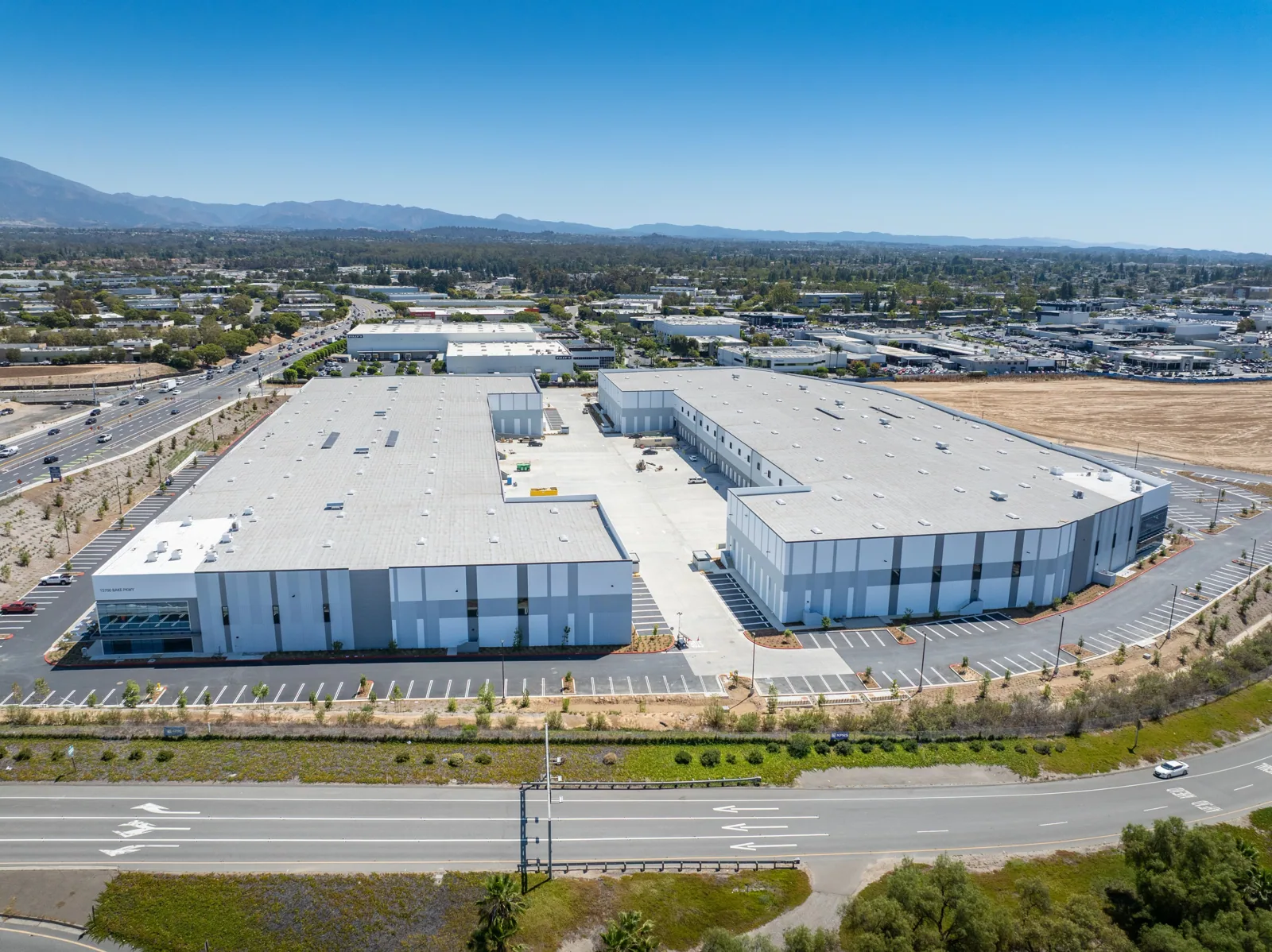
Multi-Site Roof Programs
Coordinate Arlington roof work across several buildings with separate findings, complete work packages and a clear record of each site’s outstanding decisions.
On November 24, 2020, Arlington experienced an EF-2 tornado. An owner reviewing roofs across several properties after a weather event needs separate findings for each building. A shared event date can organize the inquiry, but it cannot establish a common defect or repair method. One address may need immediate protection while another needs an inspection to explain a reported stain. The program should preserve those differences from the first report through completed construction.
Commercial Roofing Services Arlington helps owners coordinate multiple roof projects without losing the individual building decisions. We organize inspections, defined corrections and unresolved questions by property. Shared scheduling can help when the required work allows it. Each building still needs its own examined construction, authorized access and complete scope. A useful program tells the owner which job can proceed and which job is waiting for information or another party.
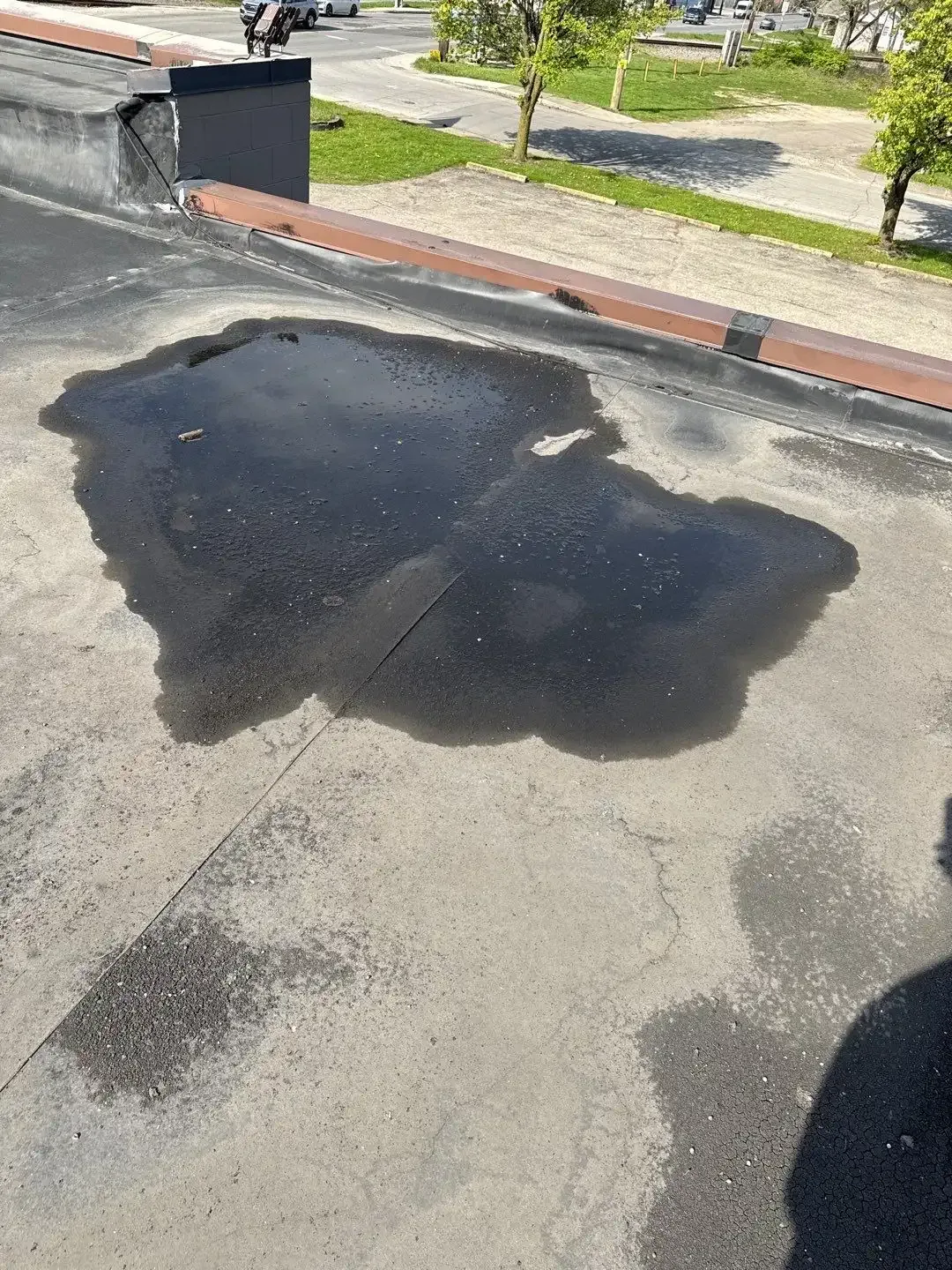
Site register: identify every assigned roof
Give each property and roof section a recognizable identifier. Connect its address, local contact, available plans and repair history to that identifier. A group of buildings can include different installation dates, materials and later alterations. Do not transfer the assembly description from one address to the next. Where the records are missing, retain the gap and arrange investigation when it affects the construction being considered.
Document who can approve work and who arranges access at each site. A regional owner's authorization may still require coordination with an on-site representative for the affected spaces. Identify the actual arrangements rather than assuming that a key or contact from one visit covers another building. That information should remain beside the roof findings, so the scheduling team can identify the access arrangements needed for construction.
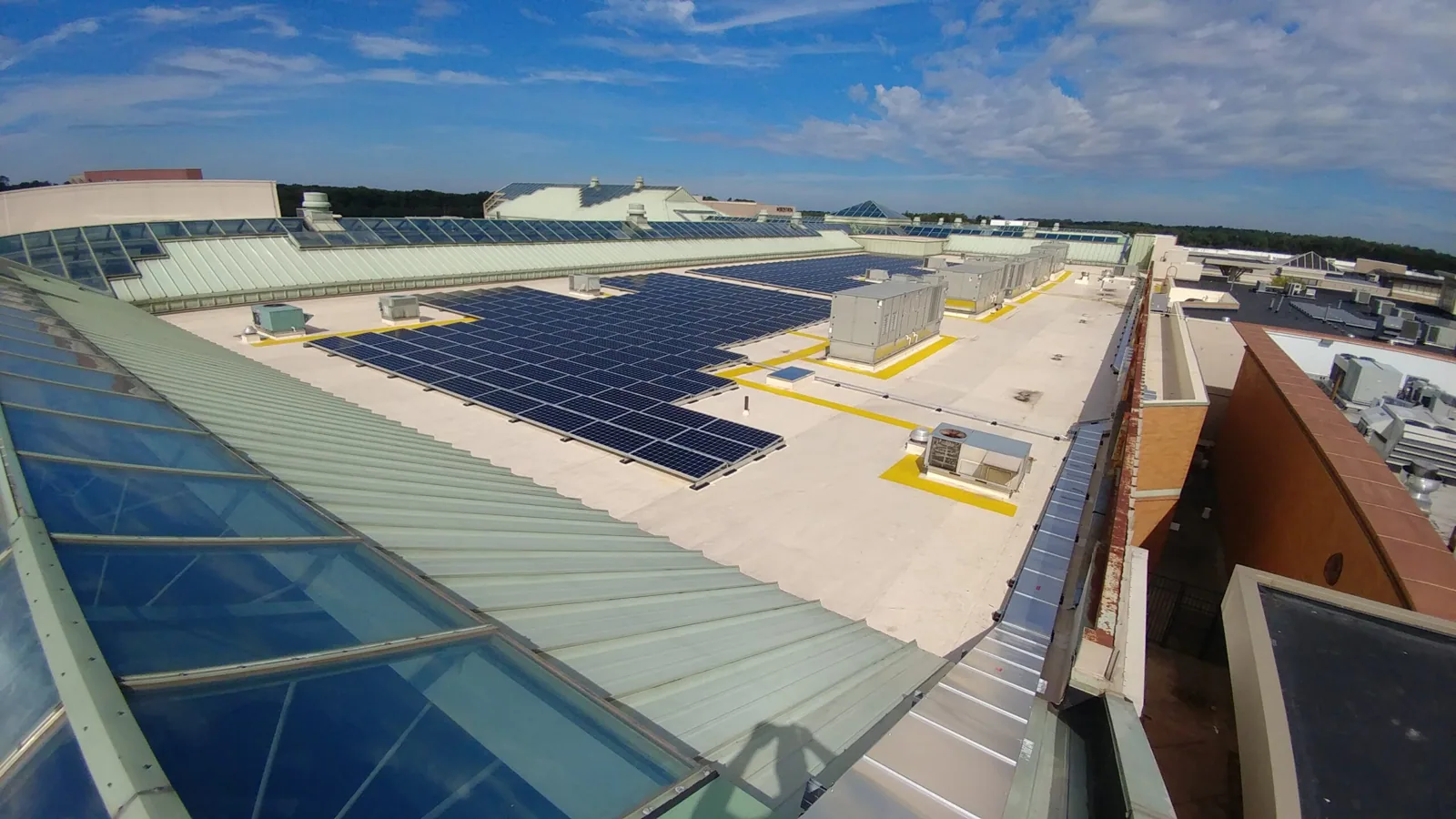
Condition review: use common questions
A consistent commercial roof inspection format makes the records easier to compare. It should identify accessible areas, findings, limitations and recommended next steps. Consistency means asking useful questions at every building. It does not mean assigning the same defect, severity or repair to roofs with different evidence. Photographs need recognizable locations so an owner can connect a budget item to its supporting observation.
Where hidden conditions could change a retained method, arrange suitable investigation at the relevant building. Record what its result establishes and what remains unexamined. A wet area confirmed at one property cannot define the removal boundary at another. Nor can a dry examination point clear every area at its own address. Keep construction choices tied to the actual scope of each inquiry before combining the work into a regional schedule.
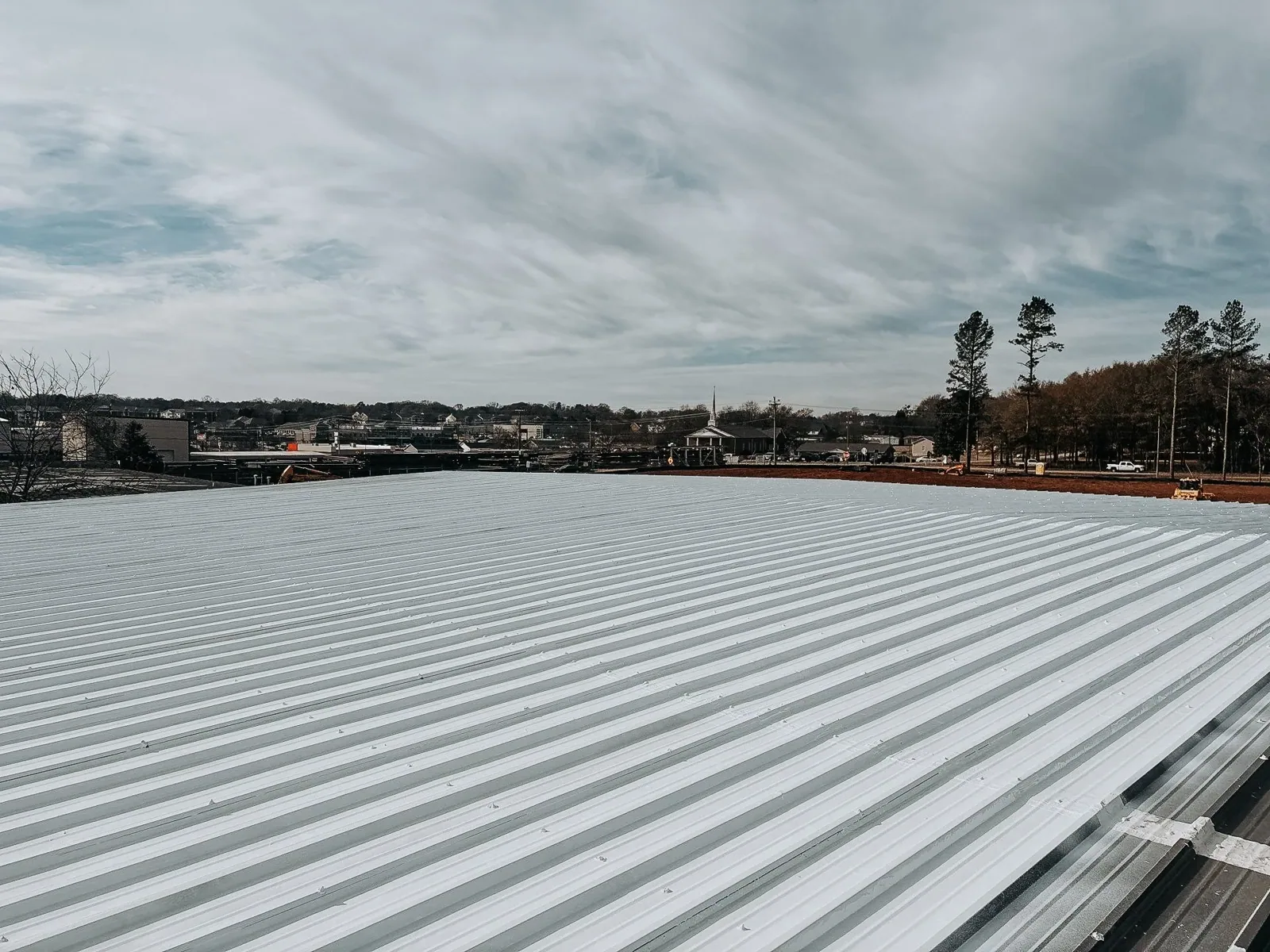
Work packages: keep the complete correction together
Build the proposed package around the defect and the adjoining work necessary to correct it. Commercial roof repairs may require removal of unsuitable layers, backing preparation and compatible connections. Identify those tasks alongside the visible membrane quantity. Where another component or trade must be ready first, record its responsibility and the confirmation needed before roofing proceeds.
Some properties may need commercial roof replacement planning while others need a defined repair. Compare their priorities using the current findings and the consequences of delay. Explain why an urgent correction is distinct from a later improvement. A regional total alone is insufficient for approval when it hides which building has an active problem and which amount remains a provisional construction allowance.
Sequence: share setup where the work permits
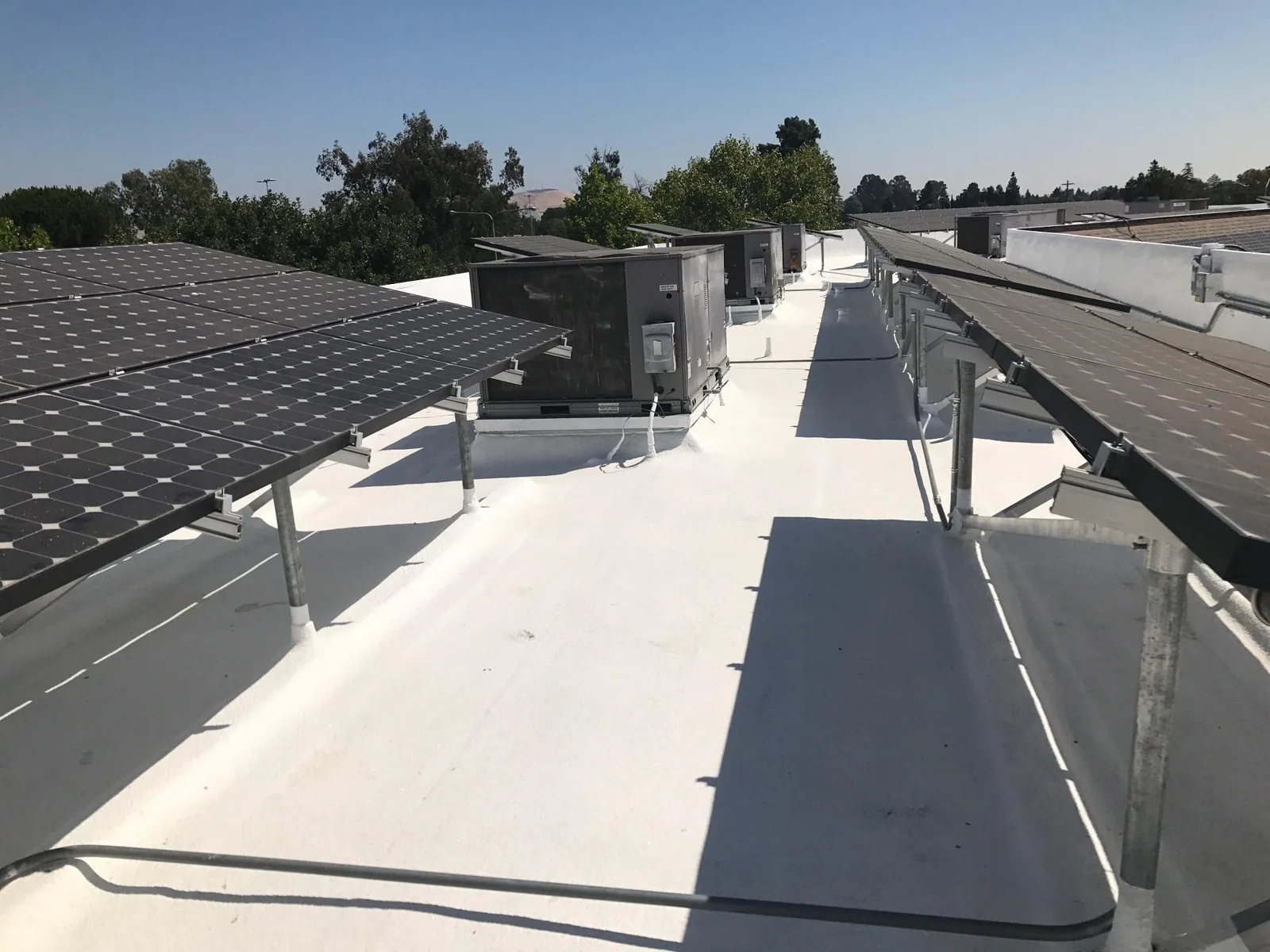
Grouping visits can reduce repeated arrangements when the buildings and proposed tasks allow it. First confirm access, protection, materials and component readiness separately at each address. A job with an unresolved wall connection should not be treated as ready merely because a crew is working nearby. Show the prerequisite and the responsible party. The owner can then decide whether another complete package should proceed while that question is resolved.
Roof capital planning can align the individual packages with available funds. Carry the costs of necessary temporary boundaries and repeated setup into any phasing comparison. When work will resume in a later budget period, identify how the earlier construction will be protected and connected. The schedule should describe complete, usable phases rather than stopping solely when the allocated amount has been spent.
Arlington coordination: retain the actual address
A program covering Downtown Arlington and surrounding business districts, the Great Southwest Industrial District and South Cooper Street Corridor can group logistics while keeping every property separate. List each building by address, local contact and proposed inspection scope.
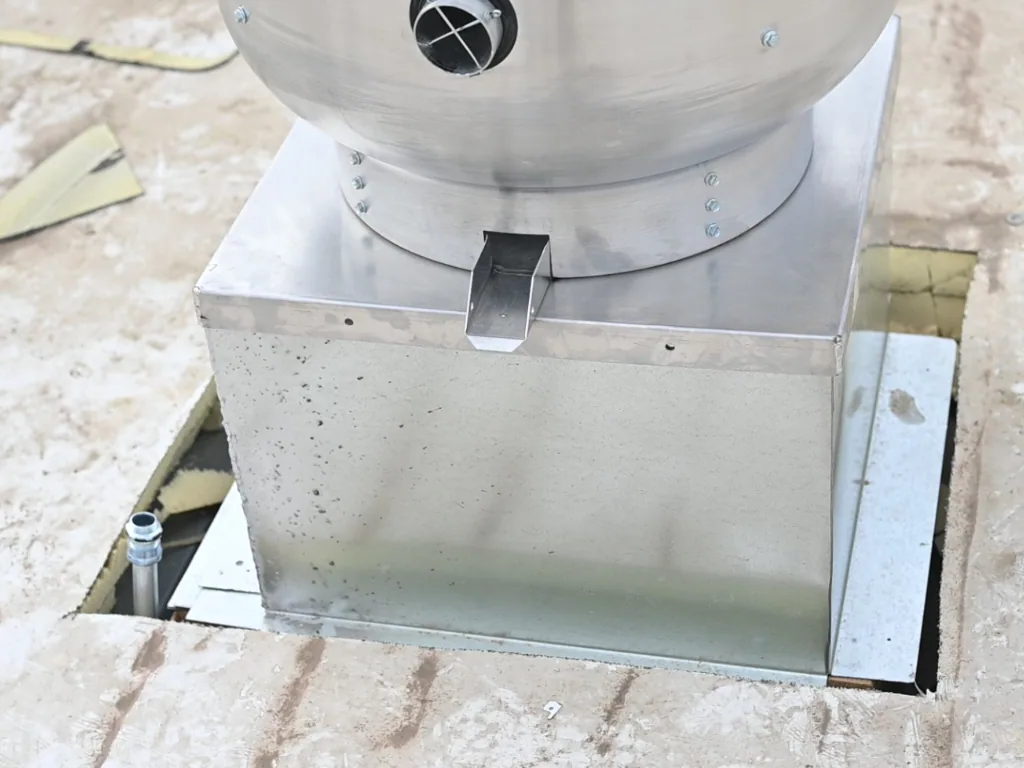
At an assigned warehouse property, confirm the handling routes and spaces below the proposed opening with the facility. An office or another warehouse may have different arrangements. Keep those instructions with the particular package, including any changes made after an additional finding. This gives the crew and owner a clear basis for arranging the work without borrowing another site's permissions or operating assumptions.
A multi-site roof register needs a unique identifier for each assigned building, plus roof sections that can be revisited without confusing one property with another. Set common reporting fields for material, concern, urgency, recommended work and status, while allowing each site to retain its own assembly and access requirements. Group visits only where travel or setup can be shared; do not let a portfolio schedule turn a visual resemblance into a common repair quantity. Separate temporary protection, approved construction, work in progress and completed work in the dashboard or owner report. When an observation changes, retain the date, source and reason so an earlier budget assumption is not silently overwritten. The annual review can then compare actual spending and unresolved risk with the plan using the same building references. Keep contract authority and local operating instructions tied to the responsible site contact.
Status: distinguish proposed and completed work
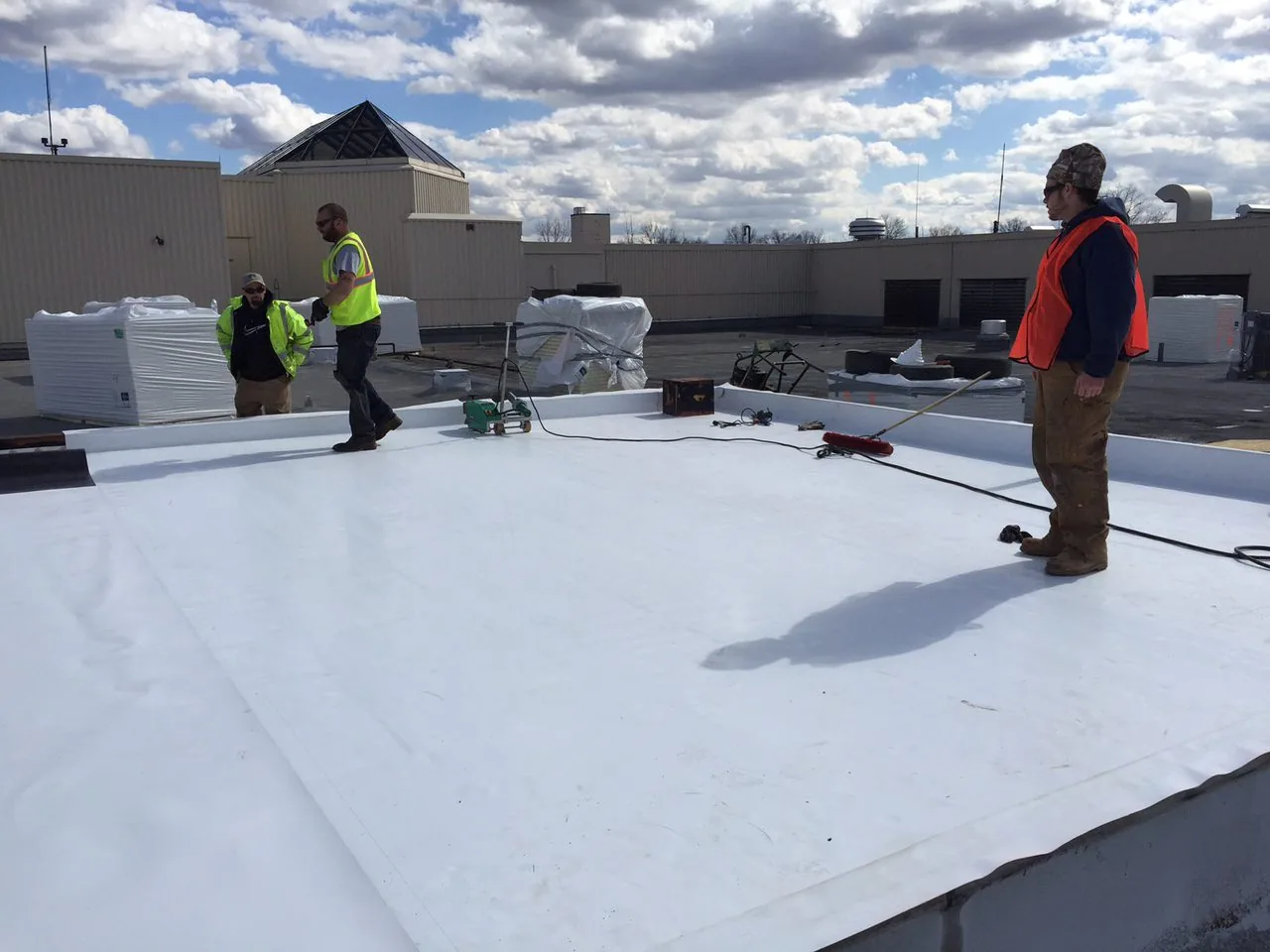
Record the stage of each package plainly: awaiting investigation, ready for approval, authorized, temporarily protected or permanently completed. Attach the supporting findings and actual changes to the same roof identifier. A purchase order does not establish that construction occurred. A temporary covering does not establish that the permanent detail is finished. The owner should be able to see the next required action without reading every invoice.
Roof asset management preserves the result after a package closes. Retain removal limits, concealed findings, installed materials and photographs of work that was covered. If another component remains outstanding, keep it visible. The following review can then compare current conditions with documented corrections, while avoiding an unexplained reset of every building to the same planning assumption.
Common Questions
What information is needed to begin a multi-building program?
List the actual addresses, roof areas, local contacts and available construction records. Include current concerns and the person authorized to approve work. We recommend beginning with those distinctions so inspection results, proposed costs and access arrangements stay attached to the correct property.
Can you apply one roof specification across every building?
Assess each assembly and proposed scope before selecting a method. Similar visible coverings can conceal different layers or support conditions. A shared specification must be appropriate to the actual work at every included area; visual resemblance or common ownership does not establish that suitability.
How should we handle a site that is not ready for construction?
Identify its missing investigation, permission, component preparation or approval, along with the party arranging it. Review whether another complete work package can proceed independently. Keep temporary protection and the remaining permanent correction visible so a scheduling change does not make unfinished work disappear from the program.
What shows that a regional roof package is complete?
Use building-specific completion records showing the permanent work delivered, relevant concealed findings and restored examination openings. List outstanding trade duties or temporary measures separately. A regional spending total can summarize cost, while the individual records establish what construction actually reached completion.
Coordinate the next steps across your buildings
Send the property list, current roofing concerns and available records. We will identify the site reviews and work prerequisites, then organize complete packages with clear status at each address.