
Standing Seam Metal Roofing in Arlington, TX
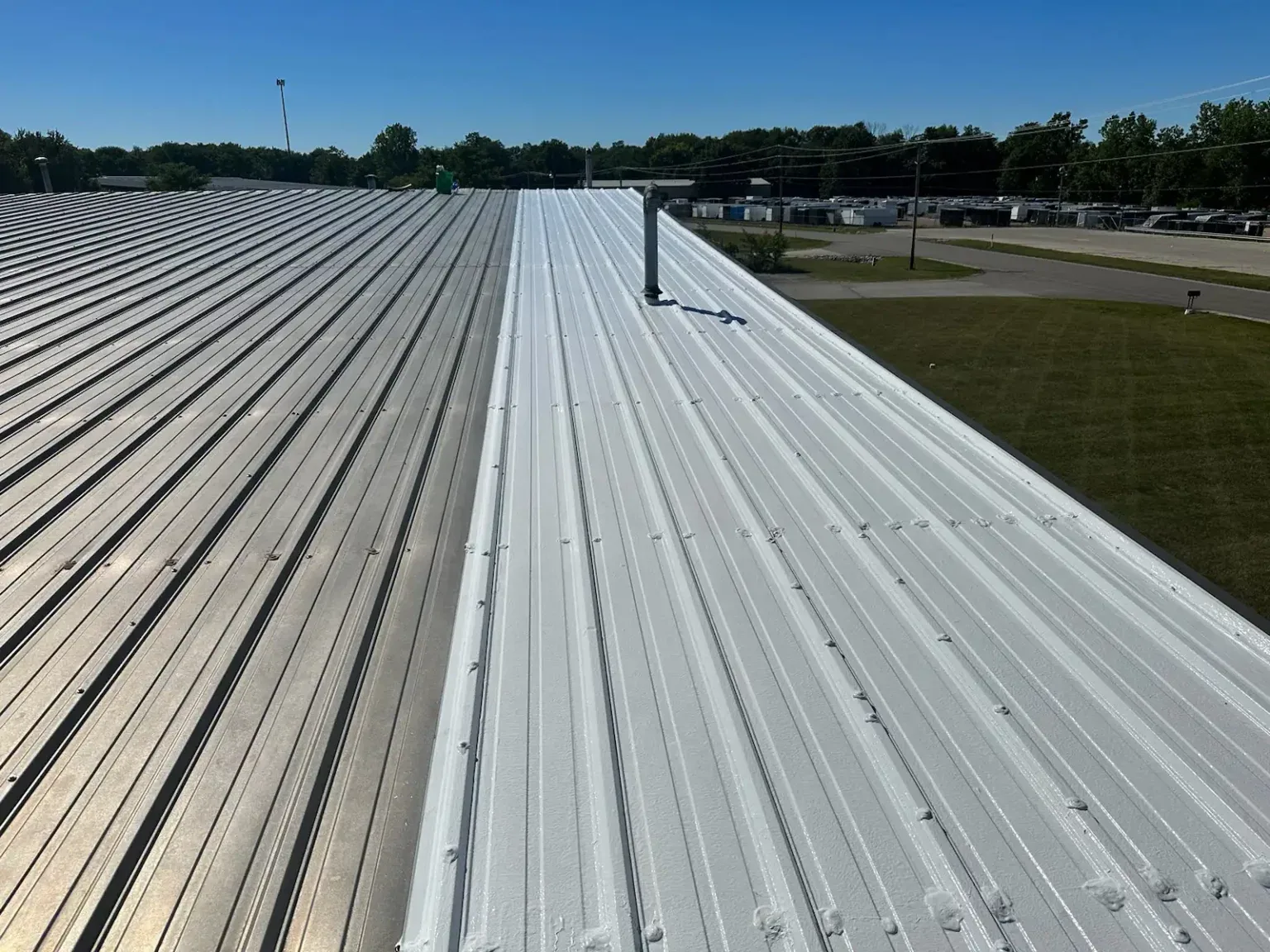
Standing Seam Metal Roofing
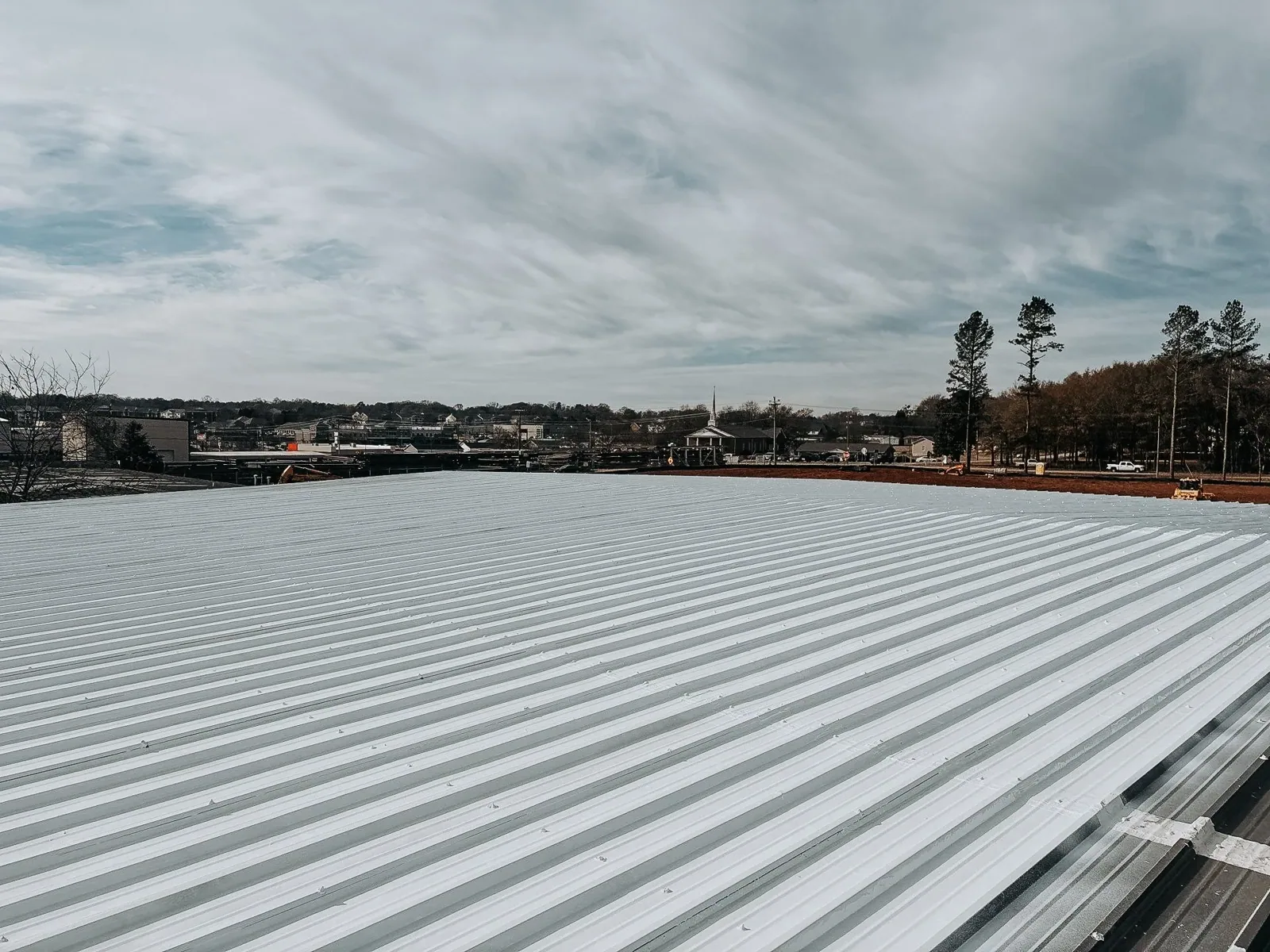
Standing seam metal roofing in Arlington, TX: we identify the panel profile, seam type and clips, then plan seam repairs, support review and curb flashing.
An EF-2 tornado hit Arlington on November 24, 2020, and metal roofs across the area have needed attention since. Every standing seam metal roof in Arlington, TX still needs its own inspection, starting with the panel profile and how it's fastened. MBCI describes concealed-fastener standing seam systems with both snap-lock and mechanically field-seamed panels. The actual panel and fastening system determine which product information we need before writing repair instructions.
For portfolios with buildings in Midlothian and Hutchins too, we compare details against what's actually installed.
We review any panel records and inspect the seams, transitions and old repairs we can reach. The allowance explains which seam or detail needs repair and where framing or curb review has to come first, so you can schedule that work with a defined panel and flashing scope in hand.
Panel profile: what's on the roof now
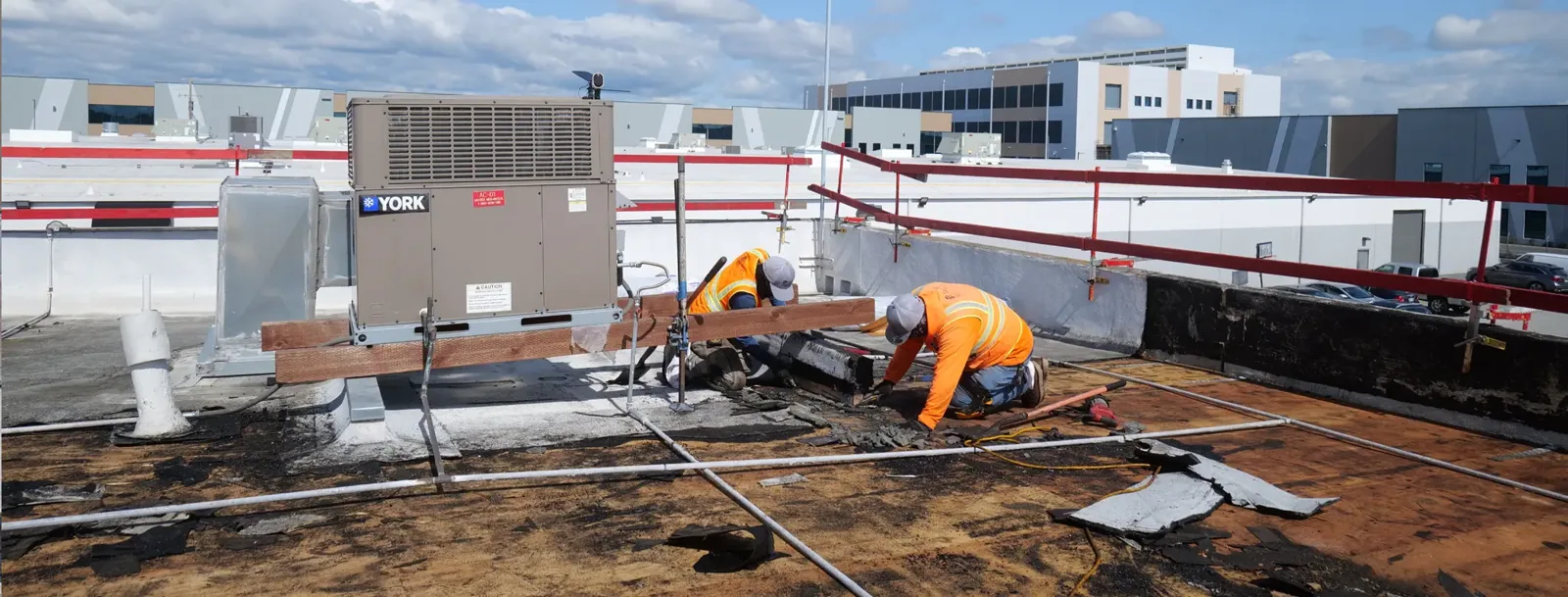
A roof may have panels with different profiles, or details changed during past work. We identify what's there and compare it with any product records. A repair needs the specific panel and nearby materials confirmed, including any old patch at the seam. Where we can't yet confirm the product, the allowance says what needs checking before the permanent repair.
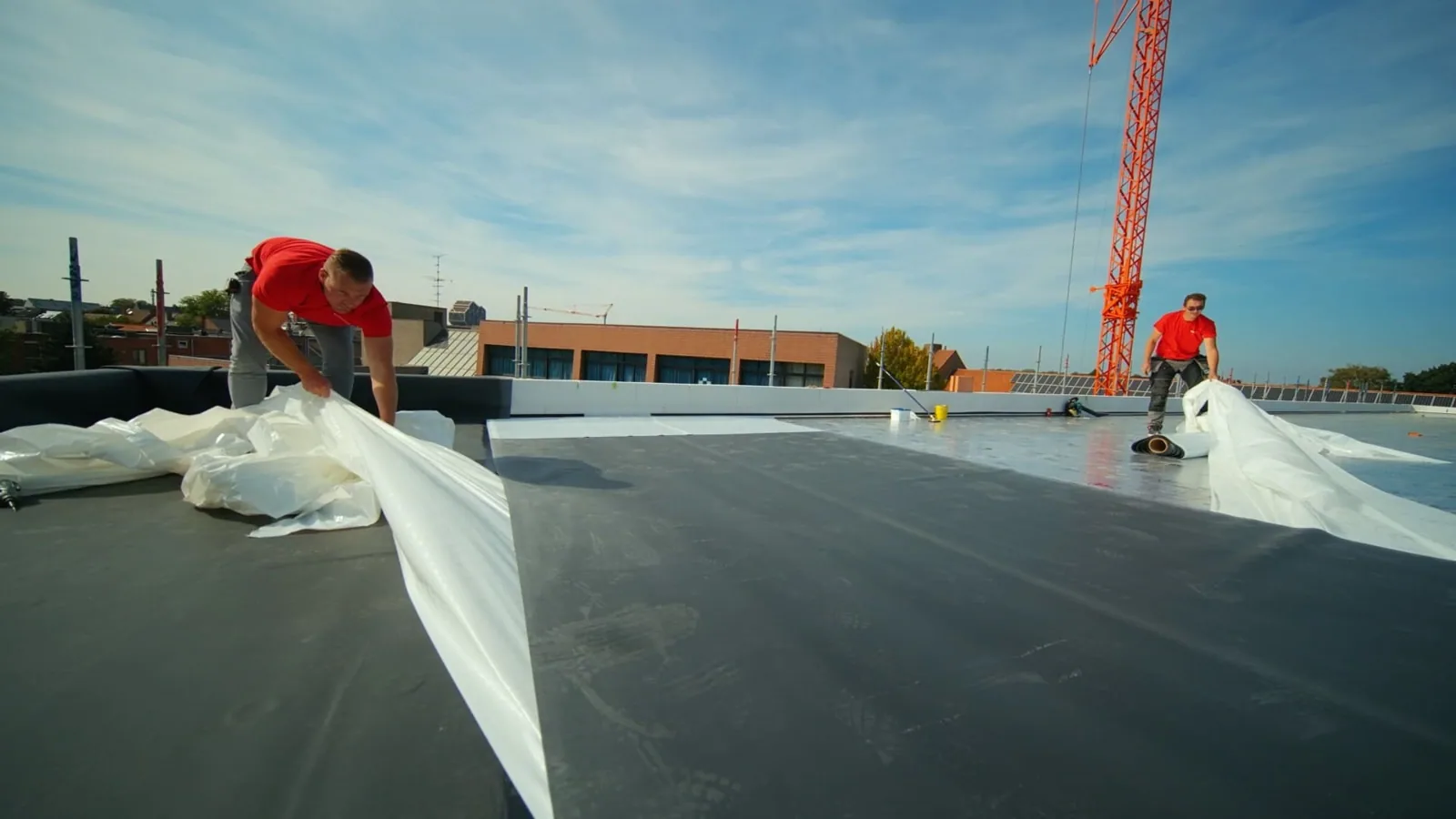
A metal roof retrofit is a bigger project with its own requirements. A TPO roofing alternative needs its own membrane prep and metal transitions. You need to see the work in each option, not assume a panel family name answers every detail question. We keep the material description tied to specific roof areas and the prep for the repair.
Seam type: snap-lock vs. mechanically seamed
Standing seam panels are joined with either snap-lock or mechanically seamed connections. The repair needs the installed profile identified before choosing a tool or method. We inspect the seam and any earlier repair, then confirm which product detail applies. A flattened or altered seam may need a closer look at the panel and clips; it shouldn't just be written up for "re-seaming" without inspecting the metal.
A commercial roof leak repair visit traces the reported leak to the right seam or nearby flashing. We separate fixing that seam from replacing a damaged section of panel, so you can compare the material and access involved. Coating over a seam and repairing the formed metal seam are different jobs, and the allowance should make that clear.
Clips and framing: check before changing the seam
The clips and framing under the panels need review wherever the repair affects them. MBCI's snap-lock panels use clips that let the metal expand and contract with temperature, but your roof still needs its actual product and clip setup identified. We check what information is available and note what needs confirming before designing a permanent change.
The scope lists framing review as its own item, with an engineer involved where needed. We don't judge hidden clips or purlins by how the panel surface looks. You can arrange the investigation and structural assessment before the crew changes the seam. Drawings, product details and findings are tied to the work area, so the repair follows confirmed panel and framing requirements.
Openings and edges: include the curb and trim work
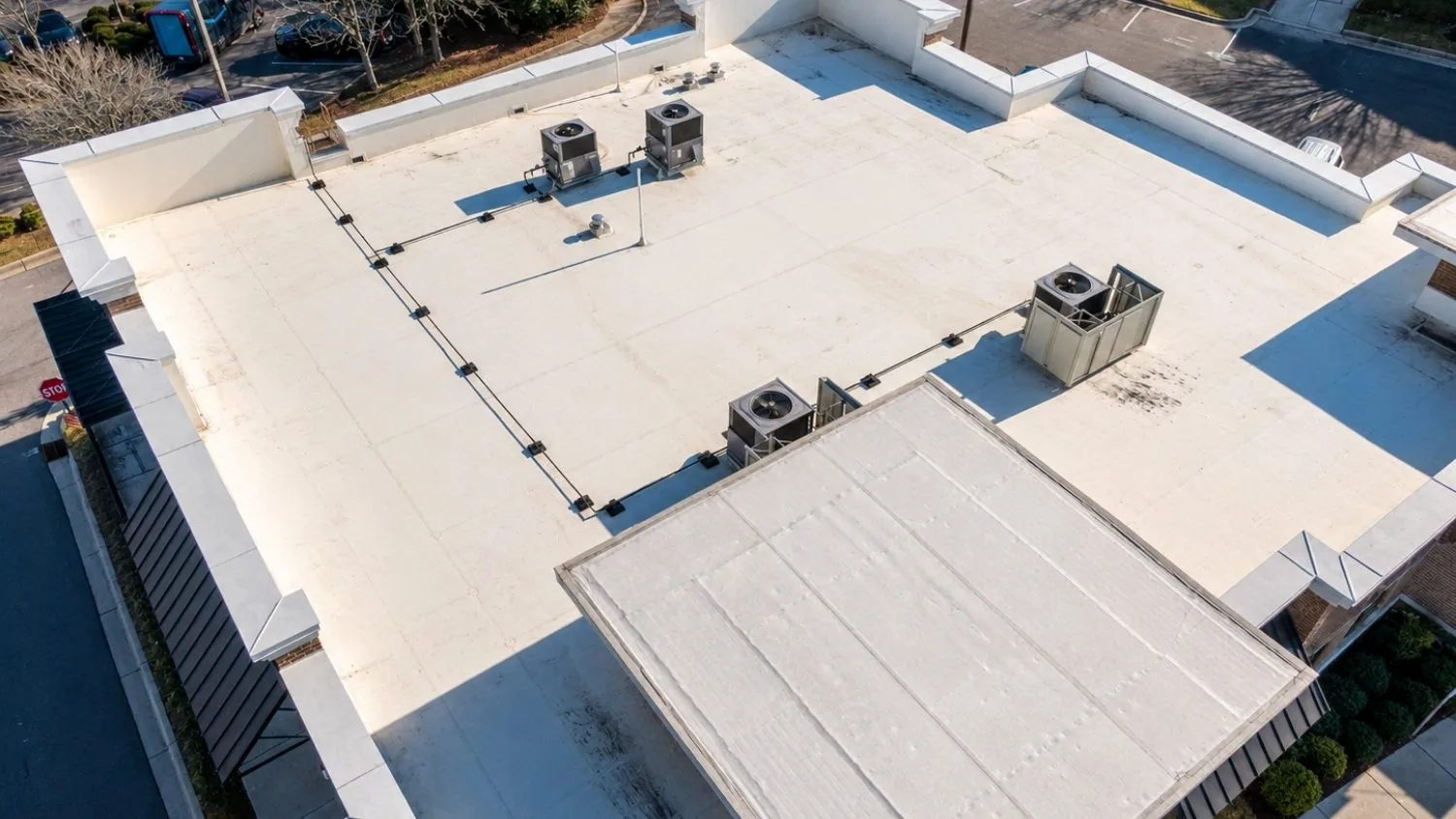
A curb, pipe or roof edge may join the panels through a detail with damaged blocking or a worn curb. We note the damage and any old repairs at that spot. The allowance makes the curb work clear and says when it comes before the permanent flashing, so it isn't hidden behind a general panel repair line.
A skylight and penetration flashing assessment defines the work at each opening. We take wide photos for location and close-ups of the problem, so another crew can find the same spot and understand the repair. The permanent flashing is then built against sound materials, with product confirmation and any curb repair done first.
Thermal movement: keep the panels free to move
MBCI describes clips that allow thermal movement in its snap-lock panel system. A repair involving that system needs the clip and panel details reviewed together. New fasteners, an equipment support or a changed edge detail all have to work with the panels' movement. Changes that could pin the panels go to the manufacturer or an engineer for review before the crew adds anything new.
An occupied building reroofing plan organizes the work areas and coordination with your building. The metal scope separately lists the panel work and any changes at edges or openings. You should know whether the job restores an existing detail or creates a new one that needs review. Keeping that clear helps coordinate HVAC and other trades with the roofing, so nobody alters the panels with undocumented work.
Standing-seam panels move as temperatures change, so the panel profile, clips, fasteners and end conditions need to be understood together. Confirm whether seams are snap-lock or mechanically seamed before selecting a repair method. Inspect attachment and support where a panel has lifted, oil-canned or leaked; changing the exposed seam alone may leave a concealed clip or substrate problem. At roof openings, show how the curb and panel ribs meet, including closures and flashing that maintain the water path. The scope should distinguish replacement panels from retained material and state how dissimilar metal or damaged finishes are handled. If movement or support design is uncertain, identify the qualified review needed before fastening a retrofit detail. The record should keep profile, connection method, repairs and replaced sections together for the next inspection.
Records: keep the panel and seam information
Your site contact gives us the roof areas and any panel documents. We inspect the installed profile and older details, then define the seam prep and any framing or curb work for the permanent repair. The method follows the product and what we find on that roof.
For standing seam metal roofs in Downtown Arlington and nearby, the closeout shows the product and the repaired details by location. We photograph the prep, curb repairs and any open questions with roof landmarks. A later contractor can find the same seam before planning more work, and project and manufacturer documents stay with the record.
Common Questions
What panel information do you need before a standing seam repair?
The installed profile, the seam type and any older repairs in the work area. We match the repair to the actual product and its seam requirements.
How should hidden clip questions show up in the price?
As a listed investigation and review item wherever the repair affects the panel attachment. That review happens before any permanent change to the seam.
What do you record when looking into a metal roof leak?
Where the leak showed up inside and what we actually found at the seams and flashing above it. We describe the repair our findings support and any investigation still needed.
How can another crew find the repaired seams later?
The record keeps the panel type, prep and repair locations together, with photos and any open framing questions, so future work starts from what was actually done.
Get your standing seam repair defined
Send us your Arlington panel records and the work areas. We'll review seams, older repairs and nearby details, then define the prep and any framing or curb review.
- metal retrofit comparison identifying retained panels and proposed supporting construction
- TPO alternative defining membrane preparation and metal transitions separately
- standing seam leak investigation comparing entry reports with located panel details
- metal penetration assessment locating component correction and permanent flashing requirements
- occupied property review defining work areas and agreed project coordination
- downtown Arlington standing seam work with panel identification and corrected connections documented