
Commercial Roofing for Arlington Public Agencies
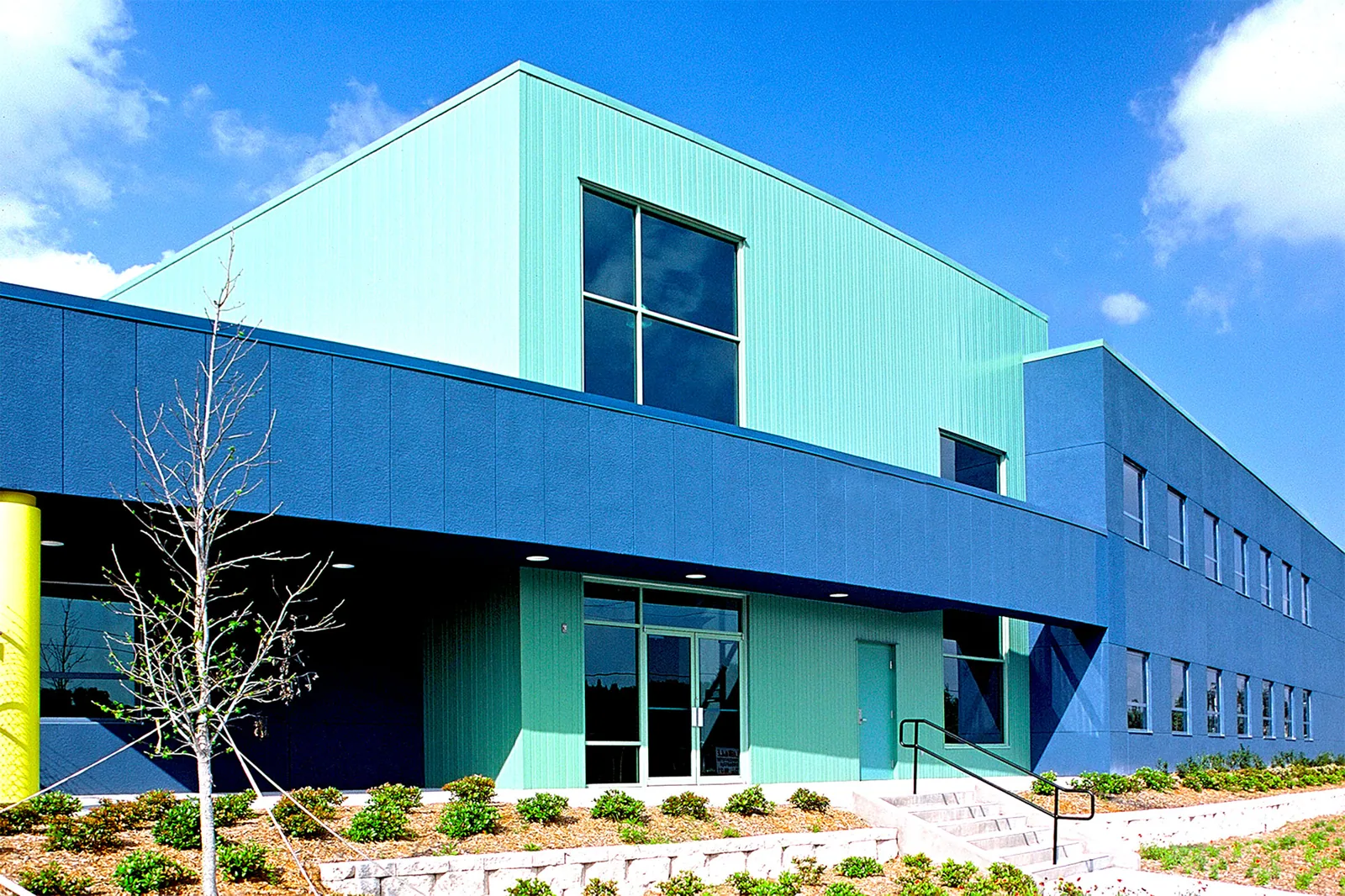
Public Agencies
Roofing for Arlington public agencies: inspections, repair and replacement scopes with clear work limits and other-trade items, so you can compare complete bids before approval.
The February 14-17, 2021 winter storm hit North and Central Texas hard, and many public buildings are still dealing with roof problems from that week and the years since. But a storm date doesn't tell an agency what roof is on a building, whether it's defective or what work to authorize. That takes a condition review of the building and the agency's own project requirements. What you need from a roofer is a clear report of what was found, the repair proposed and which decisions are still open at that property.
We review public roofs across Downtown Arlington and the city's West District, and every building gets its own scope and work limits.
Commercial Roofing Services Arlington supports public agencies with roof inspections and clearly defined repair and replacement scopes. Findings, access plans and other-trade work stay attached to the bid package. A good proposal makes it clear what the roofing contractor will deliver and what another trade has to provide, so you're comparing complete work, not totals that quietly price different tear-off, wood blocking or equipment work.
Getting started: the building and who approves the work
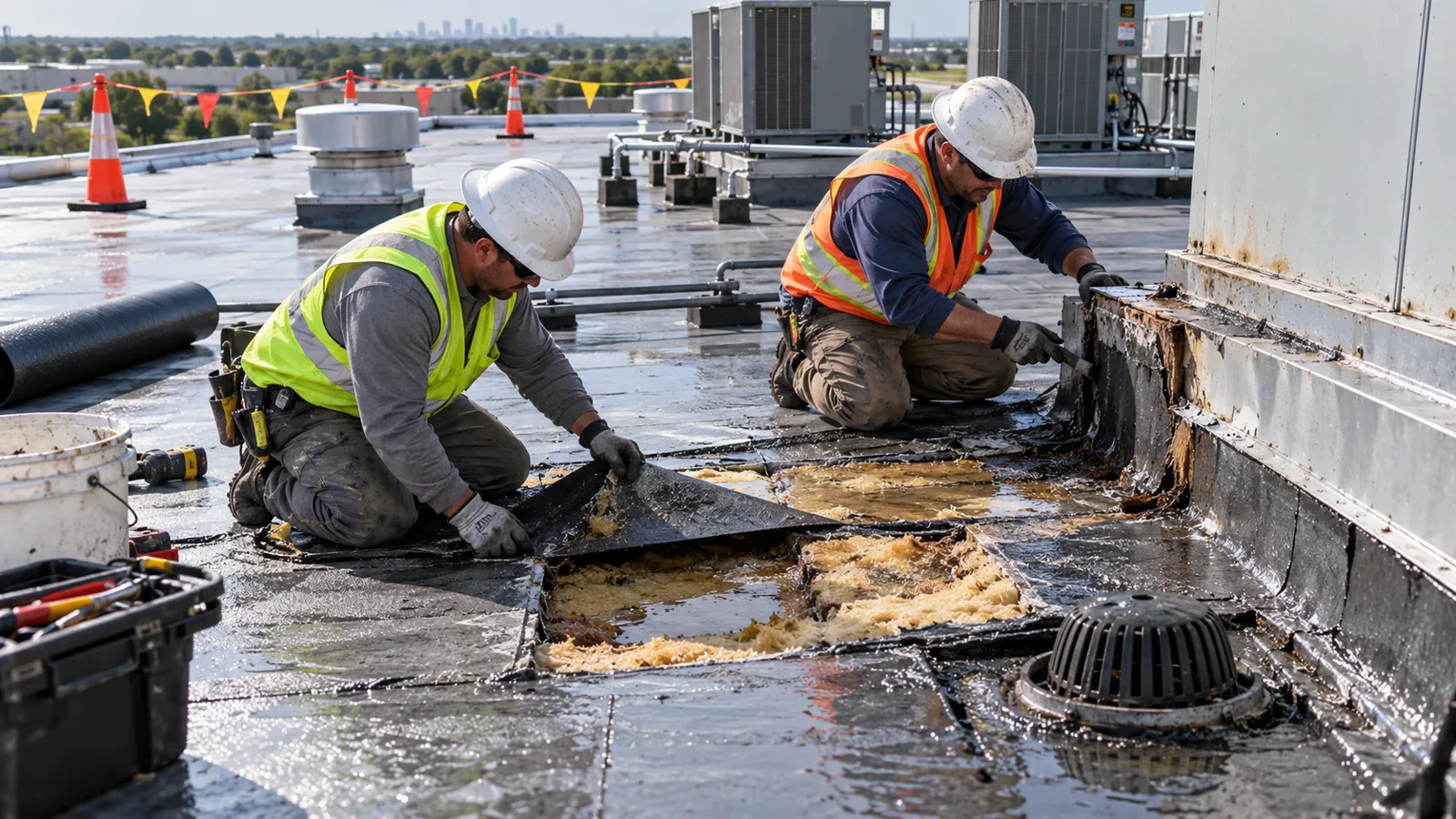
We start with the building address, the roof sections in question and your project contact. We ask for any drawings, installation information and past repair records. If a drawing only covers one section, we note that. Buildings get altered over the years, and the roof may no longer match the original plans. We note what's missing and explain where it affects the work being considered.
The agency sets the project rules and tells us who handles access, work approval and any required reviews. Permission to inspect isn't the same as permission to cut into the roof or shut down equipment. We describe what we propose to do so those decisions can be assigned to the right people. The requirements you give us stay with that job, rather than assuming every rule from the building's general use.
Findings: tie each photo to a decision
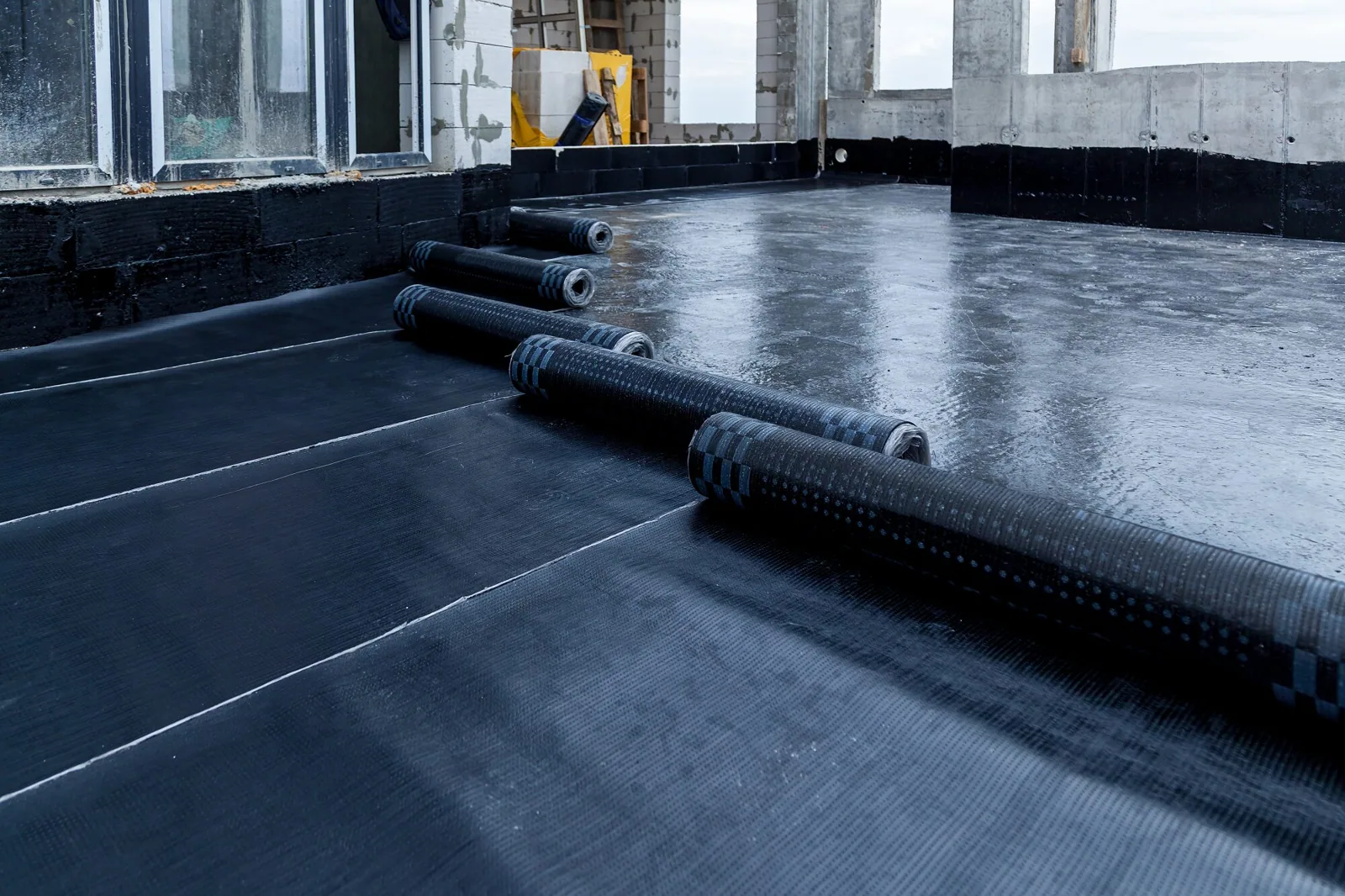
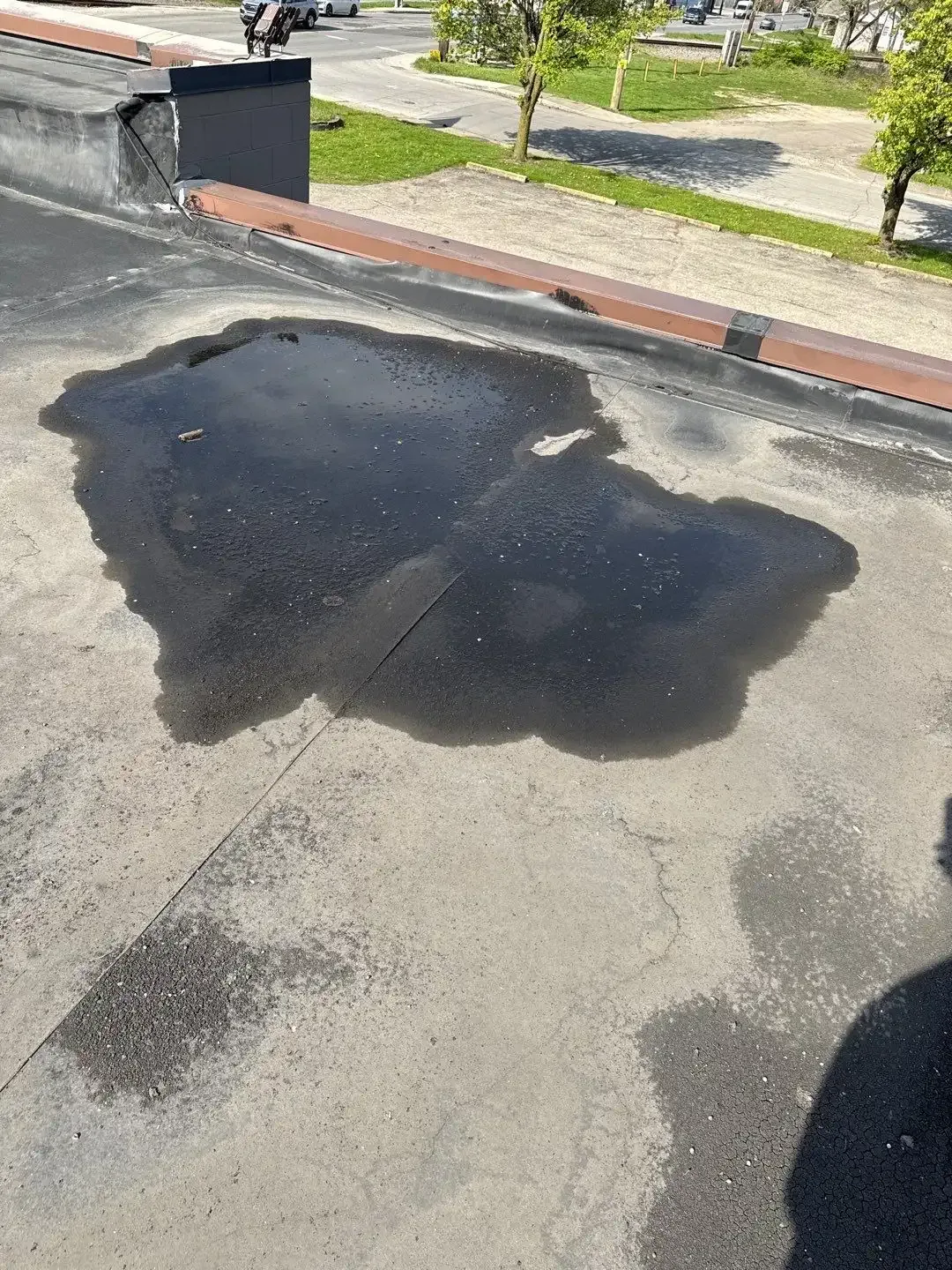
A commercial roof inspection covers the membrane and details we can reach within the agreed scope. We pair close-ups with wider photos and roof landmarks, so a photo of a split seam or loose edge points to the area that will be repaired. We describe the roof around each problem and the limits of the inspection, especially where hidden layers could change the repair.
A roof condition report keeps those findings and our recommended next steps together. Each recommendation names the problem it fixes or the information still needed. Areas we couldn't reach are listed as such. A roof-top inspection can't clear every hidden layer or component just because the report has the building's address on it.
Repairs: compare work that finishes the job
A commercial roof repair has to tie into compatible, sound material and include the prep underneath or alongside it. A visible hole may need a bigger repair if the membrane around it can't hold a good seal. We show that limit and the reason for it, and explain why a complete repair costs more than a quick patch.
Where hidden insulation or deck problems affect whether the roof can stay, we recommend testing, with approval, protection and patching for each test cut included. After tear-off, we look at the exposed deck before new layers go on and bring in an engineer if something looks wrong. Any estimated quantity lists its assumptions and the point where we'd review it, instead of being presented as a fixed promise before the roof is opened.
Each quantity sits next to the problem it fixes. If different roof areas need different work, we list them separately. A combined total can still summarize the package, but reviewers should be able to find each item and see which numbers are still estimates before funds or work are approved.
Walls, curbs and equipment: before the roof is closed
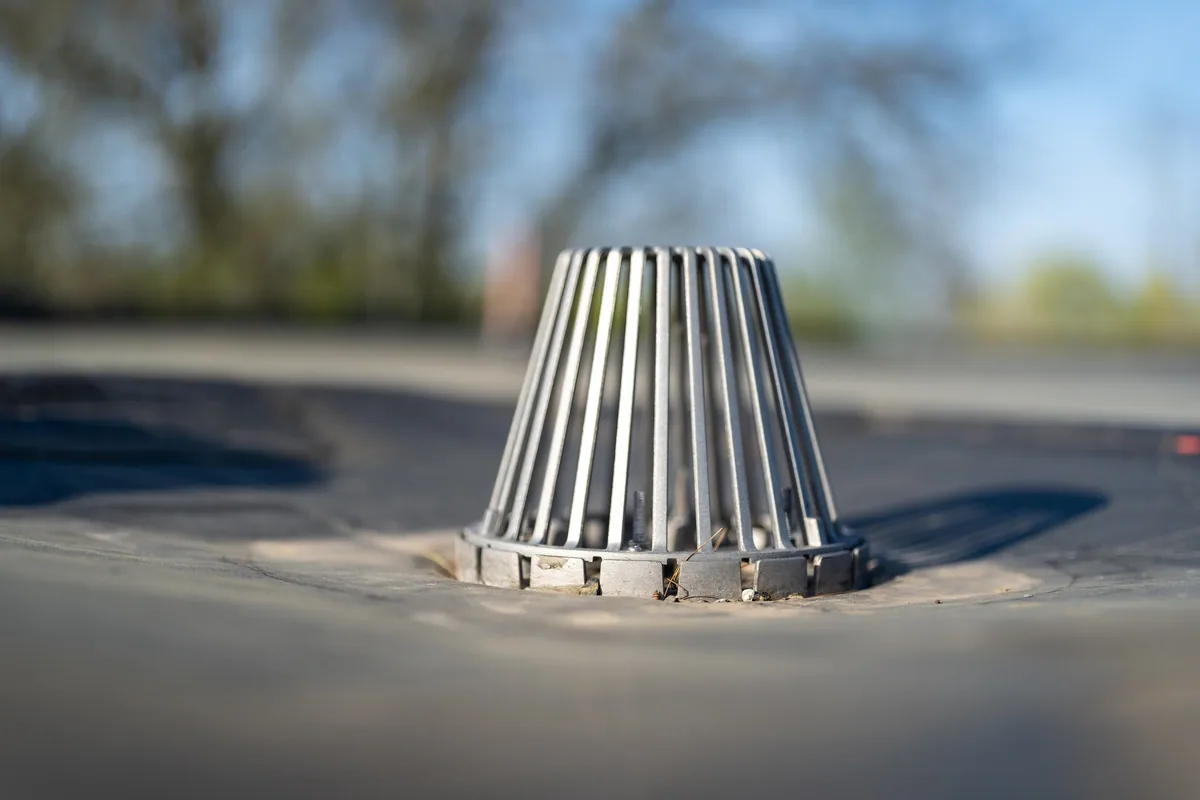
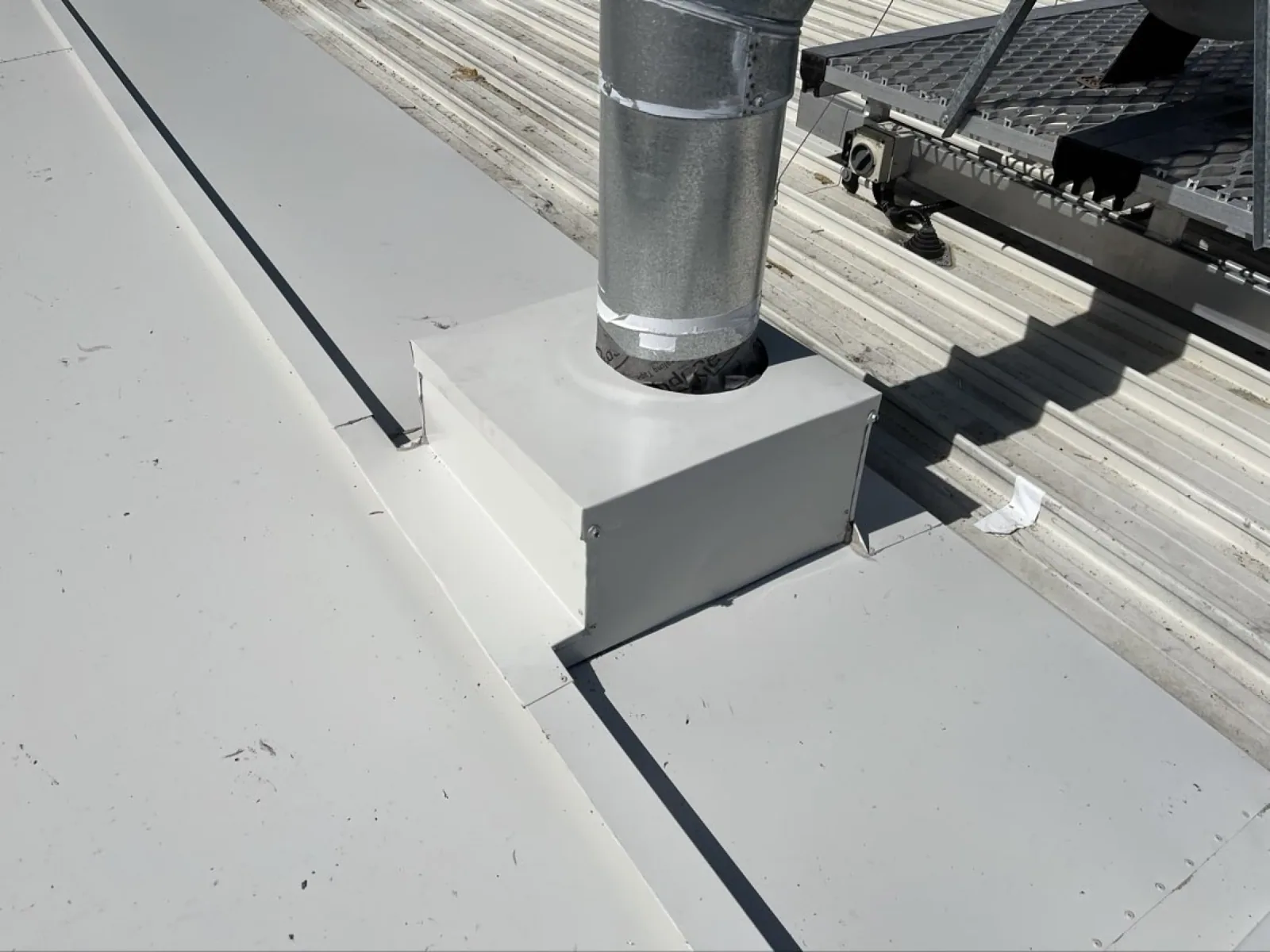
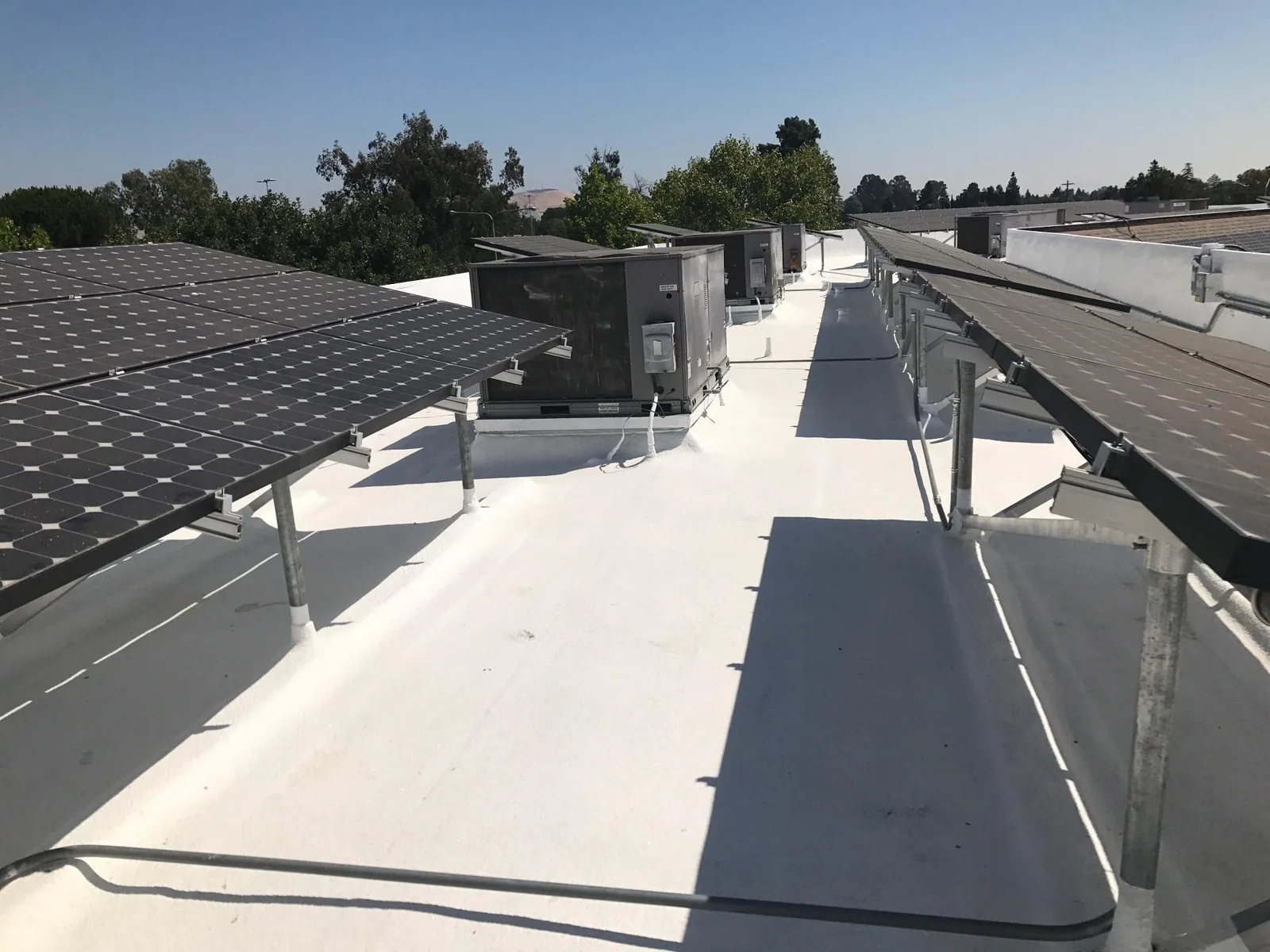
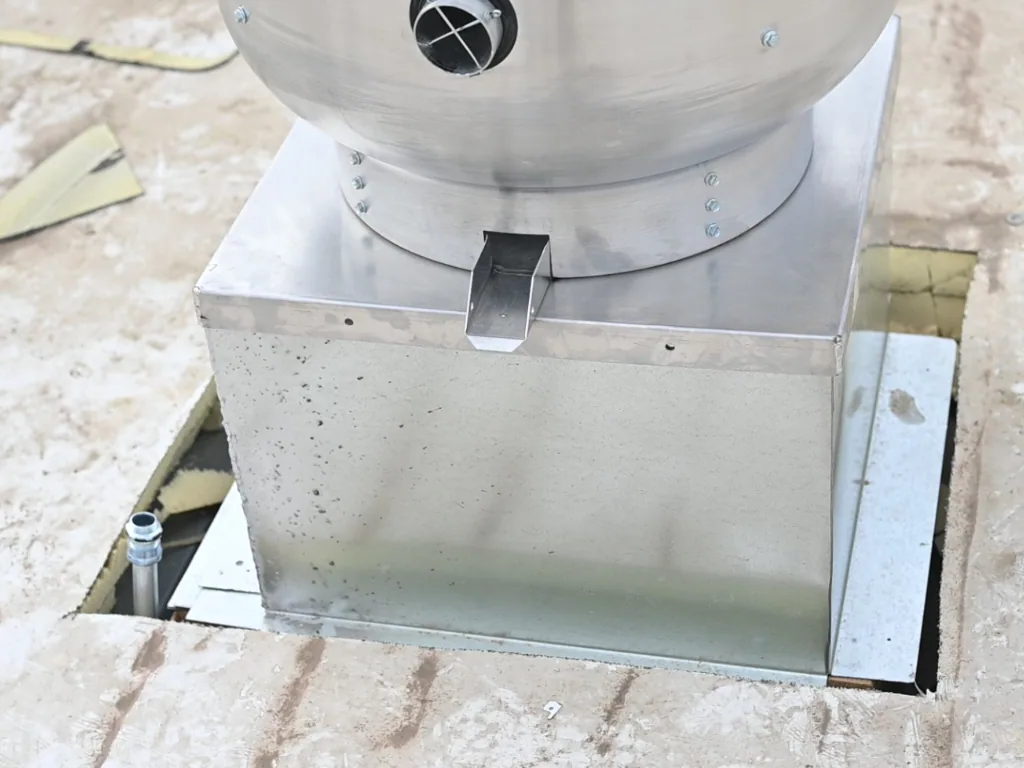
A repair may run into a wall, curb, drain or rooftop unit that needs separate work. We describe what the roofing needs to tie into and who's responsible for preparing it. Equipment decisions belong to the right trade, and structural questions may need an engineer. A price for the flat membrane doesn't cover those items, so they're listed in the scope and the schedule.
We confirm each detail is ready before sealing the roof to it. If the work is phased, we show each temporary stopping point, how it's protected and where it ties in later. Extra setup and repeated prep are part of the phased price. Finishing one roof section doesn't mean a nearby detail waiting on another trade is done.
Arlington public buildings: inspect each one
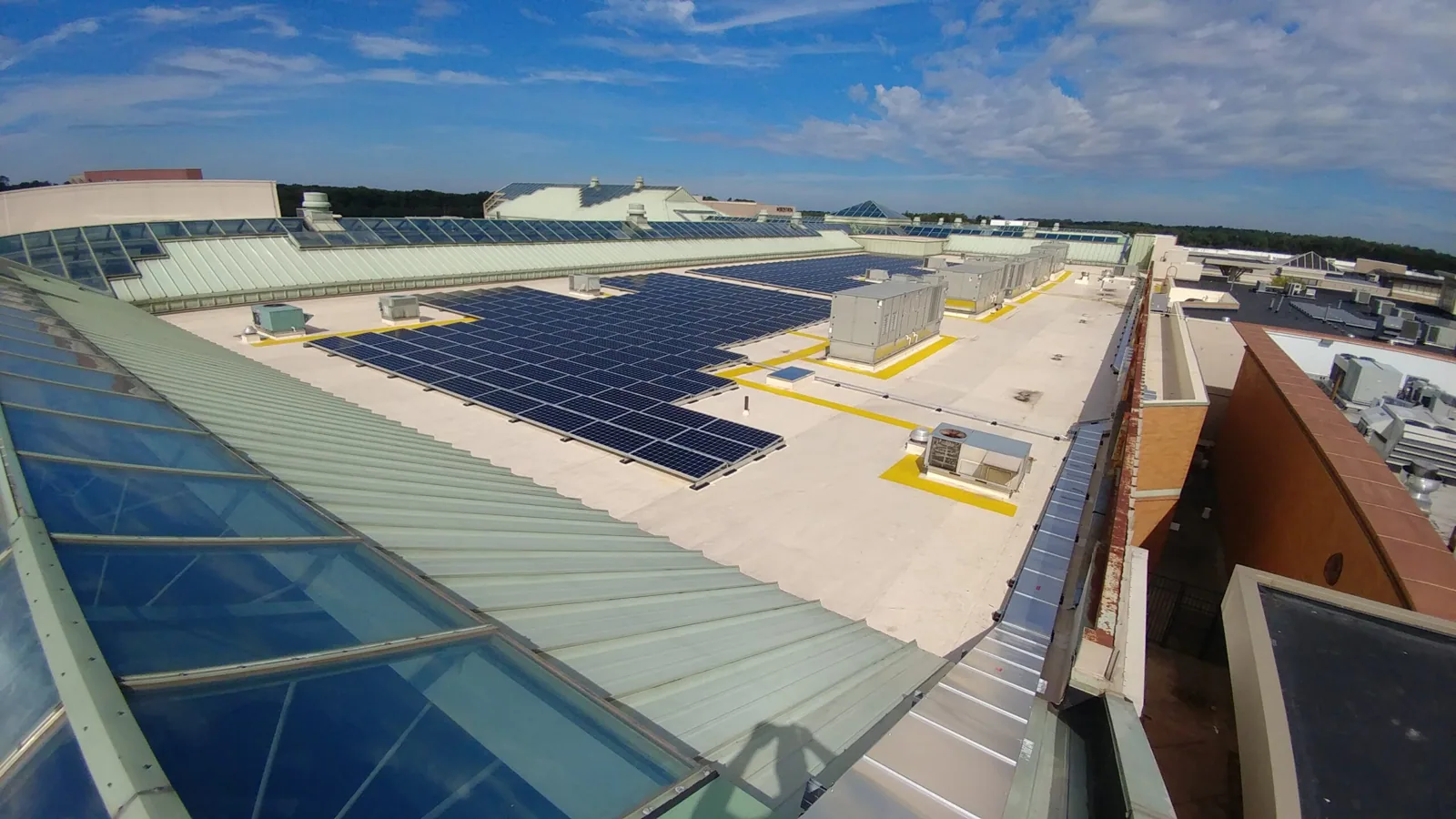
Arlington's civic, office and commercial buildings range from Downtown to the Great Southwest Industrial District. For each public project, we confirm the building and roof section with your representative. We serve public buildings in Downtown Arlington and the surrounding business districts.
A government building roof review follows the roof we inspect and the requirements you provide. Projects shared with school districts or property management companies need clear roles too. Public ownership or a well-known building nearby doesn't tell us about another building's roof, condition or approvals.
Closeout: the work done and other sign-offs
We photograph tear-off limits, hidden damage and new layers before they're covered. The closeout shows where permanent tie-ins are and lists the materials installed. Where a finding changed the approved scope, the reason and approval are attached. You should be able to understand what was done under the finished surface and what stayed outside the job.
Temporary protection and open equipment work are listed separately. We test the finished roof the way that system calls for. Manufacturer or other project sign-offs need their own confirmation; our closeout covers the work we did. Keeping those separate lets the agency track what's still open, instead of assuming a finished-looking roof closes every question.
Later, a maintenance review can connect a new problem to the documented roof area and the repair we made. The earlier report is a dated record of that inspection. We still check current conditions where they matter for new work, instead of treating an old closeout as a current assessment. That helps you approve a clear next step without starting from an unexplained repair total.
Public owners can make a roof scope easier to review by defining the building, roof area, observed condition, and requested outcome before comparing proposals. The written scope should state whether the work is a localized repair, a restoration, or replacement, and identify the inspections needed before materials cover the deck. List temporary protection, occupied-space impacts, disposal, and any work assigned to other trades as separate items. If concealed conditions could change quantities, state the approval process and the records that will support a change. Procurement and access requirements vary by agency and project, so the facility representative should confirm the applicable process. A clear construction description helps reviewers compare equivalent work and gives staff a practical basis for documenting completion.
Common Questions
What should our agency have ready before a roofing inspection?
The building address, the roof sections involved, any drawings or records and your project contact. Include project rules and the problems you've seen. Setting the inspection and access scope up front keeps the findings and their limits tied to the right building.
How should we compare repair bids with different totals?
Check that each covers the same tear-off area, wood blocking or deck prep, membrane tie-ins and other-trade work, along with protection and patching of test cuts. Look for exclusions and estimated items before assuming a lower price buys the same work.
What happens if tear-off reveals something unexpected?
We photograph it and explain how it affects the work, quantities and protection below. You approve the change before we go further. The original assumption and the revised work both stay in the record, so it's clear why the package changed.
Does your closeout replace the manufacturer's sign-off?
No. Our closeout covers the roofing we did. Manufacturer or other project sign-offs need their own confirmation. We list open items and temporary patches clearly, so you can tell finished work from reviews or other-trade work still pending.
Get a clear public-building roof scope
Send us the building, any drawings or roof records and the problems you're seeing. We'll recommend the right inspection and lay out the full roofing work, the estimated items and any other-trade work for your review.