
Flex Industrial Roofing in Arlington, TX
Flex Industrial Roofing
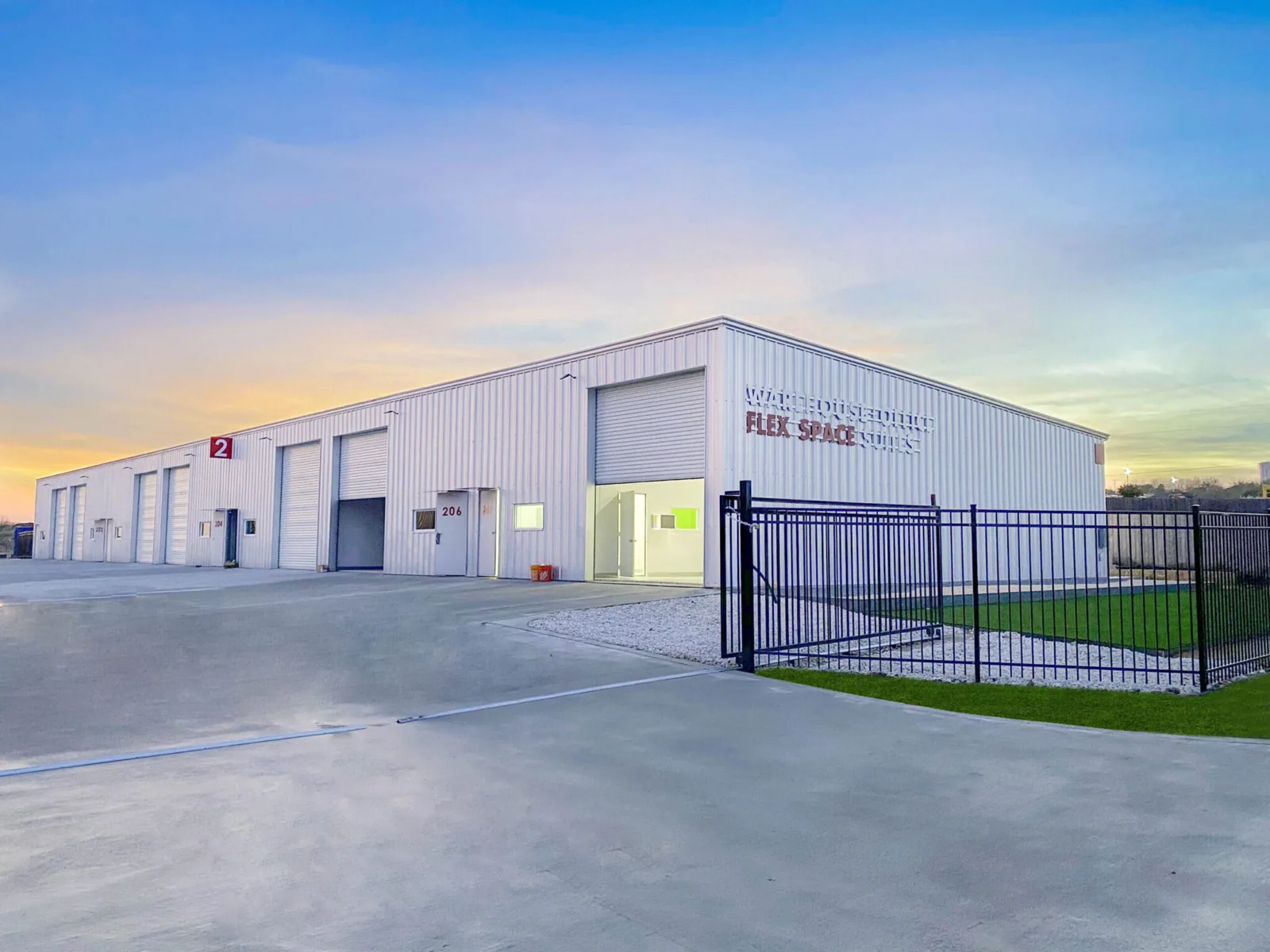
Flex industrial roofing in Arlington, TX: repair, recover or tear-off decisions based on core cuts and moisture scans, planned around the tenants below.
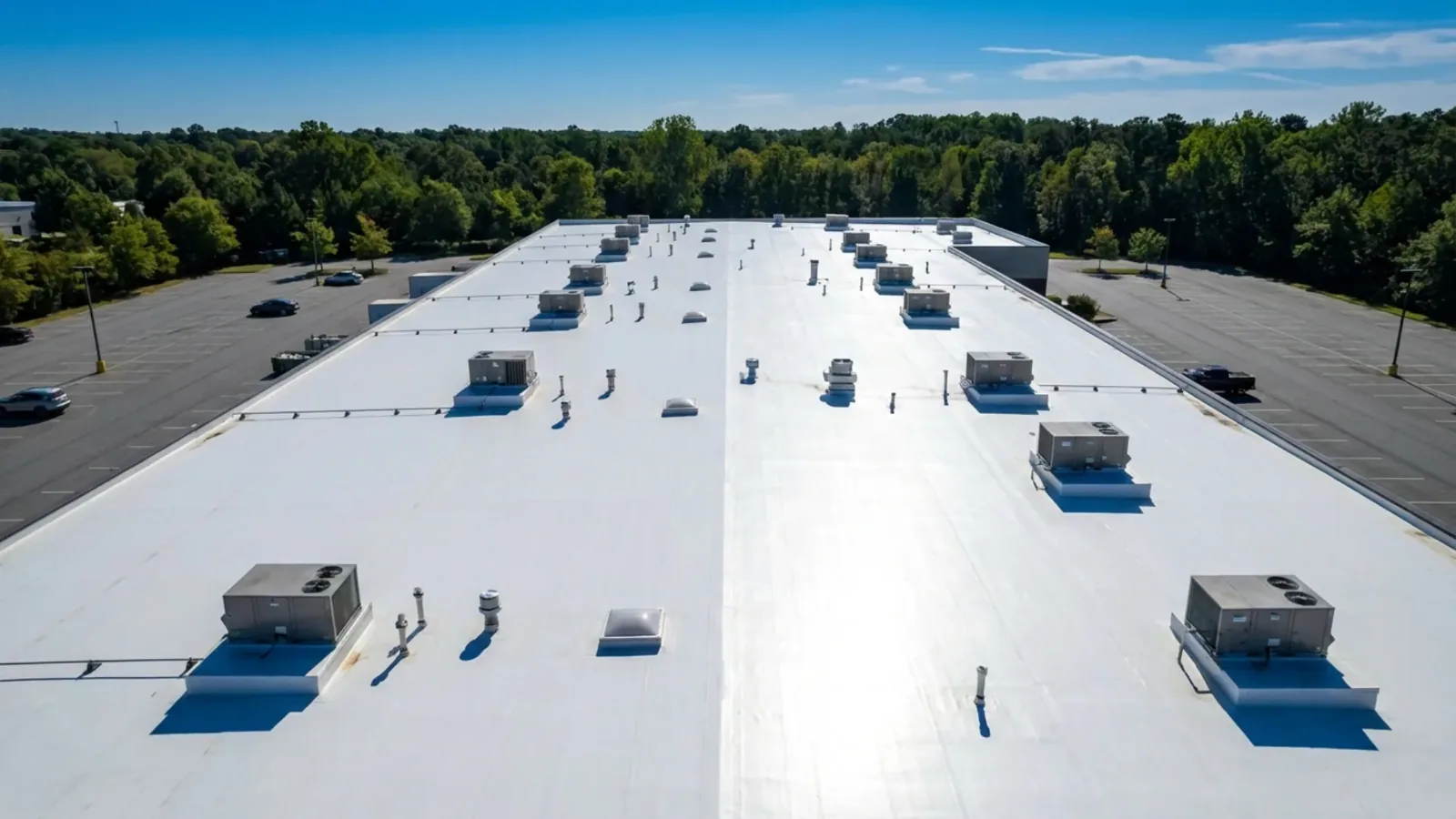
Flex buildings take North Texas summers on a big, flat roof, and long hot months are hard on single-ply membranes, seams and flashings. What decides between a repair, a recover and a tear-off is what's actually on the building: the membrane, the insulation under it and the condition of the deck. We start with what we can see, any roof records you have, and the questions that would change what can stay. Then we separate a leak at one curb or seam from a roof that needs wider removal. A recover price only means something if it includes the prep, the wet insulation removal and the flashing rebuilds that go with it.
For owners with flex buildings in Mansfield and Duncanville as well as Arlington, we plan access and protection around how each building is actually used.
Flex space is different under every suite. One tenant may run a showroom and offices, the next a dock-high warehouse, the next light assembly. So we ask for the address, the suite or area with the problem, and a property manager who can coordinate with the tenant. The tenant below needs notice before any cutting starts, and the plan for protecting their space depends on what they keep there. We don't assume anything about tenants, contents or access just because the building is flex.
Leaks, findings and what's still unknown
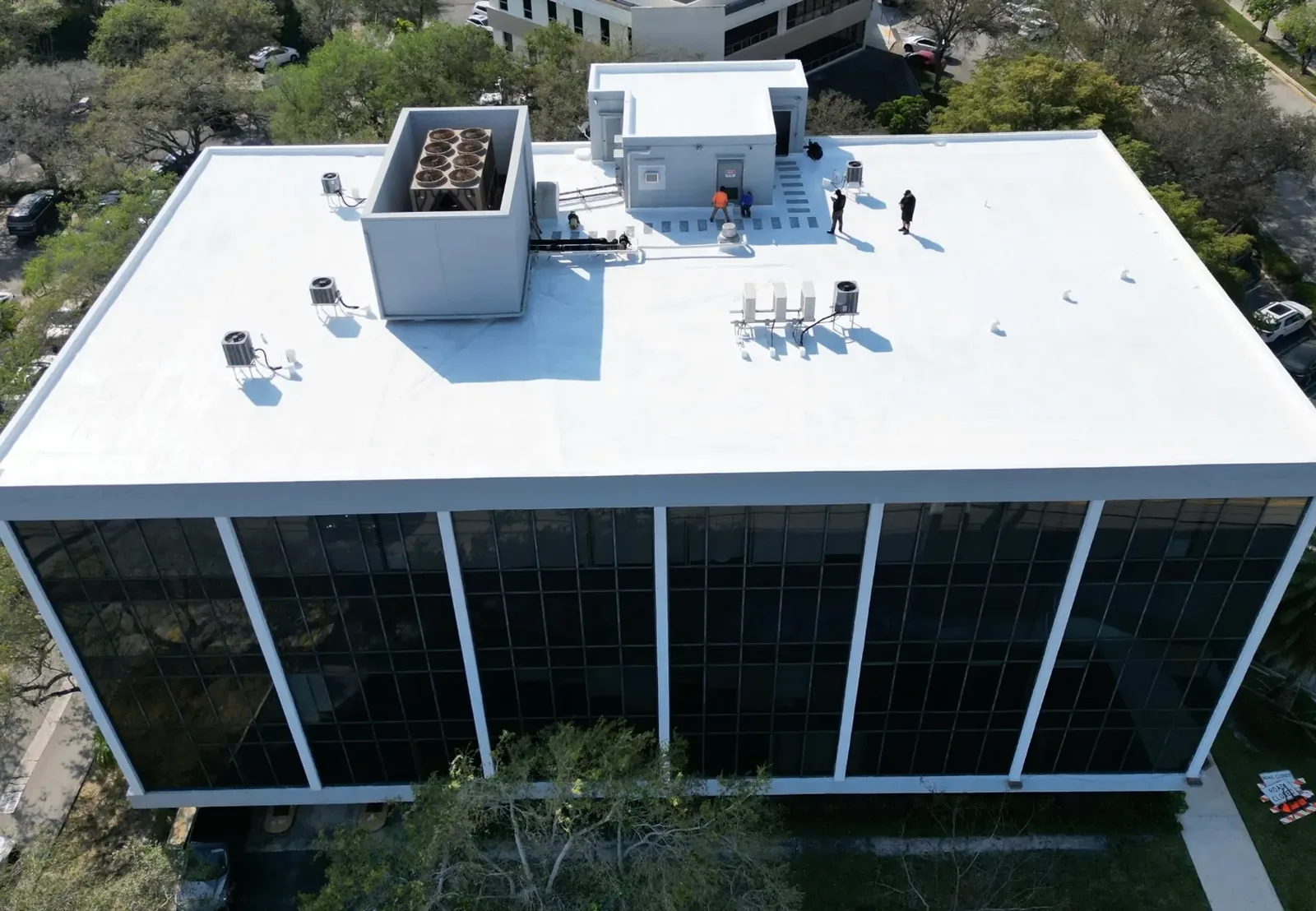
Our roof condition reports record what we actually examined: the seam, curb or wall detail and the membrane around it. Findings go on a roof plan, and we don't stretch them over sections we didn't walk. When a tenant reports a leak, the ceiling stain is a starting point. Water often runs along the deck or a joist before it drips, so the entry point can be well away from the stain. If there are drawings or past repair records, we use them to understand how the roof was built. Where hidden layers still matter, the report says what we couldn't see and how we'd check it. You can tell which part of the recommendation rests on what we saw and which part is waiting on more information.
When we open the roof for a core cut or repair, we photograph it before it's closed back up. The notes describe any wet or crushed insulation and whether the deck is solid enough to fasten into. They also say why material can stay or has to come out, without assuming the whole roof matches one opening. A clean-looking membrane can still sit on soaked insulation. Good notes carry those open questions forward, so the next person reviewing the building knows where the evidence stops and what testing is needed before anyone recommends a bigger job.
Recover or tear-off
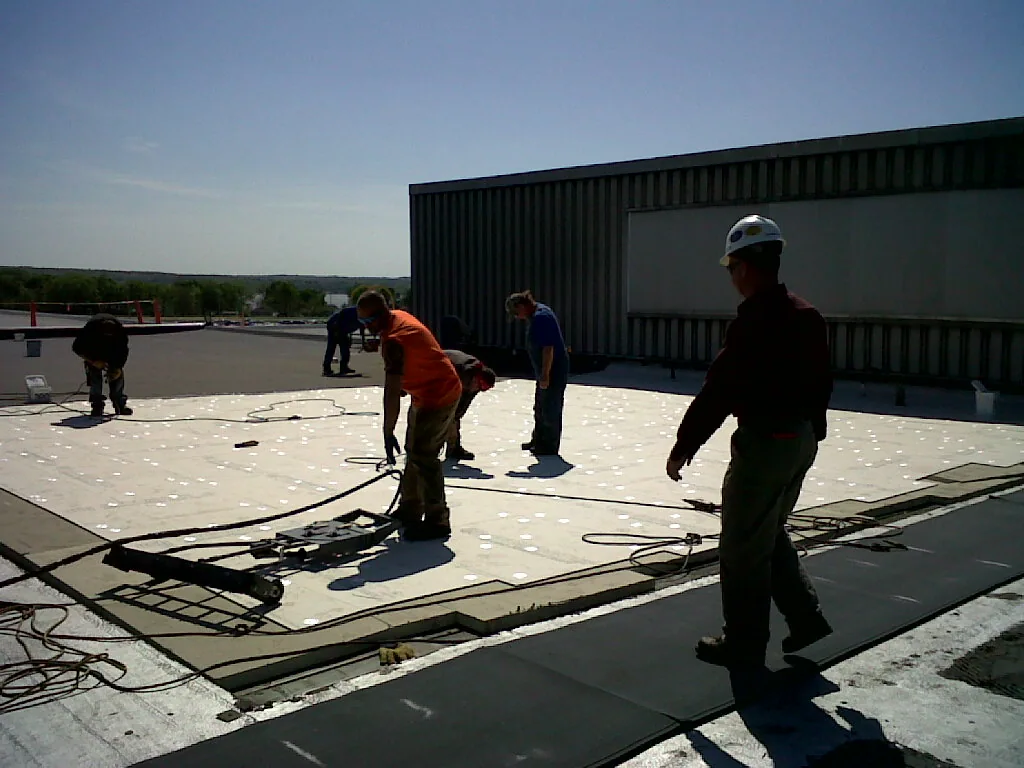
An infrared moisture survey can show where water is likely trapped across a large flex roof, but it has to be read with the conditions on the night of the scan and what we know about the roof build-up. A warm spot on a scan isn't proof of wet insulation, and a clean scan doesn't prove the roof is a good recover candidate. We confirm suspect areas with core cuts, patch them the same day and give the tenant below notice first. That keeps a big decision tied to facts instead of last summer's weather.
A roof recover estimate should show what stays, which wet areas come out first, and how edges, curbs and walls get rebuilt. A full roof replacement estimate should show how far the tear-off goes and what new layers go in. Compare the work each one includes, not just the square footage of new membrane. Neither option by itself fixes a rotted wall nailer, moves a rooftop unit or solves a plumbing problem at a drain. If the job depends on those, they belong in the proposal, with an engineer involved if structure or drainage design changes.
Walls, curbs and drains
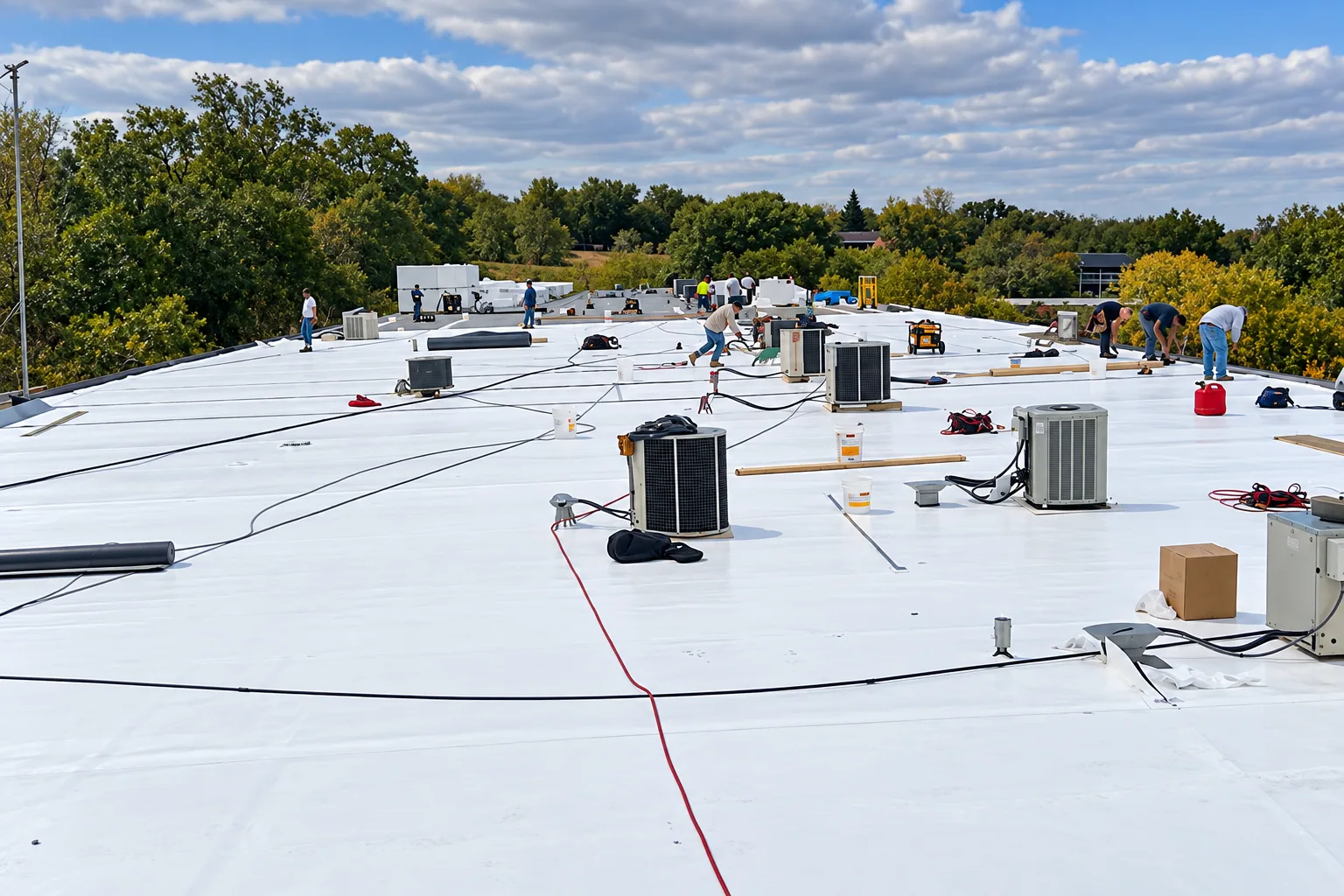
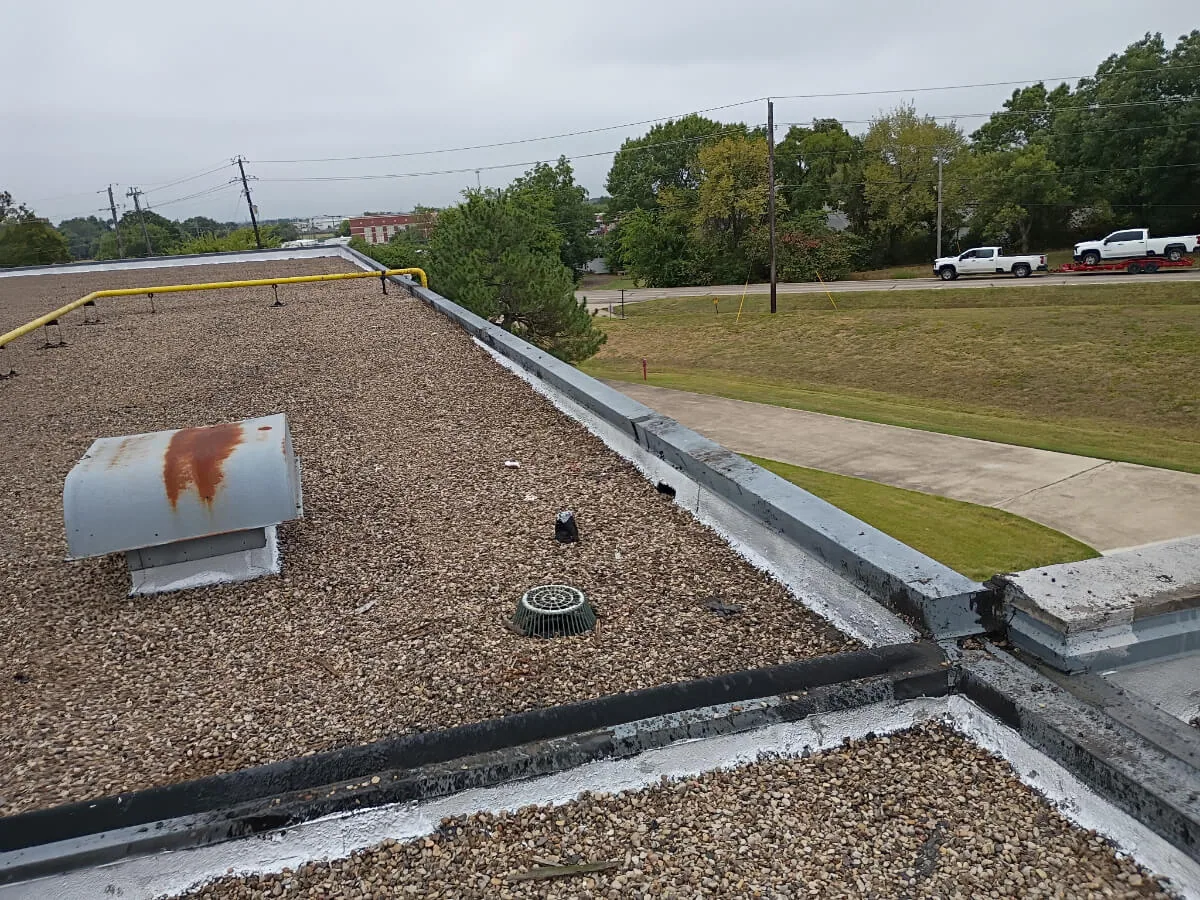
At a parapet or tilt-wall panel where the flashing has pulled loose, we check the top of the flashing, the counterflashing or reglet, and the wood or wall face it fastens to. If the backing is rotted or the wall face is crumbling, the wall contractor may need to rebuild it before the roofing can be finished. We list that next to the new flashing in the proposal, because extra membrane doesn't fix the wall behind it. When wall changes need design input, we bring in an engineer. That way you're comparing bids that cover the whole detail, not a cheap flashing price that leaves a bad wall behind it.
For rooftop unit curbs and supports, we look at each unit that touches the repair. Flex buildings usually carry several units, often one or more per suite, and the HVAC company that services them has its own work to do. That contractor handles disconnecting, lifting or raising the unit, and we flash the curb once it's ready. Drains work the same way: we prepare the roof side, and a plumber handles anything in the pipe below. We help you line up the order of work. New membrane around a curb doesn't mean the HVAC work is done, so the closeout lists any trade work still open.
Working over occupied suites
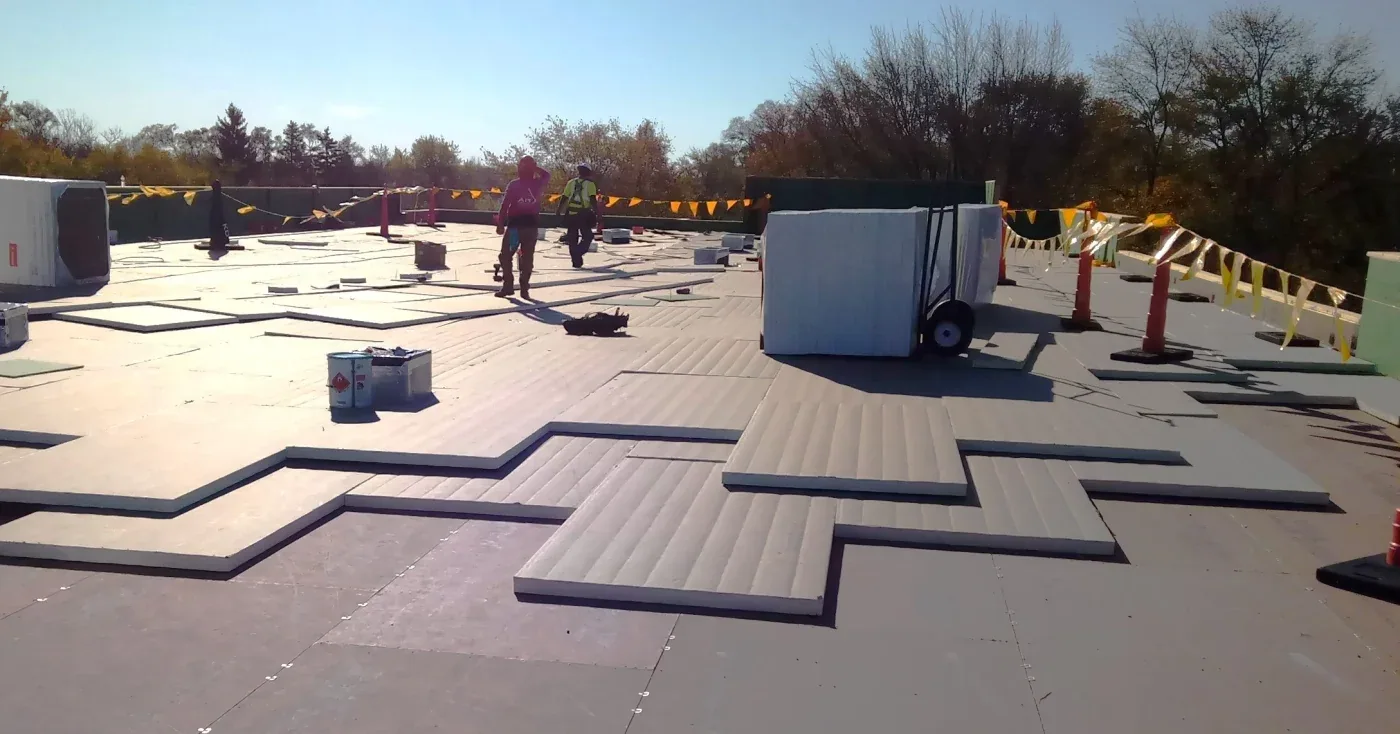
Reroofing an occupied building starts with showing the property manager where we'll open the roof and how we'll move material. The manager then checks with each affected tenant about what's below: inventory, office staff, production equipment, sprinkler lines. We build the protection plan around that, along with the route for hauling debris and the timing that tenant needs. An inspection visit isn't permission to start tearing off. And we don't apply one set of tenant rules or schedules to every flex building; each suite gets its own plan.
If a tear-off turns up more wet insulation or rusted deck than expected, we show you the new boundary and explain the extra work. Before we open that area, the tenant below gets the same review the first area had. If the wall or HVAC contractor has to do their part before we can finish a detail, we install a temporary seal and say so. The change order shows the added tear-off, the other trades' work, the roofing and the protection together. You get one clear change to approve, not a bigger price that assumes the first tenant's protection plan also covers the next suite.
What the closeout record shows
When the job is done, the record lists what we built: the new roofing, the prep work under it and the core cuts we patched. It includes notes on what we saw while the roof was open. It also lists any wall, HVAC or plumbing work still owed by another trade and any testing we still recommend. New roof work is kept separate from those open items, so a later property manager can see exactly what was done without treating a local repair as the fix for every hidden problem. The roof build-up and tear-off limits stay on file for future maintenance.
We schedule roof inspections in the Great Southwest Industrial District and across Arlington through each property's manager. Manufacturing plant roofing calls for findings from that plant, and self-storage roofing calls for findings from that facility. A flex proposal follows its own roof and its own prep needs. With the full scope written down, you can compare options and know what's been answered and what still needs checking.
Common Questions
What should a repair or recover proposal spell out?
What we actually saw on the roof and what's still hidden. If keeping the existing insulation depends on it being dry, the proposal should say how we'll test it, usually with core cuts or an infrared survey. A look at the surface alone can't prove the roof is ready for a recover.
How should I compare recover and replacement prices?
Compare the full work each one includes: prep, wet insulation removal, and rebuilt flashings and edges. The proposal should show what stays in a recover or how far a tear-off goes. Neither price covers wall repairs or rooftop unit work unless it's listed.
What happens if the tear-off finds more damage?
We stop, show you the newly found wet or damaged material, and explain the extra work. The tenant below that area gets the same protection review before we keep going. The change order lists temporary sealing, other trades' work and the final detail together.
What goes in the closeout record?
The roof work we finished, the core cuts we patched, and notes on what we saw while the roof was open. It also lists anything still owed by another contractor. Finished work and open questions are kept separate.
Get your flex building's roof looked at
Have the property manager set up the visit and give the tenant notice. We'll walk the roof, tell you what's still unknown, and show what a repair, recover or tear-off would really take.
- flex industrial roof findings and construction questions
- flex industrial roof temperature observations and layer examination
- flex industrial recover and supporting preparation comparison
- flex industrial removal and replacement construction account
- flex industrial rooftop component and membrane handoffs
- flex industrial roof removal with interior preparations
- flex industrial roof examination near Arlington and Great Southwest
- manufacturing roof work with supporting construction decisions