
Self Storage Roofing in Arlington, TX
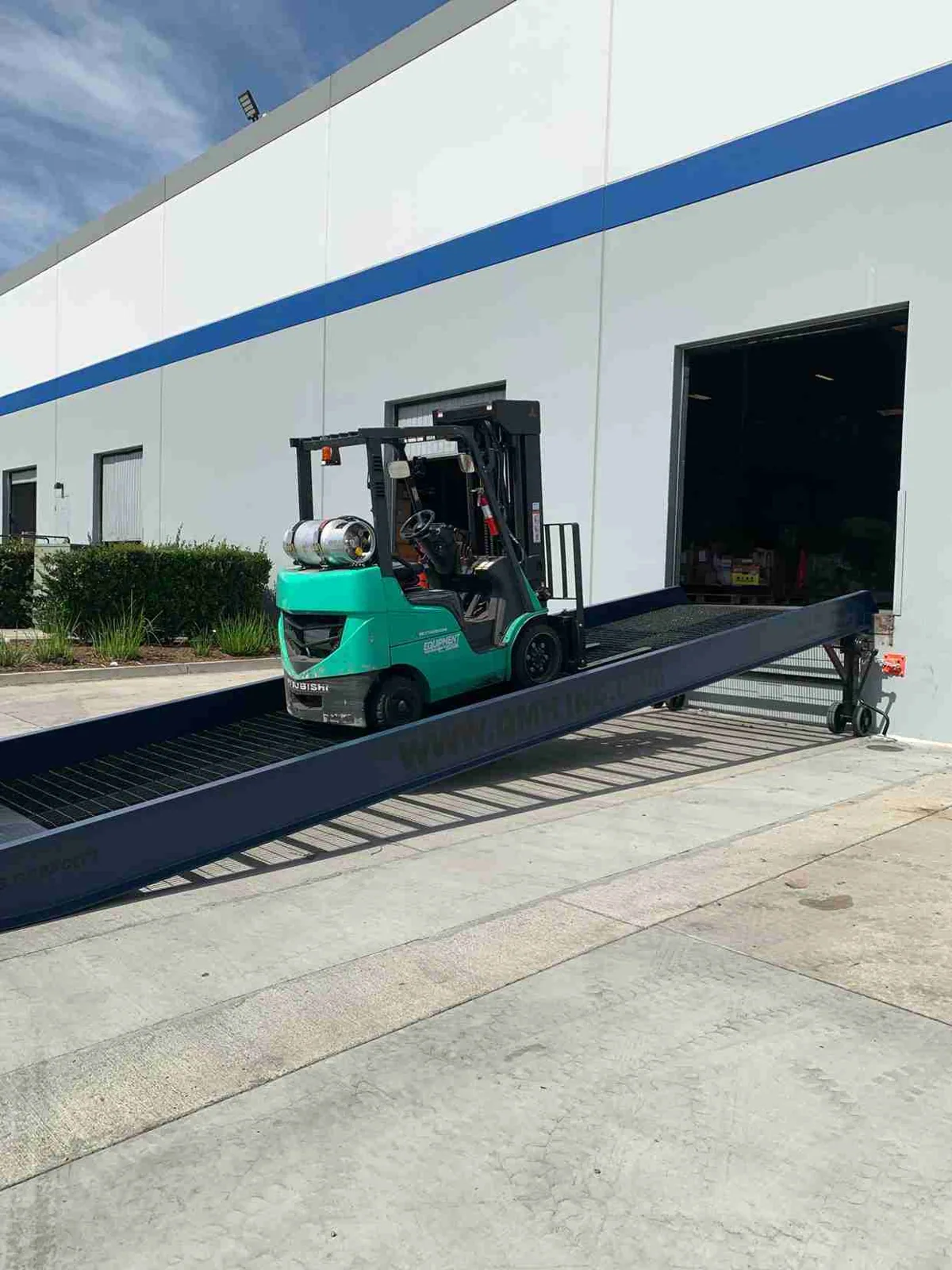
Self Storage Roofing
Self storage roof repair in Arlington, TX: metal seam and fastener repair, wall flashing, HVAC curbs on climate-controlled buildings and protection for units below.
Hail fell in parts of Arlington and Tarrant County on May 27, 2024, and metal storage roofs show hail hits differently than flat membrane roofs do. Self storage roofing in Arlington, TX is mostly long, low metal roofs over rows of units, and the trouble spots are usually seams, fasteners, ridge and eave trim, and the places where the roof meets a wall or the office. A tube of sealant over a loose seam buys time. It doesn't fix a rusted panel or a screw that has stopped holding. We look at the actual panel, the fastening and the framing under it, then price the repair that will last.
Many owners also run sites in Pantego and Duncanville. We keep findings and estimates separate for each property.
When you call, tell us which building and which row of units, where the tenant or manager saw water, and any roof records you have. Units under the work may hold customer goods, so the site manager needs to know which doors we'll be working above before we start.
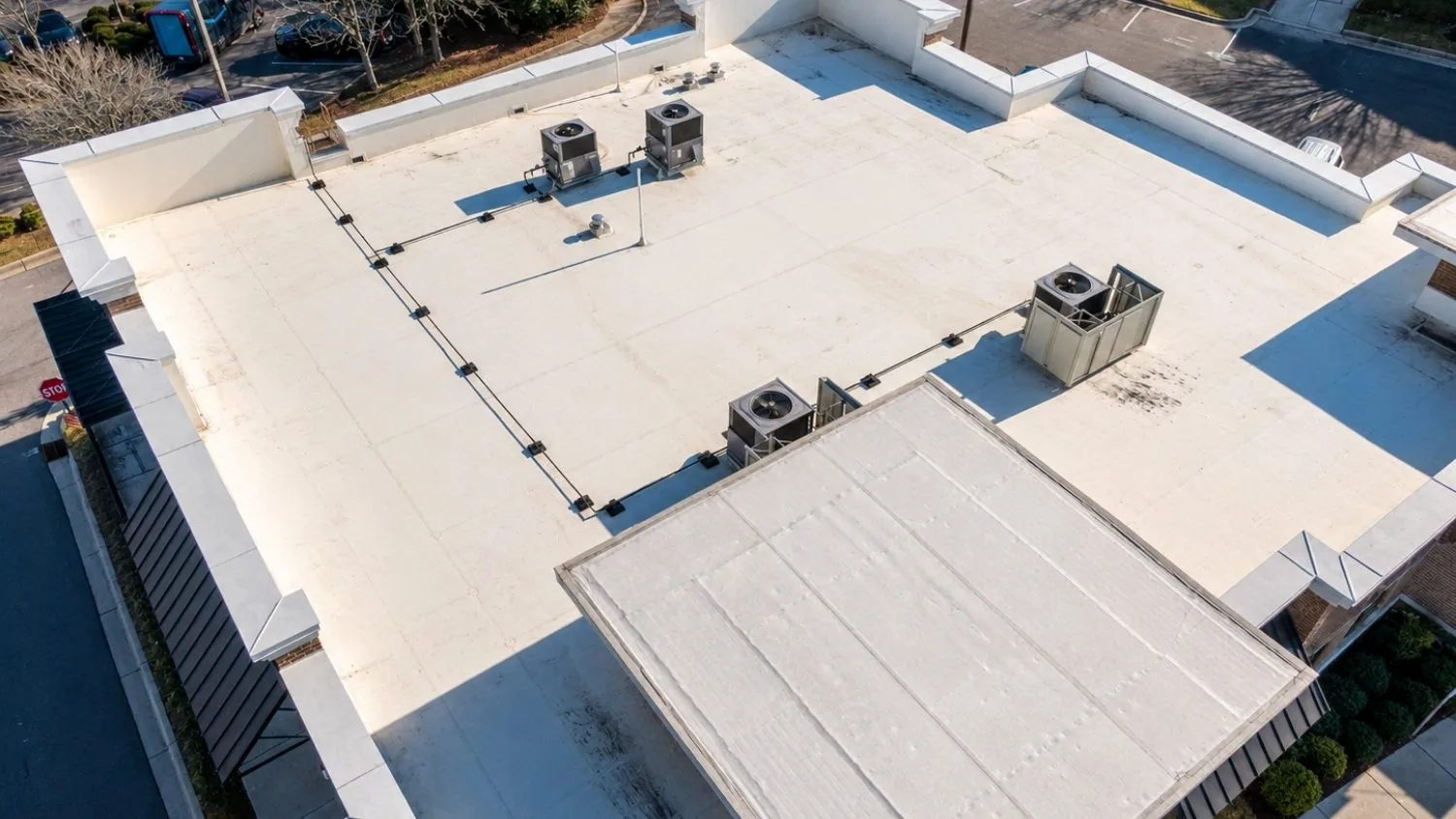
Metal roofs: start at the seam
On a metal storage roof, metal roof retrofit work begins at the seam or panel that's leaking. We check the fasteners, the washers under them, the side laps and end laps, and the purlins the panels are screwed to. Panels that are sound can stay. Panels rusted through at the laps or around screw holes get replaced. If purlins or framing need changes, an engineer should review that first. Coating or caulking a whole roof doesn't put strength back into a panel that has lost its metal, and it can hide the problem until the next storm.
We photograph what we see, including panels that have shifted or seams that have opened, and we don't guess at causes we can't see. A stain on a unit ceiling or a wet box on the floor tells us where to start looking, not exactly where the water got in. It can travel along a purlin or panel rib before it drips. If we need to pull trim or open a lap to find the source, we'll tell you where and why. You'll know which problem we found and which one still needs a closer look.
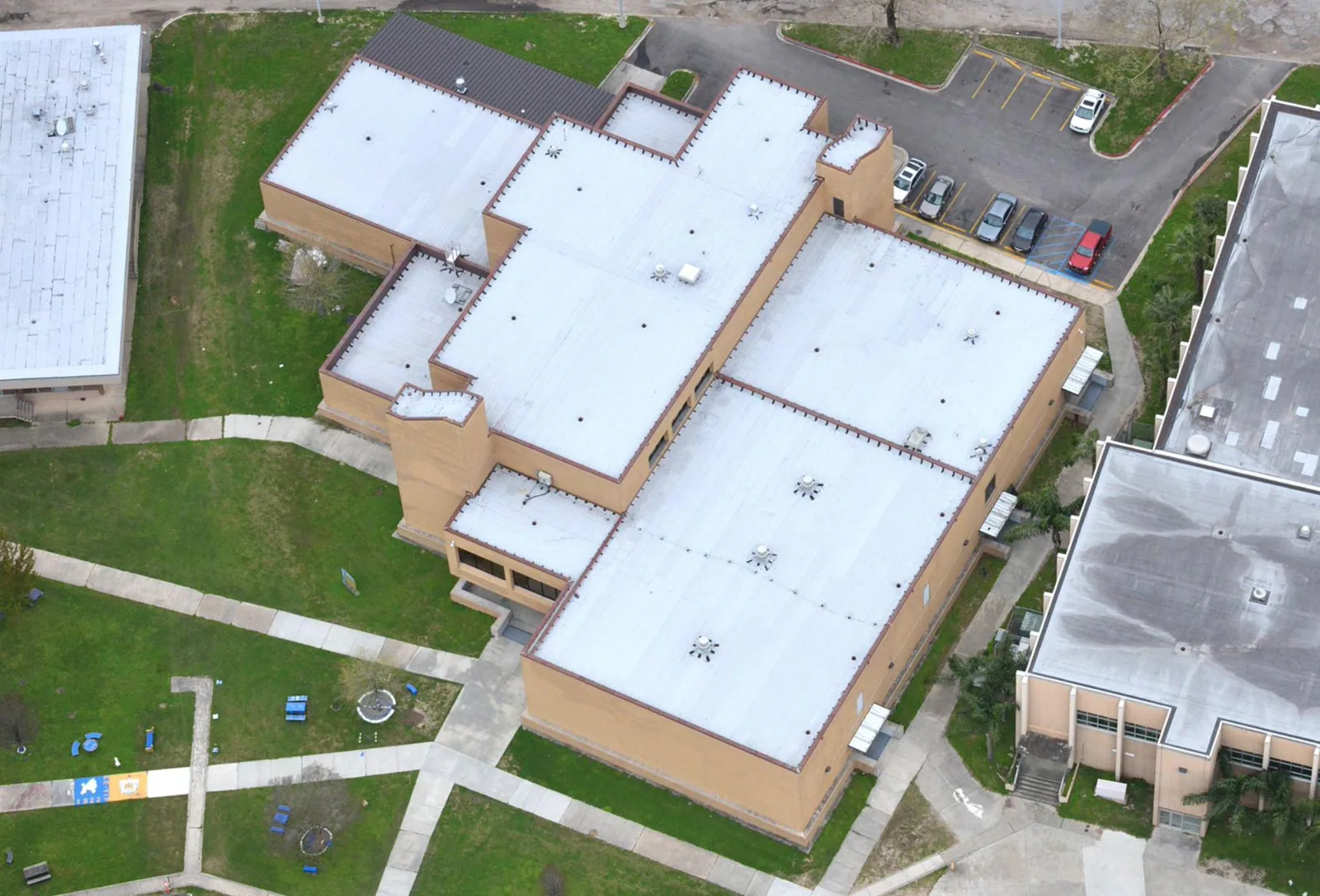
Membrane roofs and wet insulation
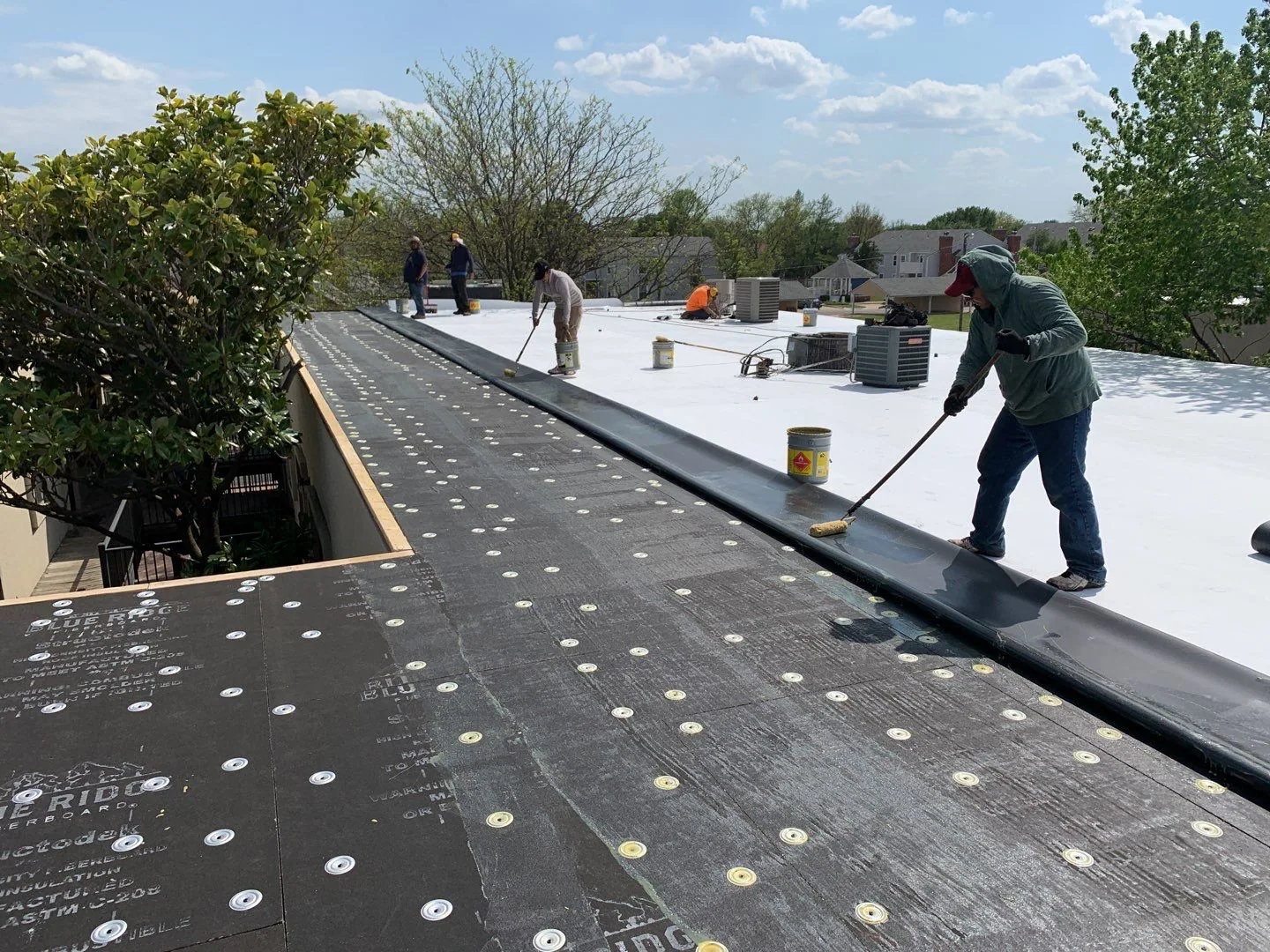
Not every storage building has a metal roof. Offices, climate-controlled buildings and newer multi-story facilities often have a low-slope membrane. A commercial roof repair on those follows the material that's actually there. TPO and PVC seams are heat-welded after the old sheet is cleaned and prepped; other membranes get their own adhesives or tapes. We mark what comes off and what stays, and we explain how the new piece ties into the old one. A recover or coating quote doesn't answer whether the insulation underneath is dry enough to keep.
An infrared moisture survey can map likely wet insulation on climate-controlled buildings, where trapped moisture can mean damp units and odor complaints. Infrared shows temperature differences, not confirmed wet material, so we follow it with core cuts where the decision depends on it. Each core gets patched the same day, and we tell the manager which units sit under those spots. We price the seams and panels we find damaged, not every seam on the property just because hail came through.
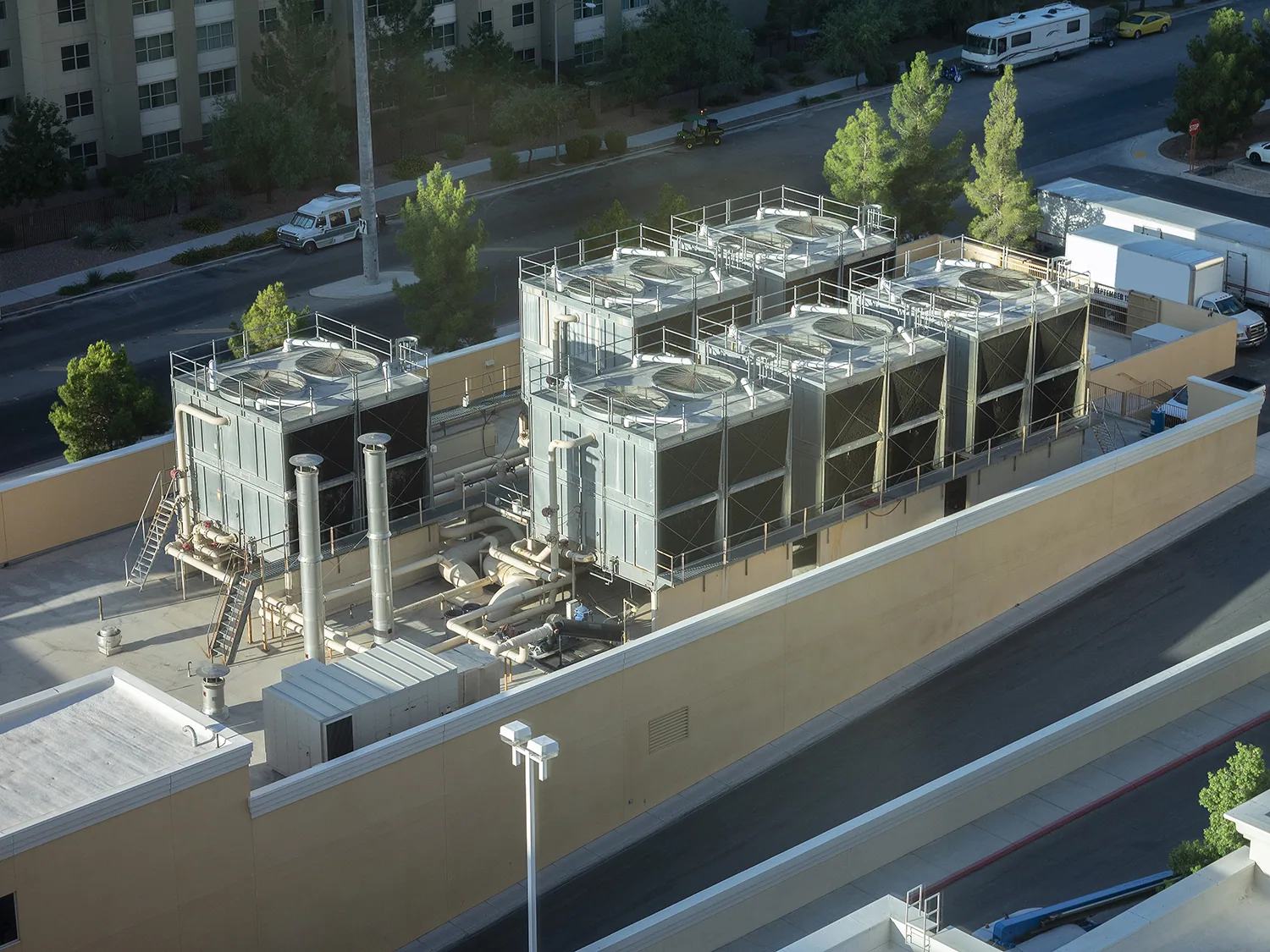
Walls, HVAC units and drains
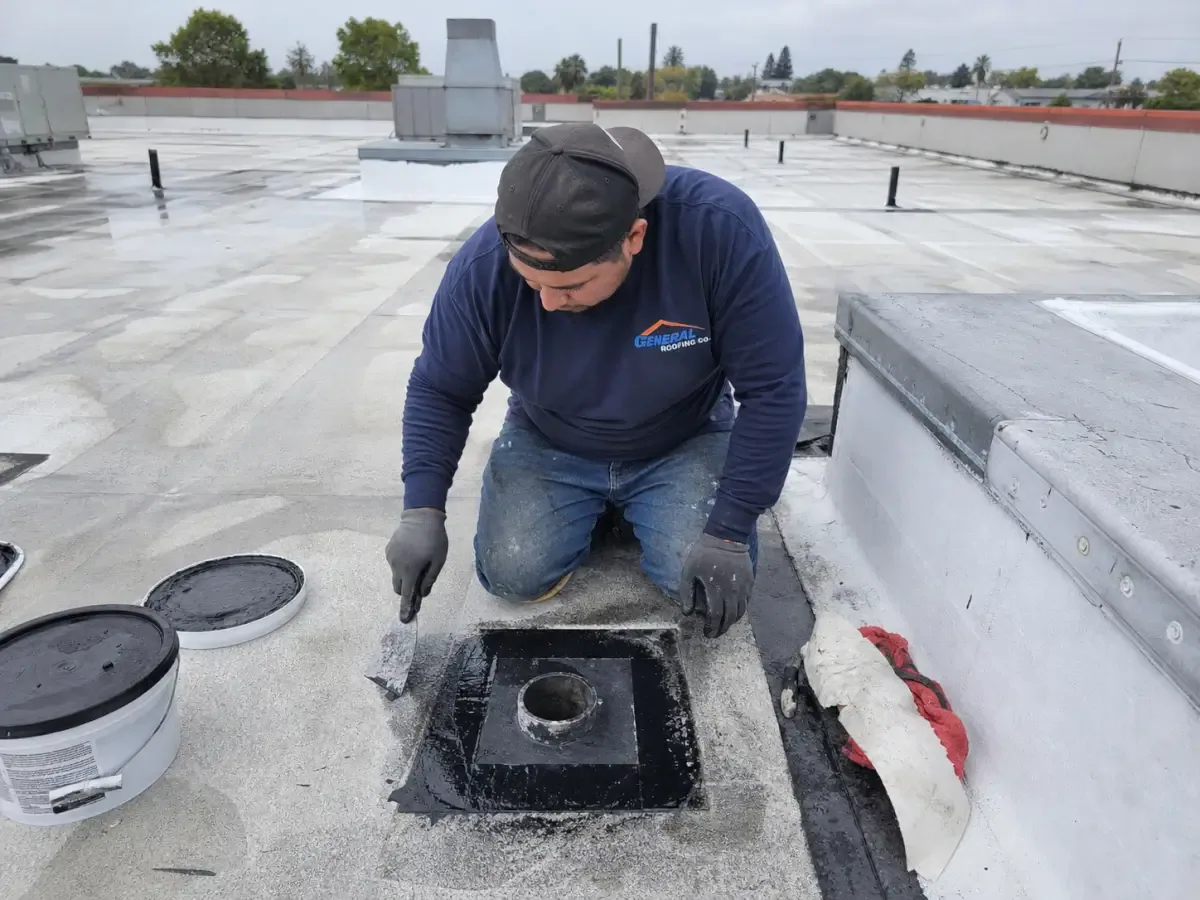
Where a storage roof meets a taller wall, such as a two-story building or the office, the flashing is often where leaks start. We check the counterflashing and what it's fastened to. If the sheathing or metal siding behind it has rotted or rusted, the wall needs to be fixed before new flashing goes on, and that work should sit in the estimate next to the roofing so you're not surprised later. New flashing screwed into bad backing won't stay put.
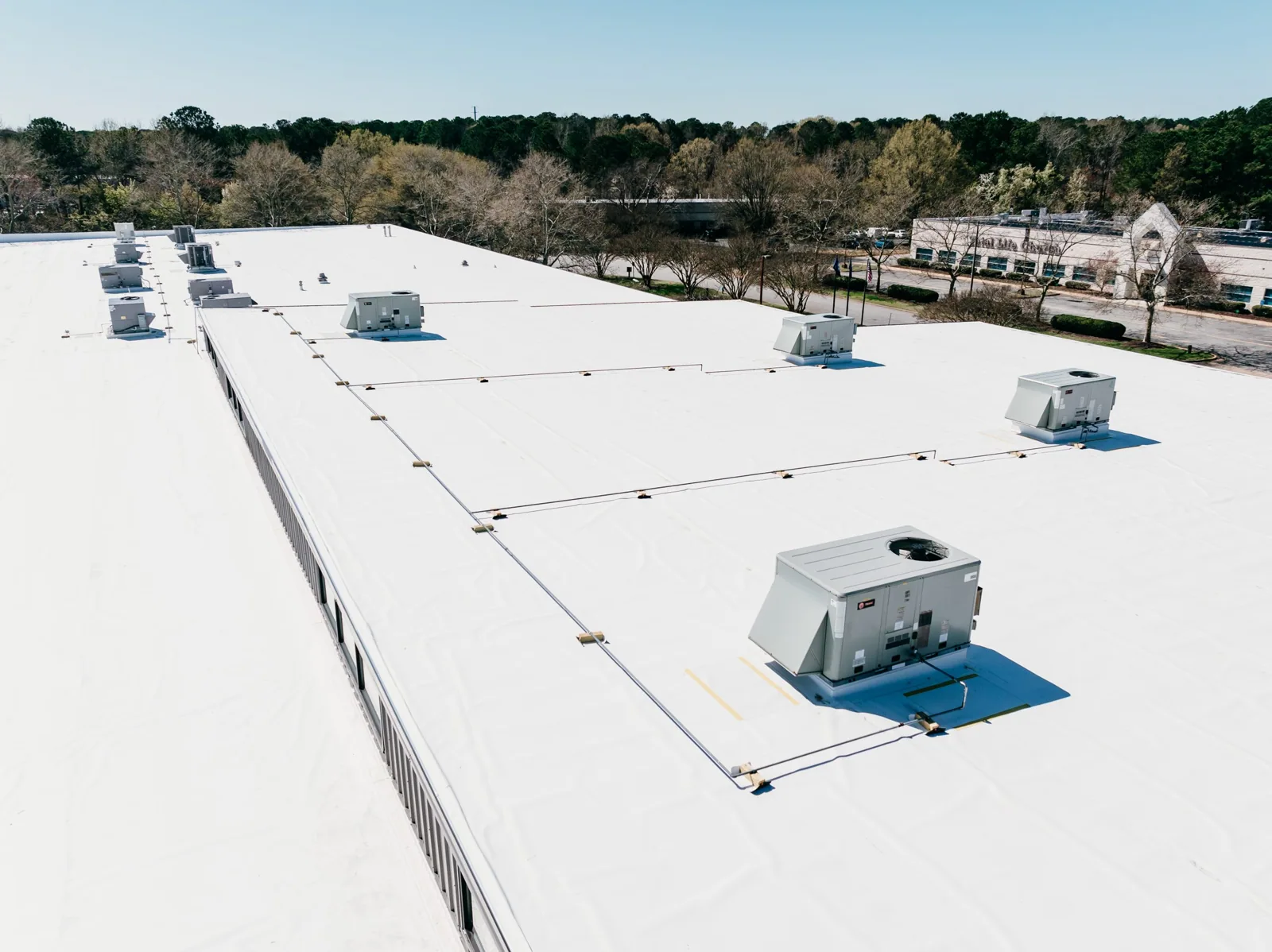
Climate-controlled sites have HVAC units, and for rooftop equipment curbs and supports we work with the mechanical contractor who services them. They disconnect, lift or move the unit; we rebuild the curb flashing underneath. If a support needs to be redesigned, that's an engineer's call. Gutters, downspouts and any internal drains work the same way: we fix the roof side of the connection, and a plumber handles the pipe below if it's cracked or clogged. We list who does what so you can schedule the other trades before our crew arrives.
Working over rented units
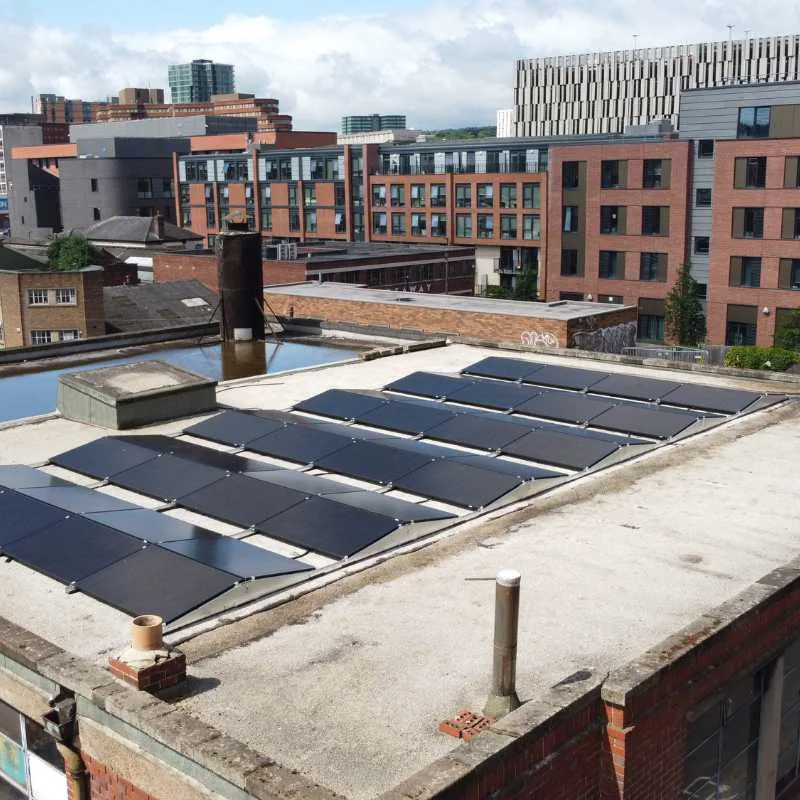
For occupied building reroofing on a storage site, we show the manager exactly which roof sections we'll open each day and where materials will be staged and carried. The office decides whether tenants need notice, whether certain units should be emptied or covered, and how to handle gate access and drive aisles while trucks and lifts are on site. We bring tarps and plastic for units directly under open areas. An inspection visit doesn't mean a unit is empty or a drive aisle is free on install day, so we confirm those details before work begins.
Sometimes taking off old panels or membrane turns up more damage, like rusted purlins or soaked insulation, than the estimate covered. When that happens we stop, photograph it, explain what else needs replacing and give you a revised price. If the new area sits over different units, the manager checks those before we go further. If we're waiting on a wall repair or an HVAC contractor, we dry-in the opening with temporary protection so nothing in the units gets wet in the meantime.
What you get when we finish
When the job is done, you get a short write-up: which seams, panels or flashings we replaced, what framing or wall repair was done, what we removed, where we cut cores and how they were patched, and photos taken while the roof was open. If something is still waiting on another trade, or there's a question we couldn't answer without opening more roof, it's listed plainly. That keeps a fixed seam from being mistaken for proof that the plumbing or HVAC was sorted out, and it gives the next manager a clear history.
We schedule roof visits in the Great Southwest district and across Arlington with the site manager. Nearby warehouse roofing jobs often have similar metal roofs but get their own inspection, as do flex industrial roofing buildings. Your storage estimate covers the roof we actually looked at.
Common Questions
Do all self storage buildings have metal roofs?
No. Many single-story rows do, but offices, climate-controlled buildings and multi-story facilities often have a membrane roof. We confirm the roof type on site and ask the manager what's stored in the units under the work area.
What if the metal around a leaking seam is rusted?
Then sealant won't fix it. We replace the damaged panels or trim and fasten new material to sound framing. If the framing itself needs changes, we bring in an engineer before going further.
How do you decide whether old insulation can stay?
We use infrared to find likely wet areas, then confirm with core cuts where it matters. Dry insulation can usually stay under a recover; wet insulation comes out. Every core is patched the same day.
What do we get when the repair is finished?
A written summary with photos showing what we replaced, what we removed and where we cut cores. It also lists anything still waiting on another trade. One repaired seam doesn't tell you about other areas of the property.
Get your storage roof looked at
Tell us which building and units are affected, and we'll set up a visit with your site manager. You'll get a clear estimate for the seam, panel or flashing repair and how we'll protect the units below.
- self storage metal roof connection and retained support review
- self storage roof repair and adjoining material preparation
- self storage roof temperature observations and material checks
- self storage roof equipment preparations and covering connections
- self storage roof openings and affected-space precautions
- self storage roof visits in Arlington and Great Southwest
- warehouse roofing with investigated seam connections
- flex industrial roofing and supporting reconstruction