
Roof Drains and Scuppers in Arlington, TX
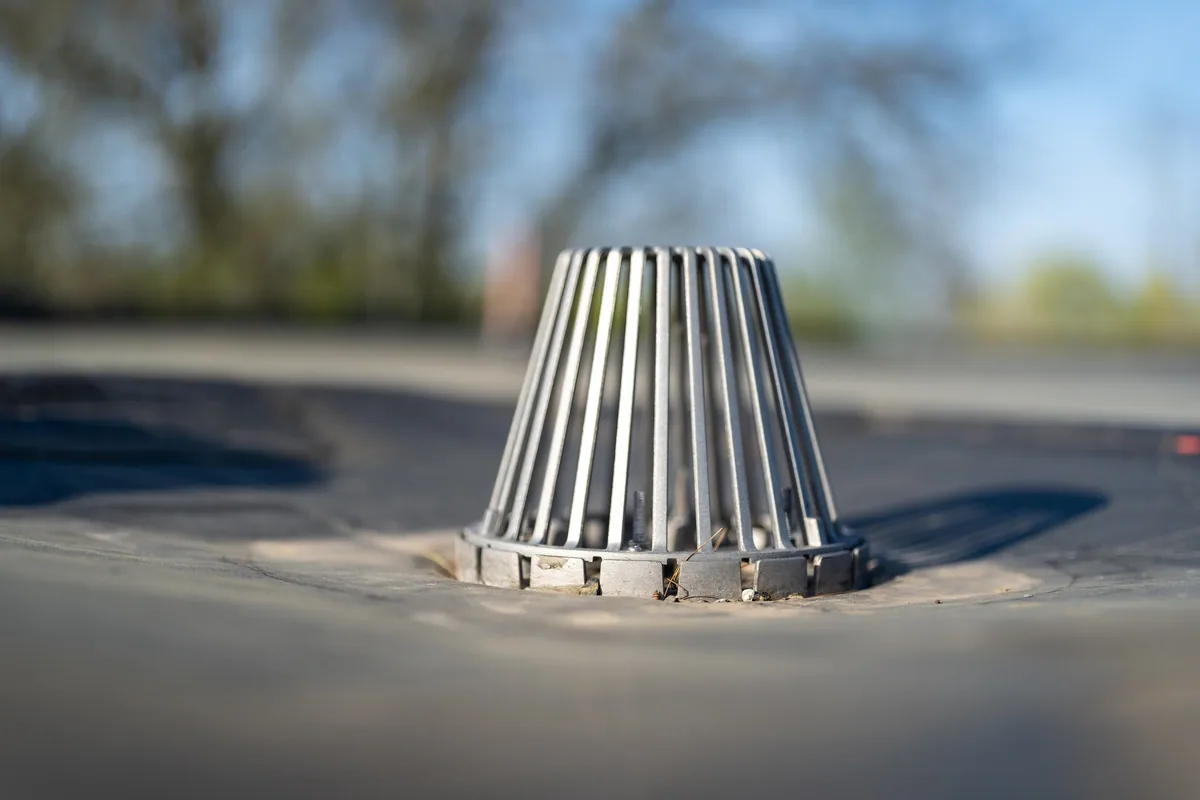
Roof Drains and Scuppers
Roof drain and scupper repair in Arlington, TX. We check the drain, the flashing and the water path, and separate cleaning from real repairs in your estimate.
Arlington gets heavy downpours, and a roof that can't drain fast enough takes the hit. When a drain or scupper is giving you trouble, the useful starting point is how that outlet is built and what you're seeing now. Roof drain and scupper work in Arlington, TX means checking where the membrane meets the drain or opening, and looking at the path water takes across the roof as a separate question.
If you also own sites in Lancaster and Crowley, we keep the roof system and work limits on file for each one.
Tell us which drains or roof areas are the problem and send any records you have. We'll inspect the roofing and note any plumbing or drain-line issues that need another contractor. You get a scope that separates cleaning, flashing repair and drain repair, instead of a vague line to "fix the drain" before anyone has looked at it.
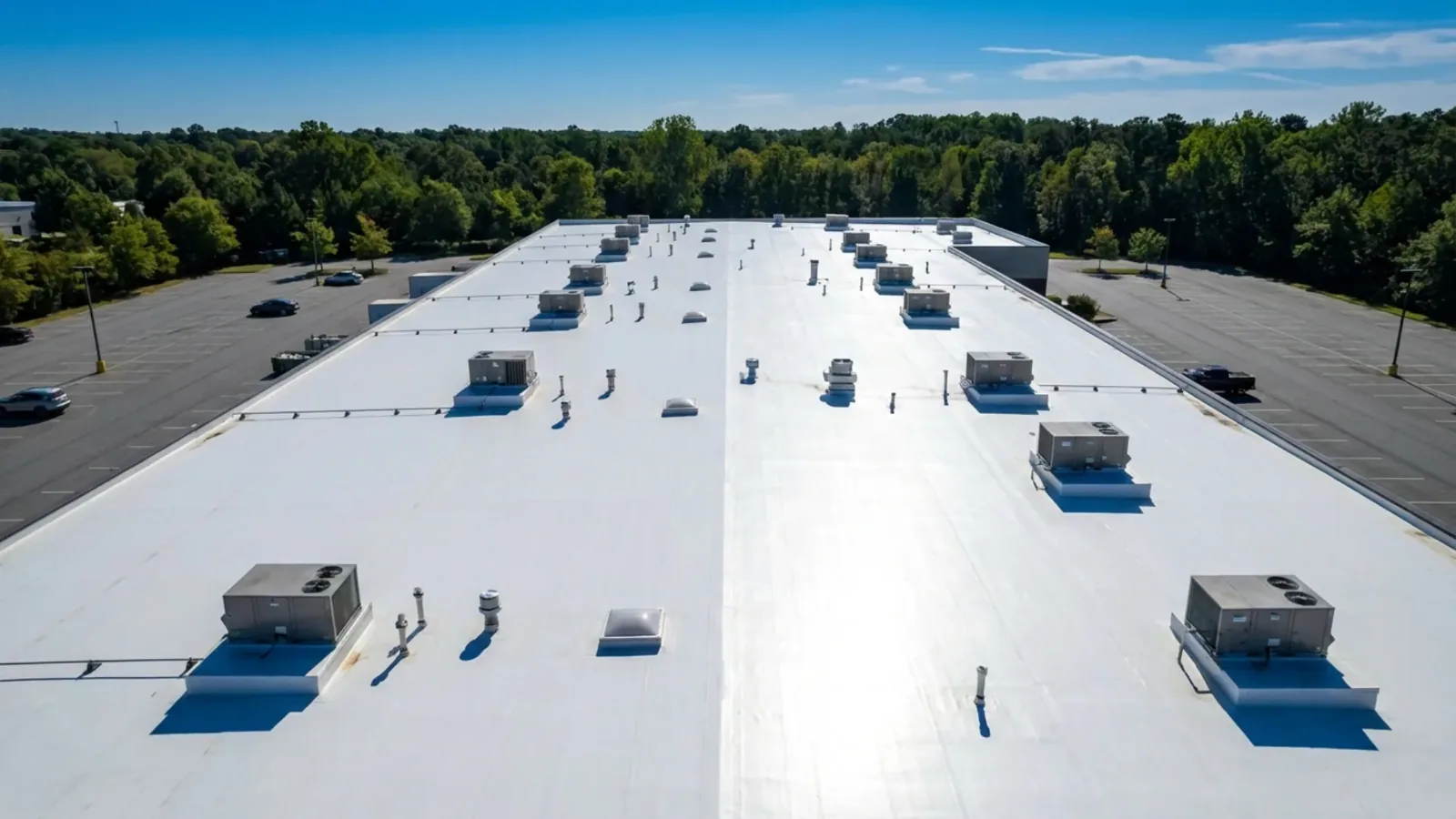
Where is the water going?
We ask which part of the roof each drain serves and what you've noticed. Photos taken during or right after rain are especially helpful, since water may be gone by the time we visit. We note what you saw and where, then record what we find on the roof. A dry-day visit can't recreate every storm.
A roof inspection compares your observations with the drain details we can see and reach. If water is getting inside, our leak repair work checks whether the drain connection is really the source. A ceiling stain doesn't prove the nearest drain is bad. You get what we could confirm and the next check needed if the roof inspection leaves a drain-line or water-path question open.
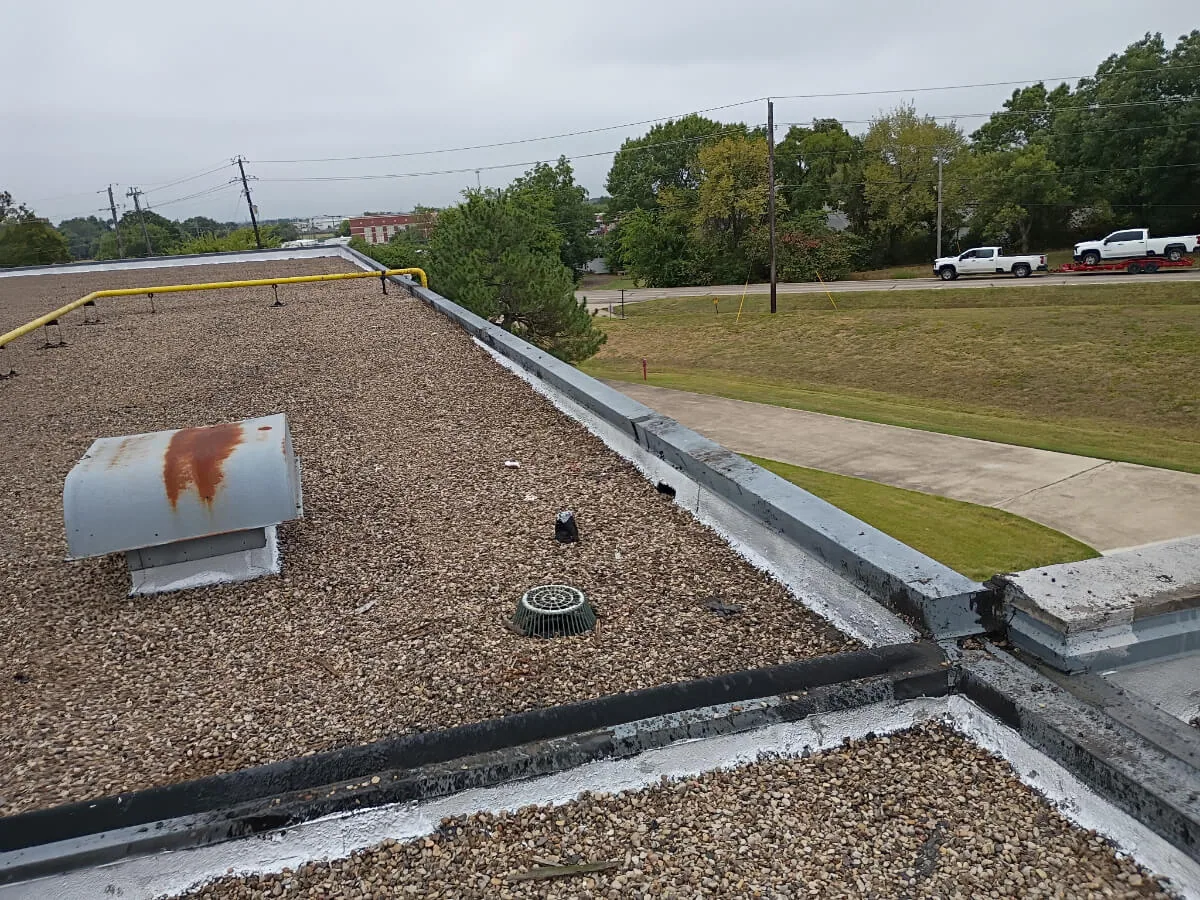
Drains: the membrane and the drain body
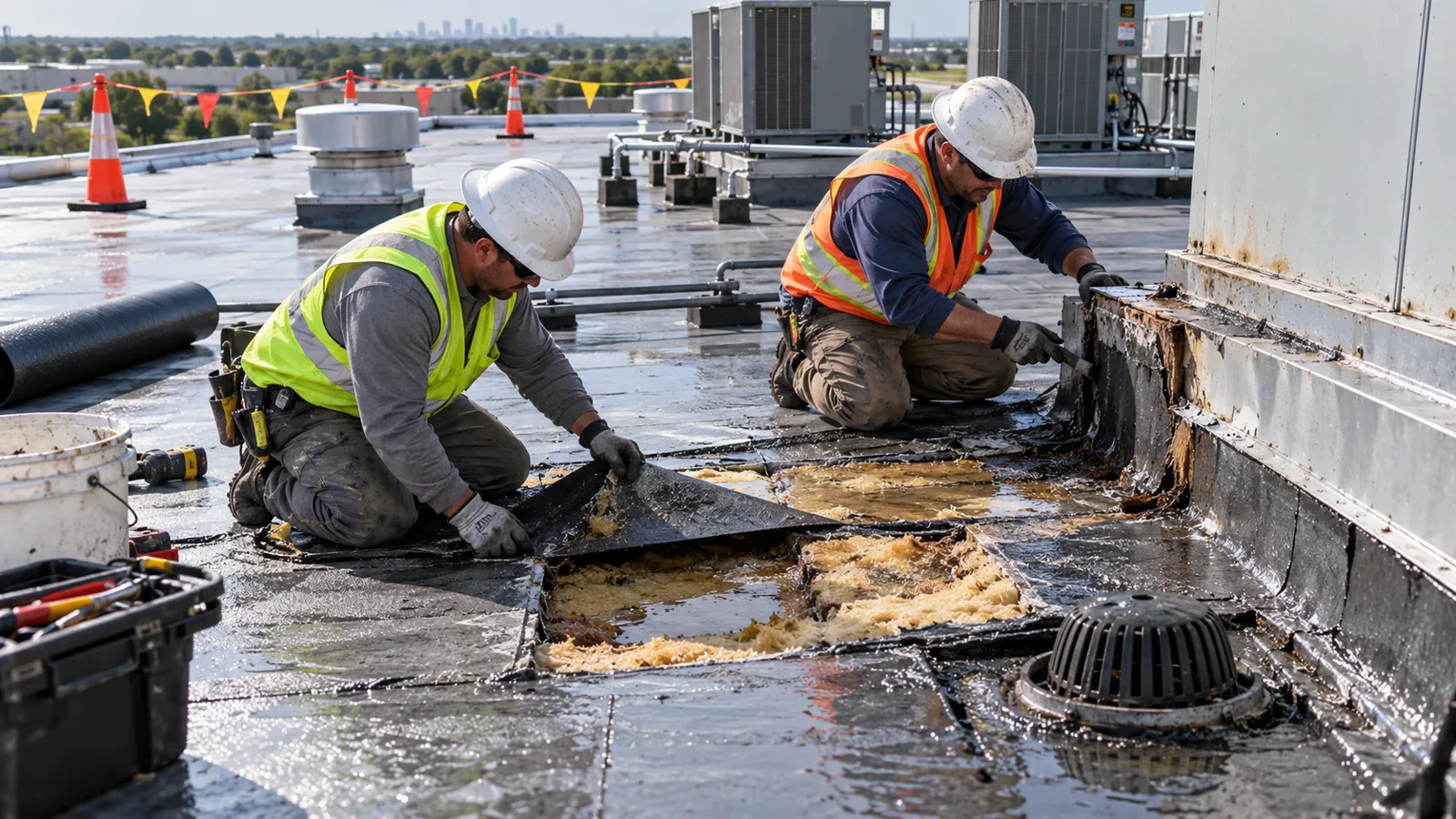
At a drain, the scope has to show how the membrane ties into the drain body. We look at the membrane, any old patches and the condition of the clamping ring and flashing. If we can't tell what the membrane is, we confirm it with records or a closer look. The drain body or the pipe below may need a plumber, and that work shouldn't disappear inside a roofing patch price.
The report separates a roofing connection that needs repair from a drain problem that needs a plumber or further testing. If one has to happen before the other, we say so. That lets you get the right contractor out before we install the final flashing. Cleaning around a drain doesn't tell us what's going on inside it, and we won't design a permanent repair around a drain that hasn't been checked.
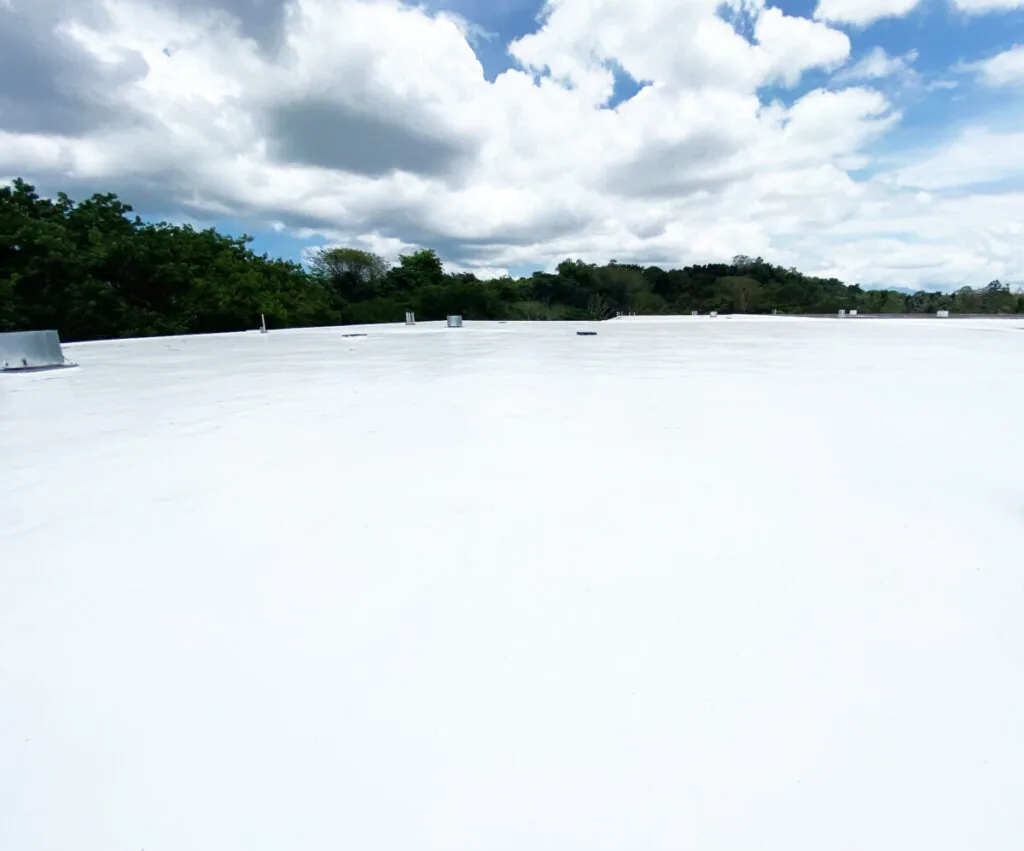
Scuppers: the wall and the opening
A scupper involves the roof membrane, the opening through the wall and the wall itself. We look at how they fit together and note where old material or rotted wood blocking changes the repair. The scope describes the prep needed at that scupper, including any wall repair that has to be finished before the roofing can tie in. A price for new membrane alone can leave that work out.
Our flashing failure repair covers the wall flashing and the backing behind it. You'll know which material stays, what gets repaired and what still needs a closer look. We photograph the scupper with enough of the wall and roof around it to find it later. That gives the next contractor a clear task instead of a close-up photo with no context.
Clogs versus slope problems
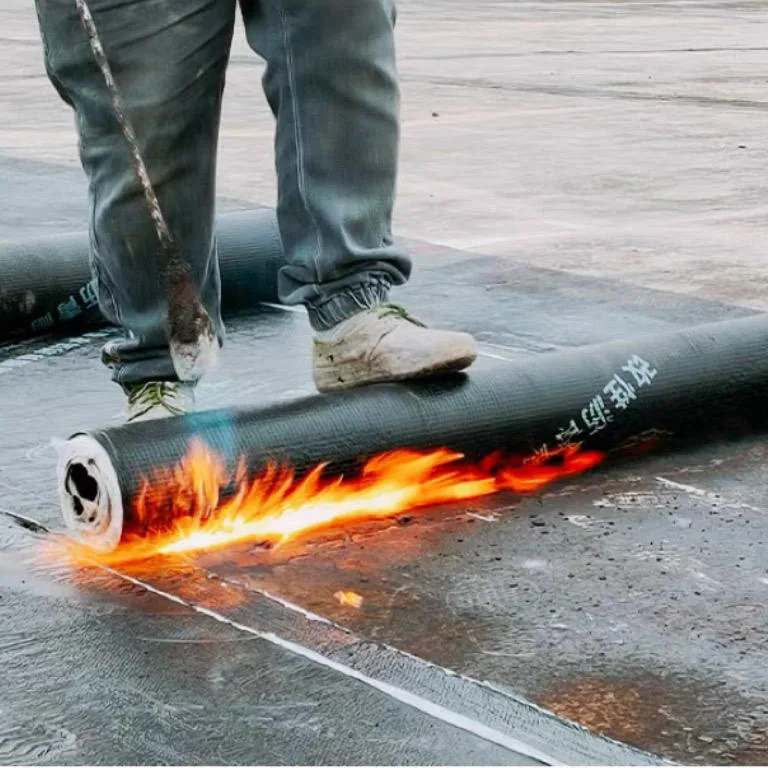
Leaves and debris can block a drain, and clearing them is a normal maintenance task. We record it as finished work at that drain. But cleaning doesn't fix the roof's slope or a low spot where water sits. We keep standing-water observations separate from the condition of the drain, so you know which problem each task is meant to fix.
If water is collecting away from the drain, a ponding water repair assessment looks at that area and how it drains. The deck structure and project requirements can affect the fix, whether that's tapered insulation, an added drain or something else. We won't promise that one drain repair fixes drainage across the whole roof. You can weigh cleaning, drain repair and a broader drainage fix as separate jobs with different purposes.
Matching the repair to the membrane
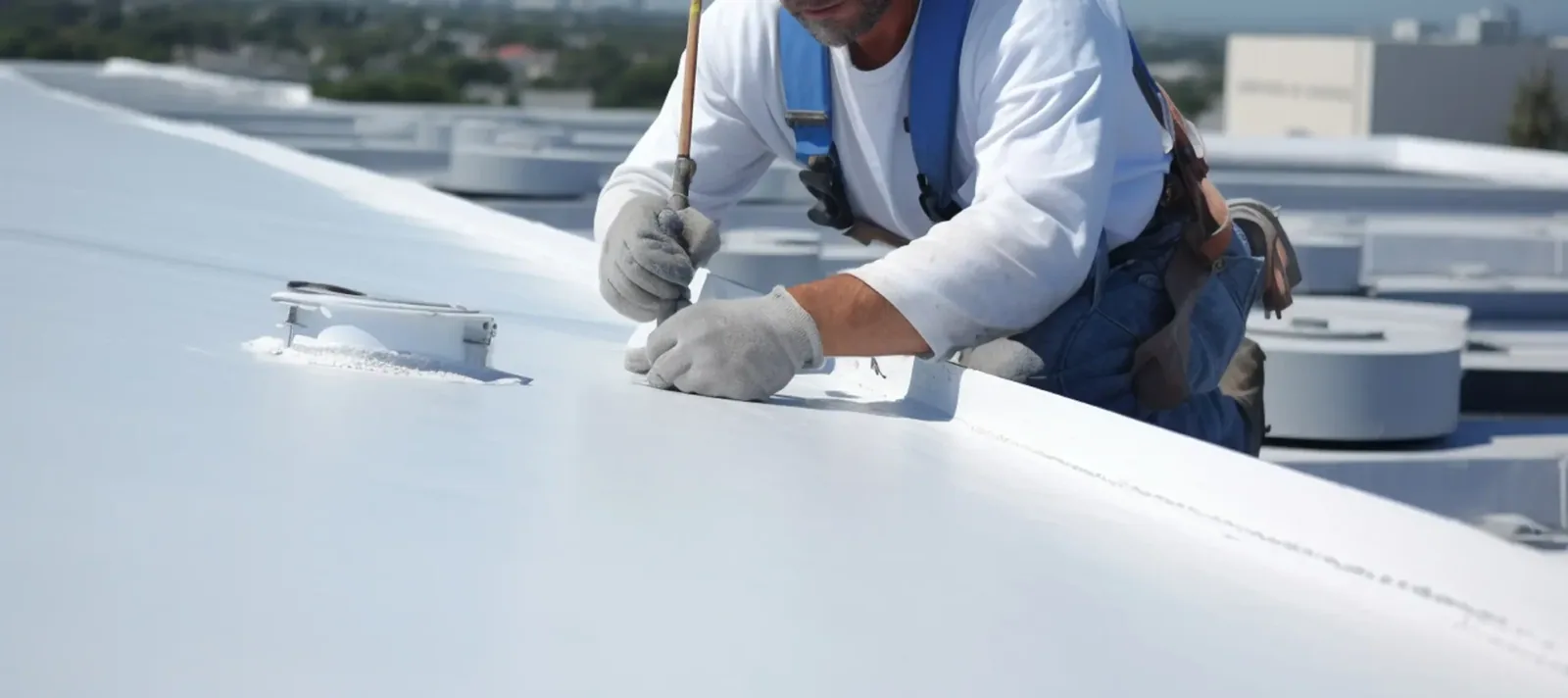
The new flashing at a drain has to match the membrane and what's around it. We find old patches and coatings where they affect what the new work bonds to. Cleaning, cutting out and blocking repair go into the price, along with the checks the material requires. A generic "drain repair" line doesn't tell you any.
A TPO drain repair needs the right TPO membrane and a clean, weldable surface at the flashing. A PVC drain repair has its own prep and welding requirements. We match the repair to the membrane we find instead of assuming one method works for both. The closeout shows the location, the prep and the finished flashing, with any open drain-line questions carried forward.
A drain or scupper investigation should follow the actual water path from roof plane to outlet and discharge point. Record whether the opening is blocked, the bowl or collector is damaged, the connection to the membrane has failed or water remains because of a low area. Those conditions call for different work and should not be combined under a single “drain repair” line. Confirm which plumbing or drainage tasks belong to another contractor and whether the outlet can be safely tested after correction. If the roof slope itself is in question, show the measurements or survey needed before proposing a structural or tapered-insulation change. The final scope should state what was cleaned, what was rebuilt and how the membrane was connected at the outlet. This makes the next water observation useful rather than repeating a vague report of ponding.
Keeping a drain record
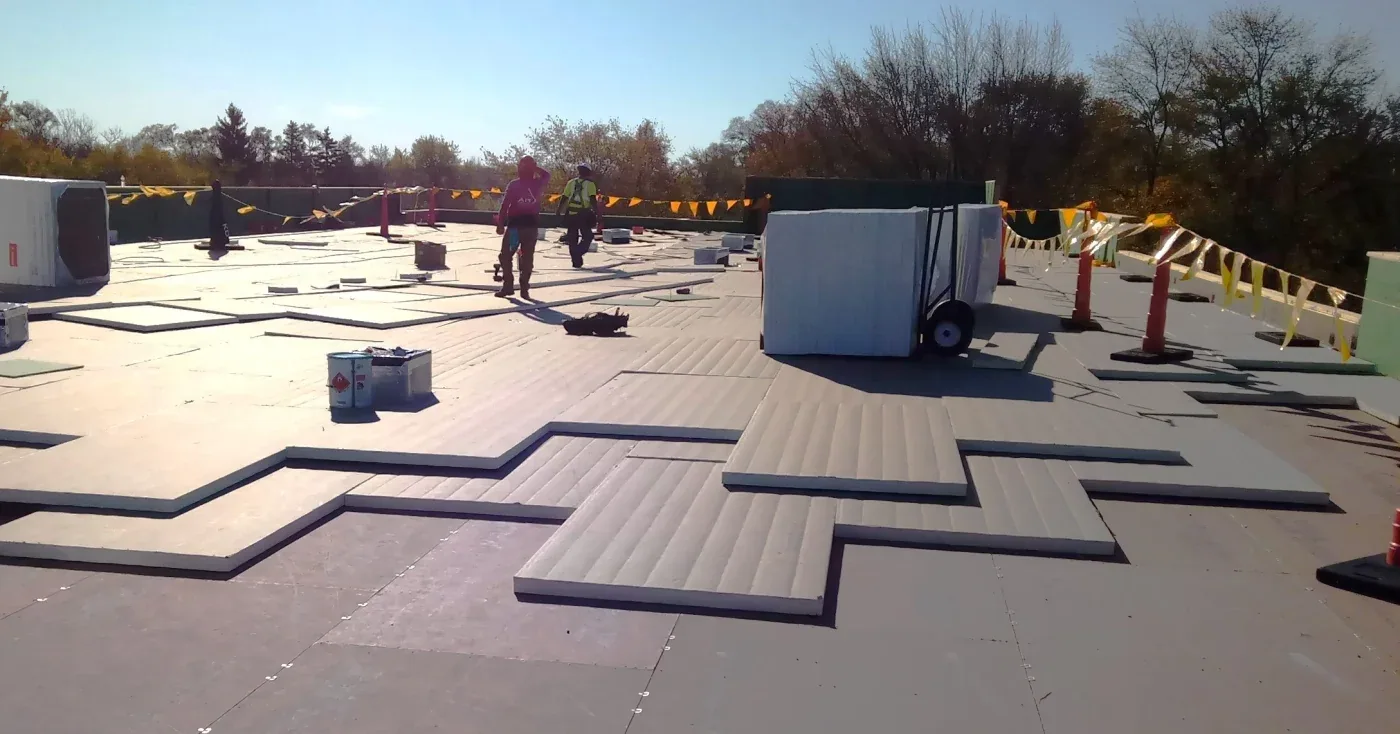
To set up drain or scupper work, have your building contact tell us which areas are involved and share what you know about the roof. We'll plan the inspection and sort out the roofing work from the drain or plumbing work. The visit maps the problem drains, checks the roof around them, and notes what the drain itself still needs before the repair goes ahead.
For drain and scupper repair in downtown Arlington, you'll get a clear record of what we checked and what we did. We list any remaining water-path questions, product checks and wall or curb repairs. Photos and roof locations help another crew find the same drain. Keeping each task separate means the next job follows what we actually found, with the new flashing matched to the drain that stays in place.
Common Questions
What should I send when reporting a drain problem?
Which roof area and drain, plus photos taken during or after rain if you have them. We compare those with what we find on the roof and note any plumbing check that's still needed.
Does cleaning a drain fix standing water on the roof?
Only if debris was the cause. If water is collecting in a low spot or the roof doesn't slope well to the drain, that needs its own assessment.
How does drain-line or plumbing work show up in a roofing estimate?
As a separate item, with a note on whether it has to happen before the flashing work. The new roof flashing should only go on once the drain itself is sound.
Why do you need to know the membrane type before repairing drain flashing?
The prep and repair method depend on the membrane and any old patches around the drain. If we're unsure, we confirm it before choosing materials.
Tell us which drains are acting up
Send your Arlington drain locations and any photos from the last rain. We'll inspect the roof connection and explain the drain, flashing and drainage work needed.
- roof examination comparing outlet observations with accessible detail construction
- leak investigation examining the outlet connection against reported symptoms
- flashing review identifying the wall transition and its supporting correction
- water-retention assessment examining the reported area and outlet relationship
- TPO outlet review confirming sheet identity at the flashing connection
- PVC outlet correction defining preparation against the existing detail material
- Arlington downtown outlet work with flashing and component responsibilities located