
Preventive Roof Maintenance in Arlington, TX
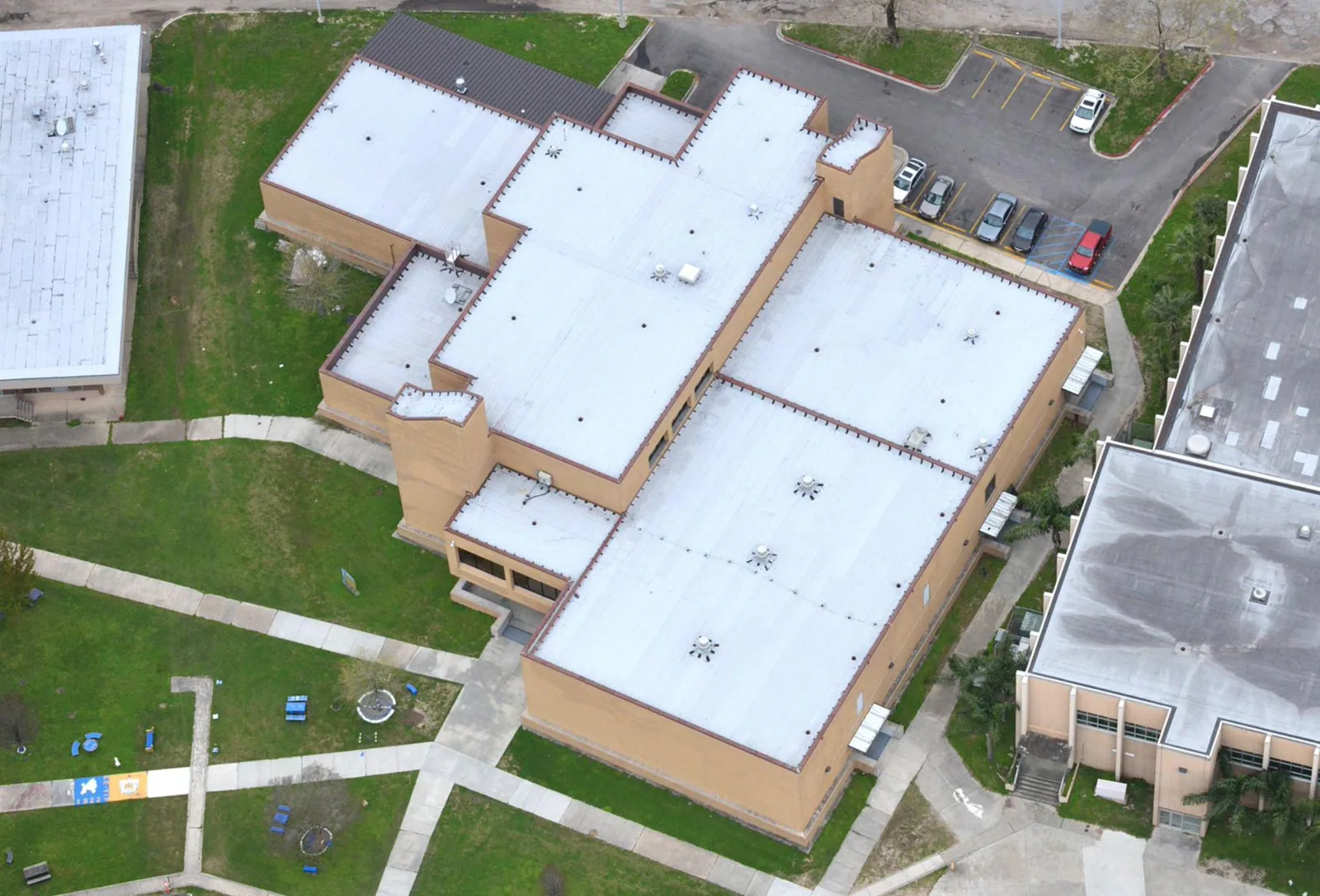
Preventive Roof Maintenance
Preventive roof maintenance in Arlington, TX. Scheduled roof checks, drain cleaning and minor repairs, with a photo record that tracks each item visit to visit.
Summer 2023 brought North Texas 47 days at 100 degrees or higher, including 23 days at 105 degrees or higher. Heat like that is hard on low-slope roofs and rooftop equipment, but it doesn't tell you what's going on with any one building. At a warehouse in the Great Southwest Industrial District or a retail property near The Parks Mall, a useful visit records which areas were checked, what routine work was completed and which finding needs a separate repair.
We start with whatever product information, repair records and roof plans you have. On later visits, we check the same areas and separate new problems from items still waiting on work. You should be able to see what the crew did, what's still open and what supports the next budget decision.
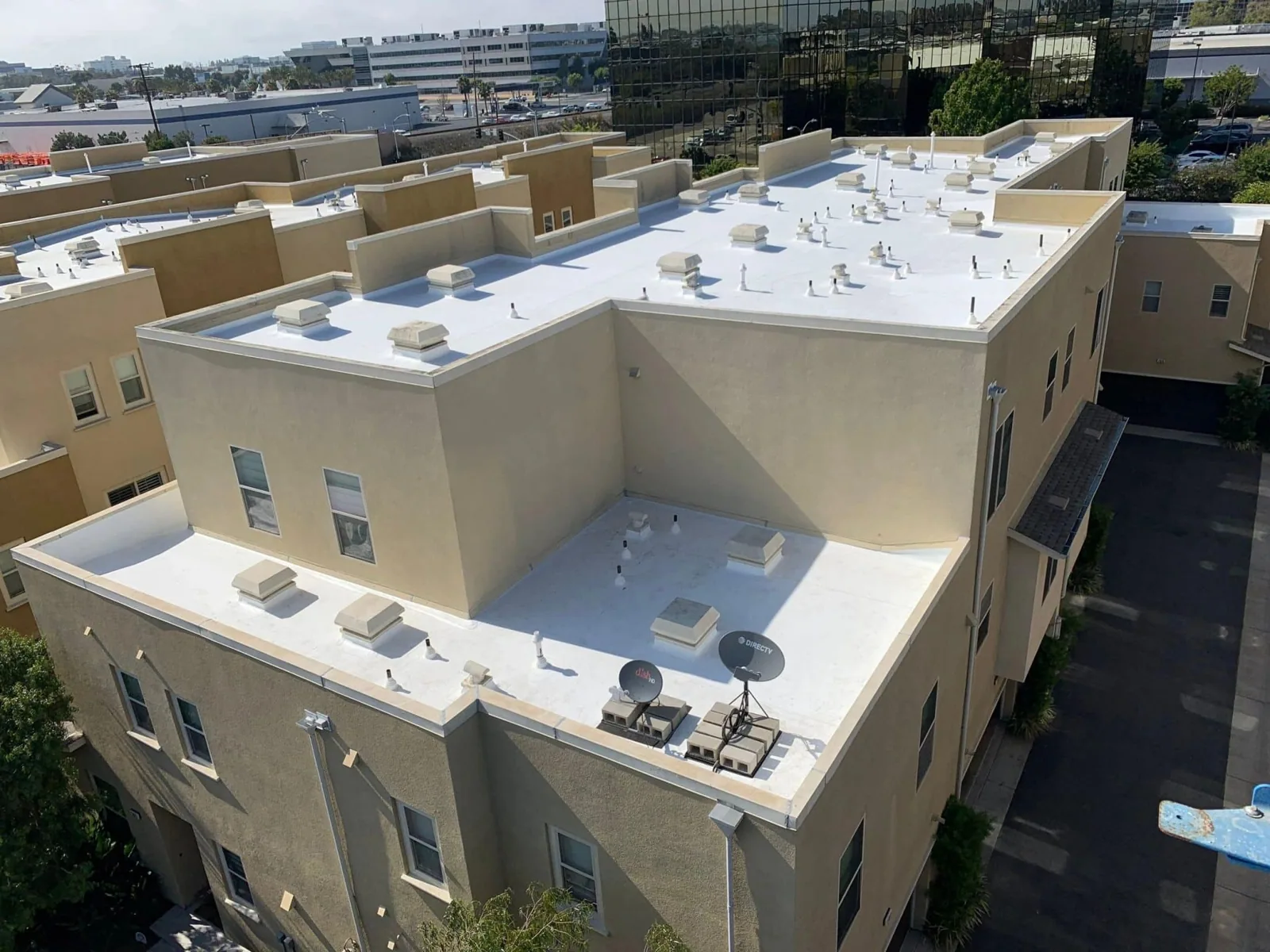
Starting with a baseline
Maintenance works best from a solid starting point. We ask for product records, past repair invoices and drawings that show the roof sections. A patch from an earlier project may be a different material than the membrane around it, and the next crew needs to know that before treating the roof as all one thing. If we're unsure what a material is, the report says so and notes how we'd confirm it.
A roof inspection sets that baseline for the maintenance file. It also notes what we couldn't check, like insulation under the membrane or equipment we couldn't reach. Maintenance tasks follow the roof you actually have, because not every roof needs the same work. You get defined areas and tasks that are easy to compare later, without the first visit being treated as a clean bill of health for the whole roof.
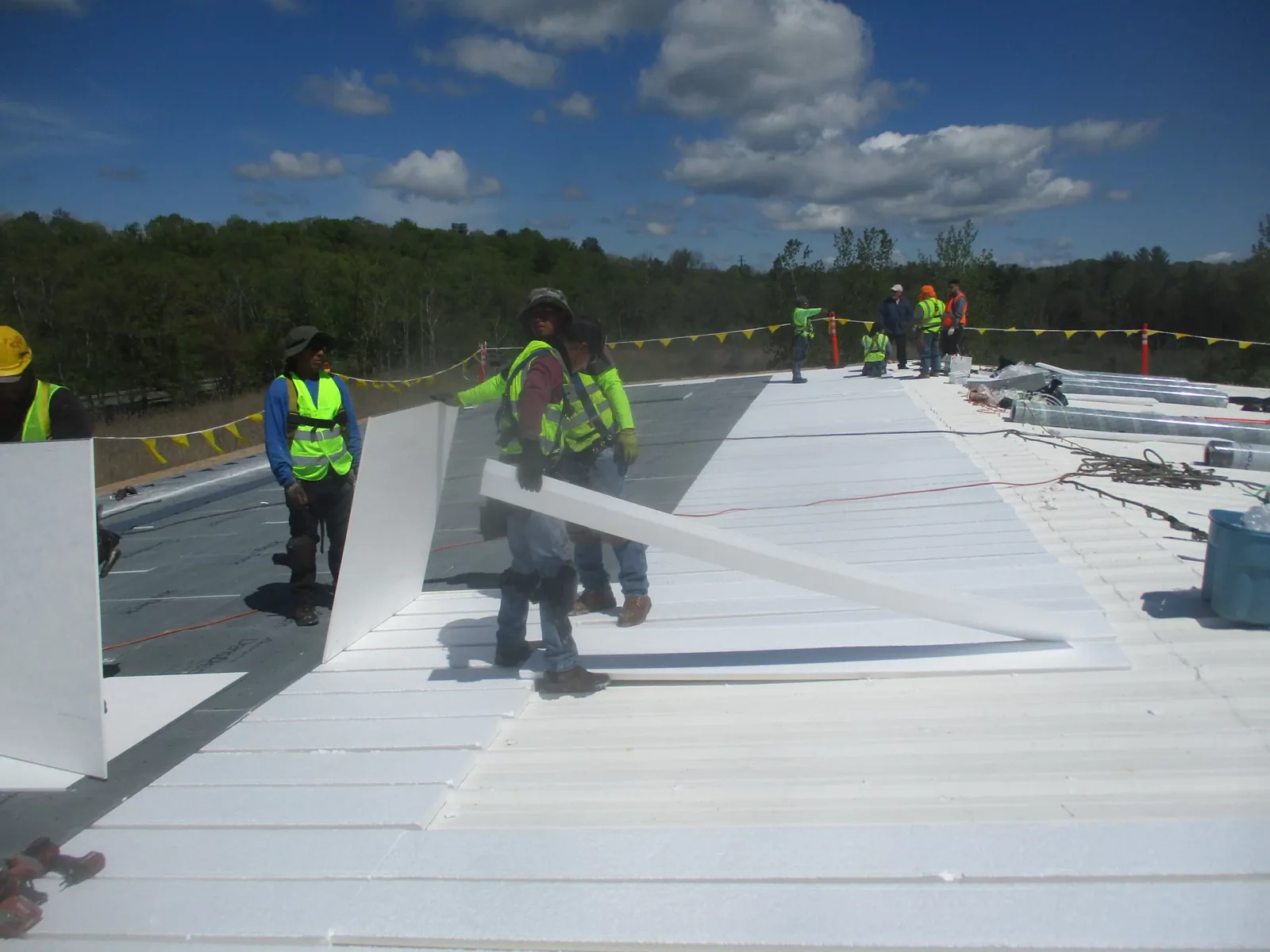
Checking the same areas each visit
A return visit is only useful if it can be compared with the last one. We use the same roof areas and landmarks, then note what's changed. Photos show the problem plus enough of the surrounding roof to find it again. The report separates new findings from older items still waiting on work, so you can see what happened between visits.
Interior complaints get recorded separately from what we see on the roof. A ceiling stain is a reason to investigate, not proof that the nearest seam is the problem. Our leak repair service handles that as its own job. A routine maintenance visit shouldn't quietly turn into an open-ended leak hunt. If the visit can't answer the question, the report says what inspection comes next.
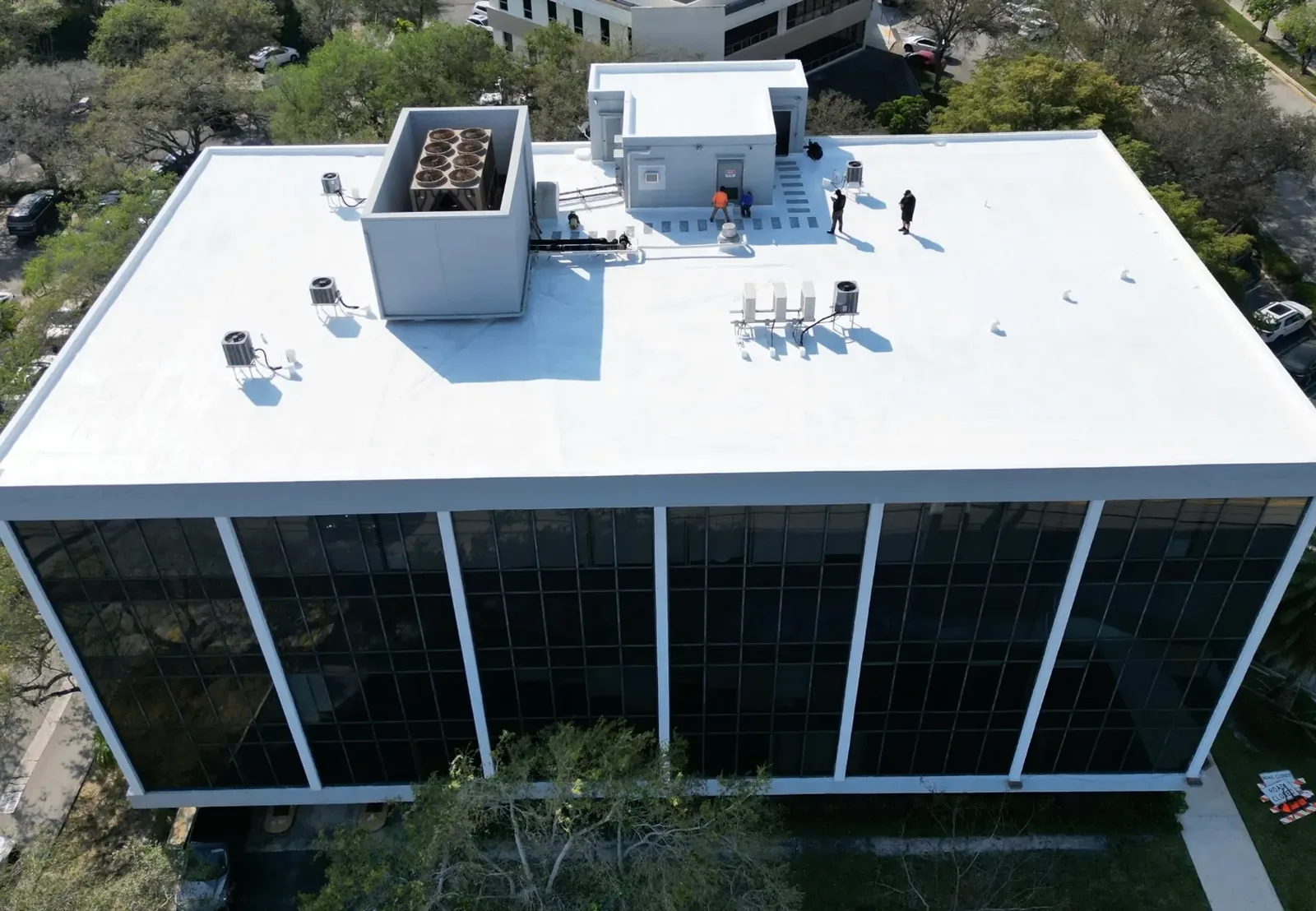
Drains: cleaning versus repair
Clearing leaves and debris from a drain is a normal part of maintenance, and the report notes where and when we did it. It should also flag damaged flashing at the drain or water that's sitting on the roof after rain. Pulling out debris doesn't fix a broken clamping ring, change the roof slope or tell you what's happening inside the drain line.
Our drain and scupper repair work deals with those bigger problems. We separate roofing work from plumbing work and explain which has to happen first. That way you can schedule a real fix instead of paying for cleaning over and over when the drain has a deeper problem. Later visits check that same drain against the work actually done, which keeps the file useful for the next contractor.
When a finding needs a real repair
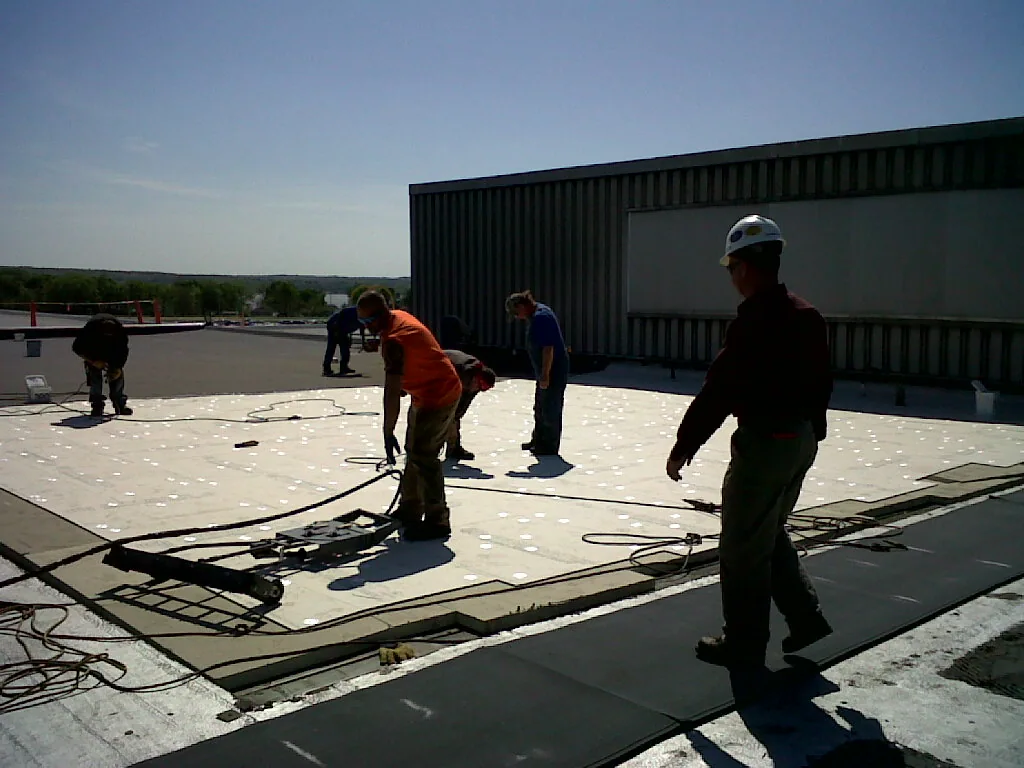
Sometimes a routine visit turns up something that's more than maintenance, like a split seam or failing flashing. We note where it is, what the roof is made of there and what's around it. Old patches and coatings need a look before choosing a repair. The repair scope lists any cleaning, cutting out or blocking repair needed, plus the checks the material requires.
A PVC roof repair needs the right PVC membrane and a clean, weldable surface. An EPDM roof repair uses different primers, tapes and patch methods, and old patches matter. We don't use one fix for every roof just because both have a visible problem. You get a repair description that matches your membrane and lists any related work still open, instead of a maintenance label that hides the prep.
What each visit report should show
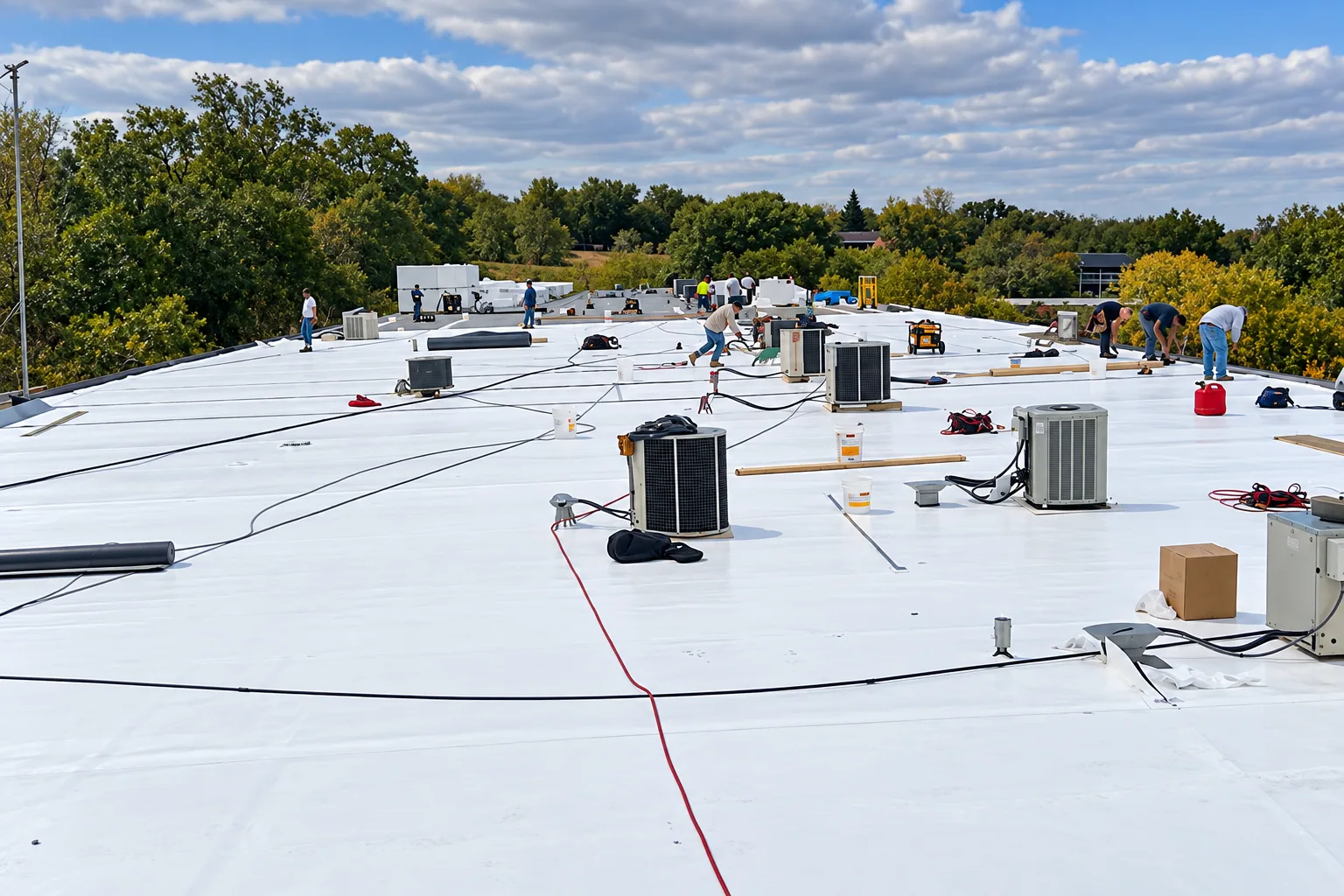
Each visit report should list the tasks we finished and anything still open. We record locations, materials and the prep we did, with photos that show the finished work in context. If we only looked at an area, the report doesn't call it repaired. If we did repair something, a returning crew can easily find and identify it.
A roof asset management program keeps those reports together over time. Budget forecasts, insurance questions and warranty terms get their own review when they come up. Maintenance photos help by showing what we saw and what we did, but they don't decide who's responsible for a problem or predict how hidden layers will hold up. We name the next step and what's needed so you can line it up with the right contractor.
A maintenance visit should leave a repeatable record of the same roof areas, not a pile of notes nobody can compare next time. We use the same roof map every visit to locate drains, seams, penetrations, edges and past repairs. Routine cleaning is kept separate from repair work, and the report says when something has gone beyond maintenance and needs a real repair. If we can't check hidden layers or confirm an interior complaint, the report says so and names the next inspection. Each item gets a status, like completed, monitoring, waiting on the owner or needs another trade, along with a dated photo showing where it is. At the next spring check, you can compare the roof's condition and work history with the last visit. That history helps you time repairs sensibly, without treating one inspection as a promise about how the roof will perform.
Setting up your maintenance plan
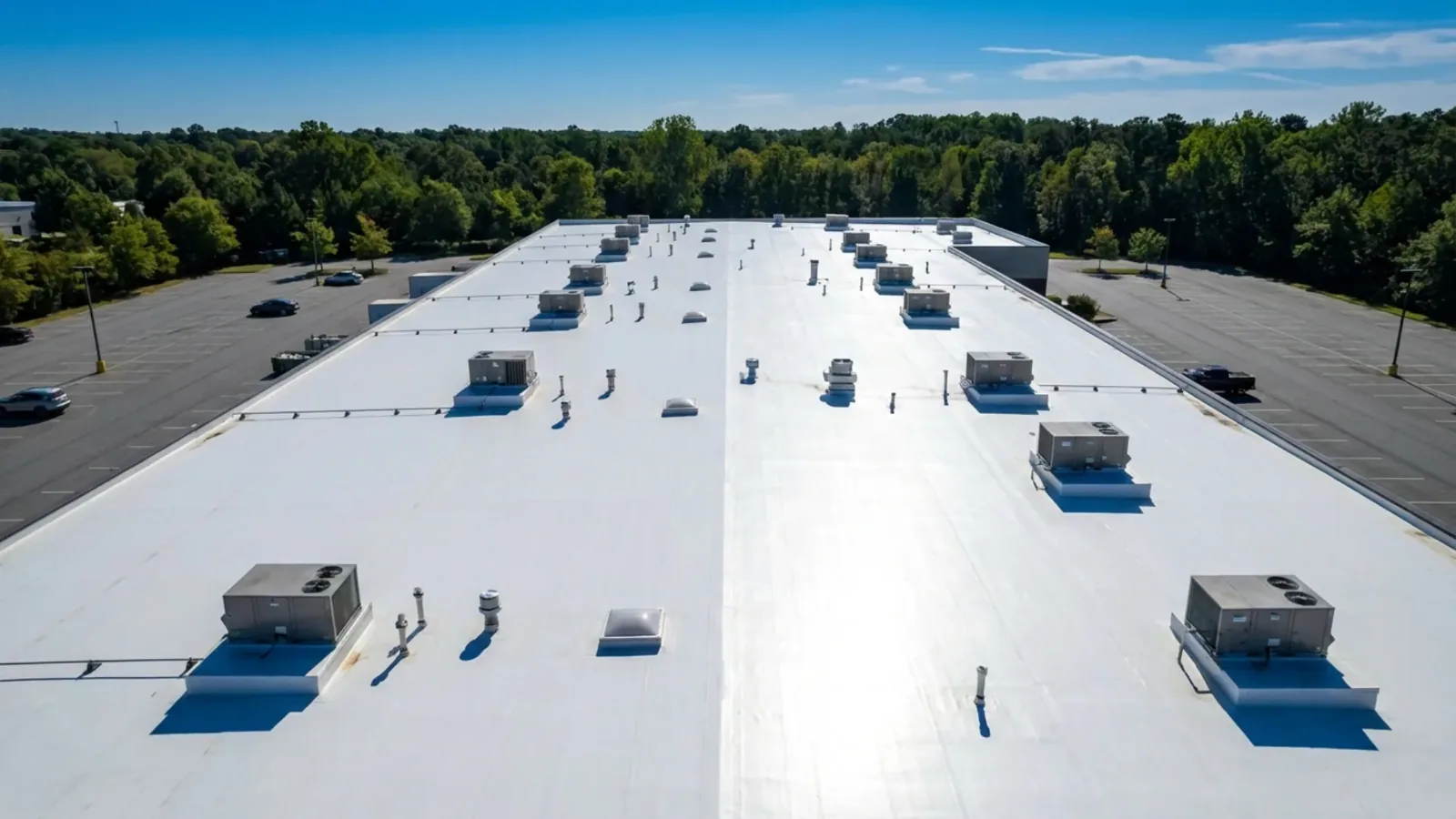
To set up maintenance for your building, have your facility contact tell us which roof areas to include and send any records you have. We agree on access and the tasks for your roof. Each visit records what we saw and what we did, and anything that needs a real repair becomes its own scope.
For preventive roof maintenance in downtown Arlington, the report is built to make the next visit easier. It shows what changed, what was done and what's still open, using roof locations anyone can follow. You can use it when planning a closer inspection or a bigger roofing project. With open items kept visible, each crew starts from where the last one left off instead of digging through scattered photos.
Common Questions
What makes one maintenance visit easy to compare with the next?
Using the same roof areas and landmarks every time, with dated photos and notes on what changed. Open items stay on the list so you can tell new problems from old ones still waiting on work.
How is drain cleaning recorded in a maintenance report?
We note which drains we cleared and when. Damaged flashing, standing water or a possible problem inside the drain gets flagged separately as its own repair item.
When does a maintenance finding need its own repair scope?
When fixing it takes more than routine work, such as confirming the membrane type, prepping a detail or repairing a curb. The repair scope spells that out before work begins.
What if an area was inspected but not repaired?
The report says what we saw, what we couldn't check and what should happen next. It's kept separate from completed work so the next crew knows exactly what's left.
Start a maintenance plan
Send us your Arlington roof information and any past repair notes. We'll set the visit tasks and give you a report that tracks finished work and open items.
- roof inspection establishing located observations for the maintenance file
- leak review comparing reported interior symptoms with inspected roof details
- drain and scupper assessment defining outlet and adjoining flashing duties
- PVC detail review identifying the membrane at the proposed maintenance repair
- EPDM repair examination confirming sheet and earlier patch relationships
- asset management record connecting maintenance visits with defined project tasks
- Arlington downtown maintenance with dated detail observations carried forward