Restaurant Roofing in Arlington, TX
Restaurant Roofing
Restaurant roof repair in Arlington, TX: kitchen exhaust fans, grease-damaged membrane, cooler condensers and curbs, scheduled around prep and service hours.
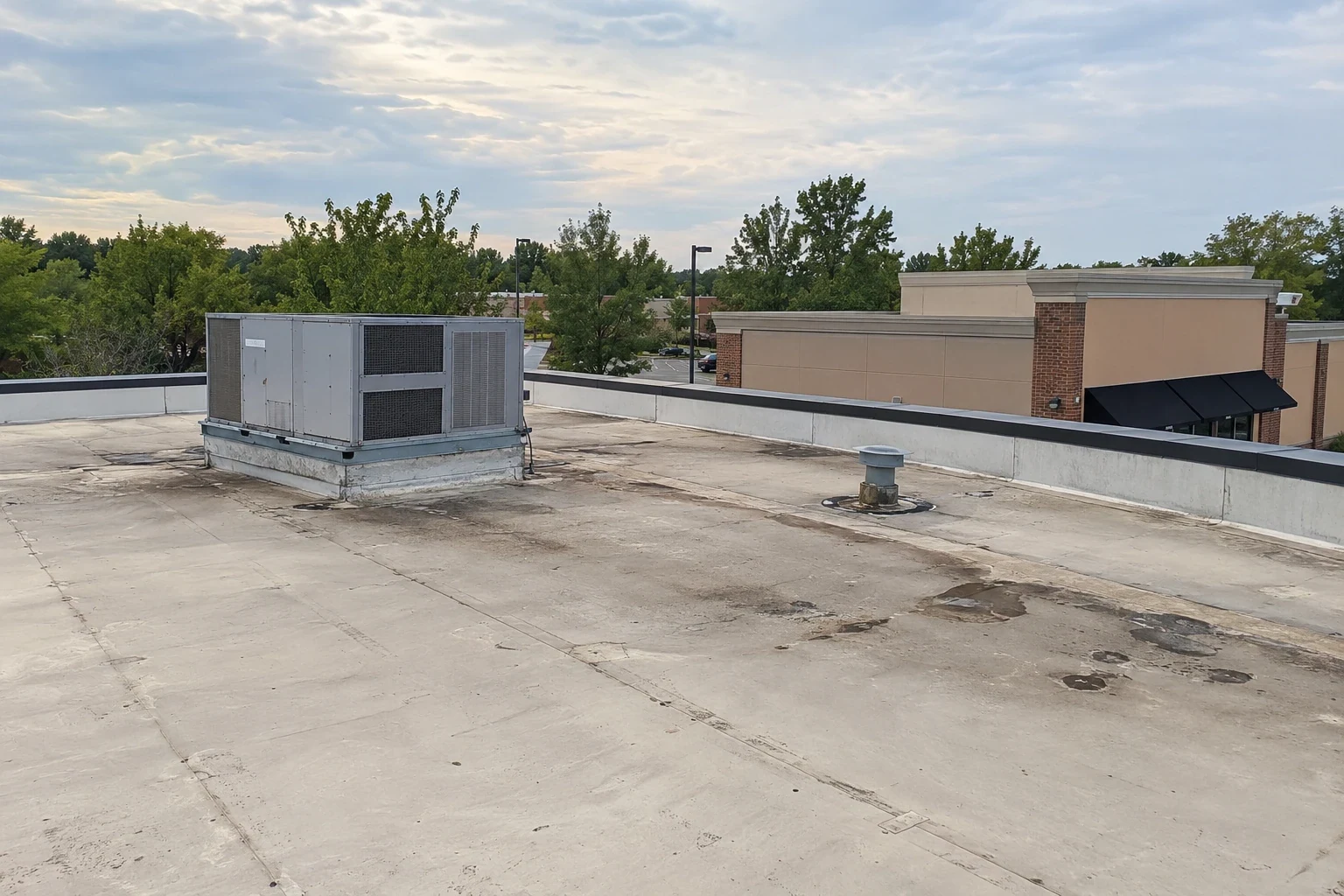
A restaurant roof in Arlington, TX takes the summer heat on top of everything the kitchen puts up there. On restaurants, the problem spot is usually the exhaust fan over the hood line, the curb under it, or the membrane around it where grease has collected. Sometimes the fan has to come off its curb before we can flash it right, and that's your kitchen exhaust or HVAC contractor's job, not ours. Sometimes the curb or wall behind the flashing is soft and needs rebuilding first. Our estimate lists those steps next to the tear-off and the new roofing, so you can compare bids on the whole repair instead of a membrane price that assumes the fan and the curb are already squared away.
Owners with locations in Bedford and Kennedale can plan roof access and protection around how each restaurant actually runs.
A nearby mall address doesn't tell us what building, kitchen equipment or roof system you have. Tell us which restaurant, where the leak shows up, and send whatever roof records exist. The general manager or owner sets up the visit, and the kitchen manager tells us what's below the work area. Before any fan is shut off or roof opened over the kitchen or dining room, the restaurant signs off. We plan around your prep and service hours.
Exhaust fans and curbs
Work on rooftop equipment curbs and supports at a restaurant usually starts with the kitchen exhaust fan. Your exhaust or HVAC contractor shuts it down, lifts it or resets it, and handles any changes to the fan or its ductwork. If the curb has to be raised or the support changed, an engineer may need to review it. Once the curb is ready, we flash it and tie it into the membrane. A roofing bid doesn't cover the fan work, so your estimate should show what the other contractor does first and what we install after, and both should be scheduled on the same day when possible so the kitchen isn't down twice.
Cooler and freezer condensers get the same approach: the refrigeration contractor decides when they can go offline and protects the lines. Not every leak near a fan comes from the fan. Water can enter at a seam several feet away and run along the deck. We follow the wet membrane and insulation to the actual source and note any spot we couldn't confirm. We photograph curbs and supports while they're exposed so you can see why a curb was rebuilt before new flashing covered it up.
Grease, membrane and what's underneath
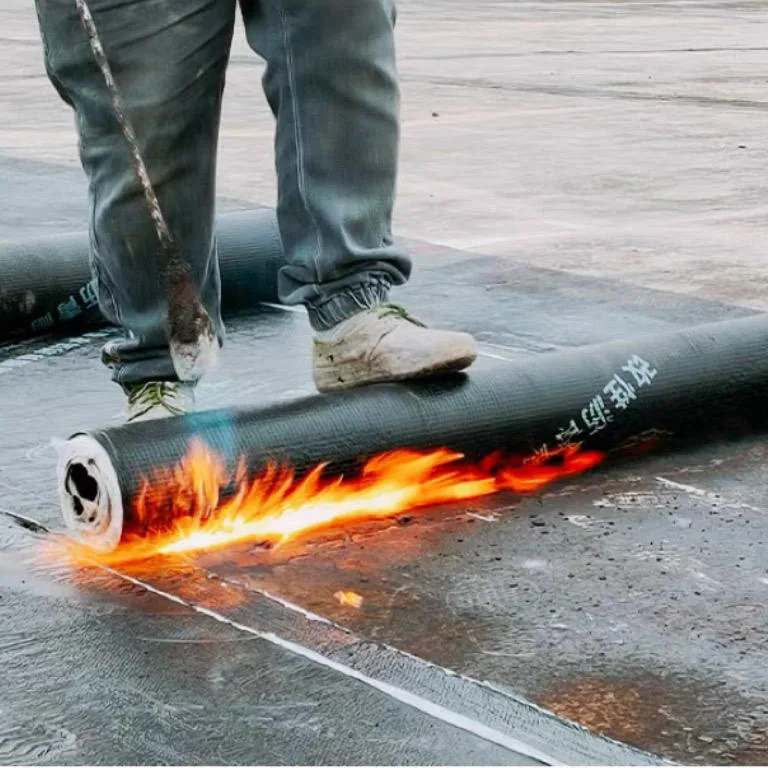
A commercial roof repair around a restaurant exhaust fan has to deal with grease. Kitchen exhaust leaves grease on the roof, and over time it softens and breaks down many single-ply membranes. Light residue can be cleaned off so the new material bonds. Membrane that's swollen, soft or cracked from grease has to be cut out until we reach sound roof. TPO and PVC seams get heat-welded; other systems have their own methods, so the existing roof decides the repair. A coating won't fix grease-damaged membrane, rebuild a soft curb or rework a fan. Those items belong in the estimate next to the roofing, along with a plan to keep grease off the new membrane.
If older layers stay in place, an infrared moisture survey can point to wet insulation, though results depend on conditions at the time and a scan can't show everything. Core cuts at the suspect spots tell us for sure. Each core gets patched, and we protect the kitchen or dining area below while we cut. Mechanical or structural questions go to the right specialist. Hot summers and the look of the equipment don't prove the insulation is dry; the cores do.
Walls, parapets and drains
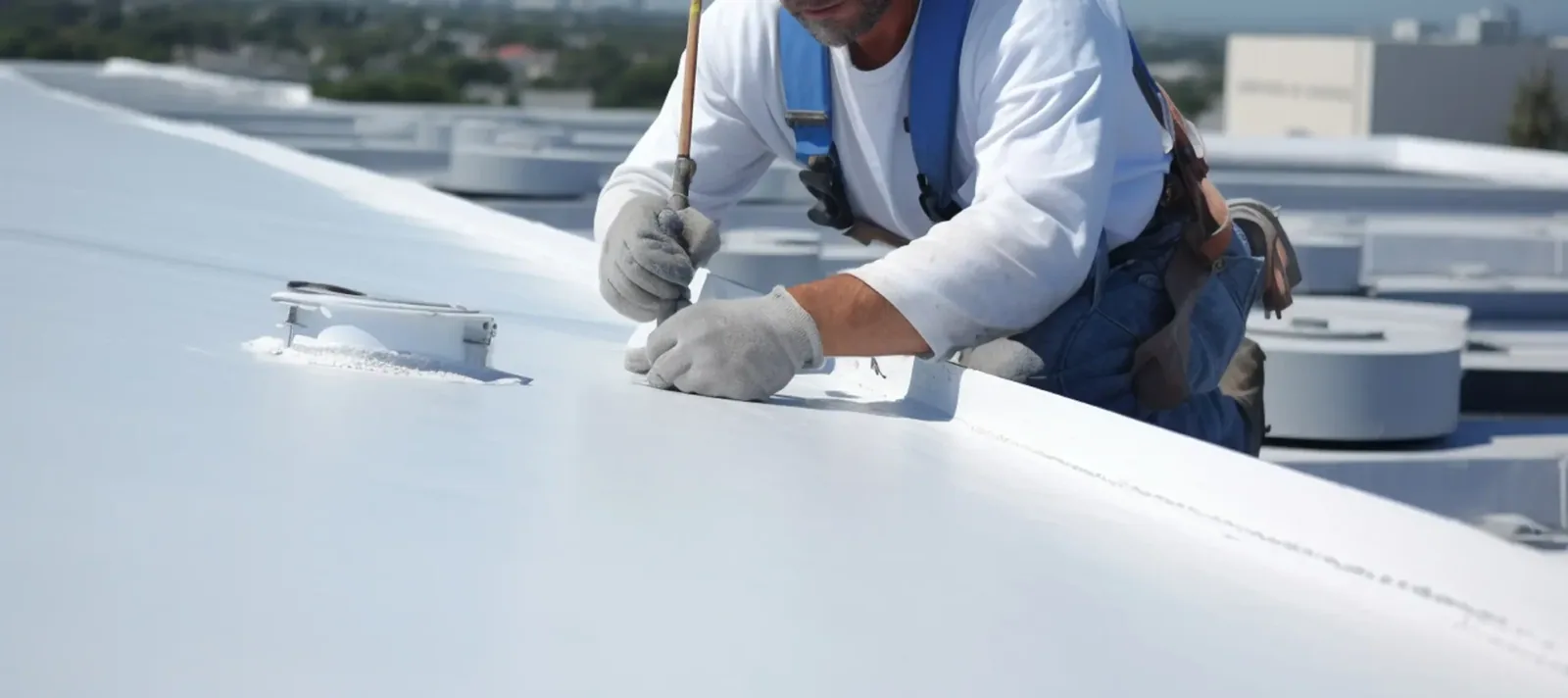
For flashing failure repair at a parapet or wall, we pull back the flashing and check the backing. If it's rotted or crumbling, a wall or masonry contractor rebuilds it before we fasten anything to it, and an engineer signs off if the structure changes. Then we install new counterflashing up top and tie the membrane in at the base. A membrane patch can't close a gap in the wall above or fix soft backing. The estimate should show the wall work done first and the roofing that follows, not just a tidy new seam over a wall nobody repaired.
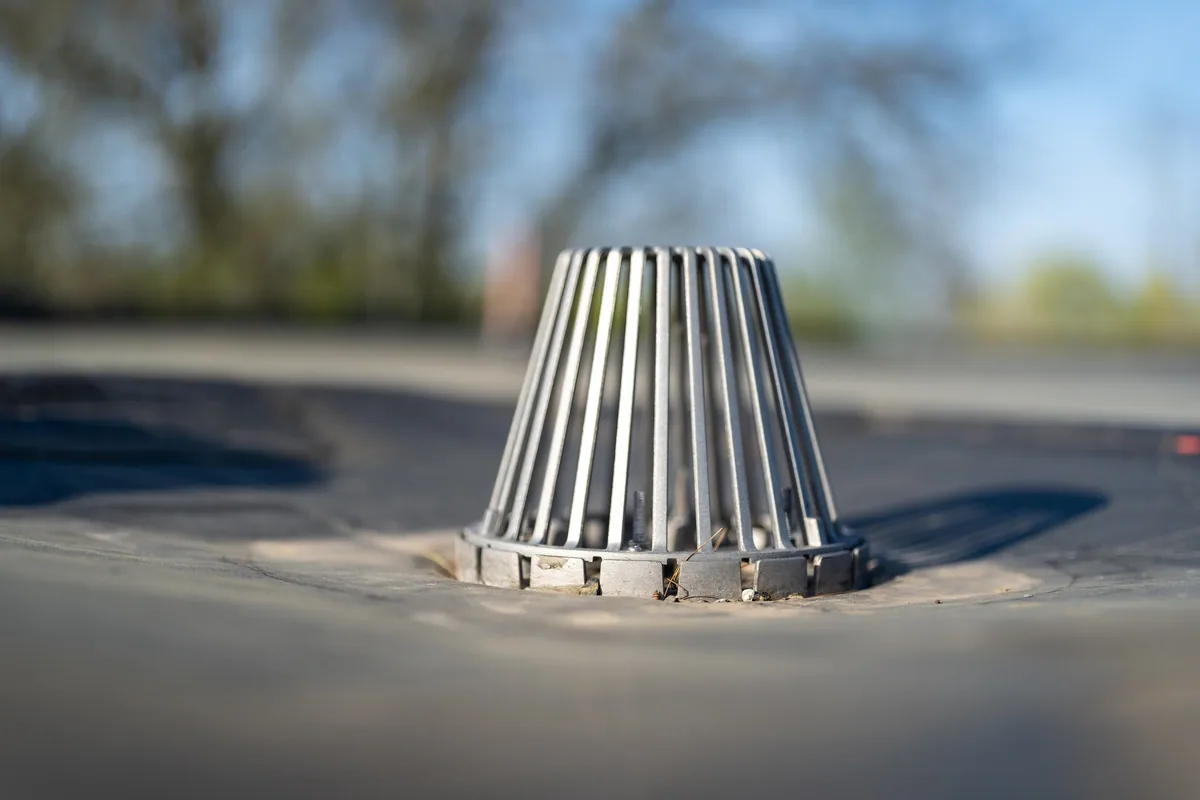
For roof drains and scuppers inside the repair area, we check how the membrane ties into the drain or scupper and whether grease or debris is clogging it. If the drain body needs replacing, a plumber does it before we flash it in, and the plumber handles the piping below the deck. Changing how the roof drains may need an engineer. The exhaust, wall and drain work are separate trades, and the roofing over each one waits until that trade is done. Our schedule shows the order, so a finished roof patch isn't mistaken for a finished plumbing or exhaust job.
Working over the kitchen and dining room
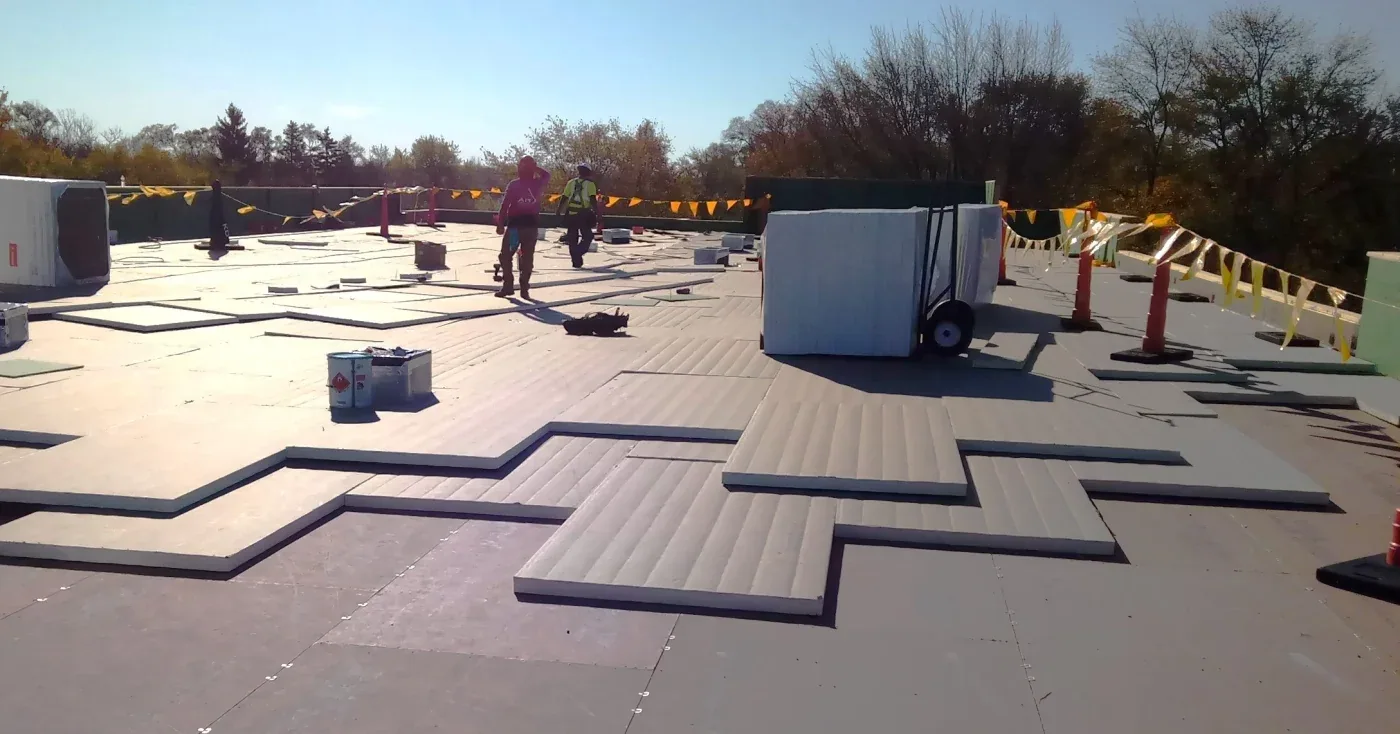
Before we open the roof, we show the owner or general manager exactly where we'll cut and how materials get up and down, ideally away from the front entrance and patio. The kitchen manager tells us what's below: prep tables, the hood line, walk-ins, the dish area or dining seating. Food prep areas need to be covered or cleared before any tear-off happens overhead, and debris can't fall into open food. Being on the roof for an inspection doesn't mean the kitchen is shut. We usually schedule tear-off early in the morning or on a closed day so it's done before prep starts.
Sometimes we open the roof and find more damage than expected, often more grease-soaked insulation. We stop at the edge of the original opening, photograph what we found and explain why it needs to grow. Before going further, we check what's under the new area and how it needs to be protected. If the fan contractor or wall contractor needs more time, we put temporary protection in so the restaurant stays dry through service. The revised estimate covers the added tear-off, the temporary protection and the final roofing together, rather than assuming the protection set up over the kitchen also works over the dining room.
The closeout report
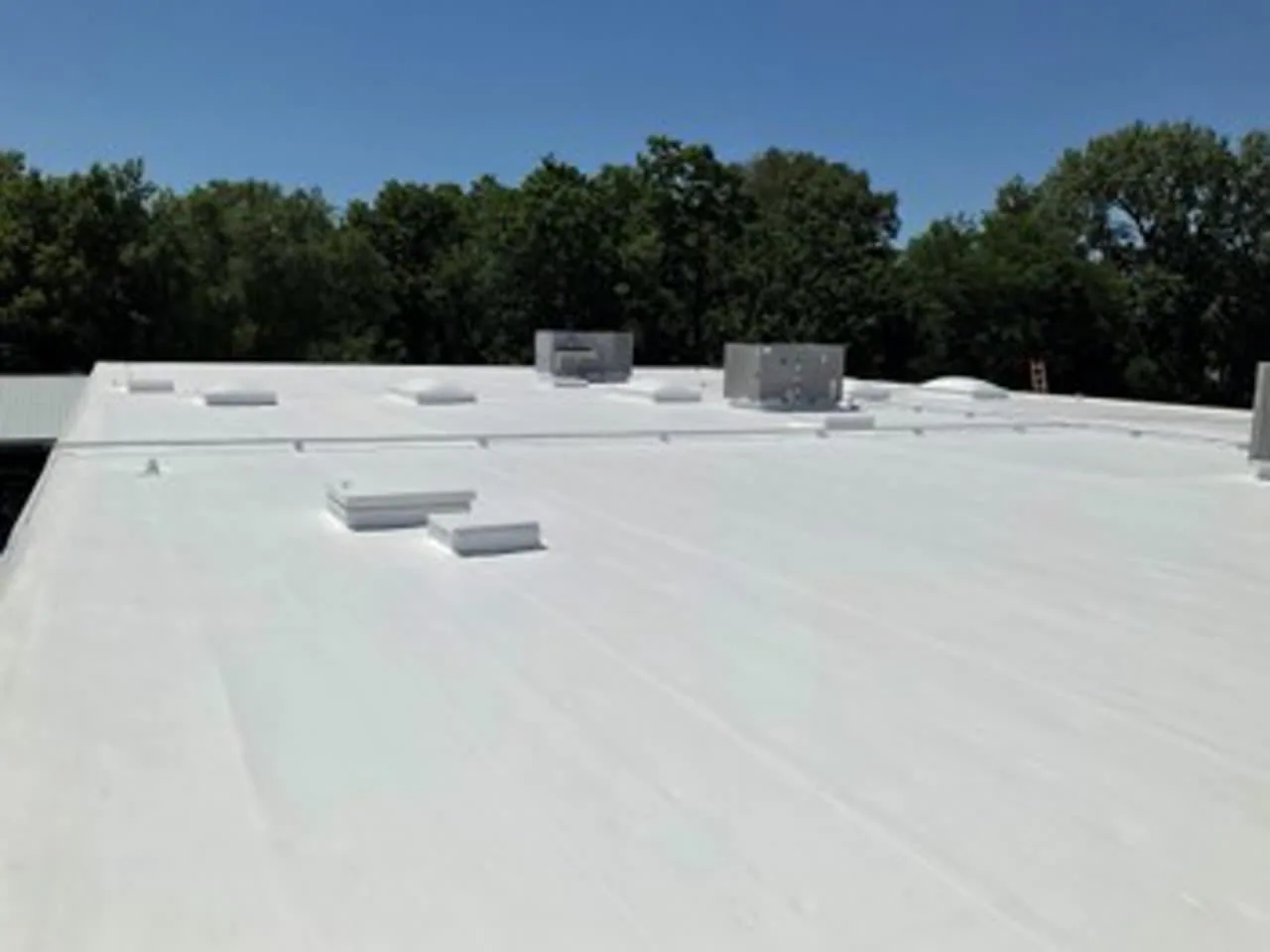
When we're done, the report shows what membrane came off, what curb or wall prep was done and the new flashing we installed, with photos taken while everything was open. It marks every core cut and confirms each was patched. Any exhaust, wall or plumbing work still open with another contractor is listed next to the finished roofing. If another fan or curb needs a closer look, we note which one and why, instead of treating one repaired curb as a fix for the whole roof.
For restaurants near the mall and along Cooper, book a South Cooper Street roof inspection. A grocery store roof and a hotel roof each get evaluated on what we find at that building. For your restaurant, the report stays tied to the fan curb we inspected and the work it took to fix it, so you have a fair way to compare bids and a record showing exactly which curb and flashing were done.
Common Questions
Do all restaurants have the same rooftop equipment?
No. The kitchen layout, fans and condensers vary from one restaurant to the next, and a nearby mall address tells us nothing about yours. We inspect your roof and work with whoever services your equipment before anything is shut down.
What should an exhaust fan flashing estimate include?
It should show what your exhaust or HVAC contractor does first, such as lifting the fan or raising the curb, and then the new flashing and membrane tie-in we install. Roofing alone doesn't cover work on the fan itself.
Who decides how the kitchen and dining room are protected during roof work?
The owner or general manager and the kitchen manager. We show them where we'll open the roof and how materials move, and they tell us what's below and when the kitchen can be covered or closed. We schedule around prep and service.
How do we know what's still open after the roofing is finished?
The closeout report lists the roofing we installed and the core cuts we patched. It also flags any exhaust, plumbing or wall work still waiting on another contractor, so nothing gets assumed finished.
Schedule a restaurant roof inspection
Have the owner or general manager set up the visit. We'll check the exhaust fans, curbs and grease-exposed membrane, and plan the work around your kitchen's hours.
- restaurant roof component support and flashing preparation
- restaurant membrane repair and removal description
- restaurant roof temperature findings and layer inquiry
- restaurant wall backing and upper flashing review
- restaurant roof fitting preparation and membrane work
- South Cooper-area restaurant roof examination
- grocery roofing and prepared fitting connections
- hotel roofing and reviewed wall preparation