
Hotel Roofing in Arlington, TX
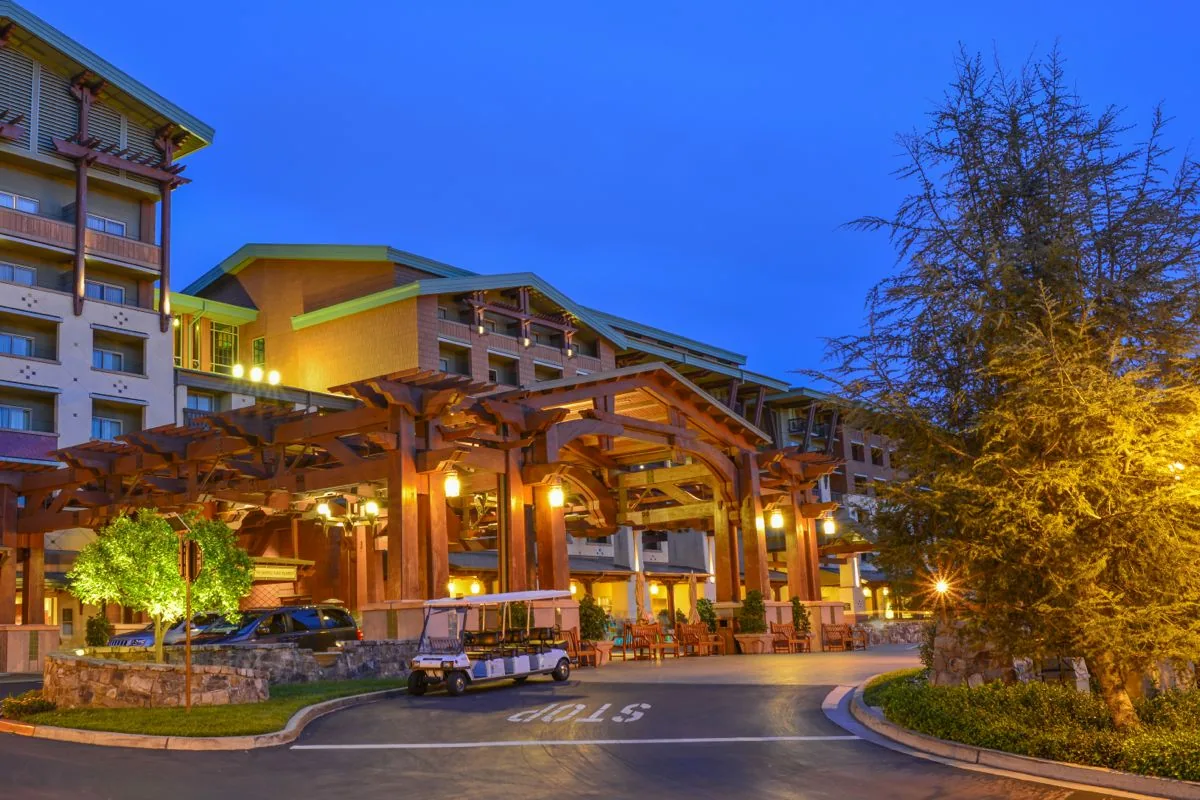
Hotel Roofing
Hotel roof repair in Arlington, TX: wall flashing, membrane seams and rooftop units over guest rooms, scheduled around occupancy with interior protection planned.
Arlington took an EF-2 tornado on November 24, 2020, a reminder of what North Texas weather can do to a roof. On hotels, the leaks we chase most often start where the membrane turns up a parapet or a stair tower wall and the flashing has pulled loose. Sometimes the wall behind it has gotten wet and soft, and a new strip of flashing screwed into bad backing won't hold for long. In that case the backing gets fixed first, then the flashing goes back on properly. Our estimate spells out the tear-off, the wall repair, the new flashing and the protection inside, so you can compare bids on the full job instead of a patch price that leaves the hard part out.
We also work hotel properties in Grand Prairie and Coppell, and each building gets its own findings and its own report.
When you call, tell us which building, where the leak or damage shows up, and send whatever roof records you have: past repairs, warranty paperwork, drawings. Your general manager or chief engineer should walk us through roof access and which floors, rooms or back-of-house areas sit under the problem. Before anything is opened over an occupied room, the hotel decides whether that room can be blocked, and any work on rooftop equipment has to be cleared with whoever maintains it. We plan around how your property actually runs, not a generic hotel schedule.
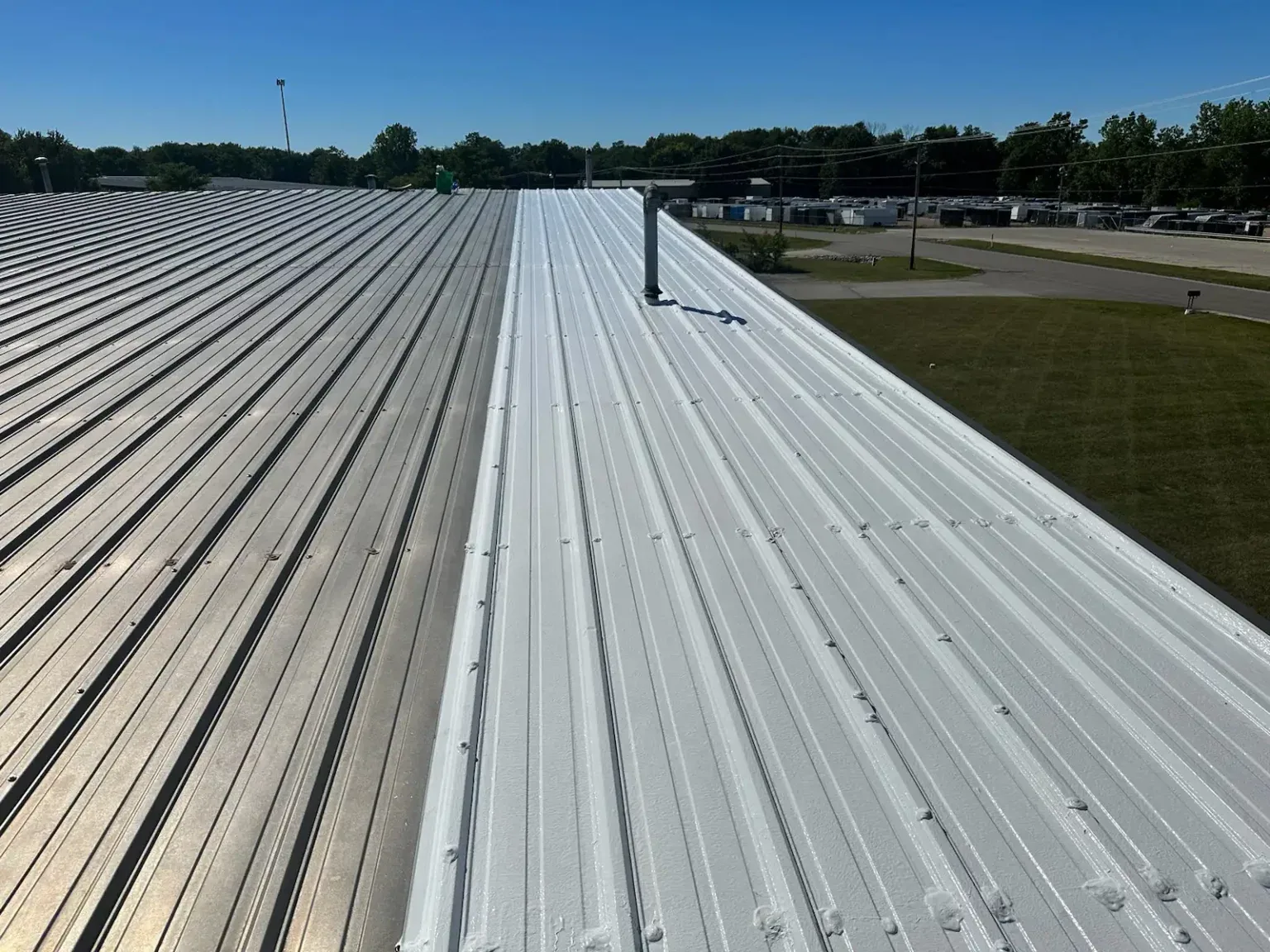
Fixing the wall flashing
Our flashing failure repair starts by pulling back the loose flashing and looking at what's behind it. Sometimes the wall sheathing or blocking is dry and solid and just needs cleaning. Sometimes it's rotted or crumbling, and a wall or masonry contractor needs to rebuild it before we can fasten anything to it. If the fix changes the wall structure, an architect or engineer should sign off. Once the backing is sound, we install new counterflashing up top and tie the membrane into it at the base, so the whole detail works as one piece. The estimate should include that wall work, not just the cost of a new strip of metal.
A water stain on a guest room ceiling helps us narrow down where to look, but water travels. It can enter at a wall cap or window frame and show up two rooms away. We photograph what we find as we open things up, especially damaged backing, because once new flashing goes on, nobody can see why the wall was rebuilt. If part of the wall still needs a closer look, we say so in the report instead of guessing. A clean-looking flashing joint on the outside doesn't prove the wall behind it is dry.

The membrane around the repair
A commercial roof repair on a hotel depends on what the membrane is like next to the problem. If it's still in good shape, we clean it and weld or adhere the new material to it. If it's brittle, blistered or wet underneath, it has to be cut out until we reach material worth tying into. TPO and PVC seams get heat-welded; modified bitumen and other systems use their own methods, so the existing roof decides the repair. A coating won't fix rotten wall backing or rework a rooftop unit. Whatever prep makes the repair possible should be listed right next to the roofing work, not hidden inside a lump sum.
If we plan to leave older layers in place under the repair, an infrared moisture survey can show where insulation may be holding water. Results depend on weather and roof conditions at the time of the scan, and they don't reveal everything. Core cuts at the suspect spots tell us for sure whether the insulation is dry enough to keep. Each core gets patched, with the room below protected while we cut. If mechanical or structural questions come up, the right specialist answers them. Hotel use and an old tornado report don't tell us what's under the membrane; the cores do.
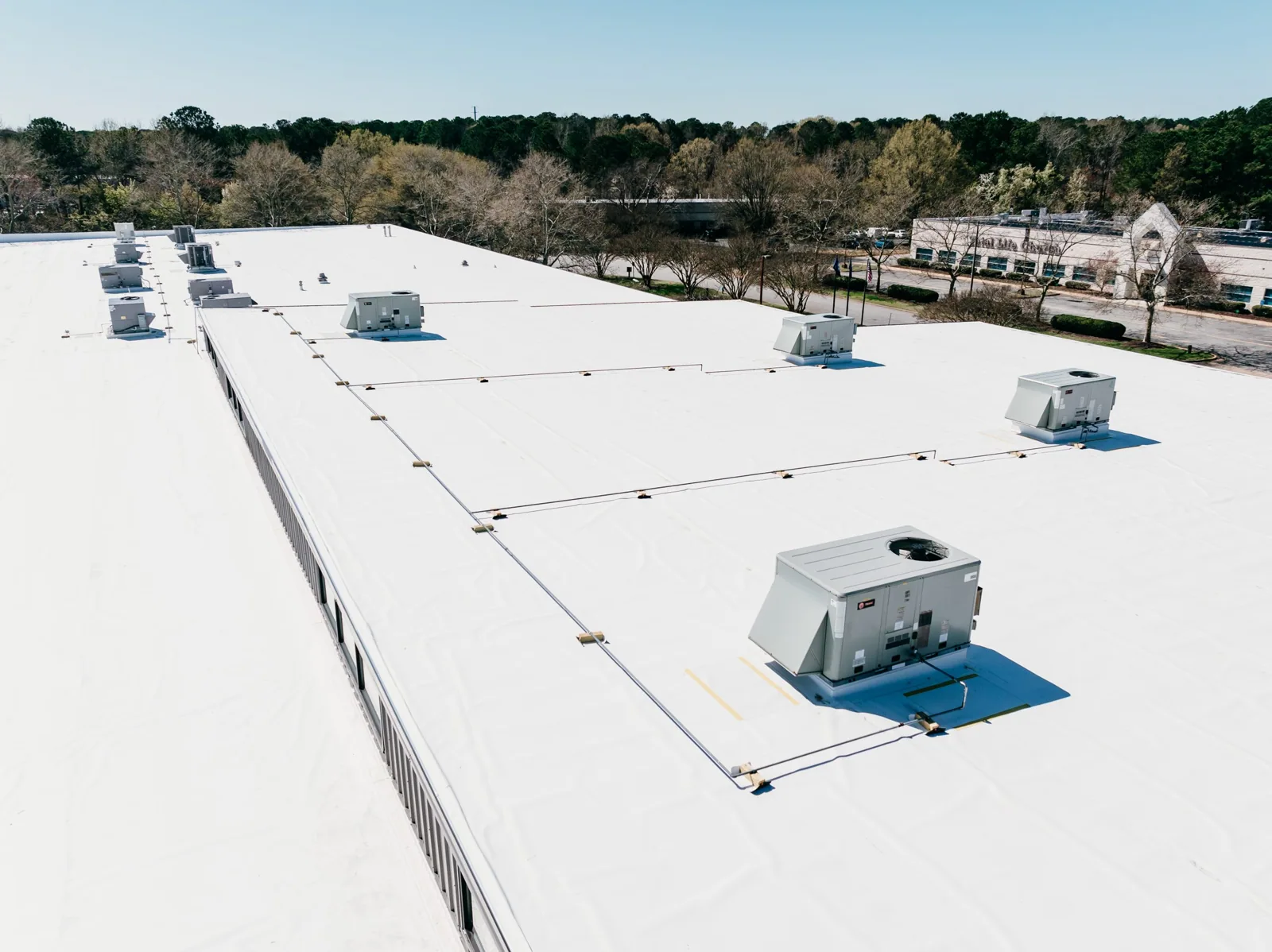
Rooftop units, curbs and drains
Hotel roofs carry a lot of equipment: packaged units and exhaust fans over the guest floors, plus kitchen and laundry gear. Work on rooftop equipment curbs and supports often means your HVAC contractor has to disconnect, raise or move a unit before we can flash the curb correctly. They handle the equipment and its shutdown; an engineer gets involved if supports or loads change. Our estimate shows what condition the curb needs to be in before we flash it and what we install afterward. A roofing bid doesn't cover the mechanical work, so plan for both contractors and set the sequence early, ideally when guests in rooms served by that unit won't notice the shutdown.
If a drain sits inside the repair area, we check how the membrane ties into the drain bowl and clamping ring. If the drain body itself needs replacing, a plumber handles it before we flash it in, and the plumber makes the calls on piping below the deck. Redesigning how the roof drains may need an engineer. The HVAC work, the plumbing and the wall repair are separate trades, but the roofing over each one can't finish until that trade is done. Our schedule shows those dependencies so nothing is assumed finished when it isn't.
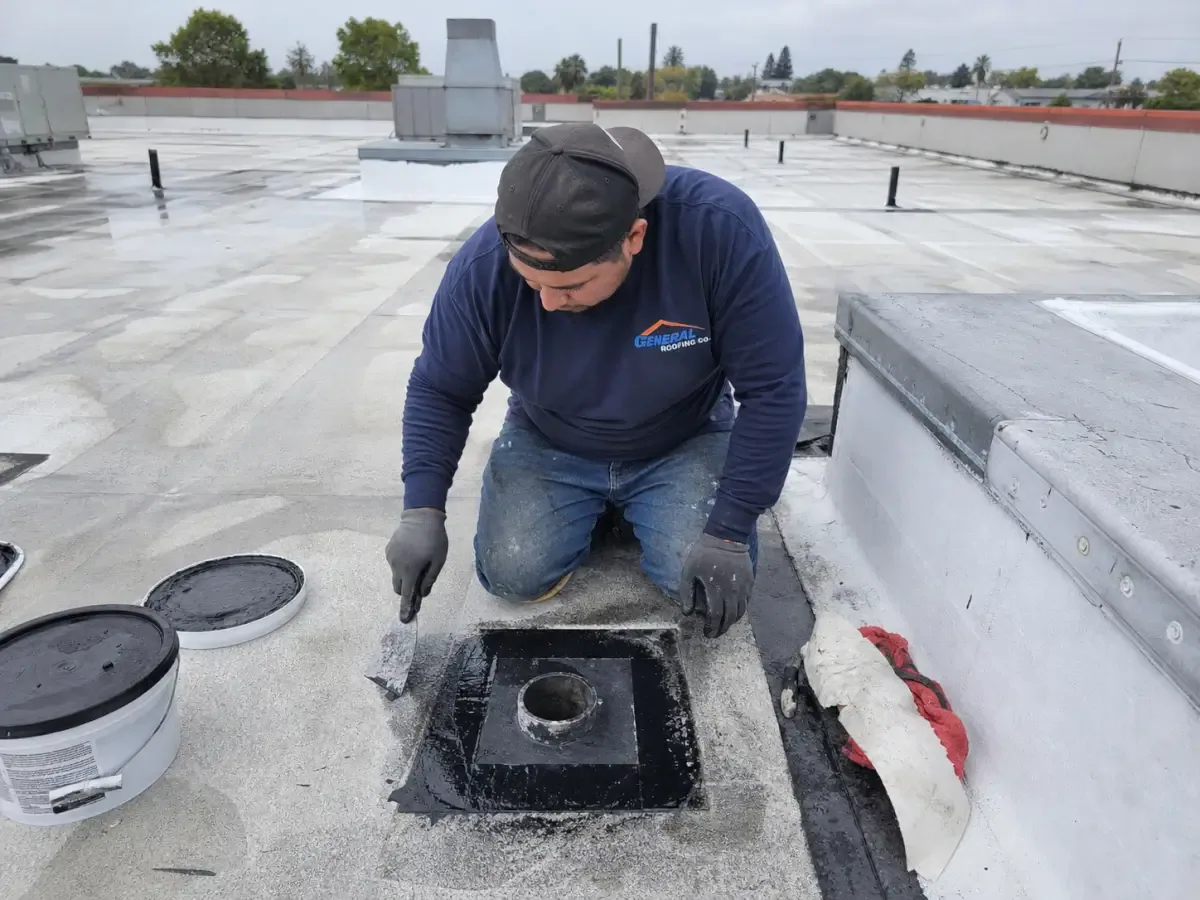
Protecting guest rooms below
When reroofing an occupied building, we show the hotel's management exactly where we'll open the roof and how materials get up and down. The people who run the floors below tell us which rooms are booked, what furniture or equipment needs to be protected, and which services can't go down. Housekeeping, engineering and front desk all have a say. Being allowed on the roof for an inspection doesn't mean a room is empty or that the loading dock is free. We work out quiet hours, crane or hoist timing and room blocks with your team before any membrane comes off overhead.
Sometimes we open the roof and find more damage than expected. When that happens, we stop at the edge of the original opening, photograph what we found, and explain why the opening needs to grow. Before extending it, we check what's under the new area: maybe a different room, a corridor or a mechanical space that needs its own protection. If the wall contractor or HVAC contractor needs time, we put temporary protection in so the roof stays watertight overnight. The revised estimate then covers the extra tear-off, the temporary protection and the final flashing together.
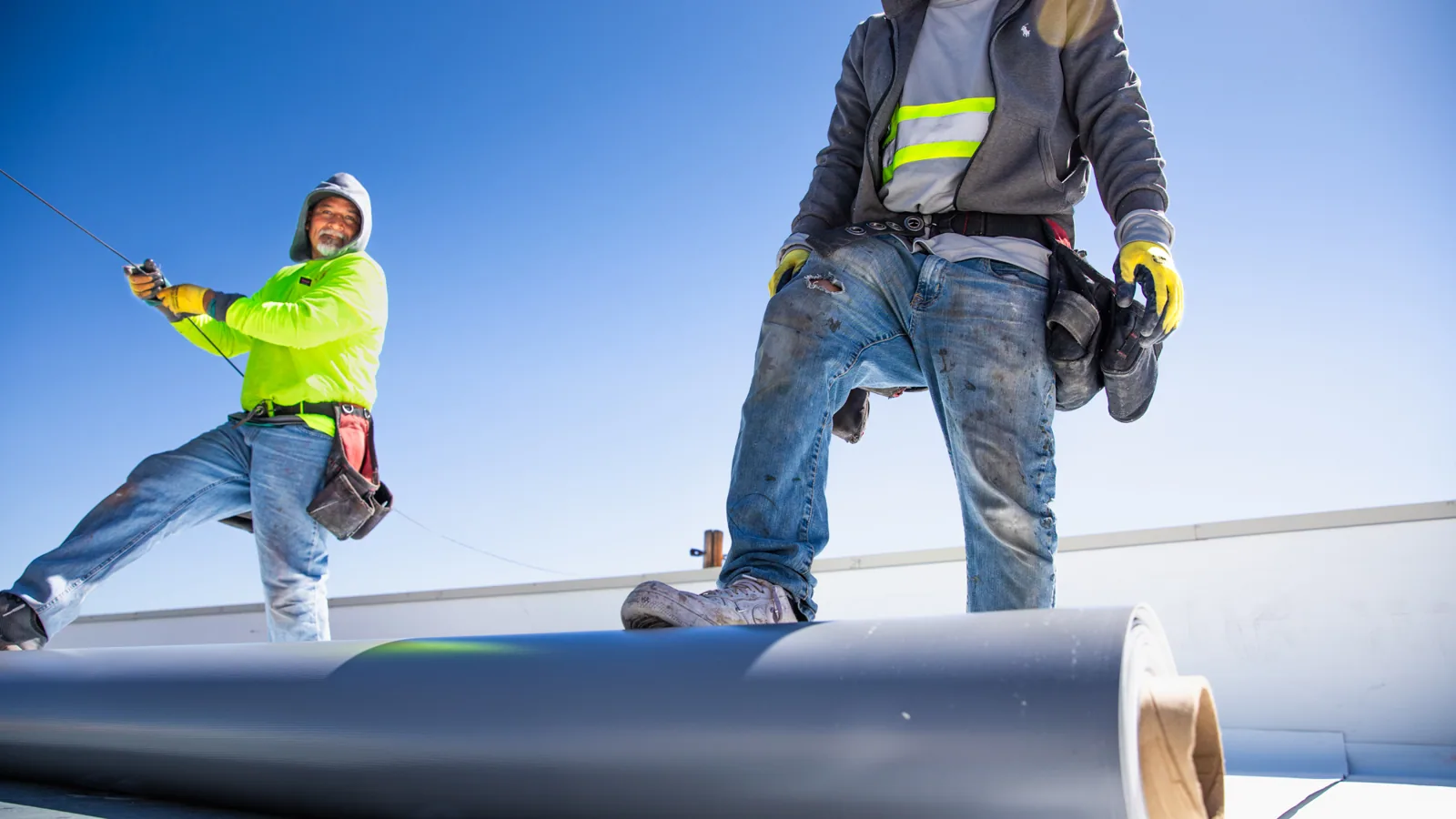
What you get at the end
The closeout report shows what we removed, what backing was rebuilt, and the new flashing and membrane we installed, with photos taken while everything was open. It marks every core cut and confirms each was patched. If HVAC, wall or plumbing work is still open with another contractor, the report lists it next to the finished roofing so your engineering team knows what's left. If something still needs investigating, we note the spot and what question it needs to answer. Fixing this wall doesn't mean other areas of the roof are fine.
For hotels near the stadiums and parks, schedule an entertainment district roof inspection through the property's management. A restaurant roof or an apartment roof gets evaluated on its own terms, building by building. For your hotel, the record stays tied to this repair and what it took to finish it, so the next engineer or facilities manager can open the file, find the wall we fixed and see exactly what was done there.
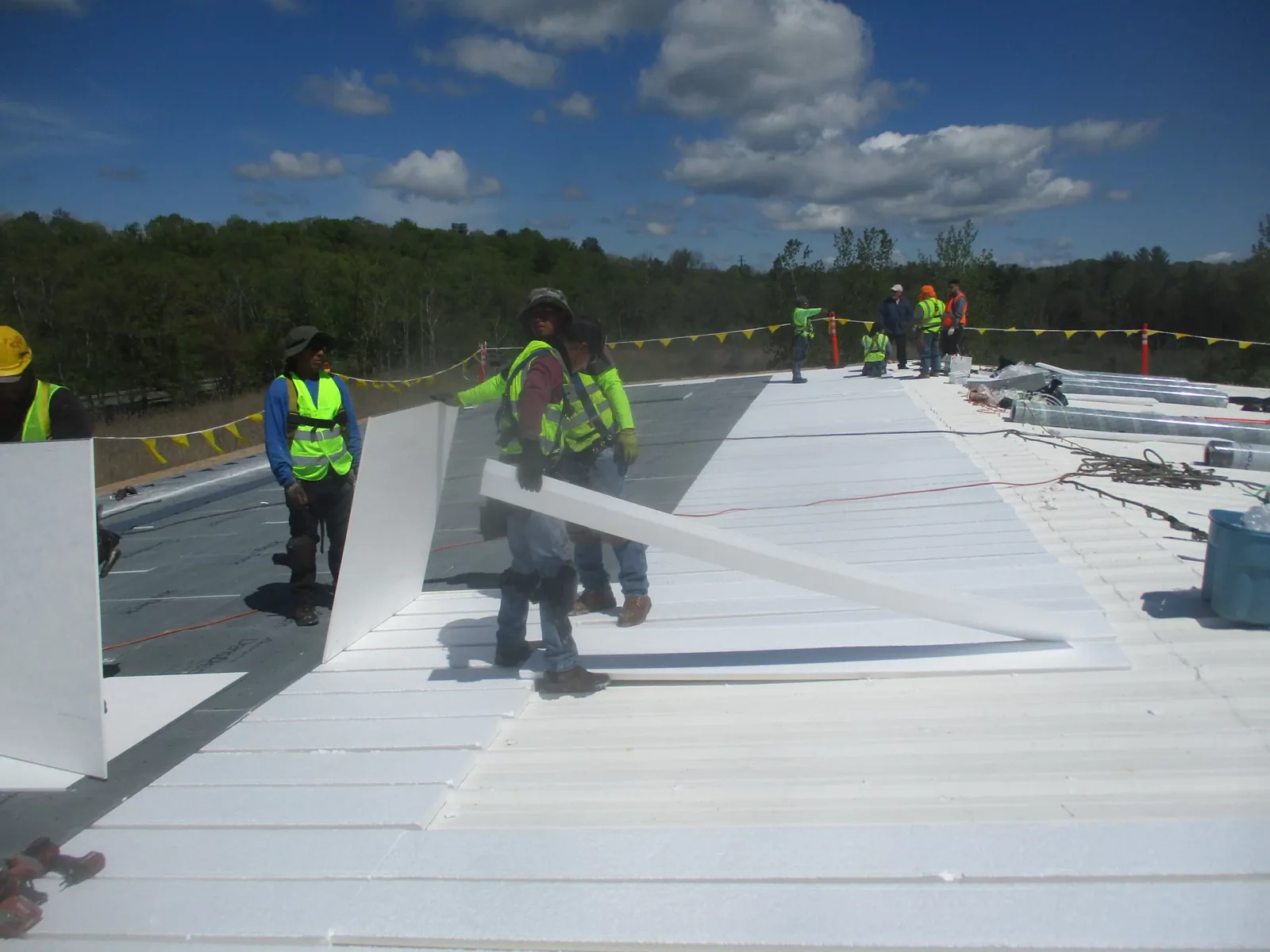
Common Questions
Do you assume all hotels have the same roof?
No. We inspect your building and review its own roof records. A nearby Hilton address only helps locate the area; it tells us nothing about your rooms or your roof. The recommendation comes from what we find on site.
What should a wall flashing replacement include?
It should include any repair to the wall backing, done by a wall or masonry contractor if needed, then new counterflashing and a proper tie-in to the membrane at the base. A patch on the membrane alone won't fix a loose flashing on a soft wall.
Who decides when a guest room area is ready for roof work?
Hotel management does. We show them where we'll open the roof and how materials move, and they decide which rooms to block and what needs protecting. Our crew doesn't assume a room is empty because we have roof access.
What will the closeout report tell us?
It shows the roofing we installed, any backing that was rebuilt, and where core cuts were made and patched. It also lists any HVAC, plumbing or wall work still waiting on another contractor, so nothing gets mistaken for finished.
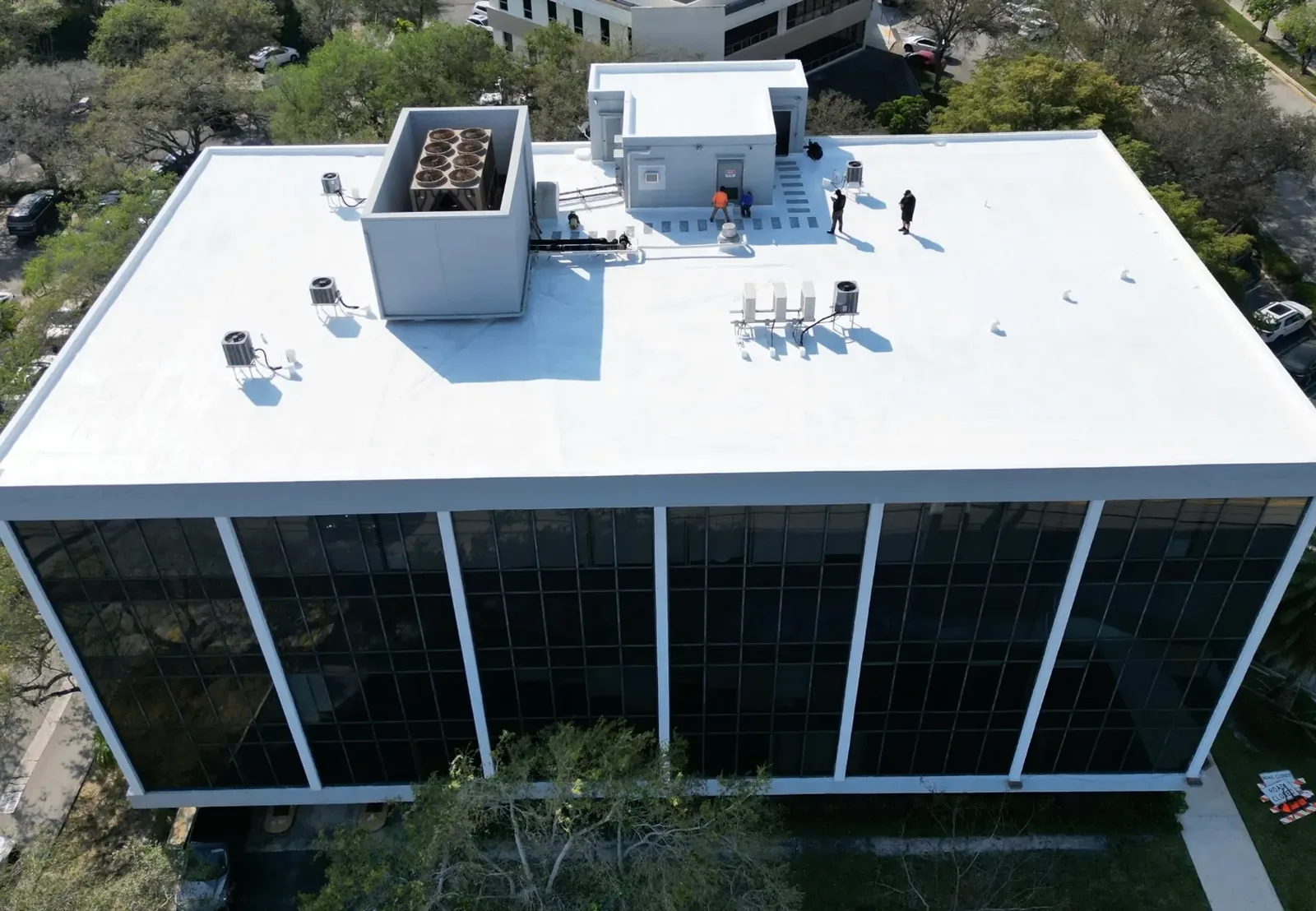
Schedule a hotel roof inspection
Have your general manager or chief engineer set up the visit. We'll look at the wall flashing, the membrane around it and what's needed inside to protect the rooms below.
- hotel wall-flashing and backing reconstruction review
- hotel membrane repair and material removal description
- hotel roof temperature observations and layer investigation
- hotel roof component support and flashing handoffs
- hotel roof removal and reviewed interior preparations
- Arlington hotel building roof examination
- restaurant roofing with component support preparation
- apartment roofing and reviewed wall reconstruction