
Commercial Roofing in Southlake
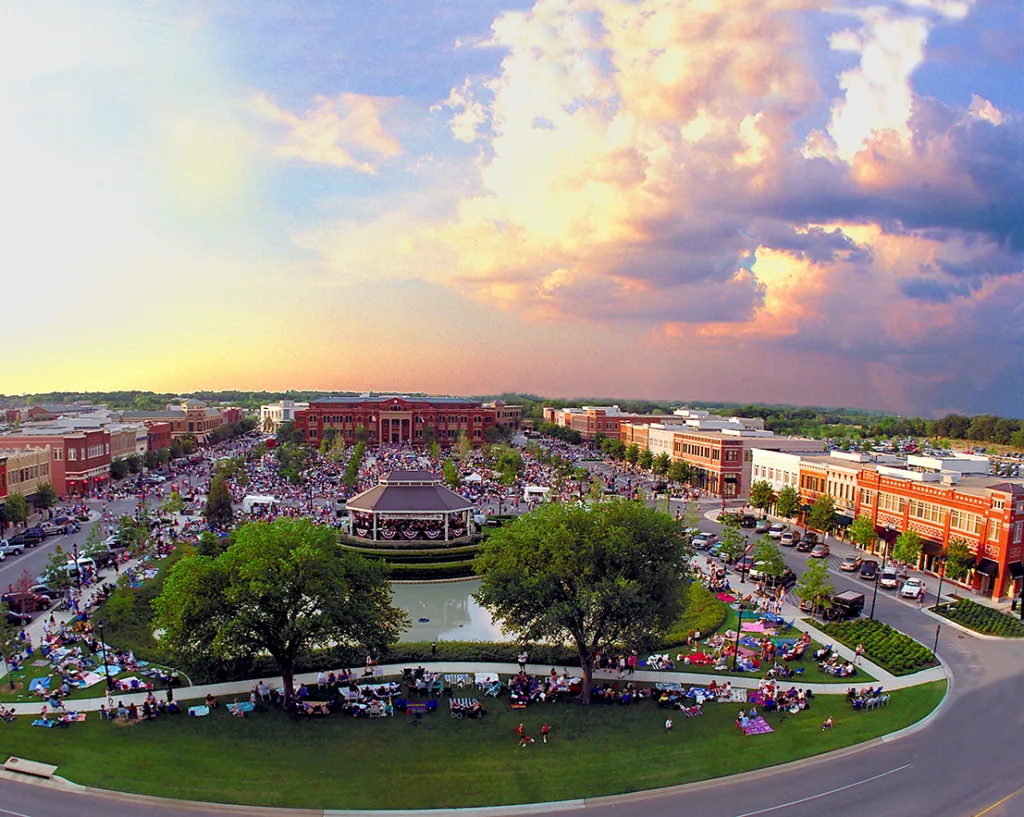
Southlake
Commercial roofing in Southlake: edge metal, coping and perimeter flashing repairs, membrane tie-ins, wet insulation checks and photo records of the finished work.
On many Southlake commercial roofs, trouble starts at the edge. Wind gets under loose edge metal, coping joints open up, and the membrane right behind the perimeter starts to split. Each of those problems needs a different fix, and sometimes there's wet insulation underneath too. Before you approve a price, you should know which problem you're paying to fix. We inspect the stretch of perimeter you ask about, mark each defect where we find it, and tell you what membrane the new edge has to tie into and what still needs a closer look.
We also cover Colleyville commercial roofs and Grapevine commercial properties. Each building gets its own inspection.
Finding the edge problem
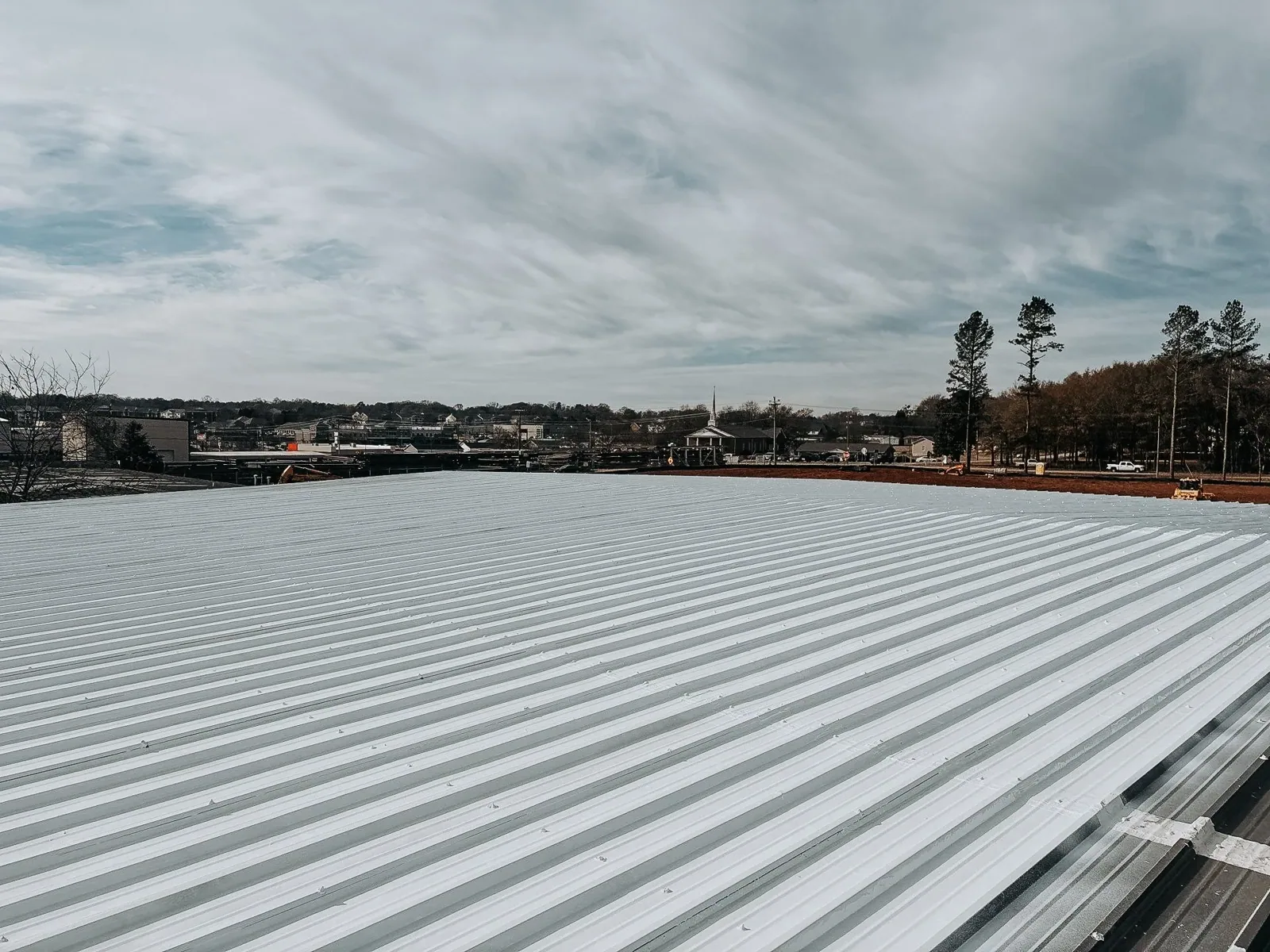
We walk the section of perimeter you've asked about and check the edge metal, coping, flashing and the first few feet of membrane. Loose cleats, open joints, missing fasteners and split membrane get marked where we find them. If a tenant is reporting a leak inside, that tells us where to start looking. It doesn't prove where the water is getting in, since water can travel along the deck before it shows up. We keep those questions on the report so a fix at the edge isn't mistaken for a fix to every leak in the building.
An edge metal and coping repair proposal should say exactly what's included: new metal, new cleats, flashing, the membrane tie-in behind it, or some mix. If another trade has to fix the wall or fascia first, that goes in the proposal too. Then you can match the price to the work.
Old drawings and repair records help, especially if the edge has been changed before, but they don't tell us what shape it's in today. We check what's actually there and photograph each problem we find. Anyone reviewing the repair later can see what we saw and why we recommended the fix.
Tying into the existing membrane
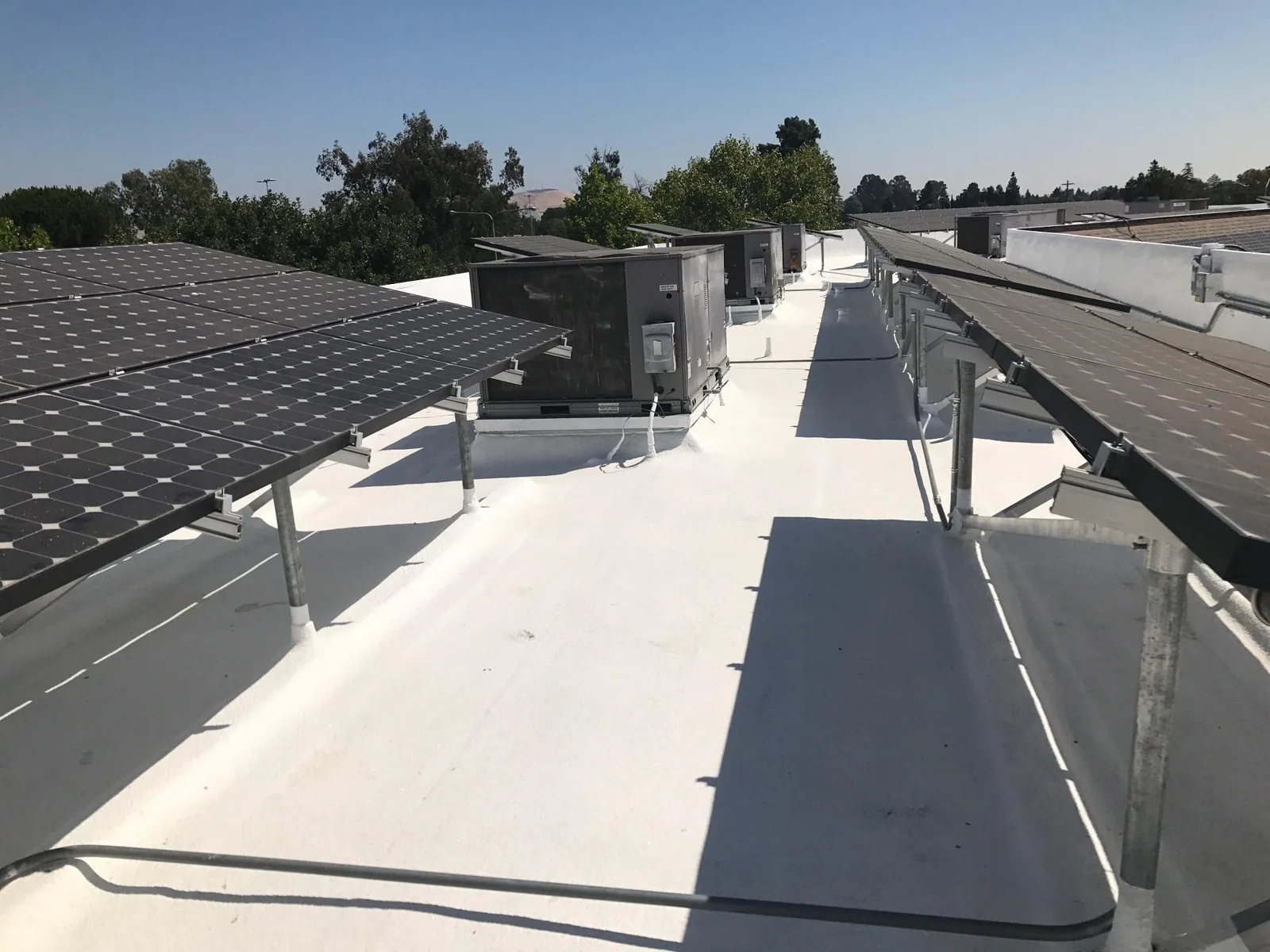
A new edge has to seal to the membrane already on the roof, so we need to know what that membrane is and what shape it's in where the new work will end. Old records sometimes list the original roof but miss a later repair or recover at the perimeter. We confirm the material on the roof, then carry the repair back to membrane that's sound enough to hold the new seam.
For modified bitumen roofing, the tie-in is usually torched or cold-applied to clean, sound sheet. TPO, PVC or built-up roofs each need their own method.
If the seams or flashing near the edge have already failed, we fix those first. Cleaning a split seam doesn't close it. You'll see those repairs on the proposal as their own items, done before the new edge goes on and covers them up.
Checking for wet insulation
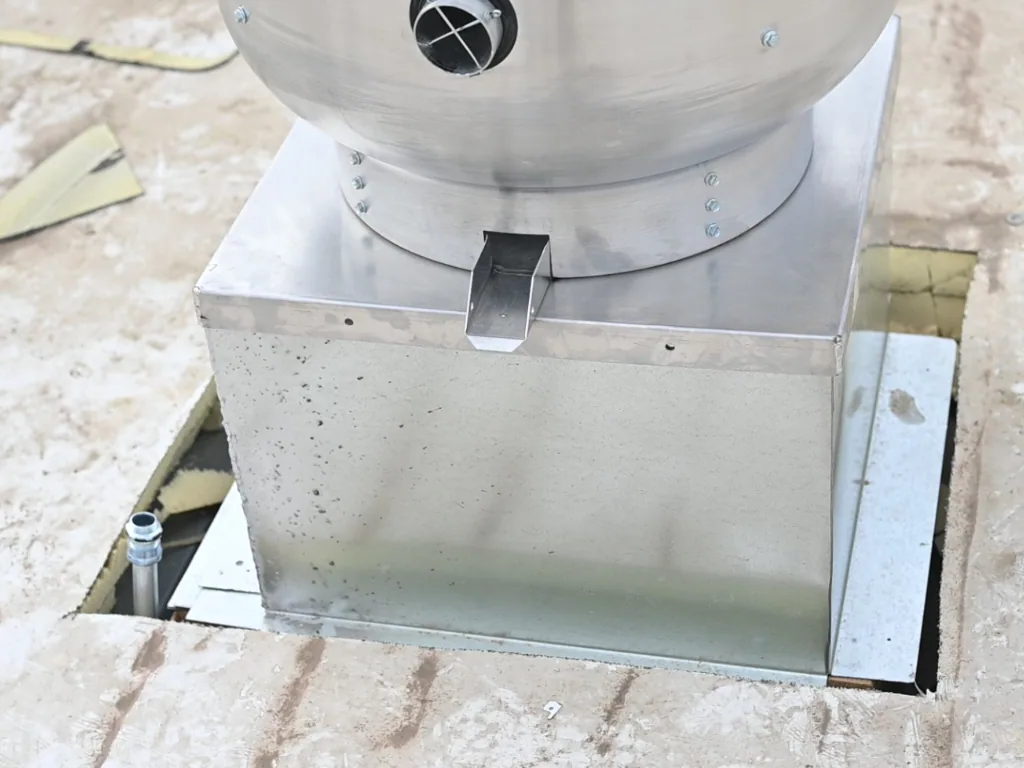
When we see soft spots, blisters or stains near the edge, we need to know whether the insulation and deck underneath are wet or damaged before we build a new edge on top of them. If the plan keeps the existing insulation, we confirm it's dry, usually with a core cut or a moisture reading in that area. The result applies to the spot we tested. It doesn't tell us about the rest of the roof.
At a shopping center roof, we set up any testing through the property manager. Knowing it's a shopping center doesn't tell us what's in the roof or who has to approve the work, so we sort out access, tenant notice and any owner approvals before we cut in.
If we open the roof and find more damage than expected, we photograph it and explain what needs to change: more removal, new insulation or deck repair. You approve the change before we close it up. If we need to put down a temporary cover in the meantime, we label it as temporary so nobody mistakes it for the finished repair.
Getting the roof ready
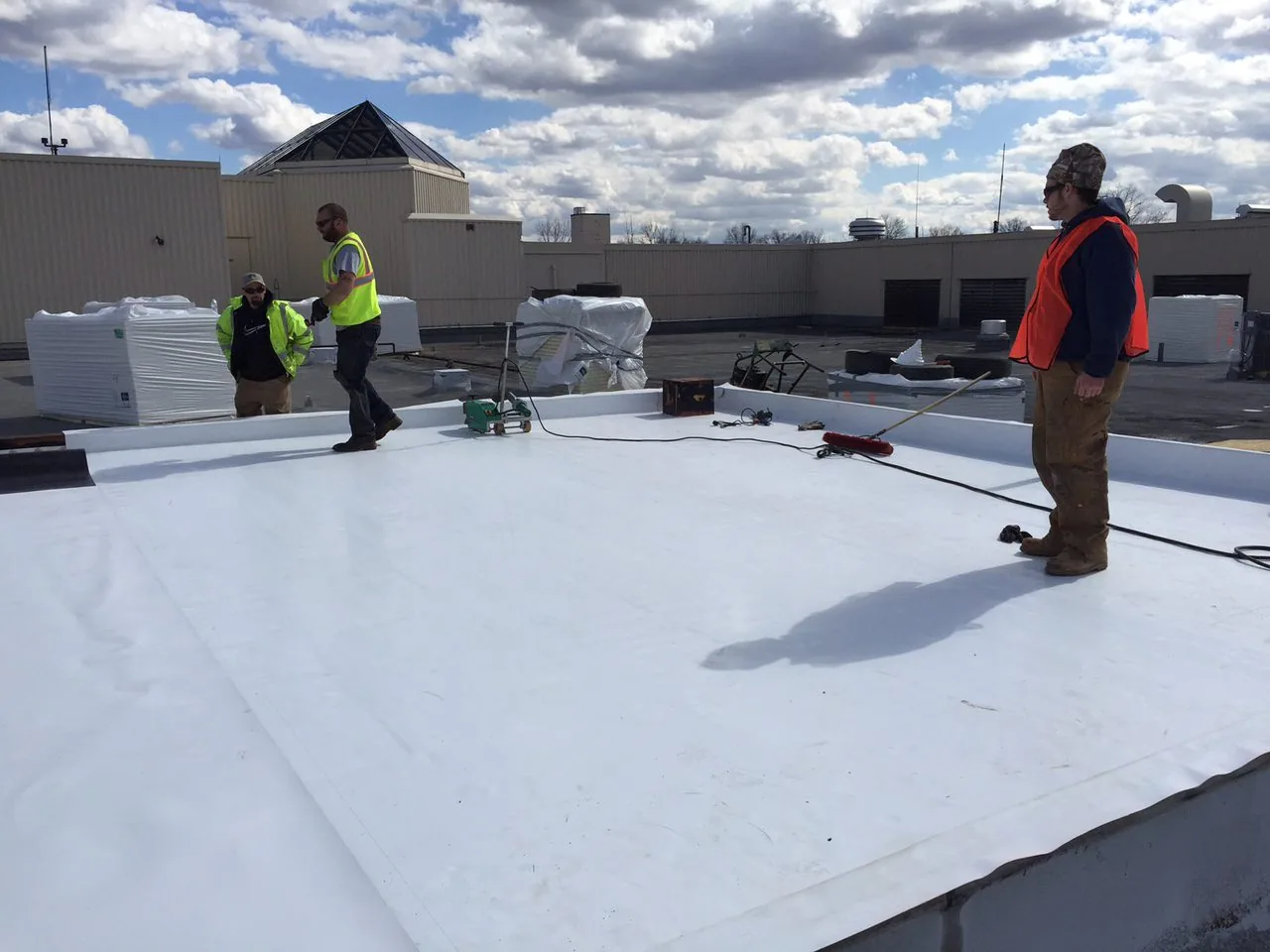
Before the new edge goes on, any insulation or deck repairs and nearby seam or flashing fixes have to be done. Then we clean and prep the existing membrane the right way for that roof system. If something still won't let the new edge seal properly, we tell you what it is and what has to happen first. The proposal lists these steps in order, so you can see why each one comes before the edge work.
We confirm roof access, where material will be staged and how we'll get it up there. If another contractor has to finish something before we can start, like a wall repair or moving a sign or light, we note it at the spot it affects and who's doing it. Then the property manager can track when it's ready. Finished roofing on another part of the building doesn't mean that work is done.
We keep track of each step as it happens: insulation decisions, nearby repairs, prep and the final seal. If we run into something new, we explain how it changes the next step before the finished edge covers it up. A temporary cover stays labeled as temporary until the permanent work is done.
When you call about a Southlake roof, tell us the building and who on site we should work with. Plans and past repair records help us find the problem faster, but we still check the materials and details on the roof. We'll tell you whether it looks like a simple repair, a job that needs another trade, or one that needs more testing first. If the work is near occupied space or equipment, we agree on access and staging with the site contact and add any protection to the schedule. Dated photos show the repaired detail and where it sits on the roof. The property manager ends up with a clear Southlake record that separates finished work from options still being considered.
Photos and the final report
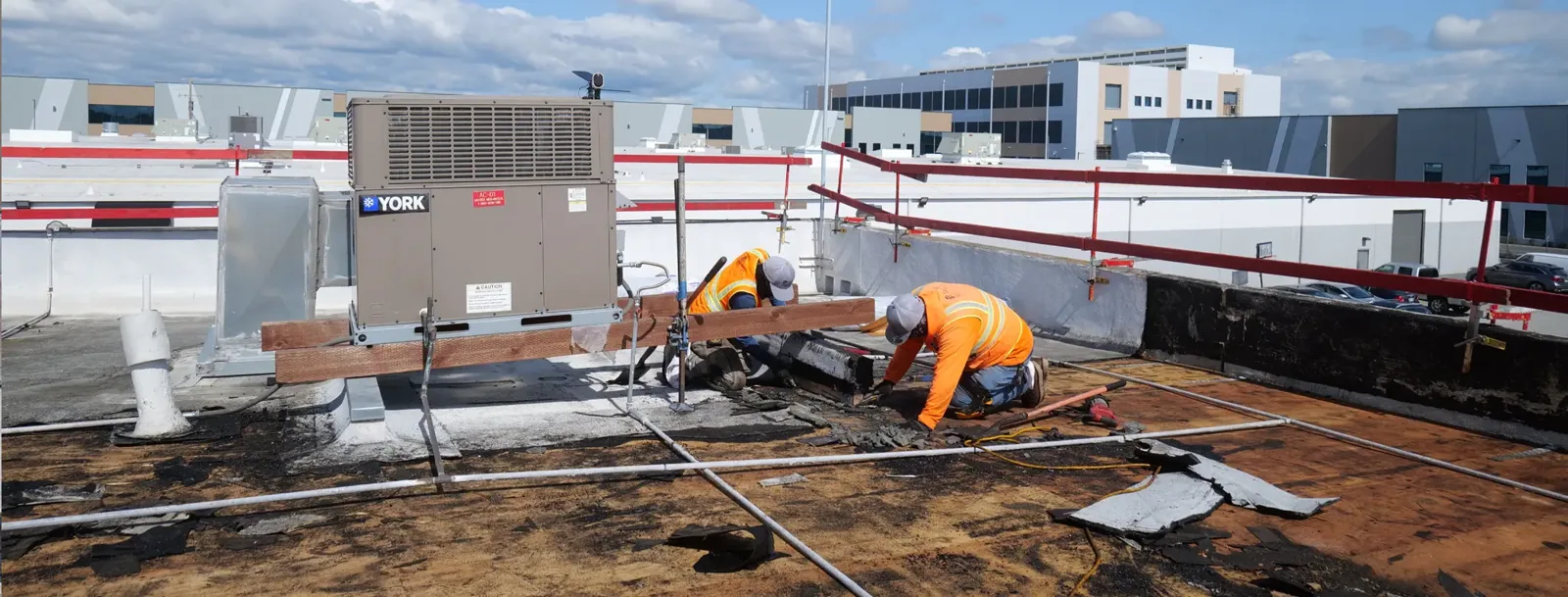
We photograph any insulation or deck damage and nearby repairs before they get covered. We also photograph the prepped membrane and the finished edge at spots you can find again on the roof. That way you can see the work behind the finished edge. A photo of shiny new edge metal alone doesn't show whether the seam behind it was fixed or the insulation was checked.
Our roof condition report for a Southlake perimeter job lists what we found, what we fixed and what still needs a look. It says which parts of the roof we didn't inspect. It also keeps temporary protection separate from finished work, so the report doesn't claim more than we actually checked.
If the scope changed during the job, the report shows what we found, what changed and what we did about it. The next person looking at the roof can follow each step, from the membrane we tied into to the insulation check, the prep and the final edge. That makes it clear exactly what this job covered and what it didn't.
A finished edge repair should show how the new metal is fastened and where the membrane ends under it. We document the failure we found and the membrane we tied into, and list any backing repair before new metal goes on.
Common Questions
What should a perimeter repair proposal separate?
It should list the edge metal or coping work and the membrane repair behind it as separate items, each at its spot on the roof. It should also note any work by another trade and anything that still needs a closer look before the price is final.
Why does it matter what membrane is already on the roof?
The new edge has to seal to it, and each roof system uses a different method. We confirm what's there and fix any failed seams or flashing nearby first, so the new edge bonds to sound material.
What happens if the insulation under the edge is wet?
We photograph it and explain what needs to be removed or replaced. You approve the change before we close the roof back up. If we have to put down a temporary cover in the meantime, we label it as temporary.
Who makes sure other trades finish their part first?
The property manager coordinates the other contractors. We note what each one needs to finish and where on the roof, and we don't start the final edge until that work is done.
How do I know the finished edge was done right?
The report includes dated photos of the damage we found, the nearby repairs, the prepped membrane and the finished edge, each tied to its spot on the roof. It also lists anything we didn't check, so you know exactly what the job covered.
Get your Southlake roof edge inspected
Tell us the building and which section of edge or membrane is giving you trouble. We'll inspect it, explain what needs repair and send you photos and a written report.
- Colleyville premises through their own edge and membrane repair examination
- Grapevine commercial properties with separately assessed perimeter findings
- edge metal and coping correction identifying component duties and adjoining membrane work
- modified bitumen edge repairs following identified covering and appropriate retained sheet
- shopping property with a located perimeter and supporting material repair
- roof condition report locating Southlake perimeter findings and completed connection work