
Commercial Roofing in Grapevine
Grapevine
Commercial roof coating in Grapevine, TX: we check whether the roof can be restored, repair failed seams and flashing first, prep the surface for silicone and document the work.
Shopping centers, offices and light industrial buildings around Grapevine often reach a point where the roof is worn but still mostly dry. That is when owners start asking about coatings. A silicone coating can renew the surface and reflect a lot of summer heat for far less disruption than a tear-off. Whether it is a good idea depends on what is under the surface, so that is where we start.
We also look at coating projects in Southlake and around Passport Business Park, judging every roof on its own condition.
What's on the roof now
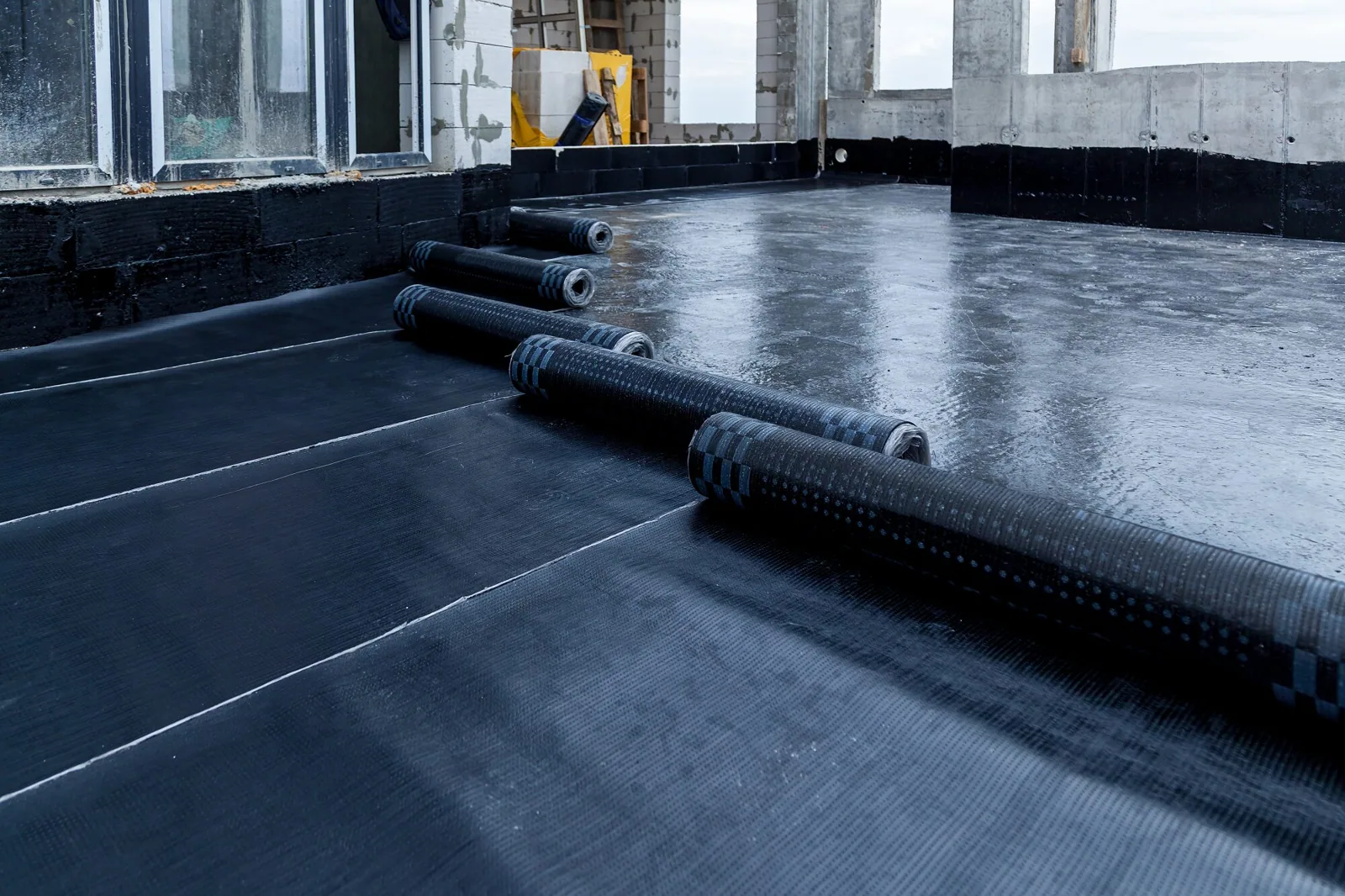
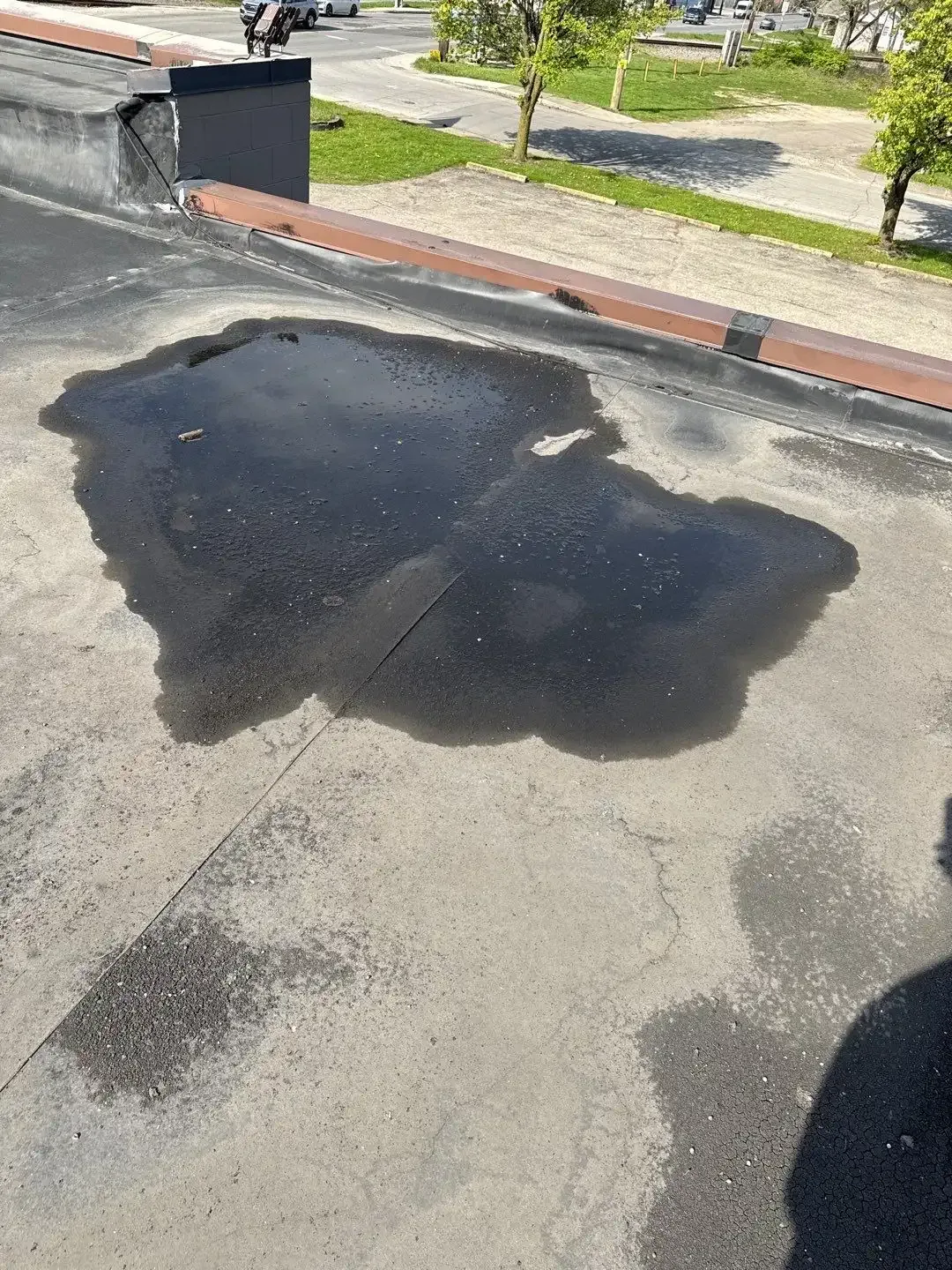
First we identify the existing roof system. It might be TPO, EPDM, modified bitumen, built-up, metal or a mix from past repairs. Then we walk the area you want coated and check the membrane surface, seams, flashing, drains, edges and penetrations. We note where water ponds, where the surface is cracked or blistered and where past patches were made.
A roof coating restoration estimate should show you which parts of the roof can be coated and which cannot. We mark them on a roof plan. Sections in good shape go into the coating area. Sections with wet insulation, widespread cracking or failed membrane may need to be replaced first.
We also run adhesion tests. We clean a small area, apply the coating, let it cure and then pull it to see how well it bonds. That tells us whether the surface needs a primer and whether the coating will hold up over time.
Not every worn roof is a coating candidate, and we will say so if yours is not.
We also ask about the roof's history. When was it installed? Has it been coated before? Have there been leaks, and where? A roof that was coated once already may need the old coating tested or removed in spots before a new one goes on. That history helps us judge whether coating is a long-term answer or a short-term patch.
Repairs that come before coating
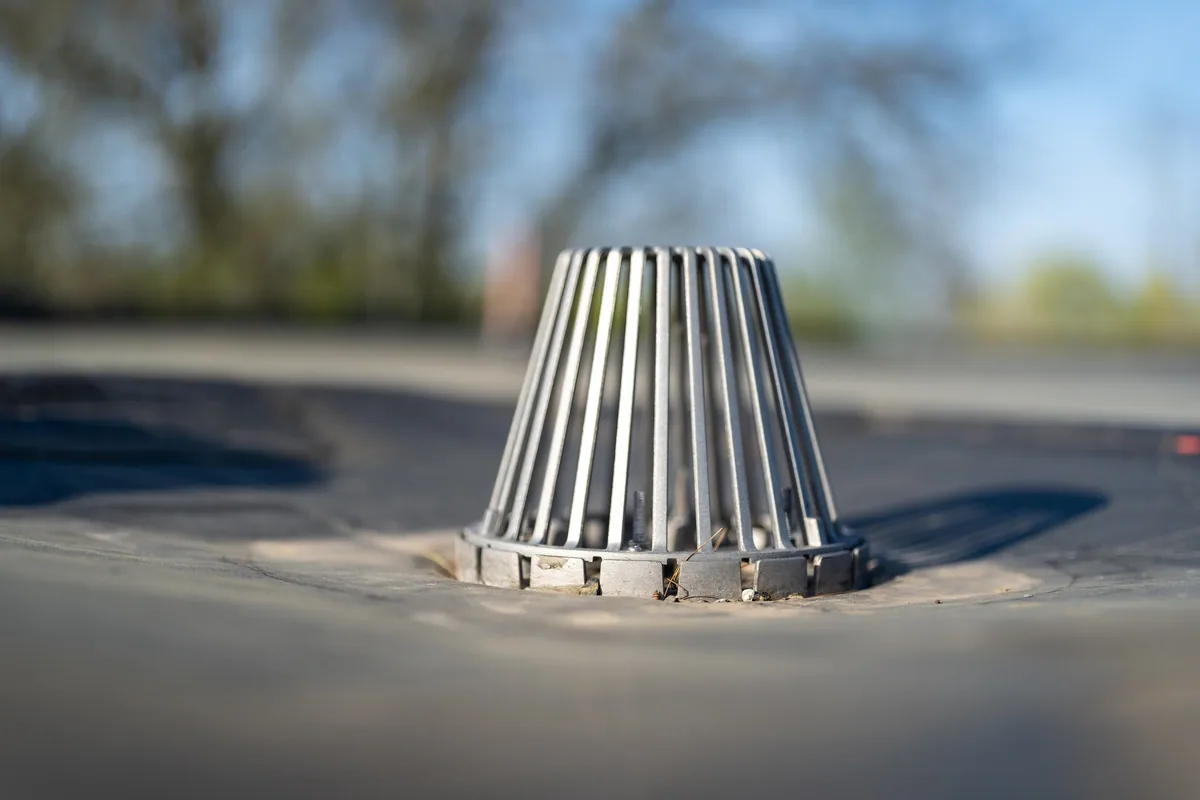
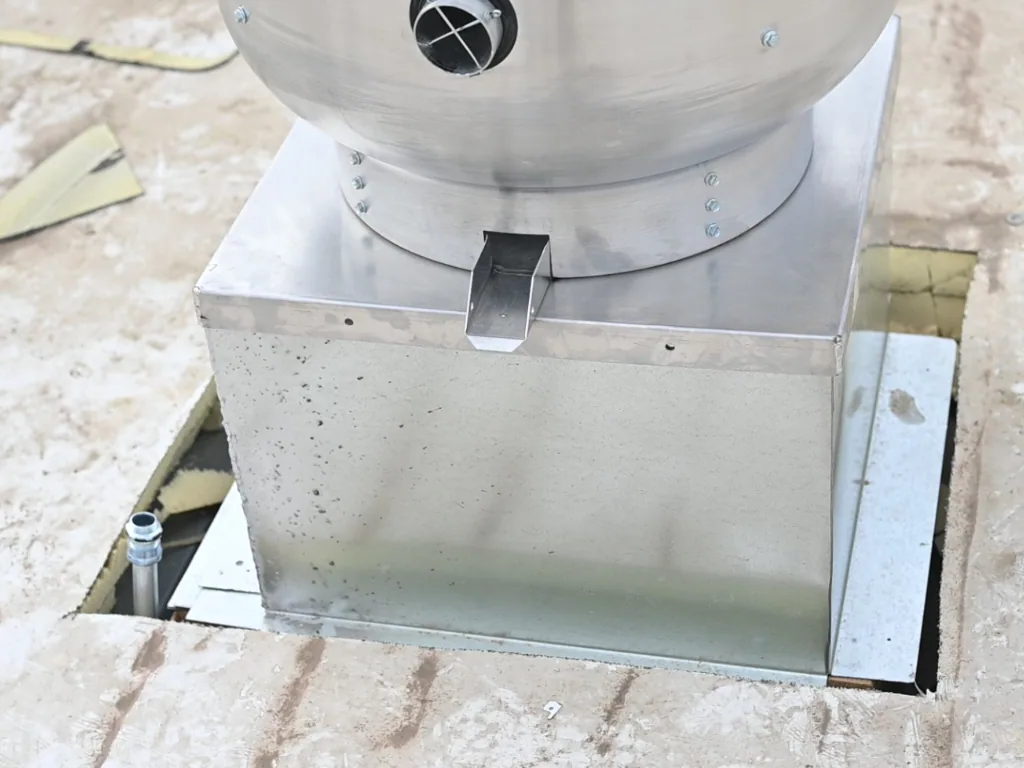
A coating seals the surface. It does not hold a split seam together, reattach loose flashing or fix a rusted drain. Those problems get repaired first, with materials that match the existing roof. Open seams are re-welded or re-taped. Flashing at walls and curbs is reattached or replaced. Loose edge metal is refastened. Punctures and blisters are cut out and patched.
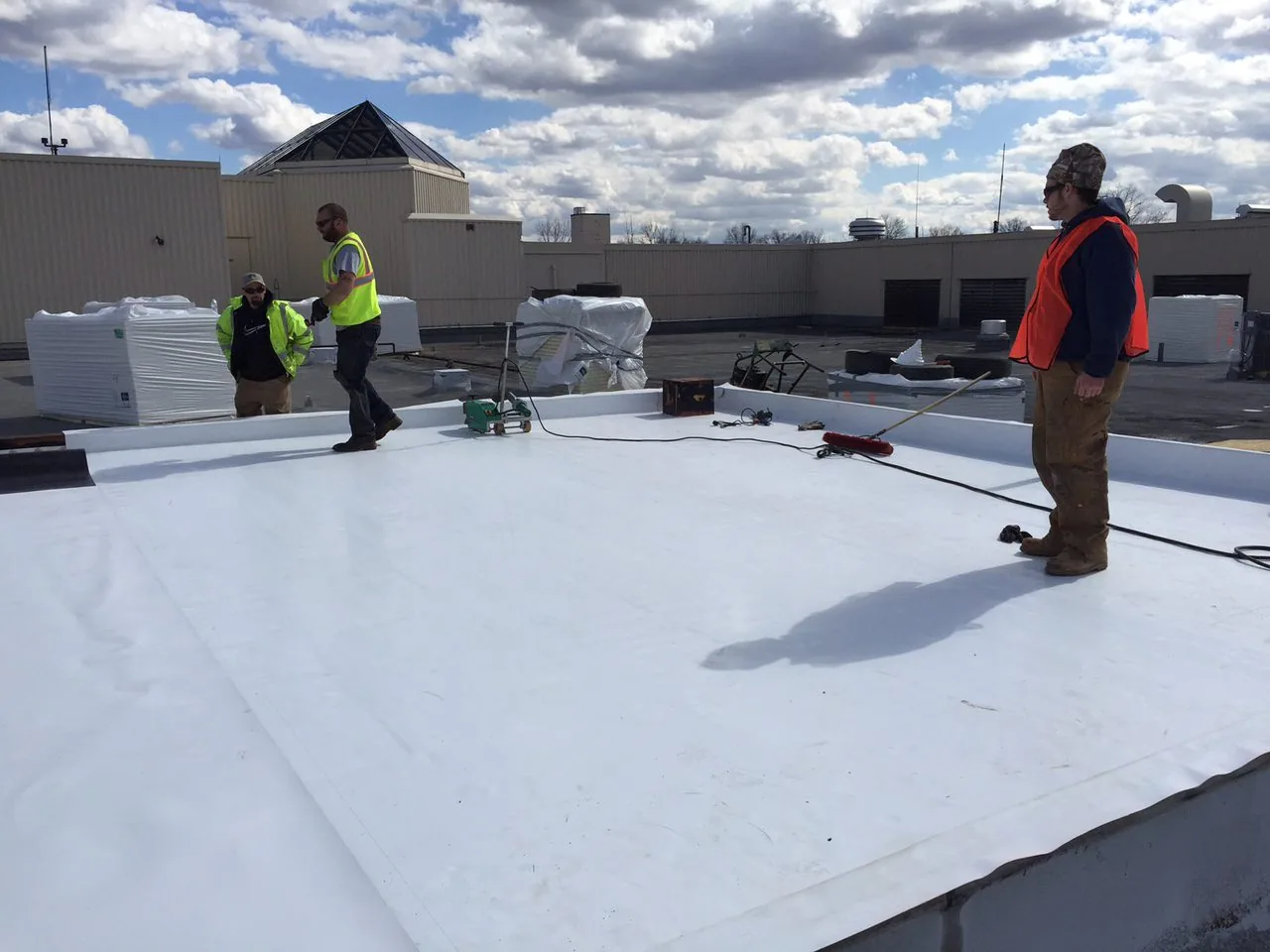
A silicone roof coating goes on after those repairs, over a clean, dry surface. Seams and flashing usually get a reinforced base coat with fabric before the field is coated. Silicone holds up to ponding water better than many other coatings, but drains still have to be clear and working.
Each repair is listed separately in the estimate, so you can see what the coating covers and what work happens before it.
Coating does not solve drainage problems. If water ponds for days in one area, we may recommend adding a drain, a cricket or tapered insulation before coating, or at least reinforcing that area with extra coating thickness. We note every ponding area on the roof plan so you can see where the risk is.
Checking for trapped moisture
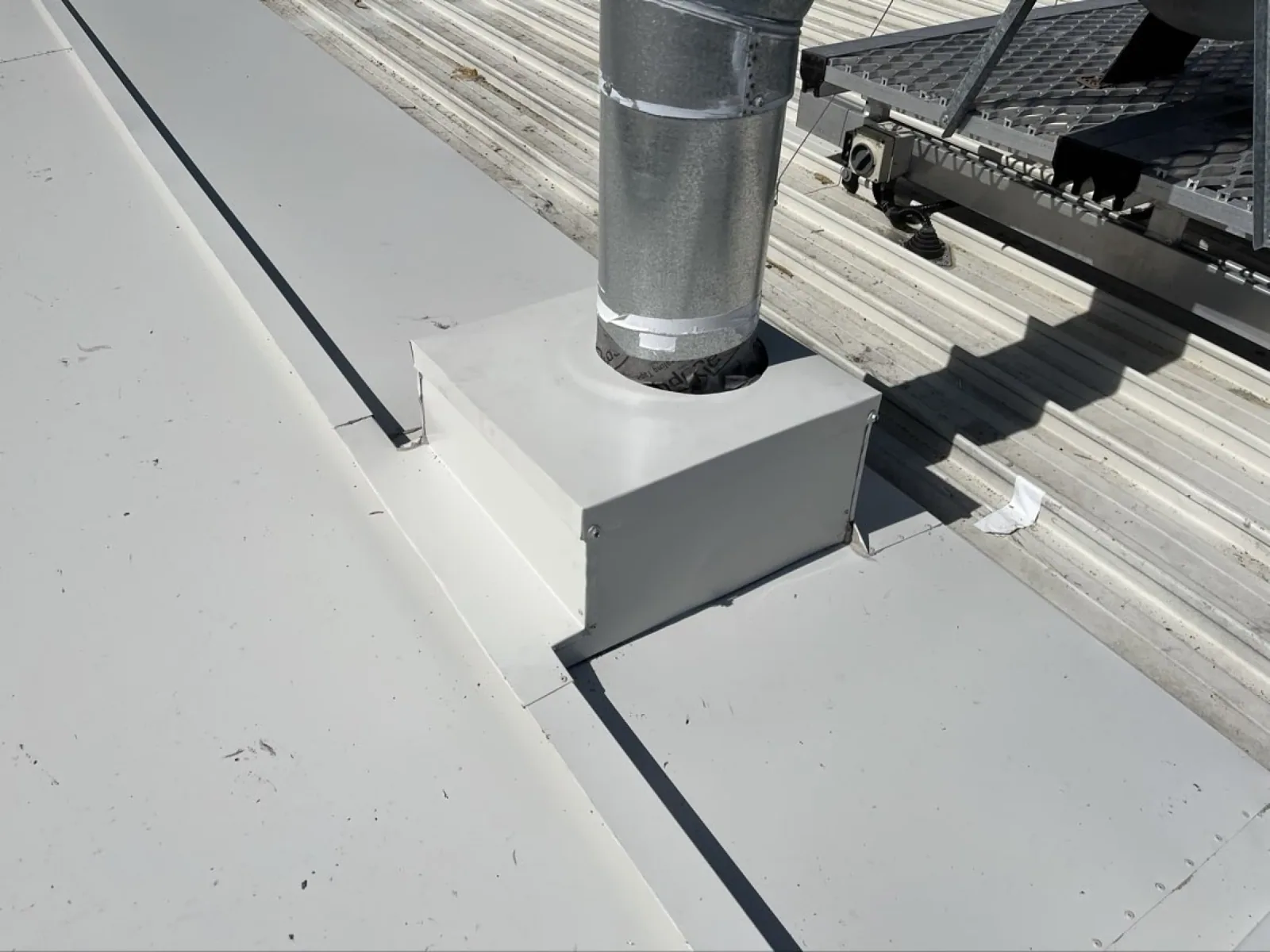
Coating over wet insulation is one of the most common restoration mistakes. The coating seals the water in, the insulation stays wet, and the deck underneath can rust. Before we coat, we check the roof for moisture, usually with an infrared or moisture-meter survey followed by core cuts to confirm the readings.
On a shopping center roof, we schedule the survey and core cuts with the property manager. Some surveys work best in the evening, and tenants below should know before anyone cuts into the roof.
Wet areas are cut out and replaced with new insulation and membrane before coating. If a large share of the roof turns out to be wet, coating may not be the right call, and we will tell you. The estimate shows how much area needs replacing so you can weigh the cost.
Prep and scheduling
A coating job follows a set order: moisture survey, insulation replacement, seam and flashing repairs, power washing, primer if the adhesion test calls for it, then the base and top coats. Each step has to be finished and dry before the next one starts. Skipping prep is the fastest way to get a coating that peels.
Coatings need dry weather and the right temperature range to cure. In North Texas, that usually means watching for spring storms and avoiding days when rain is likely within a few hours of application. We plan around the forecast and leave some slack in the schedule.
We work out roof access, staging, parking and crew hours with the property manager. Shopping center lots are busy, so we plan deliveries and lift placement around tenant hours and keep fire lanes clear. Overspray can drift onto cars and into HVAC intakes, so we cover what needs covering and schedule spraying when it causes the least trouble.
If an HVAC contractor needs to reset a curb or a plumber needs to fix a drain before coating, that work goes on the schedule first. We keep you updated as each step is finished.
When you call about a Grapevine building, tell us roughly how big the roof is, what system you think is on it, how old it is and whether it leaks now. Send any past repair records or infrared surveys you have. We will walk the roof, check for moisture, test adhesion and tell you honestly whether coating makes sense for your building.
We also give you a simple maintenance plan. Coated roofs should be inspected at least once a year and after big storms, with drains cleared and any damage touched up. A coating that is looked after lasts much longer than one that is ignored, and many manufacturers can extend a warranty with a recoat when the time comes.
Photos and records
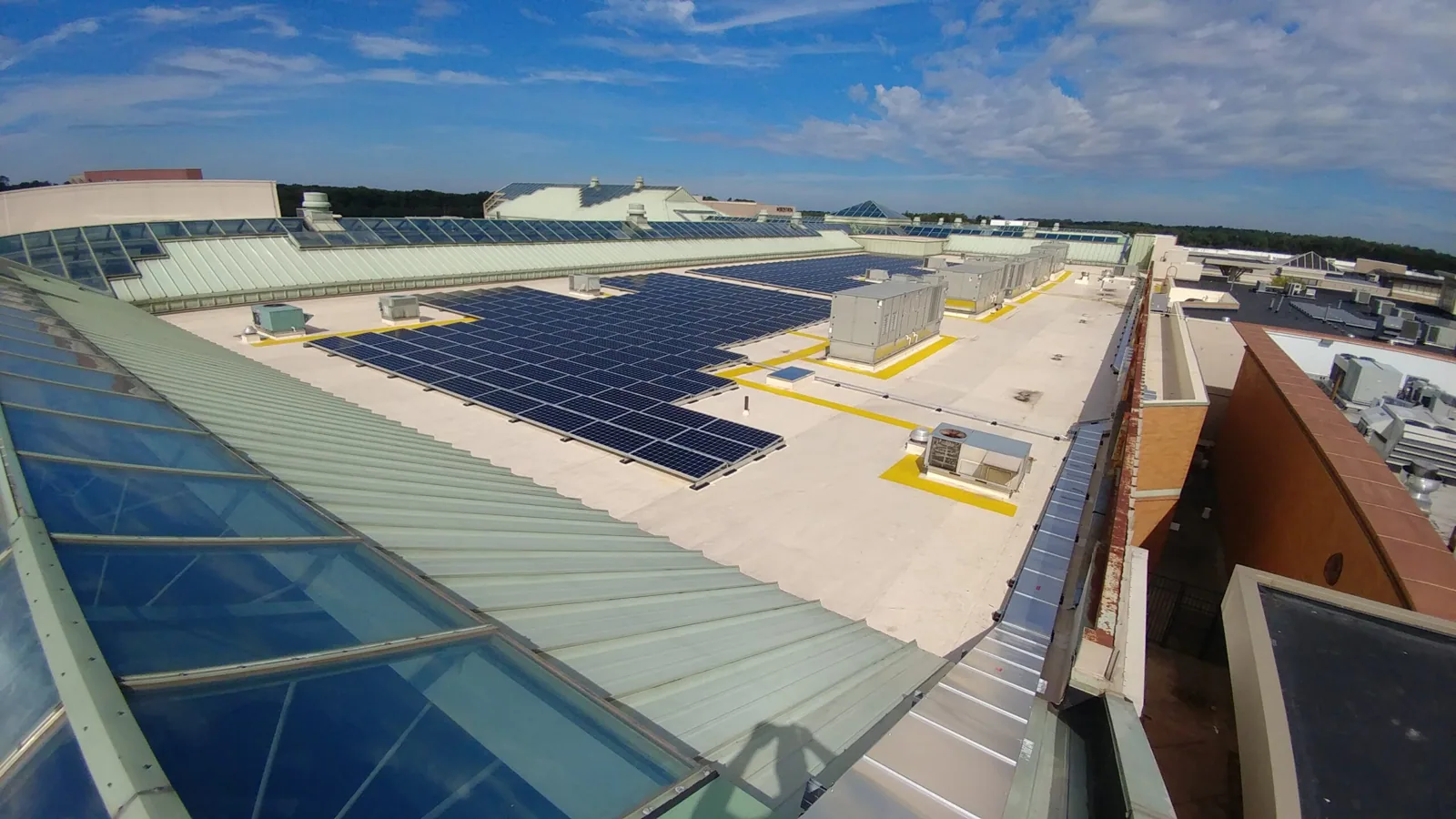
Once the coating is on, everything under it is hidden. So we photograph the roof before we start, the moisture survey and core results, the replaced insulation, each repaired seam and flashing, the cleaned surface and the finished coating. Each shot is matched to a numbered location on the roof plan.
A roof condition report for a Grapevine coating project lists the coated area, the replaced areas, the repairs made and any part of the roof left out. It also notes the coating product and how thick it was applied.
Many coating manufacturers require proof of prep and thickness for their warranties. Our records give you that, and they give the next contractor a clear picture of what is on the roof and what was done to it.
Common Questions
How do you handle damaged areas before coating?
We repair them first with materials that match the existing roof. Open seams, loose flashing, punctures and blisters are fixed before the coating goes on, and each repair is listed in the estimate.
Why do you test for moisture before coating?
Coating over wet insulation traps the water in. We survey for moisture and confirm with core cuts, then replace wet areas before coating.
Who do you coordinate access and scheduling with?
The property manager. They set work hours and tenant notices, and we plan around weather, overspray and any other trades that need to finish first.
What records will we have after the coating?
Photos of the moisture checks, replaced insulation, repairs, prep and finished coating, plus a report listing the coated and replaced areas, the product and the thickness applied.
Find out if your Grapevine roof can be coated
Tell us about the building and the roof you're considering. We'll check it for moisture, test adhesion and give you a straight answer on whether coating makes sense and what needs fixing first.
- Southlake properties with restoration questions examined at the actual roof
- Passport Business Park
- roof coating restoration evaluated through existing surface condition and needed repairs
- silicone restoration method following identification and correction of unsuitable roofing
- shopping-center property with its own restoration and retained material investigation
- roof condition account mapping Grapevine restoration evidence and unresolved assessments