Shopping Center Roofing in Arlington, TX
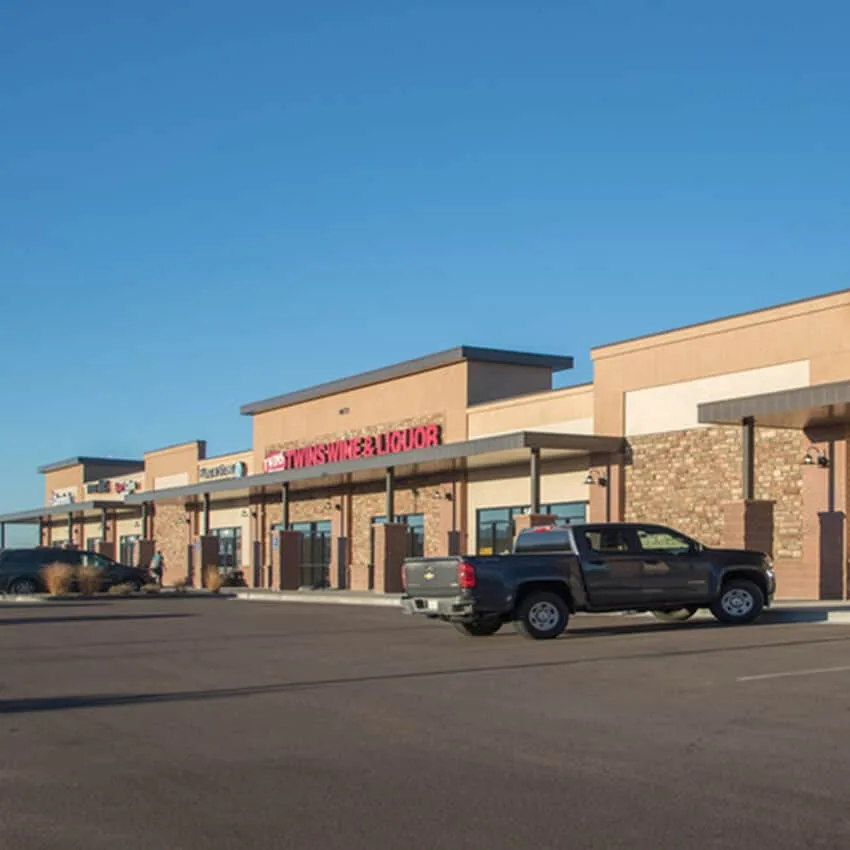
Shopping Center Roofing
Shopping center roofing in Arlington, TX: leak repairs at parapets, drains and tenant rooftop units, planned around store hours, deliveries and customer traffic.
Hail came through parts of Arlington on May 27, 2024, and shopping center owners got a round of tenant leak calls afterward. On a shopping center the leaks that bring tenant calls usually trace back to a few spots: the parapet walls behind the storefronts, the drains and scuppers along the back, and the curbs under each tenant's rooftop unit. Sometimes the fix is simple. Other times the old membrane has to come off before we reach anything worth tying into, or the wall behind the flashing is rotted, or a tenant's HVAC contractor has to lift a unit before we can flash its curb. We put all of that in one proposal, so you can compare complete repairs instead of a patch that leaves the wall or drain unfixed.
If you manage centers in Irving or Lancaster too, we plan access and protection around how each one actually operates.
To get started, tell us which center and which suite is reporting the leak, send any roof drawings or repair history, and name the person who can get us on the roof and into the tenant space. Tenants keep their own hours and stockrooms, so we work out timing and the path through each space with you and the tenant before anything happens. The repair plan follows what we find on that roof, not a standard approach for retail.
Parapet walls and flashing
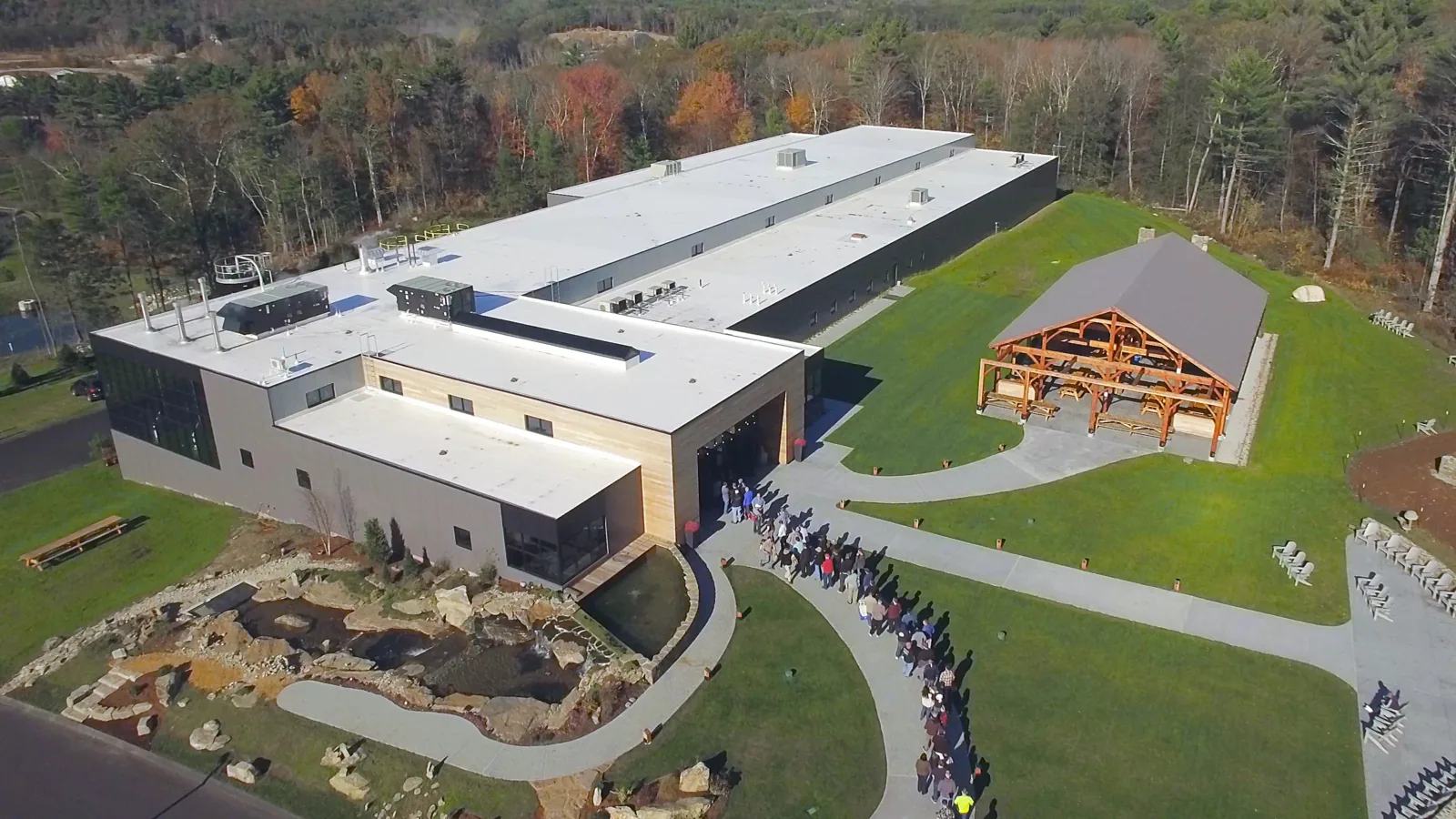
Long parapet walls run across the front and sides of most strip centers, and that's where we start any flashing failure repair. We open the old flashing and check the sheathing or masonry behind it. Solid backing stays. Wet or rotted sections get rebuilt, usually by a wall or carpentry contractor, and an engineer or architect reviews anything that changes the structure. Then we install new base flashing, secure the top under coping or counterflashing, and seal it into the membrane below. Patching the field membrane at the base of a wall won't stop water coming in over the top, so we fix the whole detail.
A wet ceiling tile in a tenant's suite points us to the general area, but water often runs along the deck and drops somewhere else. We write down what we can see, mark what we can't confirm without opening the roof, and photograph damaged backing before new flashing covers it. That gives you a record to show the tenant and owner of why the wall work was needed. A stain inside never tells us how much wet material is up top, so we don't size the repair until we've looked. Questions we can't answer yet stay on the proposal as open items.
Deciding what membrane to keep
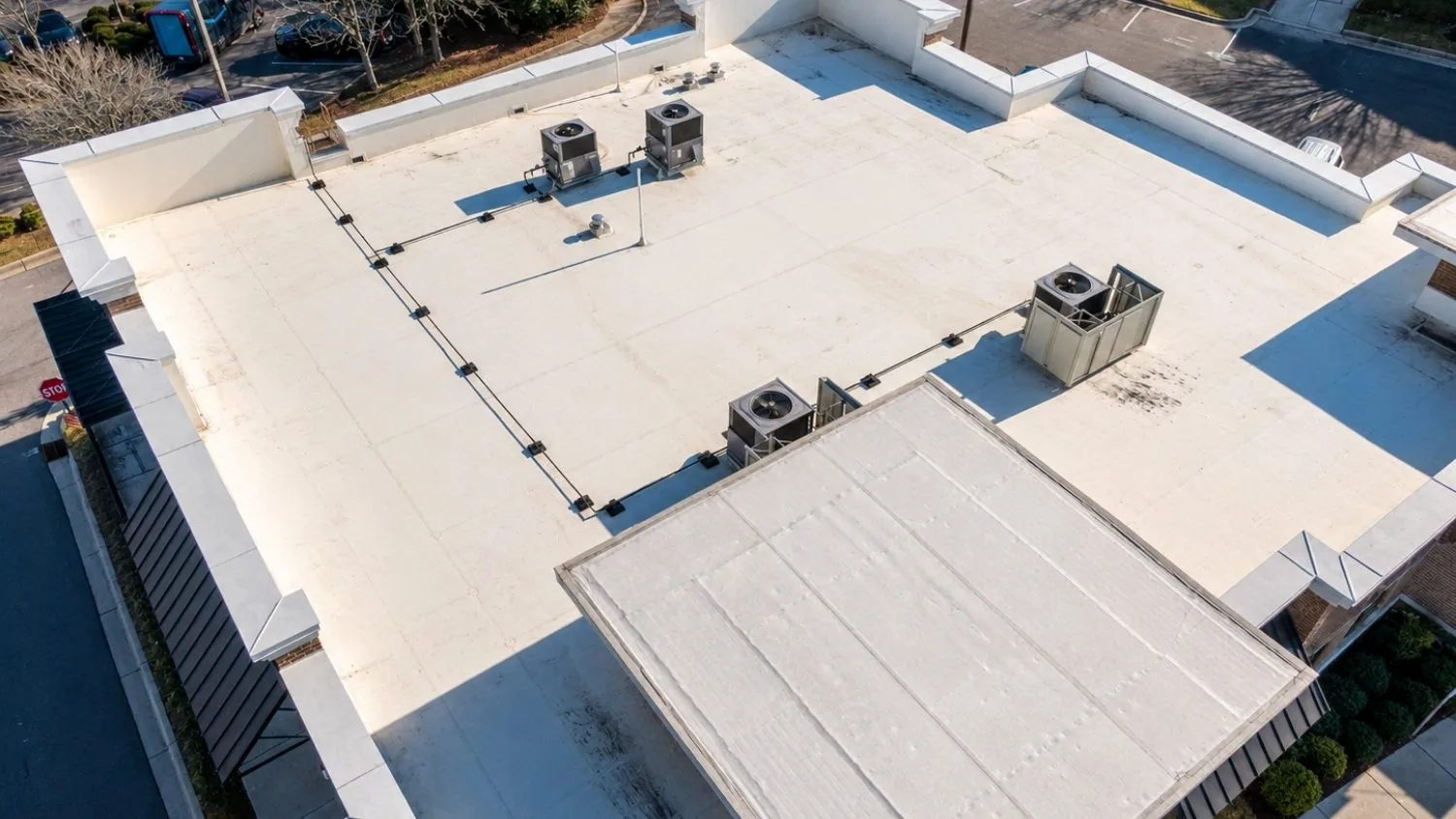
Every commercial roof repair starts with the membrane around the problem. Good material gets cleaned and prepped so the new piece bonds to it. TPO and PVC seams are heat-welded, and that only works on clean, sound sheet. Membrane that's brittle, blistered or soaked comes off until we reach solid roof. Modified bitumen and built-up roofs get repairs suited to those systems. A coating over the whole area won't rebuild a wall or fix a curb, so that work stays as its own line in the proposal.
If the plan is to keep the existing roof and repair or recover over it, we need to know the insulation underneath is dry. An infrared moisture survey flags areas that hold heat differently, which usually means wet insulation, but the scan can't confirm it alone. We take core cuts at the spots that will decide the plan, patch each one right away, and coordinate with the tenant below before cutting. Structural and mechanical questions stay with the engineers and contractors who handle them. The recommendation rests on what the cores and readings show, not on a storm date or the age of the center.
Tenant rooftop units and roof drains
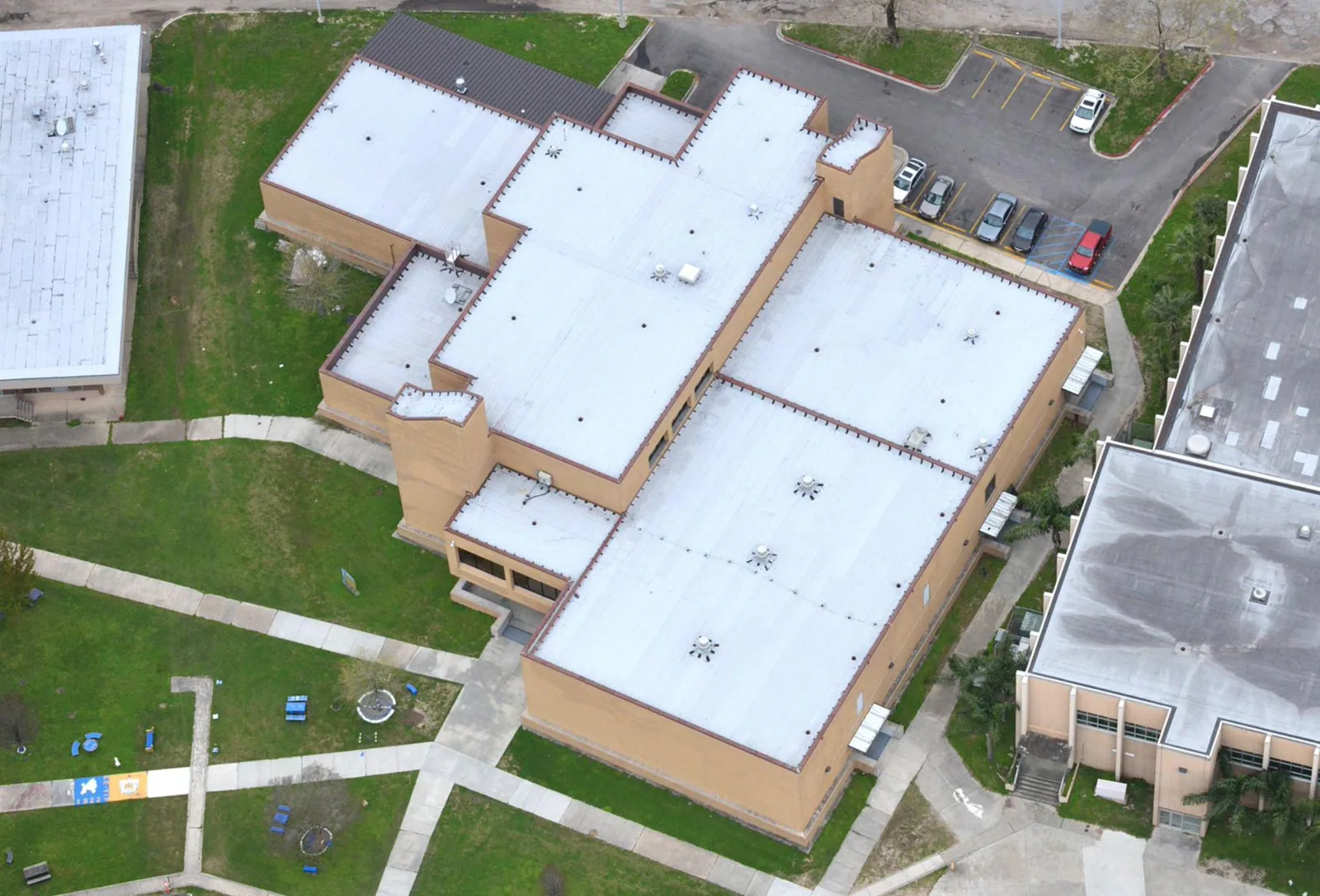
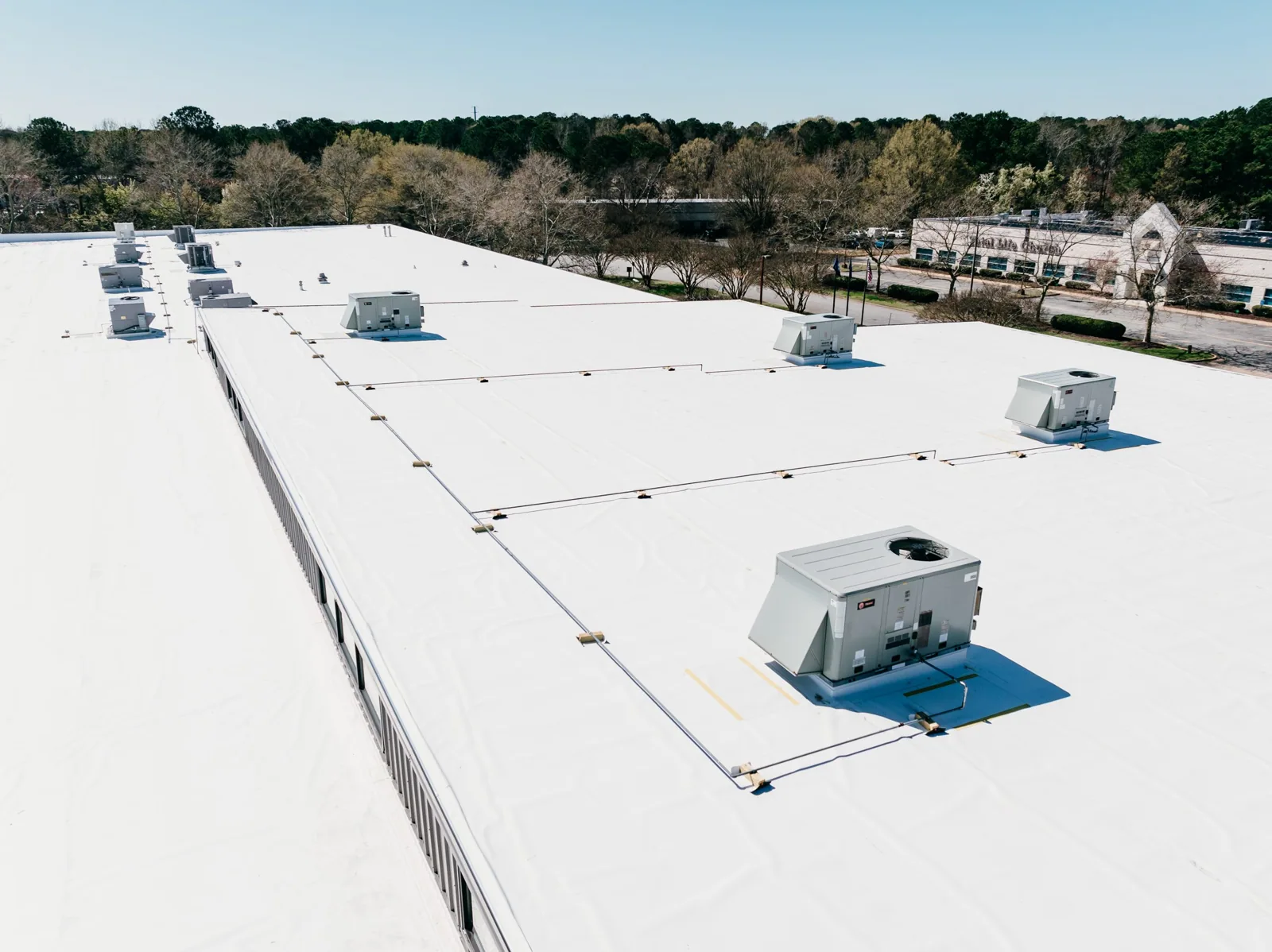
Most centers have a rooftop unit or two for every tenant, and they're often owned and serviced by different companies. For rooftop equipment curbs and supports, we sort out who needs to do what before we start. If a curb has to be raised or a unit disconnected, the tenant's HVAC contractor handles the equipment and the tenant agrees to the downtime. A structural engineer reviews any change to the supports. We list what has to be ready before we start and the flashing we install after. Extra membrane around a curb can't replace the HVAC work, so both show up in the plan, in order, with the right contractor on each.
Back-of-center drains and scuppers clog with debris and are a common source of ponding. With roof drain and scupper repairs, we check the drain body, clamping ring and surrounding membrane, then tie new membrane in properly. If the drain pipe below is cracked, or the drain needs to be moved or enlarged, a plumber takes that part and an engineer may need to review it. Wall rebuilding, curb work and drain work are separate jobs, but each one ties into the roofing that's waiting on it. A new seal at the drain doesn't mean the pipe underneath has been checked, and the closeout says so plainly.
Working above open stores
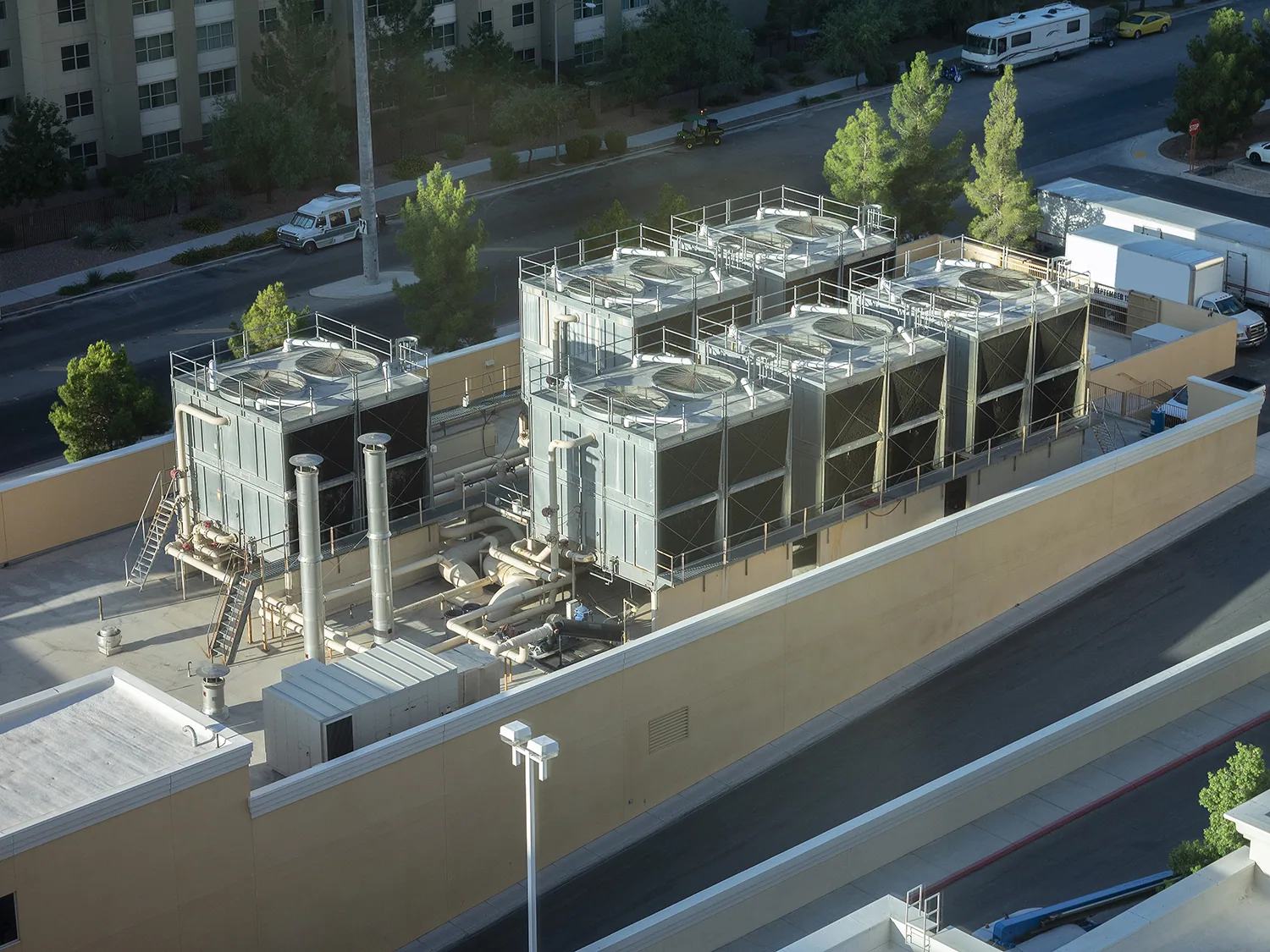
Before we open a section of roof, we show you and the affected tenant exactly where we'll cut, how big the opening will be and how material moves on and off the roof. That usually means a lift or hoist at the back of the center, away from customer parking and storefronts. The tenant tells us what's below: merchandise, stockroom shelving, a kitchen, electronics. Their staff decide what gets moved or covered, and we add our own precautions around that. Permission to inspect doesn't mean the space is ready for work overhead, so we confirm timing with each tenant. Some want work before opening, others on a slower weekday.
Sometimes the damage runs farther than it looked from the surface. When that happens we stop, photograph it and explain what else has to come out. Before we go further, you and the tenant review protection and access for the larger area. If we're waiting on a wall contractor or a tenant's HVAC company, we install a temporary seal and make clear the permanent repair isn't done yet. You get the updated price and the updated protection plan together, so a plan for one suite isn't quietly carried over to the store next door.
What you get at closeout
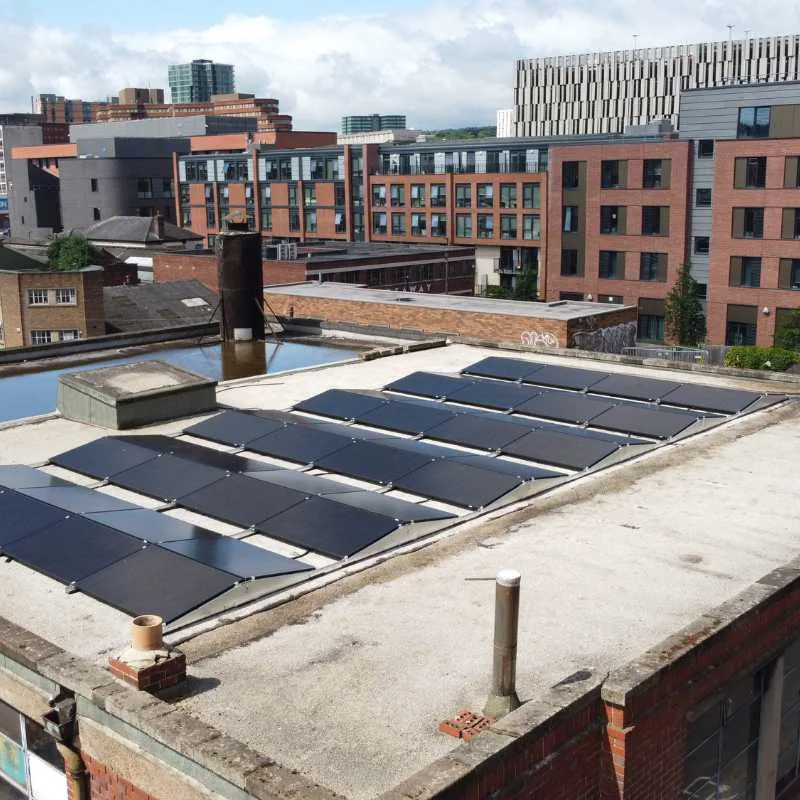
At closeout you get a list of what was removed, what backing was rebuilt and what flashing and membrane were installed, with photos taken while the roof was open and the locations of any core cuts we patched. If a tenant's HVAC work, a plumbing repair or wall work by someone else is still open, we list it next to our finished roofing. Fixing one leak doesn't settle every complaint on the center, so if another spot needs a look, we say where and why.
For a roof inspection along South Cooper Street, call and we'll set a time. Managers of larger stores may also want big box retail roofing or grocery store roofing, and each building is inspected on its own. You end up with records clear enough for the next roofer or the next owner to follow.
Common Questions
Is every shopping center roof built the same way?
No. Centers built at different times, or expanded in phases, often have different membranes and insulation on different sections. We look at drawings if you have them and check the roof itself before recommending a repair.
What should a parapet flashing repair price include?
It should show any wall backing that needs rebuilding and who does it, plus the new base flashing, the top termination and the tie-in to the membrane. If the wall work is missing from the price, the repair probably won't hold.
Do you need to go through a tenant's store to do the work?
Usually we work from the roof and stage from the back of the center. When we need to protect or see inside a suite, we arrange it with you and the tenant first. Tenant staff decide what gets moved or covered.
What happens if the drain pipe below the roof is damaged?
We fix the membrane and drain connection at the roof and note the pipe problem in the closeout. A plumber handles the piping below the deck. Our finished drain seal doesn't mean the pipe has been inspected or repaired.
Get your shopping center roof inspected
Call to set up a visit with whoever manages the center. We'll check parapets, drains and tenant rooftop units and explain what needs fixing and who does each part.
- shopping center wall flashing and backing review
- retail center membrane preparation and removal proposal
- shopping center roof observations and assembly investigation
- shopping center roof component and flashing handoffs
- retail roof outlet preparation and membrane attachment
- South Cooper-area shopping center roof examination
- big box roofing and prepared wall connections
- grocery roofing and reviewed outlet preparation