Commercial Roofing in Colleyville
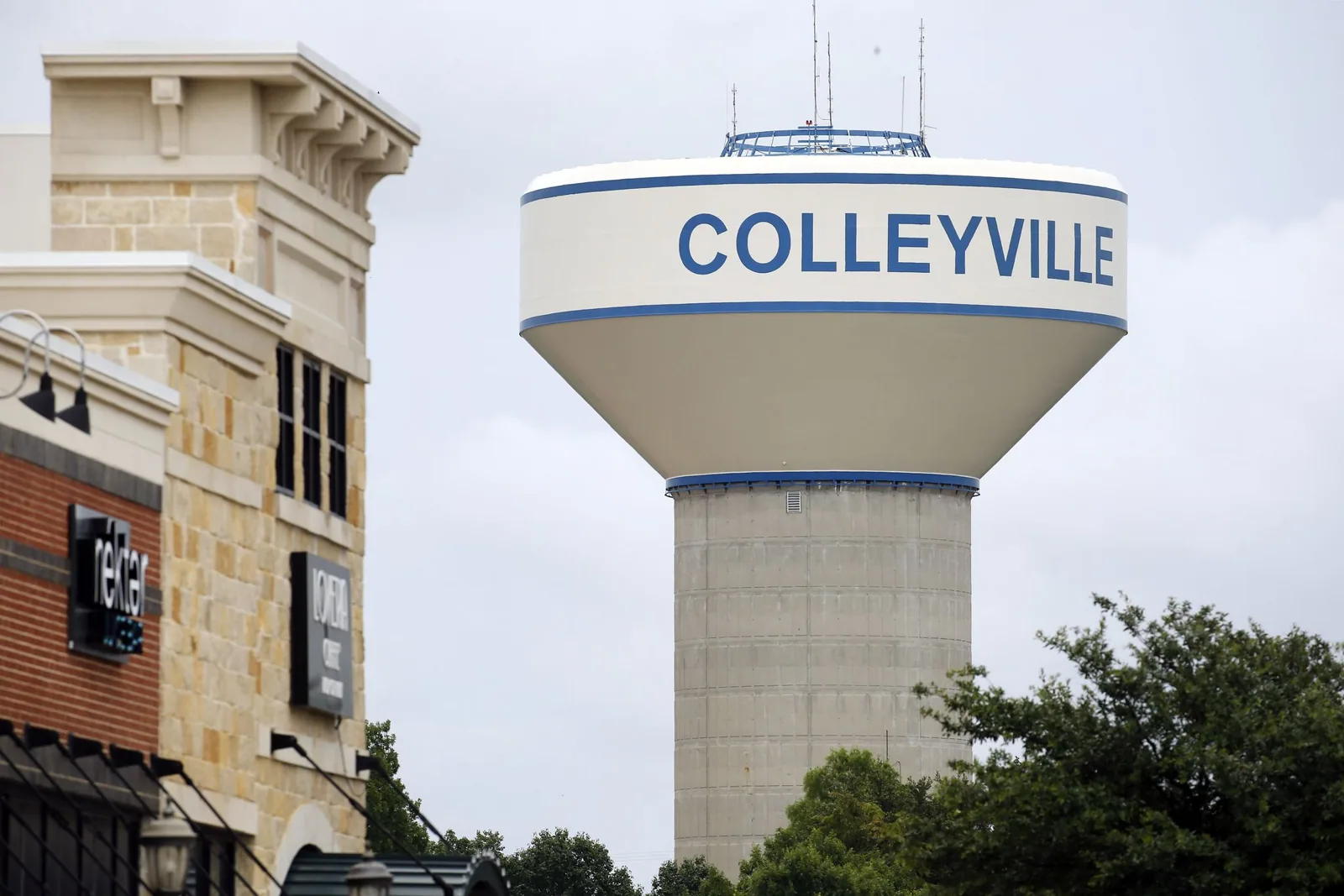
Colleyville
Commercial roof repair in Colleyville, TX: we pinpoint the defect, weld new TPO to sound membrane, replace wet insulation and photograph every step under the finished repair.
A good roof repair estimate answers three questions: what is broken, what exactly will be fixed, and what the repair will tie into. In Colleyville we work on office buildings, medical suites, retail centers and small flex buildings, and the same rule applies to all of them. If the estimate just says "repair roof as needed," there is no way to compare it with another bid or check the work afterward. We write ours around the defect we found, the membrane on the roof and the steps needed to make the repair last.
We also repair commercial roofs in Grapevine and Southlake, with each building inspected and priced on its own.
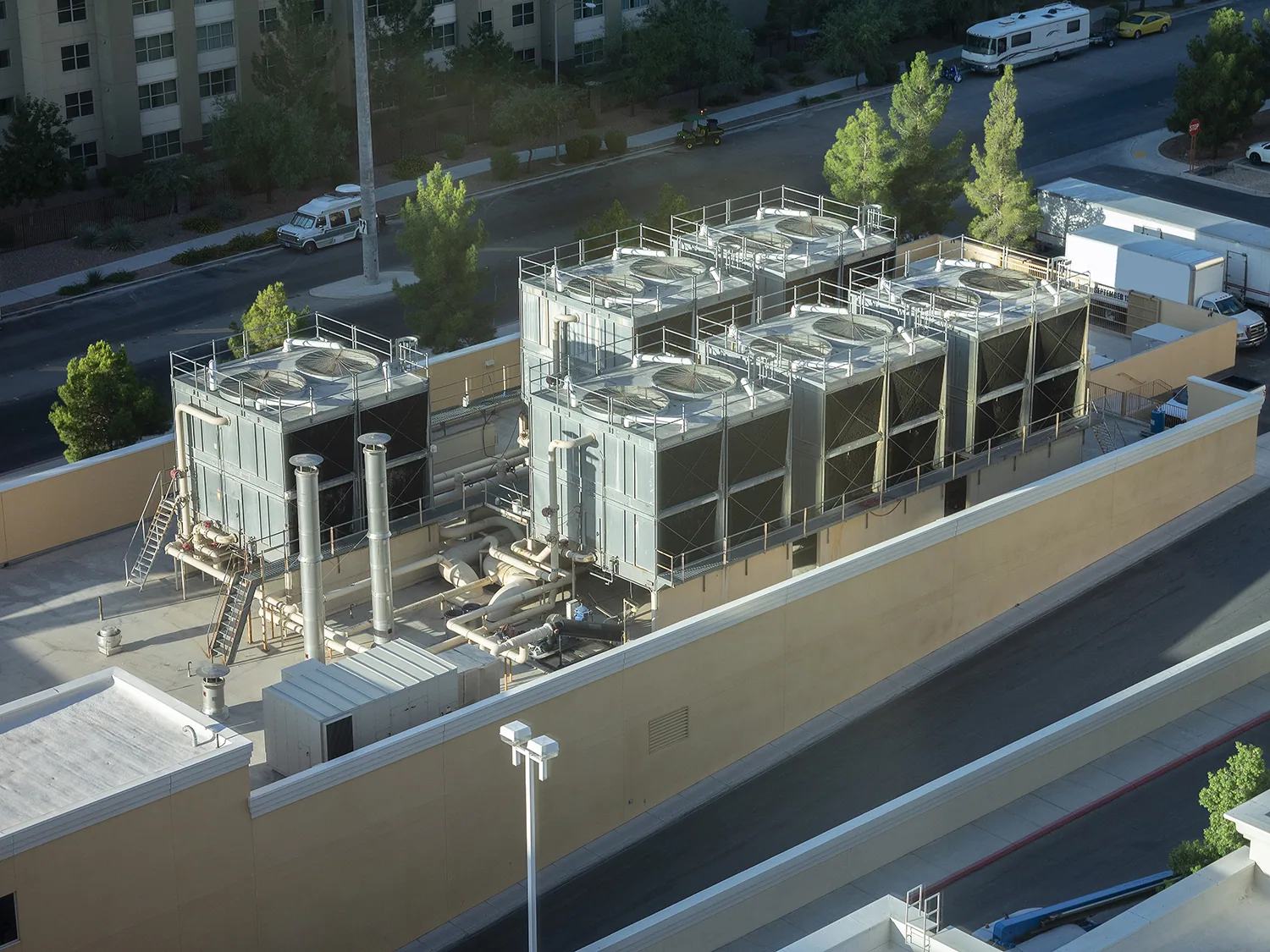
Pinning down the defect
We inspect the area of concern and mark each problem on a roof plan: a split in the membrane, a seam that has opened, flashing pulled off a curb, a puncture from foot traffic or a dropped tool. Each one gets a photo and a short description. If a tenant reported a leak, we note how the defect lines up with where water showed up inside.
Our commercial roof repair estimate lists each defect and the fix for it, along with where the new material will start and stop. If we found something we could not fully check, such as a seam under a rooftop unit, we say so rather than assuming it is fine.
That gives you an estimate you can actually read. You can see how many repairs there are, where they are and why each one is needed, and you can hold us to it when the job is done.
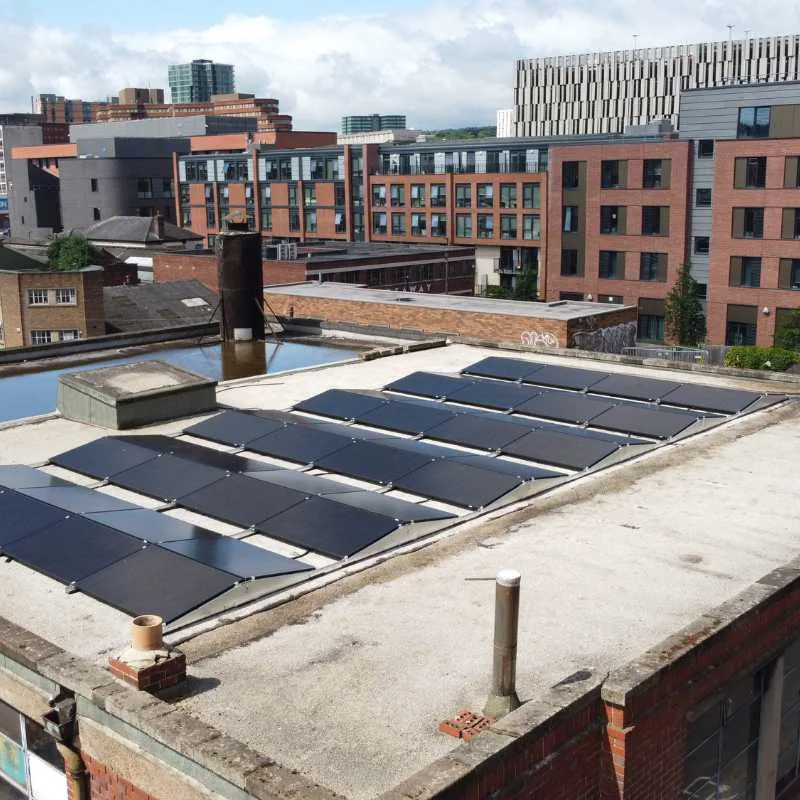
Tying into the existing TPO
Every repair has an edge where new material meets old. That edge has to be sound, or the repair just moves the leak a few inches over. We check the existing membrane around each repair, confirm what system it is and look for wear, shrinkage or old patches that might not take a weld.
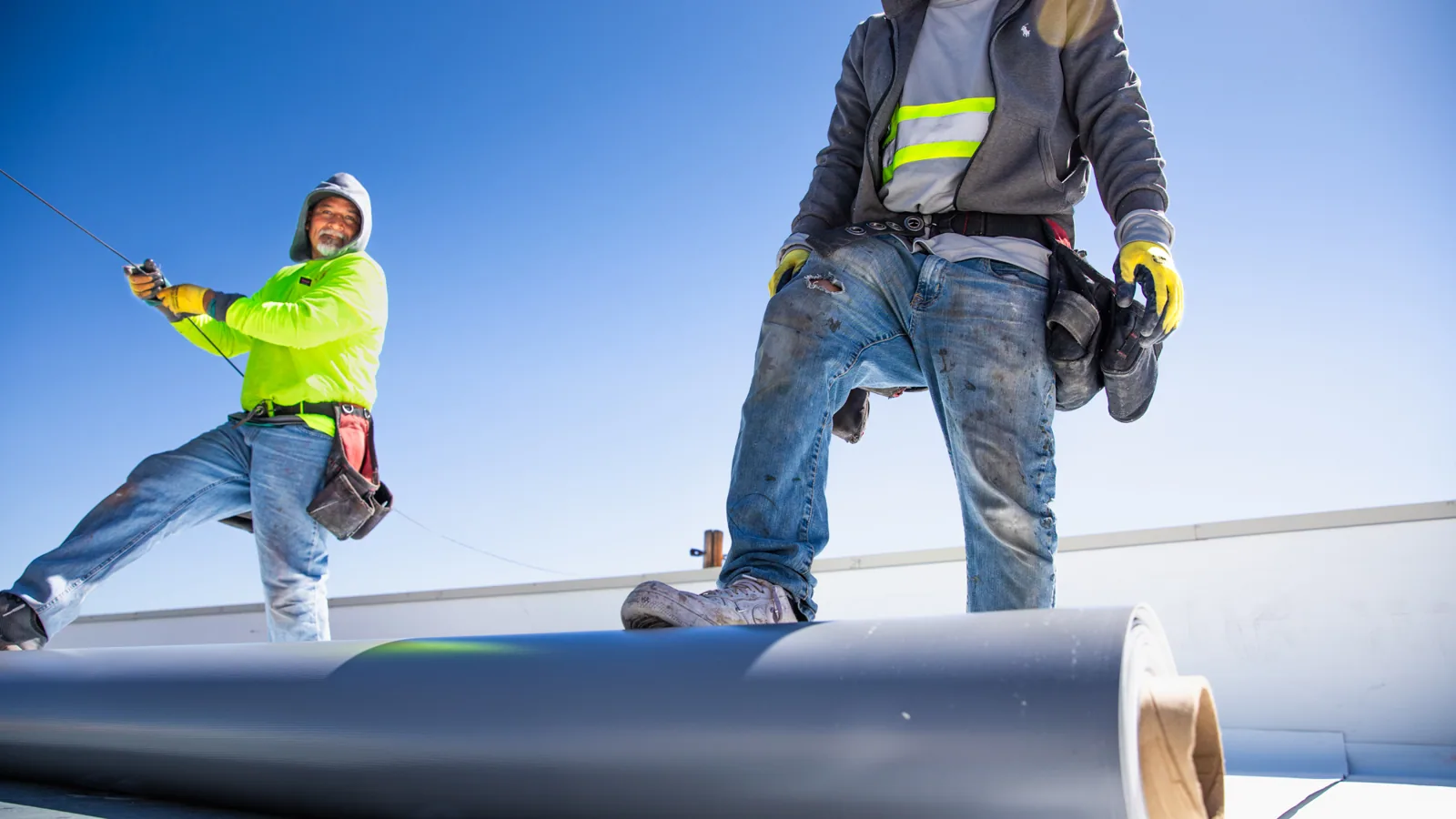
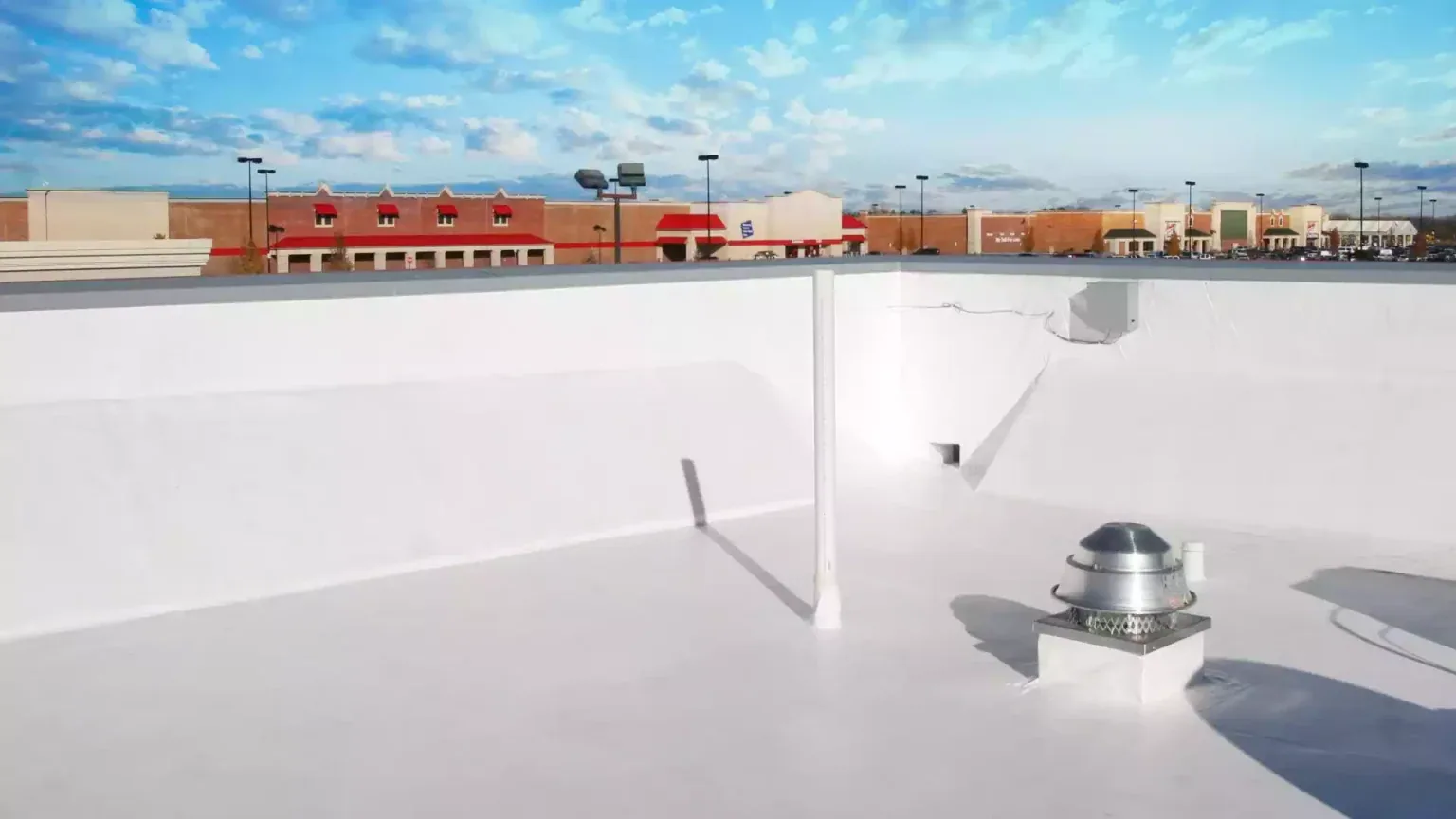
For TPO roofing repairs, we clean the existing sheet, heat-weld new TPO over the damaged area and probe the seam once it cools. If the old TPO is chalky or brittle, we cut back further until we reach membrane that welds well. A PVC or EPDM roof gets a repair method suited to it instead.
We also check nearby seams. A seam that is starting to open next to a repair will fail sooner or later, so we fix it at the same time and list it in the estimate.
Insulation and deck
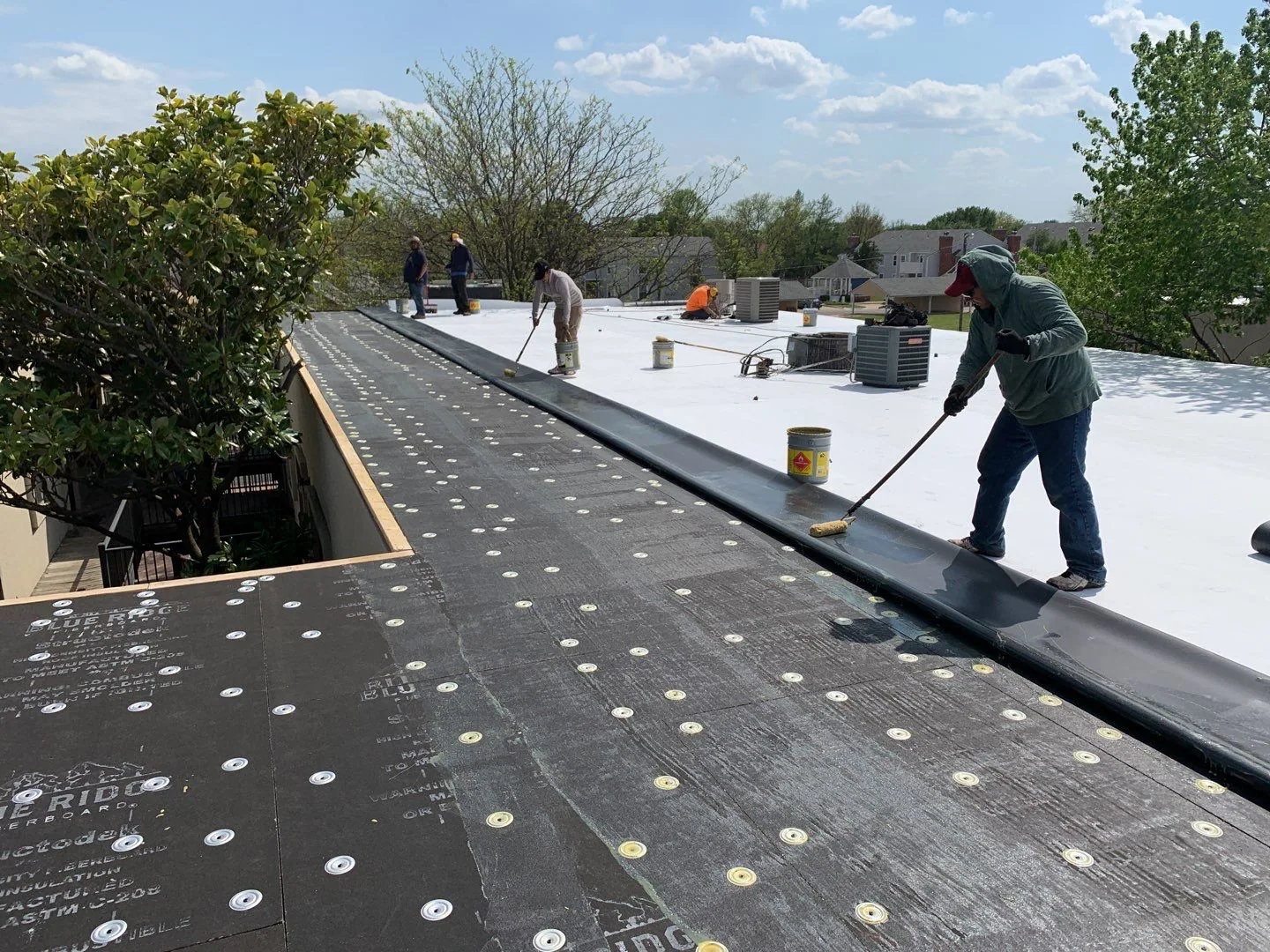
If a defect has been leaking, the insulation under it may be wet. Wet insulation does not dry on its own under a sealed membrane. It loses its R-value, can rust a steel deck and can loosen the plates holding the roof down. When we see signs of trapped moisture, we cut a core at the repair. Wet or crushed board gets replaced before the new membrane goes on.
On an office building roof, we schedule core cuts and openings with the building manager, because tenants below hear the work and sometimes need notice. The core result applies to that spot, and other suspect areas get their own check.
If opening the roof turns up something unexpected, like rotted wood blocking or rusted deck, we stop, photograph it and talk with you before closing it up. The estimate is updated so you see the change before you pay for it.
Doing the repairs in the right order
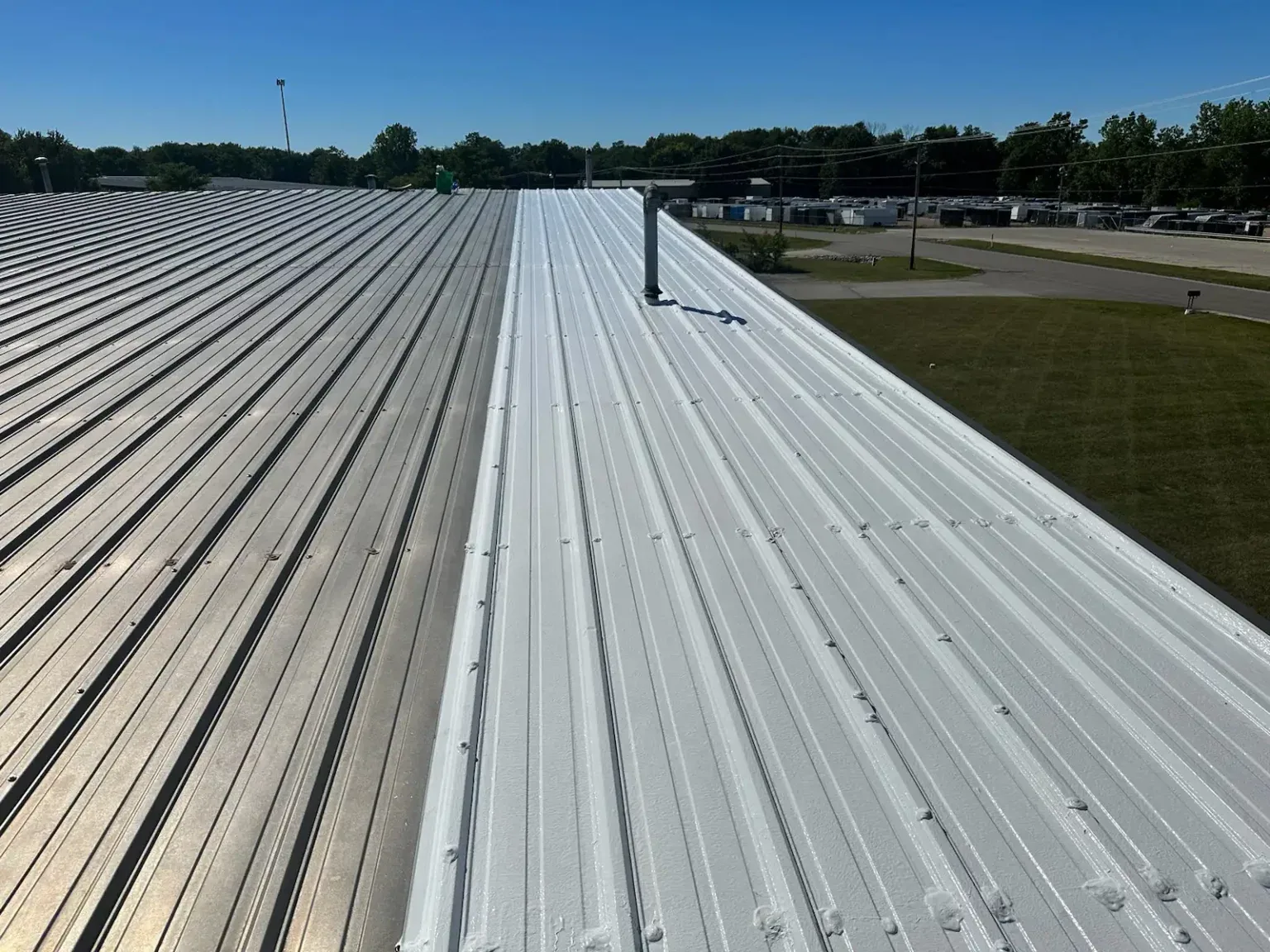
Most repairs have a sequence. Wet insulation comes out first. Damaged deck gets fixed. Nearby seams and flashing get repaired. Last, we clean and prep the old TPO and weld on the new material. Skipping a step usually means coming back later. If an old mastic patch or a contaminated surface keeps the new material from bonding, we deal with that too and show it in the estimate.
We work out roof access, parking, material staging and crew hours with the property manager. Colleyville properties often have tight parking and close neighbors, so we plan deliveries and lift placement ahead of time. If an HVAC contractor has to reset a unit or repair a curb before we can flash it, we list that task and keep you updated on it.
The goal is simple: you know what has to happen, who is doing it and when the roof will actually be finished.
Photos and the repair report
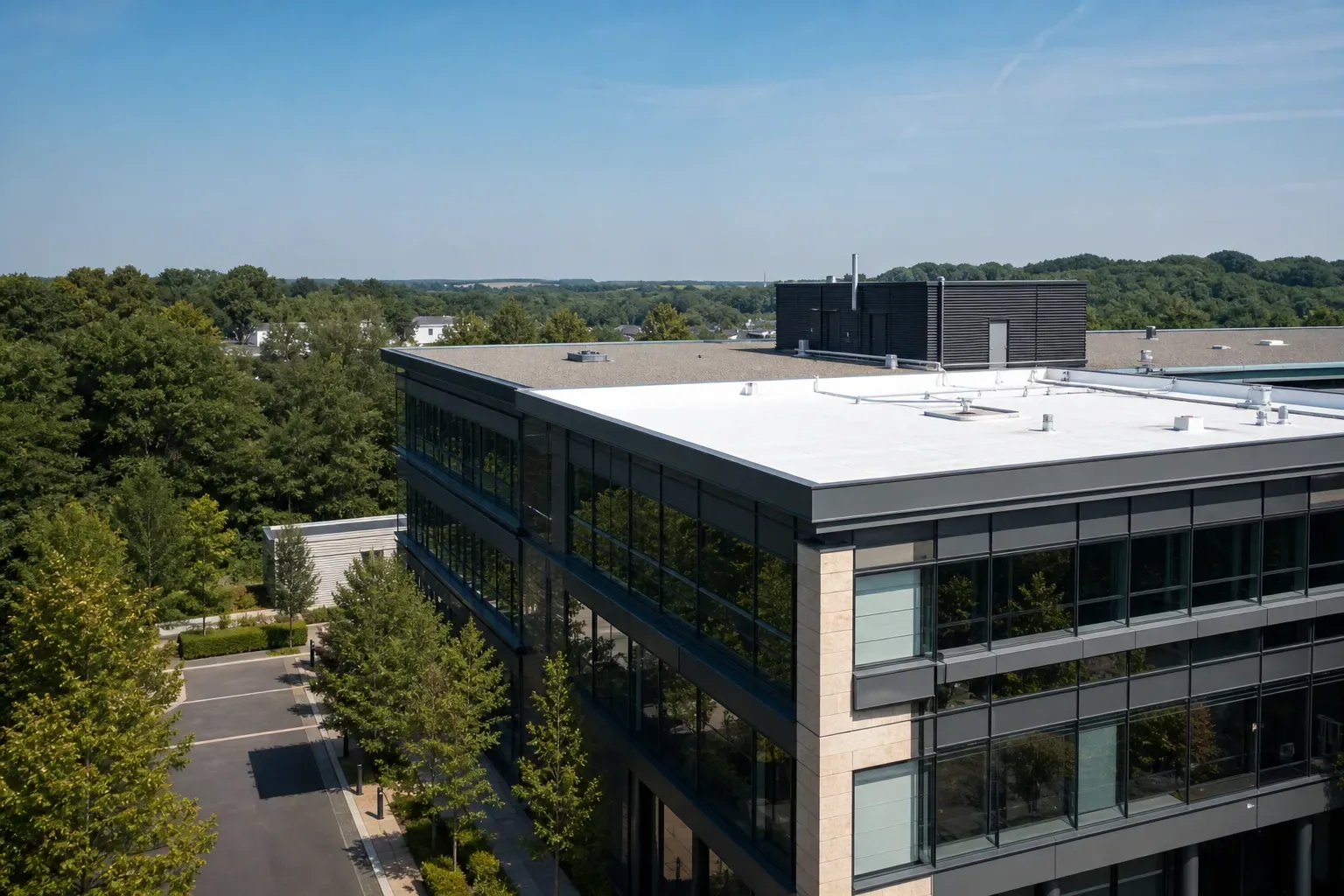
We photograph each stage: the defect as found, the opened insulation, any deck repairs, the repaired nearby seams, the prepped surface and the finished weld. Each one is pinned to the roof plan. Once new membrane is down, the work underneath is hidden, so the photos are how you know it was done.
A roof condition report for a Colleyville building lists every repair with its location, the materials used and anything we found but did not fix. It notes which areas we did not inspect, so one repaired section is not mistaken for a full roof checkup.
If we put down a temporary patch first, the report says so and shows when the permanent repair replaced it. Temporary and permanent work are always kept separate.
When you call about a Colleyville building, tell us where the problem is, whether it is leaking and who can let us on the roof. Send past repair invoices or warranty paperwork if you have them. We will inspect, mark what we find and send an estimate that lists each defect, the repair and any prep or other trade work that has to come first. If you own several buildings, each one gets its own estimate. Two roofs put on the same year can be in very different shape depending on how they were maintained.
Common Questions
What should a roof repair estimate include?
Each defect, where it is, how it will be fixed and where the new material will tie into the existing roof. It should also list any insulation replacement, nearby seam repairs and anything we could not fully check.
How do you decide how far a TPO repair needs to extend?
We cut back until we reach clean, flexible TPO that takes a good weld. If nearby seams are starting to open, we repair those too so the new material ties into sound roof.
Why do you stop and check with us if you find more damage?
Because it changes the scope and the price. We photograph what we find, explain what it means and update the estimate before closing up the roof.
Who do you coordinate access and scheduling with?
The property manager or building engineer. They set work hours and tenant notices, and we coordinate with any other trade, like HVAC, that needs to finish first.
What photos will show us the repair was done right?
Photos of the defect as found, any opened insulation or deck, the nearby seam repairs, the prepped membrane and the finished weld, each tied to its location on the roof plan.
Get a clear repair estimate for your Colleyville roof
Tell us which building and where the problem is. We'll inspect it, mark each defect and give you an estimate that shows exactly what will be fixed and how.
- Grapevine commercial buildings through their own detail and material assessment
- Southlake premises with separately located permanent repair findings
- commercial roof repair specifying the examined defect and permanent joining boundary
- TPO detail corrections reaching confirmed sheet and appropriate retained material
- office property requiring a located connection and supporting layer repair
- roof condition report tracing Colleyville findings and completed connection duties