Naval Facility Roofing in Arlington, TX
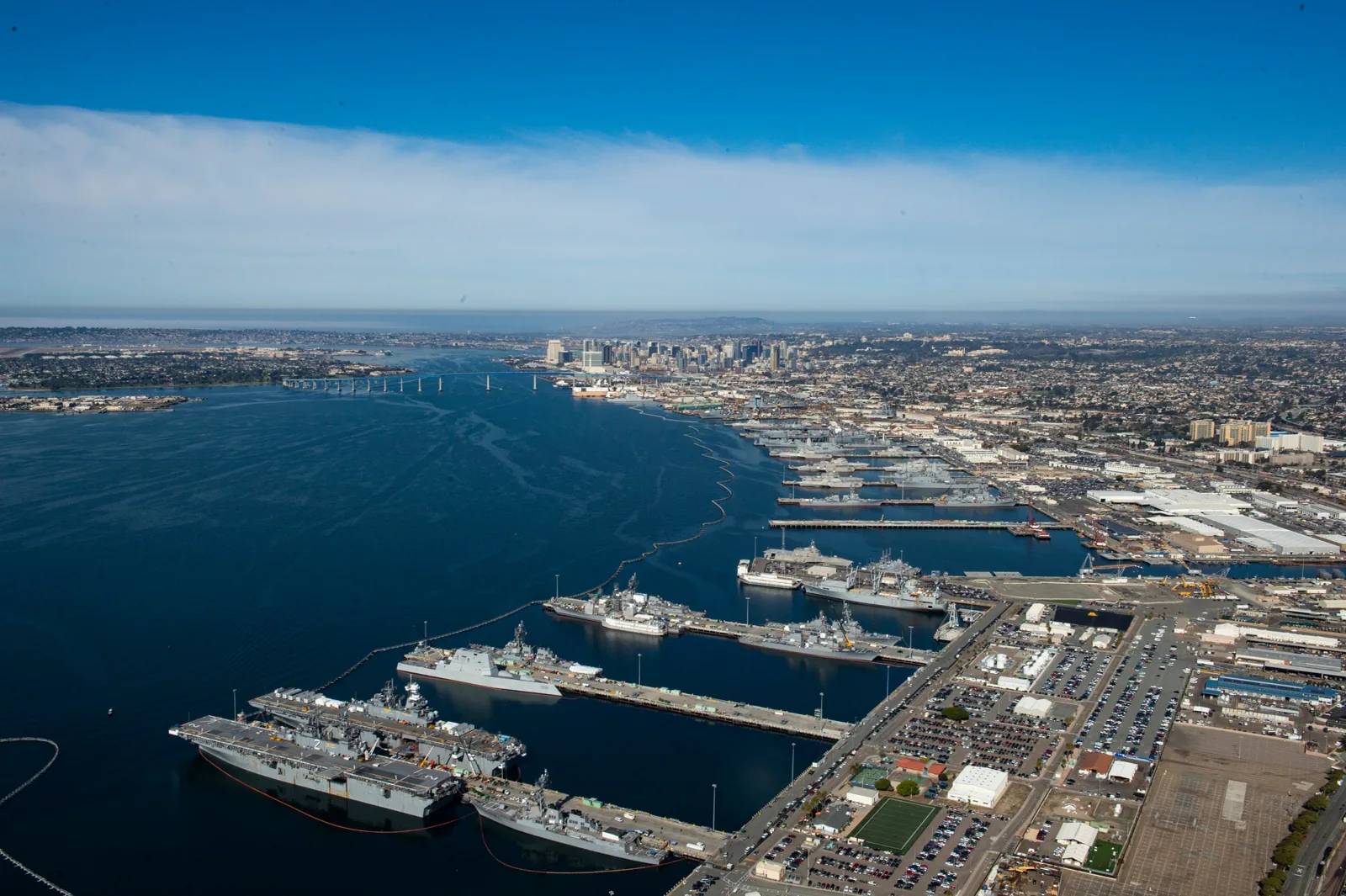
Naval Facility Roofing
Naval facility roofing in Arlington, TX: roof drain repair, membrane tie-ins, moisture testing and tear-off planned with facility staff before the roof is opened.
Hail fell across parts of Arlington on May 27, 2024, so if you manage a naval or Navy-related building here, it's worth having the roof walked. When a leak shows up near a roof drain, we start at the drain itself: the bowl, the clamping ring and how the membrane is tied into it. Often the drain needs cleaning or resetting before new membrane can be sealed to it, and anything going on in the pipe below is a plumber's call. A patch around the drain won't fix a loose clamping ring or a cracked bowl, so we price the full detail.
Naval Air Station Joint Reserve Base Fort Worth is the nearest major installation, but it isn't in Arlington and it tells us nothing about your building. To set up a visit, tell us which building has the problem, share any roof drawings or records you have, and name the person who can clear us onto the property. Your facility staff decide which rooms and systems need protecting during the work.
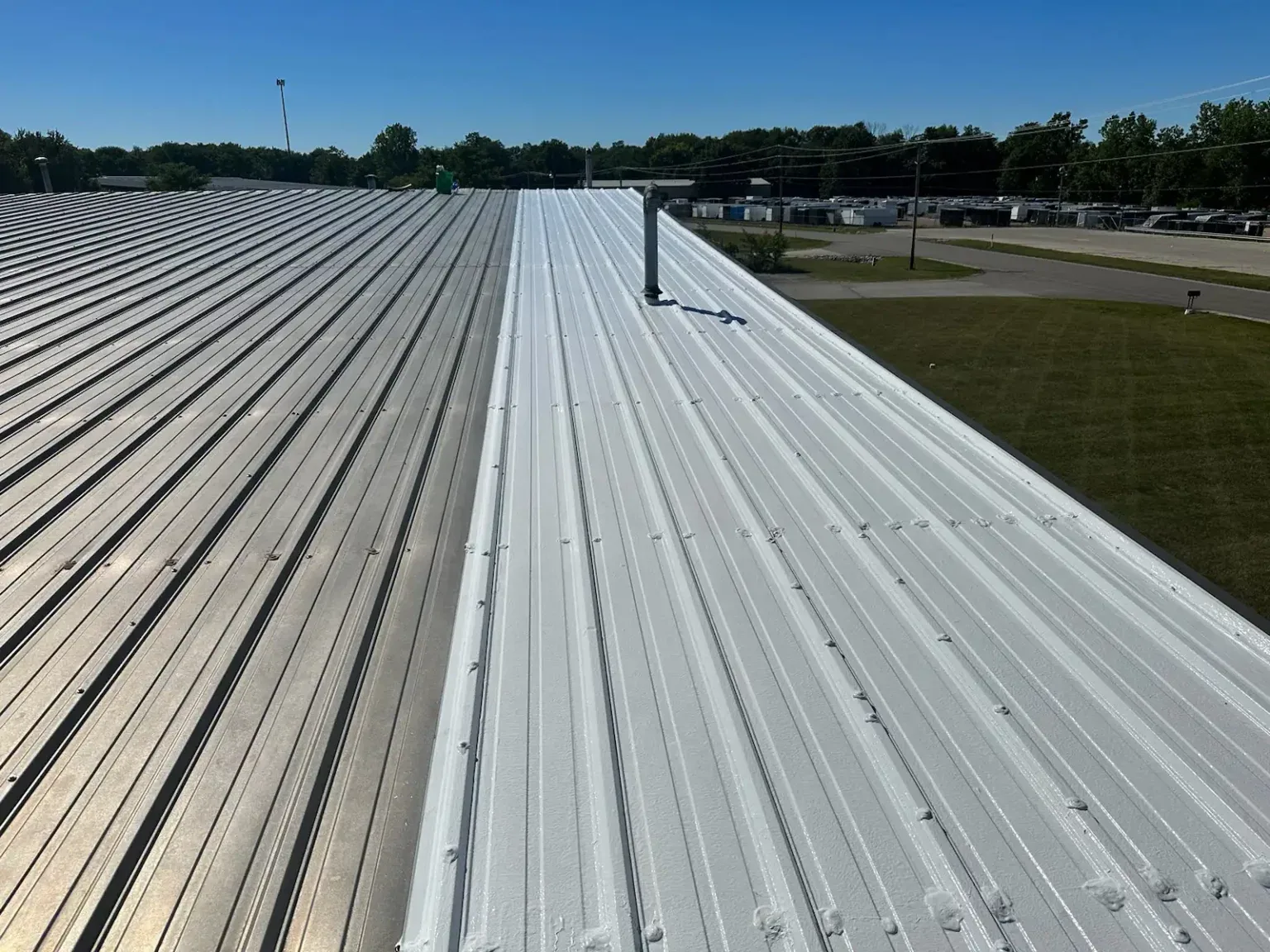
The drain detail
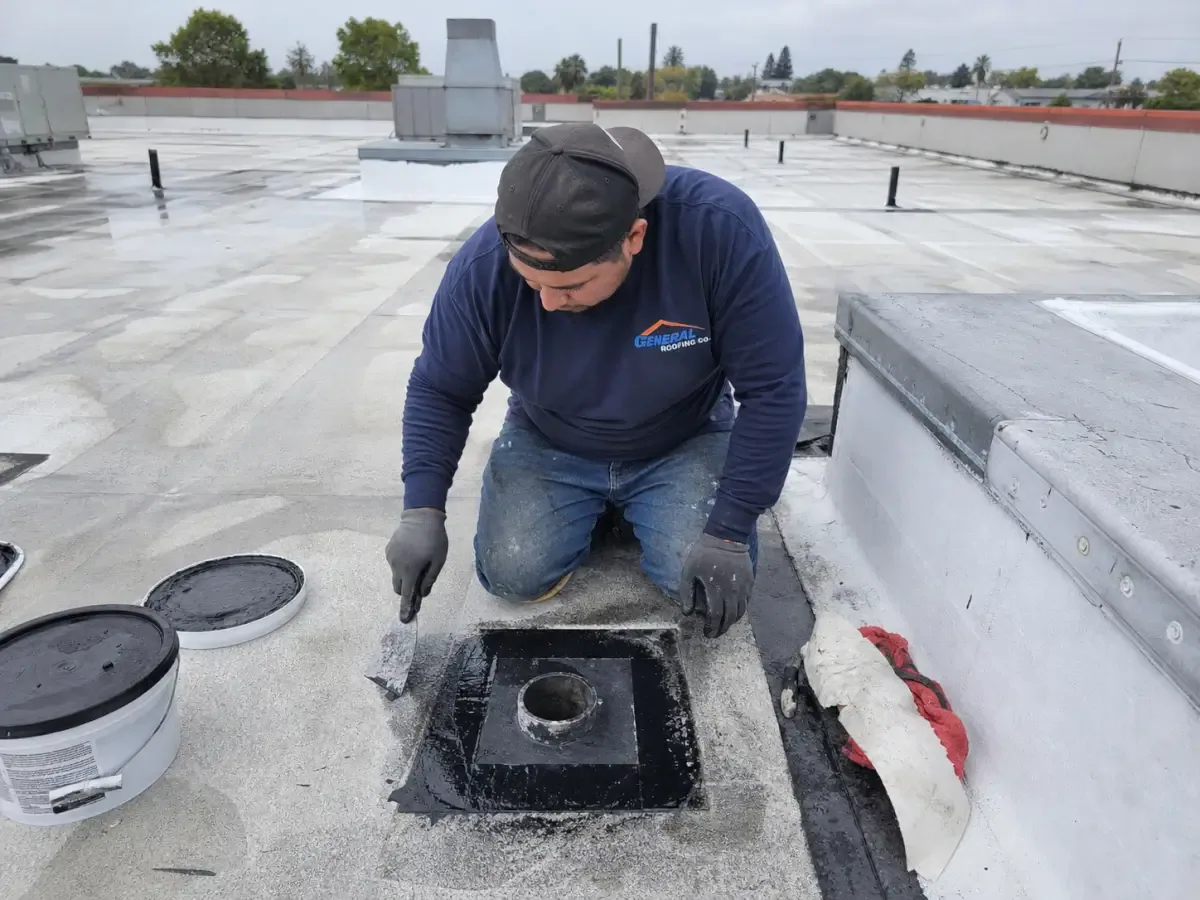
Our roof drain and scupper repair starts with the drain tied to the complaint. We check the bowl, the clamping ring and bolts, the strainer, and the membrane and flashing sheet around it, and we spell out what has to be done to the drain before new membrane goes on. If the fix means changing drain size, location or slope, an engineer should review it. We'll report what we found at the roof surface, but we won't claim to have inspected the pipe below just by looking down the drain. Plumbing work is listed right next to the roofing that depends on it.
A ceiling stain near a drain points us in a direction; it doesn't prove the drain is where water gets in. Water can run along the deck or through the insulation before it shows up inside. We note what we confirmed and what's still open. If we need to cut a core to check for wet insulation, we say where and why. We photograph the drain before it's rebuilt, and we don't stretch one finding across roof sections nobody has looked at.
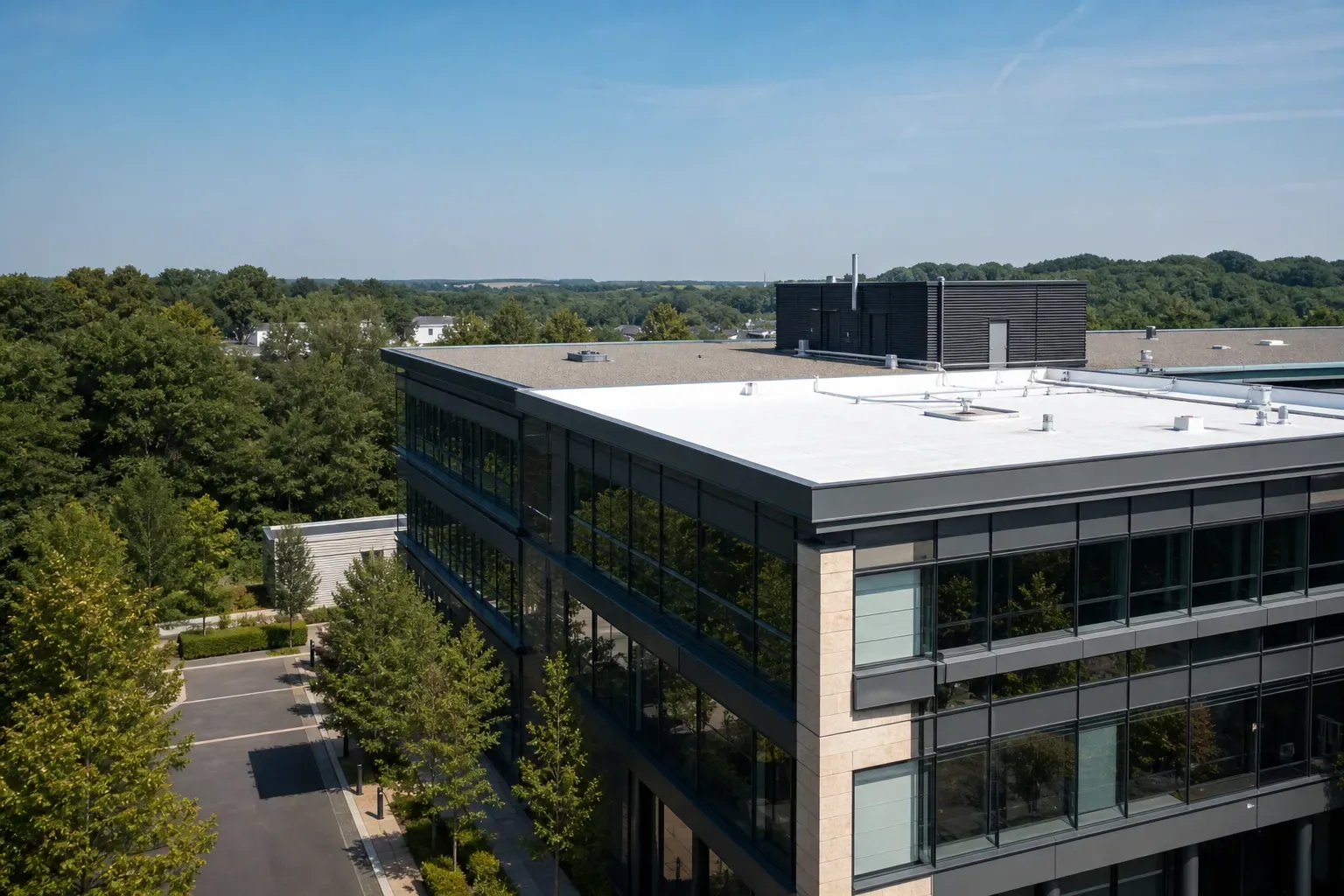
Membrane and what's underneath
A membrane repair at the drain depends on what's already on the roof. We cut out wet or degraded material until we reach sound roof, then clean and prep what stays. TPO and PVC get heat-welded; modified bitumen and built-up roofs need their own flashing method. The estimate lists the roofing work and the drain prep separately. A coating won't fix a cracked drain bowl or a bad pipe connection, so we don't sell it as one.
An infrared moisture survey can map likely wet areas, but the readings depend on weather and roof conditions the night of the scan, and a warm spot isn't proof on its own. Where the result would change the plan, we confirm with core cuts, patch each one and coordinate protection for the room below. What stays and what goes is decided by what we find on this roof, not by a base name or a storm date.
Plumbing, walls and rooftop equipment
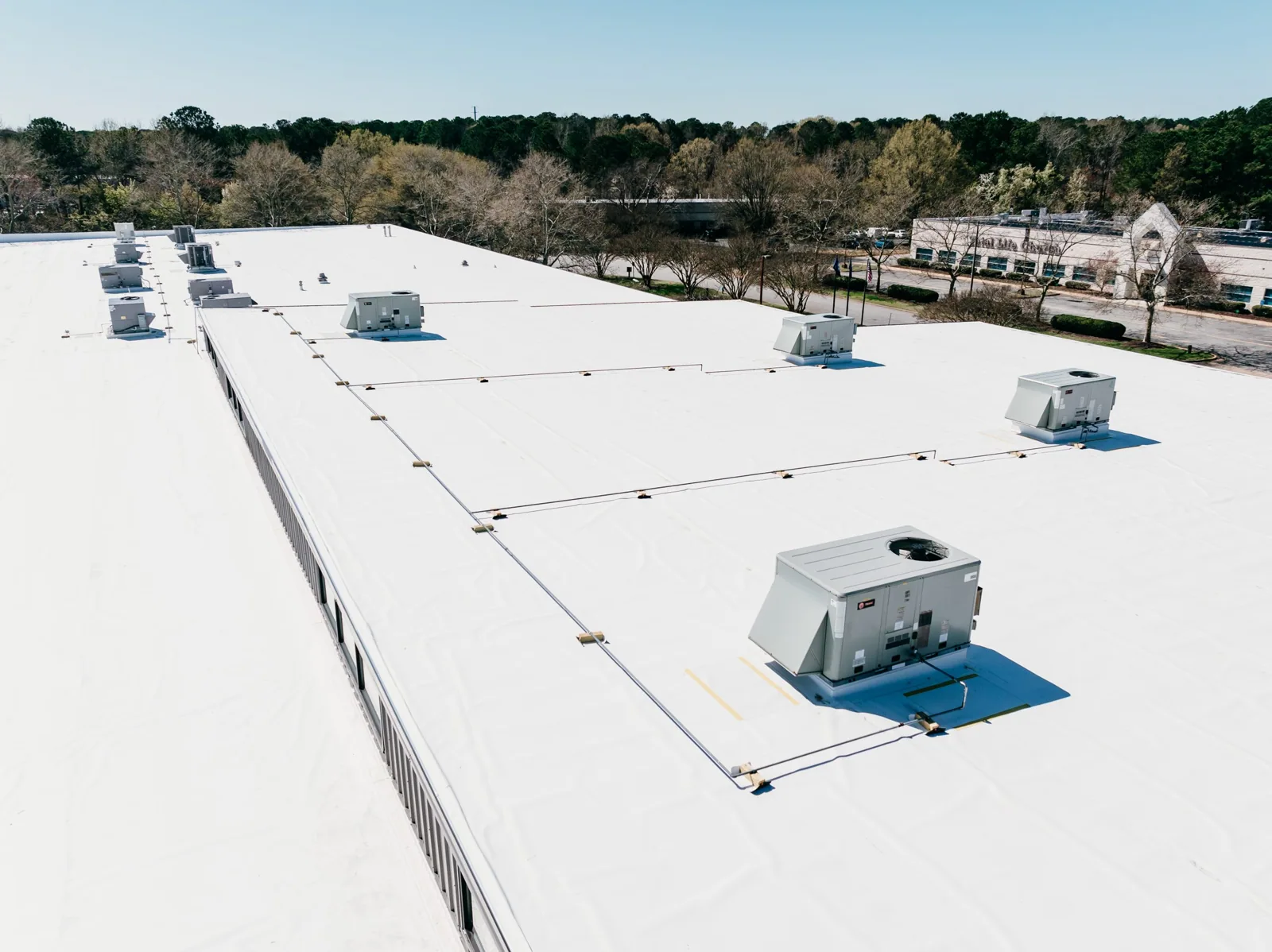
The drain's connection at the roof and the pipe below it are two separate jobs. We handle the drain's tie-in to the membrane and any prep it needs at the roof. Your plumber handles pipe condition, leaks at joints below the deck and any changes to the drain line, with an engineer involved if the drainage design changes. A new membrane seal at the drain doesn't fix a cracked pipe underneath, and we won't describe it that way. Both pieces of work stay visible in the proposal.
Rooftop equipment curbs and supports follow the same logic. If a unit has to be disconnected, lifted or moved, the mechanical contractor does that and coordinates shutdowns with your staff. If a wall above the roof has rotted sheathing or failed masonry, it has to be fixed before new flashing goes up the wall. We list each of those items next to the roof detail that waits on it, so nothing gets assumed finished just because new membrane is down.
Before the roof is opened
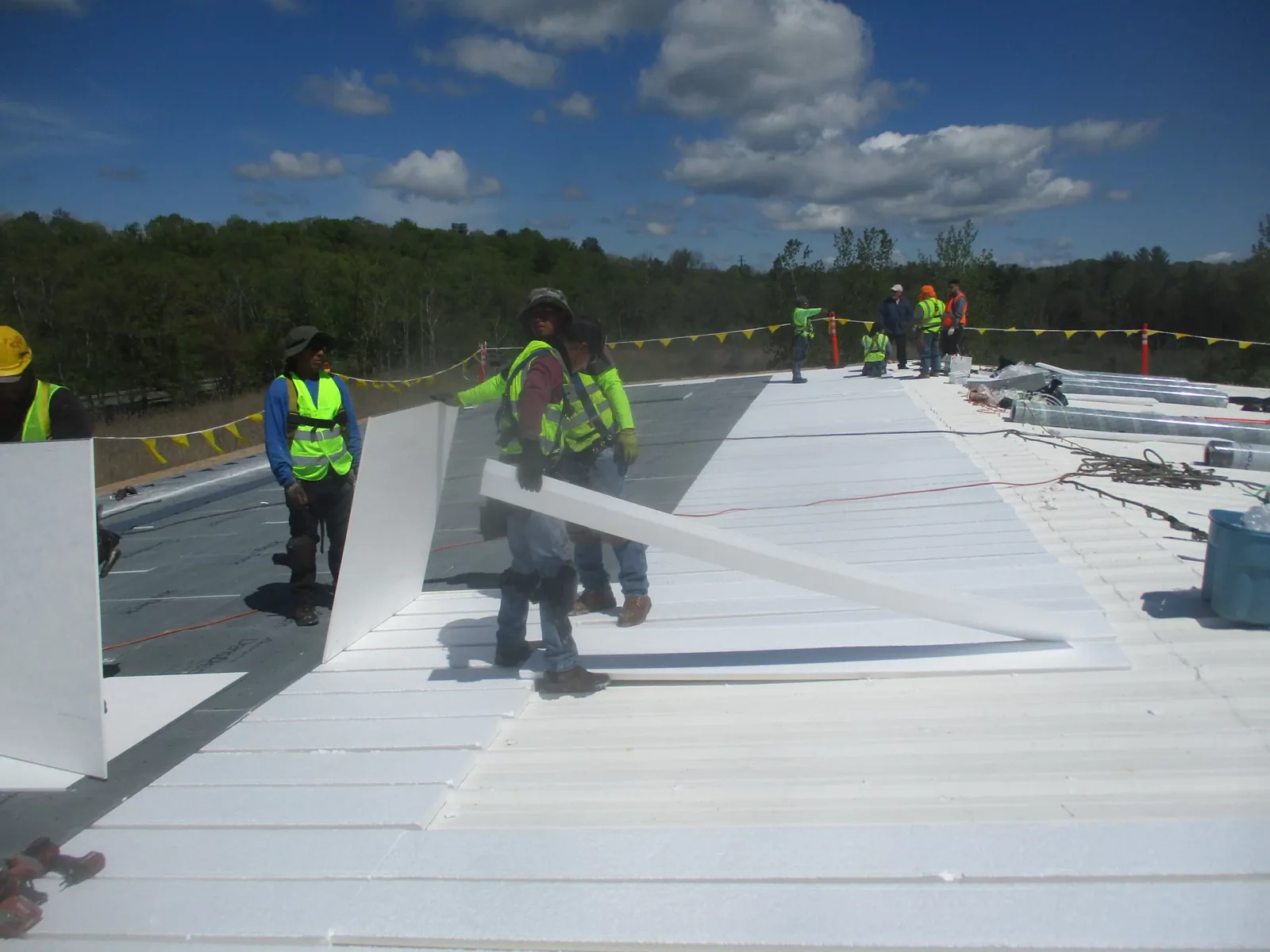
Reroofing an occupied building takes planning with the people who run it. We walk your facility contact through where we'll open the roof, how material moves on and off, and how we'll keep water and debris out. Your staff tell us what's below, whether that's offices, records, electronics or equipment, and what needs protecting or moving. Permission to inspect isn't permission to tear off, so we get approval for each opening and the route we'll use. We follow the facility's own access and escort rules rather than guessing at them.
If tear-off reveals more wet insulation or damaged deck than expected, we stop, show you what we found and explain the added work before going further. The room under the new area gets checked and protected first. If we're waiting on a plumber or wall contractor, we put down a temporary seal and note the permanent work still to come. The revised scope lists the new quantities, who handles each piece and the protection needed below.

Closeout and records
At completion, the record shows what was done to the drain, the membrane detail that was rebuilt, what was torn out, which cores were patched and the photos taken while the roof was open. It also lists plumbing, wall or equipment work that someone else still needs to finish, and any area that needs more testing. The next facilities manager should be able to tell the roofing that was done from the questions still open. A rebuilt drain detail is solid work, but it isn't a guarantee about the pipe below or unrelated problems elsewhere on the roof.
We take requests for buildings in Downtown Arlington and the surrounding business districts through the property's own facility contact. Our Air Force facility roofing and military hangar and maintenance facility roofing pages cover those building types, and each project is scoped from its own inspection. This one stays tied to your building and what we found on its roof, not to a nearby base.
At any Navy-related facility, your contact identifies the building, sets up access for the inspection and tells us which spaces or systems could be affected. The proposal then keeps access arrangements separate from the repair itself: where material comes off, how the roof stays watertight if work pauses, and what findings would trigger a change. We confirm the existing roof system at the work area before choosing a tie-in or replacement assembly. If we find damage past the agreed limits, we document it and get direction before expanding. The closeout keeps finished roofing separate from wall, equipment or utility work still owed by other trades.
Common Questions
Does NAS JRB Fort Worth mean there's a naval roofing project in Arlington?
No. The air station is a regional installation, and it doesn't tell us anything about a particular building in Arlington, its roof or whether we can get on site. We need the actual building and a contact who can arrange access for an inspection.
What drain work goes along with replacing the membrane around it?
We check the drain bowl, clamping ring and strainer, and clean, reset or repair them so the new membrane seals properly. Pipe condition below the deck is for your plumber. If drain size, location or slope needs to change, an engineer should review it.
What needs to happen inside before roof material is removed?
Your facility contact reviews where we'll open the roof and how material will move. Your staff, and any specialists they bring in, decide what needs protecting or moving below. An inspection visit doesn't count as approval for tear-off, so each opening gets its own sign-off.
What should the closeout record include?
The drain and membrane work completed, any drain prep done by others, where cores were cut and patched, and photos. It should also list plumbing or equipment work still open and anything that needs more testing. New membrane doesn't settle problems in the pipe or the rooftop units.
Book an inspection of the leaking drain
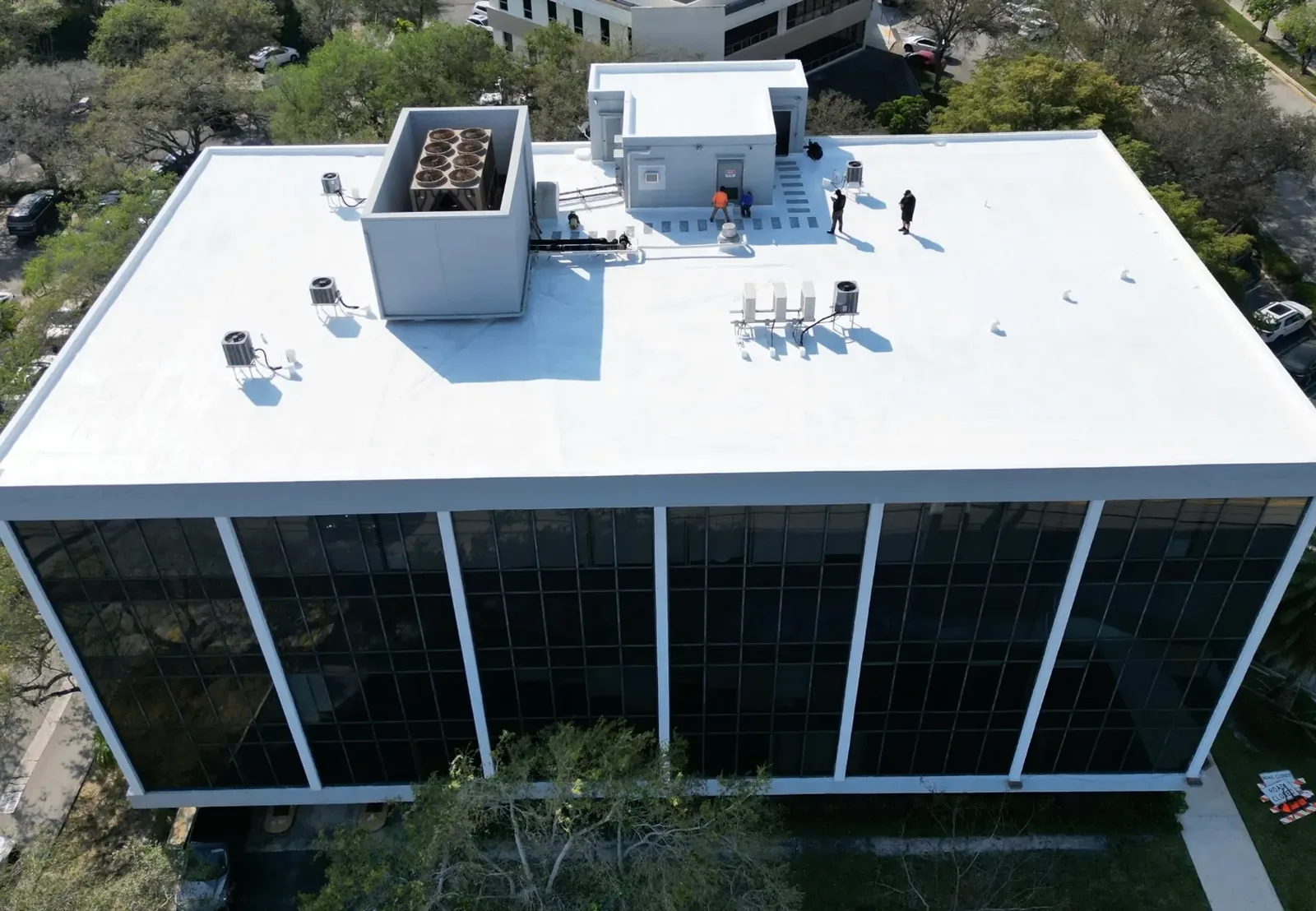
Have your facility contact set up the visit. We'll explain the drain prep, the roofing work and the protection needed inside before we open the roof.
- naval building drain outlet and roof joint examination
- naval building membrane repair against a prepared fitting
- naval roof observations and concealed layer examination
- naval roof equipment preparation and membrane handoffs
- naval building roof removal and reviewed interior precautions
- naval building roof inquiry near Downtown Arlington and surrounding business districts
- Air Force building roof repair and backing responsibilities
- military hangar roofing with defined supporting handoffs