Commercial Roofing in South Arlington, Arlington, TX
South Arlington
Commercial roof repair in South Arlington, TX: we find the defect, weld new TPO to sound membrane, check for wet insulation on medical and retail roofs and photograph every step.
South Arlington has grown fast, and its commercial buildings range from medical offices and clinics to shopping centers along I-20 and newer offices near Arlington Highlands. North Texas weather is hard on all of them. Arlington had hail reports on May 27, 2024, and the region went through a major winter storm in February 2021. Storms like those are a good reason to have a roof checked, but the repair has to be based on what we find on your building.
We inspect the area you are concerned about, find what failed and tell you what a lasting repair involves. The estimate separates what we confirmed from what still needs a closer look.
What we find on the roof
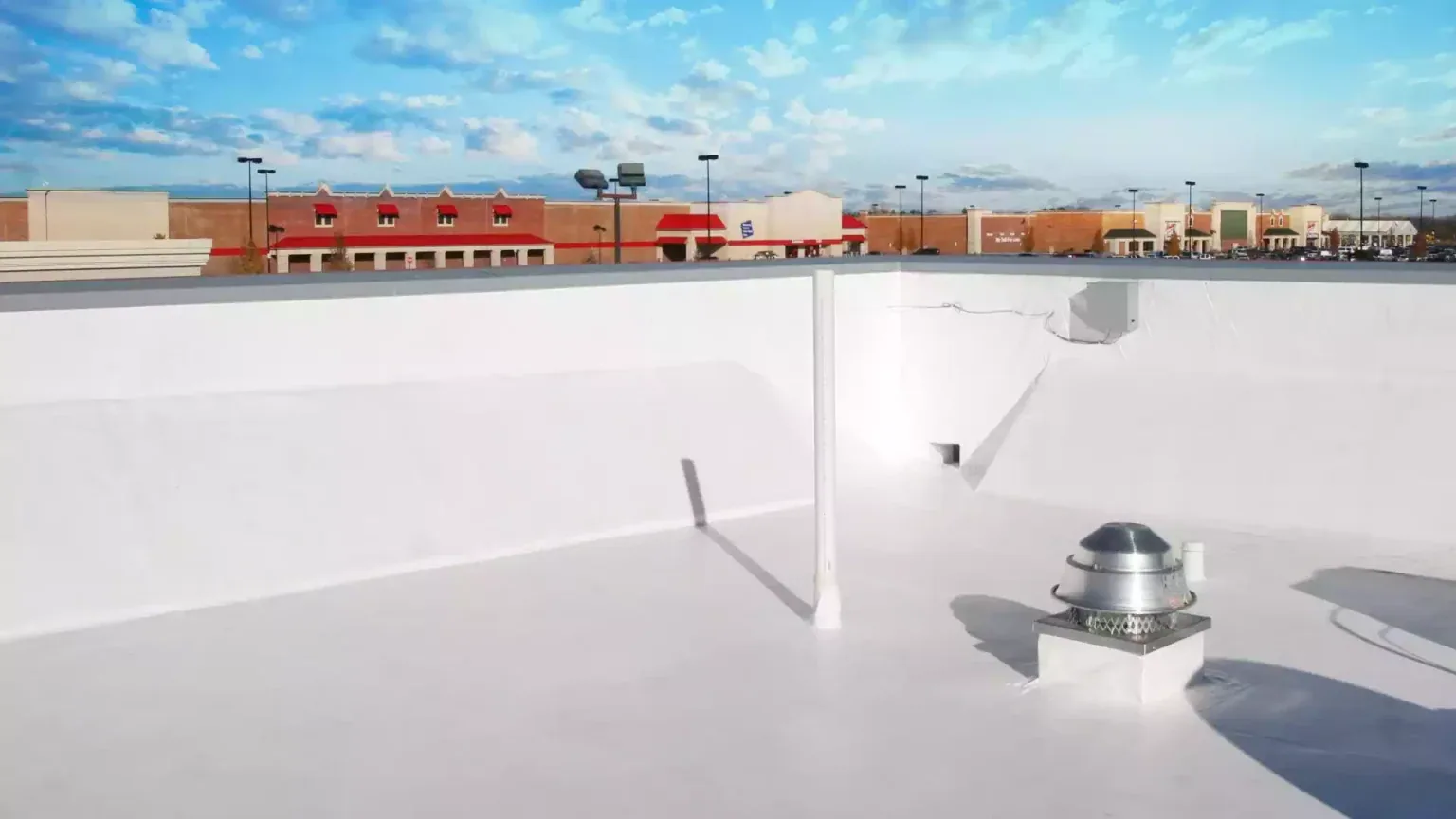
We start with what you have seen: a leak, a stain, a soft spot or storm damage. Then we walk that area and the roof around it, checking the membrane, seams, flashing at walls and curbs, drains and penetrations. Each defect goes on a roof plan with a photo and a short note.
We also handle roof repair for commercial roofing in Burleson and provide roof service in Mansfield, with every building inspected on its own.
Our commercial roof repair estimate lists each defect, the fix for it and where the new material will start and stop. If something could not be fully checked, like a seam under a large rooftop unit, we note it. A leak inside tells us where to start looking, not always where the hole is, because water can run along the deck before it drips. We say whether the defects we found explain the leak and whether there could be another source.
That way nobody assumes one repair took care of every problem on the roof.
Welding to the existing TPO
Every repair has an edge where new material meets old, and that edge has to be sound. We confirm the roof system at each repair and check the membrane for chalking, dirt, scorching and brittleness. TPO that has spent years in full Texas sun can be harder to weld, so we clean it with the manufacturer's recommended cleaner and run a test weld on the roof before making the repair.
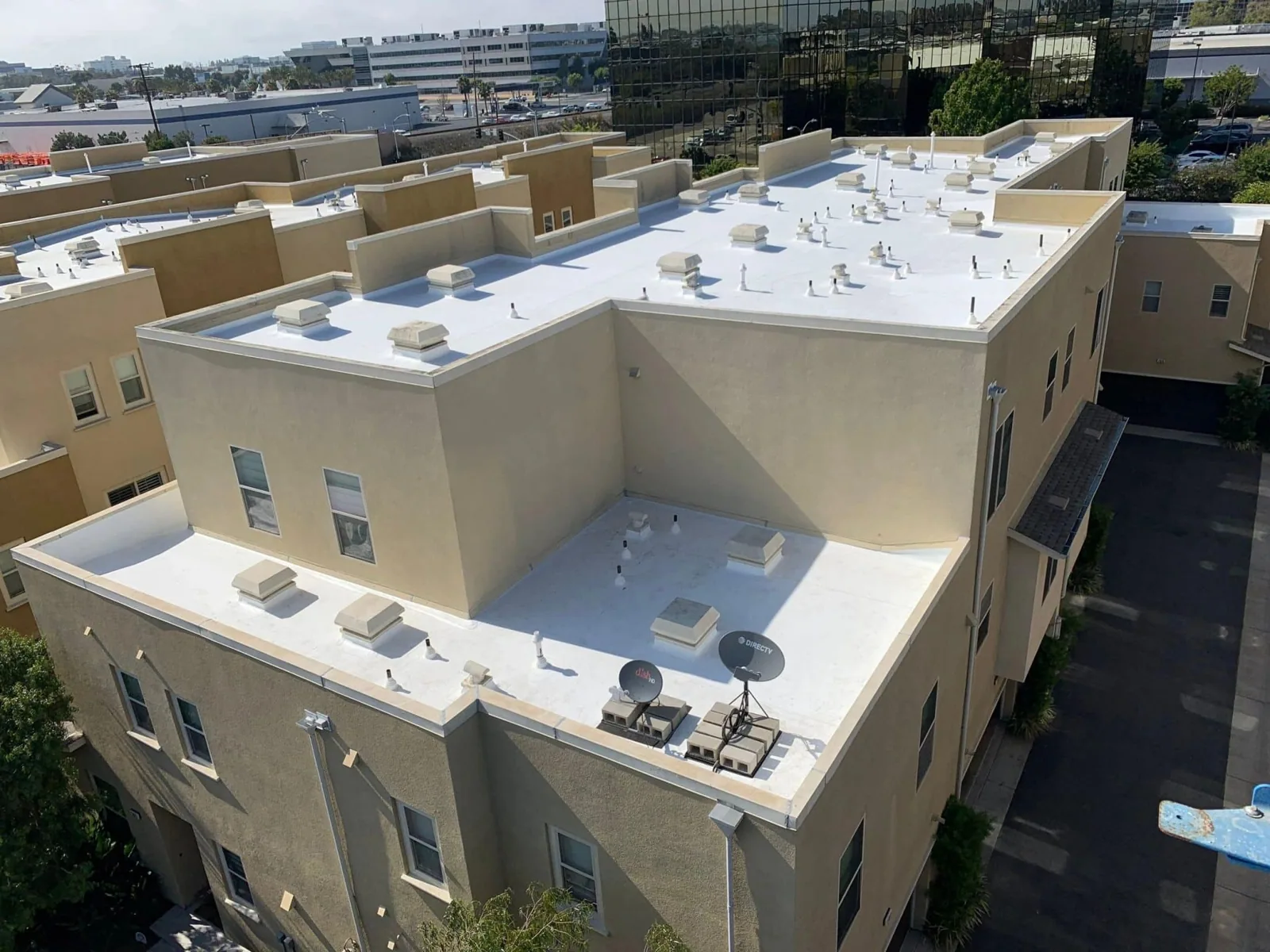
For TPO roofing, we heat-weld new TPO over the damaged area and probe the seams once they cool. If a test weld does not take, we cut back until we reach membrane that does. PVC, EPDM or modified bitumen roofs get their own repair method.
We also check seams and flashing near the repair. If a nearby seam is starting to open, we fix it at the same time and list it in the estimate, so the leak does not just move over a few feet.
We also look at how the roof drains around the repair. Water that ponds for days after rain wears TPO faster and finds any weak spot. If a slow drain or a low area is part of the problem, we note it, because a patch sitting in standing water will not last as long as one on a roof that drains properly.
Insulation and deck
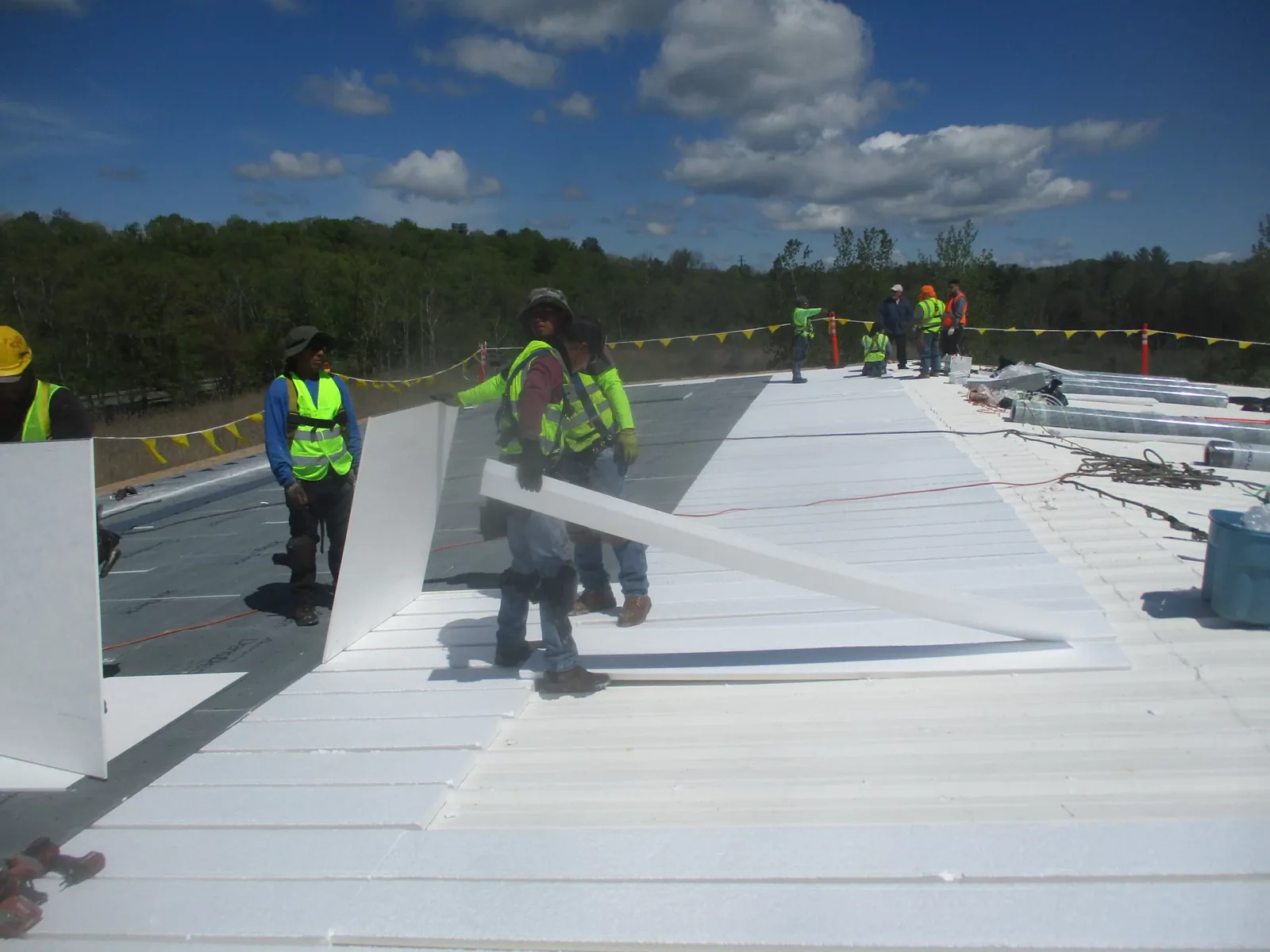
Leaks and hail can both wet or crush the insulation under the membrane. Once wet, insulation stops doing its job, adds load and can corrode the deck. If we see soft spots or get high moisture readings, we cut a core at the repair. Anything wet or crushed is replaced before the new TPO goes down.
On a medical office roof, we coordinate core cuts and openings with the property manager and the practices below. Exam rooms, labs and imaging equipment may be under the work area, and some offices need work scheduled after hours or with extra dust control.
A dry core only clears that one spot. Other suspect areas get their own check. If we open the roof and find more damage than expected, we photograph it and talk with you before closing it up.
If hail is the concern, we look for the signs that matter on TPO: cracks or punctures in the membrane, dents in metal caps and vents, and soft spots where the insulation underneath may have been crushed. Some hail damage is obvious; some only shows up with a closer look or a core cut.
Order of work and scheduling
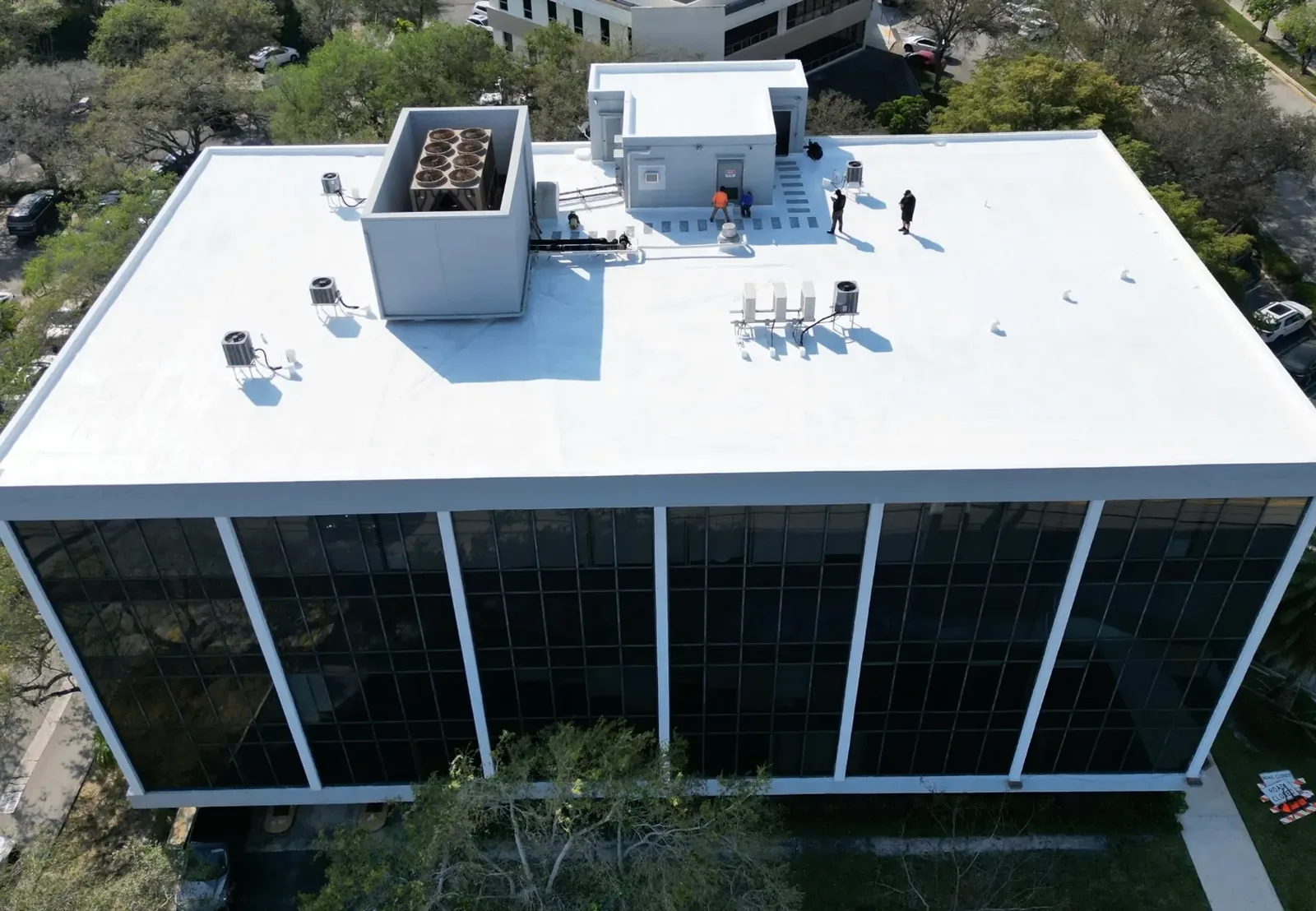
Repairs follow a set order. Wet insulation comes out and gets replaced. Damaged deck is repaired. Nearby seams and flashing are fixed. After that, the existing TPO is cleaned and the new material welded in. If an old patch made with an incompatible material is in the way, we remove it first and list it in the estimate.
We confirm roof access, parking, material staging and work hours with the building manager. Medical buildings often have patient parking that has to stay open and quiet hours during appointments, so we plan deliveries and noisy work around them. Retail centers have their own peak hours and tenant rules.
If an HVAC contractor needs to repair a curb or a plumber needs to fix a drain before we can finish, we list that task, who is doing it and how it affects our schedule. We check in as each step wraps up.
When you call about a South Arlington building, tell us which building and what you are seeing, whether that is a leak, storm damage or worn areas. Let us know who can give us roof access and send any past repair invoices or warranty paperwork. We will inspect, mark each defect and send an estimate covering the repair, the prep and any other trade's work. If you manage several buildings, each one gets its own estimate, because roofs of the same age can be in very different shape.
Photos and the repair report
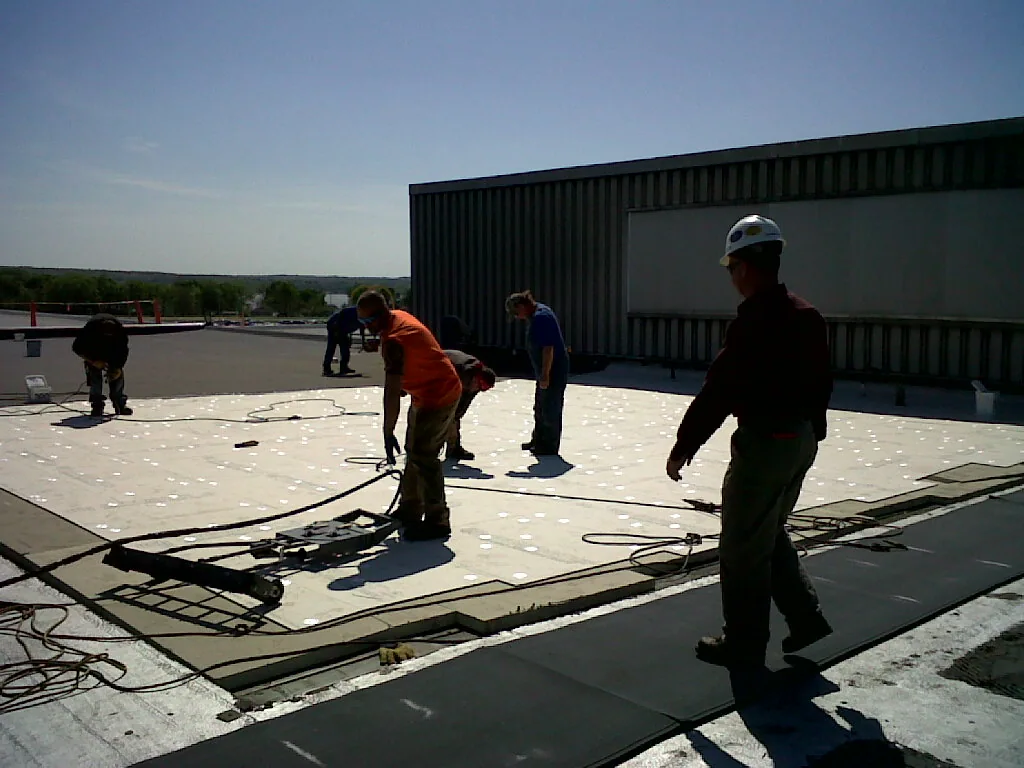
We photograph each stage: the defect as found, any opened insulation, the deck, the nearby seam repairs, the cleaned membrane and the finished weld. Each photo is tied to its spot on the roof plan.
A roof condition report for your building lists every repair with its location, anything we found but did not fix and any area we did not inspect. Open questions stay next to their locations.
If we put down a temporary patch first, the report says so and shows when the permanent repair replaced it. If storm damage becomes part of an insurance claim, the photos of storm impacts are kept separate from the repair record, so the adjuster can see exactly what we observed.
Common Questions
How do you show where the problem is in the estimate?
Each defect is marked on a roof plan with a photo and a note. The estimate lists the fix for each one and notes anything we could not fully check.
Why do you check seams and flashing near the repair?
A seam or flashing that is starting to fail next to a repair can let water back in. We fix those at the same time so the new material ties into sound roof.
How do you know the insulation under the repair is dry?
We cut a core where we see signs of moisture. If it is wet or crushed, it gets replaced. A dry core tells us about that spot, and other areas get checked on their own.
What records will we get after the repair?
Photos of each step tied to locations on the roof plan, plus a report listing what was fixed, what still needs attention and any temporary patches.
Get your South Arlington roof checked
Tell us which building and what you're seeing on the roof or inside. We'll inspect it, mark each problem and give you a clear estimate for a lasting repair.
- commercial roofing in Burleson
- roof service in Mansfield
- commercial roof repair locating observed defects and the correction they require
- TPO membrane correction based on identified sheet and examined retained material
- medical office property with an individually authorized roof material investigation
- roof condition report separating Medical City area repair evidence from pending review