
Commercial Roofing in North Richland Hills
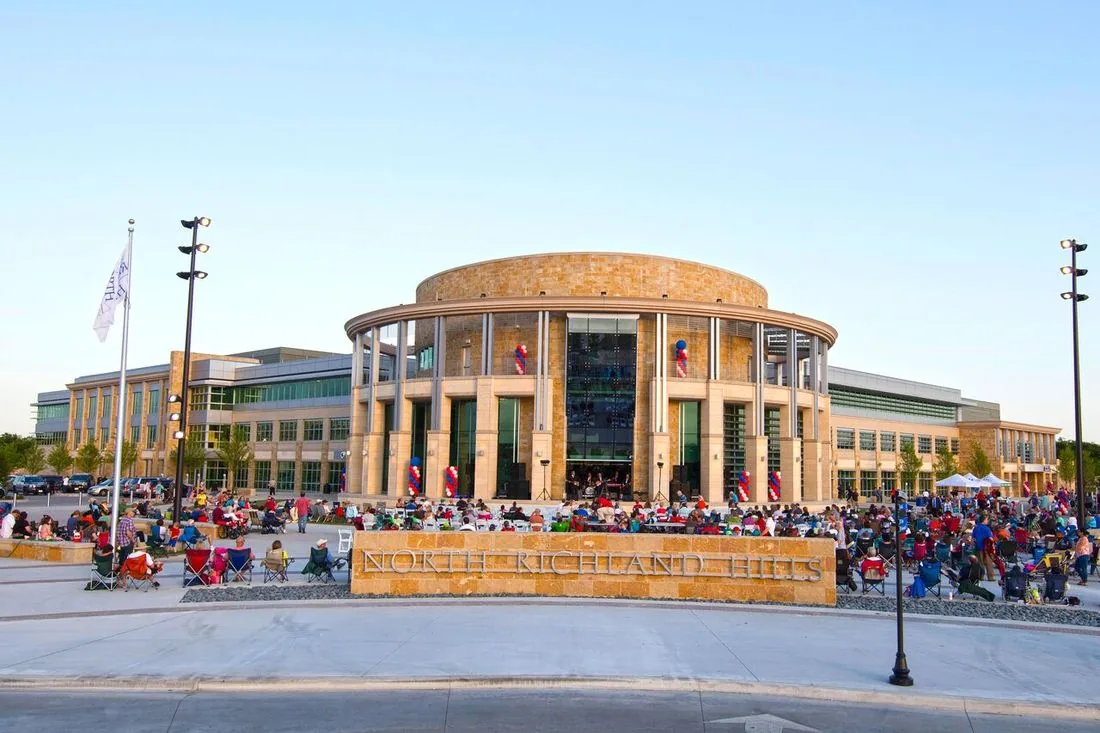
North Richland Hills
Commercial roof inspection in North Richland Hills, TX: we check the TPO, seams, flashing and insulation, mark every finding on a roof plan and give you a clear repair estimate.
If you manage an office, retail or medical building in North Richland Hills, a roof inspection should give you more than a thumbs-up or thumbs-down. You should come away knowing what is wrong, where it is, what we checked to find out and what we could not confirm. That is how our inspections work. Each finding is marked on a roof plan with a photo, and the repair estimate is based on what we actually found.
We also inspect roofs in Haltom City and Hurst, each building on its own.
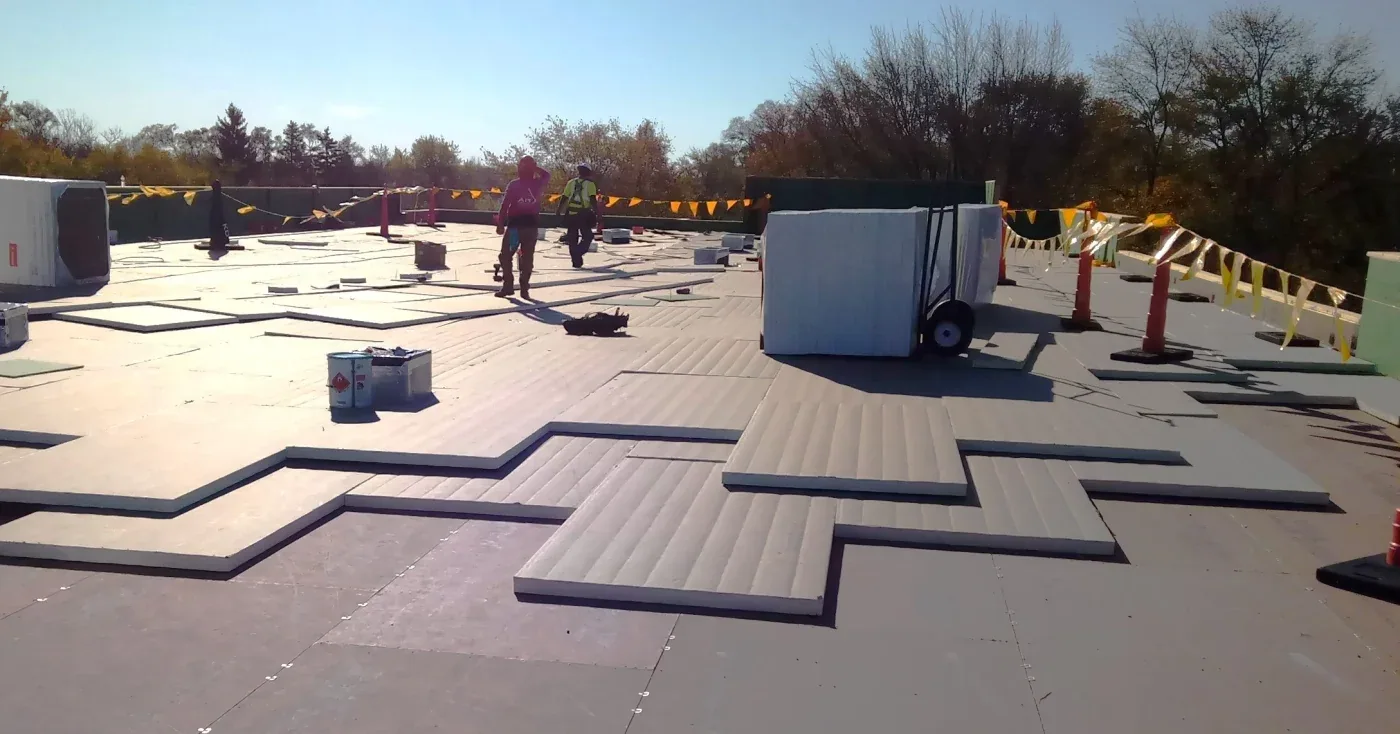
What we check
Before the visit, we ask for whatever records you have: drawings, past repair invoices, warranty paperwork and any notes on leaks. On the roof, we cover the agreed area from edge to edge: field membrane, seams, wall and curb flashing, drains, edge metal and penetrations. We look for splits, open seams, loose flashing, punctures, hail bruising, ponding and signs of wet insulation.
A commercial roof inspection should also say what was not checked. If we could not get under a large unit or into a locked mechanical area, the report says so. If moisture readings suggest wet insulation but we have not confirmed it with a core, the report says that too.
We keep confirmed problems apart from suspicions. An open seam is a finding. A leak source behind a wall we could not open is a question. That way the repair estimate is honest about what it is based on, and you know what might still need a closer look.
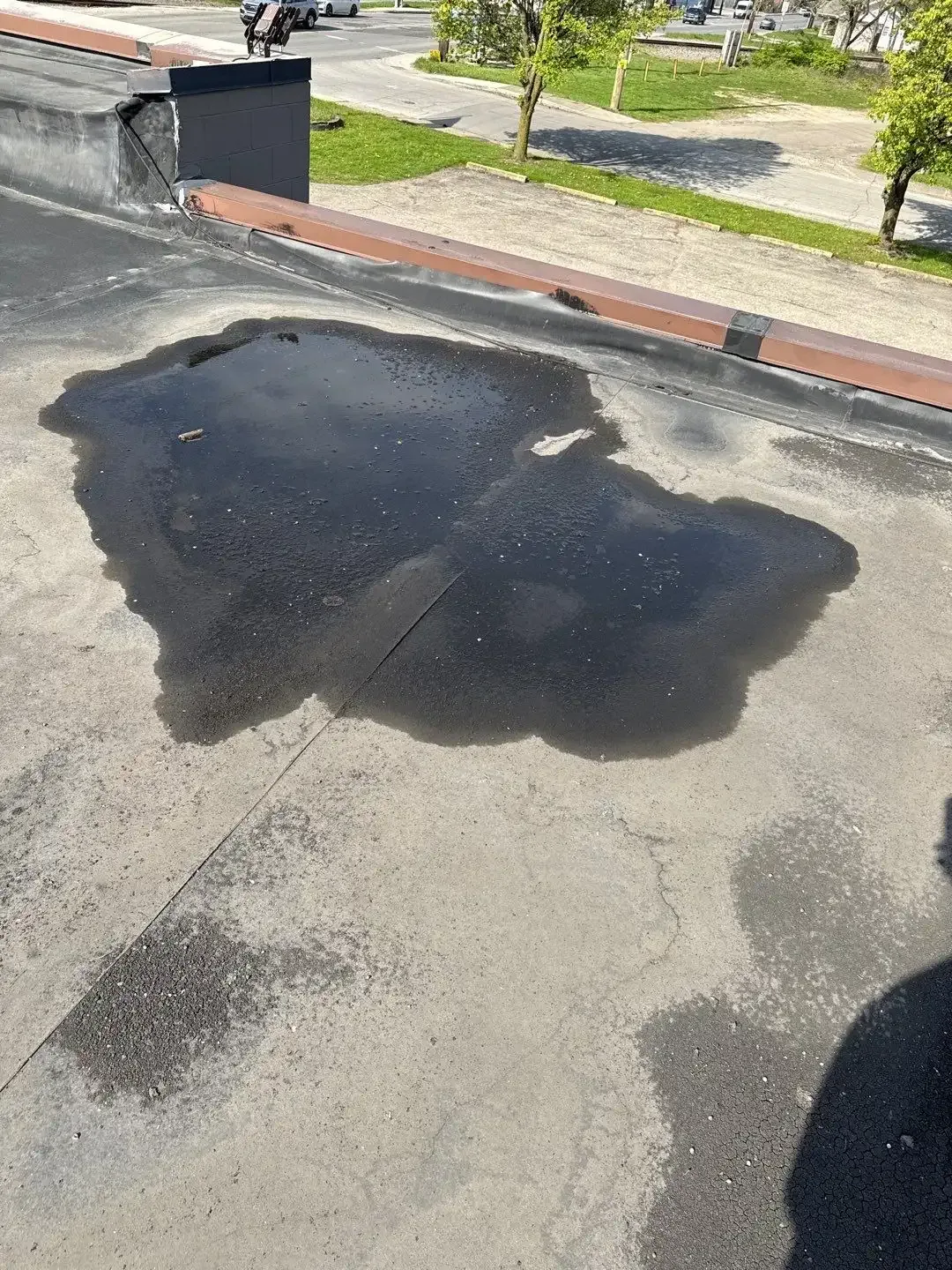
We also look at how the roof drains. Water that ponds for days after rain wears the membrane faster and finds any weak spot. If a drain is slow, a scupper is clogged or a low area holds water, we mark it, because that affects how long any repair will last and whether the drainage needs fixing first.
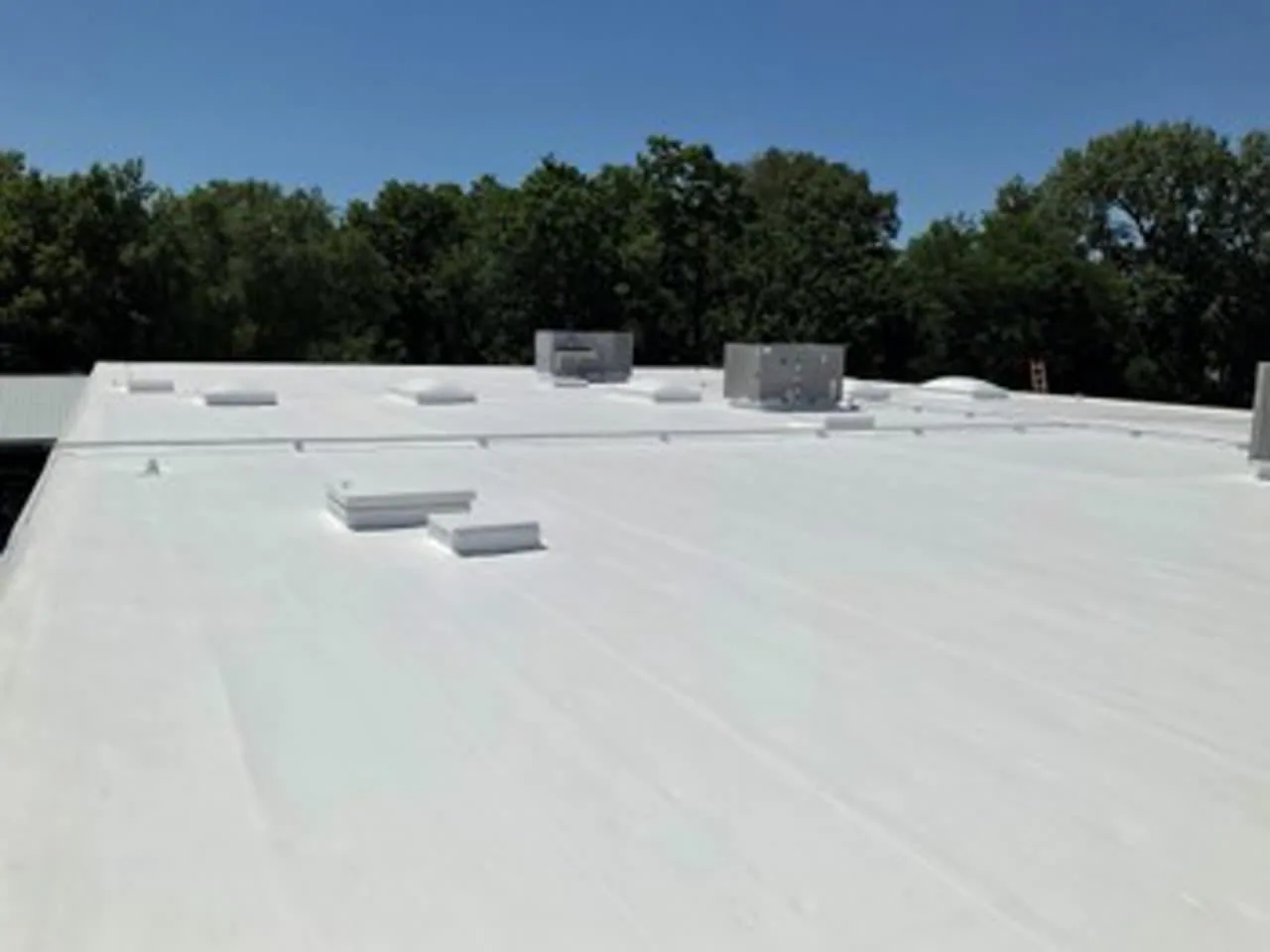
Confirming the membrane
The repair method depends on the roof system. TPO, PVC, EPDM and modified bitumen each need different materials, and past patches may not match the roof around them. We confirm what is on the roof at each repair spot before recommending anything.
For TPO roofing, we check whether the existing membrane is clean and sound enough to weld. Older TPO that has weathered for years in full sun can be harder to weld, so we clean a test area and run a test weld before relying on it. If the test does not take, we plan to cut back to better membrane.
We also check nearby seams and flashing. An open seam a few feet from a repair can carry water right back under it. Those fixes go into the estimate as their own items.
We look at the age of the roof as a whole too. A ten-year-old TPO roof with a few bad seams is a very different situation from a roof near the end of its life with seams failing everywhere. The report tells you which one you have, so you can decide between targeted repairs now and planning for a replacement.
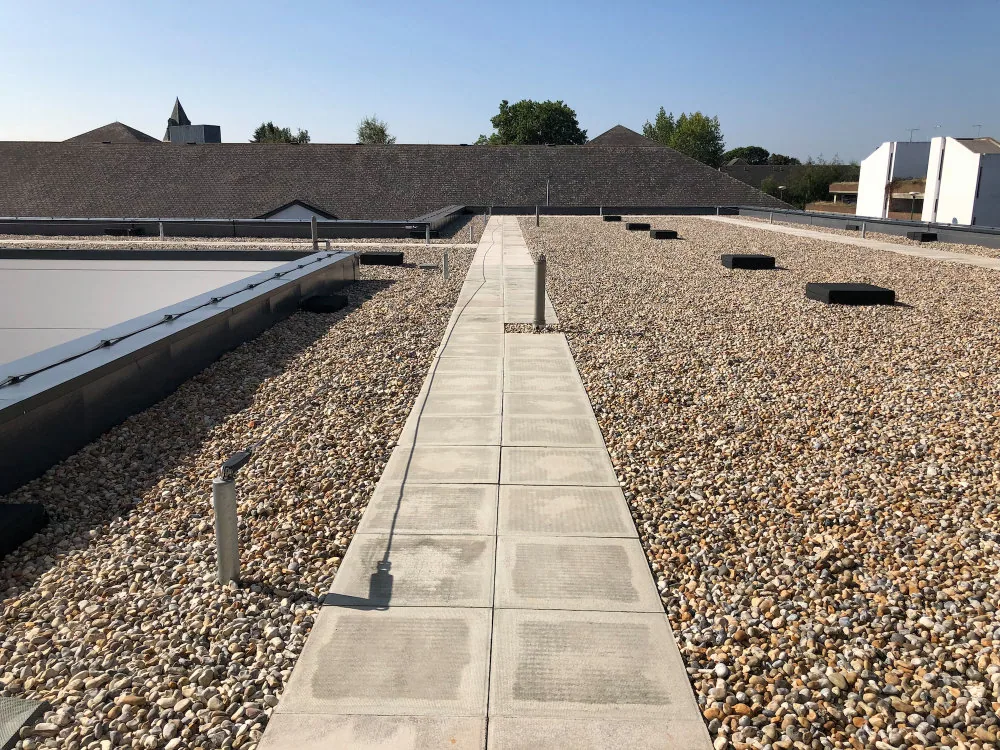
Checking the insulation
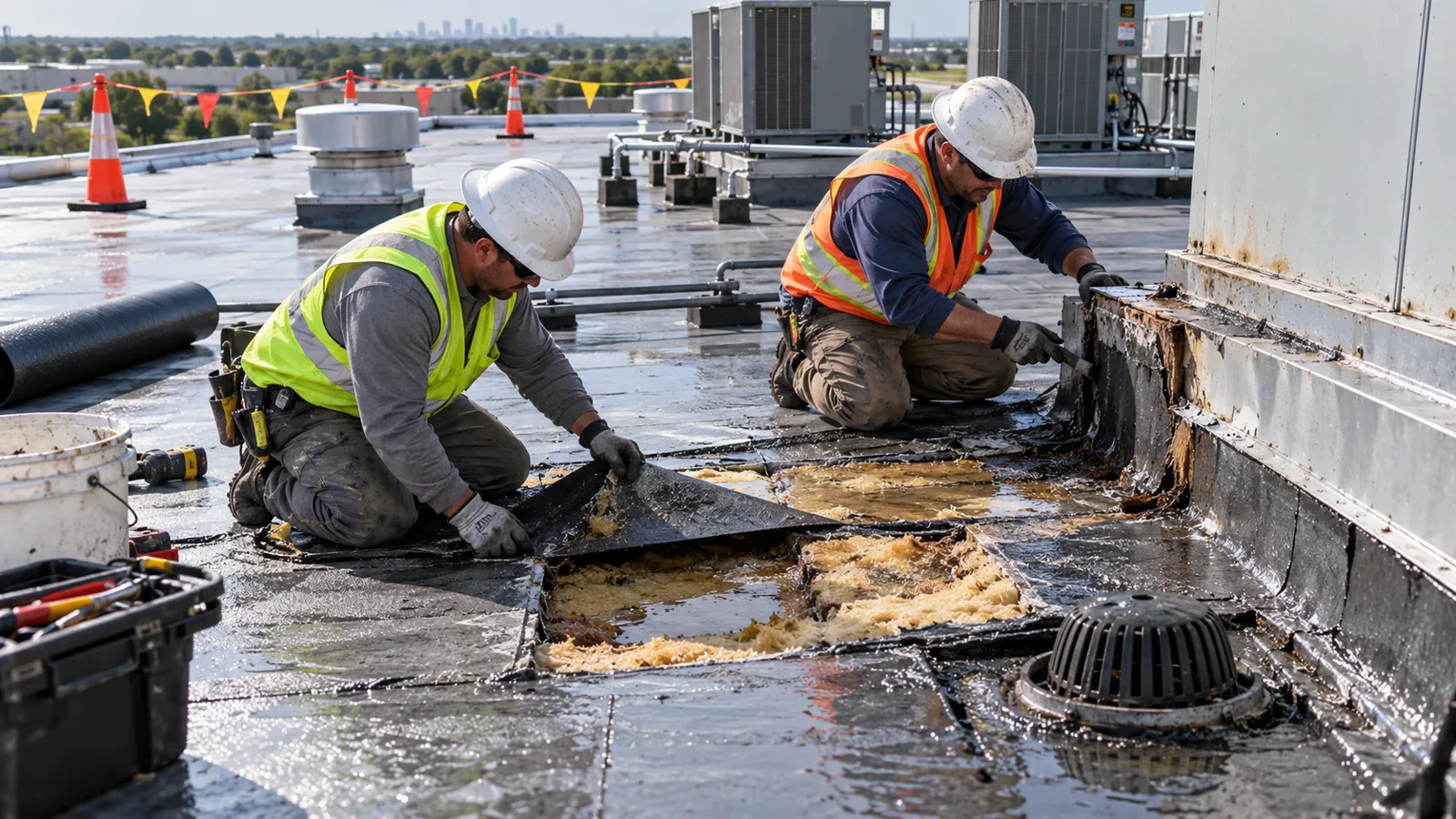
The top of the membrane does not tell you whether the insulation underneath is dry. If we see soft spots or blisters or get high moisture readings, we recommend a core cut or, for a larger area, an infrared survey. We explain what each test can and cannot tell you before you decide.
On an office building roof, we schedule core cuts and any openings with the property manager. Tenants are right below, and some will want notice before anyone cuts into the roof.
A dry core tells us about that spot. If other areas are in question, they get their own check. If a core shows wet insulation, the estimate includes replacing it before any new membrane goes on. Surprises found under the membrane get photographed and discussed with you before anything is closed.
From inspection to repair
Once the inspection is done, the repair follows a set order. First, wet insulation and damaged deck are replaced. Failed seams and flashing near each repair are fixed. Then the old TPO is cleaned and prepped and the new piece welded on. If an old patch or a contaminated surface keeps the new material from bonding, we deal with it first and list it in the estimate.
We confirm roof access, parking, staging and work hours with the building manager. Office and medical buildings often need quiet hours or weekend work for noisy tasks, and we plan around that. If an HVAC contractor needs to repair a curb or a plumber needs to fix a drain before we can finish, we list that task and coordinate the timing.
We report each step as it is done, so you know when the roof is actually finished, not just when it looks finished from the ladder.
When you call about a North Richland Hills building, tell us which building and what prompted the call, whether it is a leak, a storm, a lease renewal or a budget question. Let us know who can give us roof access and send any records you have. We will inspect the roof, mark each finding and send you a report and estimate you can use to compare bids or plan your budget. If you manage several buildings, each one gets its own report, since roofs of the same age can be in very different shape.
Photos and the inspection report
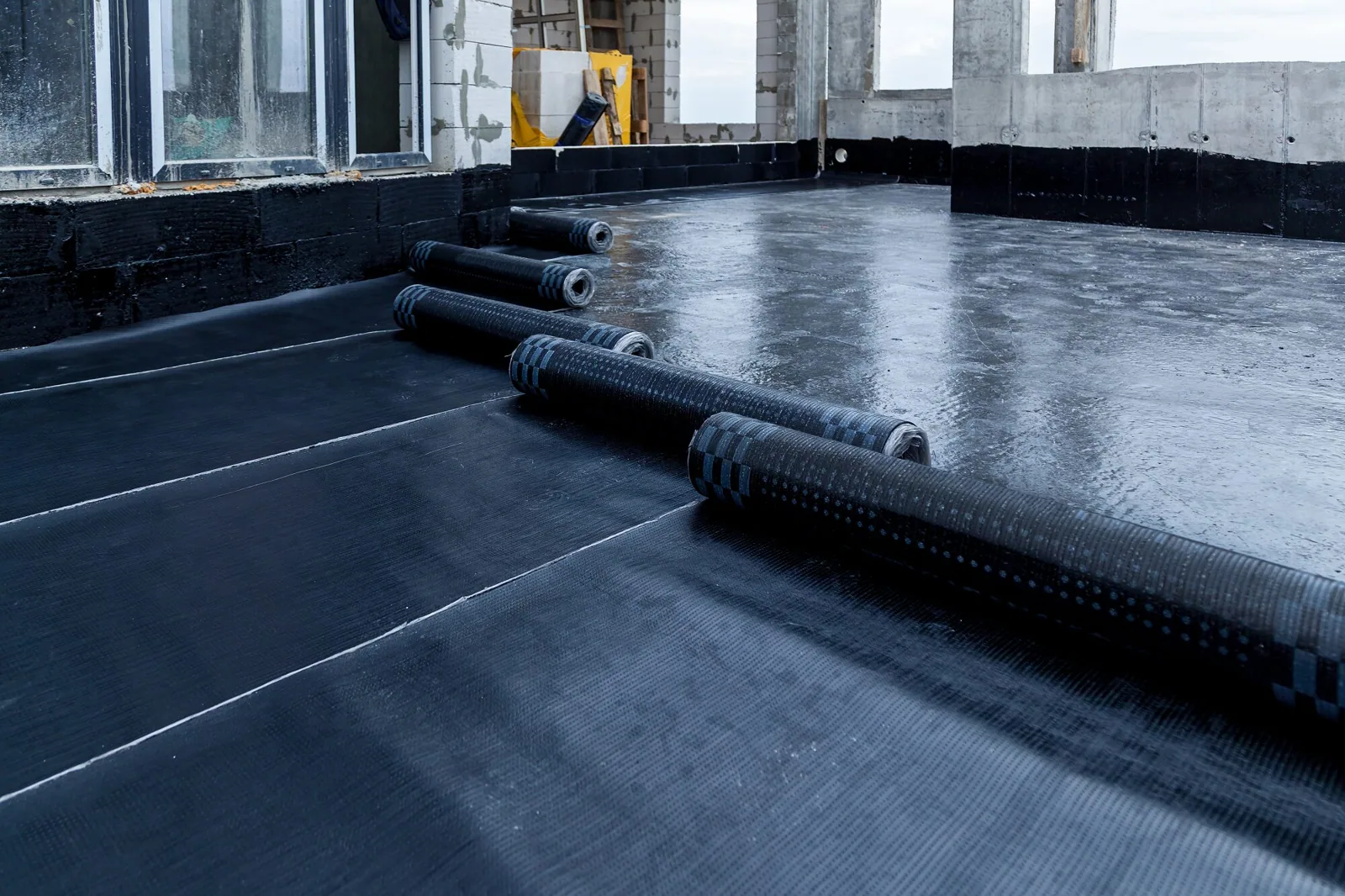
Every finding gets a photo tied to its spot on the roof plan, with enough of the roof in frame to find it again. If we make repairs, we also photograph each step: any opened insulation, the repaired seams, the prepped membrane and the finished weld.
A roof condition report for a North Richland Hills building lists every finding with its location, what we repaired, what we found but did not repair and any area we did not inspect. Open questions stay next to their locations, so nobody assumes they were handled.
If we put down a temporary patch, the report says so. That record gives you a clear starting point for the next inspection, the next leak or the next capital budget, and it helps the next contractor pick up where we left off.
Common Questions
How should an inspection report handle a leak source you couldn't confirm?
It should say so plainly and mark the area on the roof plan. That way you know what was checked, what was fixed and what still needs a closer look if the leak continues.
Why confirm the membrane before prepping for a repair?
Each roof system needs its own repair materials and prep. If we use the wrong product or skip a test weld on old TPO, the repair may not bond. We confirm first.
Does one dry core mean the whole roof is dry?
No. A core tells us about that spot only. If other areas show signs of moisture, they get their own check, and the report lists which areas were tested.
What records connect the inspection to the finished repair?
Photos of each finding and each repair step, tied to locations on the roof plan, plus a report listing what was found, fixed and still open.
Get your North Richland Hills roof inspected
Tell us which building and what prompted the call. We'll inspect the roof, show you what we find and give you a clear report and estimate for any repairs.
- Haltom City premises with roof inspection needs examined individually
- Hurst commercial concerns through separately established material findings
- commercial roof inspection locating current observations and further investigation needs
- TPO roof correction using verified covering and an inspected retained joining boundary
- office building with individually assigned membrane and supporting condition investigation
- roof condition account mapping North Richland Hills findings and completed repair stages