
Commercial Roofing in Haltom City
Haltom City
Commercial roof seam repair in Haltom City, TX: we find failed EPDM seams on warehouse and industrial roofs, replace wet insulation and photograph the work under every repair.
If your Haltom City warehouse or light industrial building has an EPDM rubber roof, the seams are usually the weak point. The adhesive or tape that joins two sheets dries out, the edge starts to lift and water finds its way in. We inspect the seams, find the ones that have let go and repair them properly, with the prep that makes the new seam last.
We also repair seams on commercial roofs in North Richland Hills and Richland Hills, inspecting every building on its own.
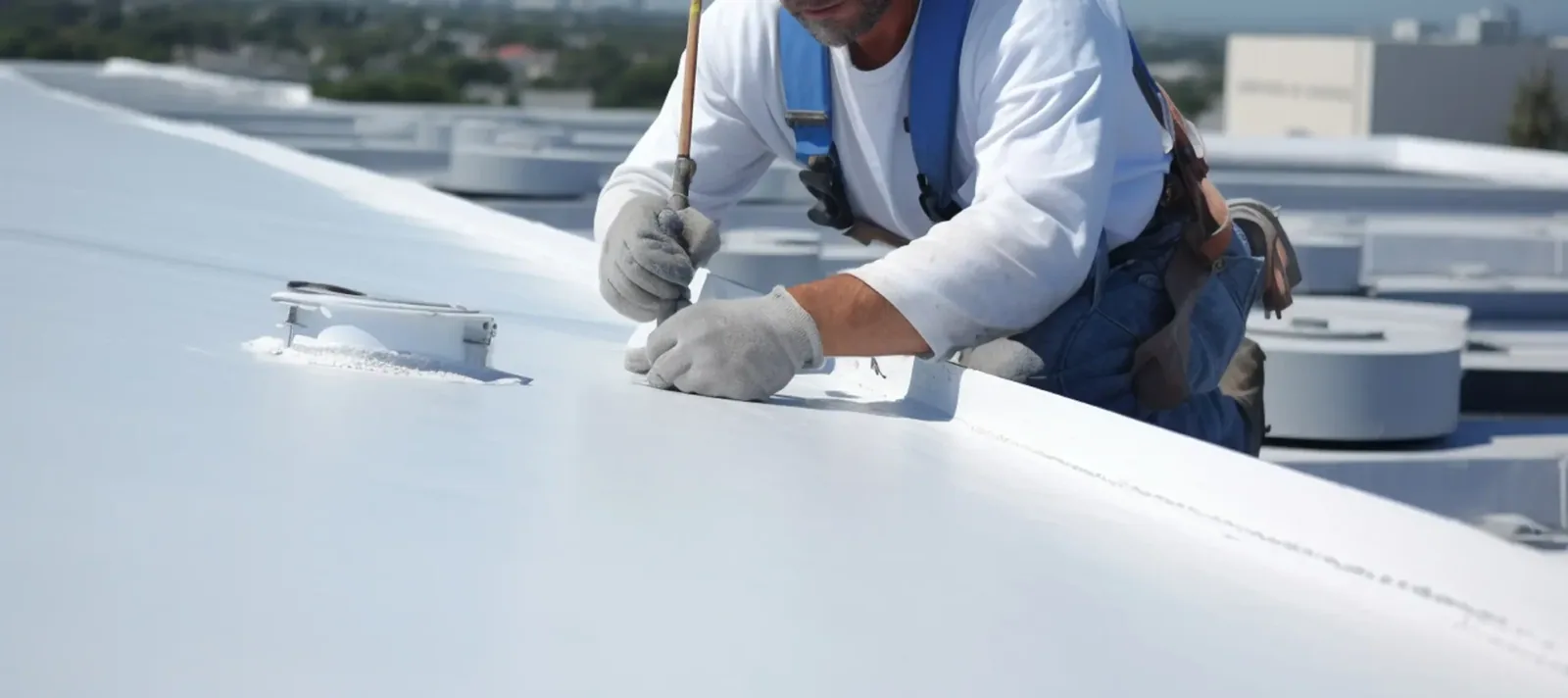
Checking the seams
We walk the seams in the area of concern and check each one by hand. A blunt probe run along the edge shows where the seam has opened. We also look for fishmouths, wrinkles where the seam has pulled apart, and for old patches that are peeling. T-joints where three sheets meet and seams around pipes and curbs get extra attention, because they fail first.
Our seam failure repair estimate lists each failed section with its length and location on a roof plan. If a tenant has reported a leak, we note whether the failed seam lines up with it. If it does not, or there could be another source, we say so.
We also check the seams next to the failed ones. If one seam has let go, the others installed at the same time are often close behind. You will know whether you are looking at a few bad spots or a roof where the seams are failing across the board.
Weather plays a part. Heat makes EPDM shrink over time, which pulls on the seams, especially at corners and along walls. Hail can bruise the membrane near a seam, and strong wind can lift a seam that is already weak. We note any of those patterns, because they tell you whether the problem is limited to a few spots or likely to show up elsewhere on the roof.
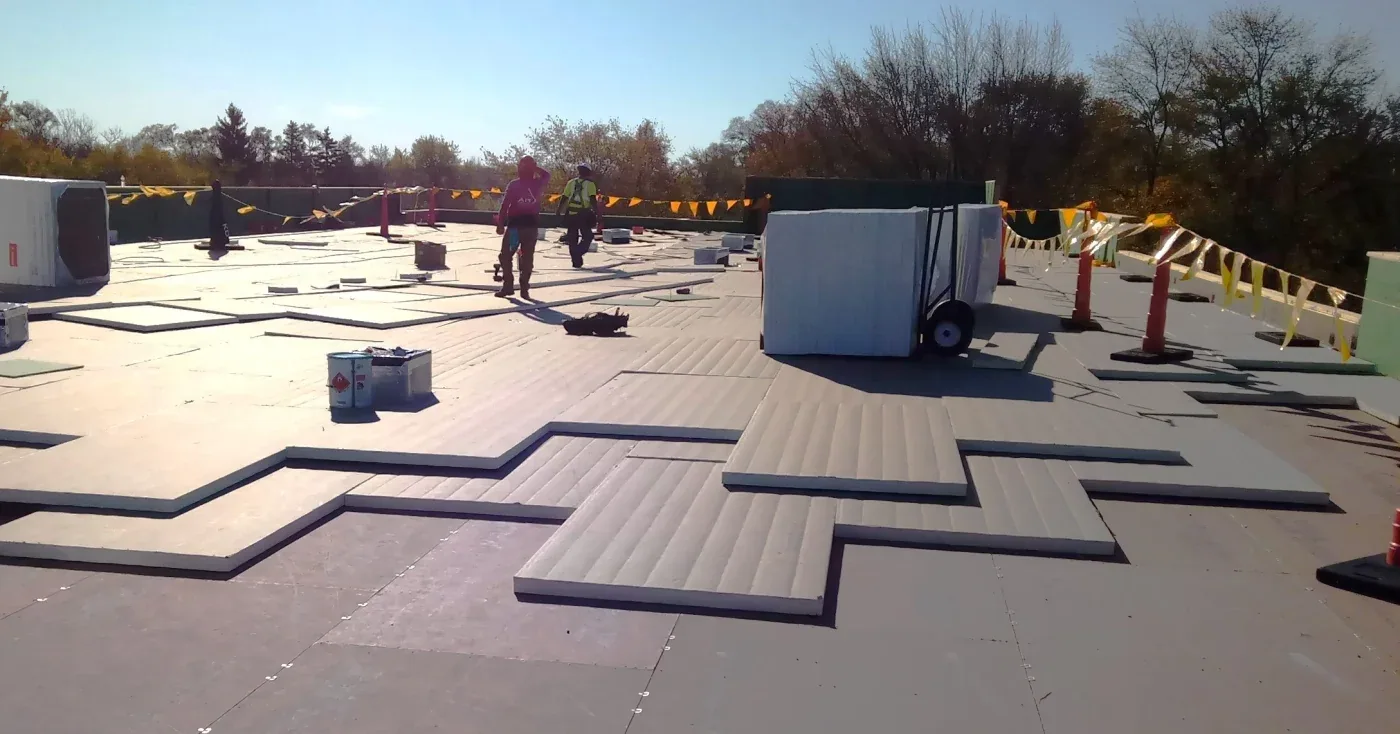
Making the new seam hold
A seam repair is only as good as the rubber it sticks to. We check the EPDM along each failed seam for chalking, shrinkage, cracks and brittleness. If the membrane is still flexible and cleans up well, it makes a good base. If not, we cut back until we reach sound rubber.
For EPDM roofing, we scrub off old adhesive, dirt and oxidation, prime the seam area and apply seam tape or a cover strip made for EPDM. Then we roll it down firmly so it bonds across its full width. If an old repair used roofing cement or another material that does not bond to rubber, we remove it first.
Primer and tape need a dry, reasonably warm surface. We schedule around rain and morning dew so the new seam bonds the way it should.
The timing of an opening matters too. If rain is in the forecast, we keep openings small and close them the same day, with a temporary seal if the permanent repair has to wait. That seal is labeled in our notes so it does not get confused with the finished seam.
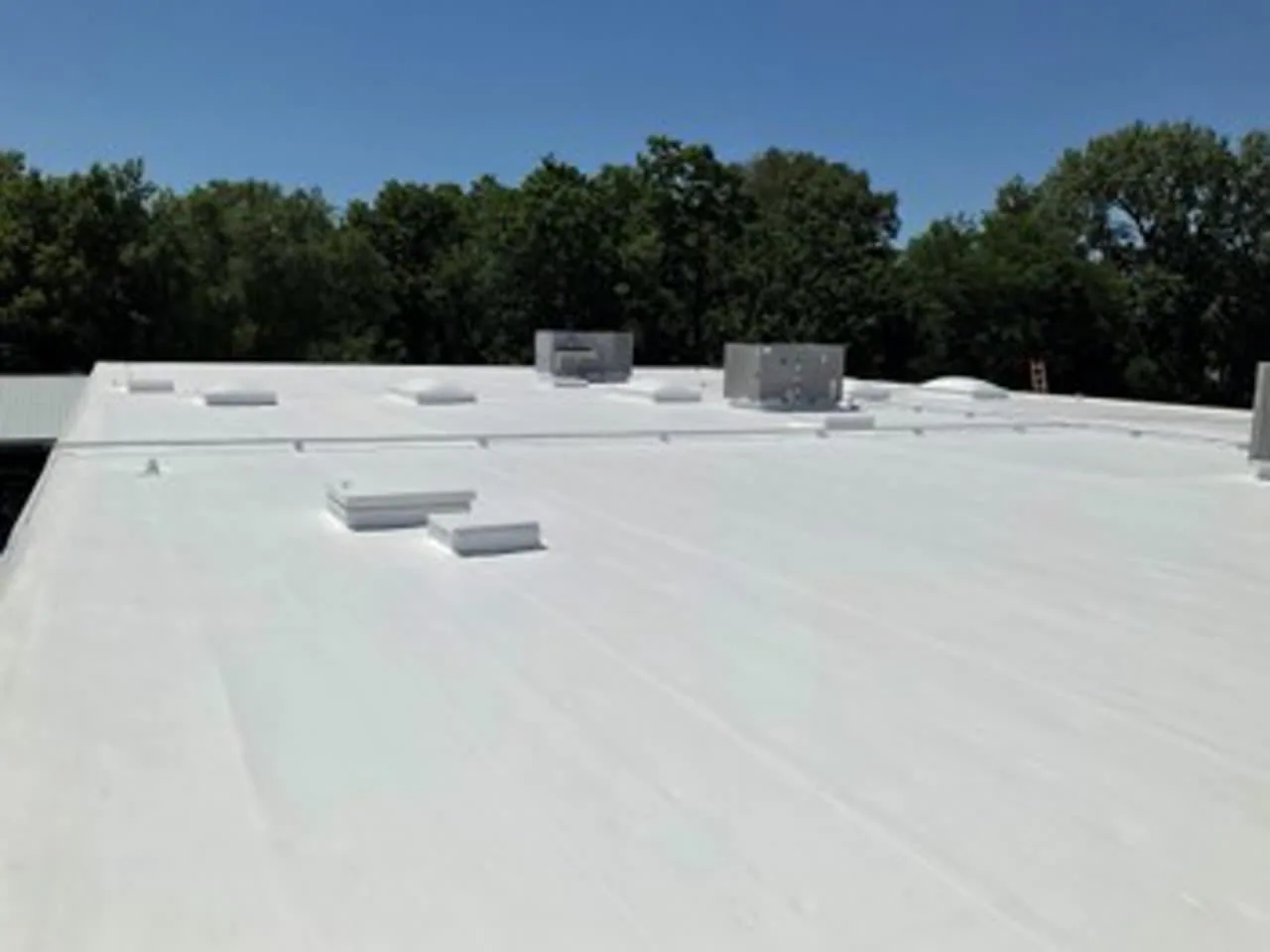
Insulation under the seams
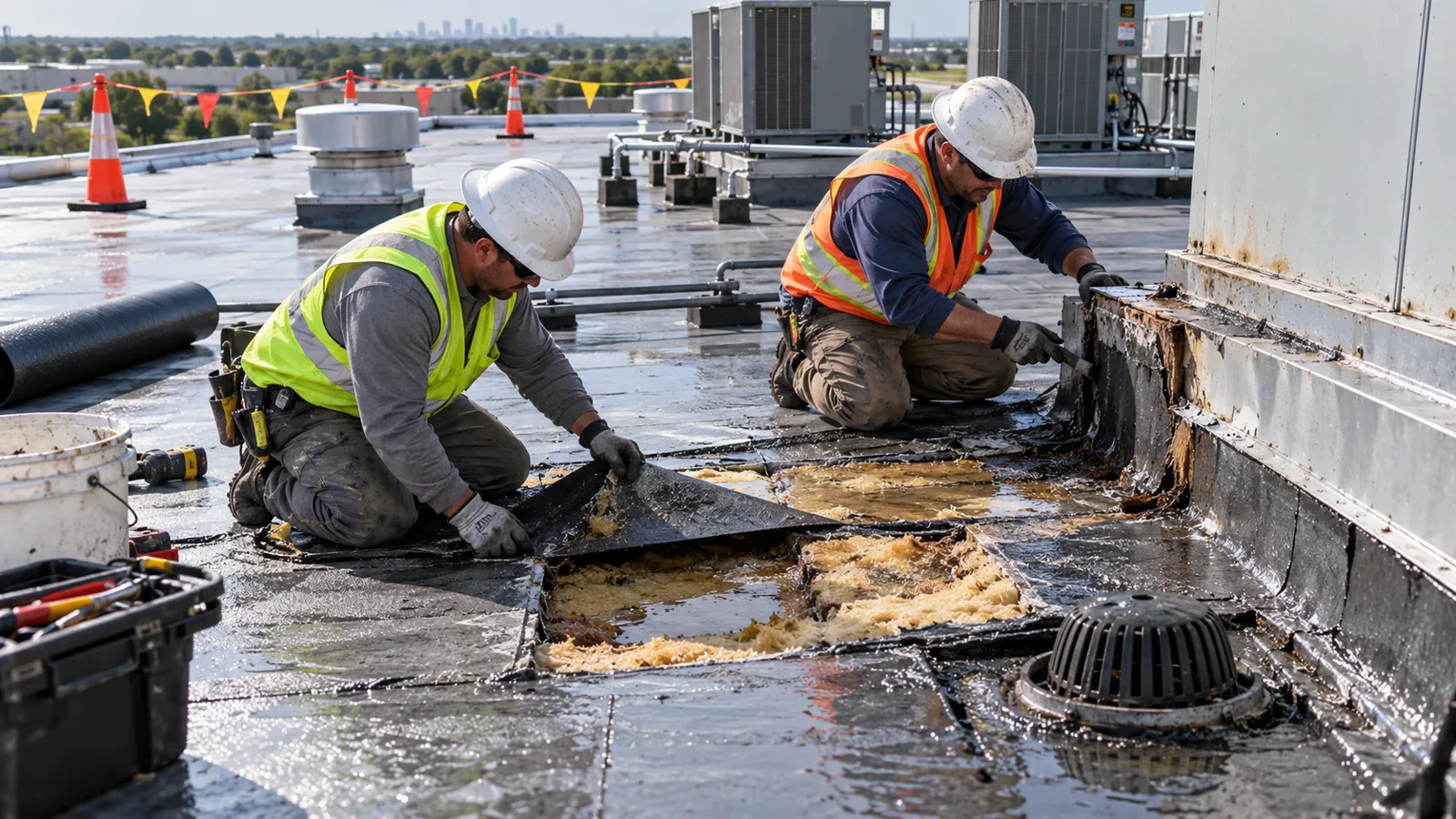
A seam that has leaked for a while usually wets the insulation below it. That insulation stays wet under the membrane, loses its R-value and can rust a steel deck. If we see soft spots or get high moisture readings along a failed seam, we cut a core to check. Wet insulation is replaced before the seam is closed.
On a warehouse roof, we coordinate core cuts with the facility manager. Inventory and racking may be right below, and we want to know what is under the area before we cut.
A dry core tells us about that spot. If other areas look suspect, they get checked separately. If we open the roof and find more damage than expected, such as a larger wet area or rusted deck, we photograph it and talk with you before going further.
When you call about a Haltom City building, tell us which building and where the leak or worn seam is, how old the roof is and who can let us up. Past repair invoices help, since they show what has already been tried. We will inspect the seams, mark the failed ones and send an estimate covering the seam repairs, any insulation replacement and anything another trade needs to handle first. If the seams are failing across the whole roof, we will tell you, so you can compare ongoing repairs with a recover or replacement.
Prep and the order of work
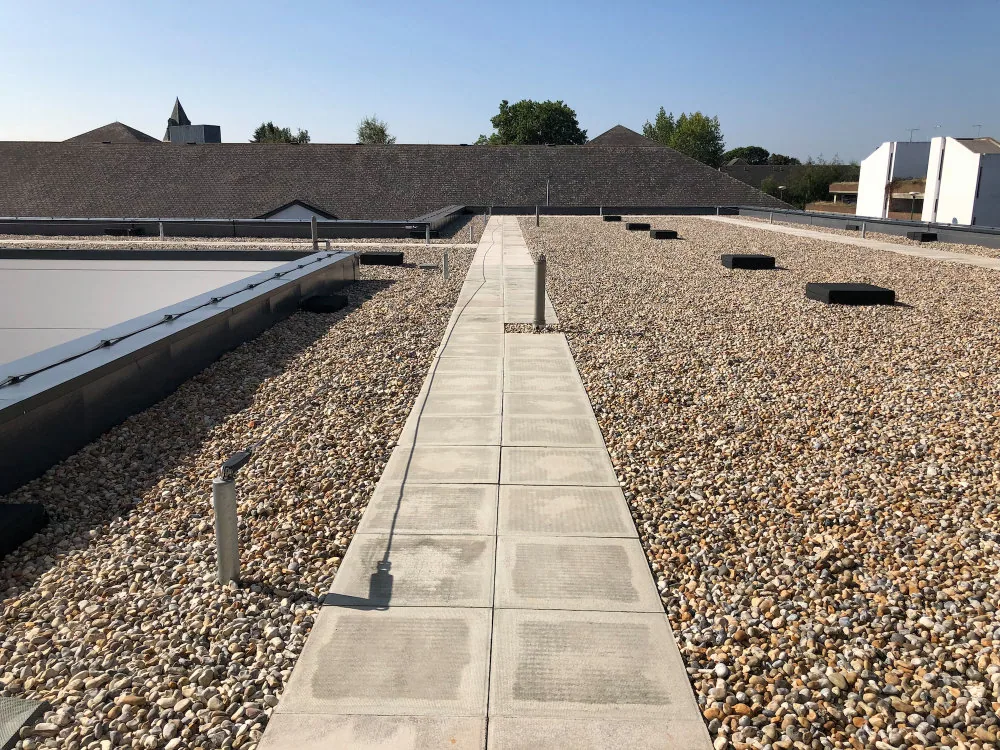
Seam repairs follow a set order. Wet insulation and damaged deck come first. Then old patches and incompatible materials come off. Then we clean and prime the EPDM along the seam, apply the new tape or cover strip and roll it in. If anything keeps the new seam from bonding, we deal with it before going further and list it in the estimate.
We confirm roof access, parking, staging and work hours with the facility contact. Industrial buildings often have safety rules and dock schedules, and we work around them. If an HVAC contractor needs to move a unit sitting on a failed seam, that goes on the schedule first.
You hear from us as each step is finished.
Photos and the seam record
We photograph each failed seam as we find it, any opened insulation, the cleaned and primed membrane and the finished seam. Each photo is tied to its spot on the roof plan. A shot of a new seam only shows the surface. The prep photos show the repair was done properly.
A roof condition report for a Haltom City building lists every seam we repaired, every seam we found starting to fail but did not repair, and any part of the roof we did not inspect.
If we put a temporary patch on a seam before the permanent repair, the report says so. That history helps you plan. If seams keep failing across the roof, it may be time to talk about a recover or replacement instead of more repairs, and the record will show you the pattern.
Common Questions
What do you check before choosing a seam repair method?
We confirm the membrane type and check the condition of the rubber along the failed seam, because the repair has to bond to sound, clean membrane.
If you fix the failed seam, will the leak stop?
Usually, if the seam lines up with the leak. If there could be another source we could not reach, we say so in the estimate and report, so you know exactly what was checked and what was not.
Why fix nearby seams at the same time?
Seams installed together tend to fail together. If the seam next to the repair is lifting, fixing it now keeps the leak from just moving over a few feet.
How do you decide whether to replace insulation under a seam?
We cut a core where we see signs of moisture. Wet or crushed insulation is replaced before the seam is closed. Dry insulation stays.
What photos will show the seam was repaired properly?
Photos of the failed seam, any opened insulation, the cleaned and primed membrane and the finished seam, each tied to its location. The prep photos matter most, because once the seam is closed you cannot see how it was done. They also give the next inspector a baseline to compare against.
Get your Haltom City roof seams checked
Tell us which building and where the leak or worn seams are. We'll inspect the seams, check the insulation underneath and give you a clear estimate for the repair.
- North Richland Hills properties with seam concerns investigated at each building
- Richland Hills commercial premises through independently defined roof review scopes
- seam failure repair defined by the observed connection and retained material condition
- EPDM seam correction following rubber membrane identification and retained edge review
- warehouse property with individually examined seam and supporting layer questions
- roof condition account locating Haltom City seam repairs and unresolved material review