Commercial Roofing in Hurst
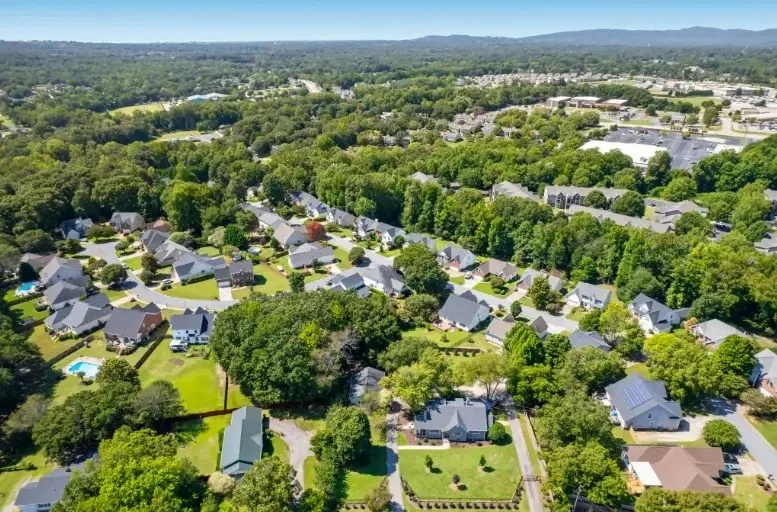
Hurst
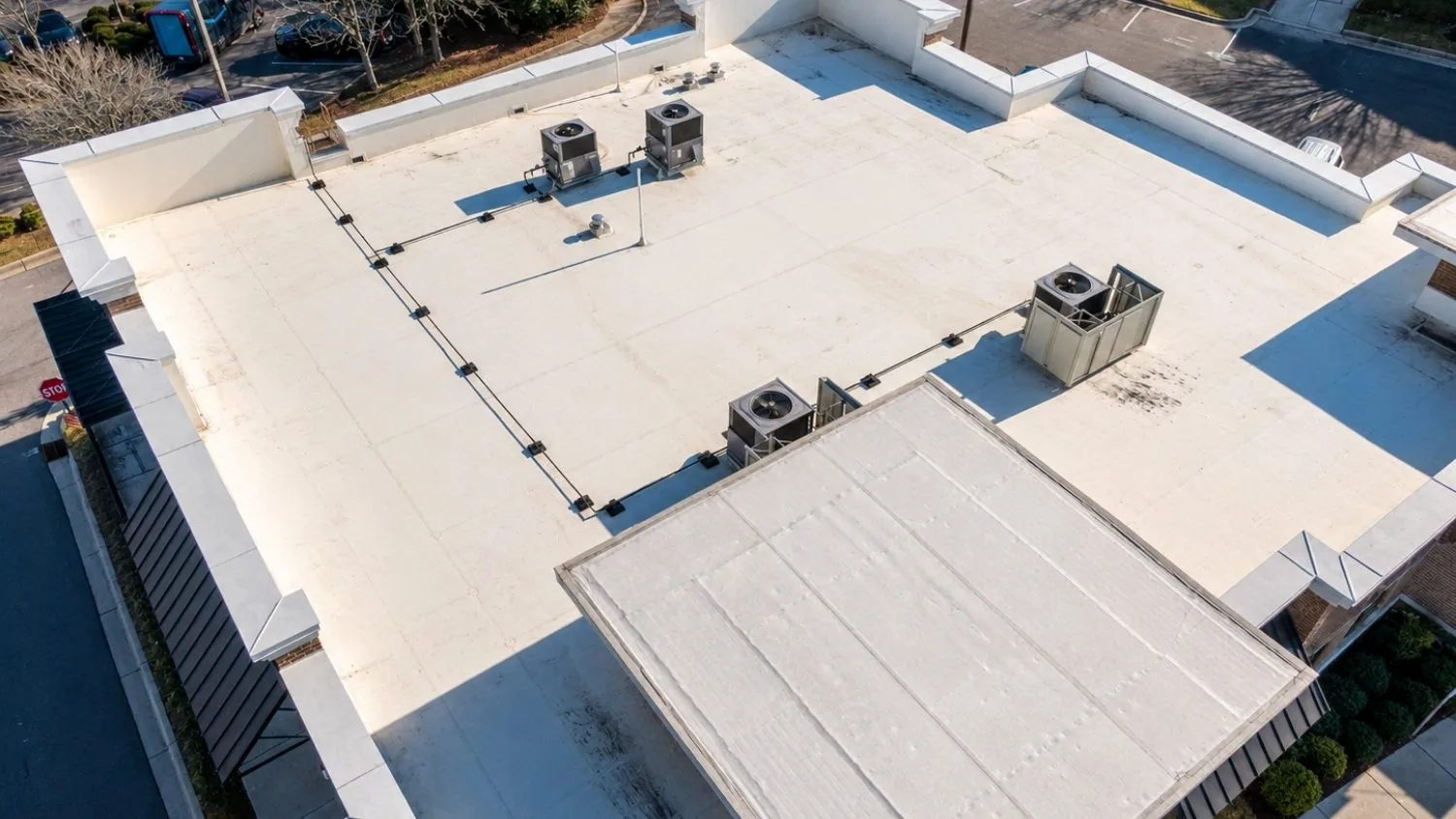
Commercial roof repair in Hurst, TX: we pinpoint membrane damage on warehouse and commercial roofs, repair EPDM to sound rubber, replace wet insulation and photograph the work.
If you manage a commercial building in Hurst and the roof has started to leak or show wear, you need to know what is wrong before you can decide what to spend. We inspect the area you are worried about, find the damage, check the roof around it and tell you what a lasting repair involves. The estimate is specific: what failed, where it is, what we will fix and what still needs a closer look.
We also repair commercial roofs in North Richland Hills and Richland Hills, each building inspected on its own.
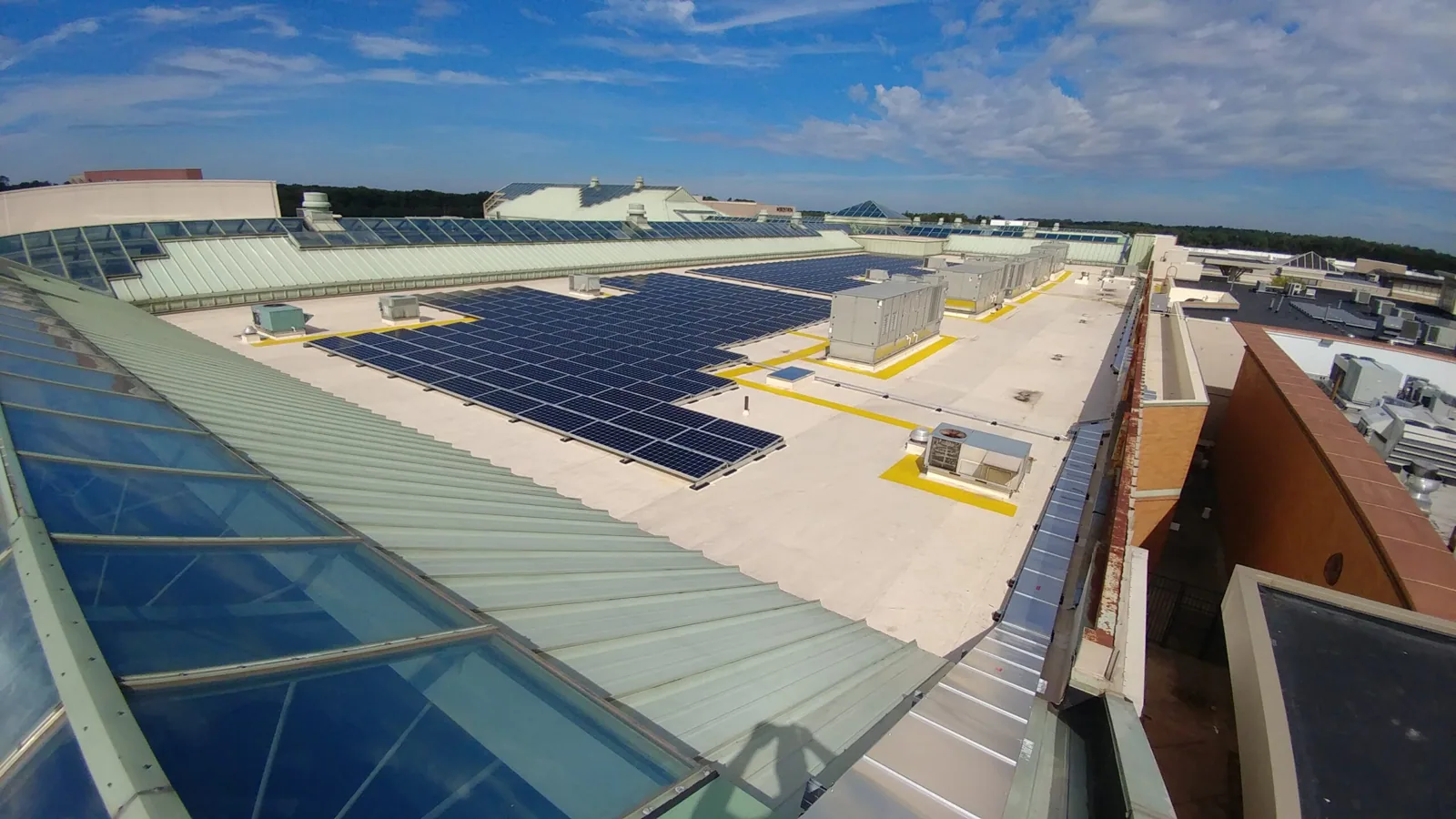
Inspecting the problem area
We start with what you have seen: a leak, a stain, a soft spot, a blister or a torn patch. We walk that area and the roof around it, checking the membrane, seams, flashing, drains and penetrations. Each defect goes on a roof plan with a photo and a short note about what we found.
Our commercial roof repair estimate lists every defect and the fix for it, along with where the new material will start and stop. If we found something we could not fully check, like a seam under a rooftop unit, we note it.
A leak inside tells us where to start, not always where the hole is. Water can travel along the deck before it drips. We note whether the defects we found explain the leak and whether there could be another source. That way nobody assumes one repair fixed every problem on the roof.
We also look at how the roof drains near the problem area. Water that ponds for days after a rain wears the membrane faster and finds any weak spot. If a low area or a slow drain is part of the problem, we note it, because a patch in standing water will not last as long as one on a roof that drains properly.
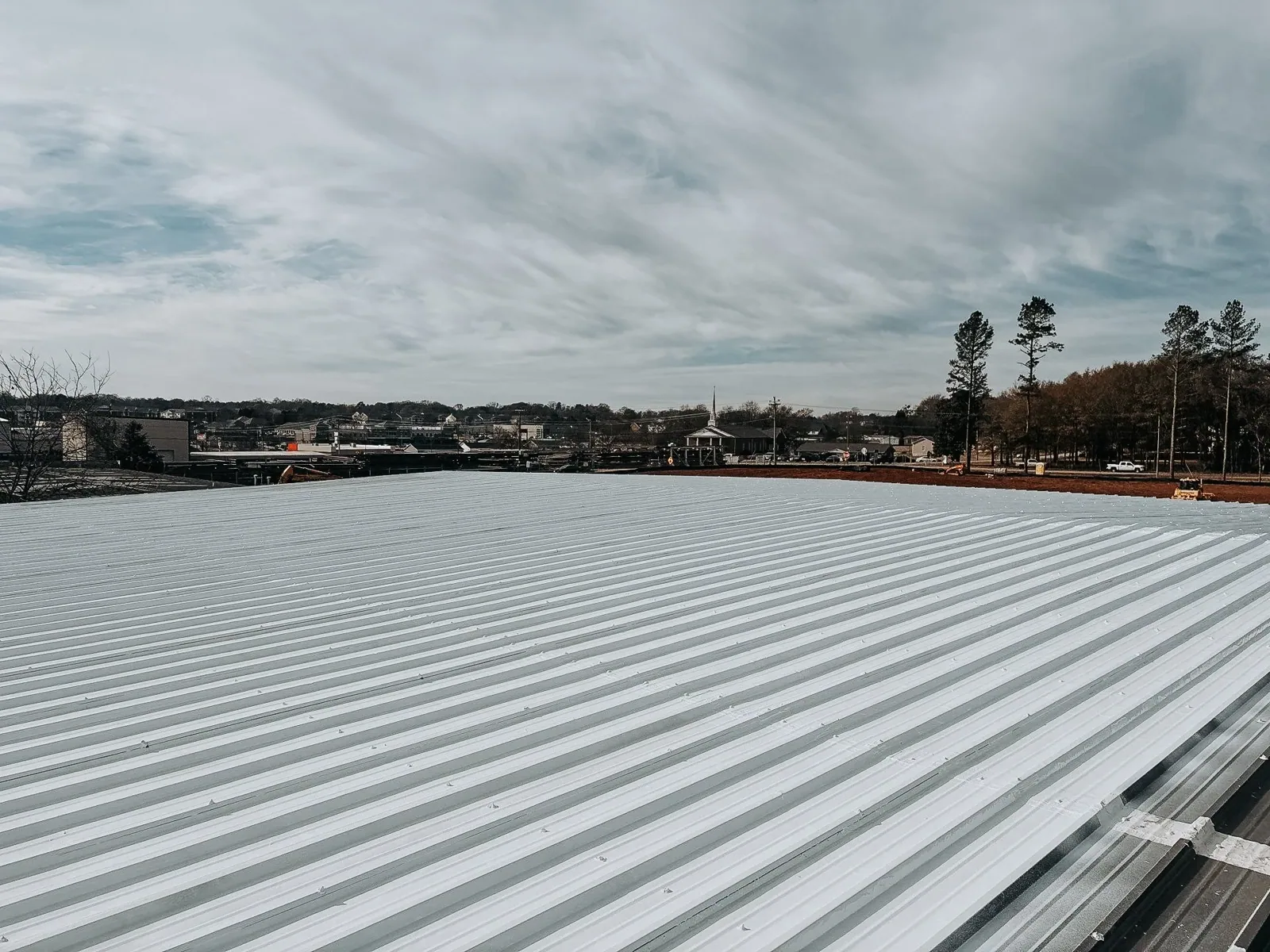
Tying into the existing EPDM
New rubber has to bond to old rubber. We check the EPDM around each repair for chalking, shrinkage, cracks and brittleness. Flexible membrane that cleans up well makes a good base. Brittle or cracked membrane means we cut back further.
For EPDM roofing, we clean the repair area thoroughly, prime it and apply a patch or seam tape made for EPDM, then roll it in firmly. If the roof turns out to be TPO or PVC, or an old repair used a material that does not bond to rubber, we change the approach.
Nearby seams matter. If a seam beside the repair is starting to lift, we fix it at the same time and list it in the estimate.
Weather matters for EPDM work. Primer and adhesive need a dry, reasonably warm surface to bond, so we schedule around rain and morning dew. On hot summer afternoons, the membrane can get soft and hard to work, so crews often start early. A patch put down in the wrong conditions may look fine for a few weeks and then start to lift.
What's under the membrane
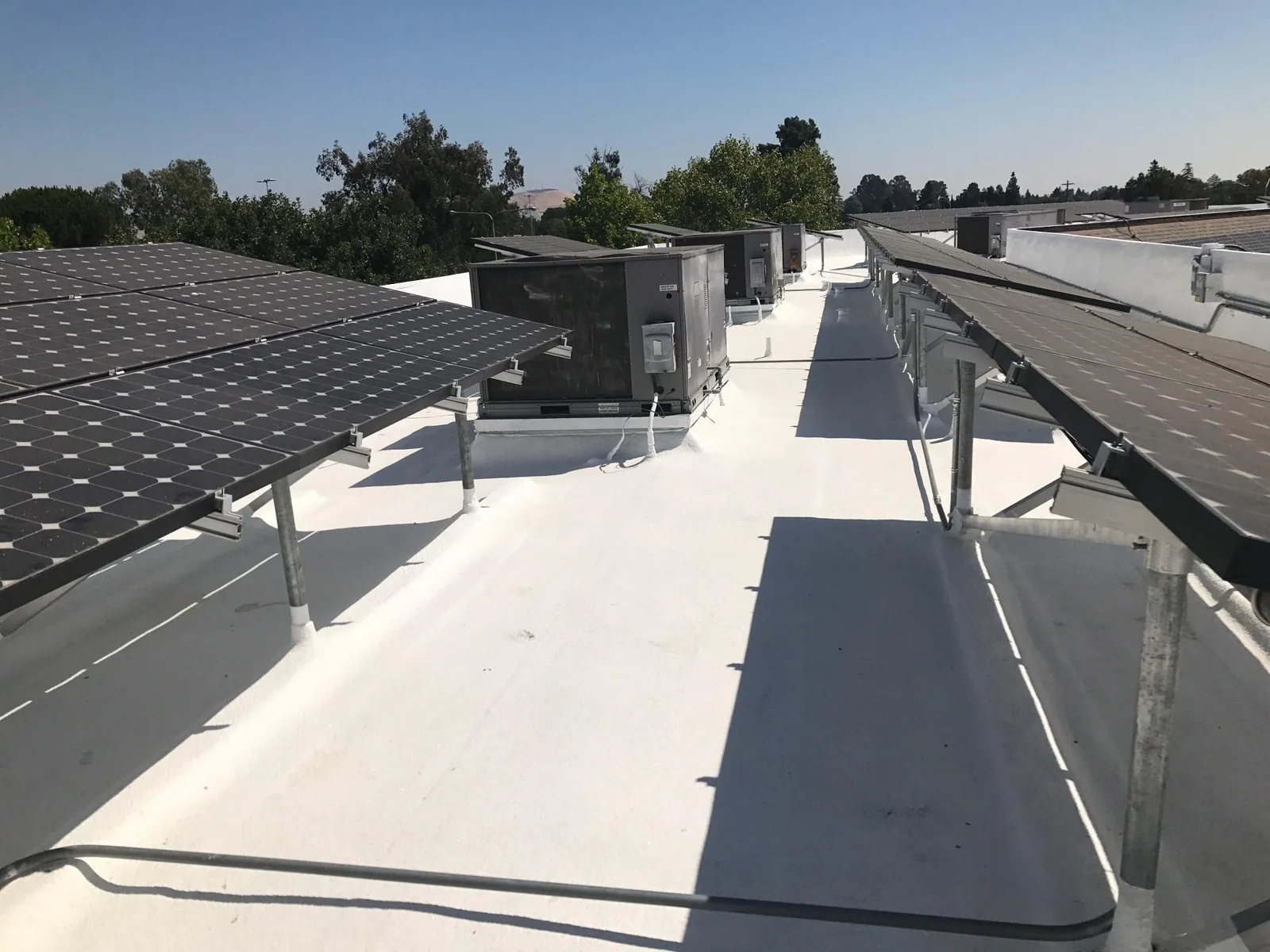
Leaks wet the insulation, and wet insulation stays wet under a rubber roof. It loses its R-value, adds weight and can rust a steel deck. If we see soft spots or blisters or get high moisture readings, we cut a core at the repair. Wet or crushed board gets replaced before the new membrane goes down.
On a warehouse roof, we coordinate core cuts and openings with the facility manager. Racking, stored goods and forklifts may be right below, and we want to know what is under the area before we cut.
A core tells us about that spot only. Other suspect areas get their own check. If opening the roof shows more damage than expected, such as rotted wood blocking or a rusted-through deck, we photograph it and talk with you before we close it up. You approve the revised estimate before we continue.
Order of work and site logistics
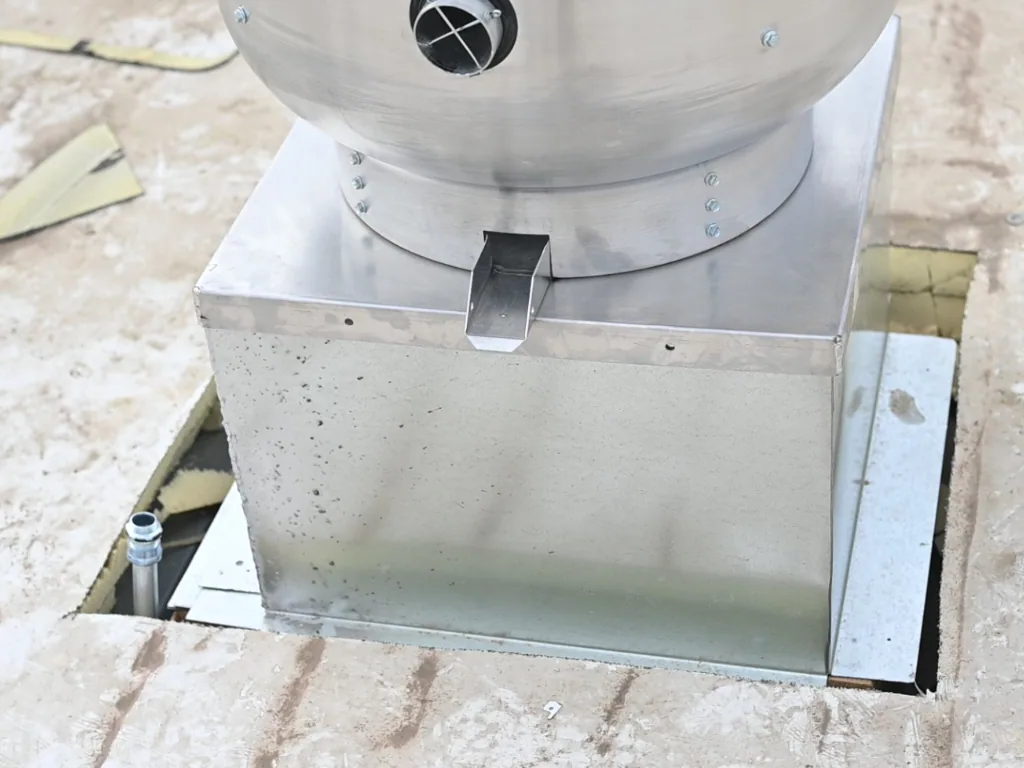
Repairs go in a set order. Wet insulation comes out. Damaged deck is repaired. Nearby seams and flashing are fixed. Then we clean and prime the existing EPDM and install the patch. If an old tar patch or a contaminated surface is in the way, we remove it first. Each step is listed in the estimate so you can see why it is there.
We confirm roof access, parking, material staging and crew hours with the facility contact. Warehouses often have dock schedules and safety rules, and we plan around them. If a plumber needs to fix a drain or an HVAC contractor needs to repair a curb before we can flash around it, we list that task and coordinate the timing.
We report each step as it is finished. A roof that looks done from the ladder is not the same as one where every step was completed, so you get a status on each item.
When you call about a Hurst building, tell us which building and which part of the roof, what you are seeing and who can give us access. If you have past repair invoices or a warranty letter, send them. They tell us what has been tried and what the manufacturer may require. If you manage several buildings, each one gets its own inspection notes and estimate. Two roofs installed the same year can age very differently.
The report also helps if you have a warranty or a claim. If a manufacturer warranty is still active, the photos show the repair was made with compatible materials. If hail or wind becomes part of an insurance claim later, you have dated photos of what we saw and what we fixed.
Photos and the repair report
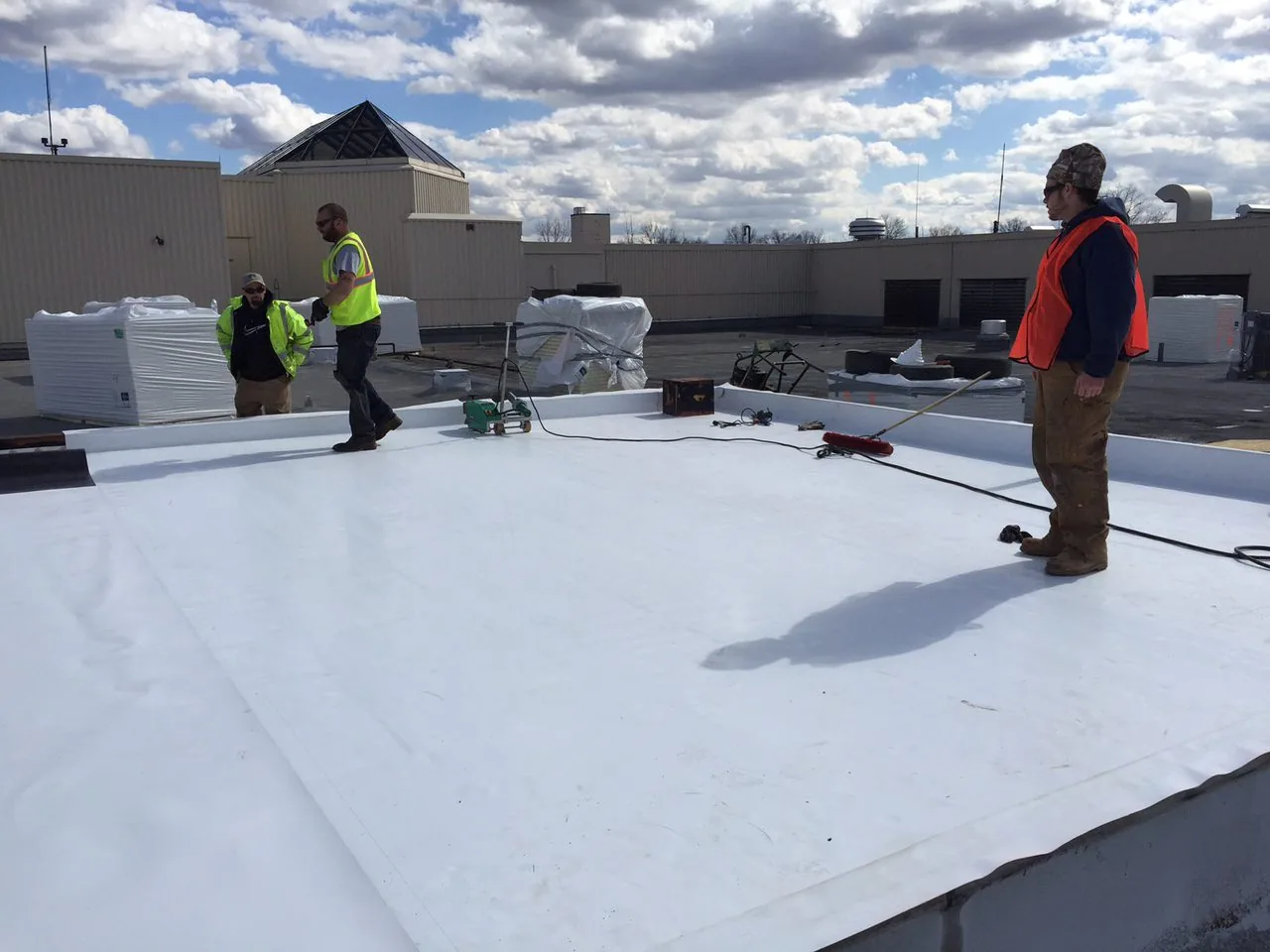
We photograph each stage of the repair: the defect as found, any opened insulation, the deck, the nearby seam repairs, the primed membrane and the finished patch. Those photos are keyed to the roof plan. Once the new rubber is down, the work underneath is hidden, so the photos are how you know it was done right.
A roof condition report for a Hurst building lists every repair with its location, anything we found but did not fix, and any part of the roof we did not inspect.
If we put down a temporary patch first, the report says what it was covering and when the permanent repair replaced it. Temporary and permanent work stay separate, so nobody mistakes a stopgap for the finished job.
Common Questions
What should a Hurst roof repair estimate spell out?
Each defect, where it is, how it will be fixed and where the new material ties into the existing roof, plus any insulation replacement and anything we could not fully check.
How do you handle a leak source you can't confirm?
We say so in the estimate and the report, and we mark the area on the roof plan. That way you know what was fixed and what still needs a closer look if the leak continues.
Why check the rubber around the repair before choosing a method?
The patch has to bond to clean, flexible EPDM. If the membrane around the damage is brittle or cracked, we cut back until we reach sound rubber.
Does a dry core mean the whole roof is dry?
No. A core tells us about that spot. If other areas show signs of moisture, they get checked on their own.
What will we get to show what was done under the patch?
Photos of each step, from the opened insulation to the primed membrane and finished patch, each tied to a spot on the roof plan, plus a written report.
Get your Hurst roof repair estimate
Tell us which building and what you're seeing on the roof or inside. We'll inspect it, mark each problem and send you a clear estimate for a lasting repair.
- North Richland Hills premises needing separately established roof findings
- Richland Hills properties with individually assigned membrane concerns
- commercial roof correction defining the examined membrane defect and retained boundary
- EPDM membrane work selected through covering identification and retained edge examination
- warehouse property with its own membrane and supporting material assessment
- roof condition account locating Hurst membrane repairs and further investigation needs