
Government Building Roofing in Arlington, TX
Government Building Roofing
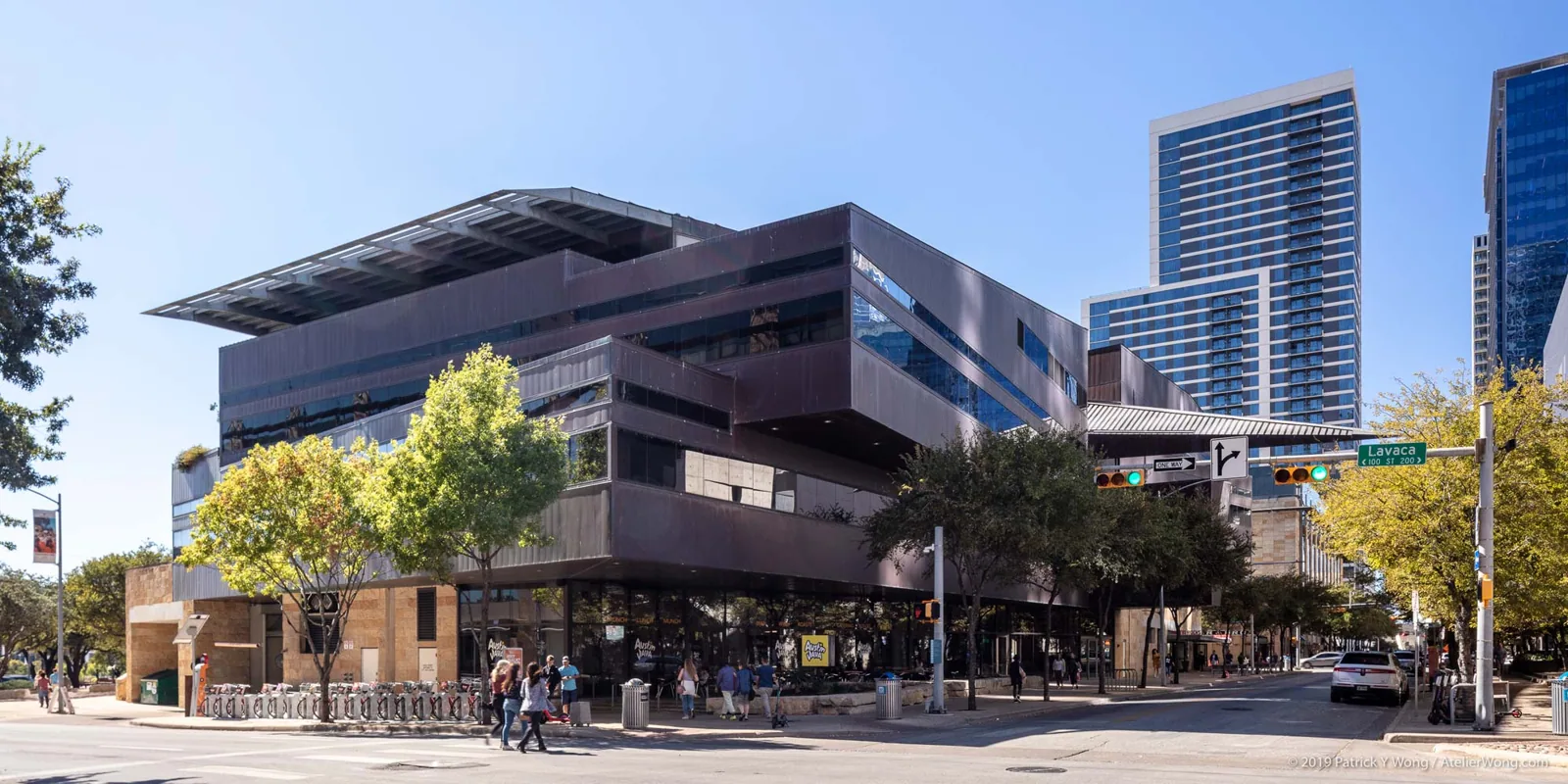
Government building roofing in Arlington, TX: wall flashing repair, moisture surveys, and roof work scheduled around staff and the public in occupied buildings.
Government buildings in Arlington, TX, from offices and courts to libraries and service centers, usually stay open while the roof is worked on, and their leaks often show up along the walls. Hot summers and cold winters work on flashing, sealant and membrane year after year. When a leak traces to a wall, we follow the flashing up to where it ends and check the wall behind it. If the sheathing or masonry needs repair, we say so and explain what the wall contractor does before we tie the roof back in. Making a patch bigger won't fix a wall that's letting water in.
For public buildings in North Richland Hills and Benbrook, we plan access and protection around how each building is actually used.
Downtown, buildings such as Arlington City Hall on West Abram Street and the George W. Hawkes Downtown Library show the range of civic buildings in the city, but a name doesn't tell us how a roof is built or give anyone permission to work on it. To start, we need the specific building, any drawings or roof records, and the facilities contact who can schedule the visit. Facilities staff know which rooms and systems sit under the work area. Being a public building doesn't by itself set the bid process or work hours; the agency does.
Wall flashing and the wall behind it
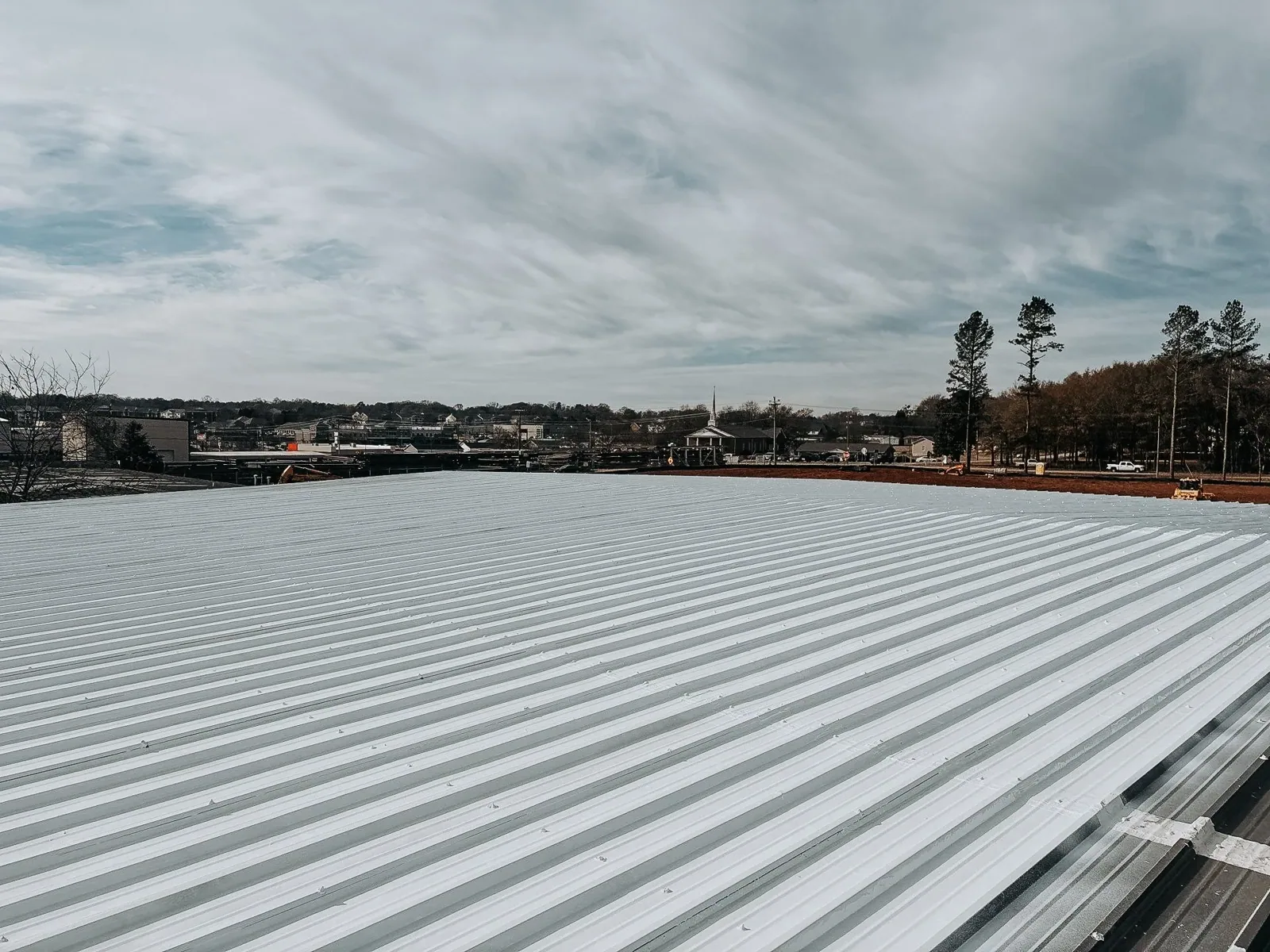
An inspection for flashing failure repair starts where the leak was reported. We check the counterflashing, the termination bar or reglet, the base flashing and the wall behind them. Sound sheathing or masonry stays; deteriorated material gets repaired by the wall contractor, with an architect or engineer involved if the wall needs design changes. Then we install new base flashing and counterflashing and tie them into the roof. The wall repair and the roofing are different trades, but they're one fix, and the estimate should show both. A membrane-only proposal can't solve a wall problem.
We photograph what we find once the old flashing is off, because the new work will hide it. If something important is still out of sight, we recommend a test opening rather than calling the wall sound because it looks fine from outside. A stained ceiling tile helps us find the general area, but water can enter at a coping or window above and travel down inside the wall. We show the facilities manager what we saw, why we're recommending the repair, and what we didn't get to look at. That way anyone reviewing the work later can follow the reasoning instead of taking a ceiling stain as the whole diagnosis.
Roof repair at the wall line
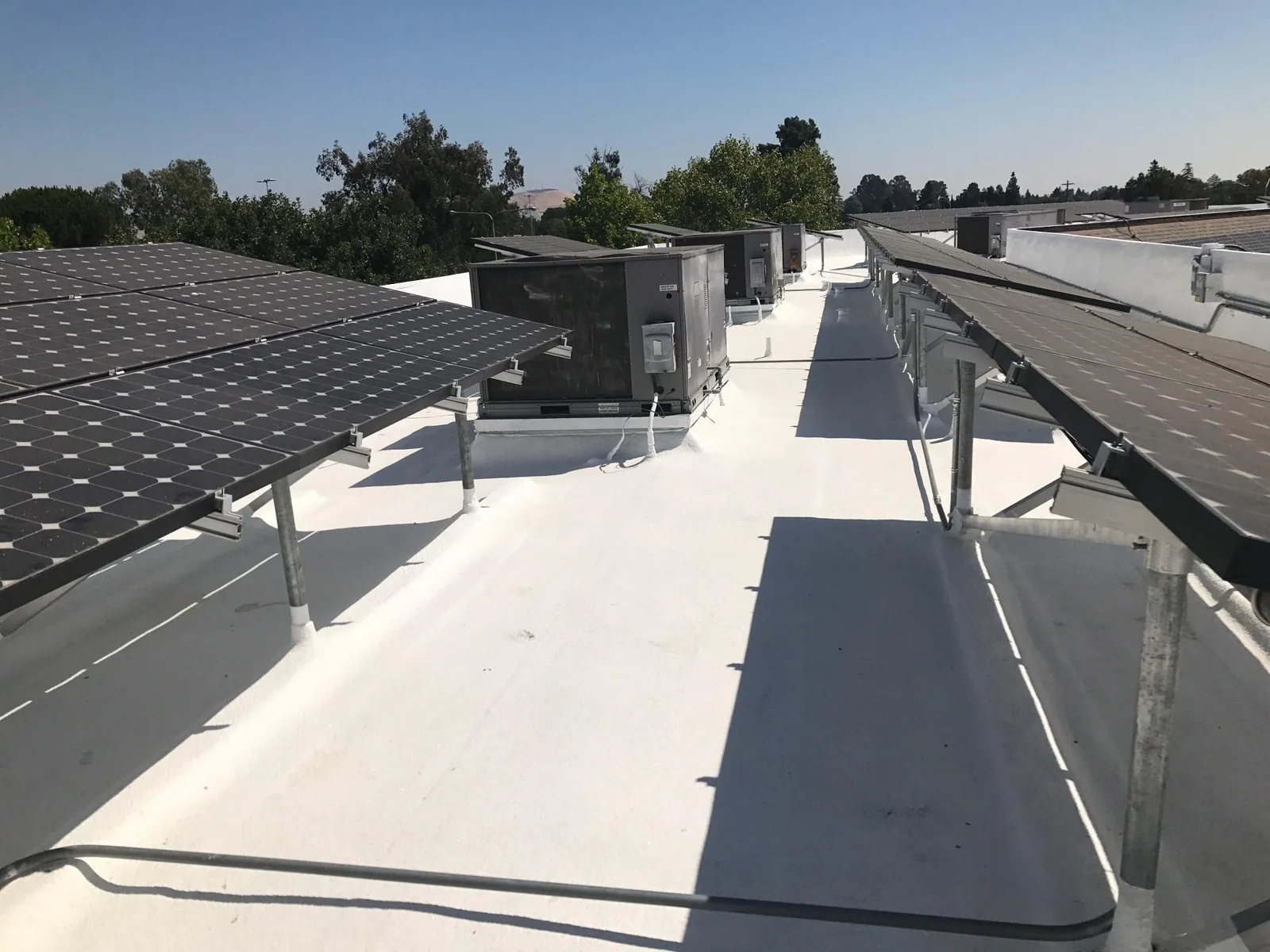
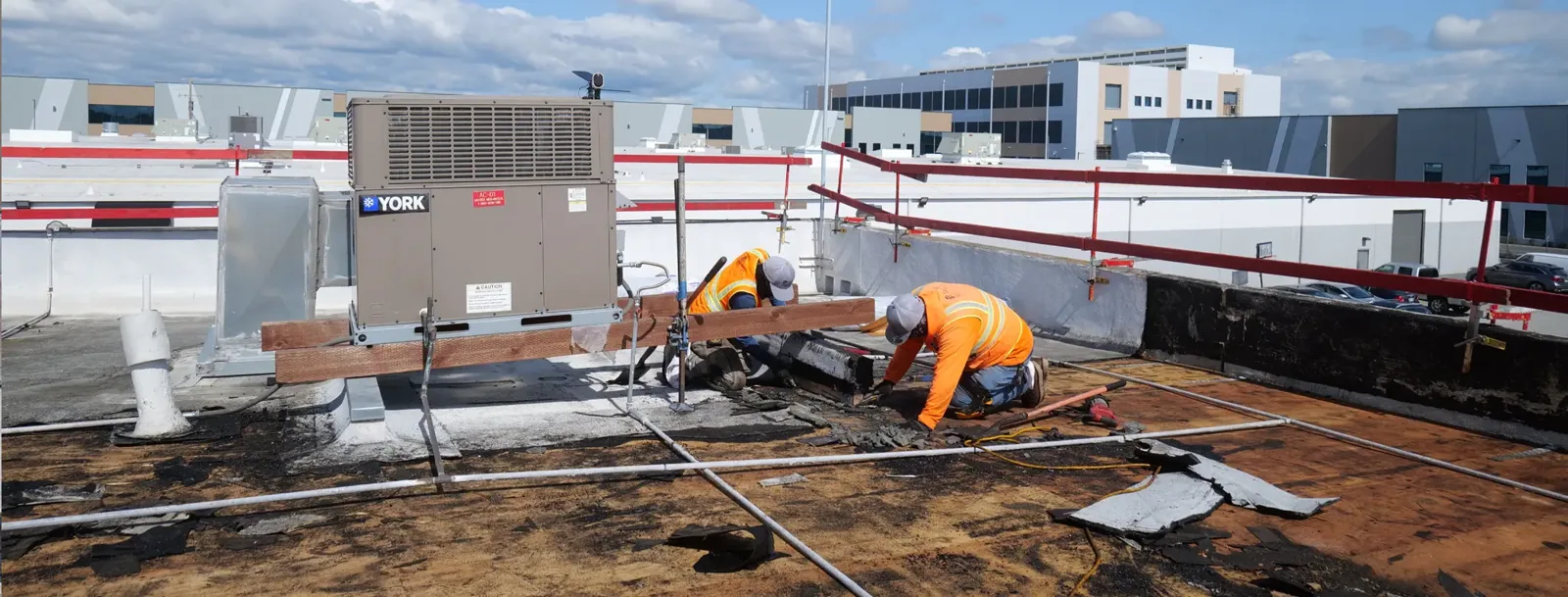
For a commercial roof repair along the wall, we separate membrane that can stay from layers that come off to reach solid material. The repair method follows the roof that's there: heat-welded seams for TPO or PVC, tapes and adhesives for EPDM, torch-applied or cold-applied plies for modified bitumen. Each needs the old surface cleaned and prepared so the new material bonds. The wall repair and the roofing belong in the same comparison. A coating line item can be legitimate, but it won't fix the wall or a rooftop unit.
An infrared moisture survey can show where wet insulation is likely, but the readings depend on weather and roof conditions during the scan. They tell us where to cut cores, not what every layer looks like. If keeping the existing roof depends on dry insulation, we take cores in the right spots, patch them, and check the rooms underneath before cutting. The scan is worth doing when it helps make a repair-or-replace decision. It shouldn't be treated as a guarantee about the whole roof or as a forecast drawn from temperature history.
Equipment, drains and other trades
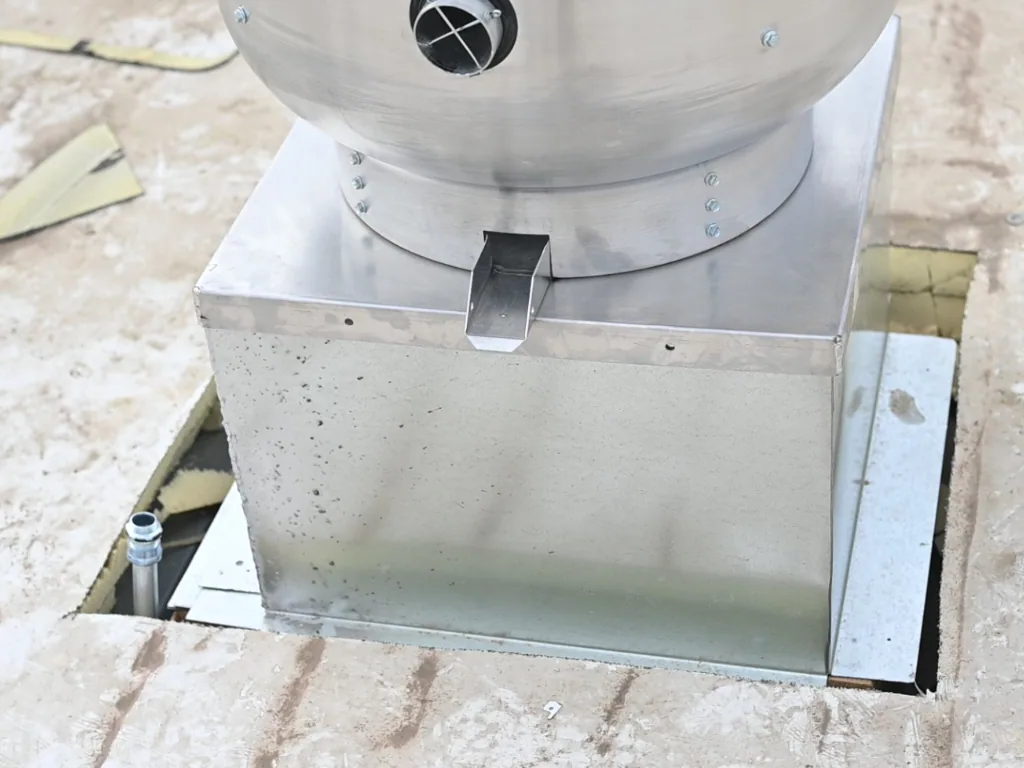
Where equipment curbs and supports sit inside the repair area, we look at the curb, its flashing and the support under the unit. Disconnecting, lifting or moving a unit is the mechanical contractor's job, and changes to the support go to an engineer. Once the curb is ready, we flash it. We tell the facilities manager what has to happen first and why the roof detail can't be finished until it does, so the work can be scheduled in the right order and budgeted together. Otherwise a roof job can look finished on paper while the unit still leaks.
Drains work the same way. At the drain we check the drain body, clamping ring and sump, and replace parts so the new membrane seals. A cracked pipe above the ceiling or a leaking joint below the roof goes to a plumber, with an engineer brought in if the drainage design changes. We list that work next to the roof detail that depends on it. Wall, mechanical and plumbing items each stay on their own line instead of being lumped into a roof patch that claims to fix the whole leak. That gives the manager a full picture before comparing proposals from different contractors.
Working above staff and the public
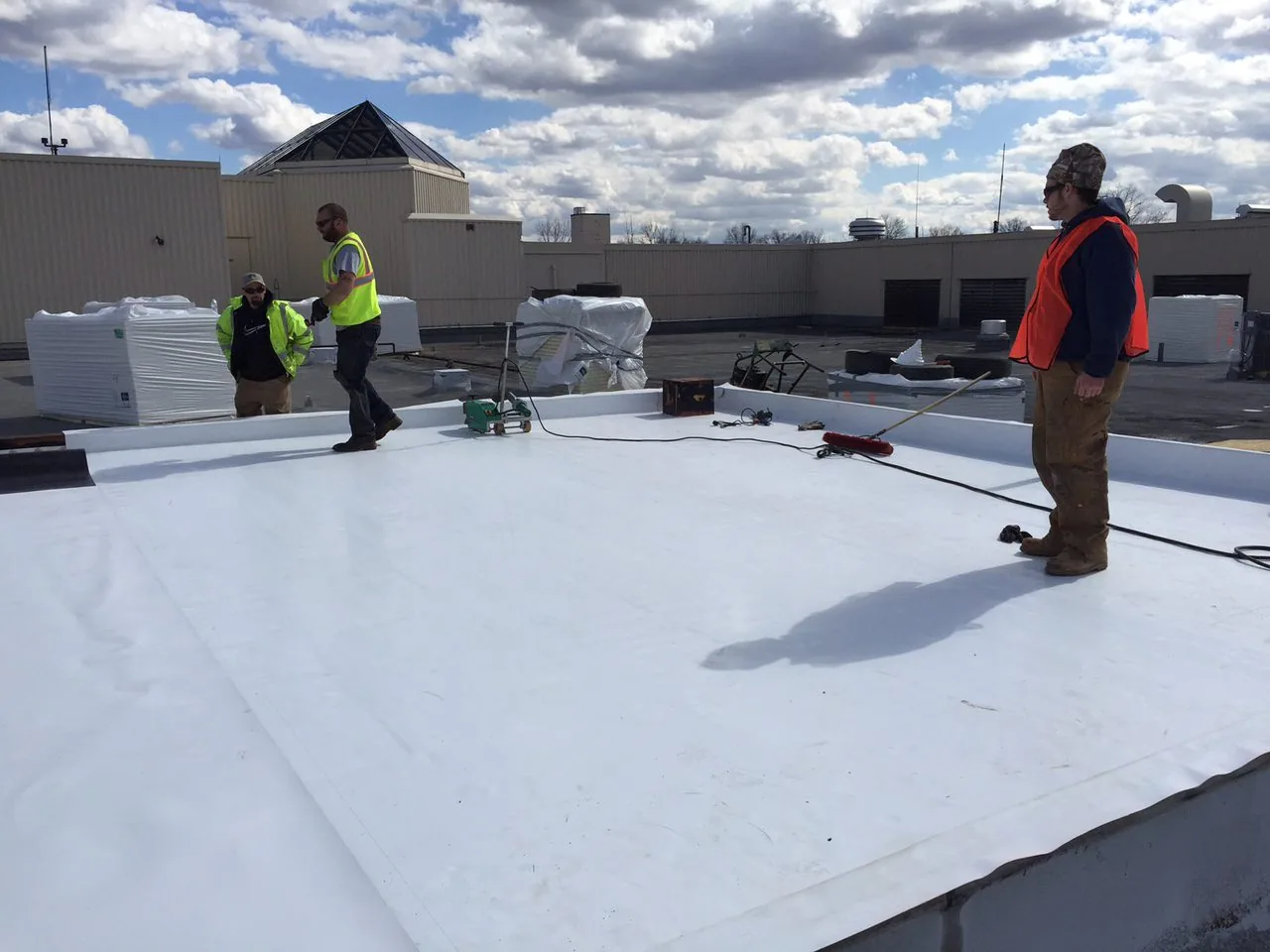
For reroofing an occupied building, we walk the facilities contact through where we'll open the roof, how materials get on and off, and where the hoist goes. Facilities decides which offices, public counters, records rooms or server closets need protection or relocation, and what work hours and safety measures apply. An OK for an inspection visit isn't approval for construction, and we never assume a room below is empty. Schedules come from the building and the people running it, not from a generic idea of how government projects work.
If tear-off uncovers more damage, such as wet insulation or wall rot beyond the planned limit, we stop, dry the area in, show what we found and price the added work. Facilities checks the rooms below the expanded area before we keep going. If the wall or mechanical contractor has to do their part first, we install a temporary roof and leave the permanent detail for when they're done. The change order lists the added roofing, the other trades' work and the protection below together. That way nobody assumes the original protection plan automatically extends to rooms that weren't part of it.
Keeping the record straight
At completion, we document the wall repair, the new flashing, the membrane we replaced, the core cuts we patched, and photos taken while everything was open. Work still owed by another contractor is listed separately from the roofing we delivered, and any spot that needs more investigation gets its own location and note. That record holds up when the next facilities manager or a budget reviewer asks what was done, what wasn't, and why one wall repair didn't fix every problem in the building.
To schedule an inspection for a public building in Downtown Arlington or elsewhere in the city, have the facilities contact reach out. School roofs and office building roofs often have similar wall-line leaks, but each building gets its own inspection and its own scope. We keep the government building record tied to the repair we actually made, so the next person responsible for the building has a clear place to start.
Common Questions
What should a public building contact have ready before an inspection?
The building address, any roof drawings or repair records, where the leak shows up inside, and who can grant roof access. Let us know about security check-in, escorts or work-hour limits ahead of time.
Why does a wall-line leak repair include wall work?
Because flashing is only as good as the wall behind it. If the sheathing or masonry has deteriorated, the wall contractor repairs it, and then we install new flashing. A membrane-only price won't fix a wall that's letting water in.
What happens if you find more damage once the roof is open?
We stop, dry the area in and show facilities what we found. They check the rooms below before we expand the work. The change order spells out the added roofing, any temporary roof, and the permanent repair still to come.
What isn't included once the roofing is done?
Any work assigned to the mechanical, plumbing or wall contractor, plus spots we recommended investigating further. Those are listed separately in the closeout record so they aren't mistaken for finished roofing.
Get the wall leak inspected
Have the facilities contact schedule a visit. We'll check the flashing and the wall behind it, explain the repair, and plan any tear-off around the people working below.
- government building wall flashing and support repair
- government building covering preparation around wall repairs
- government roof survey and concealed layer inquiry
- government roof equipment support and roofing coordination
- government building removal and interior preparation review
- government roof examination in downtown Arlington and the Downtown Arlington area
- school roof work with supporting wall preparation
- office roof investigation and construction handoffs