
Army Installation Roofing in Arlington, TX
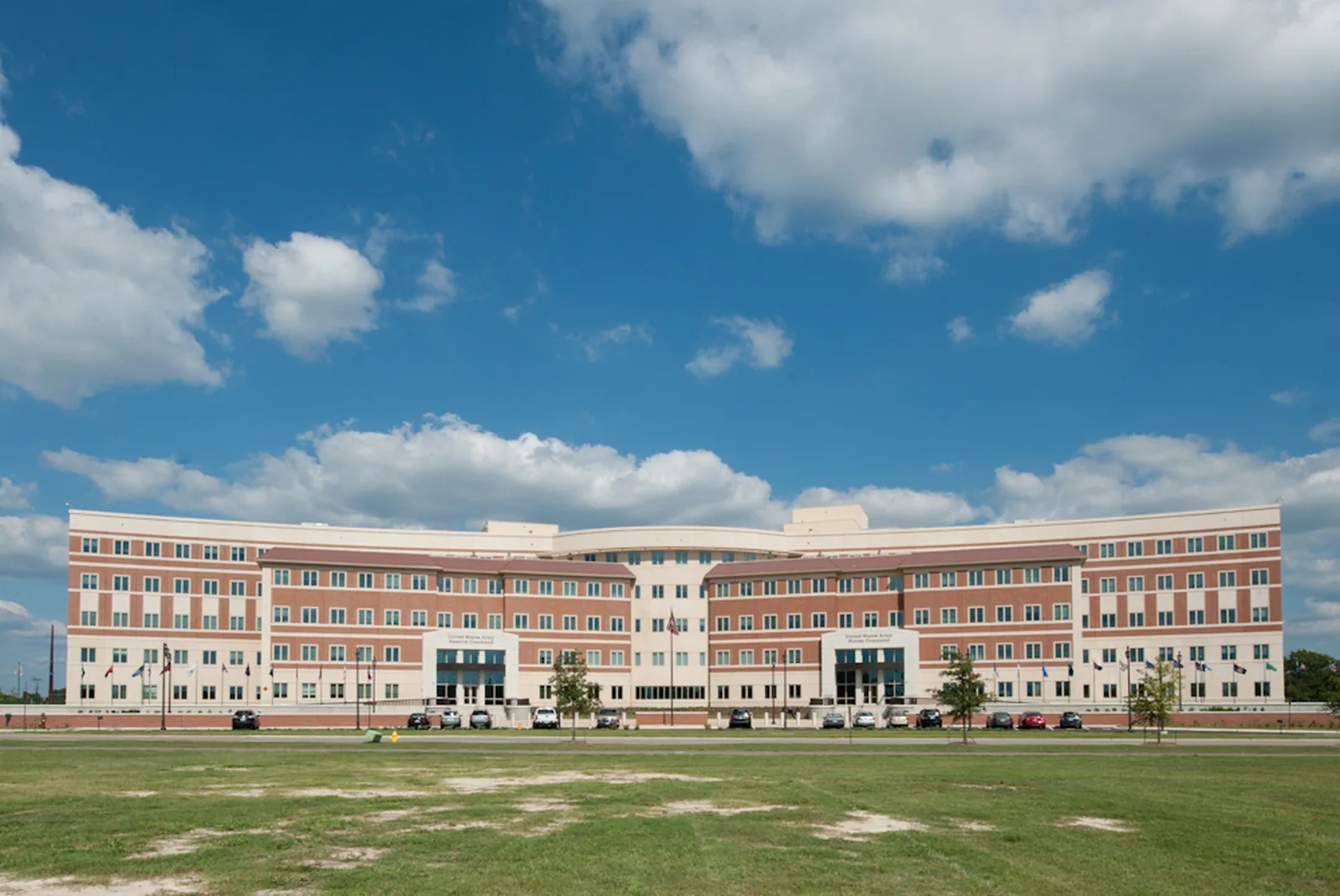
Army Installation Roofing
Roof edge, coping and flashing repair for Army buildings in Arlington, TX. We inspect nailers and membrane, coordinate other trades and protect the space below.
The February 14 to 17, 2021 winter storm hit North and Central Texas hard, and freeze-thaw like that is rough on edge metal and the wood behind it. For Army installation roofing in Arlington, TX, we start with the building that has the problem. When the concern is at the roof edge, we look at the edge metal, the fasteners, and the wood nailer or blocking they're fastened into. If that blocking has rotted, it gets replaced before new metal goes on. Pricing only the new edge metal leaves out the part that makes it hold. We put the blocking repair, the roofing and the protection for the space below in one estimate.
For buildings in Grand Prairie and Lancaster, we plan access and protection around how each building is actually used.
The nearest Army National Guard training site is Fort Wolters in Mineral Wells. We're an independent roofing contractor with no military affiliation. Tell us the building, the problem and who can get us on the roof. The facility's own staff set the access, escort and work-hour rules for that building.
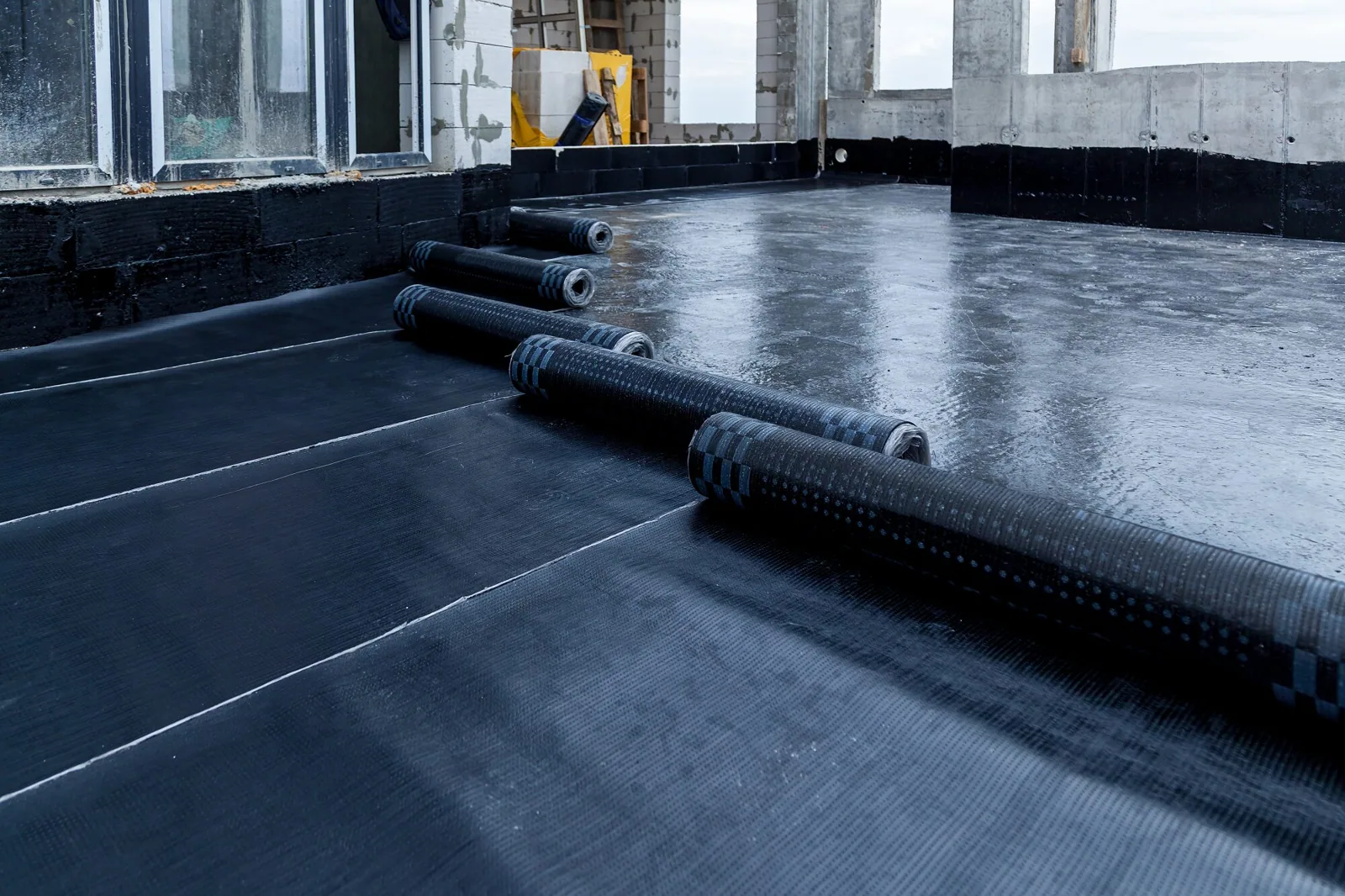
Edge metal and what holds it
Our edge metal, coping and gutter work starts where the problem was reported. We check the fasteners, the joints between metal sections, the cleats, and the nailer underneath. Rotted or split wood has to be replaced before a new edge can be fastened. If the change goes beyond like-for-like replacement, an engineer or the facility's designer should review it. The estimate shows the nailer work and the new edge together. An edge priced only by the linear foot of metal misses the repair it needs underneath.
While the edge is off, we photograph the nailer, the deck edge and any wet insulation, because once the new metal is on, nobody will see why that wood was replaced. If we can't tell whether the blocking farther along is sound without pulling more metal, we say so and tell you what it would take. One loose section of coping tells us where to look. It doesn't prove the whole perimeter is failing. And the Fort Wolters history tells us nothing about the wood under this roof edge.
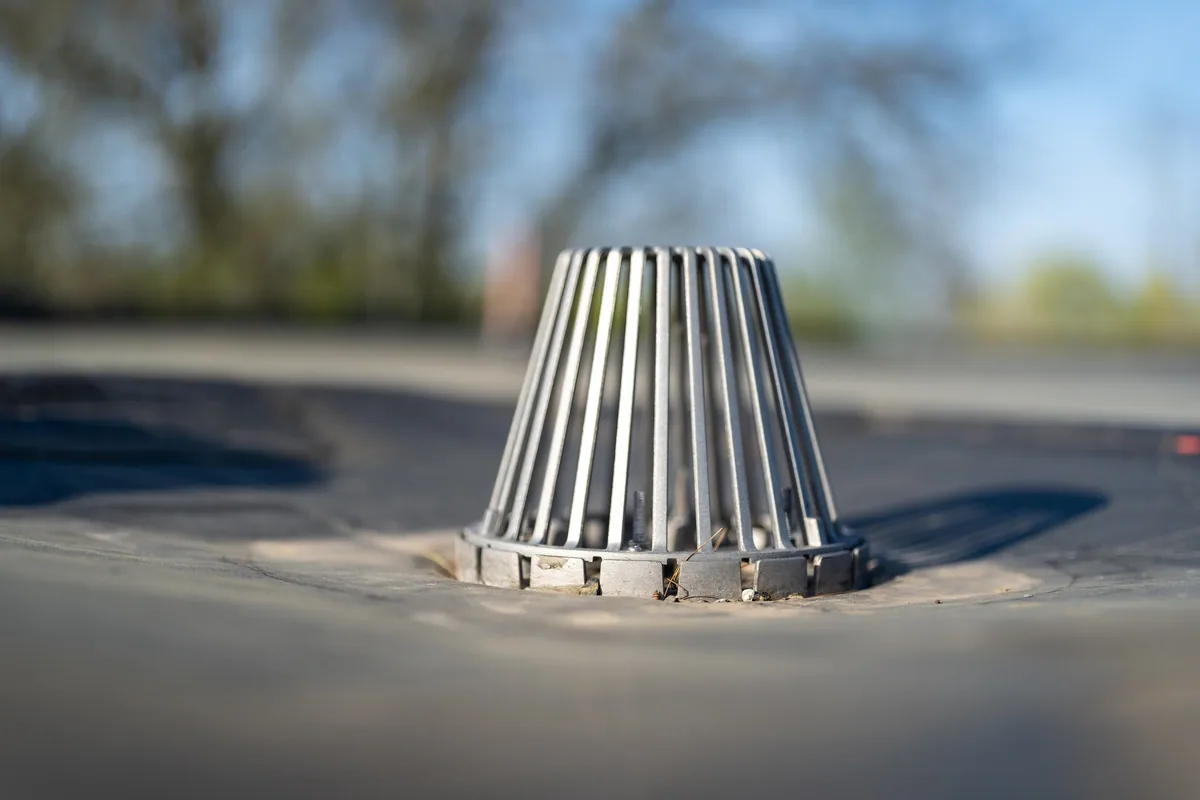
Tying the membrane into the edge
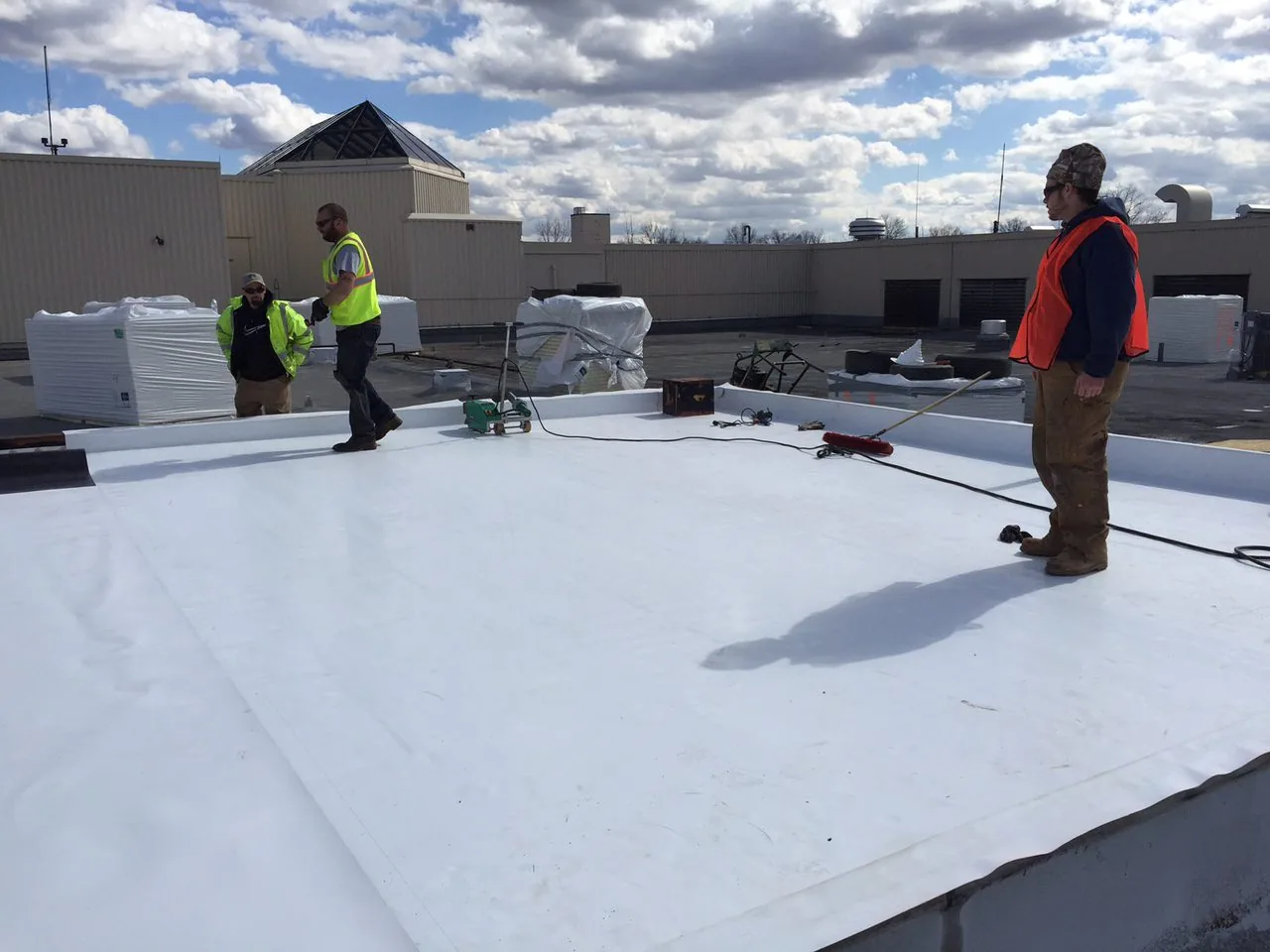
A commercial roof repair at the edge follows the membrane we find. We mark how far back the old membrane comes off to reach solid nailer, and what stays. TPO and PVC are cleaned and heat-welded; built-up and modified bitumen roofs get their own flashing methods. The new membrane ties in once the nailer is rebuilt, and then the edge metal goes on over it. A coating allowance won't rebuild blocking or move rooftop equipment, so it's no substitute for the edge repair.
An infrared moisture survey can find likely wet insulation, especially along edges where water has been getting in for a while. Infrared reads temperature differences, not confirmed moisture, so we cut cores where the result decides between a recover and a tear-off. Each core is patched, and we check with building staff about what's below before we cut. The recommendation comes from material we've actually examined, not from the 2021 freeze or from the building being on an Army property.
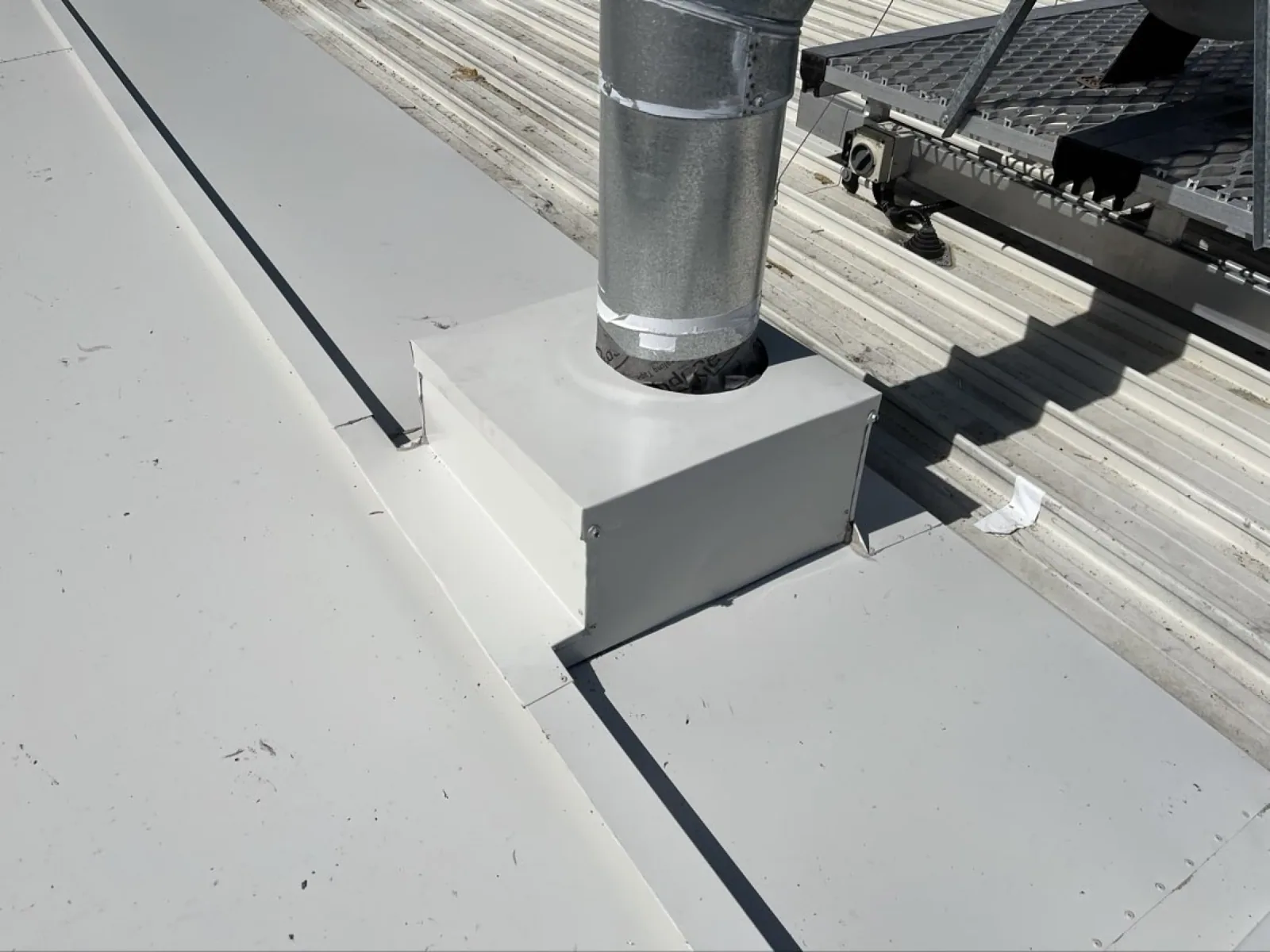
Walls, equipment and drains
Where the roof edge runs into a taller wall, we check the counterflashing and what it's fastened to. If the sheathing or masonry behind it needs repair, the wall contractor does that first, with an engineer reviewing any design change. Then we install new base flashing and counterflashing. The estimate lists the wall repair next to the roofing that depends on it, so the project can be scheduled in the right order. New flashing on a deteriorated wall fails early, and the leak comes right back.
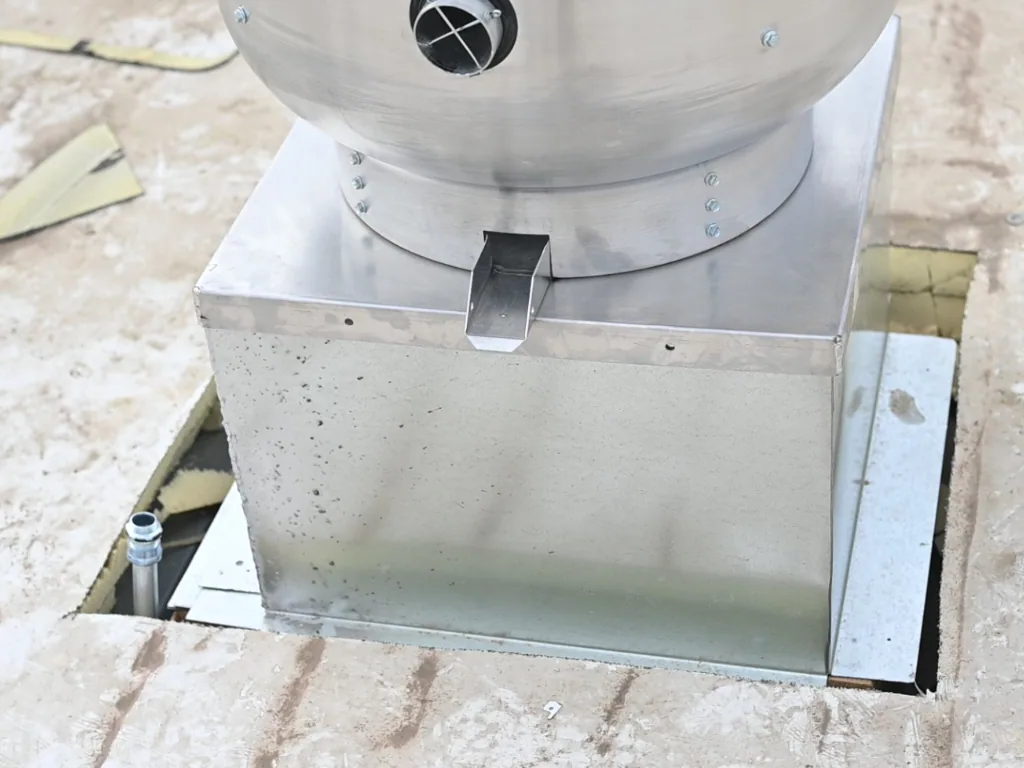
For rooftop equipment curbs and supports, the mechanical contractor handles disconnecting, lifting or modifying the unit, and a designer reviews any support change. We rebuild the curb flashing once that's done. At drains and scuppers, we check the roof-side connection and prep the outlet for the new membrane; cracked pipe or a blocked line below is the plumber's job. We keep each trade's work listed separately from the roofing, so a roof patch never looks like it fixed an HVAC or plumbing problem that's still open.
Planning the tear-off
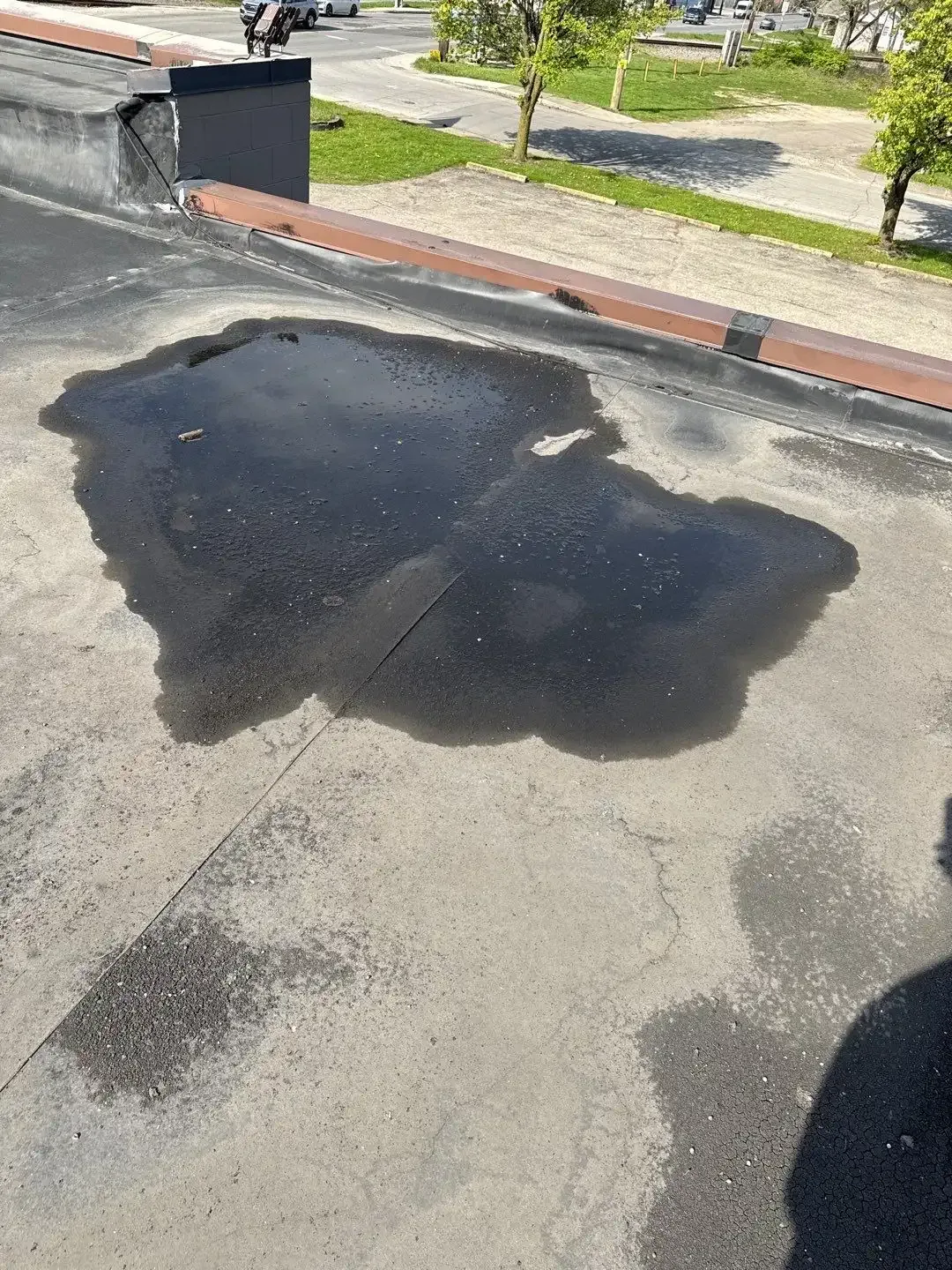
For occupied building reroofing, we show the facility contact which roof sections we'll open, where materials will be staged and how they'll come off the roof. Building staff decide what needs protecting below, whether that's offices, equipment rooms, storage or training space, and they set the access route, escort and work-hour rules. We include our own safety and weather protection in the plan. An inspection visit doesn't mean the space below is clear or the route is approved for install days, so we confirm both rather than assume.
If tear-off turns up more rotted nailer or wet insulation than planned, we stop, photograph it, and explain what else needs replacing and what it adds to the cost. If the larger area sits over a different room, staff review that space before we keep going. When another contractor still needs to finish wall or equipment work, we install temporary protection so the building stays dry, and we note what permanent roofing is left. The change order lists added material, other trades and protection together, so nothing below gets left exposed.
The closeout record
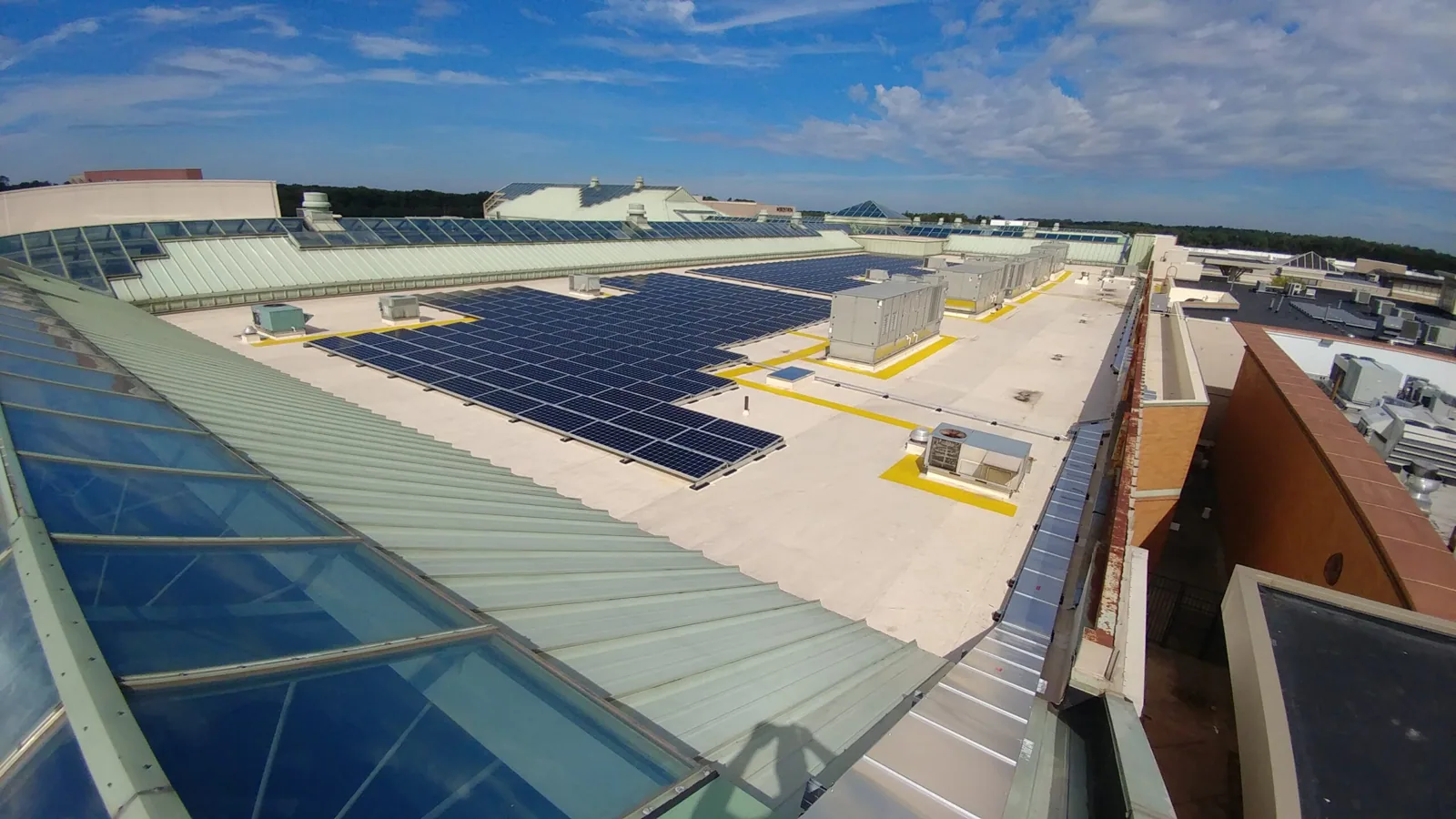
When we finish, you get a record of the nailer and blocking we replaced, the new edge metal, the membrane removed and installed, cores cut and patched, and photos taken before everything was closed up. Wall, HVAC or plumbing work still pending with other contractors is listed separately, along with any question we couldn't answer without opening more roof. A clean new edge shouldn't be read as proof that hidden plumbing or another trade's work is done.
We set up roof inspections around Downtown Arlington and the rest of the city through the building's facility contact. That doesn't mean there's an Army installation downtown. National Guard armory roofing gets its own inspection, as does Air Force base roofing. Each estimate stays tied to the building we inspected and what we found there, not to a regional place name.
A good work plan names the building and the exact roof section, since a single property can have roofs of different ages, additions and systems. The facility contact sets up the inspection and tells us which occupied rooms or building systems are affected. Before tear-off, the scope should say where materials will be staged, how open areas get covered at the end of each shift, and who checks the deck and insulation once they're exposed. If deck, insulation or blocking work changes after we open the roof, photos and a written change description keep the original repair separate from the added work. The final record shows the completed roofing and any work still assigned to another trade.
Common Questions
Does the Fort Wolters reference say anything about an Arlington building?
No. It's regional history about a training facility in Mineral Wells. It tells us nothing about a building's current use or roof in Arlington. We need the actual building and a facility contact to set up the inspection.
What has to happen before new roof edge metal goes on?
Rotted nailers or blocking under the edge get replaced first. Then the membrane is tied in and the new edge metal is fastened over it. Pricing only the metal leaves out the wood it depends on.
How do you check for hidden wet insulation?
Infrared helps find suspect areas, and core cuts confirm them where the result changes the repair. Each core is patched, and we check with staff about the space below before we cut.
What should the closeout record include?
What we replaced, what we removed, where cores were cut, and photos taken while the roof was open. It also lists any wall, HVAC or plumbing work still pending. One new edge doesn't answer questions about other parts of the roof.
Get the roof edge inspected
Have the building's facility contact set up a visit. We'll check the edge metal and blocking, then explain the repair, the membrane tie-in and how we'll protect the space below during tear-off.
- Army building roof edge and supporting material examination
- Army roof covering repair beside reconstructed edge support
- Army roof temperature findings and concealed layer inquiry
- Army roof component supports and covering handoffs
- Army building roof removal and affected-area preparation
- Army building roof inquiry in the Arlington area near downtown and Downtown Arlington
- Guard building roof repair and supporting preparation
- Air Force building roof work and wall reconstruction